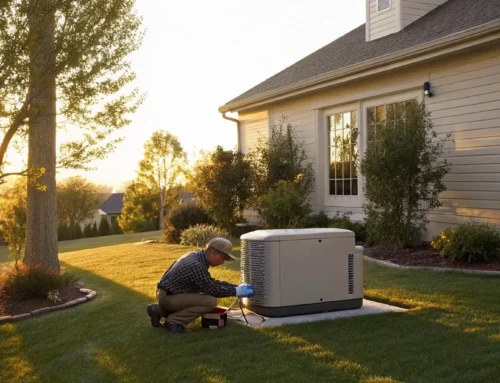
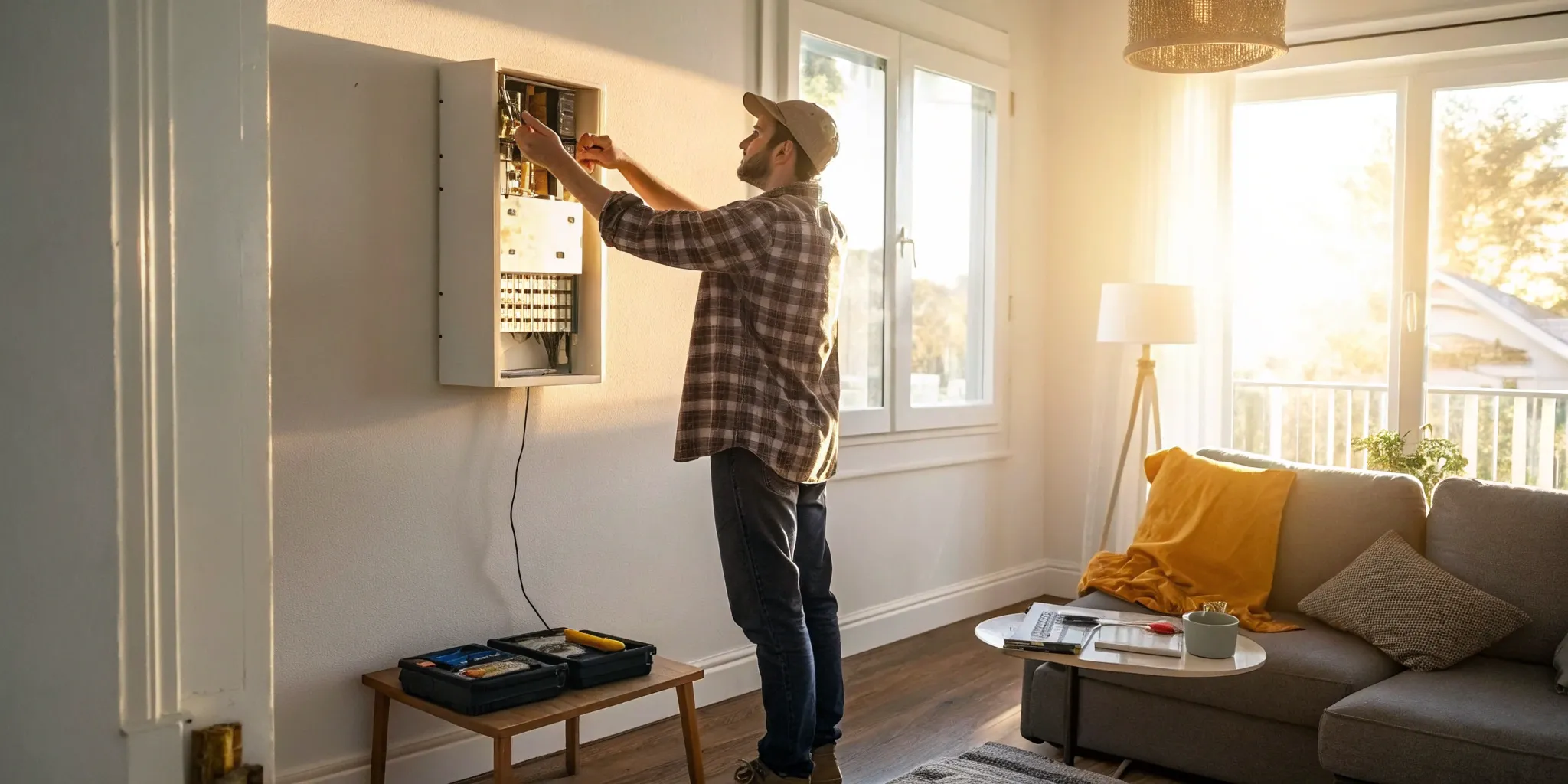
Flickering lights and frequently tripped breakers are more than just minor annoyances; they are signals that your home’s electrical system is under stress. This intricate web of wires, panels, and outlets—your home electrical reticulation—works hard every day, and sometimes it needs a check-up. A healthy system is non-negotiable for protecting your family from electrical hazards and reliably powering your modern life. It’s also the essential foundation for major upgrades. Before you can even think about a residential standby generator installation, you need to be sure your home’s wiring can handle the job. This guide will help you understand the warning signs and know when to call for professional help.
Key Takeaways
- Listen to your home’s warning signs: Frequent breaker trips and dimming lights are clear indicators that your electrical system is strained. These issues signal that your home may not be able to safely handle modern appliances, let alone a whole-home generator.
- A modern electrical panel is the foundation for reliable backup power: A standby generator connects directly to your home’s main panel. Ensuring your system is up to code and can handle the load is the most critical step for a safe and successful generator installation.
- Electrical work is a job for professionals, not a DIY project: For your safety and the protection of your home, always hire a licensed electrician for inspections, repairs, and generator installations. A professional ensures the work is done correctly and your system is reliable when you need it most.
What Is Your Home’s Electrical System (And How Does It Work?)
We flip a switch, and the lights come on. We plug in our phones, and they start charging. It feels like magic, but it’s all thanks to the complex network of wires and components working behind your walls. This network is your home’s electrical system, and understanding the basics is the first step toward keeping your home safe, efficient, and prepared for anything.
Think of your electrical system as your home’s circulatory system. Power flows from the utility line into your house, arriving at a central hub called the main service panel (you probably know it as the breaker box). From there, it’s divided and sent along different paths, or circuits, to power everything from your refrigerator to your reading lamp. A well-maintained system doesn’t just keep the lights on; it protects your appliances, prevents safety hazards, and ensures you have reliable power when you need it most—especially during an outage when a Generac generator needs to take over.
How Power Gets to Your Outlets
The journey electricity takes to get to your outlets is a carefully planned route. It all starts at the main service panel, which acts as the distribution center. Inside this panel, you’ll find circuit breakers. These are essential safety devices designed to automatically shut off power to a circuit if it becomes overloaded, preventing overheating and potential fires. From the breaker, electricity travels through various types of wires and cables hidden in your walls, floors, and ceilings. These wires are the highways that carry the electrical current to every switch, fixture, and outlet in your home, completing the path that lets you power your daily life.
Tracing the Path of Electricity in Your Home
Have you ever wondered how electricians run all that wiring without it being a jumbled mess? The path is meticulously planned. In many homes, wires are run through a dedicated space between the framing and the drywall. This “service cavity” protects the wiring from being accidentally punctured or damaged when other work is being done. This careful placement ensures that the electrical current flows uninterrupted and safely from the breaker panel to its final destination. It’s this hidden infrastructure that makes it possible to add new outlets, install light fixtures, or even integrate a whole-home standby generator seamlessly into your existing system.
Busting Common Myths About Home Wiring
There are a lot of misconceptions about home electricity that can be confusing or even dangerous. Let’s clear a few up. First, a new breaker panel does not mean your home’s wiring is updated; old, outdated wiring could still be hiding in the walls. Another common myth is that simply turning off an appliance stops it from using power—many electronics continue to draw a small amount of energy even when off. And perhaps the most critical myth to bust is that you don’t always need a permit for electrical work. Most electrical repairs and upgrades require permits to ensure the work is done safely and up to code, protecting you and your family.
Get to Know Your Home’s Electrical Components
Thinking about your home’s electrical system can feel a bit like trying to read a map in a foreign language. But getting familiar with the key players is the first step toward ensuring your home is safe, efficient, and ready for anything—especially a power outage. When you understand the basics, you can make smarter decisions about everything from routine maintenance to installing a whole-home generator. These components work together to deliver power safely and reliably, and they are the foundation for a seamless Generac generator installation. Let’s walk through the main parts of your system so you can feel confident about how your home works.
The Main Electrical Panel: Your Home’s Power Hub
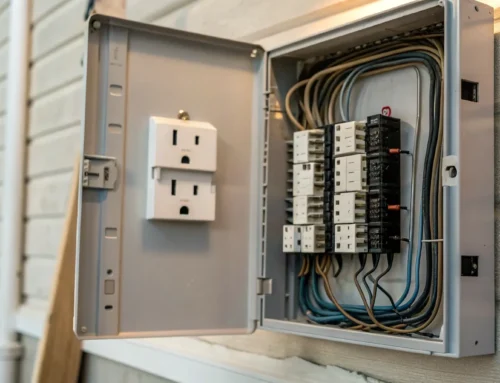
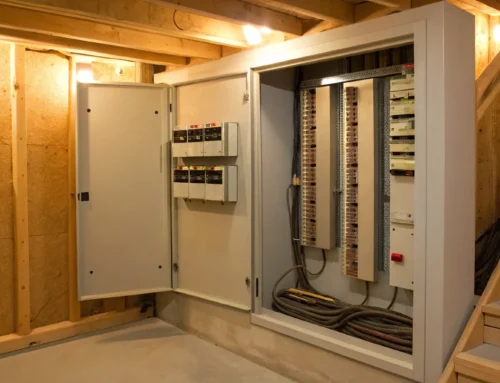
Think of your main electrical panel (also called a breaker box) as the heart of your home’s electrical system. It’s where the main power line from the utility company enters your house and gets distributed to all the different circuits. As This Old House explains, “Electricity comes into your home through a main box called the service panel… From there, it goes to different circuits that power lights and appliances.” This panel is also the critical connection point for a standby generator. An automatic transfer switch is installed here, allowing your generator to safely take over when the grid goes down. A modern, properly sized panel is essential for a safe and effective generator installation.
Circuit Breakers and Safety Switches: Your First Line of Defense
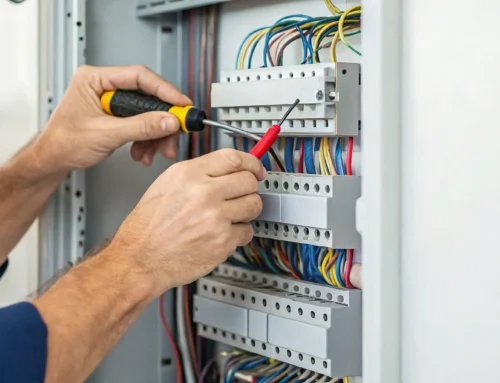
Inside your electrical panel, you’ll find rows of switches called circuit breakers. These are your system’s most important safety feature. Their job is to automatically shut off power to a circuit if it becomes overloaded, preventing overheating and potential fires. These breakers “act like safety guards” by cutting power when there’s too much electricity flowing. If you find a breaker is tripping frequently, it’s a sign that the circuit is overloaded or there might be a deeper issue. Our team of expert electricians can diagnose these problems to ensure your system is safe and can handle your daily power needs, which is crucial for reliable generator performance.
Understanding Your Home’s Circuits and Wiring
The wiring that runs through your walls is the circulatory system that carries electricity from the panel to every part of your home. Each circuit breaker in your panel controls a specific circuit, which might power the outlets in your kitchen, the lights in your bedrooms, or a major appliance like your air conditioner. When planning for a generator, understanding these circuits is key. You’ll decide which essential circuits you want your generator to power during an outage—like your refrigerator, well pump, and heating system. This ensures your family stays comfortable and safe until grid power is restored and your generator operates as efficiently as possible.
Outlets, Switches, and Fixtures: The Final Touchpoints
Your outlets, switches, and light fixtures are the points where you interact with your electrical system every day. While they seem simple, their placement and condition are important for both convenience and safety. Properly functioning outlets and switches are a sign of a healthy system. However, if you notice outlets that are warm to the touch, discolored, or have loose connections, it could indicate underlying wiring problems. Addressing these issues is an important part of overall electrical maintenance and ensures your system is in top shape before integrating a generator. Our residential electric services can help make sure these final touchpoints are safe and reliable.
Why a Healthy Electrical System Is Non-Negotiable
Your home’s electrical system is like its central nervous system—it works silently in the background, powering everything you do. But when it’s outdated or strained, it can cause more than just minor inconveniences. Overlooking the health of your wiring and electrical panel can compromise the safety of your home and family. A well-maintained system, on the other hand, not only protects your home but also makes it more efficient and ready for modern upgrades, like a standby generator. Ensuring your electrical infrastructure is up to the task is one of the smartest investments you can make in your property. It’s the foundation for a safe, comfortable, and reliably powered home, especially when you need it most.
Protect Your Home from Electrical Hazards
The most important reason to maintain your electrical system is safety. Faulty wiring and overloaded circuits are leading causes of residential fires. An outdated electrical panel, especially, can struggle to keep up with the demands of modern life, increasing the risk of overheating and electrical fires. If you notice breakers tripping often or lights flickering, it’s your system’s way of telling you it’s under stress. Addressing these issues with professional electrician repairs and considering a panel upgrade can significantly reduce these risks. A modern, well-maintained system provides peace of mind, knowing your home is protected from preventable electrical dangers.
Improve Energy Efficiency and Save Money
An older electrical system doesn’t just pose safety risks; it can also be inefficient, leading to higher energy bills. Worn-out wiring and old components can cause power to leak, meaning you’re paying for electricity that never even reaches your devices. By updating to a more energy-efficient system, you can reduce this waste and enjoy noticeable cost savings over time. Modern circuit breakers, updated wiring, and a properly sized panel ensure that electricity is delivered effectively throughout your home. This efficiency not only helps your wallet but also reduces your home’s overall energy consumption, which is a win for everyone.
Powering Today’s Technology and Appliances
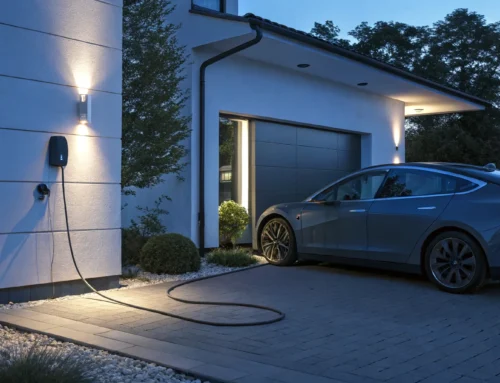
Think about how many devices are currently plugged in at your house. From smart TVs and high-powered kitchen appliances to home offices and EV chargers, modern homes use far more electricity than the homes of a few decades ago. Older electrical panels simply weren’t designed to handle this kind of load. A healthy, modern electrical system ensures you can run all your technology without worrying about overloading circuits. Investing in your home’s residential electric infrastructure means you can confidently power your life today and be prepared for the technological advancements of tomorrow.
Creating a Generator-Ready Home
If you’re considering a standby generator, the health of your electrical system is the first thing to assess. A generator is a powerful piece of equipment that integrates directly with your home’s electrical panel. An old or undersized panel can’t safely manage the power transfer, making a modern circuit breaker panel a prerequisite for installation. Ensuring your system is robust and up to code is the key to a seamless and safe residential standby generator installation. By preparing your home’s electrical system first, you’re not just making an upgrade; you’re laying the groundwork for uninterrupted power and security.
Warning Signs Your Electrical System Needs a Professional Look
Your home’s electrical system is one of those things that’s easy to ignore—until it stops working. But sometimes, it sends out subtle (and not-so-subtle) clues that it’s under stress long before a major problem occurs. Paying attention to these warning signs isn’t just about convenience; it’s about keeping your family and property safe from potential electrical hazards.
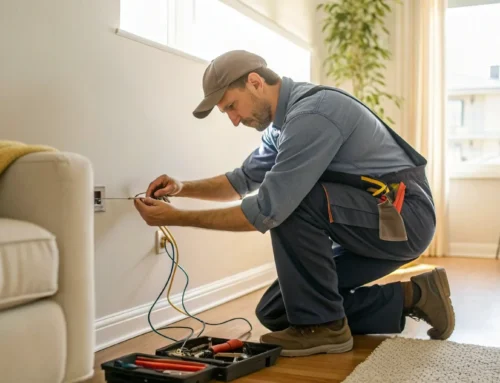
Think of these signs as your home’s way of asking for a check-up. Addressing them early can prevent bigger, more expensive issues down the road and ensure your system can handle everything you need it to, from your new air fryer to a whole-home generator. If you notice any of the following issues, it’s a good idea to have a professional take a look. Our team provides expert electrician repairs to diagnose and fix these exact problems, giving you peace of mind.
Frequently Tripping Breakers
We’ve all had a circuit breaker trip now and then, usually after plugging in one too many things at once. But if you find yourself constantly heading to the electrical panel to flip a breaker back on, your system is trying to tell you something important. Frequent trips are a clear sign that a circuit is overloaded, meaning it’s being asked to provide more power than it safely can. This could be due to a faulty appliance, but it often points to a bigger issue, like an outdated panel or wiring that can’t keep up with your home’s demands.
Flickering or Dimming Lights
If your lights flicker or dim when you turn on a major appliance like the microwave or a vacuum cleaner, it’s not just a quirky feature of your house. This is often a symptom of an overloaded circuit or loose wiring. While a single flicker might not be a cause for alarm, consistent dimming indicates that your electrical system is struggling to distribute power evenly. A stable electrical supply is crucial for protecting your sensitive electronics and ensuring your home is powered safely. Getting a professional assessment of your residential electric system can pinpoint the cause and prevent further issues.
Outlets or Switches That Are Warm to the Touch
This is one warning sign you should never ignore. Your outlets and light switches should always feel cool to the touch. If you notice one is warm or hot, it’s a serious red flag indicating a problem with the wiring inside the outlet or switch. This heat is a result of electrical resistance and can easily lead to a fire. You might also see discoloration or scorch marks around the plate. If you find a warm outlet, unplug anything connected to it immediately and call a qualified electrician to investigate and resolve the issue safely.
An Outdated or Old Electrical Panel
Your electrical panel is the heart of your home’s electrical system, but it doesn’t last forever. Most panels have a lifespan of about 25 to 30 years. If your home is older and still has its original panel, it likely wasn’t designed to handle the power needs of modern life—think computers, smart TVs, and high-efficiency appliances. An outdated panel may not only cause issues like tripping breakers but could also lack critical modern safety features. Upgrading your panel is a key step in modernizing your home’s electrical system and is often necessary before a residential standby generator installation.
Common Problems Found in Home Electrical Systems
Your home’s electrical system works quietly in the background, but issues can develop over time. Recognizing the signs of common electrical problems is key to keeping your family safe and your home powered correctly. From circuits that can’t keep up with modern demands to outdated safety features, these issues are often subtle but can have serious consequences. Here are some of the most frequent problems our team finds in homes.
Overloaded Circuits
An overloaded circuit happens when you try to draw more power than it can safely handle. This is a frequent issue in older homes whose electrical systems weren’t built for the demands of modern life—think computers, big-screen TVs, and high-powered kitchen gadgets all running at once. The classic signs are lights that dim when an appliance kicks on or circuit breakers that trip repeatedly. While resetting a breaker is simple, it’s a warning sign that your circuit is being pushed past its limit. Ignoring this can lead to overheating and is a serious fire risk. A professional can perform the necessary electrician repairs to balance the load or add a new circuit.
Faulty or Damaged Wiring
Wiring doesn’t last forever. Over the years, insulation can become brittle and crack, connections can work themselves loose, or rodents can chew through wires behind your walls. The warning signs can be subtle: a faint buzzing sound from an outlet, switches that are warm to the touch, a persistent burning smell, or scorch marks around a socket. Any of these indicate a dangerous situation. Damaged wiring is one of the leading causes of house fires and requires immediate attention from a licensed professional. If you notice anything unusual, it’s critical to have an expert inspect your residential electric system to find and fix the hazard.
Lack of GFCI Protection
A Ground Fault Circuit Interrupter, or GFCI, is a smart, fast-acting device designed to protect you from severe electric shock. It monitors the flow of electricity and, if it detects an imbalance—like the current finding a path to the ground through a person—it shuts off the power in a fraction of a second. Modern electrical codes require GFCI protection in any area where electricity and water might meet, such as kitchens, bathrooms, laundry rooms, and outdoor spaces. Many older homes were built before this was standard. You can identify a GFCI outlet by its “TEST” and “RESET” buttons. Upgrading your outlets is a simple and vital safety measure.
Relying Too Heavily on Extension Cords
We’ve all done it—grabbed an extension cord to power a lamp or charge a phone in a hard-to-reach spot. While they’re fine for temporary use, relying on them as a permanent solution is a major safety risk. Extension cords aren’t designed to handle a continuous power load and can easily overheat, which can melt the insulation and start a fire. If your rooms are a maze of power strips and extension cords, it’s a clear signal that your home doesn’t have enough outlets to meet your needs. The safest and most effective solution is to have a professional electrician install new outlets right where you need them.
Is It Time to Upgrade Your Electrical System?
Your home’s electrical system works tirelessly behind the scenes, but it’s not designed to last forever. As our power needs grow with new technology and appliances, the system that was perfectly fine a decade or two ago might now be struggling to keep up. An upgrade isn’t just about adding more power; it’s about ensuring your home is safe, efficient, and ready for the future.
Thinking about a major addition like a home generator, renovating your kitchen, or simply wanting to lower your energy bills are all excellent reasons to evaluate your current electrical setup. Overlooking the signs of an outdated or insufficient electrical panel isn’t just inconvenient—it can also compromise the safety of your home and family. Let’s walk through some of the key moments when an electrical system upgrade makes perfect sense.
Installing a Standby Generator
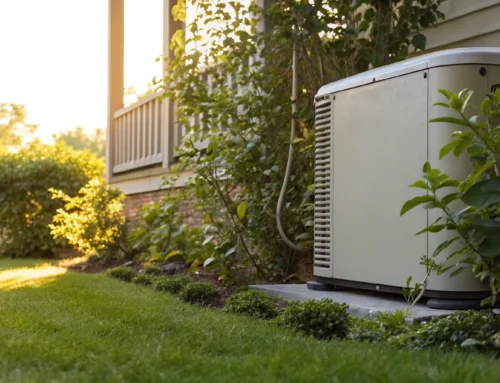
A standby generator is one of the best investments you can make for your home’s security and comfort. However, integrating it safely requires your electrical system to be up to the task. A residential standby generator installation connects directly to your home’s electrical panel via an automatic transfer switch. If your panel is old, corroded, or lacks the capacity to handle this connection, it will need to be upgraded first. Upgrading to a modern panel not only prepares your home for a generator but also enhances your home’s safety, reduces the risk of electrical fires, and improves overall efficiency for years to come.
Adding New Appliances or Smart Home Tech
Are you planning to install an electric vehicle charger, a new hot tub, or a high-powered appliance in your kitchen? Modern homes use far more power than older panels were designed to handle. The same goes for smart home technology, which adds a cumulative electrical load. If your circuits are already near capacity, adding another major appliance can lead to frequently tripped breakers and put a dangerous strain on your system. A professional assessment of your residential electric system can determine if an upgrade is needed to support your modern lifestyle safely and reliably.
Making Your Home More Energy-Efficient
An electrical system upgrade can also be a smart financial move. Older systems, especially those with outdated wiring or inefficient components, can waste a surprising amount of energy. By updating to energy-efficient electrical systems, homeowners can enjoy significant cost savings on their utility bills. This process, sometimes called retrofitting, provides an opportunity to upgrade to modern, energy-efficient components and technologies. It’s a proactive step that not only makes your home greener but also puts money back in your pocket over time.
Ensuring Your System Is Safe and Up to Code
Above all, your electrical system needs to be safe. If your home is older, it might have an outdated fuse box or a panel from a brand that is no longer considered safe. Physical damage, rust, or a persistent burning smell are all urgent red flags. Building codes also change over time, and what was acceptable 30 years ago may not meet today’s safety standards. If you have any concerns, it’s always best to schedule a professional inspection. Timely electrician repairs and upgrades are crucial for protecting your home and everyone in it.
Why You Should Always Hire a Professional Electrician
When it comes to your home’s electrical system—especially when integrating a powerful piece of equipment like a standby generator—this is one area where you should never cut corners. While the DIY spirit is admirable for many home projects, electrical work carries serious risks. A licensed professional not only has the technical skills but also a deep understanding of local codes, safety protocols, and the specific requirements for systems like Generac generators. Hiring an expert ensures the job is done right the first time, protecting your investment, your home, and your family. It’s about having the peace of mind that when you need that power, it will be there for you, safely and reliably.
The Importance of Safe, Professional Installation
For any significant electrical job, especially a residential standby generator installation, hiring a licensed electrician is essential. Attempting this work yourself can be incredibly dangerous, leading to risks of electrocution, electrical fires, or severe damage to your home’s wiring and appliances. Professionals ensure that every connection is secure, the transfer switch is installed correctly, and your entire system complies with strict safety codes. This isn’t just about following rules; it’s about guaranteeing that your generator will function properly and safely during an outage without back-feeding the grid, which could endanger utility workers. A professional installation is the foundation of a reliable backup power system.
How to Choose a Qualified Electrical Contractor
Choosing the right electrician is crucial. You want a team that is not only licensed and insured but also has specific, hands-on experience with the equipment you’re installing. When looking for a contractor, ask about their experience with Generac generators and request references from previous clients. It’s important to work with professionals from the very beginning to ensure safety and proper planning. A reputable company will be transparent, answer all your questions, and provide a clear, detailed estimate. Trusting a local, established team means you’re not just getting an installation; you’re starting a long-term relationship with experts who will be there to support you for years to come.
Seamless Generator Integration and System Upgrades
Installing a generator is more than just placing a unit next to your house; it’s about seamlessly integrating it with your home’s electrical hub—the main panel. A qualified electrician will first assess your current system to determine if it can handle the additional load. In many cases, an older or maxed-out panel may need an upgrade to safely support a generator. Upgrading to a modern panel not only makes your generator installation possible but also enhances your home’s overall safety and efficiency. This professional assessment ensures your entire electrical system works in harmony, providing reliable power where and when you need it without overloading circuits.
The Value of Regular Maintenance and Safety Checks
Your relationship with an electrician shouldn’t end once the installation is complete. Just like your car, your generator and electrical system require regular check-ups to perform at their best. Scheduling Generac maintenance with a professional ensures your unit is ready to kick on the moment an outage occurs. During these checks, a technician can also spot potential issues with your home’s wiring or electrical panel before they become serious problems. Overlooking signs of an outdated system can compromise your family’s safety. Consistent, professional maintenance provides lasting peace of mind, knowing your backup power system is always prepared to protect your home.
Related Articles
- Automatic Standby Generator Cost: The 2025 Guide
- Commercial Standby Generator Installation Essentials
- 20 Whole House Generator FAQs: Everything You Need to Know | M.T. Ruhl
- Generac Service Technician: Cost & What to Expect
- Commercial Generac Generator: The Ultimate Guide
Frequently Asked Questions
How do I know if my electrical panel is too old or needs an upgrade? A good rule of thumb is that most electrical panels have a lifespan of about 25 to 30 years. If your home is older and you can’t remember the last time the panel was replaced, it’s worth a look. Other clues include visible rust, a lack of space for new circuits, or if the panel still uses old-fashioned fuses instead of modern circuit breakers. The most reliable way to know for sure is to have a professional electrician inspect it to assess its condition and capacity for your current power needs.
My breakers trip sometimes, but it’s easy to reset them. Is this really a serious problem? Think of a circuit breaker as a safety device doing its job. An occasional trip isn’t a crisis, but if it happens frequently, it’s a clear warning that the circuit is consistently overloaded. You’re asking it to handle more electricity than it was designed for. While resetting it is a temporary fix, ignoring the root cause can lead to overheating wires behind your walls, which is a significant fire hazard. It’s your system’s way of telling you it needs attention.
Do I have to upgrade my electrical system before installing a Generac generator? Not always, but it’s a very common and important step. A standby generator connects directly to your home’s electrical panel through an automatic transfer switch. If your current panel is outdated, undersized, or already full, it won’t be able to safely manage the power from the generator. A professional assessment is the first step of any generator installation to ensure your home’s electrical system is a safe and reliable foundation for your backup power.
What’s the difference between GFCI outlets and regular outlets, and why do they matter? A GFCI, or Ground Fault Circuit Interrupter, is a special type of outlet designed to protect you from electric shock. You can spot them by their “TEST” and “RESET” buttons. They are required in areas where water and electricity are in close proximity, like kitchens, bathrooms, and outdoors. They work by constantly monitoring the electrical current and instantly shutting off the power if they detect a fault, which could save a life. Many older homes don’t have them, and adding them is a simple but critical safety upgrade.
I’m not sure if I need a small repair or a major upgrade. What’s the first step? The best first step is to schedule a professional consultation. An experienced electrician can diagnose the specific issues you’re noticing, whether it’s flickering lights or an outlet that feels warm. They will inspect your entire system, from the wiring to the main panel, and give you a clear picture of its health. From there, they can provide an honest recommendation on whether a targeted repair will solve the problem or if a larger upgrade is necessary for your family’s safety and future needs.