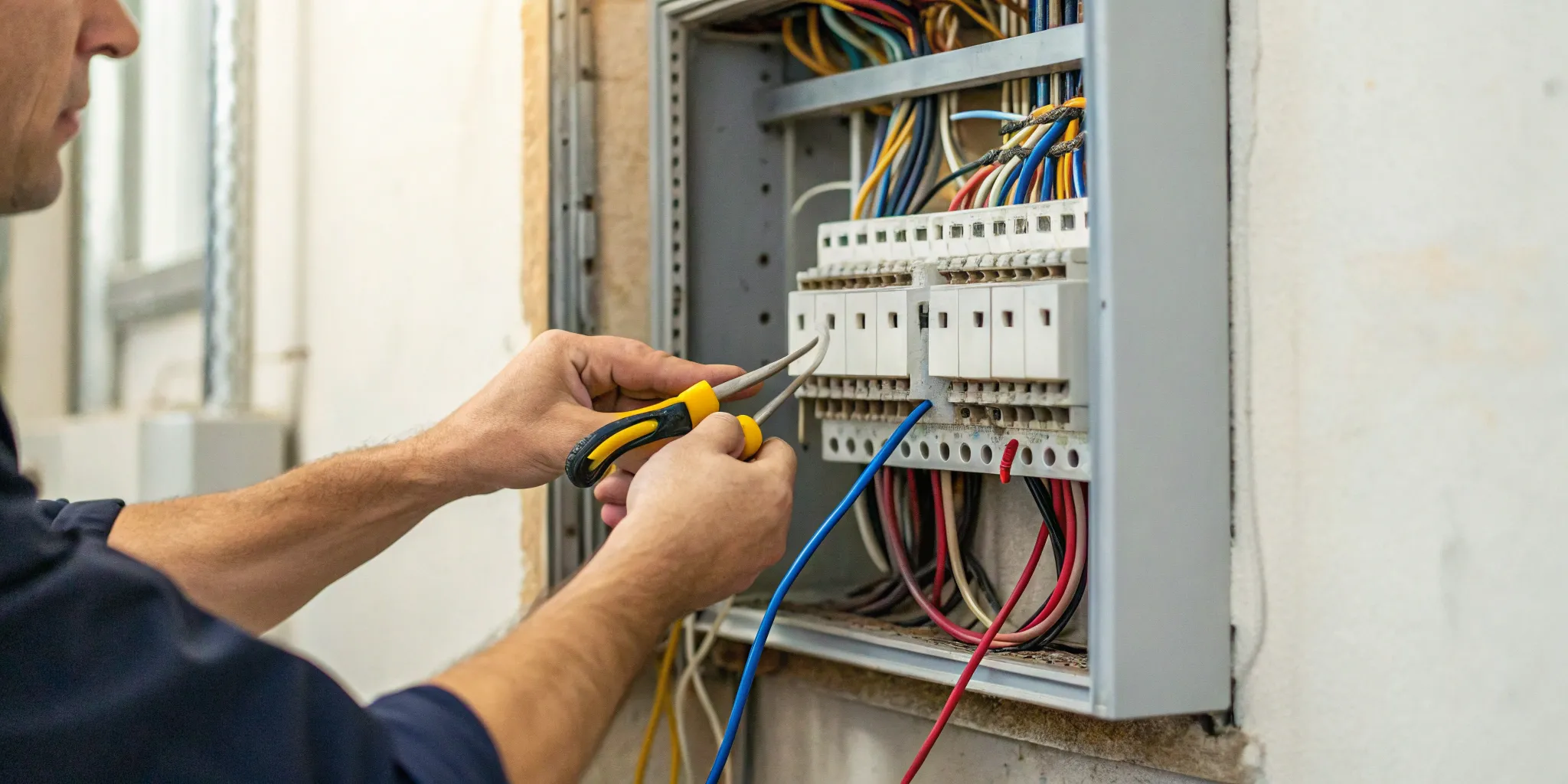
Electric cars, smart home gadgets, new heat pumps—our homes are demanding more power than ever. But what happens when your electrical panel can’t keep up? An older panel wasn’t built for this kind of load, and that’s not just an inconvenience—it’s a roadblock to future upgrades. Understanding the cost to replace electrical panel is the first step to future-proofing your home. We’ll break down the average cost to replace electrical panel, from a standard 100-amp service to a robust 200-amp setup, so you can confidently power your life for years to come.
Key Takeaways
- Look beyond the sticker price: The final cost of a panel replacement is shaped by several factors, including the panel’s amperage, your home’s existing wiring, and local permit fees, so it’s important to get a detailed quote.
- Plan for your future power needs: Select a panel that can handle not just your current appliances but also future additions like an EV charger or a major renovation. For most homes, a 200-amp panel is a smart long-term investment.
- Always hire a licensed professional: This is not a DIY project. A licensed and insured electrician is essential for a safe, code-compliant installation that protects your home and family from electrical hazards.
How Much Does It Cost to Replace an Electrical Panel?
Trying to pin down the exact cost of replacing an electrical panel is a bit like asking how much a car costs—the final price really depends on the model and features you need. The total cost is shaped by your home’s power demands, the type of panel you select, and even where you live. While the price can vary quite a bit, understanding the main factors will give you a solid idea of what to expect. This isn’t a small weekend project; it’s a significant upgrade to your home’s central nervous system. For any major electrical work, it’s always best to get a professional quote for any electrician repairs.
What’s the Average Cost to Replace an Electrical Panel?
On average, most homeowners in the U.S. spend between $500 and $2,500 to replace an electrical panel, with a common price point hovering around $1,300. You can think of this as a general ballpark figure. A simple, direct replacement of a modern panel will likely be on the lower end of that range. However, if your project involves upgrading an old fuse box, addressing outdated wiring, or increasing your home’s total electrical capacity, the cost will climb. This average typically covers the new panel itself and the critical labor provided by a licensed electrician, which is non-negotiable for a safe, code-compliant installation.
A Word of Caution on Online Estimates
When you’re trying to budget for a big home project, it’s natural to turn to the internet for a quick price check. However, you should be careful with the online estimates you find for electrical panel replacements. Many articles and cost calculators provide figures that are either outdated or overly simplified. They often don’t account for recent increases in material costs, the specific electrical codes in our area, or the unique condition of your home’s existing wiring. A price that seems reasonable online might not include the necessary work to bring everything up to current safety standards, which is a critical part of any professional electrical repair. The only way to get a truly accurate number is to have a licensed electrician provide a detailed, on-site assessment tailored to your home.
How Your Panel’s Size Impacts the Final Bill
One of the biggest drivers of cost is the size of your electrical panel, which is measured in amperes (or amps). Most homes today require a panel that can handle at least 100 amps. With the rise of electric vehicles, smart home technology, and high-draw appliances, many families are upgrading to 200-amp panels to meet their needs. As you’d expect, a higher-amperage panel is more expensive. The upgrade often involves more than just the box; it may also require thicker service cables to safely manage the increased electrical load, which adds to the overall cost of your residential electric system.
Local Costs: What to Expect in Southeastern PA
Here in Southeastern Pennsylvania, local considerations can definitely influence the final price. Labor rates can differ slightly across Chester, Montgomery, Bucks, and Delaware counties. More importantly, each township or borough has its own set of building codes and permit requirements for electrical work. Obtaining a permit isn’t just about paperwork—it’s a crucial safety step that ensures a licensed professional does the job correctly and that the installation passes a final inspection. A knowledgeable local electrician will be familiar with the specific codes in your area and can manage the permitting process for you, making sure everything is done right from the start.
What Really Determines Your Panel Replacement Cost?
When you get a quote for an electrical panel replacement, you’ll notice the final price is based on more than just the panel itself. Several key factors come into play, from the size of your home to the condition of your existing wiring. Understanding these variables helps you see exactly what you’re paying for and why a professional assessment is so important. It’s not just about swapping out a box; it’s about ensuring your home’s entire electrical system is safe, efficient, and ready for the future. Let’s break down the main components that shape the total cost.
How Much Power Does Your Home Really Need?
Think of amperage as the total amount of electrical current your home can use at one time. A small home with few large appliances might only need a 100-amp panel, while a larger home with an electric vehicle charger, a hot tub, and modern appliances will likely require a 200-amp panel or more. The higher the amperage, the more robust the panel needs to be, which increases the material cost. An experienced electrician can perform a load calculation to determine the right size for your needs, ensuring you have enough power without overpaying for capacity you won’t use.
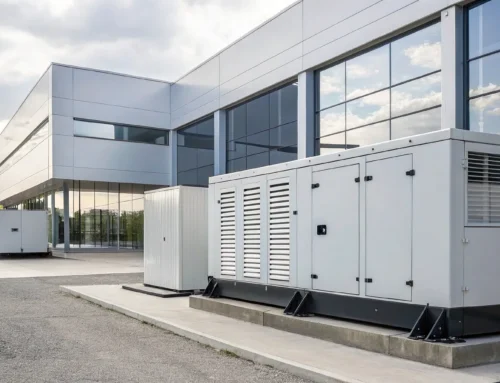
Planning for Future Needs like a Generac Generator
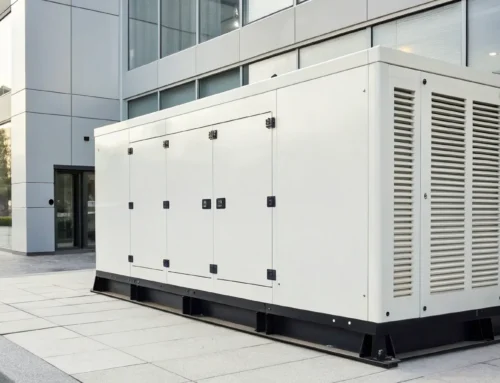
When you’re thinking about your home’s future electrical capacity, it’s wise to consider more than just new kitchen appliances or a potential EV charger. True peace of mind comes from preparing for the unexpected, like a power outage. This is where planning for a major addition like a Generac generator becomes a crucial part of the conversation. A whole-home generator ensures your life continues without interruption when the grid goes down, but it needs a robust electrical system to support it. Your electrical panel must have adequate capacity to handle the automatic transfer switch, which seamlessly shifts your home’s power source from the grid to the generator during an outage.
If your current panel is already nearing its capacity, it simply won’t be able to safely accommodate this critical addition. This is why discussing your interest in a generator during a panel assessment is such a smart move. A qualified technician can perform a detailed load calculation, ensuring your new panel not only meets your current needs but also paves the way for a smooth residential standby generator installation down the road. This proactive approach saves you the significant cost and hassle of another major electrical overhaul in a few years and gives you the confidence that your home is truly prepared for anything.
Why Your Zip Code Affects the Price
Where you live plays a big role in the overall cost, as labor rates for certified electricians vary by region. In Southeastern Pennsylvania, rates reflect the skill and experience required to do the job safely and correctly. A panel replacement is a complex job that can take a full day or more to complete. The total labor cost covers the electrician’s time for removing the old panel, installing the new one, connecting all the circuits, and ensuring everything is up to code. This is why it’s essential to work with a trusted local electrician who understands regional requirements.
Does the Brand of Your Panel Matter?
Just like with cars or appliances, electrical panels come from different manufacturers, and their prices can vary. Brands like Square D, Siemens, and Eaton are common in residential homes, each with its own price point and features. The cost can also be affected by the type of components needed, such as the main breaker, a subpanel for a specific area like a workshop, or the meter box itself. We can help you choose a reliable, high-quality panel that fits your budget and provides long-lasting safety for your home.
Why Old Wiring Can Increase Your Costs
Sometimes, replacing an electrical panel reveals other issues. If your home has outdated or damaged wiring, it will need to be addressed to meet current safety codes. For example, older homes may have cloth-insulated wiring that has become brittle or lacks a proper ground wire. While minor repairs are one thing, if the electrical wiring needs significant work, it can add to the project’s scope and cost. A thorough inspection before the work begins helps identify these potential issues early on, so there are no surprises.
Understanding High-End Project Costs
If your quote comes in higher than the average, it’s likely because your project involves more than a simple replacement. These comprehensive upgrades are for homeowners thinking long-term. For instance, upgrading to a 200-amp panel to future-proof your home can range from $2,500 to $4,500. This is a smart move if you’re planning to add an EV charger, remodel your kitchen, or install a whole-home generator. A robust electrical system is essential to safely manage these high-power demands. In fact, ensuring your panel is up to the task is a critical first step before a residential standby generator installation, giving you a reliable foundation for backup power when you need it most.
Don’t Forget About Permit and Inspection Fees
A panel replacement isn’t a DIY project—it’s a major electrical upgrade that requires a permit from your local municipality. This is a non-negotiable step that ensures the work is performed to the standards of the National Electrical Code (NEC). The permit fee, which can range from $50 to over $300, typically covers the cost of a final inspection by a city or county official. This inspection is for your protection; it verifies that the installation was done correctly and your home is safe. Our team handles the entire permitting process for you, so you don’t have to worry about the paperwork.
Breaking Down Labor Costs
Labor is almost always the largest portion of your final bill, and for good reason. You’re not just paying for someone’s time; you’re investing in the expertise and safety that only a licensed professional can provide. A standard panel swap can take anywhere from four to eight hours, but this can easily extend if the job is more complex. For instance, if your home’s wiring needs to be updated to meet current codes, the project could take 20 hours or more. A qualified professional electrician will not only perform the installation safely but also ensure every connection is secure, preventing potential fire hazards and ensuring your system functions reliably for years to come.
Understanding Material and Component Costs
Beyond the labor, the cost of the materials themselves will make up a significant part of your quote. This includes the new electrical panel, all the circuit breakers, and any additional wiring or hardware needed to complete the installation. The price of these components can vary based on the brand, the amperage you need, and the specific requirements of your home. A professional quote will itemize these costs, giving you a clear picture of where your money is going. It’s helpful to see this breakdown so you can understand the value of each part of the upgrade, from the main panel that serves as your home’s electrical hub to the individual breakers that protect each circuit.
The Panel and Breakers
The electrical panel and its circuit breakers are the heart of the replacement project. A basic 100-amp panel is suitable for many smaller homes, but most homeowners today are opting for a 200-amp panel to accommodate modern life. This upgrade provides the capacity for things like EV chargers, new kitchen appliances, or even a whole-home generator. Naturally, a 200-amp panel and the corresponding main breaker cost more than their 100-amp counterparts. The individual circuit breakers for each room and major appliance also add to the total, with specialized breakers like AFCI or GFCI models being more expensive but required by code for safety in certain areas of your home.
Subpanels, Meter Boxes, and More
Sometimes, a panel replacement involves more than just the main box. If you have a large property, a detached garage, or a workshop, you might need a subpanel to safely distribute power to that area. In other cases, the electric meter box on the outside of your home may be old or damaged and need replacement to support the new panel. These additional components add to the material cost but are essential for a safe and functional system. A thorough electrician will inspect your entire electrical system to identify if these or other components, like the main service wiring, need to be updated during the project.
4 Signs You Need a New Electrical Panel
Think of your electrical panel as the heart of your home’s electrical system. It takes the main power line from the street and distributes it safely to all the different circuits in your house. But just like any other major component of your home, it doesn’t last forever. Over time, panels can become outdated, overloaded, or simply wear out, posing a risk to your home and family.
Fortunately, your house usually gives you some clear warning signs when the panel is struggling to keep up. Ignoring these signals can lead to bigger problems, from damaged appliances to serious fire hazards. If you notice any of the following issues, it’s a strong indication that your electrical system needs a professional evaluation and you might be due for a panel replacement. Paying attention to these signs is the first step in keeping your home’s power supply safe, reliable, and ready for modern demands.
Do Your Breakers Trip Constantly?
A circuit breaker that trips every once in a while is doing its job. It’s a safety feature designed to shut off power when a circuit gets overloaded—like when you run the microwave and the air fryer at the same time. But if you find yourself constantly heading to the panel to flip a breaker back on, that’s a red flag. Frequent tripping means your panel can no longer handle your home’s everyday electrical load. This is a common issue in older homes that weren’t built to support the number of electronics we rely on today. If this sounds familiar, it’s time to call for electrician repairs.
Noticing Flickering Lights or Power Dips?
Do your lights dim whenever the air conditioner kicks on? Do they flicker randomly even when nothing major is running? These are classic signs of an electrical system under strain. Flickering or dimming lights suggest that the panel is struggling to provide a consistent flow of power to your circuits. This could be due to a weak connection, loose wiring, or an overloaded panel. Not only is it annoying, but it can also damage sensitive electronics over time. Consistent power is key to a safe and functional home, so don’t ignore these fluctuations in your residential electric system.
Is Your Electrical Panel an Outdated Fire Hazard?
Age is a major factor in your electrical panel’s performance and safety. If your panel is more than 25 years old, it’s likely time to consider a replacement. Older panels were not designed to manage the power demands of modern life, from big-screen TVs and computers to electric vehicle chargers. Furthermore, some older brands, like Federal Pacific and Zinsco, have been linked to safety hazards and may no longer be compliant with current electrical codes. An outdated panel isn’t just inefficient; it can be a genuine safety risk. Upgrading provides peace of mind and ensures your home is protected by modern safety standards.
The Typical Lifespan of an Electrical Panel
While most electrical panels have a lifespan of 25 to 40 years, age isn’t just a number on a calendar. Once a panel passes the 25-year mark, it’s wise to have it professionally inspected. The main concern isn’t just simple wear and tear; it’s that older panels were never built for the way we live today. A panel from the 90s, for example, couldn’t have predicted the power draw from smart home devices, multiple home offices, and EV chargers. As internal components age and your power needs grow, the panel can become a bottleneck, struggling to keep up. A system constantly pushed to its limits is more than an inconvenience—it’s a safety risk that warrants a professional evaluation.
Spotting Rust, Corrosion, or Burn Marks?
This is one sign you should never ignore. Take a look at your electrical panel. Do you see any rust, signs of moisture, or corrosion on the breakers or the box itself? Rust indicates water damage, and water and electricity are a dangerous combination. You should also look for any burn marks, discolored areas, or melted plastic around the breakers. These are clear signs of overheating and arcing within the panel, which creates a significant fire hazard. If you see any of these visual warnings, contact a licensed electrician immediately to inspect the system.
Repair or Replace? Making the Right Call
When you’re facing an electrical issue, it’s natural to wonder if a simple repair will do the trick. Sometimes, it can. A single faulty breaker, for instance, can often be replaced without overhauling the entire system. However, it’s crucial to look at the bigger picture. If you notice persistent problems, it’s a strong indication that your electrical system needs a professional evaluation and you might be due for a panel replacement. Issues like frequently tripping breakers, flickering lights, or visible damage like rust and burn marks aren’t isolated incidents; they’re symptoms of a panel that can no longer safely or efficiently meet your home’s power demands. A full replacement is often the safest and most reliable long-term solution.
But Do You *Really* Need a Full Upgrade?
While a minor repair might seem like a cost-effective fix, it often fails to address the underlying problem, especially in older homes. If your home has outdated or damaged wiring, it will need to be addressed to meet current safety codes, and a simple panel repair won’t solve that. Think of it this way: your home’s electrical needs have grown significantly over the years. An older panel simply wasn’t designed to handle today’s load from modern appliances, EV chargers, or even a Generac generator. Upgrading to a higher-amperage panel, like a 200-amp service, is a smart investment in your home’s future, ensuring your residential electric system is safe, capable, and ready for whatever comes next.
Are There Hidden Costs to Replacing an Electrical Panel?
When you get a quote for an electrical panel replacement, it’s important to understand what’s included—and what might not be. The price for the panel and the direct installation is the main part of the bill, but other factors can pop up during the project. Think of it like renovating a kitchen; sometimes you find old plumbing that needs an update once you open up the walls. Being aware of these potential add-ons from the start helps you budget accurately and avoid surprises. Here are a few common costs that might come up during your panel replacement.
What if You Need to Move the Panel?
Sometimes, your existing electrical panel isn’t in the best or safest location. It might be in a hard-to-reach closet, a bathroom, or another area that no longer meets modern electrical codes. If you need to move it, this will add to the overall project cost. Relocating a panel is a complex job that involves rerouting major wiring throughout your home. Depending on how far the panel needs to move and the complexity of the wiring, this part of the project can add a significant amount to your final bill. A professional electrician can tell you if a move is necessary for safety and code compliance.
Estimating Relocation Expenses
Moving an electrical panel is much more involved than just shifting a box from one wall to another; it’s a major electrical overhaul. The process requires rerouting the thick, main service cables that power your entire home, which is a complex and labor-intensive job. Because of this, relocating a panel can add a substantial amount to your project total—often between $1,000 and $2,700, according to estimates from home service experts. This cost isn’t just for the move itself. It often includes necessary upgrades, like installing thicker service cables to safely handle your home’s electrical load, especially if you’re also upgrading your panel’s amperage. Before you commit, it’s essential to have a licensed electrician assess the situation. We can provide a detailed quote that accounts for all the specifics of your home’s wiring, ensuring you have a clear picture of the full cost for any electrical repairs or relocations.
Bringing Your Wiring Up to Code
During a panel replacement, your electrician gets an up-close look at the wiring connected to it. In older homes, it’s common to find that the existing wiring isn’t up to today’s safety standards. For example, the main service cable feeding power into your home might be too small for the new panel’s amperage. If your electrician finds outdated or insufficient wiring, it will need to be replaced to meet current electrical codes and ensure your system can handle your home’s power demands safely. These necessary electrician repairs protect your home and are a critical part of a complete and safe installation.
Understanding Modern NEC Safety Requirements
The National Electrical Code (NEC) is the safety rulebook for all electrical work, and it gets updated every few years to keep up with new technology and safety standards. When you replace your electrical panel, the new installation must meet the most current version of this code. This is a key reason why a panel replacement isn’t just a simple swap. Modern codes often require safety features that older homes simply don’t have, such as Arc-Fault Circuit Interrupters (AFCIs) to prevent fires and exterior emergency disconnects that allow first responders to safely cut power to your home. These upgrades are essential for protecting your family and your property, ensuring your new residential electric system is as safe as possible.
The Cost of Permits and Inspections
Replacing an electrical panel is a major job that requires a permit from your local municipality. This isn’t just red tape; it’s a crucial step that ensures the work is done correctly and safely. The cost for a permit typically ranges from $50 to $300. This fee usually includes a final inspection by a city or county official after the work is complete. The inspector will verify that the new panel, wiring, and connections all meet the National Electrical Code and local requirements. A qualified contractor will handle the entire permitting and inspection process for you, giving you one less thing to worry about.
Budgeting for Post-Installation Drywall Repair
To replace an electrical panel and any connected wiring, your electrician may need to cut into the drywall. While professionals always aim to be as minimally invasive as possible, some cutting is often unavoidable. The cost of repairing that drywall is typically not included in the electrical quote. After the inspection is passed and the electrical work is officially complete, you’ll likely need to hire a handyman or drywall contractor to patch, sand, and paint the affected areas. This cost is usually calculated per square foot and is the final touch to get your wall looking good as new.
Potential Delays from Utility Companies
Here’s a factor that can catch homeowners by surprise: the utility company’s schedule. For a panel replacement, the main power line to your house must be safely disconnected and then reconnected once the new panel is installed. This critical step is handled by your utility provider, not your electrician. Because they service a wide area, scheduling this can sometimes lead to delays that are outside of anyone’s control. A seasoned professional electrician understands this process and will coordinate with the utility company well in advance to book the necessary appointments. This is another reason why planning ahead is so important—it helps account for potential wait times and keeps your project on track.
How Amperage Affects Your Replacement Cost
Think of amperage as the total amount of electricity your home can use at one time. A panel with a higher amperage can handle more power, which is essential for modern homes filled with high-draw appliances. The amperage of your new panel is one of the biggest factors influencing the final price tag. A higher-amperage panel costs more upfront and often requires thicker, more expensive wiring and a more intensive installation process. Choosing the right size is a balancing act between meeting your current needs, planning for the future, and staying within your budget. Let’s break down the common panel sizes and what they mean for your project.
What to Expect for a 100-Amp Panel Upgrade
A 100-amp panel was the standard for decades and is still found in many older or smaller homes in Southeastern Pennsylvania. It’s generally sufficient for homes without central air conditioning or major electric appliances like dryers and ranges. While this is the most budget-friendly option, it’s often not enough for the demands of a modern household. If you’re thinking about adding an electric vehicle charger, a hot tub, or a new heat pump down the line, a 100-amp panel will likely leave you short on power. Upgrading from an even older 60-amp service to 100 amps is a necessary safety improvement, but most homeowners today find more value in going straight to 200 amps.
Typical Cost Range for a 100-Amp Panel
For a straightforward 100-amp panel replacement, homeowners can generally expect the cost to fall somewhere between $800 and $2,500. This price range usually covers the new panel itself and the essential labor from a licensed electrician to ensure a safe installation. A simple swap-out of a modern panel will be on the lower end of that scale. However, the price can climb if the project is more complex, like if you’re moving from an old fuse box to a modern breaker panel or if the existing wiring needs to be brought up to code. Because every home’s electrical system is unique, this range serves as a general guide. The only way to get a precise figure is to have a professional inspect your system and provide a detailed quote based on your specific situation.
The Price of a 200-Amp Panel Upgrade
The 200-amp panel is the new standard for a reason. It provides plenty of power for the average family home, comfortably supporting central air, electric appliances, and other modern conveniences all at once. If you’re renovating, building an addition, or simply want to future-proof your home, this is usually the right choice. A 200-amp service ensures you’ll have the capacity for future upgrades, like installing a home charging station for an electric car. For most residential electric projects, a 200-amp panel offers the perfect blend of performance and value, giving you peace of mind that your electrical system can handle whatever you throw at it.
Typical Cost Range for a 200-Amp Panel
Generally, you can expect an upgrade to a 200-amp panel to cost between $2,500 and $4,500. This price range typically covers the new panel, the necessary breakers, and the professional labor required for a safe installation. It often includes upgrading the main service cable that runs from the utility line to your home, which is essential for handling the increased power. While it’s a significant investment, this upgrade prepares your home for just about anything, from an EV charger to a major kitchen remodel. It’s also a crucial step if you’re considering a whole-home power solution, as a robust 200-amp service is often necessary for a seamless residential standby generator installation, ensuring you have reliable backup power when you need it most.
Budgeting for a 400-Amp Panel Upgrade
A 400-amp panel is the powerhouse of residential electrical services. You typically only see these in very large luxury homes with extensive power needs, such as multiple HVAC systems, heated pools, home workshops with heavy machinery, or several EV chargers. This is a major upgrade that often requires significant work from your utility company and a much more complex installation. While it’s overkill for most houses, it’s a necessary investment for properties with exceptionally high electrical loads. A professional assessment is critical to determine if your home truly requires this much power, as it represents a substantial increase in cost over a standard 200-amp service.
Typical Cost Range for a 400-Amp Panel
A 400-amp panel is the major league of home electrical systems, designed for large homes with some serious power needs. We’re talking about properties that run multiple HVAC systems, heated pools, big home workshops, or even a couple of EV chargers at the same time. This upgrade is much more involved than a standard 200-amp installation and often requires working with the utility company to bring a larger service line to your house. The goal is to make sure your entire residential electric system is robust enough for the job. It’s also a crucial piece of the puzzle if you’re considering a whole-home Generac generator that can power everything without a hitch when the grid goes down.
How to Choose the Right Amperage
Choosing the right amperage isn’t a guessing game—it’s about planning for your lifestyle both now and in the future. Start by making a list of your major appliances, including your HVAC system, water heater, stove, and dryer. Then, think about what you might want to add in the next five to ten years. Will you be finishing your basement, adding a workshop, or buying an electric vehicle? Underestimating your needs can lead to another costly upgrade sooner than you think. The best way to get a clear answer is to have a licensed electrician perform a load calculation. This assessment precisely measures your home’s power requirements, ensuring your new panel is a safe and effective long-term solution for all your electrician repair and upgrade needs.
What to Expect During the Installation Process
A panel replacement is a well-orchestrated process, not a day of chaos. When you work with a professional team, each step is handled with precision and care, from the initial assessment to the final sign-off. Understanding the process can help you feel more comfortable and confident as your home gets this vital electrical upgrade. Here’s a look at the four main stages you can expect on installation day.
Step 1: Professional Assessment
The process begins long before any tools come out. The first step is a thorough professional assessment of your home’s electrical needs. A licensed electrician will perform what’s called a “load calculation” to determine exactly how much power your household uses. This involves looking at your current appliances and discussing your future plans. Are you thinking about adding an EV charger, finishing the basement, or installing a home standby generator? This is the time to plan for those additions. This crucial step ensures you get a panel that’s perfectly sized for your life—powerful enough for your future needs without making you pay for capacity you’ll never use.
Step 2: Safe Removal of the Old Panel
On installation day, safety is the top priority. The first action your electrician will take is to shut off the main power to your home at the meter. This is a critical step that makes the work area safe and is a key reason this job should never be a DIY project. Once the power is off, the electrician will carefully disconnect every circuit from the old panel and remove the box from the wall. This is a meticulous process that can take time, especially in older homes with complex or unlabeled wiring. A professional ensures every wire is handled correctly before the new panel is ready to be installed.
Step 3: New Panel Installation and Wiring
With the old panel gone, it’s time to install the new heart of your electrical system. The new panel box is securely mounted, and the main service lines are connected. Then, your electrician will begin the detailed work of connecting each of your home’s circuits to a new, corresponding breaker. Each wire is carefully stripped, seated, and tightened to ensure a solid, safe connection. As part of a quality installation, every breaker will be clearly labeled (e.g., “Kitchen Outlets,” “Master Bedroom”), making it easy for you to identify circuits in the future. This is a key part of any professional residential electric service.
Step 4: Final Inspection and Approval
The job isn’t finished just because the power is back on. A panel replacement is a major electrical project that requires a permit and a final inspection from your local municipal authority. Our team handles the entire permitting process for you. After the installation is complete, a city or county inspector will visit your home to review the work. They will verify that the new panel, wiring, and connections all meet the strict safety standards of the National Electrical Code. This independent approval is your ultimate assurance that the job was done right, giving you complete peace of mind in the safety and reliability of your home’s new electrical system.
4 Mistakes That Drive Up Your Replacement Cost
Replacing an electrical panel is a big project, and the last thing you want is for the final bill to be higher than expected. Unfortunately, a few common missteps can quickly inflate the cost, turning a planned upgrade into a budget-breaking headache. The good news is that these mistakes are entirely avoidable with a bit of foresight and the right professional help.
Thinking ahead about your home’s future power needs, understanding the technical requirements, and leaving the work to a qualified expert will save you money and stress. Let’s walk through the most common pitfalls so you can steer clear of them and ensure your panel replacement is a smooth, cost-effective investment in your home’s safety and functionality.
Mistake #1: Underestimating Your Home’s Power Needs
It’s easy to think about the electricity you use today, but what about five or ten years from now? One of the costliest mistakes is choosing a new panel that only meets your current needs. With the rise of electric vehicles, smart home technology, and high-draw appliances, our power demands are constantly growing. Installing a 100-amp panel when a 200-amp panel would better serve you in the long run just means you’ll have to pay for another upgrade sooner rather than later. A professional can help you assess your future needs to make sure your new panel supports your lifestyle for years to come.
Mistake #2: Choosing the Wrong Wire Gauge
This is a mistake that’s not just costly, but dangerous. The wire gauge—or its thickness—must be correctly matched to the amperage of your circuits and your main panel. Using a wire that’s too thin for the electrical load can cause it to overheat, creating a serious fire hazard. If this mistake is made, it’s not a simple fix. Correcting it often requires extensive and expensive rewiring. This is a key reason why professional electrician repairs are so critical; an expert ensures every component, down to the last wire, is sized correctly for a safe and reliable system.
Mistake #3: Thinking You Can DIY the Job
I love a good DIY project as much as anyone, but replacing an electrical panel is one job you should never attempt on your own. This isn’t like painting a room or assembling furniture; it involves working with high-voltage electricity that can cause severe injury or even death. Beyond the personal risk, an improper installation can lead to electrical fires or damage your appliances. Professionals have the training, tools, and knowledge to do the job safely and correctly. Hiring a trusted team ensures the work is done right the first time, saving you from the potentially catastrophic costs of a DIY disaster.
Mistake #4: Overlooking Local Electrical Codes
Electrical codes aren’t just bureaucratic red tape—they are essential safety standards designed to protect you and your home. Each municipality in Southeastern PA has specific requirements for panel installations, from where the panel can be located to how much clearance space it needs. If an installation doesn’t meet these codes, it will fail inspection. That means you’ll have to pay to have the work redone, adding significant labor and material costs to your project. A licensed, local electrician is familiar with the specific codes in our service areas and will ensure your project is fully compliant from the start.
How to Save Money on Your Panel Replacement
An electrical panel replacement is a major home investment, but it’s one that pays off in safety and reliability for years to come. While it’s crucial not to cut corners on such an important project, there are several practical ways you can manage the final cost without compromising on quality. A little strategic planning can make a big difference to your budget. From taking advantage of incentive programs to scheduling the work thoughtfully, you have more control over the total expense than you might think. Here are a few straightforward tips to help you save.
Find Local Rebates and Tax Credits
Before you start your project, take some time to research available rebates and tax credits. Many local utility companies and government programs offer financial incentives for making energy-efficient upgrades to your home, and a new electrical panel can sometimes qualify. These programs are designed to encourage homeowners to improve their home’s electrical system. A quick search on your utility provider’s website or a federal database can uncover savings that directly reduce your out-of-pocket costs, making the upgrade more affordable.
Save Money by Bundling Electrical Work
If you know you need a panel replacement, think about any other electrical work you’ve been putting off. Do you need new outlets, an EV charger, or dedicated circuits for a home office? Bundling multiple jobs into a single visit is a great way to save on labor costs. Since our team is already at your home, we can tackle several tasks more efficiently than scheduling separate appointments. Combining projects means you pay for less travel and setup time, making it a smart move for any homeowner looking to complete multiple electrician repairs at once.
Why Strategic Project Planning Pays Off
Timing and preparation can play a surprising role in your project’s cost. If your panel replacement isn’t an emergency, consider scheduling it during an electrician’s slower season, like late fall or early spring, for potentially better rates. You can also help reduce labor time by simply preparing the work area. Clearing furniture and other obstacles from around your electrical panel before your electrician arrives allows them to get straight to work. This small step ensures their time is spent on the skilled tasks you’re paying for, not on clearing a path.
Get Multiple Quotes to Find a Fair Price
For any big home project, it’s always smart to get a few different estimates. We recommend getting at least two or three quotes from licensed, reputable electricians to get a clear picture of the fair price in our area. When you compare these proposals, make sure you’re looking at the same scope of work—an apples-to-apples comparison. A detailed quote should break down the panel brand, amperage, labor, and permit fees. The goal isn’t just to find the lowest price, but to find the best value and a professional you feel confident about. When you’re ready, you can always request a quote from our team to see how we can help.
Decoding High Quotes and Company Overhead
As you compare quotes, you might see a range in pricing. Larger, established companies sometimes have higher prices, and that’s often because of overhead that directly benefits you. These costs cover things like maintaining a fleet of fully-stocked service vehicles, providing extensive warranties, and ensuring our electricians are licensed and insured for your protection. It also allows us to be there for you for emergency calls. While a smaller operator might offer a lower rate, a quote from a company like ours reflects a long-term commitment to reliability. You’re investing in the peace of mind that comes from knowing a professional, fully-insured team stands behind their work.
Safety First: What to Know Before Replacing Your Panel
Before you get too deep into comparing costs, let’s focus on the most critical part of this project: safety. An electrical panel is the heart of your home’s electrical system, and replacing it is a complex job with serious risks if done incorrectly. Cutting corners isn’t an option. Here’s what you need to understand to ensure your panel replacement is done safely and correctly from the start.
Why This is Not a DIY Job
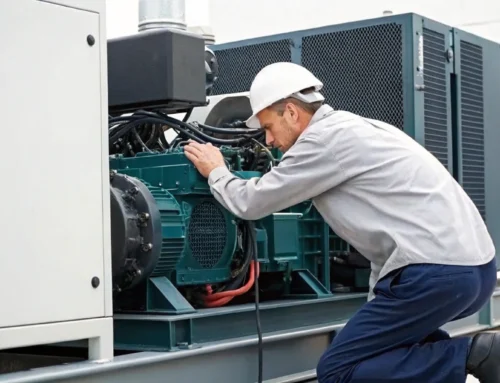
While tackling a home improvement project yourself can be incredibly rewarding, replacing an electrical panel is one task that should always be left to a professional. This isn’t a simple DIY job. It involves a high level of technical expertise to handle high-voltage electricity, understand intricate wiring systems, and follow strict safety protocols. A licensed electrician has the training and tools to do the job safely, protecting your home and family from the risks of electrical fires, shocks, and short circuits. They can also identify underlying issues with your wiring that you might miss, ensuring the entire system functions correctly. For any complex electrician repairs, trusting an expert is the only way to go.
Pennsylvania’s Rules on Licensing and Permits
In Pennsylvania, electrical work is regulated at the local level to protect homeowners. Your municipality enforces specific building codes that dictate how electrical panels must be installed, including requirements for spacing and accessibility. To ensure your new panel meets these safety standards, you’ll need to pull a permit before the work begins. This isn’t just bureaucratic red tape; it’s a crucial step that triggers a third-party inspection to verify the installation is up to code. Working with a local, licensed electrician who understands the specific rules in Southeastern Pennsylvania ensures your project will pass inspection without any costly delays or rework.
Why Insurance and Warranties Are Non-Negotiable
Hiring a licensed and insured electrical contractor gives you essential protection and peace of mind. A licensed electrician has proven their knowledge and competence, while proper insurance protects you from liability in the rare event of an accident or property damage during the installation. Furthermore, a reputable company will stand behind its work with a warranty on both labor and materials. This guarantee shows that the contractor is confident in their quality and is committed to your long-term satisfaction. When you hire a trusted team for your residential electrical needs, you’re not just paying for a service—you’re investing in safety, reliability, and a job done right.
Questions to Ask Your Electrical Contractor
Choosing the right electrician is just as important as the panel itself. A great contractor ensures the job is done safely, on time, and within budget. To help you find a true professional you can trust, walk into your consultation prepared with these four essential questions.
Are You Licensed and Insured?
This should always be your first question. Working with an electrical panel is a serious job that requires specific expertise to keep your home and family safe. A licensed electrician has proven their knowledge and is up-to-date on local codes and safety standards. Insurance is just as critical—it protects you from liability in the rare case of an accident or property damage during the installation. Don’t just take their word for it; ask to see proof of their license and insurance. At M.T. Ruhl, our team is fully licensed and insured, giving you complete peace of mind.
Can I Get a Detailed Estimate and Timeline?
A trustworthy contractor will always provide a clear, itemized estimate before any work begins. This document should break down the costs for the panel itself, materials, labor, and any permit fees. A vague quote can hide unexpected charges later on. You should also ask for a project timeline. Knowing how long the replacement will take helps you plan accordingly, especially since the power will be off during the installation. This transparency is a key sign of professionalism and is standard for all of our residential electrical services.
What Do Your Warranties Cover?
A new electrical panel is a significant investment in your home, and you want to know it’s protected. Ask potential contractors about the warranties they offer. There are typically two types: a manufacturer’s warranty on the panel and a workmanship warranty from the installer. Find out what each one covers and for how long. A contractor who stands behind their work with a solid guarantee is confident in the quality of their installation. This commitment ensures that if any issues arise from the installation, you can count on them to provide quality repairs.
What Support Do You Offer After the Job is Done?
Your relationship with an electrician shouldn’t end the moment they leave your driveway. What happens if you have questions or a concern after the installation is complete? Ask about their post-project support. Do they have a dedicated service line? How quickly can they respond if an issue comes up? Knowing that your contractor is available for follow-up support provides long-term assurance. A reliable local company will be there for you down the road, offering the ongoing service that local homeowners deserve.
Related Articles
- Electrician Repairs – M.T. Ruhl Electrical Contracting
- The #1 Electrician in Newtown Square, PA | M.T. Ruhl
- The #1 Electrician in Downingtown, PA | M.T. Ruhl
- Full-Service Electrician in Chester Springs | M.T. Ruhl
- The #1 Electrician in Blue Bell, PA | M.T. Ruhl
Frequently Asked Questions
How long will my power be out during the replacement? For safety, the main power to your home will need to be shut off during the entire installation. You should plan for the project to take most of a workday, typically anywhere from 4 to 8 hours. We always aim to work as efficiently as possible to minimize the disruption, but it’s a good idea to make arrangements for a day without electricity.
My house has an old fuse box. Is that different from a circuit breaker panel? Yes, they are quite different. A fuse box uses single-use fuses that burn out to prevent an overload and must be physically replaced each time. A modern circuit breaker panel uses switches that simply “trip” and can be easily reset. If you still have a fuse box, it’s a clear sign your electrical system is outdated and likely unable to handle the demands of modern life safely.
Is a 200-amp panel really necessary for my home? While a 100-amp panel might handle your current needs, a 200-amp panel is the modern standard for good reason. It provides the capacity to comfortably run everything at once and prepares your home for the future. If you plan on adding an electric vehicle charger, finishing your basement, or remodeling your kitchen down the road, a 200-amp service ensures you won’t have to pay for another major upgrade in just a few years.
Can’t I just add a subpanel instead of replacing the whole thing? A subpanel is a great solution when you need to add several new circuits for a specific area, like a home workshop or an addition. However, it doesn’t increase the total power coming into your home. If your main panel is already old, showing signs of wear, or can’t handle your home’s total electrical load, adding a subpanel won’t fix the core problem. A full replacement is the only way to ensure your entire system is safe and sufficient.
What happens during the final inspection? The final inspection is a crucial safety check performed by an official from your local municipality. After the work is complete, the inspector will visit your home to verify that the new panel was installed correctly and meets all National Electrical Code and local requirements. They check things like proper grounding, wire connections, and breaker labeling. This step provides a third-party verification that your home’s electrical system is safe and up to code.