You wouldn’t drive your car for years without an oil change, right? Your Generac generator needs that same consistent care. It’s a powerful engine, often a whole house generator, designed to work hard during an emergency. But it can only handle that demand with regular maintenance. For most homeowners, the biggest question is the service schedule. Knowing how often you should service your Generac generator is the key to its reliability. This guide gives you a clear roadmap for annual professional service and simple monthly checks, ensuring your generator is always ready when you need it most.
Key Takeaways
- Schedule professional service annually to ensure reliability: Your generator should be serviced by a certified technician at least once a year, just like your car. This, combined with your own simple monthly visual checks, is the most effective way to guarantee it will work flawlessly during an outage.
- Leave complex maintenance to the experts: While you can keep the area around your generator clear, tasks involving the engine, fuel lines, and electrical systems require professional tools and knowledge. Relying on a technician for tune-ups and repairs is crucial for safety and keeps your warranty valid.
- Act on warning signs immediately: Don’t ignore strange noises, leaks, or status alerts from your generator. Addressing these issues right away by calling for service can prevent a small problem from turning into a major, expensive failure when you need power most.
Understanding Your Generac Generator System
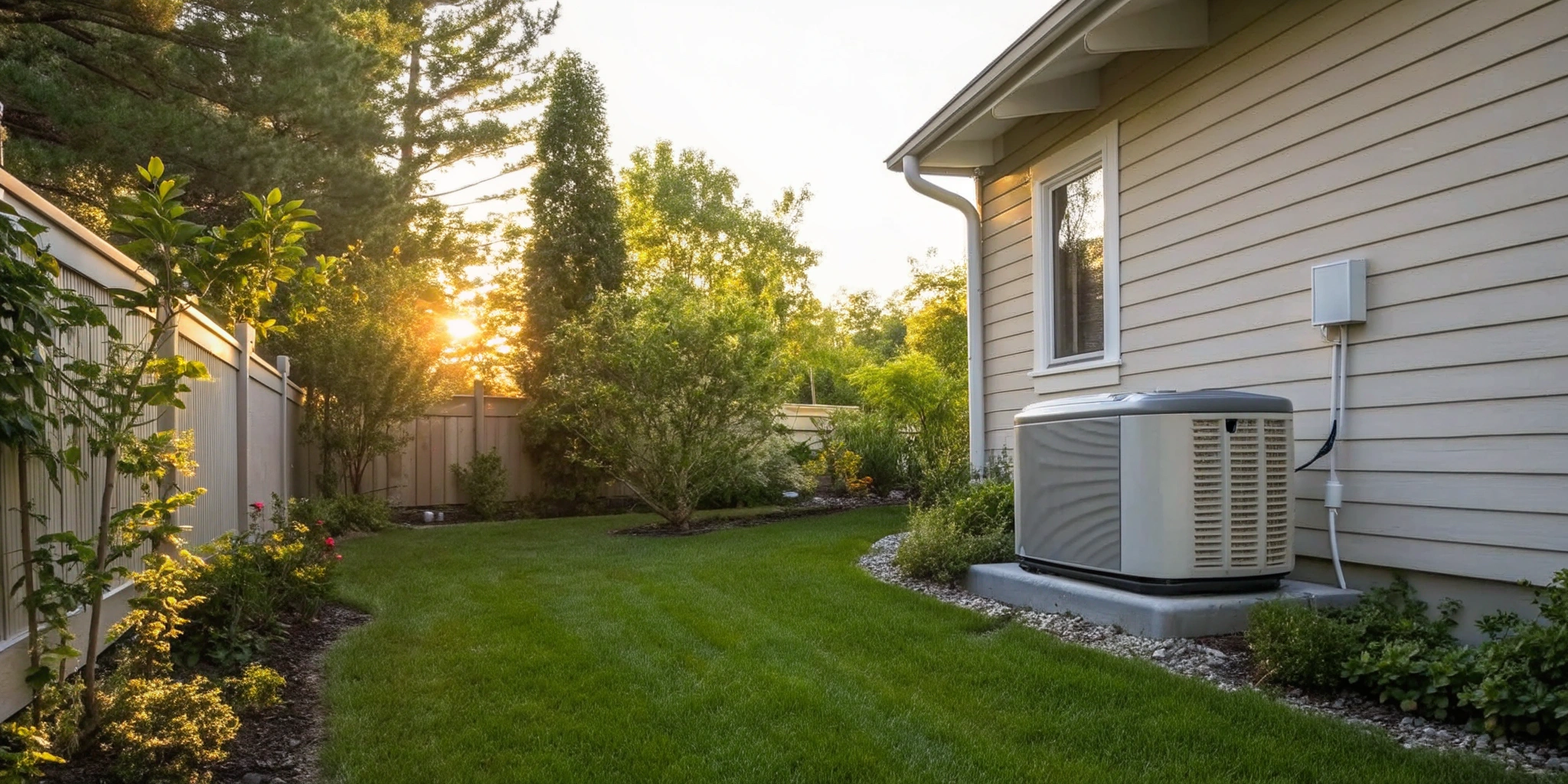
Before we talk more about service schedules, it helps to have a solid grasp of how your generator actually works. A Generac home standby generator is a permanent fixture, installed outside your house much like an air conditioning unit. It’s connected directly to your home’s electrical system and runs on your existing natural gas or liquid propane (LP) fuel supply. This setup means you never have to worry about refueling it with gasoline during a storm. The real magic happens automatically. When your home loses power, the generator senses the outage and, within seconds, springs to life to restore electricity to your home. It continues running until utility power is restored, then seamlessly shuts itself off.
This hands-off operation is what provides true peace of mind. You don’t need to be home to start it, and you don’t have to run extension cords through your house to power a few essential items. Instead, your lights, refrigerator, heating or cooling system, and other critical appliances keep running without interruption. The system is designed for reliability, performing a weekly self-test to ensure its engine and electrical components are ready for the next outage. This regular check-up is a key part of its design, confirming it’s prepared to protect your home and family when you need it most.
How a Standby Generator Works
The core function of a standby generator is to be your home’s electrical safety net. Unlike a portable generator that you have to wheel out, fuel up, and manually start, a standby unit is always on alert. The process begins the moment an outage occurs. The system’s controller detects the loss of utility power and signals the generator’s engine to start. Once the engine reaches the correct operating speed, it begins producing electricity. This power is then routed into your home through a critical piece of equipment called an automatic transfer switch, restoring power to pre-selected circuits or your entire house, depending on the system you choose.
The Role of the Automatic Transfer Switch
The automatic transfer switch, or ATS, is the unsung hero of your generator system. Think of it as the traffic cop for your home’s electricity. Under normal conditions, the ATS allows power from the utility company to flow into your home’s electrical panel. The instant it detects a power outage, it performs its most important job: it safely disconnects your home from the utility grid and simultaneously opens a path for power from the generator to flow in. This process is crucial for preventing dangerous back-feeding, which could harm utility workers. When utility power returns, the ATS senses it, switches your home back to the grid, and signals the generator to cool down and shut off.
Generac Product Range and Specifications
Generac offers a diverse lineup of generators designed to meet the specific needs of any home, from a small cottage to a large estate. The company’s focus is on providing reliable backup power, so they’ve developed a wide variety of models to ensure there’s a perfect fit for different power requirements and property sizes. Choosing the right one isn’t about picking the biggest model; it’s about matching the generator’s output to your family’s needs during an outage. Do you want to power just the essentials like the refrigerator, furnace, and a few lights, or do you need to run your entire home, including central air and other high-demand appliances? An expert can help you calculate your specific needs.
The specifications of each model are clearly defined by their power output, measured in kilowatts (kW). A smaller home might only need a 10kW unit to cover essential circuits, while a larger home could require a 26kW model or more for whole-house coverage. Beyond power levels, Generac also provides options that are engineered for quiet operation and designed to withstand harsh weather conditions, ensuring durability and performance. The goal is to find a solution that not only provides the power you need but also fits seamlessly with your home and lifestyle, offering dependable protection without being intrusive.
Variety of Models and Power Levels
Finding the right generator starts with understanding your power needs. Generac’s residential models range from smaller units perfect for covering essential circuits to powerful liquid-cooled generators capable of managing the electrical load of a very large home. The popular Guardian Series, for example, includes air-cooled models that are a cost-effective solution for most homeowners. The key is to perform a load calculation to determine exactly how much power you need to run your critical appliances. This ensures you invest in a generator that can handle the demand without being overworked, providing efficient and reliable performance for years to come.
Fuel Options: Natural Gas and Liquid Propane
One of the biggest advantages of a standby generator is its connection to a continuous fuel source. Most residential Generac generators run on either natural gas or liquid propane (LP). If your home is already connected to a natural gas line, it’s often the most convenient and cost-effective option, providing a virtually unlimited fuel supply. For homes in more rural areas without access to natural gas, liquid propane is an excellent alternative. LP is stored in a large tank on your property and provides the same reliable performance. Both fuel types burn cleaner than gasoline or diesel, making them a more environmentally friendly choice for home backup power.
Key Features and Modern Technology
Today’s Generac generators are more than just powerful engines; they are sophisticated machines equipped with smart technology to give you greater control and peace of mind. Many models now come standard with features that make monitoring and managing your generator easier than ever. This includes advanced controllers with multilingual LCD displays that provide system status and maintenance alerts at a glance. These modern features transform the generator from a simple backup appliance into an integrated part of your smart home, ensuring you are always informed and confident in your home’s readiness for an outage.
Smart Monitoring with Wi-Fi Connectivity
A standout feature on modern Generac generators is Mobile Link™ Wi-Fi connectivity. This technology allows you to monitor the status of your generator from anywhere in the world using your smartphone, tablet, or computer. You can check its operating status, review its maintenance schedule, and receive timely notifications about any potential issues. This is incredibly useful for when you’re away from home on vacation or at work. If your generator runs its weekly test or turns on during an actual outage, you’ll know immediately. This remote insight allows you to stay connected and ensures you can proactively schedule service if needed.
The Importance of Professional Installation
While it might be tempting to consider a DIY approach, installing a standby generator is a complex job that should always be left to certified professionals. A generator is not a simple appliance; it’s a sophisticated system that integrates directly with your home’s most critical infrastructure: the electrical panel and the fuel lines. A proper installation involves high-voltage electrical work, plumbing for gas lines, and adherence to strict local, state, and national codes. Attempting this work without the right training and tools is not only dangerous but can also void your generator’s warranty and may even violate local regulations, leading to fines or failed inspections.
A professional installer ensures every component, from the generator pad to the automatic transfer switch, is set up correctly for safe and reliable operation. They handle the entire process, including securing the necessary permits and arranging for inspections, which can be a complicated process for a homeowner. By entrusting the job to an expert, you are investing in the long-term performance of your generator and the safety of your home. It guarantees that when the power goes out, your system will work exactly as it was designed to, without any risks or complications from an improper setup.
Why Use an Authorized Generac Dealer
When you decide to invest in a Generac generator, choosing an authorized dealer for the installation is one of the most important decisions you’ll make. Authorized dealers, like our team at M.T. Ruhl, have received factory training directly from Generac. This means we have in-depth knowledge of the products, installation best practices, and maintenance requirements. We are equipped with the specialized tools and diagnostic software needed to service these machines correctly. Working with a certified expert ensures your generator is installed according to the manufacturer’s exact specifications, which is essential for validating your warranty and ensuring optimal performance for its entire lifespan.
Generac’s Market Leadership and Dealer Network
Generac is a leader in the home backup power industry, and a big part of that success is its extensive network of over 10,000 authorized dealers across the country. This vast network means that no matter where you live, there’s likely a trained and certified professional nearby who can provide expert installation, service, and support. This widespread availability of expertise gives homeowners confidence that they can get reliable help when they need it. Choosing a local dealer from this network ensures you’re working with a reputable company that is committed to Generac’s high standards of quality and customer service.
Ensuring Safety and Adherence to Local Codes
A key role of an authorized dealer is to ensure your generator installation is completely safe and fully compliant with all local building and electrical codes. These regulations are in place to protect you and your property, and they can be complex and vary by municipality. Our technicians at M.T. Ruhl are licensed and insured, and we have years of experience working with local code enforcement in Chester, Montgomery, Bucks, and Delaware Counties. We manage the entire permitting and inspection process, so you can be confident that your installation is done right and, most importantly, safely.
Planning for Your Generator Purchase
Deciding to purchase a generator is the first step toward securing your home’s power. The next step is planning the specifics of your purchase and installation. This phase involves more than just picking a model; it’s about creating a customized solution that fits your home, your needs, and your budget. You’ll need to consider the generator’s placement on your property, the logistics of connecting it to fuel and electrical systems, and the total cost of the project. A good plan starts with a professional assessment of your property and a clear understanding of all the associated costs, from the unit itself to the labor for installation.
This is also the time to think about long-term value. A generator is a significant investment in your home’s security and comfort, and it’s important to approach the purchase with a clear financial plan. This includes exploring different payment options that can make the investment more manageable. By working with a trusted dealer, you can get a comprehensive quote that covers every aspect of the project, with no hidden surprises. This transparent approach helps you make an informed decision and move forward with confidence, knowing you’ve planned for every detail of your new backup power system.
Getting a Custom Quote for Your Property
Because every home is unique, there is no one-size-fits-all price for a generator installation. The total cost depends on several factors, including the size of the generator, the complexity of the electrical work, the length of the fuel line needed, and any local permit fees. This is why getting a custom quote is an essential part of the process. A professional will visit your home to assess your specific needs, discuss placement options, and provide a detailed estimate that covers all equipment and labor costs. This ensures you get an accurate price for a system tailored to your property.
Understanding Financing Options
A home standby generator is a valuable addition to your home, and flexible payment options can make this important investment more accessible. Many authorized dealers offer financing plans to help spread the cost over time. For example, M.T. Ruhl provides Generac financing options that allow you to get the protection you need now while paying for it with manageable monthly payments. Exploring these options can help you fit a new generator into your budget without a large upfront expense, making it easier to secure your home’s power and your family’s peace of mind.
How Often Does Your Generac Generator Need Service?
Think of your Generac generator like the family car. You wouldn’t drive it for years without an oil change or a check-up, and your generator needs the same consistent care to perform reliably. Sticking to a regular service schedule is the single best thing you can do to ensure it’s ready the moment a power outage hits. While every generator’s needs can vary based on its usage and environment, there’s a clear and simple timeline you can follow to keep it in top condition.
The key is a combination of professional annual inspections and simple checks you can perform yourself. A certified technician has the tools and training to handle the complex engine components, while your monthly once-overs can catch small issues before they become big problems. This proactive approach not only guarantees peace of mind but also protects your investment. Following a maintenance plan helps your generator run efficiently for years, preventing the stress and expense of an emergency repair during a storm. Regular Generac maintenance is the foundation of dependable backup power for your home or business.
Scheduling Your Annual Professional Service
At a minimum, your Generac standby generator should be inspected by a qualified professional once a year. This annual tune-up is the most important appointment on your generator’s calendar. During this visit, a technician will perform a comprehensive check of the engine, electrical components, fuel lines, and safety systems. They can spot wear and tear that isn’t visible to the naked eye and make adjustments to keep everything running to factory specifications. Think of it as an annual physical for your generator—it’s the best way to ensure every part is working correctly and ready for the demands of a prolonged outage. This yearly check is crucial for maintaining performance and catching potential issues early.
Seasonal Checks to Keep Your Generator Ready
Your generator works hardest during seasons with extreme weather, like the summer thunderstorm season or winter snowstorms. That’s why it’s smart to schedule your annual service just before these periods. A key part of this prep is an oil change. Just like in a car, old or dirty oil can cause serious engine problems, leading to overheating or even a complete breakdown right when you need power most. A technician will also check your battery, coolant levels, and air filter to make sure the unit is fully prepared for whatever the weather brings. This seasonal check-up ensures your generator is ready to handle the strain of running for hours or even days at a time.
How Usage and Run Hours Affect Maintenance
While an annual check-up is the standard, heavy use calls for more frequent service. If your area experienced a major storm that left your generator running for an extended period—say, 24 hours or more—it’s a good idea to schedule a service visit soon after. The more your generator runs, the more wear it puts on its internal components. Most Generac generators have an hour meter to track usage, and the manufacturer recommends service after a specific number of run hours in addition to the yearly check. Paying attention to its workload and adjusting your maintenance schedule accordingly will keep it running smoothly for its entire lifespan.
Your Monthly DIY Maintenance Checklist
Between professional visits, there are a few simple things you can do to keep an eye on your generator. First, make sure the area around the unit is clear of leaves, snow, and debris that could block airflow. Second, check that its weekly self-test is running as scheduled—you should hear it kick on for a few minutes each week. This brief exercise charges the battery and circulates the oil. Finally, look at the status indicator light on the side of the generator. A green light means it’s ready to go, while a yellow or red light signals it’s time to call for generator service and repair.
What’s Included in a Professional Maintenance Visit?
When you schedule a professional maintenance visit, you’re getting more than just a quick look-over. Think of it as a comprehensive physical for your generator. A certified technician will run through a detailed checklist to make sure every component is in top shape, ready to perform the moment you need it. This isn’t just about preventing problems; it’s about ensuring your generator runs efficiently and safely for years to come. From changing essential fluids to testing the complex electronic controls, each step is designed to keep your investment protected and your home powered. Our team follows a meticulous process to catch small issues before they become major headaches, giving you true peace of mind. Regular, thorough Generac maintenance is the key to a reliable backup power system.
Keeping It Clean: Oil and Filter Changes
Just like your car, your generator’s engine needs clean oil to run smoothly. Over time, oil breaks down and collects debris, which can cause friction and wear on critical engine parts. During a maintenance visit, a technician will drain the old oil and replace it with fresh, high-quality oil that meets Generac’s specifications. They’ll also swap out the old oil filter for a new one. This simple but vital step keeps the engine lubricated, reduces heat, and ensures all the moving parts operate without unnecessary strain. It’s one of the most effective ways to extend the life of your generator and keep it ready for any outage.
Inspecting and Replacing the Spark Plugs
The spark plugs are small but mighty components that create the spark needed to ignite the fuel and start the engine. If they’re worn, corroded, or dirty, your generator might struggle to start, run rough, or burn more fuel than necessary. A technician will inspect the spark plugs for any signs of wear and tear. If they look good, they’ll clean and re-gap them. If they’re past their prime, they’ll be replaced. This ensures a strong, consistent spark, which translates to reliable startups and efficient performance. If you’ve noticed any performance issues, this is often one of the first things we check during a Generac service and repair call.
Testing and Cleaning the Battery Terminals
Your generator’s battery is the heart of its starting system. If the battery is weak or dead, your generator won’t turn on, no matter how well the engine is maintained. During a service visit, a technician will perform a thorough battery check. This includes cleaning any corrosion from the terminals, ensuring the connections are tight, and testing the battery’s voltage and charging capabilities. They’ll make sure the battery charger is working correctly so that the battery stays ready between power outages. A healthy battery is non-negotiable for a dependable generator, making this a critical part of any maintenance routine for all Generac generators.
Checking the Air Filter for Clean Airflow
For an engine to run properly, it needs a clean supply of air. The air filter’s job is to stop dust, pollen, and other debris from getting inside the engine, where it could cause serious damage. Over time, the filter gets clogged, restricting airflow and forcing the engine to work harder. A technician will inspect the air filter during every visit. If it’s dirty, they will either clean it or, more commonly, replace it with a new one. This ensures your generator can “breathe” easily, allowing it to run efficiently and powerfully while protecting the engine from harmful contaminants.
A Quick Look at the Fuel System
A clean and clear fuel system is essential for your generator to start and run without interruption. A technician will carefully inspect the entire fuel system, from the fuel lines to the carburetor. They’ll check for any signs of leaks, cracks, or blockages that could disrupt the flow of natural gas or propane. Ensuring the fuel regulator is set correctly and that all connections are secure prevents dangerous leaks and ensures the engine receives the right amount of fuel. This is a crucial step in both routine maintenance and a quality residential standby generator installation.
Testing the Controls and Safety Features
The control panel is the brain of your generator, and the automatic transfer switch is its command center. These sophisticated electronics are what allow your generator to automatically detect a power outage and switch on. A technician will run a full diagnostic test to check for any error codes and confirm that all systems are communicating correctly. They will also simulate a power outage to ensure the transfer switch operates seamlessly and that all built-in safety features are functioning. You can trust that our team has the expertise to verify these complex systems are working perfectly, so your generator is guaranteed to perform safely and automatically when it matters most.
Verifying the Transfer Switch Operation
The automatic transfer switch is the unsung hero of your generator system. It’s the component that constantly monitors the power coming from the utility company. The moment it detects an outage, it signals your generator to start up and then safely transfers your home’s electrical load from the grid to the generator. During a professional maintenance visit, a technician will test this entire sequence. They simulate a power failure to ensure the switch responds instantly and correctly, checking both the mechanical and electrical functions. This test confirms that the communication between the switch and the generator is flawless, guaranteeing a seamless transition to backup power. It’s a critical check that ensures the ‘automatic’ in your automatic standby generator—a key feature of any proper residential standby generator installation—really works when you need it to.
Can You Service Your Generator Yourself?
It’s natural to want to handle home maintenance yourself, and your generator is no exception. While there are a few simple tasks you can manage to keep your unit in good shape between professional visits, it’s important to know where to draw the line. A Generac generator is a complex piece of equipment that combines a powerful engine with sophisticated electrical components. Trying to perform advanced repairs without the right training or tools can lead to bigger problems, void your warranty, or even create a safety hazard for your home and family.
Think of it like your car. You can easily top off the windshield washer fluid and check the tire pressure, but you probably leave the transmission work to your mechanic. The same principle applies here. Understanding which tasks are safe for you to handle and when it’s time to call in a certified technician is key to keeping your generator reliable for years to come. A little bit of DIY care combined with scheduled professional Generac maintenance is the perfect recipe for peace of mind.
DIY Generator Tasks You Can Safely Handle
You can play an active role in your generator’s upkeep with a few simple, safe tasks. First, always keep the area around your generator clear of debris like leaves, snow, and overgrown plants to ensure proper airflow. You can also perform regular visual inspections, looking for any loose wires or signs of pests. Some owners who are comfortable with small engines feel confident changing the air filter, oil, and spark plugs, but always consult your owner’s manual before starting. These basic checks help you stay familiar with your unit and spot potential issues early on.
When to Leave It to the Pros
While you can handle the basics, most generator work should be left to a certified professional. Anything involving the electrical system, fuel lines, or internal engine components requires specialized knowledge. A trained technician has the diagnostic tools to accurately test parts and make precise adjustments. For any Generac service and repair, from troubleshooting error codes to performing a full tune-up, it’s always best to rely on someone who knows these machines inside and out. This ensures the work is done correctly and safely, protecting your investment and your home.
Signs It’s Time to Call an Expert
Your generator will often give you clues when it needs professional attention. Don’t ignore warning signs like strange noises, leaks of any kind, or difficulty starting during its weekly self-test. If you notice visible damage to the unit’s exterior or receive an alert on the control panel, it’s time to make a call. Addressing these issues quickly is crucial. A small problem can become a major, expensive failure if it’s not handled right away. Calling an expert promptly ensures your generator will be ready to perform when the next outage hits.
How Regular Service Protects Your Warranty
Sticking to a professional maintenance schedule does more than just keep your generator running smoothly—it also protects your warranty. Most manufacturer warranties require proof of regular service performed by an authorized dealer. Skipping these annual tune-ups can give the manufacturer grounds to deny a claim, even for a part that should have been covered. Think of professional maintenance as an essential part of your investment. It not only prevents unexpected failures but also ensures your warranty remains valid, saving you from potentially huge out-of-pocket costs down the road.
Why Regular Generac Generator Maintenance Matters
Think of your generator like your car. You wouldn’t drive it for years without an oil change or a tune-up, right? The same principle applies to your Generac generator. It’s a complex piece of machinery that works hard to protect your home or business. Sticking to a regular maintenance schedule isn’t just a suggestion—it’s the best way to protect your investment and ensure you have power when you need it most.
Consistent upkeep keeps your generator in peak condition, extends its lifespan, and gives you invaluable peace of mind. When a storm rolls through Chester or Delaware County, you can rest easy knowing your generator is ready to kick on without a hitch. Proactive care is always less stressful and more affordable than reactive repairs. A solid Generac maintenance plan is your ticket to worry-free power.
For Reliable Power During an Outage
The whole point of owning a generator is for it to work reliably during a power outage. Regular maintenance is what guarantees that reliability. During a service visit, a technician inspects, tests, and tunes every critical component, from the battery to the fuel lines. This process ensures your generator is ready to start automatically the moment the power goes out. Without these regular check-ups, small, unseen issues can prevent your generator from starting, leaving you in the dark when you were counting on it for light, heat, or air conditioning. It’s the most effective way to make sure your generator works when you need it, especially during unexpected storms.
Preventing Costly, Unexpected Repairs
Skipping annual maintenance can lead to your generator failing when you need it most, and it can also make your warranty invalid. Small problems that could have been caught during a routine inspection can snowball into major mechanical failures. A worn-out belt or a clogged filter might seem minor, but they can cause significant engine damage over time. Investing in preventative care is far more cost-effective than paying for emergency Generac service and repair and replacing expensive parts down the line. A simple tune-up today can save you from a major headache tomorrow.
Don’t Ignore These Generator Warning Signs
Your generator will often give you clues that something is wrong. It’s important to pay attention to these signs and act quickly. Don’t ignore warning signs like fluid leaks, difficulty starting during its weekly self-test, or any strange noises like rattling or grinding. If you notice visible damage or the control panel is flashing an alert, it’s time to call a professional. Addressing these issues immediately can prevent a small problem from turning into a complete system failure. By catching these things early, you can often avoid a more complicated and expensive fix.
Protecting Your Investment for Years to Come
Proactive care saves money and stress. Fixing small issues during a scheduled maintenance visit is much cheaper and less stressful than dealing with a broken generator during an emergency. Regular service helps your Generac generator last longer, ensuring you get the most out of your investment. Just like any engine, proper care reduces wear and tear, improves fuel efficiency, and maintains performance. Consistent upkeep is the smartest way to ensure your generator is ready to go when the power fails, year after year. It’s a simple step that protects your home, your family, and your budget.
Intended Use: Backup Power vs. Primary Power Source
It’s important to understand the specific job your generator is designed to do. A Generac home standby generator is built to be your home’s emergency backup, not its primary power source. Think of it like a dedicated first responder for your electrical system; it’s expertly trained to jump into action during an outage and keep your lights on, but it isn’t meant to work 24/7. These units are optimized for short-term use during power failures. Using one as a primary power source would lead to excessive wear and tear, much like driving your car in first gear everywhere you go. A proper residential standby generator installation ensures this backup system is perfectly integrated to take over automatically when you need it most, and only when you need it.
Related Articles
- The Ultimate Generac Generator Maintenance Schedule
- Generac Service Technician: Cost & What to Expect
- Generator Maintenance Plans: Your Complete Guide
Frequently Asked Questions
Does my generator still need an annual service if I haven’t used it much? Yes, absolutely. Even if your generator hasn’t run during a long outage, it still needs its yearly check-up. Think of it like a car that sits in the garage—fluids can degrade, batteries can lose their charge, and internal parts need lubrication. The weekly self-test is great, but it doesn’t replace a hands-on inspection. A yearly professional service ensures every component is ready to perform perfectly the moment you actually need it.
What are some signs that my generator needs immediate attention? Your generator will often give you clear signals when it needs help. Be on the lookout for any fluid leaks on or around the unit, strange noises like grinding or sputtering during its weekly test run, or any visible damage. If the status light on the side is red or yellow instead of green, that’s a direct sign to call for service right away. Acting on these warnings quickly can prevent a small issue from becoming a major failure.
Can I perform the maintenance myself to save money? While you can definitely handle simple tasks like keeping the area around the unit clear of debris, most generator maintenance should be left to a certified technician. The engine, fuel system, and electrical components are complex and require special tools and training to service correctly. Attempting advanced work yourself can lead to bigger problems and could even create a safety risk. Professional service is the safest and most effective way to care for your investment.
What’s the single most important part of generator maintenance? The most critical part of generator care is the comprehensive annual tune-up performed by a qualified professional. While your own monthly visual checks are helpful, nothing replaces a technician’s detailed inspection. This visit includes changing the oil and filters, testing the battery, checking the spark plugs, and running diagnostics on the electrical systems. This single appointment is the best thing you can do to ensure your generator is reliable for the entire year.
Will skipping a maintenance visit void my Generac warranty? It certainly can. Most manufacturer warranties require you to have a documented service history from an authorized dealer. If you need to file a warranty claim and can’t provide proof of regular professional maintenance, the manufacturer may have grounds to deny it. Sticking to your annual service schedule is the best way to protect your generator and keep your warranty fully intact.