Have you ever wondered what actually happens when the power goes out and, just moments later, your lights click back on? While your neighbors are in the dark, your home is an island of light and comfort. This isn’t by chance—it’s your standby generator kicking into action. This automated process is incredibly fast and reliable, but it involves a precise sequence of events. The system has to sense the outage, safely disconnect from the utility grid, and start producing its own clean power for your home. To demystify this process, we’ll break down the answer to the question: how does a standby generator work? From the engine to the transfer switch, you’ll see how each part plays a vital role.
Key Takeaways
- The Automatic Transfer Switch is the key to safety and automation: This component is the brain of your system, constantly monitoring utility power. It safely disconnects your home from the grid to prevent dangerous backfeed and seamlessly switches you to generator power in seconds.
- A standby generator is a permanent, hands-off solution: Unlike portable units, a standby generator is wired directly into your home. It automatically powers your essential circuits—or your entire house—without you needing to lift a finger, run cords, or refuel in a storm.
- Proactive maintenance ensures flawless performance: While your generator runs a weekly self-test to stay ready, it still needs an annual professional service. Treating it like your car with a yearly tune-up is the best way to guarantee it will work perfectly when an outage hits.
What Is a Standby Generator?
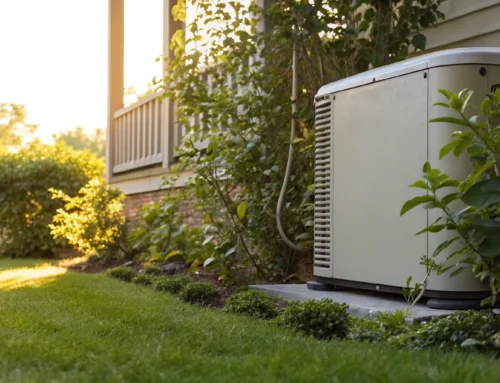
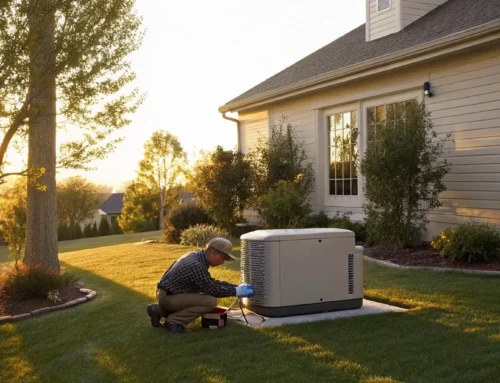
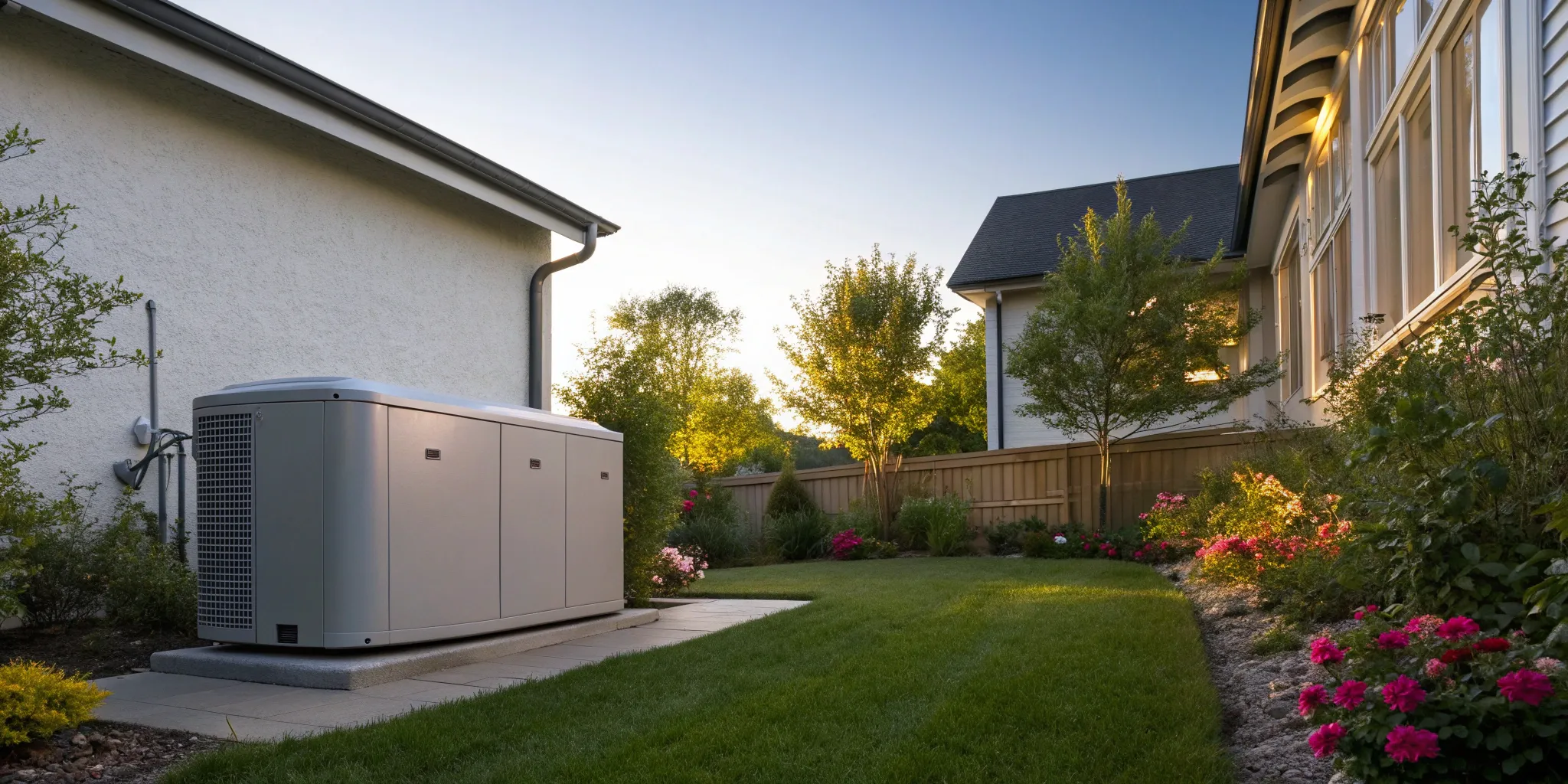
Think of a standby generator as your home’s personal power plant, always on alert. Unlike a portable generator you have to wheel out of the garage, a standby generator is a permanent fixture, installed outside your home much like an air conditioning unit. Its job is simple but crucial: to automatically restore power to your home within seconds of an outage. You don’t have to lift a finger. Whether you’re at home, at work, or on vacation, it senses the power loss, starts itself up, and keeps your lights, refrigerator, and HVAC system running smoothly.
These systems are directly connected to your home’s electrical panel and typically run on a reliable fuel source like natural gas or propane, so there’s no need to store gasoline or rush out for fuel during a storm. The entire process is seamless. When the utility power returns, the generator automatically shuts itself off and returns to standby mode, ready for the next time it’s needed. It’s the ultimate peace-of-mind solution for keeping your family safe and comfortable, no matter what the weather brings. For homeowners and businesses alike, installing a Generac generator means you’re always prepared.
Standby vs. Portable Generators
The biggest difference between standby and portable generators comes down to convenience and capability. A portable generator is a temporary solution. You have to store it, move it outside when the power goes out, fuel it with gasoline, and run extension cords to the specific appliances you want to power. A residential standby generator is a permanent, automated system. It’s wired directly into your home’s electrical system and powers your circuits automatically. While a portable unit might keep your fridge cold and a few lamps on, a standby generator can power essential systems like your heat, air conditioning, and well pump, ensuring your home remains fully functional.
Standby vs. Inverter Generators
You might hear about inverter generators, which are known for being quiet and producing “clean” power that’s safe for sensitive electronics like laptops and TVs. While they are excellent for camping or tailgating, they have a much lower power output compared to a standby generator. An inverter might be able to power a few small devices, but it can’t handle the demands of an entire household. A standby generator is built to manage heavy loads, from your kitchen appliances to your home office equipment, providing robust and reliable power for everything you need during an outage.
Why Automatic Operation Matters
The automatic operation is what truly sets a standby generator apart. When the power goes out, you don’t have to do anything. The system’s automatic transfer switch (ATS) is the brain behind this process. It constantly monitors the electricity coming from the utility. The moment it detects an interruption, it safely disconnects your home from the grid and signals the generator to start. This prevents dangerous backfeed, which is when electricity from a generator flows back into utility lines, endangering repair crews. This seamless transition ensures your power is restored in seconds, providing safety and uninterrupted comfort for your home.
How Your Generator Knows the Power Is Out
It can feel like magic when a storm rolls through and your power clicks off, only to hum back to life just seconds later. While your neighbors are hunting for flashlights, your home is already back to normal. This isn’t magic—it’s the result of a smart, automated system working exactly as designed. Your standby generator is always on alert, and the key to its rapid response is a component called the automatic transfer switch, or ATS.
Think of the ATS as the brain of your entire generator system. It’s constantly monitoring the electrical current coming from the utility company, acting as a silent guardian for your home’s power supply. The moment it detects an interruption or instability, it springs into action, managing the entire process of switching your home from grid power to generator power, all without you having to lift a finger. This seamless transition is what makes a standby generator such a reliable source of comfort and security, keeping your lights on, your refrigerator cold, and your daily life uninterrupted. It’s a sophisticated process, but it happens in three simple, crucial steps that ensure your power is restored safely and quickly.
Sensing a Power Loss
Your generator system is always connected to your home’s main electrical panel, but it spends most of its time in a quiet, watchful state. The automatic transfer switch is the component responsible for this constant vigilance. It continuously monitors the voltage coming from the utility lines. If that voltage drops below a certain level or disappears entirely, the ATS instantly recognizes it as a power outage. This detection is the first and most critical signal that tells your Generac generator it’s time to get to work. It’s a completely automatic process, ensuring that even if you’re away from home or asleep, your property remains protected.
Kicking Into Action
Once the ATS senses the power is out, it initiates a carefully timed sequence of events. First, it immediately disconnects your home from the utility grid. This is a critical safety measure that prevents your generator from sending electricity back out to the power lines, protecting utility workers who might be making repairs. With your home safely isolated, the ATS then signals the generator’s engine to start. In just a few seconds, the generator gets up to speed and produces a stable, clean electrical current. The ATS verifies that the generator is ready, then switches your home’s electrical panel over to generator power. The whole process is so fast you might only notice a brief flicker of the lights.
Running Its Own Safety Check
A standby generator doesn’t just wait for an emergency to make sure it’s in working order. To ensure it’s always ready, the system performs a regular self-test, often called an “exercise cycle.” Typically, this happens once a week for about 20 minutes. During this test, the generator starts up and runs without actually transferring power to your home. This brief run time circulates engine oil, charges the starting battery, and confirms that all mechanical and electrical components are functioning correctly. This proactive self-check is a core part of routine generator maintenance and gives you confidence that your system will perform flawlessly when you need it most.
A Look Under the Hood: Key Generator Components
A standby generator might seem like a single, magical box, but it’s actually a sophisticated system with several key parts working in perfect harmony. Understanding these components helps demystify how your generator keeps the lights on when the grid can’t. Think of it like a well-rehearsed team where each player has a specific and vital role. From the powerhouse engine to the intelligent control panel, every piece is essential for providing reliable, automatic power to your home or business. Let’s break down the four main components that make it all happen.
The Engine: The Heart of the System
The engine is the workhorse of your generator. Just like the engine in a car, its job is to create motion, or mechanical energy. It does this by combusting a fuel source, which for most home standby generators is either natural gas or liquid propane. This makes them incredibly convenient because they tap directly into your home’s existing fuel lines. Unlike a portable generator that you have to refuel with gasoline, a standby unit is always ready to go. The engine is specifically designed for long-term, reliable operation, ensuring it can run for hours or even days to power your home through an extended outage.
The Alternator: Creating Your Power
If the engine is the heart, the alternator is where the real magic happens. The alternator’s job is to take the mechanical energy produced by the engine and convert it into usable electricity. It contains a rotor and a stator that work together to create an electromagnetic field, generating the alternating current (AC) that powers your home’s lights, appliances, and electronics. The quality of the alternator is crucial for producing clean, stable power, which is essential for protecting sensitive devices like computers and modern TVs. This seamless conversion is what makes Generac generators a reliable power source during an emergency.
The Brains: Control and Monitoring
The control panel is the intelligent center of the entire system. This onboard computer acts as the “brain,” constantly monitoring the connection to your utility power. It also keeps a close watch on the generator’s own functions, like engine speed, oil pressure, and coolant temperature, to ensure everything is running smoothly. When it detects a problem, it can automatically shut the generator down to prevent damage. Modern control panels are incredibly user-friendly, with clear LCD displays that show the generator’s status and any maintenance reminders. Many even offer remote monitoring, allowing you to check on your generator from anywhere using a smartphone app.
The Automatic Transfer Switch: The Director
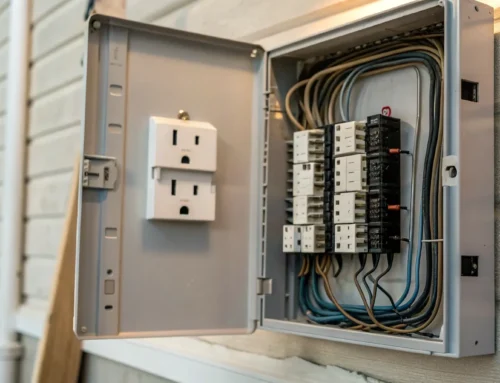
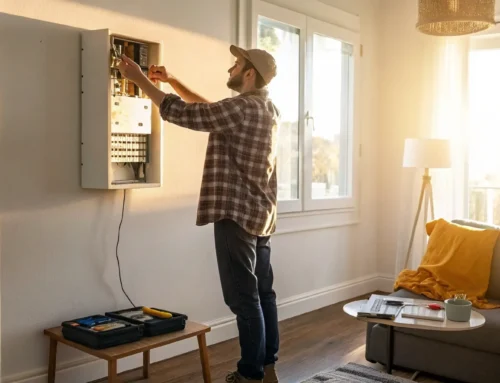
The Automatic Transfer Switch (ATS) is the component that makes your standby generator truly automatic. This device is the gatekeeper between your home, the utility grid, and your generator. Installed next to your main electrical panel, the ATS constantly senses the flow of power from the utility. The moment it detects an outage, it safely disconnects your home from the grid and signals the generator to start. Once the generator is running, the ATS switches your home’s power source over to the generator. This entire process is a key part of a professional residential standby generator installation and happens in seconds, without you having to lift a finger.
How the Automatic Transfer Switch Keeps You Safe
The automatic transfer switch, or ATS, is the unsung hero of your standby generator system. While the generator creates the power, the ATS is the component that safely manages it. Think of it as the traffic cop for your home’s electricity. Its primary job is to sense when utility power is lost and seamlessly switch your home over to generator power. But more importantly, it performs this task with several critical safety features in mind, protecting your home, your appliances, and the utility workers on the front lines. Without a properly functioning ATS, a standby generator would be both impractical and dangerous. It’s the key piece of technology that makes the entire system work automatically and safely, giving you true peace of mind during an outage.
Preventing Dangerous Backfeed
The most critical safety function of the automatic transfer switch is preventing backfeed. Backfeed happens when electricity from a generator flows back into the utility lines. This is incredibly dangerous because it can electrocute utility workers who are trying to restore power, as they assume the lines are dead. The ATS makes this impossible. Before it connects your home to the generator’s power, it first completely disconnects your electrical panel from the main utility grid. This creates an essential air gap, ensuring your generator only powers your home and never sends electricity back out. A professional residential standby generator installation ensures the ATS is wired correctly to perform this vital function.
Making a Smooth Transition
Beyond its core safety role, the ATS is what makes the switch to backup power feel so seamless. When the power goes out, the ATS detects the loss of electricity in a fraction of a second. It signals the generator to start and, once the generator is running at the correct speed and voltage, the switch transfers your home’s electrical load to it. This entire process happens automatically in about 10 to 20 seconds. You don’t have to go outside in a storm to start a generator or run extension cords. The transition is so smooth and fast that you might only notice a brief flicker of the lights before everything is back on, allowing you to continue your day without interruption.
Protecting Your Home’s Circuits
Sudden power shifts can be tough on your home’s sensitive electronics. The ATS is designed to protect your appliances and devices from potential damage during the power transfer. By managing the switch from grid power to generator power in a controlled sequence, it prevents power surges or fluctuations that could harm computers, TVs, and smart home devices. This clean handoff ensures that the power flowing to your circuits is stable and safe. It’s just one more way that a complete Generac generator system is designed to not only provide power but also to protect the valuable equipment inside your home.
When the Lights Come Back On: Switching Back to the Grid
Just as your standby generator sensed the power outage, it also knows exactly when utility power has been restored. You don’t have to do a thing. The entire process of switching your home back to the grid is completely automatic, ensuring a safe and seamless transition that protects both your home’s electrical system and the generator itself.
The automatic transfer switch (ATS), which directed power from the generator to your home, handles the return trip as well. It verifies that the power from the utility company is stable and reliable before making any changes. Once it confirms the grid is back online for good, it orchestrates a smooth handoff. The generator gets the signal to wrap things up, but not before running through a quick and important final step to keep itself in top condition. This automated sequence ensures your Generac generator is always ready for the next time you need it.
Sensing the Grid’s Return
The automatic transfer switch is the vigilant watchdog of your electrical system. Even while your generator is powering your home, the ATS is constantly monitoring the utility line. It’s not just waiting for a flicker of electricity; it’s waiting for a strong, stable signal. This built-in delay is a crucial feature that prevents the system from switching back and forth during an unstable power restoration, which could potentially damage your sensitive electronics. Once the ATS detects that the utility feed is consistent and reliable, it knows it’s safe to begin the transition back to grid power.
Handing Power Back to the Utility
Once the transfer switch confirms the grid is stable, it manages the handoff in a precise sequence. First, it safely disconnects your home from the generator’s power. Only after that connection is broken does it reconnect your home to the main utility grid. This “break-before-make” process is a critical safety measure that prevents utility power and generator power from ever mixing. This seamless transition happens in an instant, and you likely won’t notice anything more than a momentary blink of the lights. It’s a core part of a professional residential standby generator installation that keeps your home and appliances safe.
Cooling Down and Resetting
After the transfer switch has handed power back to the utility, it signals the generator that its job is done. But the generator doesn’t just shut off immediately. Instead, it enters a brief cool-down cycle. It continues to run for a few minutes without producing power, which allows the engine to gradually cool to a safe temperature. This process is vital for the engine’s longevity and performance. Once the cool-down cycle is complete, the generator shuts itself down and resets, standing by and ready for the next outage. This automated shutdown is one reason why routine Generac service and repair is so important—it keeps every part of the cycle working perfectly.
Keeping Your Generator Ready for Action
A standby generator is a powerful piece of equipment, and like any engine, it needs a little attention to stay in peak condition. The good news is that modern generators, especially Generac models, do most of the work for you. They are designed for reliability, but understanding their self-checks and maintenance needs ensures you’ll have power exactly when you need it. Think of it as peace of mind insurance—a small amount of upkeep guarantees your investment works flawlessly during an outage.
Weekly Self-Checks and Alerts
Most Generac generators are programmed to perform a weekly self-test. For about 20 minutes, the system will start up and run to circulate oil and make sure all its components are ready to go. This is a great opportunity for you to do a quick check-in. As it runs, listen for any unusual noises and look for signs of leaks around the unit. The generator should switch on and off smoothly. If you notice anything out of the ordinary, it’s best to have a professional take a look. Catching small issues early prevents them from becoming bigger problems during a real power outage.
Smart Safety Features
One of the most critical parts of your generator system is the automatic transfer switch (ATS). This device is the ultimate safety feature, acting as a gatekeeper for your home’s power. When the generator kicks on, the ATS immediately disconnects your house from the main utility grid. This is crucial because it prevents your generator from sending electricity back into the power lines, a dangerous situation known as backfeed that can seriously injure utility workers. The transfer switch ensures that your home is powered safely and independently until the grid is restored.
Debunking Generator Maintenance Myths
A common myth is that standby generators are a “set it and forget it” appliance. While they are low-maintenance, they aren’t no-maintenance. Just like your car, the engine needs regular care, including oil and filter changes, to run efficiently for years. These tasks are essential for ensuring your generator is always ready to perform. While some homeowners handle this themselves, scheduling annual Generac maintenance with a certified technician is the easiest way to protect your system and ensure it operates safely and reliably when you need it most.
Related Articles
- Standby Generac Generator FAQs | M.T. Ruhl
- Automatic Standby Generator Cost: The 2025 Guide
- What Are the Best Standby Generators? | M.T. Ruhl
- Generac Generator Prices: A 2025 Buyer’s Guide
- 20 Whole House Generator FAQs: Everything You Need to Know | M.T. Ruhl
Frequently Asked Questions
Do I have to be home for the generator to turn on? Not at all. The entire system is designed to be completely automatic. The automatic transfer switch constantly monitors the power from the utility company. The moment it senses an outage, it starts the generator and transfers power to your home, whether you’re at work, asleep, or on vacation.
Is the power from a standby generator safe for my sensitive electronics? Yes, it is. Standby generators are built to produce a clean, stable electrical current, much like the power you get from the grid. The system’s automatic transfer switch also ensures a smooth transition between power sources, which helps protect sensitive devices like computers, smart TVs, and other modern electronics from surges.
What happens when the utility power comes back on? Your generator system handles this automatically, too. The transfer switch detects when the grid power is stable and reliable again. It then safely disconnects your home from the generator and reconnects it to the utility. After this, the generator runs for a few minutes in a cool-down cycle to protect the engine before shutting itself off completely.
Why does my generator run for a short time every week? That’s the generator performing its weekly self-test, often called an exercise cycle. This short run time circulates the engine oil, charges the battery, and confirms that all the components are working correctly. It’s a proactive health check that ensures your generator is always in top condition and ready for a real power outage.
Can a standby generator power my entire house? It certainly can. Standby generator systems are not one-size-fits-all. During installation, you can decide whether you want to power your entire home or just select essential circuits, such as your heating and cooling system, refrigerator, well pump, and lights. The system is tailored to fit your specific needs and priorities.