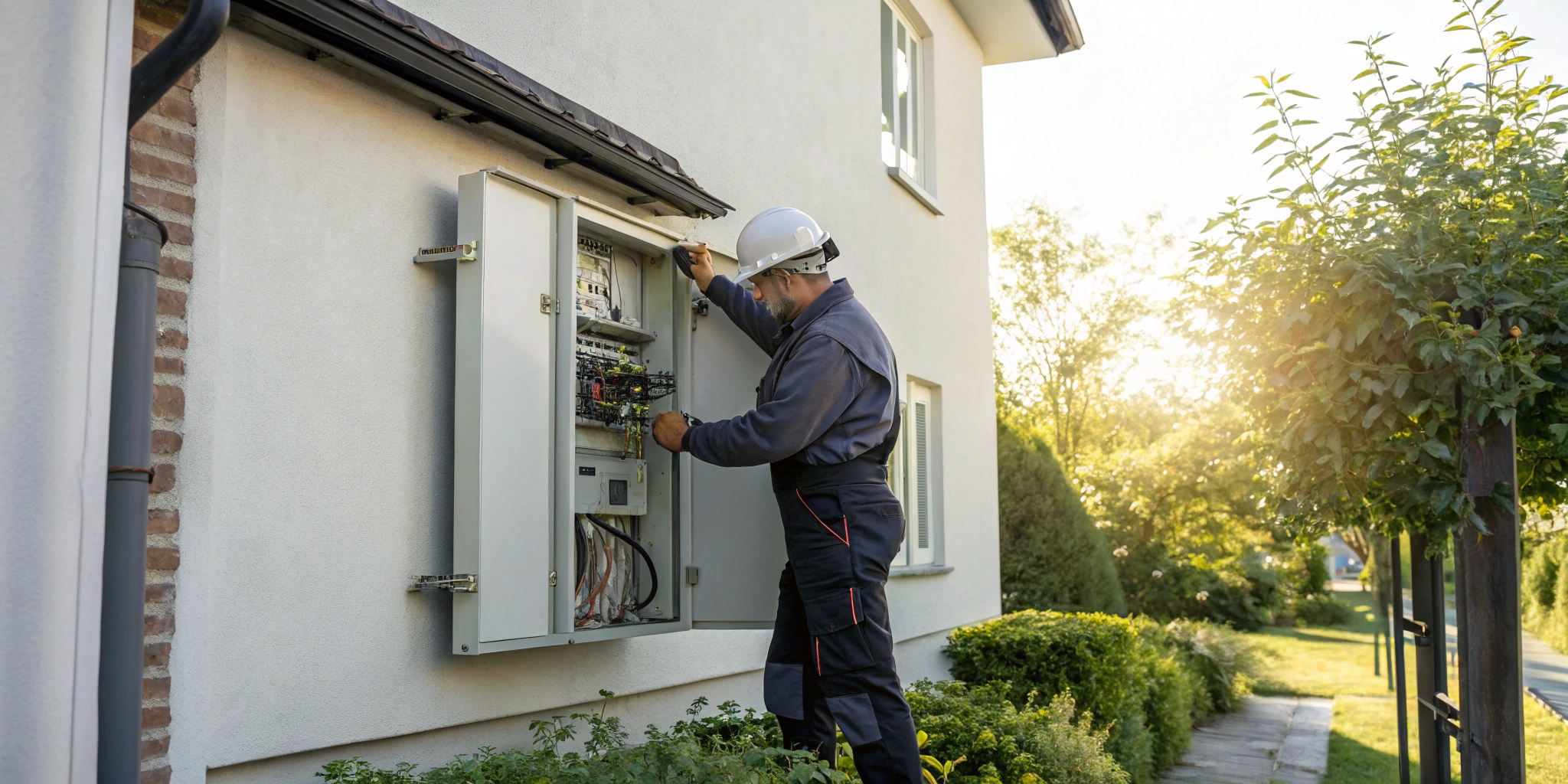
One of the first questions homeowners in our area ask is, “how much is a permit to upgrade electrical panel?” The answer isn’t the same for everyone. A permit in Chester County might have a different fee structure than one in Montgomery or Bucks County because each township sets its own rates. While this might sound complicated, a qualified local electrician handles this for you. This fee ensures your project is officially documented and inspected by an expert who confirms it meets all the safety codes specific to your community, giving you confidence that the job was done right.
Key Takeaways
- Permits Protect Your Investment: Securing a permit is a non-negotiable step that verifies your panel upgrade is safe, meets legal codes, and keeps your homeowners insurance valid.
- Let a Professional Handle the Paperwork: A licensed electrician is your partner in the permitting process, managing the application, plans, and inspection scheduling to ensure everything is done correctly and efficiently.
- Understand the Full Project Cost: The permit fee is only one piece of the puzzle; the total cost of your upgrade will also include the electrician’s labor, the new panel itself, and any necessary updates to meet current safety codes.
How Much Do Electrical Panel Upgrade Permits Cost?
When you’re planning an electrical panel upgrade, one of the first questions that comes to mind is about cost. While the new panel and the professional installation are the biggest expenses, the permit is a small but crucial part of the budget. The exact cost isn’t a single flat rate; it changes based on where you live and the specifics of your project. Think of it as an investment in safety and peace of mind, not just another fee.
Getting a permit ensures that all the electrical work is performed to the correct safety standards and is officially documented by your local municipality. This isn’t just about following rules—it’s about protecting your home, your family, and your investment. A licensed electrician handles the entire permitting process for you, from filing the paperwork to scheduling the final inspection. This takes the guesswork out of the equation and makes sure everything is done by the book. The cost of the permit itself is a minor part of the overall project, but its value in ensuring a safe, compliant installation is priceless. It’s the official record that the job was completed correctly, which is important for insurance purposes and the future resale value of your home.
How Permit Fees Vary by Location
The cost of an electrical permit can change quite a bit depending on your city or township. Each municipality sets its own fee schedule, so what you pay in Chester County might be different from what someone pays in Bucks County. Generally, for a residential panel upgrade, you can expect permit fees to be somewhere between $50 and $300. For commercial properties, the cost is typically higher due to the larger scope and complexity of the work. A qualified electrician who regularly works in your area will be familiar with the specific local requirements and can give you an accurate idea of what to expect for your project’s permit fees.
Factoring in Inspection Costs
The permit fee usually includes the cost of having a municipal inspector come out to review and approve the finished work. This inspection is a critical step. Its purpose is to have a third-party expert verify that your new electrical panel has been installed correctly and meets all National Electrical Code (NEC) and local safety standards. This confirmation is what closes out the permit and officially signs off on the project. Skipping this process can lead to major headaches down the road, especially if you decide to sell your home. Ensuring the work is done right and properly inspected protects your investment and ensures your home’s electrical system is safe for years to come.
Why You Absolutely Need a Permit for a Panel Upgrade
It might be tempting to see a permit as just another piece of paperwork—an extra step that slows down your project. But when it comes to your home’s electrical system, a permit is one of the most important parts of the process. It’s not about red tape; it’s about ensuring the work is done safely, legally, and to a standard that protects your family and your investment.
Think of a permit as your project’s official record. It brings in a third-party inspector to verify that everything is installed correctly, giving you peace of mind that your new panel can handle your home’s power needs without risk. From preventing electrical fires to ensuring you don’t run into trouble down the road, getting a permit is a non-negotiable step for any responsible homeowner. A qualified electrician will handle this process for you, making sure all residential electrical services are fully compliant from start to finish. This formal approval is your assurance that the job wasn’t just completed, but completed correctly according to the latest safety standards. It’s a layer of protection that DIY work or an unpermitted job simply can’t offer.
Ensuring Safety and Code Compliance
The single most important reason to get a permit is safety. Electrical work is complex, and a mistake can have serious consequences. A permit ensures that a licensed inspector will review the installation to confirm it meets the standards set by the National Electrical Code (NEC) and your local building department. These codes exist to prevent electrical shocks, fires, and other hazards. The inspection process provides a critical safety check, verifying that the wiring is correct, the breakers are properly sized, and the panel is grounded. It’s a system of checks and balances that protects you from unsafe work.
Protecting Yourself Legally
Skipping a permit for your panel upgrade can lead to significant legal and financial headaches. If your local municipality discovers the unpermitted work, you could face steep fines and be required to tear out the work and have it redone correctly—this time with a permit. Furthermore, unpermitted work can cause major problems when you decide to sell your home. A home inspector will likely spot the new panel, and the lack of a corresponding permit can delay or even terminate a sale. Working with a professional ensures all electrician repairs and upgrades are properly documented and approved.
Keeping Your Homeowners Insurance Valid
Your homeowners insurance policy is there to protect you from unexpected disasters, but it comes with a condition: you have to maintain your home responsibly. If an electrical fire occurs and the investigation reveals it was caused by unpermitted work, your insurance provider could deny your claim. They may argue that the unpermitted installation created an unnecessary risk they didn’t agree to cover. A permit serves as official proof that the work was completed to code by a qualified professional, which is essential for keeping your insurance coverage intact and protecting your financial future.
What Factors Affect Permit Costs?
Figuring out the cost of an electrical permit isn’t always straightforward because there’s no single, flat fee. The final price tag depends on a few key variables that can change from one project to the next. Think of it less like buying a product off the shelf and more like a service tailored to your specific home and needs. The three biggest factors that will influence the cost of your permit are your home’s location, the complexity of the upgrade, and the specific rules your local municipality has in place. Understanding these elements will give you a much clearer picture of what to expect.
Your Geographic Location
Where you live plays a huge role in how much your permit will cost. Permit fees are set at the local level, so the price can vary significantly from one town to the next, even within the same county. For example, the requirements and fees in Chester County might be different from those in Delaware County. This is because each municipality has its own administrative costs and processes for reviewing applications and performing inspections. While there’s a general range for these permits, knowing that your specific service area has its own unique fee structure is the first step in budgeting for your project.
The Scope of Your Project
Not all electrical panel upgrades are created equal, and the size and complexity of your project will directly impact the permit fee. A straightforward panel swap is typically less involved than a full-service upgrade that requires rerouting circuits or increasing your home’s amperage. Factors like the size of the new panel, the type of wiring needed, and whether the panel’s location is being moved all contribute to the project’s scope. A more complex job requires a more detailed review from the permit office and a more thorough inspection, which is reflected in the cost of the permit for any residential electrical work.
Local Rules and Regulations
Permits are more than just paperwork; they are a critical part of ensuring your electrical system is safe and up to code. Every city and township has its own set of building codes and regulations that licensed electricians must follow. These rules are designed to protect you and your home from potential hazards like electrical fires. The permit and inspection process verifies that the work was done correctly. Because these local codes can vary, the requirements for the permit application and the inspection itself can influence the final cost. Working with an experienced electrician who is familiar with local regulations ensures everything is done right the first time.
How to Get a Permit for Your Panel Upgrade
Getting a permit for an electrical panel upgrade might sound like a hassle, but it’s a straightforward process when you have the right team on your side. This step is essential for ensuring your home’s electrical system is safe, reliable, and compliant with local codes. Think of it not as a hurdle, but as a quality check that protects your family and your investment. The process generally involves three key phases: working with an electrician, filing the correct documents, and scheduling a final inspection. Let’s walk through what you can expect.
Partnering With a Licensed Electrician
The very first step in the permitting process is to team up with a qualified, licensed electrician. You shouldn’t have to figure out local regulations and paperwork on your own. A professional electrician understands the specific requirements in Southeastern Pennsylvania and will handle the entire permit application for you. They act as your guide, ensuring every detail is correct from the start. This partnership is about more than just getting the paperwork filed; it’s about having an expert oversee your project to guarantee it’s done safely and correctly, giving you complete peace of mind.
Submitting the Right Paperwork
Once you’ve chosen your electrician, they will prepare and submit the necessary documents to your local municipal office. This application packet typically includes a detailed plan of the work being done. It might feature diagrams showing the new panel’s location, a list of materials, and calculations to confirm your system can handle your home’s electrical load. This is especially important if you’re upgrading to support new, high-powered additions like an EV charger or a Generac home standby generator. Your electrician will make sure everything is documented properly to prevent delays and keep your project on track.
Scheduling Your Inspection
After the permit is issued and the panel upgrade is complete, a final inspection is required. Your electrical contractor will coordinate with a local inspector to schedule this visit. During the inspection, an official will review the work to verify that it meets all safety standards and building codes. This is the last step to officially close out the permit and certify that the installation was performed correctly. Passing this inspection confirms your new panel is safe and ready to power your home reliably for years to come, whether through daily use or during a power outage.
What Else Affects the Total Project Cost?
The permit fee is just one line item on your final invoice. To get a complete picture of the investment, you need to look at the entire scope of the project. The total cost of an electrical panel upgrade is primarily driven by three key factors: the cost of professional labor, the price of the new panel and materials, and any additional work required to bring your home’s electrical system up to current safety codes. Understanding these components will help you budget accurately and avoid surprises down the road. A trustworthy electrical contractor will walk you through a detailed quote, breaking down each of these costs so you know exactly what you’re paying for. This transparency is crucial for a project that is so vital to your home’s safety and functionality.
Professional Installation and Labor
An electrical panel upgrade is a complex job that should only be handled by a qualified professional. The cost of labor reflects the electrician’s expertise, training, and the time required to complete the installation safely and correctly. Electricians typically charge by the hour, and a standard panel swap can take a full day or more. This investment ensures that all connections are secure, the system is properly grounded, and everything is installed to meet strict safety standards. When you hire a licensed electrician, you’re not just paying for their time; you’re paying for the peace of mind that comes with knowing the heart of your home’s electrical system is in capable hands.
Cost of Materials and a New Panel
Beyond labor, the physical hardware makes up a significant portion of the cost. The new electrical panel itself is the main component, and its price varies depending on the amperage your home needs. A 100-amp panel is standard for smaller, older homes, while most modern homes require a 200-amp panel to handle today’s electrical demands. If you’re planning to add major appliances, an EV charger, or a whole-home generator, you’ll likely need a 200-amp panel or larger. The cost increases with amperage, so it’s important to choose a panel that meets both your current and future needs.
Bringing Other Systems Up to Code
Sometimes, a panel upgrade can reveal other parts of your home’s electrical system that are outdated. When an inspector reviews your project, they may require you to update other components to meet current electrical codes. This could include replacing old wiring, adding arc-fault circuit interrupters (AFCIs), or updating your home’s grounding system. While this can add to the project’s total cost, these updates are essential for safety. A thorough electrician will assess your entire system beforehand to identify potential code-related issues, giving you a more accurate initial estimate for your residential electrical project.
The Risks of Skipping the Permit
It can be tempting to look for shortcuts when you’re upgrading your home’s electrical system. Getting a permit might seem like just another bureaucratic step, but it’s one of the most important parts of the project. Skipping the permit process opens you up to serious financial, legal, and safety risks that far outweigh any initial savings in time or money. A proper permit and inspection ensure your electrical panel upgrade is safe and reliable, which is essential for powering your home and crucial systems like a Generac generator.
Facing Fines and Legal Issues
Your local municipality has building codes for a reason: to keep you and your community safe. When you skip a permit for an electrical panel upgrade, you’re sidestepping these safety checks. If the unpermitted work is discovered, you could face significant fines and be ordered to tear out the work and have it redone correctly—this time with a permit. This means paying for the job twice. Because these regulations can vary slightly across Chester, Montgomery, Bucks, and Delaware Counties, working with a professional who understands the local requirements in your specific service area is the best way to avoid these costly penalties.
Complications with Insurance Claims
Your homeowners insurance policy is a contract, and it assumes your home is up to code. Performing major electrical work without a permit can violate the terms of your policy. If a fire or other damage occurs as a result of the unpermitted panel upgrade, your insurance provider could have grounds to deny your claim. Suddenly, you’re left responsible for the full cost of repairs, which could be financially devastating. Following the proper process for all electrician repairs protects your home and ensures your insurance coverage remains valid when you need it most.
Trouble When Selling Your Home
Unpermitted work is a major red flag for potential homebuyers and their inspectors. When you decide to sell your home, a thorough inspection will likely uncover the non-compliant electrical panel. This can derail a sale completely or force you to make expensive, last-minute repairs to close the deal. You may even have to disclose the unpermitted work, which can lower your home’s value. Ensuring all your residential electric projects are properly permitted and inspected gives you peace of mind and protects your home’s long-term value.
Common Permitting Mistakes to Avoid
Getting a permit might seem like just another piece of paperwork, but it’s your project’s foundation for safety and compliance. The process is usually straightforward, but a few common missteps can cause frustrating delays and even lead to a rejected application. Knowing what to watch out for ahead of time can make all the difference, ensuring your panel upgrade goes off without a hitch. This is especially important if your panel upgrade is part of a larger project, like preparing your home for a new Generac generator installation. A solid electrical foundation is key to reliable backup power, and that starts with getting the permit right.
Inadequate Planning and Missing Paperwork
This is one of the most frequent reasons for a permit delay. Your local building department needs to see exactly what you’re planning to do. Most permit applications ask for detailed plans, which usually include a layout showing where new outlets, switches, or the upgraded panel will go, along with a complete list of materials. Simply submitting a form without these supporting documents will almost guarantee it gets sent back. A professional electrician will prepare this packet for you, ensuring every detail is covered before anything is submitted. This thorough preparation shows the inspector that the project has been carefully planned for safety and code compliance from the very beginning.
Not Hiring a Licensed Electrician
Tempted to handle the permit yourself or hire a general handyman to save a few dollars? This is a mistake that can cost you much more in the long run. Electrical codes are complex and vary from one township to another across Southeastern Pennsylvania. A licensed electrician is familiar with these local regulations and knows exactly what inspectors in your area are looking for. They ensure your panel upgrade complies with all necessary codes and permits, which is critical for passing inspection. Working with a certified professional for your residential electrical needs isn’t just about convenience; it’s about ensuring the work is done safely and correctly the first time, protecting your home and family.
Reusing Old or Outdated Equipment
When upgrading your electrical panel, the goal is to improve the safety, capacity, and reliability of your home’s electrical system. Attempting to save costs by reusing old breakers, panels, or wiring directly undermines this goal. Old components may not be up to current safety standards and can compromise the entire system. Inspectors will quickly spot outdated equipment and will not approve the work until it’s replaced with new, compliant materials. This is especially true for systems designed to support heavy loads, like an EV charger or a whole-home generator. A proper upgrade means starting fresh with modern, reliable components that will serve your home safely for years to come.
How to Ensure a Smooth Panel Upgrade Project
An electrical panel upgrade can feel like a major undertaking, but it doesn’t have to be a headache. With a bit of planning and the right team, the process can be surprisingly straightforward. Upgrades are often a key step in modernizing your home, preparing it for new appliances, an EV charger, or even a whole-home Generac generator. Thinking through the project ahead of time helps ensure everything goes off without a hitch, keeping your home safe and your power reliable.
Signs It’s Time for an Upgrade
Your home often gives you clues when its electrical system is under strain. Frequently tripping breakers are a classic sign that your panel can’t handle your home’s electrical demand. You might also notice lights that flicker or dim, especially when a large appliance like an air conditioner kicks on. An electrical panel that feels warm to the touch is another red flag that requires immediate attention. If your panel is old and uses fuses, or if you’re planning a major renovation, it’s definitely time to consider an upgrade. These are more than minor annoyances; they’re important signals that your system needs professional electrician repairs.
Choosing a Qualified Electrical Contractor
This is not a DIY project. For a job this important, you need a licensed and insured electrical contractor who knows the local codes inside and out. A qualified professional will make sure your upgrade is done safely and complies with all necessary regulations, from pulling the right permits to passing the final inspection. When you’re vetting contractors, ask about their experience with projects like yours in your specific area. A trusted local team will be familiar with the requirements in communities across Chester, Montgomery, Bucks, and Delaware Counties. You want to work with people you can count on, so take the time to find a company with a proven track record, like Our Team.
Understanding the Project Timeline and How to Prepare
Once you’ve chosen your electrician, they will manage the entire process for you. The first step is securing a permit from your local building department, which is a non-negotiable requirement for safety and legal reasons. After the permit is issued, the installation work can begin. Your electrician will perform the upgrade according to strict safety standards. Finally, a city inspector will visit to check the work and give their approval. The best way to prepare is to clear the area around your electrical panel and ask your contractor about the expected power outage duration so you can plan accordingly for your family or business. A professional handles all the technical details for your residential electric project, giving you peace of mind.
Related Articles
- Price for Electrical Panel Upgrade: A 2025 Cost Guide
- How Much Is an Electrical Panel Upgrade? 2025 Costs
- Electrician for Panel Upgrade: A Homeowner’s Guide
Frequently Asked Questions
Do I really need a permit just to change my electrical panel? Yes, absolutely. Think of a permit as a built-in safety check for your home. It ensures the work is done correctly according to the latest electrical codes, which are in place to prevent fires and other hazards. It also creates an official record that the job was completed by a professional, which is crucial for your homeowners insurance and for the future resale value of your home.
How much should I budget for the permit fee? There isn’t a single flat rate, as the cost is set by your local township and can vary across Southeastern Pennsylvania. Generally, for a residential project, the fee itself is a relatively small part of the overall cost, often falling between $50 and $300. Your licensed electrician will be familiar with the specific fees in your area and will include the exact cost in your project quote.
Can I pull the permit myself to save money? While it might seem like a way to cut costs, handling the permit yourself is not recommended. The application process requires technical details and plans that a licensed electrician is trained to prepare. A professional handles all the paperwork and communication with the local building department, ensuring everything is filed correctly to avoid delays. This service is a key part of hiring a qualified contractor and guarantees the project starts on the right foot.
What’s the difference between the permit and the inspection? The permit is the official document from your municipality that grants permission to start the electrical work. The inspection happens after the new panel has been installed. A third-party inspector visits your home to review the finished work, verify it meets all safety codes, and officially approve it. Passing the inspection is the final step that closes out the permit and certifies the job was done correctly.
What happens if I don’t get a permit for my panel upgrade? Skipping the permit process can lead to serious problems down the road. You could face fines from your municipality and be required to have the work redone. It can also create major issues when you try to sell your home, as unpermitted work is a significant red flag for buyers. Most importantly, if an electrical fire were to occur, your insurance company could deny your claim, leaving you with the financial burden.