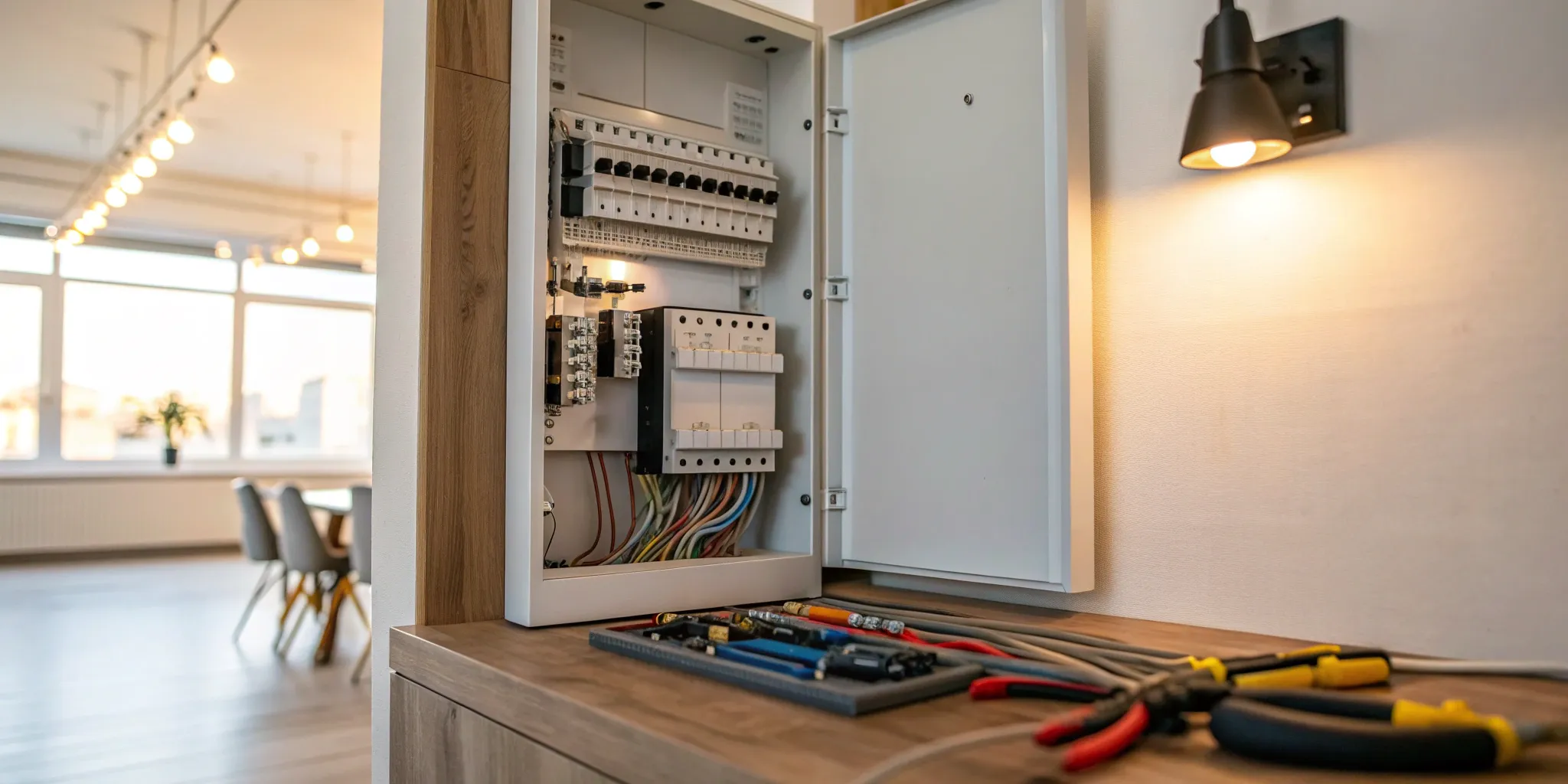
Are your circuit breakers tripping more often than you’d like? Do your lights dim whenever a large appliance turns on? These aren’t just minor annoyances; they’re signs that your electrical panel is struggling to keep up with your home’s demands. You know an upgrade is the solution, but the big question is always about the cost. We’re here to give you clear, practical information about the price for electrical panel upgrade. We’ll cover everything from average costs by panel size to the hidden factors that can affect your final quote, so you can plan your project with confidence.
Key Takeaways
- Recognize the Warning Signs: If your breakers trip often, your lights flicker, or you’re planning to add a major appliance like an EV charger, your electrical panel is likely due for an upgrade. This is a foundational improvement for your home’s safety and functionality.
- Understand What Drives the Cost: The final price for an upgrade is shaped by your home’s power needs (amperage), the condition of your existing wiring, and the complexity of the installation. Expect a standard 200-amp panel to range from $1,800 to $4,500.
- Vet Your Electrician Thoroughly: Choosing the right professional is critical for a safe installation. Always verify their license and insurance, get at least three detailed written quotes, and check recent customer reviews before making a final decision.
What Is an Electrical Panel Upgrade?
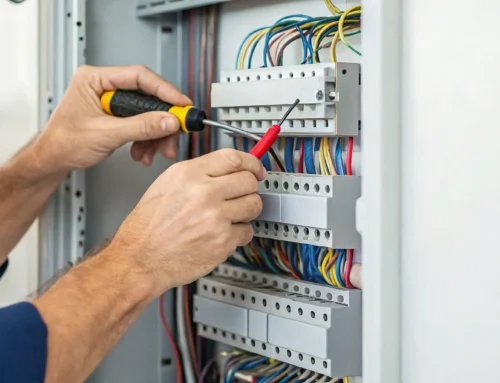
Think of your electrical panel as the heart of your home’s electrical system. It takes the main power line coming into your house and distributes it safely to all the different circuits—powering everything from your lights and outlets to your major appliances. An electrical panel upgrade is exactly what it sounds like: replacing your old, outdated panel with a new one that can handle more power and meets modern safety standards.
As our homes fill with more and more electronics, from smart TVs and high-powered kitchen gadgets to EV chargers, the demand on our electrical systems has grown significantly. An older panel, especially one that’s 20-30 years old, simply wasn’t designed for this kind of load. Upgrading ensures your home can safely manage your current and future power needs, reducing the risk of overloads and electrical fires. It’s a foundational improvement that supports every other electrical component in your home, making it a crucial step for any modern household.
Signs It’s Time for an Upgrade
Your home often gives you little hints that your electrical panel is struggling to keep up. One of the most common signs is frequently tripping circuit breakers. If you can’t run your microwave and toaster at the same time without plunging the kitchen into darkness, your panel is likely overloaded. Similarly, lights that flicker or dim when a large appliance kicks on, like your air conditioner, are another red flag.
Pay attention to the panel itself. Do you hear any buzzing or crackling sounds coming from it? Is there any visible rust or corrosion? These are serious warning signs that require immediate attention from a professional. If you’re planning a major renovation, adding a new appliance like a hot tub, or installing an EV charger, you’ll almost certainly need an upgrade to support the extra demand. Many older homes also have outdated and recalled panels from brands like Federal Pacific Electric or Zinsco, which are known safety hazards and should be replaced right away. If you notice any of these issues, it’s wise to call for electrician repairs to get a professional assessment.
Why Upgrading Is a Smart Move
Investing in an electrical panel upgrade is one of the smartest moves you can make for your home’s safety and functionality. First and foremost, it gives you peace of mind. A modern panel with new breakers significantly reduces the risk of an electrical fire, protecting your home and your family. It provides a stable, reliable flow of power, so you can say goodbye to flickering lights and tripped circuits.
Beyond safety, an upgrade is a practical investment that prepares your home for the future. It increases your property value by showing potential buyers that your home’s electrical system is safe and up-to-date. It also paves the way for other home improvements, whether you’re dreaming of a new kitchen, adding central air, or installing a home standby generator for uninterrupted power. A new panel can even improve your home’s energy efficiency, ensuring your appliances get the clean power they need to run optimally.
How Much Does an Electrical Panel Upgrade Cost?
Let’s get straight to the point: you want to know what an electrical panel upgrade will cost. While every project is unique, most homeowners can expect to invest somewhere between $1,200 and $4,500 for a standard upgrade. The final price tag depends on several factors, from the size of the panel you need to the current state of your home’s wiring.
Think of it like this: a simple, direct swap of an old panel for a new one of the same size will be on the lower end of the spectrum. However, if you’re increasing your home’s power capacity, moving the panel’s location, or need additional wiring to meet modern safety codes, the cost will naturally be higher. We’ll break down these costs so you can get a clearer picture of what to expect for your specific residential electrical service.
A Look at Average Costs by Amperage
The biggest factor influencing your cost is the panel’s amperage—basically, how much power it can handle. Most modern homes require a 200-amp panel to safely manage everything from high-efficiency HVAC systems to multiple large appliances and electronics.
Here’s a general breakdown of what you might pay based on the panel size:
- 100-Amp Panel: A replacement for a smaller or older home typically runs from $1,200 to $2,500. This is often sufficient if you aren’t adding major new appliances.
- 200-Amp Panel: This is the most common upgrade. Expect the cost to range from $1,800 to $4,500. This size provides plenty of power for the average family home and is often a requirement for new home insurance policies.
- 400-Amp Panel: For very large homes with heavy electrical loads like pools, hot tubs, or extensive workshop equipment, a 400-amp panel is necessary. These installations are more complex and can cost anywhere from $4,500 to $10,000 or more.
How Labor and Location Affect the Price
The physical circuit breaker panel is only one part of the total cost. A significant portion of your investment covers the skilled labor required to do the job safely and correctly. Licensed electricians typically charge between $50 and $120 per hour, and an upgrade can take anywhere from a few hours to a couple of days, depending on the complexity.
Your location also plays a role. Costs for materials, permits, and labor can vary here in Southeastern Pennsylvania compared to other parts of the country. A qualified local electrician can provide an accurate quote based on the specific requirements and codes in our service areas across Chester, Montgomery, Bucks, and Delaware Counties.
What Influences Your Final Cost?
When you get a quote for an electrical panel upgrade, the price reflects more than just the new breaker box. Several key factors contribute to the final cost, and understanding them will help you see exactly what you’re paying for. The size of your home, the age of your wiring, and even the panel’s location can all play a significant role. Think of it like a home renovation project—the final price depends on the scope of the work.
A straightforward swap of a modern panel for a new one will cost less than a complex project in an older home that requires extensive rewiring. We’ll break down the four main elements that influence your total investment: your home’s power requirements, the complexity of the installation, the condition of your existing electrical system, and any local permit fees. Knowing these details will help you have a more informed conversation with your electrician and better understand the estimates you receive for your home’s electrical service.
Your Home’s Power Needs (Amperage)
The biggest factor in your upgrade’s cost is the amperage your home needs. Amperage is simply the amount of electricity your panel can handle at one time. A 100-amp panel was standard years ago, but today’s homes, with their many appliances and electronics, often require a 200-amp service. Upgrading to a higher amperage means a more robust panel and thicker service cables, which adds to the material and labor costs. For example, a common 200-amp upgrade can range from $1,800 to $4,500, while a larger 400-amp service for a very large home will cost significantly more.
The Complexity of the Installation
Not all installations are simple swaps. If your project involves more than just replacing the panel in its current spot, the cost will increase. For instance, moving the panel to a different location—like from a cramped closet to the garage—can add $800 to $3,000 for the extra labor and materials. Other complexities include working around structural challenges, running new wires through finished walls, or trenching underground for the main service line. Each of these situations requires more time and expertise, which will be reflected in your final quote for any electrician repairs.
The State of Your Existing Wiring
If you live in an older home, particularly one built before the 1960s, your wiring might not be up to modern safety standards. An electrician may discover outdated systems like knob-and-tube or aluminum wiring during the initial inspection. To safely support a new, more powerful panel, this old wiring often needs to be completely replaced. While a full home rewire is a separate project from the panel upgrade itself, it’s often necessary to do them together. This can be a major expense, sometimes adding $12,000 to $20,000 to the overall project, but it’s essential for your family’s safety.
Local Permit and Inspection Fees
An electrical panel upgrade is a major job that requires a permit from your local municipality. This ensures the work is done correctly and meets all current safety codes. The cost of these permits and the required inspections can vary widely depending on where you live in Chester, Montgomery, Bucks, or Delaware County, but they typically range from $50 to over $300. While this is a smaller part of the total cost, it’s a mandatory one. A professional and licensed electrician will handle the entire permitting process for you, making sure everything is filed correctly and your project is fully compliant.
Choosing the Right Panel for Your Home
Picking a new electrical panel isn’t just about replacing an old metal box. It’s about setting your home up for safety, efficiency, and all the electrical demands of modern life. From charging an electric vehicle to running a home office or finally installing that hot tub, your panel is the heart of your home’s electrical system. Making the right choice means considering your power needs today and thinking about what you might need tomorrow.
Let’s walk through the key factors you’ll discuss with your electrician. Understanding these options—like amperage, panel type, and new smart technologies—will help you feel confident in your decision. It ensures you get a system that’s perfectly tailored to your family’s lifestyle and gives you peace of mind for years to come.
100-Amp, 200-Amp, or 400-Amp?
Think of amperage as the total amount of electricity your home can use at one time. If your home is older, you might have a 60-amp or 100-amp panel, which was plenty for decades past. Today, however, our power needs have grown. Most new homes are built with 200-amp panels, which is now the standard for a typical family. This size comfortably handles modern appliances, central air, and multiple electronic devices running at once. An upgrade from 100 to 200 amps is the most common project we see, as it prepares a home for future additions like an EV charger or a major kitchen remodel. For very large homes with extensive electrical needs, a 400-amp service might be necessary.
Main Breaker vs. Main Lug Panels
When you look at panel options, you’ll hear the terms “main breaker” and “main lug.” The difference is pretty simple: a main breaker panel has a master switch at the top that can shut off power to the entire house. This is the most common type found inside homes, offering a single, convenient point of control. A main lug panel, on the other hand, doesn’t have that master breaker inside the box. Instead, the main shut-off is located in a separate enclosure, often near your electric meter. Your electrician will determine the right type for your home based on your existing setup and local code requirements for residential electric systems.
Do You Need a Subpanel or Transfer Switch?
Sometimes, one main panel isn’t enough. If you’re adding a large workshop, an in-law suite, or a detached garage, a subpanel is a great solution. It’s a smaller electrical panel that’s fed from the main panel, allowing you to distribute power and add more circuits for a specific area without overloading your primary system. A transfer switch is a different but equally important device. If you have or are planning to install a residential standby generator, a transfer switch is essential. It safely connects the generator to your home’s wiring, ensuring a seamless transition during a power outage and preventing dangerous back-feeding into the utility lines.
Exploring Smart Panel Technology
Electrical panels are getting a major tech upgrade. Unlike traditional panels that just distribute power, smart panels connect to your Wi-Fi and give you an incredible amount of control and insight. From an app on your phone, you can monitor your home’s energy consumption in real-time, see which appliances are using the most power, and even turn individual circuits on or off remotely. This technology not only helps you make smarter decisions to lower your energy bills but also provides detailed data that can help diagnose electrical issues. If you love data and want to optimize your home’s efficiency, a smart panel is definitely worth considering.
Don’t Forget These Potential Costs
When you budget for an electrical panel upgrade, the cost of the new panel and the labor to install it are the main expenses. But it’s smart to be aware of other potential costs that can arise, especially in older homes. Thinking about these possibilities ahead of time helps you avoid surprises and ensures your project goes smoothly from start to finish. These additional tasks are all about making your home safer and compliant with modern standards, so they’re just as important as the panel itself. Let’s walk through a few common costs you might encounter.
Permits and Final Inspections
Any major electrical work, including a panel upgrade, requires a permit from your local municipality. This isn’t just red tape; it’s a system designed to keep you and your family safe. The permit process ensures a qualified, licensed electrician performs the work and that it gets inspected upon completion. This final check verifies that everything is installed correctly and meets all local codes. The cost for permits and inspections can add between $50 and $300 to your total, but it provides crucial peace of mind.
Bringing Wiring Up to Code
If you live in an older home, your electrician might discover that the existing wiring isn’t up to par with today’s safety requirements. Outdated systems like knob-and-tube or aluminum wiring can pose a significant fire risk. Bringing your home’s wiring up to current code standards is a major undertaking that can involve replacing circuits or even rewiring entire sections of your house. While this can be a significant investment, it’s one of the most important electrician repairs you can make for your home’s long-term safety and functionality.
Replacing or Moving the Meter Box
The meter box is the enclosure on the outside of your house that holds the electric meter. Sometimes, this box can be damaged by weather or may simply be too old to work safely with your new, higher-capacity panel. In these cases, it will need to be replaced. The cost to upgrade an electrical panel can increase if the meter box needs attention, as it’s a critical component connecting your home to the grid. Your electrician will assess its condition during the initial inspection and let you know if a replacement is necessary.
Relocating the Electrical Panel
Is your current electrical panel in an inconvenient spot, like a cramped closet or a finished basement you’re planning to renovate? Sometimes, an upgrade is the perfect opportunity to move it to a more accessible location. Relocating a panel involves rerouting major wiring, which adds to the labor and material costs of the project. Depending on the complexity and distance, moving the panel can add $800 to $4,000 to your final bill. It’s an extra step, but it can greatly improve your home’s layout and make future residential electric work much easier.
How to Hire the Right Electrician
Finding the right person for the job is just as important as choosing the right electrical panel. This is a significant project that directly impacts your home’s safety and functionality, so you want a professional you can trust. Taking the time to vet your options carefully will give you peace of mind and ensure the work is done correctly and to code. Here’s a straightforward process for finding a qualified electrician for your panel upgrade.
Verify Their Credentials and Insurance
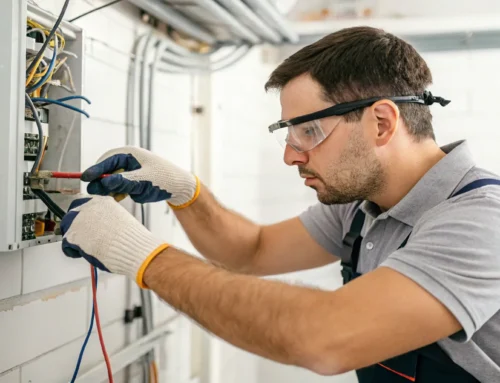
This is the most important first step. Your electrical panel is the command center for your home’s power, and you can’t afford to have someone inexperienced working on it. Always ask an electrician for proof of their license and insurance before you even discuss the project. A license confirms they have the training and knowledge to meet local and national safety standards. Insurance, including liability and worker’s compensation, protects you in the unlikely event of an accident or damage to your property. A reputable professional will have no problem providing these documents. It’s a simple check that ensures you’re working with a legitimate and responsible electrical service provider.
Request Detailed, Written Quotes
Once you’ve confirmed an electrician is licensed and insured, ask for a detailed, written quote. A simple number on the back of a business card won’t cut it. Your quote should be an itemized list that breaks down all the costs, including the new panel, circuit breakers, labor, permit fees, and any additional materials. This transparency is key. It helps you understand exactly what you’re paying for and prevents surprise costs down the road. A thorough quote also shows that the electrician has taken the time to properly assess your home’s specific needs, which is a great sign of their professionalism and attention to detail.
Read Recent Reviews and References
Credentials tell you an electrician is qualified, but reviews tell you what it’s actually like to work with them. Before making a decision, spend some time reading recent customer reviews on sites like Google. Look for comments about their communication, punctuality, cleanliness, and the quality of their work. Do they show up on time? Do they explain the process clearly? You can also ask the company for a few references from past clients who had similar work done. Hearing directly from other homeowners can give you the confidence that you’re making the right choice and hiring a team with a proven track record.
Compare at Least Three Estimates
It’s always a good idea to get estimates from at least three different qualified electricians. This isn’t about finding the absolute cheapest option—in fact, a bid that’s significantly lower than the others can be a red flag. It might indicate they’re using subpar materials or cutting corners on safety. Instead, comparing multiple detailed quotes helps you understand the fair market rate for the job in your area. It allows you to weigh the cost against the electrician’s experience, reviews, and the overall scope of work they’ve proposed. This approach helps you find the best value, not just the lowest price for electrician repairs.
Smart Ways to Save on Your Upgrade
An electrical panel upgrade is a major investment in your home’s safety and functionality, but that doesn’t mean the final price is set in stone. With a bit of planning, you can find ways to make the project more affordable without compromising on quality. Here are a few practical strategies to help you manage the cost of your upgrade.
Plan Your Project During the Off-Season
Like many home service professionals, electricians have peak seasons. Demand often spikes during the hottest summer months when air conditioners are running full blast and in the dead of winter when heating systems are working overtime. This is when homeowners are most likely to discover their old panels can’t handle the load.
If your upgrade isn’t an emergency, consider scheduling it during a slower period, like the spring or fall. You may find more flexible scheduling options, and some contractors might even offer better pricing to keep their teams busy. Planning ahead gives you the time to find the right professional without the pressure of a failing system.
Bundle Other Electrical Jobs
If you have a list of other electrical projects you’ve been meaning to tackle, bundling them with your panel upgrade can be a smart financial move. Since the electrician is already scheduled to be at your home, you can save on costs associated with travel time and service call fees.
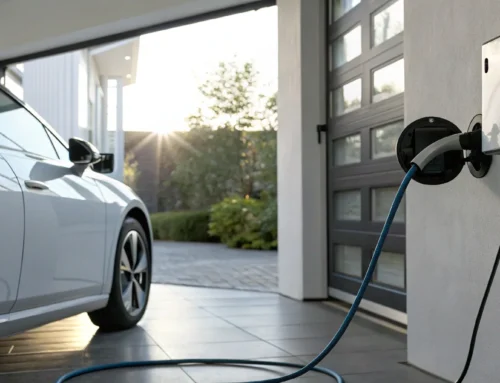
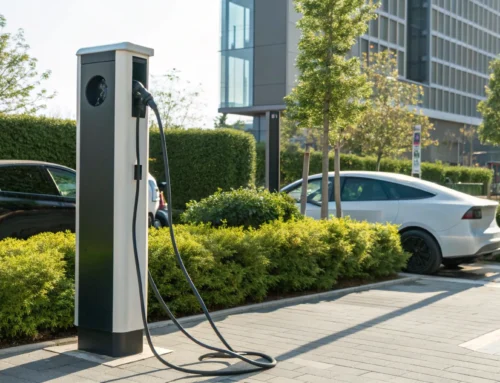
Think about any other updates you might need. Have you been considering installing an EV charger, adding dedicated circuits for a home office or workshop, or finally getting the wiring ready for a hot tub? Combining these tasks with your panel replacement is more efficient. It’s also the perfect time to prepare your home for a standby generator, ensuring you have a seamless power source for any outage.
Ask About Financing Options
A panel upgrade is a significant but necessary expense, and you shouldn’t have to put off a critical safety improvement because of the upfront cost. Many reputable electrical contractors understand this and offer financing to help homeowners manage the expense.
These plans allow you to break down the total cost into smaller, more manageable monthly payments. This can make the project much more accessible, allowing you to get the work done now rather than waiting. When you get your estimates, be sure to ask about the financing options available. It’s a great way to invest in your home’s safety and future without straining your budget.
Is an Upgrade Worth the Investment?
When you’re looking at a significant home improvement project, the bottom line is always a major consideration. An electrical panel upgrade is more than just a functional necessity; it’s a strategic investment in your home’s safety, value, and future-readiness. While the initial cost is a factor, the long-term benefits often provide a return that goes far beyond the price tag. Let’s break down why this upgrade is one of the smartest decisions you can make for your home.
Gaining Peace of Mind and a Safer Home
First and foremost, upgrading your electrical panel is a direct investment in your family’s safety. An old, overloaded, or improperly sized panel isn’t just an inconvenience—it’s a serious hazard. Outdated panels struggle to keep up with the demands of modern appliances, increasing the risk of system overloads and electrical fires. By installing a new panel, you ensure your home can safely handle its electrical load, significantly reducing these dangers. This isn’t just about preventing tripped breakers; it’s about creating a secure environment where you can relax, knowing your home’s electrical backbone is sound and reliable. It’s one of the most important electrician repairs you can make.
Increasing Your Home’s Value and Efficiency
Beyond the crucial safety benefits, a modern electrical panel adds tangible value to your property. For potential buyers, an updated electrical system is a huge selling point, signaling that the home is well-maintained and ready for the future. It removes a major objection that could otherwise complicate a sale. An upgrade is also the first step toward making your home more energy-efficient. A new panel can better support modern, high-efficiency appliances, smart home technology, and even future additions like an EV charger or a Generac home standby generator. This makes your home not only more appealing on the market but also more efficient and cost-effective for you to live in right now.
Related Articles
- The #1 Electrician in Downingtown, PA | M.T. Ruhl
- Full-Service Electrician in Chester Springs | M.T. Ruhl
- The #1 Electrician in Newtown Square, PA | M.T. Ruhl
- The #1 Electrician in Villanova, PA | M.T. Ruhl
- The #1 Electrician in Blue Bell, PA | M.T. Ruhl
Frequently Asked Questions
How long does a panel upgrade take, and will my power be off the whole time? For a straightforward panel replacement, the process typically takes between four to eight hours. And yes, for the safety of both you and the electrician, the main power to your home will need to be shut off during the installation. We recommend planning your day accordingly, perhaps by charging your devices beforehand and scheduling the work for a time when you won’t be relying heavily on your home’s electricity.
Can I just upgrade my electrical panel myself? While I admire the can-do spirit, this is one job you must leave to a licensed professional. Working with your home’s main power supply is extremely dangerous and carries a high risk of electrocution and fire if not done correctly. A professional electrician has the training, tools, and knowledge of local codes to ensure the job is done safely and is properly permitted and inspected.
How do I know what size panel my home actually needs? You don’t have to figure this out on your own. A qualified electrician will perform what’s called a “load calculation” to determine the right amperage for your home. They will assess your home’s square footage, your major electrical appliances (like your HVAC system, oven, and water heater), and talk with you about any future plans you have, such as adding an EV charger, a hot tub, or a major kitchen renovation. This ensures the panel they recommend will serve you well for years to come.
Will a new electrical panel lower my monthly energy bills? A new panel by itself won’t automatically reduce your energy consumption, but it plays a crucial supporting role in your home’s overall efficiency. An old, faulty panel can cause power leakage and prevent modern appliances from running at their peak efficiency. By providing clean, stable power, a new panel ensures your systems work as they should. If you opt for a smart panel, you can gain detailed insights into your usage, which helps you make informed decisions to lower your bills.
My circuit breakers rarely trip. Why would I still need an upgrade? Infrequent tripping is a good sign, but it isn’t the only indicator of your panel’s health. Many older panels, especially those from recalled brands like Federal Pacific or Zinsco, pose a fire risk even if they seem to be working fine. An upgrade is also about preparing your home for the future. If you’re planning to add any significant electrical loads—like a home generator, central air, or an electric vehicle charger—your current panel may not have the capacity to handle them safely, making a proactive upgrade a very smart move.