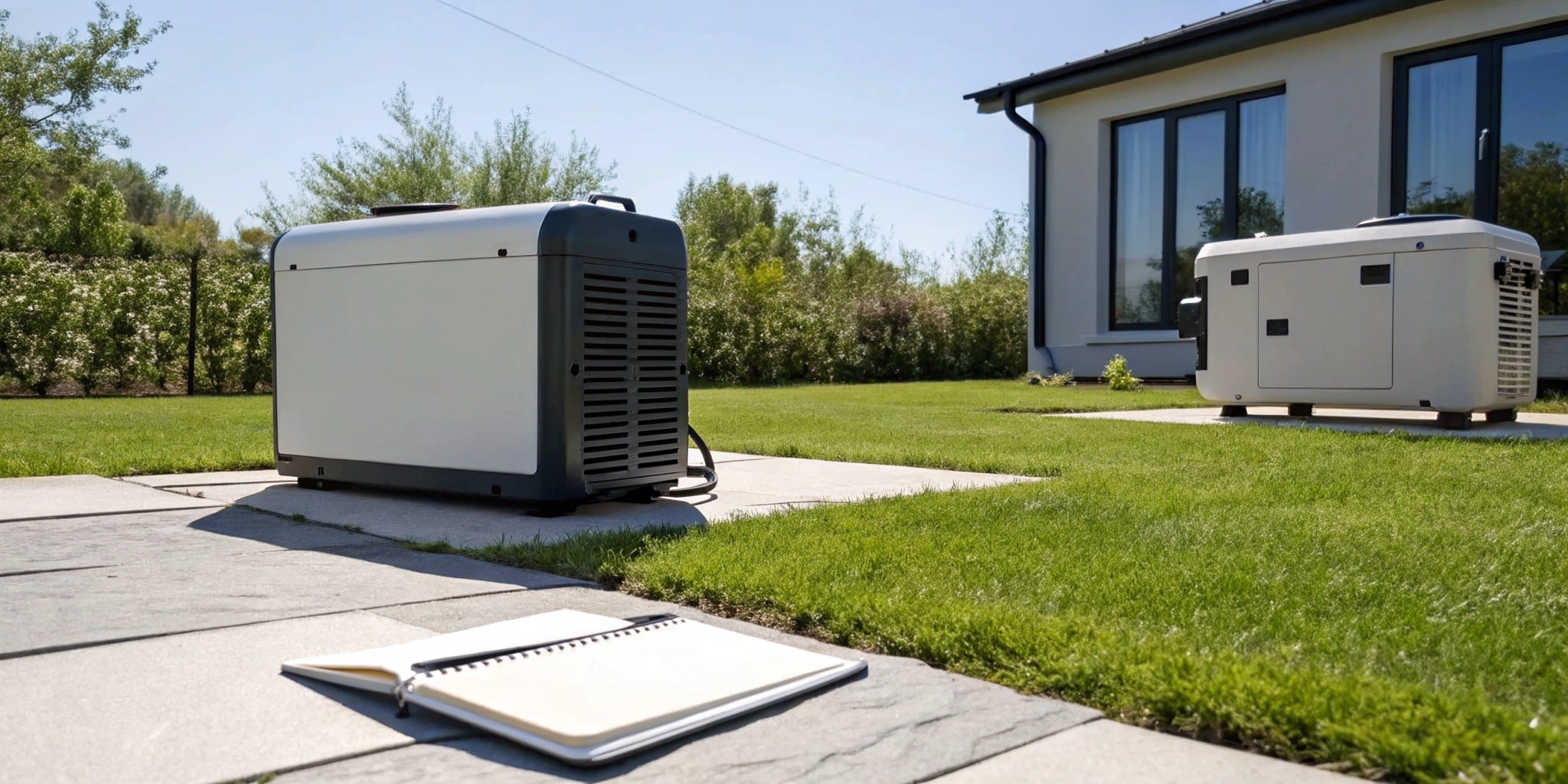
Here in Southeastern Pennsylvania, we know storms can knock out the power without warning. A standby generator is a smart investment, but the fuel you choose is a huge decision. The debate often comes down to propane vs natural gas generator. A natural gas hookup offers incredible convenience, pulling fuel right from the utility line. Propane, however, gives you a self-contained fuel source stored right on your property. This key difference makes many homeowners ask, is a propane generator better than gas for true peace of mind? Let’s look at the practical realities of each so you can choose the right system for your home.
Key Takeaways
- Check Your Fuel Access First: Your decision starts with what’s available. A natural gas line at your home offers a convenient, cost-effective option, while propane provides a powerful and reliable alternative with its own on-site storage.
- Balance Convenience with Control: Natural gas provides a hands-off, continuous fuel supply but depends on the utility grid. Propane gives you an independent power source that you control, but it requires you to manage your fuel supply through refills.
- Get an Expert Opinion for the Right Fit: Don’t guess on your power needs. A professional assessment is the best way to ensure your generator is sized correctly for your home and installed safely, guaranteeing it will work flawlessly when you need it.
Propane vs. Natural Gas Generators: The Key Differences
When you’re choosing a standby generator, one of the biggest decisions is the fuel source. Propane and natural gas are the two most common and reliable options, but they aren’t interchangeable. Understanding how they differ in terms of fuel delivery, power output, and installation is the first step to finding the perfect fit for your home and peace of mind.
The right choice often comes down to what’s available at your property and what your specific power needs are during an outage. Both are excellent fuels that can keep your lights on and your family comfortable, but they get the job done in slightly different ways. Let’s break down the key distinctions so you can feel confident in your decision.
How Each Fuel Source Works
The most fundamental difference between these two fuels is how they get to your generator. Natural gas is a fossil fuel delivered directly to your home through underground utility lines, just like your water or electricity. This means you have a continuous, uninterrupted supply straight from the source. As long as the utility lines are intact, your generator will have fuel.
Propane, on the other hand, is stored on your property in a dedicated tank. It’s a byproduct of natural gas processing and is compressed into a liquid for easy storage. This makes it a fantastic option if you don’t have access to a natural gas line. The trade-off is that you are responsible for monitoring the fuel level and scheduling refills with a propane supplier.
Which Fuel Delivers More Power?
When it comes to energy, not all fuels are created equal. Propane is more energy-dense than natural gas. In simple terms, a cubic foot of propane contains more than double the energy (about 2,500 BTUs) of a cubic foot of natural gas (about 1,000 BTUs). This means a Generac generator running on propane can often produce more power than the same model running on natural gas.
While that might sound like a clear win for propane, both fuels are incredibly efficient and more than capable of powering your home. The choice isn’t about which one is “better” but which one best aligns with the power requirements of your home and the generator model you select.
What to Expect During Installation
Your fuel choice directly impacts the installation process. A natural gas generator is permanently connected to your home’s existing gas line, making it a seamless part of your utility setup. If you already have natural gas service for your furnace or stove, the installation is typically straightforward for a certified professional.
A propane generator installation involves placing a storage tank on your property. This gives you more flexibility, as you aren’t tied to a utility grid, making it the go-to solution for rural homes or properties without gas service. A professional team will help you determine the right size and location for the tank to ensure your residential standby generator installation is safe and compliant with local codes.
How Do They Compare to Gasoline Generators?
While propane and natural gas are the top choices for standby generators, you’re probably also familiar with gasoline-powered portable generators. Gasoline is a common fuel for smaller, mobile units you might see at a campsite or a construction site. However, when it comes to providing reliable backup power for your home, it has some significant drawbacks compared to propane and natural gas. The differences in fuel storage, engine wear, and overall convenience are important to understand, as they highlight why a permanently installed system is the superior choice for home backup.
Gasoline generators require more hands-on effort, from refueling during an outage to performing frequent maintenance. They are designed for temporary, short-term use rather than the seamless, automatic protection a standby generator offers. Let’s look at a few key areas where these fuel types differ so you can see why propane and natural gas are the standard for whole-home power.
Fuel Storage and Shelf Life
One of the biggest challenges with gasoline is its short shelf life. Gasoline can begin to degrade in as little as a month, leading to gummy deposits that can clog the carburetor and fuel lines. This means you have to constantly use fuel stabilizers or rotate your supply to ensure it’s fresh when you need it. Propane, on the other hand, has a virtually indefinite shelf life. It doesn’t go bad, so you can store it for years and trust that it will be ready when an outage hits. This reliability is a major reason why propane is a preferred fuel for standby systems.
Power Output and Energy Density
When comparing power, gasoline is slightly more energy-dense than propane. This means that, gallon for gallon, gasoline can produce a bit more power. However, this difference is often negligible in a home backup scenario. Modern Generac generators are engineered to be incredibly efficient with either propane or natural gas, providing more than enough power to run everything from your lights and refrigerator to your HVAC system. The convenience and reliability of propane and natural gas far outweigh the minor difference in energy density for most homeowners.
Maintenance and Engine Longevity
Propane and natural gas are much cleaner-burning fuels than gasoline. This has a direct impact on your generator’s health and lifespan. Gasoline engines are prone to carbon buildup, which leads to more wear and tear over time and requires more frequent maintenance. Because propane and natural gas burn so cleanly, they cause less engine wear, extending the life of your generator and reducing the need for service. Of course, all generators require regular generator maintenance to stay in top condition, but you’ll find that systems running on these cleaner fuels generally have fewer issues.
Cold Weather Performance
In extremely cold temperatures, gasoline can have a slight edge in performance, especially for portable generators with small propane tanks that can struggle with vaporization. However, this is rarely a concern for whole-home standby generators. These systems are designed and installed by professionals to withstand the weather in our region, including Pennsylvania’s cold winters. Properly sized propane tanks and correctly installed natural gas lines ensure your generator has the fuel it needs to start reliably, no matter how low the temperature drops.
Choosing Your Generator Type
Now that you understand the fuel options, let’s talk about the generators themselves. The world of generators can be broken down into two main categories: portable units and standby systems. Portable generators are the smaller, gasoline-powered machines you have to wheel out, start manually, and connect to appliances with extension cords. They’re great for specific, temporary tasks but aren’t a practical solution for powering your entire home during an extended outage.
Standby generators, on the other hand, are the ultimate solution for home backup power. These units are permanently installed outside your home, much like an air conditioning unit, and are connected directly to your home’s electrical system and fuel supply. They monitor the power from the utility and automatically turn on within seconds of an outage, providing seamless, uninterrupted power to your entire home. For homeowners in Southeastern Pennsylvania, a standby generator offers true peace of mind.
Standby vs. Portable Generators
The primary difference between standby and portable generators is convenience and capability. A portable generator requires you to be home to start it, run extension cords through your house, and constantly refuel it with gasoline. It can only power a few essential items at a time. A standby generator works automatically, whether you’re home or away. It powers your home’s circuits directly, so you can continue using your lights, appliances, and HVAC system as if nothing happened. This is crucial for protecting your home from frozen pipes in the winter and keeping your food from spoiling.
Whole-Home Standby Generators
For complete, hassle-free protection, a whole-home standby generator is the best choice. Fueled by natural gas or propane, these units are the gold standard for reliability. They start automatically, run a weekly self-test to ensure they’re ready, and can power your entire house for days or even weeks. A professional residential standby generator installation ensures the unit is sized correctly for your home’s needs and integrated safely with your electrical and fuel systems, providing dependable power the moment you need it.
Portable Generators for Essential Needs
Portable generators serve a purpose for those who need power on the go or only want to run one or two essential items, like a refrigerator and a space heater. They are less expensive upfront but require significant manual effort and careful planning for fuel storage. While they can be a temporary fix, they don’t offer the comprehensive, automatic protection that keeps your entire home and family safe and comfortable during a power outage.
Exploring Generator Technology
Beyond the basic types, generator technology has continued to advance, offering more options for efficiency and flexibility. Innovations like inverter technology and dual-fuel capabilities have primarily impacted the portable generator market, giving users more choices for recreational or small-scale power needs. While these features are interesting, the core technology of standby generators remains focused on one thing: unmatched reliability for home backup power.
Inverter Generators
Inverter generators are a popular type of portable generator known for being exceptionally quiet and fuel-efficient. They produce “clean” power, which is safer for sensitive electronics like laptops and smartphones. Their engines can adjust speed based on the power demand, which saves fuel and reduces noise. While they are excellent for camping or tailgating, they typically don’t have the power output needed to run an entire home.
Dual-Fuel and Tri-Fuel Models
To offer more flexibility, many portable generators now come in dual-fuel or even tri-fuel models. A dual-fuel generator can run on both gasoline and propane, allowing the user to choose the most convenient fuel source at the moment. This versatility is a great feature for a portable unit, combining the long shelf life of propane with the wide availability of gasoline. However, for a permanent home solution, the simplicity and reliability of a dedicated natural gas or propane standby generator is always the superior choice.
Is a Propane Generator Right for You?
Choosing a fuel source is one of the biggest decisions you’ll make when installing a home generator. Propane is an incredibly popular and reliable option, especially for homeowners who don’t have access to a natural gas line. Like any choice, it comes with its own set of benefits and considerations. Understanding these points will help you decide if a propane-fueled generator is the right fit for keeping your home powered during an outage.
The Main Benefits of a Propane Generator
One of the biggest advantages of propane is its stability. Unlike gasoline, which can degrade in just a few months, propane can be stored for years without going bad. This means your fuel is always ready when you need it most. Propane also burns very cleanly, which is not only better for the environment but also easier on your generator’s engine. A cleaner burn often translates to less wear and tear and simpler generator maintenance over the long run. On top of that, propane is more energy-dense than natural gas, meaning it packs more power into every gallon, giving you an efficient and robust source of backup energy.
Potential Drawbacks of Propane
While propane is a fantastic fuel, there are a few practical points to consider. The main one is storage. Because propane isn’t piped to your home, you’ll need a dedicated tank on your property that a supplier must refill periodically. This requires space and adds the task of monitoring your fuel levels. In very cold weather, propane can sometimes have a harder time vaporizing, which might affect startup, though modern Generac generators are built to perform reliably in a wide range of climates. The cost of propane can also fluctuate with the market, so it’s a good idea to think about the logistics and ongoing expense of fuel delivery.
Is a Natural Gas Generator a Better Fit?
If your home is already connected to a natural gas line, this type of generator can be an incredibly convenient choice. It taps directly into your existing utility, offering a steady fuel source without the need for storage tanks. This “set it and forget it” approach is a major plus for many homeowners who want reliable backup power with minimal fuss.
However, that reliance on the grid can also be a drawback. Let’s walk through the specific advantages and potential disadvantages of choosing a natural gas generator for your home.
The Main Benefits of a Natural Gas Generator
The biggest advantage of a natural gas generator is the continuous fuel supply. Because it connects directly to your utility line, you never have to worry about refueling or running out of power during an extended outage. Natural gas also tends to be more affordable than propane, which can lead to lower running costs over time.
It’s also a cleaner-burning fuel compared to diesel or gasoline, making it a more environmentally friendly option. From a safety perspective, natural gas is lighter than air, so if a leak were to occur, it would dissipate quickly into the atmosphere. A professional residential standby generator installation ensures your connection is secure, giving you peace of mind.
Potential Drawbacks of Natural Gas
The main drawback of a natural gas generator is its complete dependence on the utility grid. In the rare event of a natural disaster that disrupts the gas supply lines, your generator won’t be able to run. This makes it less ideal for off-grid living or for those who want total independence from public utilities.
Natural gas also has a slightly lower energy output than propane. This means that for the same amount of fuel, you get a little less power. While modern Generac generators are highly efficient, this is still a factor to consider when sizing a unit for your home’s needs. Finally, since they require a pipeline connection, these generators are stationary and cannot be used for portable power.
Cost Breakdown: Propane vs. Natural Gas
When you’re deciding on a major home investment like a generator, the budget is always a big part of the conversation. But the total cost of a generator isn’t just the number on the price tag. You have to consider the upfront installation expenses and the long-term cost of fuel over the life of the machine. Both propane and natural gas generators have their own cost structures, and understanding them will help you make a choice that feels right for your home and your wallet. Let’s break down what you can expect, from the day of installation to the years of reliable power that follow.
Understanding the Initial Investment
The initial investment for a generator involves more than just the unit itself; it’s the total cost of getting it set up and running. The final price for a residential standby generator installation depends heavily on your property’s existing infrastructure. If your home is already connected to a natural gas line, the hookup process can be fairly straightforward. However, if a line needs to be extended to your property, that can add to the expense. For propane generators, you’ll need a dedicated storage tank installed, and the cost will vary based on its size and whether you choose an above-ground or buried option. Every home is unique, so a professional site assessment is the best way to get a clear picture of the total upfront cost.
Long-Term Fuel Costs and Availability
Once your generator is installed, the next financial piece of the puzzle is the ongoing cost of fuel. This is where the day-to-day experience of owning a natural gas versus a propane generator really starts to differ. Natural gas is piped directly to your home, so you pay for it on your monthly utility bill, just like you do for your heat or stove. It’s incredibly convenient, and you never have to think about running out. The price per unit is often lower than propane, but it’s set by your utility provider and can fluctuate over time.
With a propane generator, you have more control but also more responsibility. You’ll need to monitor your tank’s fuel level and schedule refills with a local supplier. Propane prices can vary more significantly based on market demand and the time of year, but this also means you can sometimes shop around for the best deal. The key is staying on top of your supply, especially before a big storm is forecast, to ensure your Generac generator has plenty of fuel to get you through an extended outage. It’s a trade-off between the hands-off convenience of natural gas and the independent control of propane.
Which Fuel is Cheaper Over Time?
Once your generator is installed, its primary ongoing expense is fuel. This is where natural gas often has a distinct advantage. As a utility-supplied fuel, natural gas is generally more affordable than propane—sometimes costing as little as 40% of the price of propane for the same amount of power. Over the 20- to 30-year lifespan of your generator, these fuel savings can add up substantially, especially if you live in an area with frequent or prolonged power outages. While the initial investment is a key factor, considering the long-term running costs is just as crucial for your financial planning. To help manage this important home upgrade, we offer several Generac financing options.
Fuel Consumption and Runtime Expectations
When it comes to runtime, the difference between natural gas and propane is straightforward. A natural gas generator is connected to your utility line, giving it a virtually unlimited fuel supply. As long as the gas grid is operational, your generator will run, whether the outage lasts for a few hours or several days. This is the ultimate “set it and forget it” solution. A propane generator, on the other hand, runs on the fuel stored in a dedicated tank on your property. Your runtime is determined by the size of that tank and the amount of power your home is using. While this means the fuel supply is finite, it also means your power source is completely independent of the utility grid.
With propane, a properly sized tank can easily power your home through a typical multi-day outage. A professional can help you calculate the right tank size based on your home’s needs, ensuring you have more than enough fuel for an extended period. Propane is also more energy-dense than natural gas, meaning it delivers more power per gallon, making it a highly efficient fuel source. Because it burns so cleanly, it’s also gentler on your generator’s engine, which can lead to more straightforward generator maintenance over the years. This on-site fuel storage gives you a self-sufficient power reserve that’s ready to go the moment you need it.
How Your Location Impacts Fuel Costs
Ultimately, the most practical and cost-effective choice often comes down to what’s available at your home. If you already have a natural gas line, it’s typically the most convenient and economical option. However, for many homes in our service areas, particularly in more rural parts of Chester, Montgomery, Bucks, and Delaware Counties, natural gas infrastructure may not be accessible. In these cases, propane is a fantastic and highly reliable alternative. The right decision really depends on your specific location and setup. Having a professional evaluate your property is the best way to understand which fuel source makes the most sense for you.
Generator Safety and Environmental Impact
Owning a generator brings incredible peace of mind, but it also comes with the responsibility of operating it safely. Whether you choose propane or natural gas, your generator is a powerful piece of equipment that creates combustion. Understanding the basics of safe operation and its environmental footprint is essential for protecting your family and your home. From proper placement to understanding emissions, these safety measures are non-negotiable. Following these guidelines ensures your generator will be a reliable asset, not a liability, when you need it most.
The Dangers of Carbon Monoxide
The single most important rule of generator safety is to protect against carbon monoxide (CO). Generators produce this colorless, odorless, and deadly gas, which is why you should NEVER run a generator inside your house, garage, or any attached building. It must always be kept far away from windows, doors, and vents to prevent CO from seeping into your home. Because you can’t see or smell it, CO can incapacitate its victims before they are even aware of the danger. This is why professional residential standby generator installation is so critical—a certified technician will ensure your unit is placed in a location that is safe and compliant with all regulations, protecting your family from this silent threat.
Proper Generator Placement
Correct placement is crucial for both safety and performance. Your generator should always be on a flat, stable surface, at least five feet away from your home’s doors, windows, and vents. This distance is vital not only for preventing carbon monoxide buildup but also for ensuring the unit has proper airflow to prevent overheating. A professional installation team will conduct a thorough site assessment to find the ideal spot on your property. They’ll consider local building codes, proximity to fuel lines, and your landscaping to guarantee your generator operates safely and efficiently for years to come. This expert setup is a key part of a reliable backup power system.
Emissions and Fuel Spills
When considering the environmental impact, both propane and natural gas are excellent choices. Propane burns cleaner than other fuels, producing about half the amount of harmful carbon monoxide compared to gasoline generators. Natural gas is also a very clean-burning fuel. Both options are significantly better for the environment than diesel or gasoline, which produce more pollutants. Another benefit of a standby system is the reduced risk of fuel spills. Unlike portable gasoline generators that require frequent, messy refueling, a Generac generator is connected directly to a permanent fuel source, either a natural gas line or a large propane tank, creating a closed-loop system that is both safer and cleaner.
Practical Tips for Power Outages
Once your generator is installed, it’s smart to know how to make the most of it during an outage. While a standby generator is designed to operate automatically, a little knowledge can go a long way in ensuring a smooth, stress-free experience when the power goes out. From understanding key safety components to managing your energy use, these practical tips will help you stay comfortable and secure. Thinking through these details ahead of time means you can relax when an outage hits, confident that your system is ready to handle the job.
The Importance of a Transfer Switch
A transfer switch is a critical safety device that connects your generator to your home’s electrical system. Its job is to make sure electricity doesn’t flow back into the power lines, a dangerous situation known as “backfeed” that can injure or kill utility workers trying to restore power. This switch is not optional; it’s a required component for a safe and code-compliant installation. It automatically disconnects your home from the grid when the power goes out and connects it to the generator. When utility power returns, it switches you back. This seamless transition is what makes a standby generator so convenient and, more importantly, so safe for everyone.
Managing Your Power Load to Conserve Fuel
Even with a whole-home generator, it’s wise to be mindful of your electricity usage during an extended outage. You don’t have to run everything at once, and turning off non-essential items can help you save power and make your fuel last longer. This is especially important if you have a propane generator with a finite fuel supply in your tank. Simple adjustments, like waiting to run the dishwasher or washing machine and turning off lights in unused rooms, can significantly reduce the load on your generator. This not only conserves fuel but also reduces wear and tear on the machine, contributing to its long-term health and reliable service.
Ensuring Fuel Availability During an Emergency
Your generator is only as reliable as its fuel source. For natural gas users, this is simple—the fuel is supplied continuously by the utility. For propane users, you have an independent fuel source stored right on your property. A major benefit is that propane can be stored for a very long time without going bad, unlike gasoline which requires stabilizers. The key is to monitor your tank level, especially before a big storm is forecast, and have a good relationship with a local propane supplier for timely refills. Regular generator maintenance checks should always include a look at your fuel gauge to ensure you’re prepared for any emergency.
Keeping Your Generator in Top Shape
Once your generator is installed, you want peace of mind, not another long list of chores. The good news is that both propane and natural gas generators are designed for reliability with minimal fuss. However, their maintenance needs do differ slightly, and understanding these differences can help you choose the best fit for your lifestyle.
Regular, professional check-ups are the key to ensuring your generator is ready the moment you need it. Just like your car, your generator has a motor and moving parts that benefit from routine care. A planned Generac maintenance schedule catches small issues before they become big problems, ensuring your investment protects your home for years to come. Whether you choose propane or natural gas, a little preventative care goes a long way in keeping the lights on.
How to Maintain a Propane Generator
If you’re looking for a low-maintenance option, a propane generator is an excellent choice. Propane is an incredibly stable fuel source. Unlike gasoline, it doesn’t degrade over time, which means you don’t have to worry about stale fuel clogging up the system. A propane tank can be stored for years and the fuel inside will be ready to go.
This stability simplifies upkeep. You don’t need to clean the carburetor or drain the tank and lines if the generator sits unused for a long time. This “set it and forget it” quality is perfect for homeowners who want a reliable backup power source without the hands-on work.
How to Maintain a Natural Gas Generator
Natural gas generators are the definition of convenience when it comes to fuel management. Since they connect directly to your home’s natural gas line, they have a constant, uninterrupted fuel supply. This means you never have to worry about refueling or scheduling fuel deliveries. The generator simply draws what it needs, when it needs it.
This direct connection eliminates the need for fuel storage and management, which simplifies the overall maintenance routine. The only thing to keep in mind is that in a widespread natural disaster that disrupts utility lines, the gas supply could be affected. While this is rare, it’s a factor to consider when weighing your options for Generac generators.
Generator Maintenance Myths, Busted
Let’s clear up a few common misconceptions about generator care. One myth is that you have to run your generator frequently to keep it in good shape. While all generators benefit from a weekly self-test cycle, propane’s fuel stability means it can remain ready for long periods without extra work from you.
Another misconception is that propane isn’t as reliable as other fuel types. With proper care and professional generator service and repair, propane generators are incredibly dependable. The truth is, reliability isn’t about the fuel type—it’s about the quality of the machine and the consistency of its maintenance.
So, Is a Propane Generator Better Than Gas?
Picking the right generator feels like a big decision, because it is. You’re investing in peace of mind for your family and security for your home. The best choice between a propane and a natural gas generator isn’t a one-size-fits-all answer; it really comes down to your specific situation. To figure out what’s right for you, you’ll want to look at three key things: how much power you actually need, what fuel sources are available at your property, and why getting an expert opinion can save you headaches down the road. Thinking through these points will help you land on a solution that keeps your lights on and your life running smoothly, no matter the weather.
First, Figure Out Your Power Needs
First, let’s figure out what you need to power during an outage. Make a list of your essentials. Are you looking to keep just the basics running, like the refrigerator, a few lights, and your well pump? Or do you need to power your entire home, including the air conditioning, home office equipment, and medical devices? The size of your home and the number of appliances you want to run will determine the size of the generator you need. If your residential standby generator installation requires a larger, more powerful unit, propane can often provide more energy to meet those higher demands.
Next, Check Your Fuel Options
Your property’s location and existing utilities play a huge role in this decision. Natural gas is a convenient option if you already have a line running to your house. It provides a continuous fuel supply, so you never have to worry about refills. However, natural gas service isn’t available everywhere, and extending a line can be costly. If you don’t have access to natural gas, a propane generator is an excellent alternative. Propane is stored in a tank on your property, giving you an independent fuel source that’s reliable even if municipal services are interrupted. We can help you explore the Generac generators that work best with your available fuel source.
Finally, Talk to a Professional
You don’t have to make this decision alone. Getting professional guidance is the best way to ensure you choose a generator that’s perfectly sized for your needs and installed correctly and safely. An expert can perform a detailed assessment of your home’s electrical system and power requirements. A Generac generator is one of the best investments you can make for your home, and a proper installation ensures it will be ready to kick in within seconds of an outage. The right advice from our team gives you confidence that your generator will perform reliably when you need it most.
Related Articles
- Automatic Standby Generator Cost: The 2025 Guide
- Standby Generac Generator FAQs | M.T. Ruhl
- 20 Whole House Generator FAQs: Everything You Need to Know | M.T. Ruhl
- Commercial Standby Generator Installation Essentials
- Generac Generator Prices: A 2025 Buyer’s Guide
Frequently Asked Questions
Is one fuel type definitively better than the other? Not at all. The “better” choice really depends on your home’s location and your specific needs. If you already have a natural gas line, its convenience and lower long-term fuel costs are very appealing. But if you don’t have access to natural gas, or if you value having a fuel source that’s completely independent of the utility grid, then propane is an incredibly powerful and reliable solution.
What if I don’t have a natural gas line at my home? That’s a common situation, and it’s precisely why propane generators are such a fantastic option. Propane provides a completely self-contained power solution for your home. The system includes a dedicated storage tank on your property, giving you a dependable fuel source that doesn’t rely on municipal gas lines, making it perfect for any property without existing gas service.
How do I know what size generator my home needs? The best way to figure this out is to consider what you absolutely need running during an outage. Do you just want to cover essentials like the refrigerator, some lights, and your well pump? Or do you prefer to power the entire house, including the air conditioning and home office? A professional assessment is the surest way to calculate your specific power load and match you with a generator that can handle it without issue.
How often will I need to refill a propane tank? This depends on the size of your tank and how frequently you experience power outages. For most homeowners, a properly sized tank can last through multiple outages. Many systems can also be fitted with a monitor that automatically alerts you or your supplier when fuel is low, so you can schedule a refill long before it becomes a concern.
How quickly does a standby generator actually turn on during an outage? It’s impressively fast. A modern standby generator is designed to sense a power loss immediately. Within just a few seconds of the utility power cutting out, the generator automatically starts up and the transfer switch safely connects it to your home. You’ll likely only notice a brief moment of quiet before your lights and appliances are back up and running.