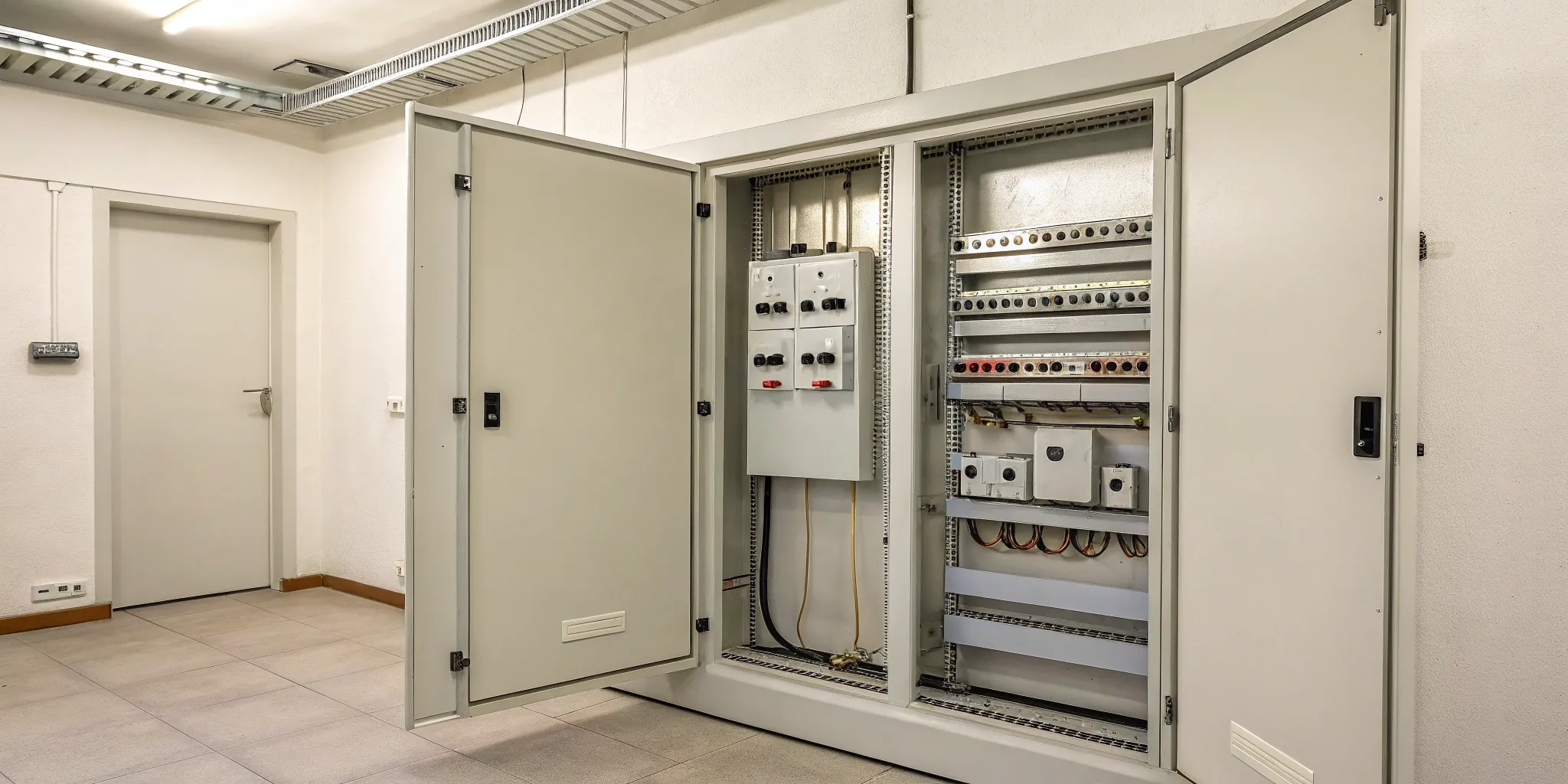
It’s tempting to use the area around your electrical panel as a bonus storage spot. While it seems harmless, obstructing this zone can lead to failed home inspections, project delays, and serious safety hazards. Specific guidelines, like the ESA bulletin 2-9-9 working space and the NEC code for electrical panel clearance, define the mandatory space in front of your electrical panel for a reason. This isn’t just about passing inspections—it’s about ensuring technicians can work safely and you have access in an emergency. Let’s go over these simple rules to keep your system safe, compliant, and ready for service.
Key Takeaways
- Know the “3-30-78” Rule: Your electrical panel needs a clear working space that is at least 3 feet (36 inches) deep, 30 inches wide, and 6.5 feet (78 inches) high. This space is non-negotiable and ensures safe access for any service or emergency.
- Prioritize Safety Over Storage: A blocked panel is a serious hazard that can delay emergency shut-offs, put technicians at risk, and cause you to fail a home inspection. The safety of your home and its occupants is more important than extra storage.
- Establish a Permanent Clear Zone: Treat the area around your panel as a dedicated “no-clutter” zone. Avoid installing shelves or storing items within this space, and make a habit of checking it regularly to ensure it remains completely clear and accessible.
Electrical Panel Clearance: How Much Space Do You Need?
Your electrical panel is the heart of your home’s electrical system, but it’s often tucked away in a basement, garage, or closet where it’s easy to forget. While it’s tempting to use the space around it for storage, your panel needs a dedicated clear zone around it for safety and accessibility. These clearance requirements aren’t just suggestions from your local inspector; they are critical standards designed to protect you, your property, and any technician who needs to work on your system. If an electrician can’t safely access your panel, a simple fix can become a complicated and dangerous job. Let’s break down exactly how much room you need to leave to keep everything safe and up to code.
The 3-Foot Rule: Clearing Space in Front of Your Panel
The most important guideline to remember is the three-foot rule. You must maintain a clear workspace that extends at least three feet straight out from the front of your electrical panel. This area should be completely free of any obstructions, from storage boxes and furniture to large equipment. Think of it as a protected zone for a technician. When you need electrician repairs, this three-foot depth gives a professional the room they need to work safely and efficiently without having to move your belongings or squeeze into a tight spot. It’s a critical safety measure that ensures they can do their job correctly.
Is It Always 3 Feet? Understanding Variable Depth Requirements
While the three-foot rule is a great starting point, it only covers the depth of the required workspace. The National Electrical Code actually specifies a three-dimensional zone that must be kept clear at all times. This space needs to be at least 30 inches wide and 6.5 feet (78 inches) high, creating a protected box around your panel. These are just the minimums, though. If your electrical equipment is wider than 30 inches, the clear space must be at least as wide as the panel itself. This ensures a technician has enough elbow room to safely perform any needed electrical repairs. It’s best to think of it not as a line on the floor, but as a protected bubble that extends from the floor to the ceiling.
Giving Your Panel 30 Inches of Elbow Room
In addition to depth, your panel needs adequate width for access. The clear workspace must be at least 30 inches wide. This 30-inch zone doesn’t have to be perfectly centered on the panel, but it must be wide enough to allow easy access. If your electrical panel itself is wider than 30 inches, then the clear space must be at least as wide as the equipment. This ensures there’s enough elbow room for someone to stand comfortably in front of the panel, open the door, and perform necessary work on the circuits inside. It prevents a technician from being cramped, which is essential when dealing with live electrical components.
Look Up: Ensuring 6.5 Feet of Headroom
The required clearance also extends vertically. The workspace in front of your panel must be clear from the floor all the way up to a height of 6.5 feet. If the panel equipment is taller than 6.5 feet, the clearance must extend to the top of the equipment. This means you can’t install shelves, cabinets, or even hang items directly above the panel within that designated workspace. Keeping this vertical space clear prevents objects from falling and obstructing access or creating a hazard during an emergency or routine maintenance. It ensures an unobstructed area for safe and efficient service.
Understanding “Dedicated Space” Above and Around Your Panel
Beyond the working space in front of your panel, there’s another important concept called “dedicated space.” This refers to the column of space the panel occupies, extending from the floor to the ceiling. The rule is simple: this zone must be reserved exclusively for your electrical system. You cannot run plumbing pipes, air ducts, or other non-electrical systems through it. This regulation prevents potential disasters, like a leaky pipe dripping water directly into your breaker box, and ensures there is always clear access for future upgrades or service. Keeping this area clear is a fundamental part of a safe electrical setup, and it’s something our technicians always verify during any residential electrical service to keep your home compliant and secure.
What Does the NEC Code Say About Panel Clearance?
These clearance rules come directly from the National Electrical Code (NEC), specifically Section 110.26. This code sets the standard for safe electrical installations across the country, and local inspectors enforce it. The NEC requires this dedicated working space for any electrical equipment that might need examination, adjustment, or maintenance while energized. Following these guidelines isn’t just about passing an inspection; it’s about ensuring your home’s residential electric system is safe for your family and for any professional who needs to work on it. Adhering to the NEC is a fundamental part of responsible homeownership.
Can Your Panel Door Open a Full 90 Degrees?
Finally, a small but crucial detail is the panel door itself. The workspace must allow the equipment door or hinged panel to open a full 90 degrees. This might seem obvious, but it’s a common oversight when people organize storage around their panel. If a wall, a large appliance, or stacked items prevent the door from opening completely, it can be impossible for an electrician to access the circuit breakers and internal wiring. Before placing anything near your panel, test the door to make sure it can swing open freely without hitting anything. This simple check ensures that in an emergency, you or a professional can get into the panel without delay.
Why Is Electrical Panel Clearance So Important?
Think of your electrical panel as the heart of your home’s electrical system. It’s the central hub that distributes power to every outlet, switch, and appliance. While it’s easy to overlook—especially if it’s tucked away in a basement, garage, or utility closet—the space around it is one of the most important safety zones in your entire house. It’s not just empty space; it’s a required working area with specific dimensions set by safety codes.
Keeping this area clear isn’t just about following rules for the sake of it. It’s a fundamental practice that ensures safety, accessibility, and compliance. When the space is obstructed by storage shelves, boxes, or other equipment, it creates unnecessary risks for you, your family, and any technician who needs to work on your system. Understanding why this clearance is so critical can help you maintain a safer home and avoid potential problems down the road, from failed inspections to serious electrical emergencies. It’s a simple step that has a major impact on the overall health and safety of your electrical setup.
Creating a Safe Workspace for Professionals
When you call a professional for electrician repairs, their safety is paramount. Electricians need adequate room to open the panel, test circuits, and use their tools without being cramped or put in a dangerous position. The work they do requires precision and focus, and a tight space can lead to accidental contact with live wires, causing serious injury or worse.
Following NEC panel clearance requirements is a critical part of electrical safety. A clear workspace gives technicians the room they need to maneuver and provides an escape path in the rare event of an arc flash or other electrical fault. By keeping the area around your panel clear, you’re not just protecting your home—you’re protecting the people who help you maintain it.
Ensuring Quick Access When It Counts Most
Imagine you need to shut off power to a specific circuit—or the entire house—in a hurry. Maybe an appliance is smoking, or you see sparks from an outlet. In these moments, every second counts. If your electrical panel is blocked by storage bins, a workbench, or holiday decorations, you lose precious time trying to clear a path.
A blocked panel door is a major safety violation. The code requires enough space for the panel door to open a full 90 degrees, allowing immediate access to the breakers inside. This ensures that you, a first responder, or an electrician can act quickly to prevent a small problem from becoming a disaster. Maintaining clear access is a simple but vital part of managing your home’s residential electrical system.
Preventing Overheating and Fire Risk Through Airflow
Your electrical panel is a busy hub of activity, and all that work generates a low level of heat. This is perfectly normal, but the heat needs a way to dissipate. When you block the area around your panel with storage boxes, shelves, or furniture, you’re essentially trapping that warmth. Proper clearance isn’t just about giving a technician room to work; it’s about allowing for crucial airflow that keeps the system cool. Without adequate ventilation, the trapped heat can slowly degrade the wiring and breakers inside the panel. This can lead to equipment damage, tripped breakers, and, in the worst-case scenario, create a serious fire hazard. Keeping that space clear is a simple, proactive step to ensure your electrical system operates safely and efficiently.
Passing Your Next Electrical Inspection
The rules for electrical panel clearance aren’t just suggestions; they are legal requirements outlined in the National Electrical Code (NEC), which is enforced by local inspectors in Southeastern Pennsylvania. Whether you’re building a new home, finishing your basement, or selling your property, your electrical system must pass inspection.
Inadequate working clearance is one of the most common mistakes that causes a failed inspection. This can lead to frustrating project delays and added costs to correct the issue. By keeping the required space around your panel clear from the start, you ensure your home meets the established safety standards, making any future renovations or real estate transactions much smoother.
Reducing the Risk of Fires and Electrical Hazards
Your electrical panel can generate a small amount of heat during normal operation. While this is perfectly safe in a clear, well-ventilated area, it becomes a problem when flammable materials are stored nearby. Piling cardboard boxes, paint cans, cleaning supplies, or old rags next to your panel creates a significant fire hazard.
A cluttered space can also hide other issues, like moisture from a leaky pipe or signs of pests, both of which can damage your electrical system and create dangerous conditions. Keeping the area around your panel clean and empty is one of the easiest and most effective ways to prevent electrical hazards and protect your home and family from a preventable fire.
What Should You Never Store Near an Electrical Panel?
Knowing the clearance rules is one thing, but applying them is another. That dedicated workspace around your panel must be kept completely empty—no exceptions. It’s not a bonus storage closet or a convenient place to tuck things away. Keeping this area clear is a non-negotiable part of home and workplace safety. Let’s break down exactly what needs to stay out of that zone.
Keep Everyday Storage and Furniture Clear
It’s tempting to use the space around your electrical panel for overflow storage, especially in a crowded basement or garage. However, this is one of the most common and dangerous mistakes you can make. The entire workspace must be kept clear of anything that could block access. This includes stacks of storage bins, holiday decorations, old furniture, cleaning supplies, and lawn equipment. If an electrician needs to get to your panel quickly, they can’t waste time moving your belongings. Think of it as a permanent “no-parking” zone for your stuff.
Think Twice Before Building Permanent Shelves
While temporary clutter is a problem, permanent obstructions are even worse. You should never install shelving, cabinets, or hooks within the panel’s dedicated workspace. According to safety codes, non-electrical systems like storage fixtures are not allowed in the space directly above or in front of electrical equipment. This is because they not only block access but can also create a fire hazard by placing combustible materials too close to the panel. If you’re planning a storage project in your utility room, make sure you design it around your panel’s clearance needs, not over them.
Can Pipes or Ductwork Block Your Panel?
Water and electricity are a dangerous combination. That’s why plumbing, drain lines, or any pipes that could leak fluids should not be located directly above your electrical panel. Even if the pipes are high up, a small leak can lead to corrosion, short circuits, and a serious risk of fire or electric shock. The National Fire Protection Association has specific rules about this, requiring special drip protection if such systems are unavoidable. The same goes for HVAC ductwork or other mechanical systems that could interfere with safe access and maintenance of your panel.
Are You Making These Common Clearance Mistakes?
Many people don’t realize they’re creating a hazard until an inspector points it out or an emergency happens. Some of the most frequent errors include stacking boxes right up to the panel door, placing the panel behind a door that can’t open fully, or installing it too close to large appliances like a water heater. These simple mistakes can prevent an electrician from performing necessary work or block you from shutting off a circuit in an emergency. If you think your panel area might have one of these issues, it’s always best to call for professional electrician repairs to get it sorted out safely.
Blocking Exit Paths and Forgetting Warning Labels
The required clearance around your panel isn’t just about giving a technician room to work; it’s also about giving them a safe way out. In the rare event of an arc flash or equipment failure, an electrician needs an immediate and unobstructed escape path. A blocked panel door is a major safety violation because the code requires enough space for it to open a full 90 degrees, allowing immediate access to the breakers inside. This ensures that you, a first responder, or an electrician can act quickly to prevent a small problem from becoming a disaster. Clutter can also obscure important safety labels on the panel itself, hiding critical information about the circuits or warnings about potential hazards when you need professional service.
Keeping the Area Free of Trip Hazards and Flammables
Your electrical panel can generate a small amount of heat during normal operation. While this is perfectly safe in a clear, well-ventilated area, it becomes a problem when flammable materials are stored nearby. Piling cardboard boxes, paint cans, cleaning supplies, or old rags next to your panel creates a significant fire hazard. Beyond the risk of fire, a cluttered floor creates a dangerous trip hazard for anyone needing to access the panel. A technician carrying tools could easily stumble, potentially falling into the live equipment. Keeping the floor space completely clear is a simple but critical step in maintaining a safe residential electric system and preventing serious accidents.
Simple Ways to Keep Your Panel’s Workspace Clear
Keeping the area around your electrical panel clear isn’t a one-time task; it requires a little ongoing attention. The good news is that maintaining this space is simple once you build a few habits. Think of it like any other safety measure in your home or business—a small effort that makes a huge difference. By creating a routine and making sure everyone is on the same page, you can ensure your panel is always accessible and safe.
Make It a Habit: Schedule Regular Checks
It’s easy for clutter to creep back into spaces we don’t look at every day. To prevent your panel’s working area from becoming an accidental storage spot, set a recurring reminder to check on it. You could do this quarterly, or tie it to another household task like changing your smoke detector batteries. A quick check ensures that boxes, furniture, or other items haven’t been pushed into the clearance zone. This is crucial because inspectors will flag any area without enough working space, as it makes the equipment unsafe for electrician repairs and maintenance. A simple, consistent habit is the best way to keep the space clear year-round.
Why Good Lighting Around Your Panel Is a Must
A dark, shadowy corner is an invitation for clutter and a hazard for anyone who needs to access your panel. Proper lighting is a key part of maintaining a safe working space. A well-lit area ensures that an electrician—or you, in an emergency—can see the panel, read the labels, and operate the breakers without fumbling in the dark. The path to and from the electrical equipment must always be clear and illuminated for safe use. If your panel is in a dim basement or closet, consider installing a simple, dedicated light fixture nearby. This small addition makes a big impact on safety and accessibility.
Use Clear Labels to Mark the Workspace
Sometimes, a simple visual reminder is all it takes to keep an area clear. This is especially helpful in a shared space like a commercial building, a garage, or a basement that others have access to. You can post a clear, simple sign on the wall above or next to the panel that says “Electrical Panel – Keep Clear” or “No Storage In This Area.” This communicates the importance of the space to family members, employees, or anyone else who might not know the rules. It’s a straightforward, low-cost way to prevent obstruction before it happens and reinforce that the area is off-limits for storage.
Use Floor Markings to Outline the Safe Zone
For an even clearer visual cue, you can use floor markings to outline the required workspace. A simple roll of brightly colored industrial tape can create a hard-to-miss boundary on the floor in front of your panel. This is especially effective in garages, basements, or commercial settings where foot traffic is common and clutter can accumulate quickly. By marking the 3-foot by 30-inch rectangle, you create a constant, physical reminder for everyone that this area is off-limits for storage. It takes the guesswork out of the equation and makes it easy for anyone to see the required clearance at a glance, helping to keep the space clear without you having to say a word.
Keep Detailed Maintenance Records
Keeping a simple log of any work done on your electrical system is a smart habit. You can use a small notebook kept near the panel or a digital file to track inspections, repairs, and upgrades. Be sure to note the date, the service performed, and who did the work. This record provides a valuable history that can help diagnose future problems and is incredibly useful if you ever sell your home. It’s also essential for systems that require routine check-ups, like a whole-home generator. Having a clear history of both your panel service and your Generac generator maintenance ensures every part of your power system is tracked and cared for properly.
The Importance of Proper PPE for Anyone Near the Panel
While homeowners are responsible for keeping the panel area clear, the work inside the panel should always be left to a qualified professional. A key reason for this is the need for Personal Protective Equipment (PPE). Electricians use specialized gear like insulated gloves, safety glasses, and arc-rated clothing to protect themselves from shock and arc flash. When you hire a professional for electrician repairs, you should expect to see them using the proper PPE. This equipment is a non-negotiable part of their safety protocol and another reason why a clear, unobstructed workspace is so critical for them to do their job safely.
Get Everyone On Board: Teach the Clearance Rules
Make sure everyone who uses the space understands why the electrical panel needs to stay clear. Explain that it’s not just about tidiness—it’s a critical safety rule. These clearances ensure there’s enough room for people to safely work on, inspect, or fix the equipment, especially during an emergency. When your family or staff understands the reasoning behind the rule, they’re much more likely to respect the space. A quick conversation can prevent a serious hazard down the road and makes safety a shared responsibility for everyone in the home or workplace.
Not Sure? When to Call a Pro for an Assessment
If you’re unsure whether your panel meets clearance requirements or if the area has other potential hazards like moisture or obstructions, it’s always best to get a professional opinion. Adhering to these standards is a critical component of electrical safety. An experienced electrician can assess your setup, identify any issues, and recommend practical solutions to ensure your home or business is compliant and safe. For peace of mind, scheduling a professional assessment of your residential electric system is a proactive step toward preventing future problems and ensuring your property is up to code.
Special Considerations for Commercial and Complex Systems
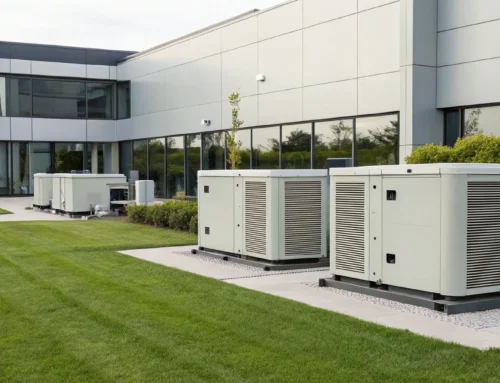
While the basic clearance rules apply everywhere, commercial and industrial settings often have more complex electrical systems that come with stricter safety requirements. The principles of safety and accessibility are the same, but the scale is different. Large machinery, high-voltage equipment, and backup power systems like commercial generators introduce unique challenges that go beyond what a typical homeowner might face. In these environments, a blocked panel isn’t just an inconvenience; it can halt business operations and create life-threatening hazards.
For businesses in Southeastern Pennsylvania, adhering to these advanced codes is essential for protecting employees, customers, and the property itself. These regulations address specific risks found in commercial spaces, from potential water damage to ensuring a technician has a clear escape route in an emergency. Whether you’re managing a retail store, an office building, or an industrial facility, understanding these special considerations is key to maintaining a safe and compliant workspace. Let’s look at a few of the most important rules for these larger, more complex systems.
Protecting Panels from Overhead Leaks and Sprinklers
Water and electricity are a notoriously dangerous mix. In a commercial setting, the dedicated space around electrical equipment is even more heavily protected from potential water intrusion. According to the NEC, non-electrical systems like plumbing pipes, drains, or sprinkler lines are generally not permitted in the dedicated space above electrical panels. If having these systems overhead is unavoidable, the code requires a drip pan or other protective shield to be installed. This prevents a minor leak from turning into a catastrophic failure, which could cause short circuits, equipment damage, and a serious fire risk. This is especially critical when planning a commercial generator installation, where protecting the transfer switch and related panels is vital for reliable emergency power.
Ensuring Safe Exits and Aisles for Large Equipment
In rooms with large-scale electrical gear, clearance rules are not just about providing space to work—they’re about providing a path to safety. For large equipment rated over 1,200 amps and wider than six feet, the NEC requires a clear exit at both ends of the working aisle. This ensures that a technician has an escape route in either direction in the event of an arc flash or equipment failure. Furthermore, if there are rows of equipment with live parts on both sides, the aisles must be wide enough to prevent accidental contact. This is a critical safety measure that underscores the increased risks associated with high-voltage commercial systems and the need for professional planning and installation.
Clearance Rules for Outdoor Installations
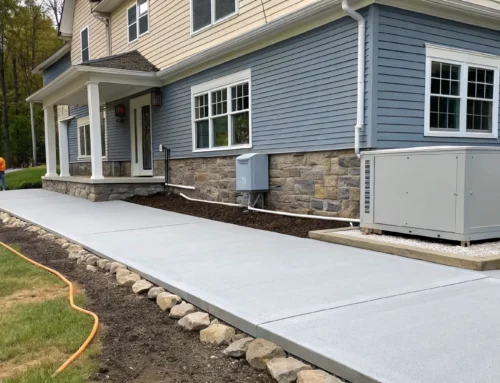
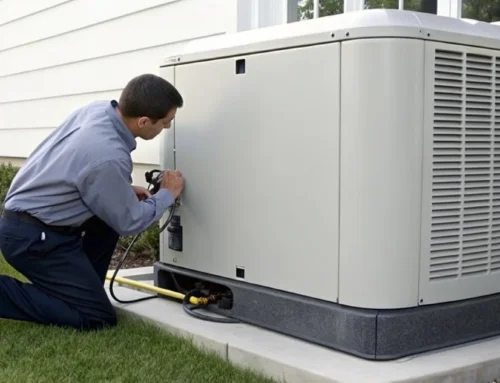
The need for clear working space doesn’t end when you step outside. Electrical equipment installed outdoors, including main service panels, disconnects, and standby generators, must follow the same clearance requirements as indoor equipment. This means the 3-foot deep, 30-inch wide, and 6.5-foot high workspace must be maintained and kept free of obstructions. For homeowners and business owners with a backup generator, this is particularly important. Landscaping, fencing, sheds, or stored equipment must not encroach on this space. Keeping the area around your Generac generator clear ensures that a technician can safely perform routine maintenance and repairs, keeping it ready for the next power outage.
The Consequences: What If You Don’t Leave Enough Space?
Ignoring the clearance rules around your electrical panel might seem harmless, especially if you’re just trying to find a little extra storage space in a crowded basement or utility closet. But those guidelines aren’t arbitrary—they exist for critical reasons. Failing to provide enough working space can lead to a cascade of problems, ranging from minor inconveniences to serious safety hazards and financial headaches. It’s about more than just following the rules; it’s about protecting your property, your family, and anyone who needs to work on your electrical system. Let’s walk through exactly what can happen when that essential space gets compromised.
The Real-World Risk of Accidents and Injury
First and foremost, electrical panel clearance is a matter of safety. Think about the work an electrician needs to do. They require adequate room to open the panel, use their tools, and see what they’re working on without being cramped or contorted. If they’re squeezed into a tight corner or blocked by storage shelves, the risk of a tool slipping or making accidental contact with live wires goes way up. This can lead to electric shock, burns, or a dangerous arc flash. Following these rules is a critical component of electrical safety and ensures that in an emergency, you or a first responder can quickly access the panel to shut off the power without fumbling through clutter.
Proof in Practice: How Compliance Reduces Accidents
These safety regulations aren’t just theoretical. The clearance rules outlined in the National Electrical Code (NEC) are based on decades of data showing what happens when things go wrong. When a technician is forced to work in a cramped space, the chances of an accident increase dramatically. A simple slip of a tool can lead to a dangerous arc flash or direct contact with live components. Furthermore, a blocked panel can be a serious hazard during an emergency. If you can’t quickly shut off the power, a small electrical issue can escalate into a fire. By maintaining the required three-foot clear zone, you are actively reducing these risks and creating a controlled environment where work can be done safely and emergencies can be handled swiftly.
The High Cost of a Failed Electrical Inspection
If you’re planning a renovation, selling your property, or have had significant electrical repairs done, you’ll likely need an electrical inspection. Inspectors follow the National Electrical Code (NEC) to the letter, and one of the first things they check is the working space around your panel. Inadequate clearance is one of the most common reasons for a failed inspection. A failed inspection means your project comes to a halt until the issue is fixed. This could involve the costly and time-consuming process of moving storage, tearing down shelves, or even relocating plumbing or ductwork that was installed too close to the panel. Then, you’ll have to pay for a re-inspection to get the final approval.
Will Your Insurance Cover a Blocked Panel?
Your property insurance provider operates on the assumption that your home or business is maintained in a safe, code-compliant condition. If an electrical fire or other incident occurs and the investigation finds that a blocked panel contributed to the problem—for example, by preventing someone from quickly shutting off a circuit—your insurance company could have grounds to deny your claim. They may argue that the non-compliant setup constituted negligence, leaving you responsible for covering expensive repairs out of pocket. Maintaining proper clearance isn’t just about preventing an accident; it’s also about ensuring you’re financially protected if one happens.
Could You Face Fines or Legal Trouble?
Beyond inspection failures, ignoring electrical code can lead to direct financial penalties. Your local municipality has the authority to issue fines for code violations, and this is especially true for commercial properties where safety standards are strictly enforced. Furthermore, there’s a significant liability risk. If a technician, employee, or visitor is injured because they couldn’t safely access or work on the panel, you, as the property owner, could be held legally responsible for their injuries. Ensuring your property meets all local codes in your service area is the best way to protect yourself from fines and potential legal action.
Understanding OSHA’s Role and Potential Penalties
If you’re a business owner, the rules don’t just stop with local building codes. The Occupational Safety and Health Administration (OSHA) steps in to ensure safe working conditions for employees, and their standards are non-negotiable. These rules are all about protecting people from workplace hazards, which is why OSHA has specific requirements for electrical panel clearance. Not giving technicians a safe, clear area to work is a serious violation that can result in hefty fines and legal trouble for your company. Ultimately, maintaining proper clearance isn’t just about avoiding penalties—it’s about protecting your business and the people who keep it running.
Related Articles
- How Much to Replace an Electrical Panel in 2025?
- 7 Signs You Need to Upgrade Your Electrical Panel
- Electrician for Panel Upgrade: A Homeowner’s Guide
- Price for Electrical Panel Upgrade: A 2025 Cost Guide
Frequently Asked Questions
What if my electrical panel is in a closet? Can I still store things in there? Even if your panel is in a closet, the clearance rules still apply. The dedicated workspace of three feet deep, 30 inches wide, and 6.5 feet high must be kept completely clear. This means you can’t use that closet for storing coats, cleaning supplies, or boxes. The best approach is to treat the entire closet as a dedicated utility space for the panel, ensuring nothing can obstruct the door or the required working area around it.
My panel is already blocked by something permanent, like a water heater or a wall. What should I do? This is a situation that requires a professional assessment. If permanent structures like plumbing, ductwork, or walls are infringing on the required workspace, it’s a code violation and a safety hazard. An experienced electrician can evaluate the situation and determine the safest and most practical solution, which might involve moving the obstruction or, in some cases, relocating the electrical panel itself.
Does the 30-inch width clearance have to be perfectly centered on the panel? No, the 30-inch wide clear space does not need to be centered. The rule is designed to give a technician enough elbow room to work safely. As long as the clear zone is at least 30 inches wide and allows the panel door to open a full 90 degrees, you’ll meet the requirement. For example, the panel could be on the far left or right side of that 30-inch space.
Is it really that big of a deal if I just put a few boxes in front of it temporarily? Yes, it is. Emergencies don’t happen on a schedule, and in a critical moment, you won’t want to waste precious seconds moving boxes to shut off a circuit. What starts as “temporary” storage often becomes permanent clutter. Keeping the space clear at all times ensures that you, a family member, or a first responder can get to the breakers immediately when it matters most.
How can I tell if my panel area is up to code without calling an inspector? You can do a quick check yourself with a tape measure. First, make sure the panel door can swing open at least 90 degrees without hitting anything. Next, measure the space directly in front of the panel. You should have a clear rectangle that is at least 30 inches wide, three feet deep, and 6.5 feet high from the floor. If that entire box of space is empty, you’re likely in good shape.