Your generator is supposed to be your reliable backup when the power goes out. But what happens when it sputters, fails to start, or makes a strange new noise? Suddenly, a minor inconvenience becomes a major headache. When your backup plan fails, you need help—fast. This guide is for those exact moments. We’ll cover the common warning signs that signal trouble, explain what to expect from a professional service call, and show you how to choose the right team. Finding a reliable emergency generator repair service before you’re left in the dark is the key to true peace of mind.
Key Takeaways
- Proactive maintenance is your best defense against failure: Scheduling regular service with a certified technician keeps your generator reliable, extends its life, and helps you avoid the high cost and stress of an emergency repair.
- Listen to your generator’s warning signs: Strange noises, trouble starting, leaks, or system alerts are your generator’s way of asking for help. Addressing these signals right away prevents small issues from turning into major breakdowns.
- Choose your emergency repair service before you need one: The middle of a power outage is the worst time to search for a technician. Find a local, certified, and insured expert now so you have a trusted professional ready to call when every minute counts.
What to Check Before You Call for Repair
When your generator doesn’t start during an outage, it’s easy to feel a wave of panic. Before you pick up the phone, take a deep breath. Sometimes, the fix is surprisingly simple, and a few quick checks can save you time, stress, and the cost of a service call. Think of it as first aid for your generator. By running through a few basic troubleshooting steps, you can rule out the most common issues yourself. This quick diagnostic can either get your power back on in minutes or help you give our technicians the specific information they need to solve the problem faster when they arrive. Let’s walk through what you can safely check on your own before calling in the professionals.
Simple Checks for Fuel, Oil, and Power
The most frequent reasons a generator fails to perform are often the easiest to resolve. Just like a car, your generator relies on a few key things to run properly: clean fuel, sufficient oil, and a clear electrical path. Before you start worrying about complex mechanical failures, take a moment to inspect these fundamentals. These simple checks cover the basics and can often pinpoint the source of the trouble without needing any special tools. It’s the first place any technician would look, and it’s something you can confidently do yourself to get a better handle on the situation.
Check Fuel and Oil Levels
First, confirm that your generator has enough fuel and oil. A low fuel level is a common and obvious culprit, but fuel quality is just as important. If your generator hasn’t run in a while, the fuel inside can go bad and create a gummy residue that clogs the engine’s components. This is especially true for portable generators that may sit for months between uses. If you suspect old fuel has gummed up the works, it’s best not to keep trying to start it, as this can cause more damage. At that point, the system will need a professional cleaning, so it’s time to schedule a generator service and repair call.
Inspect Fuses and Circuit Breakers
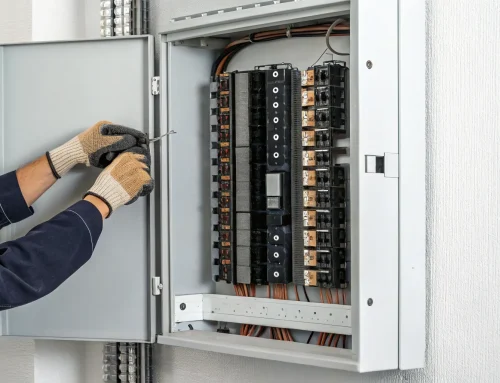
If the generator engine is running but your home still has no power, the issue is likely electrical. Start by checking the generator’s circuit breakers. They are designed to trip to prevent damage from an electrical surge. You can usually find them on the unit itself; if one has tripped, simply flip it back to the “On” position. If it trips again right away, you have an underlying issue. It’s important to try and figure out why it tripped before restarting the generator again. If you’re not comfortable diagnosing electrical problems, it’s always safest to contact a professional for electrician repairs to ensure everything is working correctly.
How to Identify an Overloaded Generator
Every generator is built to handle a specific amount of power, known as its load capacity. If you try to run too many high-demand appliances at once, you can overload the system, causing it to shut down to protect itself. Keep in mind that many large appliances, like refrigerators and air conditioners, require a huge surge of power to start up—sometimes two or three times what they need to run continuously. If your generator starts and then suddenly stops after an appliance kicks on, an overload is the likely cause. To fix this, turn off and unplug some appliances, then restart the generator. Once it’s running smoothly, you can plug things back in one at a time. This issue highlights the importance of a proper residential standby generator installation, where a professional ensures your unit is sized correctly for your home’s needs from day one.
When to Call for Emergency Generator Repair
Your generator is your home’s safety net during a power outage, so the last thing you want is for it to fail when you need it most. Like any complex piece of machinery, a generator will often give you warning signs that something is wrong before it breaks down completely. Learning to recognize these signals is key to preventing a small issue from becoming a major, costly repair. If you notice your generator acting strangely, don’t wait for the next storm to see if it holds up. Addressing problems early ensures your power stays on and your family stays safe. Pay close attention to how your generator looks, sounds, and smells during its weekly self-test cycle. Here are the four most common signs that you need to call for a generator service and repair visit right away.
Is Your Generator Rattling or Shaking?
You’re probably familiar with the normal hum your generator makes when it’s running. If you suddenly hear new, alarming sounds like grinding, clanking, or high-pitched squealing, it’s a clear sign that something is wrong internally. These noises often point to mechanical problems, such as worn-out bearings or loose parts that need immediate attention. Similarly, excessive vibration or shaking is not normal. While a generator produces some vibration, any sudden increase can indicate that components are out of alignment or have come loose. Ignoring these sounds can lead to severe engine damage, so it’s best to have a professional diagnose the source of the noise as soon as you hear it.
Why Won’t My Generator Start or Stay On?
One of the most obvious signs of a problem is when your generator fails to start or struggles to stay running. If your generator doesn’t kick on during its test cycle or a real outage, it’s a major red flag. Before calling for help, you can do a quick check of the basics: make sure it has fuel and that the battery is connected properly. However, if you’ve checked these things and it still won’t start, it likely points to a deeper mechanical or electrical issue. Sputtering, stalling, or running rough are also symptoms of a system in distress. These issues could be caused by anything from a clogged fuel line to a failing electrical component.
Don’t Ignore These Warning Lights and Alerts
Modern Generac generators are equipped with advanced control panels that monitor the system’s health and will alert you to potential problems. These warning lights and fault codes are your generator’s way of telling you exactly what’s wrong, so they should never be ignored. You might see alerts for issues like low oil pressure, high engine temperature, a battery problem, or a general system fault. While your owner’s manual can help you decipher what some of these codes mean, many alerts require professional diagnostics and repair. If a warning light stays on after the generator has been reset, it’s time to call in an expert to prevent further damage.
Spotting Leaks or Smelling Something Off?
A quick visual inspection of your generator can reveal a lot. If you see puddles of fluid like oil, coolant, or fuel underneath or around the unit, you have a leak that needs to be fixed. Leaks not only create a mess but can also lead to engine failure or create a fire hazard. You should also trust your nose. Strong, unusual odors are another critical warning sign. The smell of gasoline could indicate a fuel leak, while a burning smell might point to an overheating engine or an electrical problem. Don’t dismiss these signs; they often signal serious issues that require immediate professional generator maintenance.
What Does an Emergency Repair Service Actually Do?
When your generator fails during a power outage, you need more than just a quick fix. A true emergency service provides a complete, professional response to get your power back on safely and reliably. Knowing what to expect can help you choose a provider who is prepared to handle any issue, day or night. From the initial call to the final system check, a quality emergency service covers all the bases, ensuring your generator is not just running, but running correctly for the long haul. Here’s a breakdown of what a comprehensive emergency generator service should always offer.
They’re Available 24/7 for Emergencies
Power outages don’t stick to a 9-to-5 schedule, and neither should your repair service. A key feature of any reliable emergency service is 24/7 availability. Whether a storm hits in the middle of the night or your generator sputters out on a holiday weekend, you need to know that help is just a phone call away. This round-the-clock support ensures you aren’t left in the dark waiting for business hours. When you’re looking for a partner for Generac service and repair, make sure they offer true emergency availability so you have peace of mind no matter when an issue arises.
Quickly Diagnosing the Real Problem
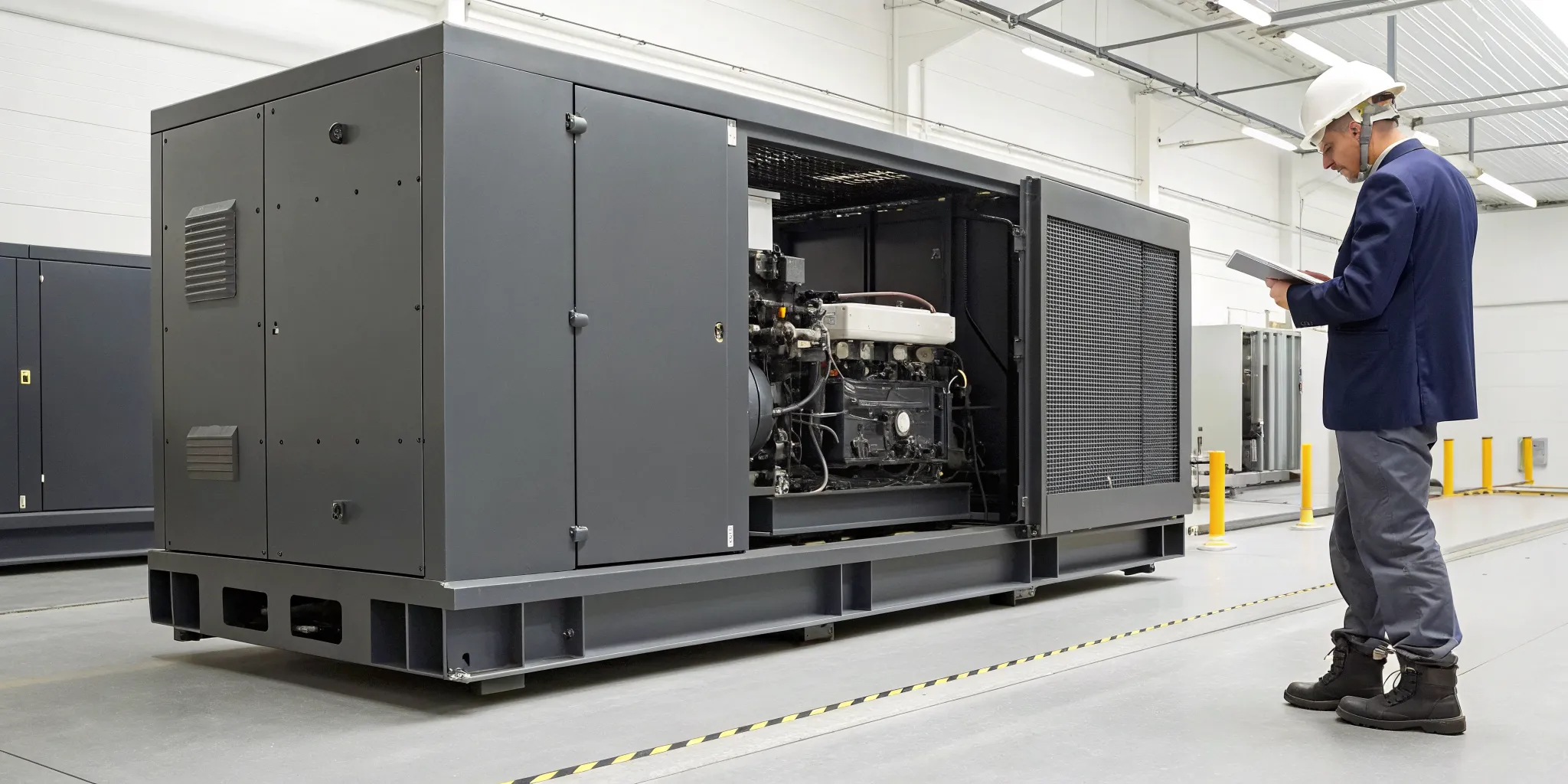
When a technician arrives, their first step should be to perform expert diagnostics to accurately identify the root cause of the problem. Simply guessing can lead to incorrect repairs and more downtime. A skilled technician uses specialized tools and in-depth knowledge of generator systems to troubleshoot effectively. This methodical approach saves you time and money by ensuring the right fix is performed the first time. Proper diagnostics are essential for resolving common generator issues and preventing them from turning into more expensive problems down the road. This expertise is a hallmark of a professional electrician repair service that understands complex systems.
Handling All Mechanical and Electrical Fixes
A comprehensive emergency service is equipped to handle both mechanical and electrical issues. Your generator is a complex machine with many interconnected parts. A qualified technician should be able to replace critical components like starters, fuel injectors, wiring, and alternators to restore your unit to full function. The service team should also arrive with a truck stocked with common parts to make repairs as quickly as possible. This ability to perform a wide range of repairs on the spot ensures your Generac generator is back online without delay, protecting your home or business from a prolonged outage.
Servicing Both Standby and Portable Generators
Whether you rely on a whole-home standby unit or a smaller portable generator, a top-tier repair service should be equipped to handle both. While a permanently installed residential standby generator is more complex with its automatic transfer switch and direct wiring, a portable unit has its own set of common problems, like carburetor issues from stale fuel. At their core, however, both types of generators have engines, fuel systems, and electrical components that require expert attention when they fail. A truly versatile technician understands the nuances of each system and can perform the accurate diagnostics and repairs needed, no matter the model. This ensures that regardless of your setup, you have a reliable expert ready to get your power back on.
Servicing the Control Panel and Transfer Switch
Your generator’s engine might be working perfectly, but the entire system is useless if the control panel or automatic transfer switch fails. The transfer switch is what detects a power outage and signals your generator to start, so its function is critical. An emergency service visit should always include an inspection of these components. A technician will check the control panel for error codes and ensure the transfer switch is communicating properly with the generator. This complete system check guarantees that your generator will perform exactly as it should when you need it most, making it a vital part of any generator maintenance and repair visit.
Advanced Diagnostic and Technical Services
Sometimes, a generator issue isn’t as simple as a loose wire or a clogged filter. For complex or hidden problems, a top-tier repair service uses advanced diagnostic tools to look deeper into your system’s health. These services go beyond the basics to pinpoint potential failures before they happen, ensuring your generator is not just working, but working at its absolute best. Think of it as a comprehensive health screening for your generator. By using specialized technology, a skilled technician can uncover issues that are invisible to the naked eye, guaranteeing your system is ready for anything. These advanced techniques are a key part of a proactive generator maintenance strategy.
Load Bank Testing
How can you be sure your generator will actually handle the load of your entire home during a prolonged outage? That’s where load bank testing comes in. This process is essentially a controlled stress test for your generator. A technician connects a special device called a load bank, which simulates the electrical demand of your home or business. This allows them to safely push the generator to its full capacity, verifying that it can produce the power it’s rated for without overheating or failing. It’s the best way to confirm your generator’s reliability and performance under pressure, so you know it will be ready when it counts.
Infrared Surveying
Some of the most dangerous generator problems, like loose electrical connections or overheating components, are completely invisible. Infrared surveying, or thermography, gives technicians a way to see these hidden threats. By using a specialized infrared camera, a technician can scan your generator and its electrical connections to detect abnormal heat signatures. A hot spot on a circuit breaker or a connection can signal a potential failure or even a fire hazard. Finding these issues early allows for a simple fix, preventing a catastrophic breakdown during an emergency and keeping your system operating safely.
Fuel Quality Analysis
Your generator’s fuel is its lifeblood, but it can become a liability if it’s old or contaminated. Over time, fuel can degrade, accumulate water, or grow microbes, especially in units that aren’t run frequently. This poor-quality fuel can clog fuel lines and injectors, causing your generator to sputter, stall, or fail to start altogether. A professional fuel quality analysis involves taking a sample of your fuel and testing it for contaminants and degradation. If the fuel is bad, it can be filtered or replaced, ensuring your generator has the clean, stable fuel it needs to run smoothly through any outage.
Control Panel Upgrades and Switchgear Repair
The control panel is the brain of your generator, and the switchgear acts as the central nervous system, directing the flow of power. If these sophisticated components fail, the entire system is useless. Technicians skilled in generator service and repair can diagnose and fix issues within these complex systems. They can also perform control panel upgrades to give you access to newer technology with better monitoring and more reliable performance. Ensuring your control panel and switchgear are in perfect working order is critical for the safe and automatic operation of your standby generator.
How to Find the Right Emergency Repair Service
When your generator stops working, the last thing you want is to scramble for a reliable technician. A power outage is stressful enough; your repair experience shouldn’t add to it. Choosing the right emergency repair service means finding a team that is not only fast but also qualified, trustworthy, and transparent. This isn’t just about getting the lights back on quickly. It’s about ensuring the repair is done safely, protecting your investment, and preventing future breakdowns.
The key is to know what to look for before you’re left in the dark. By vetting a few key qualifications, you can feel confident that you’re putting your home’s power and safety into capable hands. Think of it as building a relationship with a trusted partner who will be there when you need them most. A little research now can save you a lot of headaches later. Here’s a straightforward guide to help you select the best team for the job, so you can have total peace of mind when the power goes out.
Prioritize Factory Training and Certifications
When it comes to specialized equipment like a Generac generator, general electrical knowledge isn’t enough. You need a technician with specific, factory-level training. Look for a service provider whose team is certified to work on your generator’s make and model. This ensures they have an in-depth understanding of its complex systems and are current on the latest repair techniques. A certified technician, such as a licensed electrician, has proven they have the skills to handle both mechanical and electrical issues safely. When you hire an expert for Generac service and repair, you’re not just paying for a quick fix; you’re investing in professional expertise that protects your generator from further damage.
Look for Fast, Local Response Times
In an emergency, every minute counts. A generator repair service located hours away won’t be much help when you need power restored quickly. Prioritize companies that offer 24/7 emergency services and have a strong local presence. A local team can get to your home faster, diagnose the problem, and begin repairs without significant delay. This is especially important during widespread outages when demand for service is high. Before you ever have an issue, it’s a good idea to identify a trusted provider within your service area. That way, you know exactly who to call and can expect a prompt response when you need it most.
Always Verify Licensing, Insurance, and Guarantees
Trust is built on professionalism and accountability. Before hiring any repair service, confirm that the company is fully licensed and insured. Licensing proves they meet state and local regulations for electrical work, which is a critical safety standard. Insurance protects you and your property from liability in the rare case of an accident during the repair. A reputable company will also stand behind its work with a guarantee or warranty on parts and labor. This shows they are confident in their service quality and committed to your satisfaction, which is a core value of any great team.
Ensure Technicians are Screened and Vetted
Beyond certifications and insurance, you need to feel comfortable with the person you’re letting into your home, especially during an emergency. A truly professional company understands this and takes your safety seriously by thoroughly vetting its employees. This means their technicians have passed comprehensive background checks and drug screenings before ever knocking on your door. This commitment to screening is a powerful indicator of a company’s integrity and dedication to customer trust. It provides peace of mind, knowing that the team you hire is not only technically skilled but also reliable and trustworthy, ensuring a safe and professional experience from start to finish.
Ask About Repair Costs and Pricing Upfront
No one likes financial surprises, especially during a stressful situation. A trustworthy repair service will be transparent about its pricing from the start. While they may not be able to give you a final price over the phone, they should be able to explain their rates, such as call-out fees and hourly labor costs. Always ask for a detailed written estimate before any work begins. This document should clearly outline the scope of the repair and the associated costs. Understanding the potential expenses upfront allows you to make an informed decision without pressure. Some companies may even offer financing options for larger, unexpected repairs.
What to Expect During the Repair Visit
When your generator stops working, calling for a repair can feel stressful. You might wonder what the technician will do, how long it will take, and what the process looks like. Knowing what to expect can make the experience much smoother and remove some of that uncertainty. A professional repair visit isn’t just about fixing a single part; it’s a systematic process designed to ensure your generator is reliable for the long haul. Think of it less as a quick patch and more as a health check-up for your home’s power backup. From the moment a certified technician arrives, their goal is to accurately diagnose the problem, perform a lasting repair, and verify that everything is working perfectly before they leave. This structured approach ensures nothing is overlooked. It prevents the frustrating cycle of repeat service calls and gives you genuine confidence that your power will be ready when you need it most. Below, we’ll walk through each step of a typical service call so you feel prepared and in control from start to finish.
First, the Initial Assessment and Diagnosis
The first thing a technician will do is perform a thorough assessment of your generator. Instead of guessing, they will carefully inspect the entire system to find the root cause of the issue. This diagnostic process involves checking everything from the fuel lines and battery to the electrical connections and transfer switch. A professional will need to check your generator unit to find the source of the problem, whether it’s a simple fix or something more complex. This detailed initial check is the most important step, as it ensures the right generator service and repair is performed, saving you time and preventing repeat issues down the road.
Understanding the Repair Timeline and Parts
Once the problem has been identified, the technician will explain the necessary repairs and give you an idea of the timeline. Some repairs can be completed on the spot, while others might take longer if specific parts are needed. Generator repairs can involve replacing critical components like a starter, fuel injectors, wiring, or an alternator to ensure reliable operation. A trustworthy service provider will communicate clearly with you throughout the process, letting you know if a part needs to be ordered and when you can expect the repair to be finished. Their goal is to get your generator back online as quickly and efficiently as possible.
Final Testing to Ensure Everything Works
After the repair work is complete, the job isn’t finished until the technician performs final testing. They will start your generator and let it run to confirm that it operates smoothly and quietly. They will also simulate a power outage to ensure the automatic transfer switch functions correctly, seamlessly shifting your home or business to generator power. This final quality check is essential for your peace of mind, confirming that the repair was successful and your generator is fully prepared for the next outage. It also highlights why regular generator maintenance is so important for dependable performance.
Debunking Common Generator Repair Myths
There are a few common myths about generators that can cause unnecessary worry. One is that they are inefficient and waste a lot of fuel. However, modern systems are remarkably efficient, balancing power output with fuel consumption to deliver reliable performance without waste. Another misconception is that any mechanic can handle a generator repair. The truth is, generators are complex machines that serve as your last line of defense during power outages. They require specialized knowledge for proper service. Trusting a certified technician ensures your equipment is handled correctly, keeping it safe and dependable for years to come.
How to Prevent Emergencies with Regular Maintenance
The best way to handle a generator emergency is to prevent it from happening in the first place. While even the most reliable machine can have unexpected issues, consistent, professional maintenance is your strongest defense against a sudden failure. Neglecting to service your generator regularly can lead to significant issues down the road, often when you need power the most. Think of it like the routine oil changes for your car; they keep the engine running smoothly and help you catch small issues before they become major, expensive breakdowns. A generator that sits unused for months can develop problems that only become apparent during an outage.
A proactive approach with a scheduled Generac maintenance plan ensures your unit is always ready to perform. During a maintenance visit, a certified technician can spot wear and tear, replace aging parts, test the battery, and confirm every component is functioning correctly. This simple step provides peace of mind and significantly reduces the likelihood you’ll ever need to make a frantic call for an emergency repair. It’s about making sure your generator is the reliable backup power source you invested in, ready to protect your home or business when the grid goes down.
The Importance of Proper Installation
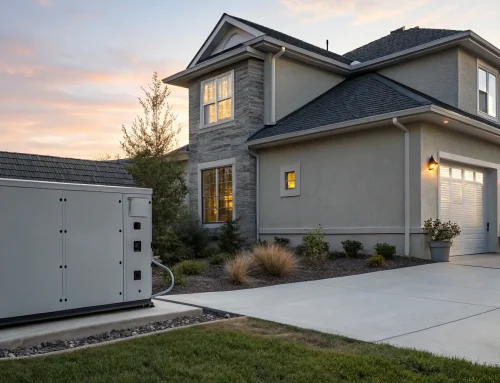
While regular maintenance is key to a generator’s longevity, its reliability truly begins on day one with proper installation. A generator isn’t a simple appliance you just plug in; it’s a complex system that integrates directly with your home’s electrical panel. A flawless installation is the foundation for years of dependable performance, ensuring that every component, from the generator itself to the automatic transfer switch, works together seamlessly. Getting it right from the start prevents a host of future problems, from frequent operational glitches to serious safety hazards. This is why a professional residential standby generator installation is not just a recommendation—it’s an essential step in protecting your investment and ensuring your family’s safety.
Correct Placement and Safety Codes
Deciding where to place your generator involves more than just finding an open spot in your yard. Professional installers are trained to select a location that complies with all manufacturer specifications and local safety codes. This includes maintaining a safe distance from doors, windows, and vents to prevent carbon monoxide from entering your home. They also ensure the unit is placed on a stable, level surface and has adequate ventilation to prevent overheating. A certified team understands the specific state and federal regulations that govern generator placement, which is critical for both residential and commercial generator installation. This expertise guarantees your system is not only effective but also completely safe for your property and everyone in it.
Post-Installation System Testing
Once your generator is installed, the final and most critical step is a complete system test. A professional technician won’t leave until they’ve verified that everything is working perfectly. This involves simulating a power outage to ensure the automatic transfer switch detects the loss of utility power and signals the generator to start. They will watch as your home’s power seamlessly transfers to the generator and then transfers back once utility power is restored. The technician will also help you set up the generator’s weekly self-test cycle. This feature automatically runs the generator for a few minutes each week, which keeps the engine lubricated and confirms it’s ready for an actual emergency, giving you true peace of mind.
Essential Maintenance for Peak Performance
To keep your generator in top condition, a few key tasks are essential. One of the most critical is checking the fuel system. Over time, fuel can degrade and cause clogs or damage, so it’s important to ensure it remains in optimal condition. Beyond fuel, a thorough inspection includes checking the battery, changing the oil and filters, and examining belts and hoses for any signs of wear. This isn’t just about ticking boxes on a checklist. This kind of regular maintenance can help identify weaknesses before they cause downtime. A technician might spot a frayed wire or a weak battery terminal that could easily lead to a failure during the next storm. By addressing these minor issues early, you ensure your generator is always prepared to perform at its peak.
How Maintenance Extends Your Generator’s Life
Your generator is a significant investment in your home or business’s security and comfort. Just like any other major piece of equipment, its lifespan depends on how well you care for it. Generators often serve as the last line of defense during power outages, so their reliability is absolutely crucial. Consistent maintenance is the best way to protect your investment and ensure it lasts for years to come. Regular service visits do more than just prevent immediate problems; they contribute to the overall health and longevity of the machine. By keeping all the moving parts clean, lubricated, and properly calibrated, you reduce stress on the engine and electrical components. This means your residential standby generator installation will not only be ready when you need it but will also serve your family reliably for a much longer time.
Protecting Your Equipment and Ensuring Safety
A generator that isn’t properly maintained can be more than just unreliable; it can be a safety hazard. Issues like fuel leaks, exhaust system blockages, or faulty electrical connections pose serious risks. An improperly maintained or repaired generator may experience recurring issues, which can lead to increased downtime and potentially dangerous situations. Professional maintenance is a critical step in ensuring safe operation. During a service visit, a technician will perform safety checks on the entire system, from the fuel lines to the transfer switch. They ensure that all connections are secure and that there are no underlying problems that could create a risk during operation. Entrusting your equipment to a professional for generator service and repair protects not only the generator itself but also your property and everyone in it.
Following Safe Operating Procedures
Understanding the 80% Load Rule
One of the most important safety guidelines for any generator is the 80% load rule. This industry standard, emphasized by the National Electrical Code (NEC), states that you should never continuously load your generator’s circuits to more than 80% of their maximum rating. For example, if you have a circuit rated for 20 amps, you should only draw 16 amps from it. This rule isn’t just a suggestion; it’s a critical safety measure designed to prevent breakers from overheating, which can lead to system failure or even a fire. Adhering to this guideline ensures your generator operates reliably and protects the entire electrical system it’s connected to, which is a key part of any professional residential standby generator installation.
How Proactive Maintenance Saves You Money
While it might seem like an extra expense, a regular maintenance plan is one of the smartest financial decisions you can make as a generator owner. The cost of a routine service visit is minimal compared to the expense of a major emergency repair. Understanding common generator issues and addressing them early can save you from costly repairs and the high price of unexpected downtime. Think about it: replacing a worn-out spark plug during a maintenance check costs very little. But if that same spark plug fails during a blizzard and causes further engine damage, you’re looking at a much larger repair bill. Proactive care catches these small problems before they escalate, saving you money, time, and the stress of a powerless home or business.
How to Prepare for a Generator Emergency
When the power goes out, the last thing you want is to discover your generator isn’t ready to go. A little preparation can make all the difference between a smooth transition to backup power and a stressful scramble in the dark. Thinking ahead ensures your generator is a reliable source of power, not another source of worry.
Being prepared isn’t just about having a generator; it’s about having a plan. This means knowing your equipment is in top shape, having a trusted professional on call, and understanding what to do when an outage hits. By taking a few simple steps now, you can face any power emergency with confidence, knowing your home or business is protected. These proactive measures will keep your system running reliably for years to come.
Create a Proactive Maintenance Plan
The single best way to prevent a generator emergency is with consistent, professional maintenance. Waiting for a problem to appear is a recipe for disaster. A proactive Generac maintenance plan is your first line of defense, ensuring your unit is always ready to perform. During a maintenance visit, a technician can spot worn-out parts, check fluid levels, and test the battery to catch small issues before they turn into major failures.
Even if you run your generator regularly, it still needs proper servicing from a professional. A qualified technician can advise you on the exact service schedule your specific model requires based on its age and usage. This regular care not only prevents unexpected breakdowns but also extends the life of your investment, giving you peace of mind that your power will be there when you need it most.
Find a Trusted Repair Service Before You Need One
Don’t wait for a storm to start searching for a repair company. The middle of a widespread power outage is the worst time to vet technicians. Instead, find a reliable, local expert now so you know exactly who to call when you need help. When choosing a provider, look for a team with extensive experience, proper training, and deep familiarity with your generator’s brand and model.
Having a go-to Generac service and repair team on standby saves you precious time and stress. You can build a relationship with a company you trust, one that already knows your equipment and its history. This ensures that when you do need an emergency repair, you’re getting fast, effective service from technicians who are prepared to handle the job correctly.
Outline Your Emergency Power Plan
Your generator is a key part of your home or business’s emergency preparedness plan. Since it’s often your last line of defense during an outage, it’s important to build a simple plan around it. Start by making sure everyone in your household or key employees know the basics: how to confirm the generator is running, what appliances it powers, and who to call if there’s an issue.
Keep the contact information for your generator service provider in an easily accessible place, like on the fridge or saved in your phone. Your plan should also include periodically checking your generator’s fuel levels and running its self-test to ensure it’s ready. A little planning makes the entire process of managing a power outage much smoother for everyone involved.
Understand Your Warranty and Service Plan
Understanding your generator’s warranty and any active service agreements can save you a lot of headaches during an emergency. Take a moment to review your documents so you know what’s covered, for how long, and what the process is for making a claim. Keep these papers in a safe, accessible place with your other important household documents.
A weak or dead battery is one of the most common reasons a generator fails to start, and this is where a good service plan proves its worth. Many plans include services like annual load bank testing, which can identify battery weaknesses before they cause a problem. Knowing the details of your coverage helps you work effectively with our team and ensures you get the full benefit of your investment.
Related Articles
- Signs You Need a 24-Hour Emergency Electrician
- Emergency Electrical Repair: Your Action Plan
- 4 Signs You Need an Emergency Electrician in Bucks County
Frequently Asked Questions
My generator is making a strange noise but seems to be working. Can I wait to call for service? Even if your generator is still running, new sounds like grinding, squealing, or excessive shaking are clear indicators of an internal problem. These noises often signal mechanical wear that can lead to a complete failure if ignored. It’s always best to have a professional diagnose the issue right away. Waiting for the next outage to see if it holds up could result in a much more serious and expensive repair.
What’s the difference between a maintenance visit and an emergency repair call? Think of a maintenance visit as a proactive check-up to keep your generator healthy and prevent problems. During a maintenance appointment, a technician performs inspections, changes fluids, and replaces worn parts to ensure everything is in peak condition. An emergency repair, on the other hand, is a reactive service designed to fix a specific problem after your generator has already failed or shown signs of distress.
How often does my generator need professional maintenance to prevent emergencies? For most residential generators, a professional service visit once a year is the standard recommendation. This annual check-up is usually enough to catch potential issues, keep the engine in good shape, and ensure it’s ready for any outage. However, if your generator runs frequently or operates in a particularly dusty or harsh environment, your technician might suggest a more frequent schedule.
What should I do first if my generator fails to start during an outage? Before calling for service, there are a couple of simple things you can check safely. First, confirm that the generator has an adequate fuel supply. Next, check its control panel for any visible error codes or warning lights. If these basic checks don’t resolve the issue, it’s time to call a professional. Attempting further diagnostics yourself can be unsafe and may cause more damage.
Is it safe for me to try and fix a small generator problem myself? While it might be tempting to try a quick fix, generator repairs should be left to the professionals. These are complex machines that combine a fuel-powered engine with high-voltage electrical components. For your safety, and to protect your equipment from further damage, all service and repairs should be handled by a factory-trained and certified technician who has the right tools and expertise.