
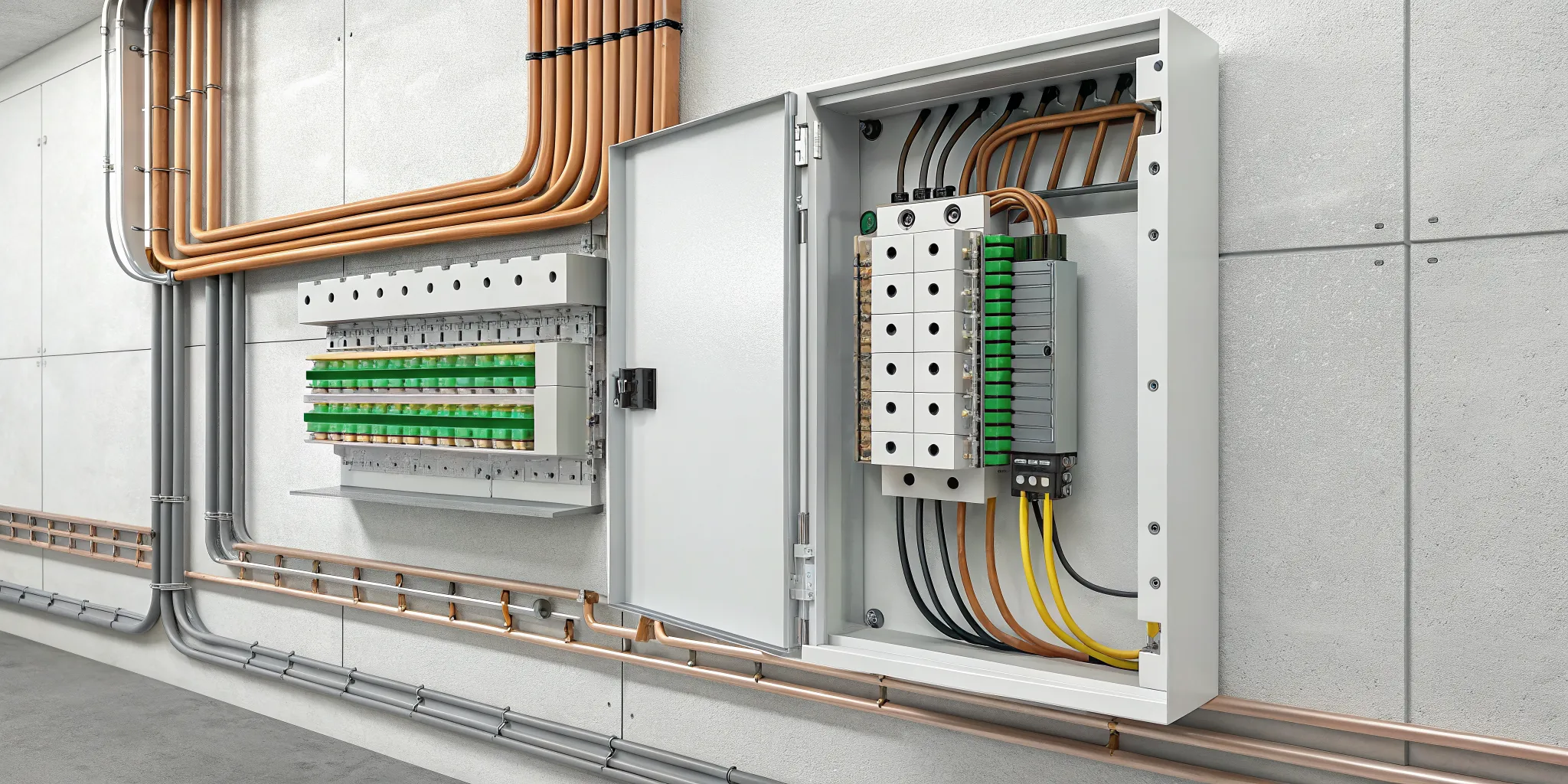
Some of the most important safety features are the ones you never see. Your home’s earthing system is a perfect example. It works around the clock, providing a constant, invisible shield against electrical hazards. Every time you plug in an appliance or flip a switch, this system is standing by to protect you. Its sole purpose is to create a low-resistance path for any stray electrical current to follow, guiding it safely into the earth instead of through you or your equipment. A correctly installed earthing system in electrical installation is the difference between a circuit breaker tripping harmlessly and a potentially catastrophic electrical event. We’ll explore how this silent guardian works and what you can do to ensure it’s always ready to protect you.
Key Takeaways
- Think of earthing as essential protection: This system directs dangerous electrical currents safely into the ground, which prevents life-threatening shocks and shields your appliances and generator from damage.
- Professional installation is key to effectiveness: A qualified electrician will account for crucial details like your local soil conditions and correct component sizing to ensure your system works correctly when needed.
- Schedule periodic inspections for continued safety: Over time, connections can loosen and parts can corrode, so having a professional test your system’s resistance annually ensures it remains ready to protect you.
What is an Electrical Earthing System?
Think of an earthing system, also known as a grounding system, as the safety net for your home or business’s electrical setup. It’s a physical connection that links parts of your electrical system, like outlets and the metal casings of appliances, directly to the earth. This simple connection is one of the most critical safety features in your entire building. Its main job is to protect people, property, and equipment from electrical faults.
An earthing system provides a safe path for excess electricity to travel away from you and your devices. Without it, a stray electrical current could turn a simple appliance into a serious hazard. Whether it’s your home, office, or a commercial facility, a properly installed earthing system is fundamental to a safe electrical installation. It works silently in the background, ensuring that your power is not only functional but also safe for everyone to use. That’s why professional electrical services always prioritize a correct and robust earthing setup.
How It Works Day-to-Day
On a normal day, your earthing system is a quiet guardian. Its primary role is to prevent you from getting an electric shock. If a live wire inside an appliance accidentally touches the metal casing, the earthing system immediately directs that dangerous current into the ground. This prevents the appliance’s surface from becoming energized, so you can touch it without getting shocked. It also helps protect your sensitive electronics from small power surges. While a whole-home generator provides the ultimate protection against power outages, a good earthing system handles the small, everyday electrical fluctuations that could otherwise damage your computers, TVs, and other valuable equipment.
Its Role During an Electrical Fault
During a major electrical fault, like a short circuit or a lightning strike, the earthing system springs into action. It provides a low-resistance path for the massive surge of electricity to flow safely to the ground. This sudden rush of current is what causes your circuit breaker to trip or a fuse to blow, instantly cutting off the power and preventing a potential fire or life-threatening shock. Without this path, the fault current could travel through your building’s structure or, even worse, a person. If you ever experience frequently tripping breakers, it’s a sign that your system is doing its job but that you may need professional electrician repairs to address the underlying issue.
Why is an Earthing System So Important?
Think of an earthing system as the silent guardian of your home’s electrical network. While you don’t see it working, it’s constantly providing a safe path for electricity to travel in case of a fault. Without it, stray electrical currents could energize the metal casings of your appliances, turn a simple touch into a dangerous shock, or damage sensitive electronics. It’s not just a box to check during an inspection; it’s a critical safety feature that protects your family, your home, and your investments.
A properly installed earthing system is fundamental to any safe electrical setup, especially when you’re connecting powerful equipment like a Generac generator to your home. It ensures that in the event of a power surge or a wiring malfunction, the excess energy is safely directed into the ground, away from anyone or anything that could be harmed. This simple, foundational component is what allows your circuit breakers to do their job effectively, shutting down power instantly when a problem is detected. It’s the difference between a minor, quickly resolved issue and a potential disaster.
Protects People from Electric Shock
The number one job of an earthing system is to keep you safe. Imagine a wire inside your washing machine comes loose and touches the metal drum. Without a ground connection, the entire machine becomes live with electricity, waiting for someone to touch it to complete the circuit. A proper earthing system provides a low-resistance path for that fault current to flow directly to the ground. This sudden surge of electricity trips the circuit breaker or blows a fuse, cutting off the power in a fraction of a second. This process prevents dangerous electric shocks and is a key reason why professional electrician repairs are so important for maintaining a safe home.
Safeguards Your Equipment and Appliances
Your home is filled with expensive and sensitive electronics, from your smart TV and computers to major appliances and your standby generator. An earthing system protects this equipment from electrical faults and voltage spikes. By providing a safe outlet for excess electricity, it helps keep the voltage in your wiring from getting too high, which could otherwise damage delicate circuits and insulation. This protection ensures your devices operate safely and last longer. A stable, grounded electrical system is essential for the longevity and reliable performance of all your appliances, preventing costly damage from unexpected electrical events.
Ensures Your System is Stable and Reliable
Beyond emergency protection, an earthing system is vital for the day-to-day stability of your electrical installation. It acts as a common reference point for all voltage sources in your system, which helps maintain consistent voltage levels throughout your home. This stability prevents issues like flickering lights and ensures the reliable operation of all your electrical devices. By preventing dangerous “touch voltages” on equipment surfaces, it creates a dependable and predictable electrical environment. A well-maintained earthing system is the foundation of any modern residential electric service, providing peace of mind that your power is both safe and consistent.
What Are the Main Types of Earthing Systems?
When it comes to electrical safety, not all earthing systems are created equal. Think of them as different strategies for handling unexpected electrical faults. The right one for your property depends on factors like safety needs, cost, and the type of electrical installation you have. An experienced electrician will determine the best fit, but it’s helpful to understand the basics of the three main configurations. Each system uses a two-letter code to describe its setup, with the first letter indicating the power supply’s connection to the earth and the second showing the equipment’s connection.
TN Systems (Terra-Neutral)
In a TN system, there’s a direct link between the earth and the neutral point of the power source. The metal casings of all your equipment are also connected to this same point. This creates a low-resistance path for fault current to travel, which allows your circuit breakers to trip very quickly. There are three variations of this system:
- TN-S: This is the safest option. It uses separate wires for the protective earth and the neutral all the way from the transformer to your property. You’ll often find this setup in commercial buildings and factories where safety is paramount.
- TN-C: To save on costs, this system combines the protective earth and neutral functions into a single wire. While economical, it carries more risks and is less common in modern industrial settings.
- TN-C-S: This is a hybrid approach. It uses a combined wire for part of the system and then separates them into two wires within the property. It strikes a balance between the safety of the TN-S and the cost-effectiveness of the TN-C.
TT Systems (Terra-Terra)
In a TT system, the electrical equipment has its own local earth connection, completely separate from the power source’s earth connection. Imagine your home having its own ground rod that isn’t directly linked to the utility company’s grounding. Because this path for fault current can have higher resistance, TT systems rely on special safety devices called Residual Current Devices (RCDs). An RCD constantly monitors the electrical flow and will instantly cut the power if it detects a dangerous imbalance, preventing electric shock. This setup is common in areas where providing a continuous protective earth conductor from the substation is difficult.
IT Systems (Isolated Terra)
The IT system is designed for maximum reliability. Here, the power source is either completely isolated from the earth or connected through a very high resistance. This means that if a first fault occurs, the system doesn’t immediately shut down. Instead, an alarm sounds, allowing maintenance crews to find and fix the issue without causing a power outage. This makes IT systems ideal for critical environments like hospitals or data centers where a sudden loss of power would be catastrophic. The trade-off is that these systems are more complex and require diligent professional maintenance to ensure they remain safe.
How to Choose the Right System
Selecting the right earthing system is one of the first and most important decisions in designing a safe electrical installation. It’s a technical choice that balances safety, reliability, and cost. For most homeowners, this decision is made by utility providers and the electricians who perform the initial residential electrical work. For commercial properties or specialized setups like a home generator installation, the choice requires careful consideration of the building’s specific needs. A qualified electrician will evaluate your property and local regulations to implement the system that provides the best protection for both people and equipment.
What Are the Key Components of an Earthing System?
An earthing system isn’t just one single wire; it’s a complete network of components working together to keep you safe. Think of it as a dedicated emergency exit for electricity. When something goes wrong, like a short circuit or a power surge, this system provides a safe, low-resistance path for the dangerous electrical current to travel directly into the earth. This simple but critical function prevents the current from passing through you or damaging your valuable electronics and appliances. Without a proper earthing system, the metal casings of your equipment could become energized, creating a serious shock hazard.
Understanding these parts helps you appreciate why professional installation is so important. It’s a foundational element of your entire electrical setup, especially for major investments like a Generac generator. A generator is a powerful piece of equipment, and ensuring it’s correctly grounded is non-negotiable for safe operation during a power outage. Each component has a specific job, and if one fails, the entire safety system can be compromised. Let’s break down the three main players that make up a reliable earthing system so you know what to look for.
Earth Electrodes and Ground Rods
The earth electrode, often called a ground rod, is the part of the system that makes direct contact with the earth. It’s typically a long metal rod, usually made of copper or steel, that an electrician drives deep into the ground. Its job is to safely dissipate electrical faults into the soil. For this to work effectively, the rod needs to be in moist soil, which is a better conductor of electricity. In some cases, we might add water or a special mixture around the rod to improve its connection. A proper ground connection is the foundation of all safe electrical repairs and installations.
Earthing Conductors and Terminals
Conductors are the wires that connect everything together. The two most important ones are the Equipment Grounding Conductor (EGC) and the Grounding Electrode Conductor (GEC). The EGC is a network of wires that connects the metal casings of all your electrical equipment, from your toaster to your generator, creating a continuous safety path. The GEC is the main wire that connects this entire network to the ground rod. Together, they act like a highway system, directing stray electrical current away from your equipment and safely into the earth. This is a critical part of any residential standby generator installation.
Bonding and Equipment Grounding
Bonding is slightly different from grounding, but they work as a team. While grounding connects the system to the earth, bonding connects all the metal parts of your electrical system to each other. This includes things that don’t normally carry electricity, like metal pipes, conduits, and equipment frames. By bonding them, you ensure they are all at the same electrical potential. This prevents you from getting a shock if you touch two different metal surfaces during an electrical fault. It’s a simple but vital step that creates a uniform level of safety across your entire property.
What Regulations Apply to Earthing Systems?
When it comes to electrical work, safety isn’t just a good idea; it’s the law. Earthing systems are governed by a set of strict regulations to ensure they function correctly and protect everyone from electrical hazards. These rules provide a clear framework for electricians, ensuring every installation is safe, reliable, and up to standard. Understanding these regulations helps you appreciate why professional installation is so important for the safety of your home or business.
National Electrical Code (NEC) Rules
In the United States, the primary guide for all things electrical is the National Electrical Code (NEC). Think of it as the official rulebook for safe electrical design and installation. The NEC provides detailed guidelines for earthing systems, covering everything from the size of the grounding conductor to how it should be connected. These rules are designed to protect both people and property from electrical shock and fire hazards. Following NEC requirements for grounding and bonding isn’t optional; it’s a critical part of any compliant electrical installation.
International and Local Codes
While the NEC is the standard in the U.S., it’s helpful to know that earthing regulations can vary significantly around the world. For example, the United Kingdom and Australia have their own unique systems and rules. More importantly, codes can also have specific local amendments. That’s why working with a licensed electrician who is familiar with the specific requirements in your area is so crucial. A professional team knows the exact codes for Southeastern Pennsylvania, ensuring your system is not only safe but also fully compliant with all local regulations.
Earthing Rules for Generators
Generators have their own set of specific earthing rules that are essential for safety and performance. A properly grounded generator ensures that it operates correctly and safely, especially during a fault or power outage. The generator’s neutral must be correctly bonded to the ground to prevent dangerous voltages from appearing on the frame. The exact method depends on the type of generator and how it’s connected to your property. This is a key reason why professional Generac generator installation is not a DIY project. An expert ensures your generator is earthed according to code, giving you reliable power when you need it most.
Common Earthing Installation Mistakes to Avoid
Installing an earthing system, especially for a powerful piece of equipment like a Generac generator, isn’t a simple DIY project. It requires precision and a deep understanding of electrical principles. A small mistake during installation can lead to big problems, from equipment damage to serious safety hazards. Getting it right from the start ensures your generator and entire electrical system are properly protected when you need them most.
Unfortunately, we often see a few common installation errors that can compromise the safety and effectiveness of an earthing system. These mistakes are easy for a professional to avoid but can be overlooked by someone less experienced. Understanding these potential pitfalls highlights why trusting a certified electrician for your generator installation is so important. Let’s walk through the most frequent missteps so you know what a correct, safe installation looks like.
Incorrect Ground Rod Depth or Placement
One of the most critical errors is not installing the ground rod correctly. For an earthing system to work, it needs a solid connection to the earth. This means the ground rod, or earth electrode, must be buried deep enough to reach consistently moist soil, which is a better electrical conductor. A rod that’s too shallow, sitting in dry or loose topsoil, won’t be able to effectively dissipate electrical faults. The general rule is to bury the electrode at least 10 feet deep. Proper placement ensures your system has a reliable path to the ground, ready to handle any electrical surges and keep your property safe.
Using the Wrong Conductor Size or Poor Connections
The wire that connects your electrical system to the ground rod, known as the earthing conductor, is just as important as the rod itself. A common mistake is using a wire that’s too thin. This conductor needs to be large enough to handle a massive surge of current during a fault without melting or failing. Think of it like a highway: a one-lane road can’t handle rush hour traffic. Similarly, an undersized wire can’t handle a major electrical fault. Loose or corroded connections are another point of failure, creating resistance that can prevent the system from working. Any issues with wiring often require professional electrician repairs to ensure safety.
Ignoring Soil Conditions and Resistance
Not all soil is created equal when it comes to electrical conductivity. The type of soil around your property, from rocky ground in parts of Chester County to sandy soil elsewhere, dramatically affects how well your earthing system performs. Ignoring these local conditions is a frequent oversight. Soil with high resistance (meaning it doesn’t conduct electricity well) can render a perfectly installed ground rod ineffective. A professional assessment will test the soil’s resistivity. If the resistance is too high, we can use special techniques, like adding a charcoal and salt mixture, to improve the soil’s conductivity and ensure your Generac generator is grounded safely and effectively.
How to Test Your Earthing System
An earthing system works silently in the background, so you might not think about it until there’s a problem. But how can you be sure it’s working correctly? While a comprehensive test requires professional tools and knowledge, you can still learn the basics of what a proper inspection involves. This helps you understand what an electrician is looking for and why it’s so important for the safety of your home and your generator.
Testing isn’t just a one-time task. It’s a good idea to have your system checked periodically, especially after any major electrical work, a lightning strike nearby, or if you’ve lived in your home for many years without an inspection. A qualified electrician can perform a few key tests to verify that your earthing system offers a reliable path for fault currents to follow, protecting both your family and your expensive electronics. Think of it as a regular health checkup for your home’s electrical safety net. Regular maintenance ensures that when you need it most, your earthing system is ready to do its job without fail.
Professional Resistance Testing
The most critical test for an earthing system is measuring its resistance. This isn’t a DIY job; it requires specialized equipment and a deep understanding of electrical safety. An electrician will measure the ground resistance to ensure it’s low enough for electrical current to flow easily into the earth during a fault. A lower resistance value means your system is more effective.
The goal is to have a grounding resistance of less than 25 ohms. If the measurement is higher, it indicates a problem that needs to be addressed, often by adding another ground rod or improving the existing connections. For sensitive equipment or locations, the standards are even stricter. This test provides a clear, measurable result that confirms your system’s ability to protect you from electrical hazards. If you have concerns, scheduling a professional electrical service is the best way to get a definitive answer.
What to Look for in a Visual Inspection
While you should leave the technical testing to the pros, you can perform a simple visual check. Familiarize yourself with the main components of your earthing system: the ground rod (usually a copper rod driven into the ground near your electrical panel), the grounding electrode conductor (the wire connecting the panel to the rod), and the bonding jumpers that connect metallic systems.
Look for obvious signs of damage or decay. Is the wire securely attached at both ends? Are the connections clean and tight, or are they loose or corroded? Rust and corrosion can significantly increase resistance and make your system less effective. Also, check that the ground rod hasn’t been disturbed or damaged by landscaping work. If anything looks out of place, it’s a clear sign you need to call for an electrician repair.
What Are Acceptable Resistance Values?
So, what’s a good number when it comes to resistance? While the maximum acceptable value is often cited as 25 ohms, the ideal earth resistance is much lower, typically between 1 and 10 ohms. A lower number indicates a more efficient and safer earthing system. This low-resistance path is what ensures a circuit breaker will trip instantly during a fault, cutting off the power before anyone gets hurt or any equipment gets damaged.
Achieving these low values protects everything connected to your electrical system, from your kitchen appliances to your home’s Generac generator. A professional electrician can not only test the resistance but also recommend solutions if your system’s values are too high, ensuring your home is properly protected.
How Soil Conditions Affect Your Earthing System
You might not think about the dirt in your backyard very often, but when it comes to electrical safety, it plays a huge role. The effectiveness of your earthing system depends entirely on the ground it’s connected to. Soil isn’t uniform; its composition, moisture level, and even temperature can change from one property to the next. These variations determine how well the soil can conduct electricity away from your home and equipment during a fault.
For a system to work correctly, especially for something as powerful as a standby generator, the ground needs to have low electrical resistance. If the soil is too resistant, it can’t safely dissipate electrical currents, putting your home and family at risk. That’s why a professional assessment of your soil is a critical first step in any new electrical or generator installation. An expert can analyze your specific ground conditions to design a system that provides true, reliable protection for your investment and your home.
The Impact of Moisture and Temperature
The resistance of your soil is the single most important factor for a functional earthing system. Think of it like this: electricity is always looking for the easiest path to the ground. Moist, loamy soil with a good amount of dissolved salts and minerals offers a low-resistance path, which is ideal. On the other hand, dry, sandy, or rocky soil makes it much harder for current to flow, which can compromise safety.
Temperature also has a major effect. When the ground freezes during a cold Pennsylvania winter, the moisture in the soil turns to ice, which is a poor electrical conductor. This dramatically increases soil resistance and can make your earthing system less effective when you might need it most. A professional considers these seasonal changes when designing your system to ensure it works year-round.
How to Test Soil Resistivity
So, how do you know if your soil is right for grounding? You don’t have to guess. Electricians use specialized equipment to perform a soil resistivity test. This test measures how well the soil in a specific area can conduct electricity. It helps determine the right type, depth, and number of ground rods needed to create a safe and effective earthing connection for your home’s electrical system or a new generator.
One of the most reliable ways to measure soil resistivity is the four-point method. This technique gives an accurate reading of the soil’s properties, ensuring the final earthing system is designed based on real-world data from your property, not just assumptions.
How to Improve Poor Soil Conditions
What happens if testing reveals your soil has high resistance? Don’t worry, it’s a common issue with a clear solution. If the ground isn’t naturally conductive, an electrician can take steps to improve it. This isn’t a DIY job, as it requires precise calculations and an understanding of local electrical codes to be done safely and effectively.
Depending on the situation, an expert might install longer ground rods to reach more conductive soil layers deeper down. In some cases, they may install multiple rods linked together. Another professional technique involves conditioning the soil around the electrode with safe, conductive materials to lower its resistance. These methods to improve conductivity ensure your earthing system provides reliable protection, no matter what kind of soil you have.
How to Maintain Your Earthing System
An earthing system is one of the most important safety features in your home, but it’s not something you can just set and forget. Over time, components can corrode, connections can loosen, and soil conditions can change, all of which can compromise its effectiveness. Regular maintenance is the key to ensuring your system continues to protect your family and your electronics, especially the sensitive equipment connected to your Generac generator.
Think of it this way: you wouldn’t skip an oil change for your car or your generator’s annual check-up. Your earthing system deserves the same level of care. A proactive approach to maintenance helps catch small issues before they become serious safety hazards. By staying on top of a few key tasks, you can ensure your electrical system remains stable, reliable, and, most importantly, safe for years to come.
Create a Regular Testing and Inspection Schedule
The best way to keep your earthing system in top shape is to put it on a schedule. Just as your generator needs routine service, your grounding components require regular check-ups to ensure they’re performing correctly. We recommend having a qualified electrician perform a professional inspection and resistance test at least once a year. This is easy to remember if you bundle it with your annual generator maintenance appointment.
During a professional visit, a technician will test the system’s resistance to make sure it meets safety standards. They’ll also visually inspect the ground rods, conductors, and connections for any signs of corrosion or damage. This simple, routine check provides peace of mind and confirms your first line of defense against electrical faults is ready to do its job.
Monitor Your System’s Performance
Between professional inspections, you can keep an eye on your system’s performance. You don’t need any special tools for this, just your attention. One of the clearest signs of a potential grounding issue is frequently tripping ground fault circuit interrupter (GFCI) outlets or circuit breakers. These devices are designed to detect tiny leakages of current and cut the power, so if they’re activating often, it’s a signal that your system needs a closer look.
Remember that environmental factors can also play a role. Heavy rain, long droughts, or even new landscaping can alter the soil’s moisture content and affect its resistance. While you can’t control the weather, being aware of these changes can help you understand why a problem might suddenly appear. If you notice any persistent issues, it’s always best to call for electrician repairs to diagnose the root cause.
Know When to Upgrade or Replace Parts
Like any part of your home, the components of your earthing system can wear out. Ground rods can corrode, especially in acidic soil, and wires can become damaged or disconnected. During a visual inspection, look for obvious signs of rust or physical damage to any visible parts of the system. If you see anything that looks worn or broken, it’s time for a replacement.
You may also need an upgrade if your electrical needs change. For example, installing a new major appliance or a residential standby generator adds a significant load to your system. A professional test might reveal that the existing system’s resistance is too high to provide adequate protection. In that case, an electrician might recommend adding another ground rod or upgrading the conductors to ensure everything remains safely grounded.
Related Articles
- Home Electrical Reticulation: A Complete Guide
- Your Electrical Reticulation System Explained
- Final Circuits Electrical Installation: A Complete Guide
- Final Circuits Electrical Installation Guide for Homes | M.T. Ruhl Electrical
Frequently Asked Questions
Does every house have an earthing system? Most homes built in recent decades are required to have one, but this isn’t always the case for older properties. If your home is several decades old, it might have an outdated system or one that doesn’t meet today’s safety standards. An electrical inspection is the only way to know for sure if your home is properly grounded and protected.
Why does my new Generac generator need its own special grounding? A standby generator is essentially a new power source for your home, and it needs a dedicated, reliable path to the ground to be safe. Proper grounding ensures that if a fault occurs, the excess electricity is directed away from the unit and your home, preventing damage and shock hazards. It’s a critical step in any professional installation for the safety of the equipment and everyone in the house.
What are the signs that my earthing system might have a problem? The most common clues are electrical oddities you might otherwise ignore. These can include circuit breakers or GFCI outlets that trip frequently, a faint but noticeable tingling sensation when you touch metal appliances, or lights that flicker consistently. These are all signs that stray electrical current isn’t being managed correctly and that you should have your system inspected.
Is my home’s earthing system automatically safe if it passed inspection years ago? Not always. An earthing system’s effectiveness can change over time. The ground rod can corrode, wires can become loose, and even major landscaping or long-term changes in soil moisture can affect its performance. Think of it like any other critical home system; it benefits from periodic professional check-ups to ensure it’s still doing its job correctly.
Can I improve my earthing system myself? We strongly advise against this. Earthing involves your home’s main electrical service and requires specialized tools to test for proper resistance and connectivity. A mistake can create a serious safety hazard or give you a false sense of security. For your safety, this is a job that should always be handled by a licensed electrician.