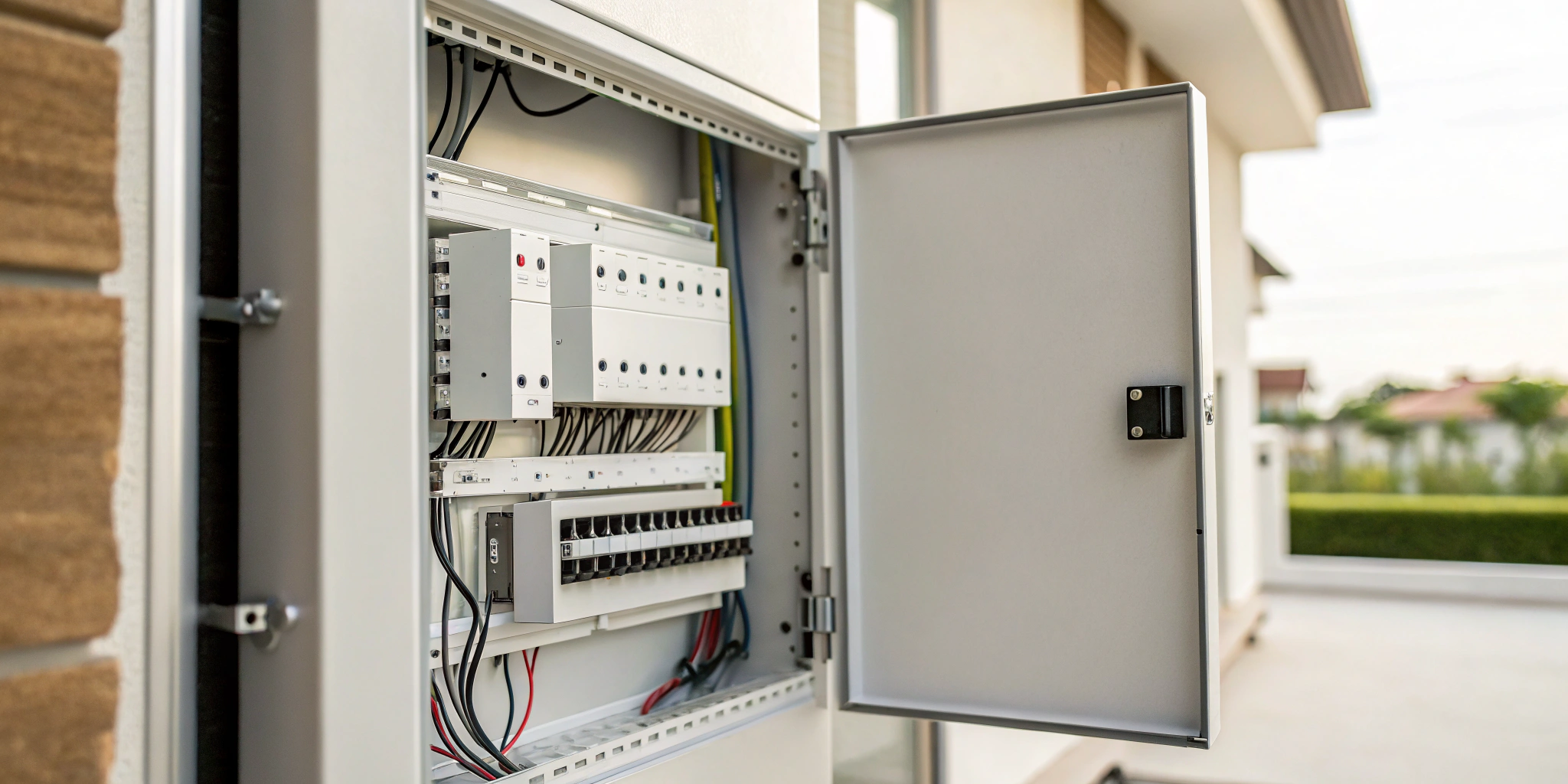
A power outage is more than just an inconvenience—it can be a disaster for your expensive appliances and electronics. It’s not just the sudden darkness; it’s the powerful surge that follows when the grid comes back online that causes the real damage. So, what is an automatic transfer switch and how does it help? Think of it as the smart gatekeeper for your home’s power. It seamlessly manages the switch to your generator, but more importantly, it waits for a stable, clean current before letting power flow to your circuits. This protects your valuable equipment from damaging jolts.
Key Takeaways
- It’s the Brains of Your Backup System: The ATS is the smart component that makes your backup power fully automatic. It constantly monitors utility power and, during an outage, signals your generator to start and safely transfers power to your home—all without you lifting a finger.
- It Provides Essential Safety for People and Property: A professionally installed ATS prevents dangerous electrical backfeeding into utility lines, which protects repair crews. It also manages the power transfer smoothly to shield your valuable appliances and electronics from damaging surges.
- The Right Fit and Care are Non-Negotiable: For reliable performance, your ATS must be correctly sized for your home’s electrical service and fully compatible with your Generac generator. Professional installation and routine maintenance are key to ensuring it works flawlessly when you need it most.
What is an Automatic Transfer Switch?
Think of an automatic transfer switch (ATS) as the brain of your home’s backup power system. It’s a smart device that constantly monitors the electricity coming from the utility company. The moment it detects a power outage, it springs into action, automatically disconnecting your home from the grid and connecting it to your Generac generator. This all happens within seconds, often so quickly you might not even notice the lights flicker. It’s the component that makes your standby generator truly “stand by,” ready to take over at a moment’s notice without you having to lift a finger.
The best part is that it works in reverse, too. Once stable power from the utility is restored, the ATS senses it, safely switches your home back to the grid, and signals your generator to cool down and shut off. It’s a completely hands-off process that ensures your home has a continuous, reliable power supply, whether you’re at home, at work, or on vacation. An ATS is an essential part of any residential standby generator installation, providing both safety and convenience when you need it most. It’s the key to making your backup power system truly automatic.
Understanding Its Key Parts and Their Roles
An automatic transfer switch might sound complex, but it’s made of a few key parts working together. The most important is the controller, which is the intelligent part that monitors your utility power 24/7. When it senses an interruption, it sends a signal to start your generator. Once the generator is running smoothly, the switch mechanism—a set of heavy-duty contacts—physically moves to disconnect from the utility line and connect to the generator line, redirecting power to your home’s electrical panel. All these components are housed in a sturdy, protective cabinet, usually installed right next to your main breaker box.
Internal Switching Mechanisms
Inside the ATS, the actual switch is what does the heavy lifting. Think of it as a gatekeeper for your home’s electricity. When the power goes out, this mechanism physically disconnects your home from the utility lines before connecting it to your generator. This is often called an “open transition” or “break-before-make” switch, and it’s a critical safety feature. It ensures that power from your generator can never flow back into the grid, which protects utility workers making repairs. Once utility power is restored and stable, the process reverses. This carefully managed transition prevents the kind of power surges that can fry your computers, TVs, and other sensitive electronics, ensuring a smooth and safe handover every time. This seamless operation is a core part of how a standby generator works to provide reliable backup power.
How It Fits Into Your Backup Power System
The primary role of an automatic transfer switch is to provide a seamless and safe transition to backup power. Without one, you’d have to go outside in the middle of a storm, manually start your generator, and run extension cords to your essential appliances. The ATS eliminates all that hassle, ensuring critical systems like your refrigerator, sump pump, and HVAC continue running without interruption. More importantly, it provides a crucial safety function by isolating your home from the grid. This prevents your Generac generator from sending power back into the utility lines, protecting line workers who are trying to restore power.
How Does an Automatic Transfer Switch Work?
Think of the automatic transfer switch (ATS) as the command center for your home’s backup power system. It’s the component that makes the switch from utility power to generator power seamless and automatic. You don’t have to go outside in a storm to flip a switch or run extension cords. The ATS handles everything for you, ensuring a smooth transition so your life isn’t interrupted. It works quietly in the background, constantly monitoring your power supply and ready to act the moment it’s needed. Let’s walk through exactly what happens when the lights go out.
First, It Senses a Power Outage
The first and most important job of an automatic transfer switch is to be a constant watchdog over your home’s electrical supply. It’s wired directly into your home’s electrical panel and continuously monitors the voltage coming from the utility grid. The moment that power flickers, drops below a safe level, or cuts out completely, the ATS recognizes it as a power outage. This detection is the critical first step that sets the entire backup power process in motion. It’s this smart sensing that allows your system to respond instantly, often before you’ve even had a chance to find a flashlight.
Next, It Automatically Starts Your Generator
Once the ATS detects a power failure, it immediately sends a signal to your Generac generator to start. Within seconds, the generator’s engine fires up and gets itself ready to produce electricity. This isn’t something you have to initiate; the ATS handles the command automatically, which is a huge relief during a stressful power outage. The system waits for the generator to reach the correct operating speed and voltage to ensure it can provide stable, clean power to your home. This brief warm-up period is essential for protecting your sensitive electronics from an unstable power source.
Then, It Seamlessly Switches to Generator Power
After your generator is running smoothly, the ATS performs its most critical task. It first disconnects your home from the utility grid. This is a vital safety measure that prevents power from your generator from backfeeding into the utility lines, which could endanger utility workers making repairs. Once your home is safely isolated from the grid, the ATS then switches your electrical panel over to the power being supplied by the generator. The entire process is quick and seamless, restoring power to your essential circuits and appliances so you can carry on with your day. This is the magic behind a modern residential standby generator installation.
Finally, It Switches Back When Power Is Restored
The ATS doesn’t stop working once the generator is on. It continues to monitor the utility lines, waiting for the main power to be restored. When it senses that a stable electrical current has returned from the grid, it prepares to switch back. To avoid issues from flickering or unstable power, the ATS typically waits a short, predetermined time to confirm the utility connection is solid. It then smoothly transfers your home’s power back to the grid and signals your generator to begin its cool-down cycle before shutting off. This ensures your system is reset and ready for the next outage, all without you lifting a finger. Regular maintenance ensures this process always works flawlessly, which is why professional generator service and repair is so important.
Why Is an Automatic Transfer Switch a Smart Move?
Think of an automatic transfer switch (ATS) as the brain of your backup power system. While your Generac generator provides the muscle, the ATS is what makes the whole operation seamless, safe, and truly automatic. It’s the component that bridges the gap between a power outage and the restoration of comfort and security in your home or business. Without it, you’d be fumbling in the dark with extension cords and manual startups.
The benefits go far beyond simple convenience. An ATS ensures a smooth and immediate transition to backup power, protecting your essential appliances and sensitive electronics from sudden outages. More importantly, it acts as a critical safety device, safeguarding your property, your family, and the utility workers who are out there trying to get the grid back online. It’s what transforms a standalone generator into a fully integrated, hands-off solution that you can rely on, whether you’re at home or away. Investing in a residential standby generator installation with an ATS means you’re getting a system that works for you, not one that creates more work during a stressful situation.
Enjoy Uninterrupted Power for Your Essentials
When a storm hits and the power goes out, the last thing you want to do is head outside in the dark to manually start a generator. An automatic transfer switch eliminates this step entirely. It constantly monitors the power coming from the utility grid. The moment it detects an interruption, it signals your generator to start and seamlessly switches your home’s electrical panel over to generator power.
This transition happens in seconds, often so quickly you might not even notice the lights flicker. Your refrigerator stays cold, your sump pump keeps running, and your home office remains online. This means your daily life continues with minimal disruption, providing a powerful sense of security and normalcy when everything outside feels chaotic. It’s the key to keeping your essentials running without lifting a finger.
Keep Your Home and Utility Workers Safe
Safety is one of the most critical benefits of an automatic transfer switch. It is specifically designed to prevent a dangerous situation called “backfeeding.” Backfeeding occurs when electricity from a generator travels back through the utility lines. This can be incredibly hazardous for line workers who are repairing the grid, as it can energize wires they believe are dead, leading to severe injury or worse.
An ATS makes backfeeding impossible. Before it connects your generator to your home’s electrical system, it completely disconnects from the utility grid. This creates an isolated circuit, ensuring your generator only powers your home and never sends electricity back out. By having a professional handle your Generac generator and ATS installation, you’re not just protecting your own home—you’re ensuring the safety of the people working hard to restore power to your entire neighborhood.
Protect Your Appliances and Electronics
A sudden power outage—and the surge that can happen when power returns—can wreak havoc on your valuable appliances and sensitive electronics. Your computers, smart TVs, and modern kitchen appliances are all vulnerable to damage from unstable power. An automatic transfer switch helps protect this equipment by managing the flow of electricity safely and effectively.
The ATS waits for the generator to get up to the proper speed and voltage before it transfers the power load. This ensures that only stable, clean power reaches your home’s circuits. It also manages the transition back to utility power just as smoothly, shielding your devices from the jolt of a sudden power restoration. This layer of protection can save you thousands of dollars in potential electrician repairs or replacements down the line.
Manage Your Power with Ease
The beauty of an automatic transfer switch is that it provides a true “set it and forget it” solution. Once professionally installed, it does all the work for you 24/7. You don’t have to be home to flip a switch or monitor the situation. If the power goes out while you’re at work or on vacation, the ATS will activate your generator automatically, keeping your home secure and your systems running.
When utility power is restored, the ATS senses the stable connection, switches your home back to the grid, and signals the generator to cool down and shut off. This hands-free operation gives you complete peace of mind, knowing your property is protected no matter where you are. It’s the ultimate convenience, ensuring your backup power system is always ready and responsive without any manual intervention.
Pairing with a UPS for Critical Systems
For electronics that can’t afford even a split-second of power loss—like computers, servers, or home medical equipment—many people use an Uninterruptible Power Supply (UPS). A UPS is essentially a battery backup that provides instant power the moment the grid fails. However, a UPS has a limited runtime. That’s where the automatic transfer switch comes in. The ATS acts as the intelligent link between your UPS and your Generac generator. When an outage occurs, the UPS takes over immediately. The ATS then detects the outage, starts the generator, and transfers the home’s power load. This recharges the UPS and takes over the power supply long before the battery is depleted, creating a foolproof, multi-layered system for your most critical devices.
Meeting Legal and Code Requirements
Installing an automatic transfer switch isn’t just a good idea—it’s a requirement. National and local electrical codes mandate the use of an ATS with any permanently installed standby generator. The primary reason is to ensure safety by preventing dangerous backfeeding into utility lines. Connecting a generator directly to your home’s electrical panel without an ATS is illegal and poses a serious risk to utility workers. A professionally installed ATS is the only approved method for connecting a generator to your home. This ensures your standby generator installation is not only effective but also fully compliant with all safety regulations, protecting both your family and your community.
What Are the Different Types of Transfer Switches?
When you start looking at automatic transfer switches, you’ll quickly realize they aren’t all created equal. The main difference between them comes down to how they handle the transition from utility power to generator power. Think of it as the “hand-off” moment. Some switches create a tiny, split-second gap in power, while others are designed for a completely seamless transition. The type you need depends entirely on what you’re powering. For most homes, a brief flicker of the lights is no big deal, but for a business running sensitive servers, even a millisecond of downtime is unacceptable.
Open Transition (Break-Before-Make)
This is the most common and straightforward type of ATS, often called a “break-before-make” switch. It works exactly like it sounds: it completely disconnects from the utility grid before it connects to your generator’s power. This process creates a very brief interruption in power, usually lasting less than a second. For the vast majority of residential and many commercial applications, this momentary pause is perfectly acceptable. Your lights will flicker, and some clocks might need resetting, but your essential systems will be back up and running almost instantly. It’s a reliable and cost-effective solution for standard backup power needs.
Closed Transition (Make-Before-Break)
A closed transition switch, or “make-before-break” switch, is designed for situations where a seamless power transfer is critical. This type of ATS briefly connects to the generator’s power before it disconnects from the grid. By overlapping the two power sources for a fraction of a second, it ensures there is absolutely no interruption of power to your property. This is the go-to choice for facilities like hospitals, data centers, and advanced manufacturing plants where even the slightest power disruption could have serious consequences. It provides a truly uninterrupted power supply during the transition.
Delayed Transition for Sensitive Equipment
Delayed transition switches are a more specialized option, acting as a modified version of the open transition switch. They also follow a “break-before-make” sequence but add an intentional, timed delay between disconnecting from one source and connecting to the other. This pause is important for buildings with large motors or inductive loads, like those found in industrial settings. The delay allows the residual voltage from these large motors to dissipate before the generator power is connected, preventing potential electrical surges and protecting sensitive equipment from damage.
Common ATS Setups and Configurations
Automatic transfer switches aren’t a one-size-fits-all solution; their setup is tailored to your property’s specific electrical needs. Most homes use a single-phase ATS that works with standard 120/240-volt service, while businesses often require a more robust three-phase system for heavier loads. Physically, the ATS is housed in its own durable enclosure and installed near your main electrical panel, allowing it to be wired directly into your home’s circuitry. This placement is crucial for a safe and reliable Generac generator system, as it gives the switch complete control over the power source. A professional will always assess your electrical service to ensure the ATS is correctly sized and configured for seamless operation.
Which Type Is Right for You?
Choosing the right ATS really comes down to your specific needs. For most homeowners, an open transition switch provides the perfect balance of reliability and affordability. It keeps your essentials running without the complexity of more advanced systems. However, if you run a business with critical IT infrastructure or operate machinery that can’t tolerate any downtime, a closed or delayed transition switch is a worthwhile investment. The best way to determine the right fit is by discussing your needs with an expert who can assess your electrical system and recommend the ideal solution for your residential standby generator installation.
Automatic vs. Manual Transfer Switches
When it comes to connecting your generator to your home, the transfer switch is the essential gatekeeper that directs the flow of electricity. But not all switches operate the same way. The biggest difference comes down to one key factor: automation. An automatic transfer switch (ATS) does all the work for you, providing a seamless, hands-off experience. A manual transfer switch, on the other hand, requires you to be an active participant in the process. Understanding the distinction between these two is crucial for choosing a backup power system that truly fits your lifestyle and gives you the right level of convenience when an outage strikes.
The Convenience of an ATS
The name says it all: an automatic transfer switch is all about effortless convenience. It’s the component that makes your standby generator a true “set it and forget it” solution. An ATS constantly monitors the power from the utility. The moment it detects an outage, it automatically signals your generator to start up. Once the generator is ready, the ATS safely disconnects your home from the grid and switches you over to backup power. This entire process happens within seconds, without you having to do a thing. It’s an incredible peace of mind, especially if the power goes out when you’re away from home, ensuring your sump pump and refrigerator keep running. This seamless automation is the cornerstone of a modern residential standby generator installation.
Understanding Manual Switches and Interlocks
A manual transfer switch offers a more hands-on approach to managing backup power. When the power goes out, you have to physically go to the switch and flip it yourself to disconnect from the utility grid and connect to your generator. This also means you have to manually start your generator first. When utility power is restored, you have to repeat the process in reverse. While it’s a perfectly safe and effective way to power your home, it requires you to be present and able to perform these steps, often in the middle of a storm. An interlock kit is a similar manual device that ensures the main breaker and generator breaker can’t be on simultaneously, but it still requires you to manage the process yourself. Both are reliable options but lack the effortless convenience of an automatic system for your Generac generator.
Your Guide to ATS Safety and Maintenance
Think of your automatic transfer switch as the brain of your backup power system. It’s a robust piece of equipment, but it needs the right care to work flawlessly when you need it most. Keeping your ATS in top shape is simple and ensures it’s ready to act the moment an outage hits. The two most important elements for a safe, long-lasting ATS are professional installation and routine maintenance.
It’s a common myth that you can just plug a standby generator into an outlet. The reality is much more complex and requires a licensed electrician to safely connect the ATS to your home’s electrical panel. Once it’s installed correctly, a simple maintenance schedule is all you need for complete peace of mind. Let’s walk through the essentials of ATS care and clear up a few common misconceptions.
Why Professional Installation Matters
An automatic transfer switch is not a weekend DIY project. It connects directly to your home’s main electrical system, which is a high-voltage environment best left to the pros. A professional Residential Standby Generator Installation is crucial for both safety and proper function. An incorrect installation can create a dangerous back-feed, sending power back to the utility lines and putting utility workers at risk. It can also damage your generator, your appliances, and even pose a fire hazard. Our certified technicians ensure your ATS is installed to code, guaranteeing a seamless and safe power transfer every time.
Your Simple ATS Maintenance Checklist
Your Generac generator is designed to run a weekly self-test, which also exercises the automatic transfer switch to keep it ready for action. Beyond this automated check, the best thing you can do is schedule regular professional service. During a Generac Maintenance visit, our technicians inspect the ATS for any loose connections, signs of moisture, or wear. They clean the internal components and run manual tests to confirm everything is working exactly as it should. Between service visits, you can help by keeping the area around your generator and transfer switch clear of leaves, snow, and other debris.
Regular Mechanical and Visual Inspections
Keeping your automatic transfer switch reliable involves more than just letting it run its weekly self-test. Regular professional inspections are key to catching small issues before they become big problems. During a Generac Maintenance visit, our technicians perform a thorough check-up. They inspect the ATS for any loose connections, signs of moisture, or wear and tear on its components. They also clean the internal parts to prevent dust and debris from interfering with its operation and run manual tests to confirm that the switch mechanism is moving freely and making solid contact. This hands-on approach ensures every part of your system is in peak condition and ready for an actual outage.
The Importance of Record Keeping
Keeping a detailed log of your generator and ATS maintenance might seem like a small detail, but it’s incredibly valuable. A consistent record of inspections, tests, and any services performed creates a complete health history for your backup power system. This log helps technicians quickly identify patterns or recurring issues, leading to faster and more accurate diagnostics if a problem ever arises. When you partner with a professional service provider, we maintain these detailed records for you. It’s part of ensuring your system is not only working today but is also set up for reliable performance for years to come, giving you one less thing to worry about.
Special Testing for Critical Facilities
For businesses and facilities where a power outage is not an option, standard maintenance routines are often just the starting point. Hospitals, data centers, and other critical operations depend on their backup power to work without fail. Because of this, some industries even require weekly tests to make sure the ATS can start the generator and transfer power flawlessly. These load bank tests go beyond a simple self-check, simulating a real-world power outage to verify that the entire system can handle its expected electrical load. This rigorous testing is a crucial part of a commercial generator installation, ensuring compliance and absolute reliability when it matters most.
Risks of Neglecting Maintenance
Skipping routine maintenance on your automatic transfer switch is a gamble you don’t want to take. Over time, parts like power cables and wires can wear out, come loose, or get dirty. If these aren’t checked regularly, the ATS could fail when you need it, leaving you in the dark despite having a perfectly good generator. A failed transfer switch can also cause significant damage to the generator itself or other connected equipment, leading to high repair costs. Proactive generator service and repair is a small investment that protects your much larger investment in a backup power system, ensuring it works correctly and safely every single time.
Clearing Up Common Myths About Transfer Switches
A few misunderstandings about automatic transfer switches can cause confusion. One of the biggest is the idea that they aren’t really necessary. While you could use a manual transfer switch, an automatic one saves you critical time and stress during an outage. You won’t have to go outside in a storm to start your generator and flip a switch by hand. The ATS handles it all for you in seconds. This ensures your essential appliances—like your sump pump, refrigerator, or medical equipment—keep running without interruption. An ATS isn’t just a convenience; it’s a vital part of a truly reliable backup power system.
How Do You Choose the Right Automatic Transfer Switch?
Picking the right automatic transfer switch (ATS) is just as important as selecting your generator. The ATS is the brain of your backup power system, and making the right choice ensures everything works together seamlessly when you need it most. Think of it as a crucial team member that needs to be perfectly in sync with your generator. To make a confident decision, you’ll want to consider a few key factors, from the size and power needs of your property to the specific features that will give you peace of mind. Let’s walk through what you need to know to find the perfect match for your home or business.
How to Choose the Right Size for Your Needs
When we talk about “sizing” an ATS, we’re referring to its amperage rating—basically, how much electricity it can handle. It needs to match the amperage of your main electrical service panel. For most homes, a single ATS paired with your generator is all you need. However, for larger properties or commercial generator installations, the setup can be more complex. If you have multiple buildings or different power sources, you might need an ATS for each generator to manage the electrical load properly. An expert can perform a load calculation to determine the exact size you need, ensuring your system isn’t overloaded during an outage.
Checking Compatibility with Your Generator
Compatibility is non-negotiable. Your ATS and generator need to speak the same language to work correctly. An ATS is designed to constantly monitor utility power. By default, it stays connected to the grid, but the moment it senses an outage, it signals your generator to start and then transfers the electrical load. Using a Generac-branded ATS with a Generac generator is the best way to guarantee a flawless connection. This pairing ensures the components are designed to communicate perfectly, providing a reliable and automatic switch to backup power without any hiccups.
Key Features to Look For
Beyond size and compatibility, look for features that promise safety and durability. An ATS is a long-term investment, so reliability is key. Look for switches with a NEMA-rated enclosure, which tells you how well it’s protected against elements like dust and rain—essential for outdoor installations. Safety ratings are also a must-have. The core function of an ATS is to ensure your home remains powered without any manual effort, so you want a unit that’s built to last and perform safely every time. This way, you can trust it to protect your home and appliances when the power goes out.
Checking for Safety Certifications like UL 1008
When you’re choosing an automatic transfer switch, safety isn’t just a feature—it’s the entire point. Look for a certification from Underwriters Laboratories (UL), specifically the UL 1008 standard. This isn’t just a sticker; it’s proof that the switch has undergone rigorous testing for safety, reliability, and performance. A UL 1008 certification means the ATS is built to handle the immense electrical stress of switching between power sources without failing. It’s your assurance that the device will protect your home, your generator, and the utility grid. When you work with a trusted installer, you can be confident that every component of your residential standby generator installation meets these strict safety standards.
Considering Your Specific Load Types
Not all electrical loads are the same, and your ATS needs to be able to handle the specific demands of your property. A home’s needs are very different from a commercial building with large HVAC units, elevators, or industrial machinery. These large inductive loads require a transfer switch that can manage the powerful electrical arcs created when switching. It’s important to install an ATS that is properly rated for every system that needs backup power to avoid equipment failure. This is why a one-size-fits-all approach doesn’t work. A professional assessment will identify your specific load types and ensure the chosen ATS can manage them safely and effectively.
Evaluating Transfer Time for Sensitive Electronics
The time it takes for an ATS to switch from grid power to generator power is called the transfer time. For most homes, the brief, split-second delay of an open-transition switch is perfectly fine—you might just see the lights flicker. However, if you have sensitive electronics like home office servers, networking equipment, or critical medical devices, even a millisecond of power loss can be a problem. In these cases, a closed-transition switch, which provides a seamless transfer with zero interruption, is the better choice. Understanding what you’re powering is key to selecting the right type of Generac generator and transfer switch for your needs.
Advanced Features for Modern Systems
Today’s automatic transfer switches come with features that offer more than just basic operation. For durability, look for a switch with a NEMA-rated enclosure. This rating indicates how well the cabinet protects the internal components from elements like dust, rain, and snow, which is essential for any outdoor installation. Many modern switches also offer smart technology, allowing you to monitor the status of your backup power system from your phone or computer. These features provide an extra layer of convenience and peace of mind, letting you know that your system is ready to perform and making routine generator maintenance even more effective.
Why Professional Installation and Support Matter
An automatic transfer switch is a complex piece of electrical equipment that ties directly into your property’s main power supply. This is not a DIY project. Professional installation is critical for safety and for ensuring your system complies with all local electrical codes. A certified technician will not only install the switch correctly but also test the entire system to confirm it works as it should. Plus, these systems require regular maintenance and service to stay in top condition. Relying on experts for installation and ongoing support means your backup power system will be ready to perform reliably for years to come.
Related Articles
- How Does a Standby Generator Work? A Simple Guide
- Electrical Panel Board Layout: A Pro’s Guide
- Automatic Standby Generator Cost: The 2025 Guide
Frequently Asked Questions
Do I really need an automatic transfer switch with my standby generator? Yes, it’s the component that makes your standby generator truly automatic and safe. Without one, you would have to go outside during a power outage, manually start your generator, and run extension cords to your appliances. The automatic transfer switch handles the entire process for you and, most importantly, safely disconnects your home from the utility grid to prevent dangerous backfeeding.
How quickly does the power come back on with an ATS? The entire process happens in a matter of seconds. Once the automatic transfer switch detects a power outage, it signals the generator to start. As soon as the generator is running at the proper speed, the switch transfers your home’s power from the grid to the generator. You might notice a brief flicker in the lights, but your essential systems will be up and running again very quickly.
Will the automatic transfer switch power my entire house? That depends on the size of your generator and the transfer switch you choose. Some systems are designed to power your entire home, so you won’t notice any difference during an outage. Others are set up to manage only essential circuits, like your refrigerator, sump pump, and a few lights. A professional can help you assess your power needs to determine the best setup for your home.
What happens when the utility power is restored? The automatic transfer switch is always monitoring the utility lines. Once it senses that stable power has returned, it will safely transfer your home’s electrical load back to the grid. After that, it signals your generator to run through a cool-down cycle before shutting itself off. The entire process is completely hands-off, ensuring your system is ready for the next outage.
Can I install an automatic transfer switch myself? This is a job that should always be left to a licensed electrician. An automatic transfer switch connects directly to your home’s main electrical panel and involves working with high-voltage wiring. A professional installation ensures the system is safe, compliant with all electrical codes, and functions correctly, protecting both your home and the utility workers restoring power.