Installing an EV charger in a historic Chester County home isn’t like a new build. Our area’s unique houses mean a one-size-fits-all approach just won’t work. You need an expert who understands more than just the tech—they need to know our local codes, permits, and tricky electrical systems. While great feedback, like the Mt Ruhl reviews you might see, is a good start, the key is finding a top-tier electrician in Chester County. This guide will show you exactly how to find a pro who combines technical skill with a deep understanding of our community.
Key Takeaways
- Hire a licensed electrician with specific EV experience: Your top priority is a safe and compliant installation. Always confirm an installer’s license, insurance, and portfolio of past EV charger projects to avoid safety hazards and costly future repairs.
- Choose a charger based on your home and lifestyle: The right charger depends on your electrical panel’s capacity and your daily driving routine. A professional assessment will help you select a Level 2 charger that meets your needs without unnecessary upgrades.
- Prepare for your project to save time and money: Before hiring, ask installers about their process and warranties. Also, research federal, state, and utility company rebates to significantly reduce the overall cost of your installation.
When to Call an Electrician: Warning Signs in Your Home
Your home’s electrical system is its central nervous system, and sometimes it sends out distress signals. Ignoring these signs can lead to bigger problems, especially if you’re considering a major addition like a home backup generator. An unstable electrical system can’t reliably support the transfer of power during an outage, which defeats the purpose of having a generator in the first place. Before you invest in peace of mind with a Generac generator, it’s crucial to ensure your home’s existing wiring is safe and sound. Addressing these warning signs not only protects your family and property but also paves the way for a smooth and successful generator installation. Think of it as building a strong foundation before putting up the walls; a healthy electrical system is the foundation for dependable backup power.
Flickering Lights and Faulty Outlets
If you notice your lights flicker or dim when you turn on a major appliance, or if certain outlets have stopped working altogether, don’t dismiss it as a minor quirk. These are often symptoms of a loose connection or an overloaded circuit. According to the experts at EP Electric, you should call an electrician if you experience these issues. An unstable circuit can damage sensitive electronics and poses a significant safety risk. From a generator perspective, these weak points in your system could fail under the load when your backup power kicks on. A qualified electrician can diagnose the root cause, ensuring your home is ready to handle both everyday demands and the seamless power provided by a standby generator during an outage.
Unusual Sounds or Smells
Some warning signs are impossible to ignore. If you ever detect a burning smell from an outlet or your electrical panel, or hear persistent buzzing or crackling sounds, it’s a critical situation. These are red flags for dangerous electrical faults that could lead to a fire. As one local expert warns, “If you detect burning smells or visible smoke, or hear unusual buzzing sounds, these are serious warning signs that you should contact a licensed electrician immediately.” Before even thinking about installing new systems, you must resolve these immediate hazards. Ensuring your home is free from such dangers is the absolute first step toward any electrical upgrade, including a home generator installation.
Circuit Breaker Problems
Your circuit breaker is a safety device designed to prevent overloads, but a breaker that trips constantly is telling you there’s a problem. It means a specific circuit is drawing more power than it can safely handle. This could be due to too many devices plugged in or a more serious wiring issue. Frequent power surges or switches that feel warm to the touch are also clear indicators that your system is under strain. An overloaded system is not a candidate for a generator installation. A professional assessment is needed to determine if your panel needs an upgrade to support your current needs and the added security of a Generac generator.
Beyond EV Chargers: Common Services Offered by Local Electricians
While installing an EV charger is a popular home upgrade, a skilled electrician offers a wide range of services that enhance your home’s safety, functionality, and resilience. These services are not just about convenience; they are about creating a secure electrical environment that can support modern technology and protect your family during unexpected events. From foundational safety devices to comprehensive power backup solutions, the right electrical services prepare your home for anything. Investing in these upgrades ensures your electrical system is robust enough to handle everything from daily use to emergency situations, providing a complete power management strategy that goes far beyond a single appliance or charger. This holistic approach is key to true home comfort and security.
Safety Installations and Upgrades
Modernizing your home’s electrical safety features is one of the most important investments you can make. Simple upgrades can dramatically reduce the risk of electrical shocks and fires, protecting both your loved ones and your valuable electronics. These installations are often quick and affordable, yet they provide a powerful defense against common electrical hazards. Think of them as the essential safety net for your entire home. Before considering larger projects like a generator, ensuring these foundational protections are in place is a critical step. A secure and stable electrical system is the bedrock upon which reliable backup power is built, making these safety upgrades a prerequisite for total peace of mind.
GFCI and AFCI Outlets
You’ve probably seen GFCI outlets—the ones with the “test” and “reset” buttons—in your kitchen or bathroom. These life-saving devices are designed to prevent electric shock in wet areas. As noted by KB Electric LLC, electricians can install special outlets like GFCI (Ground Fault Circuit Interrupter) and AFCI (Arc Fault Circuit Interrupter) to enhance safety. AFCI outlets provide a different kind of protection by detecting dangerous arcing faults in wiring, which are a common cause of electrical fires. Installing these outlets throughout your home is a straightforward way to bring your electrical system up to modern safety standards, creating a secure environment for your family.
Whole-House Surge Protection
A power strip with a surge protector is good for your computer, but what about your refrigerator, HVAC system, and other major appliances? A whole-house surge protector is installed at your electrical panel to defend your entire home from damaging voltage spikes. These surges can come from lightning strikes or fluctuations from the utility grid. Protecting your home’s electrical system at the source is a smart move, especially when you have a significant investment like a standby generator. A surge protector and a Generac generator work together to provide a complete shield, ensuring your home has consistent, clean, and safe power at all times.
Wiring, Lighting, and Fans
Proper electrical work is about more than just safety; it’s also about comfort and functionality. Professional electricians handle a variety of installations that improve your daily life, from installing new wiring for a home addition to updating lighting fixtures or adding a ceiling fan. As Southern Chester County Electric points out, services for installing new wiring, lighting, and fans are crucial for both functionality and aesthetics. These projects rely on a safe and reliable electrical system. Ensuring your home’s core wiring is sound is essential before adding any major electrical load, which is why a professional evaluation is always recommended before proceeding with significant upgrades like a generator.
Home Backup Generator Installation
For ultimate security and peace of mind, nothing beats a home backup generator. Unlike portable units, a standby generator is permanently installed and wired into your home’s electrical system, turning on automatically the moment the power goes out. This means your lights, refrigerator, HVAC, and other essential systems continue to run without interruption, whether you’re home or away. It’s a seamless solution that protects your home from the disruption and potential damage caused by power outages. A professional installation ensures the generator is perfectly integrated with your home’s electrical panel for safe, reliable, and automatic operation when you need it most.
Generac Generator Service and Maintenance
Installing a home backup generator is a vital service that keeps your power on, and a certified electrician is essential for proper setup. The installation is just the beginning of the journey to reliable backup power. Like any major piece of equipment, your generator requires regular upkeep to ensure it’s ready to perform at a moment’s notice. That’s why ongoing support from a trusted dealer is so important. At M.T. Ruhl, we don’t just install Generac generators; we provide comprehensive generator maintenance and repair services to keep your investment running perfectly for years to come. Our team ensures your system is always prepared, giving you lasting confidence in your home’s power security.
How to Choose the Best EV Charger Installer in Chester County
Choosing the right person to install your home EV charger is just as important as picking the charger itself. This isn’t a simple DIY project; it’s a significant electrical upgrade to your home that requires a professional touch. The right installer ensures your charger works efficiently, keeps your family safe, and protects your vehicle’s battery. A poor installation, on the other hand, can lead to frustrating performance issues, create electrical hazards, or even void your charger’s warranty.
So, what separates a great installer from a general electrician? It comes down to a specific blend of qualifications, local knowledge, and hands-on experience with EV charging technology. You’re looking for a professional who not only understands wiring but also appreciates the unique demands of modern electric vehicles. They should be able to guide you through the entire process, from selecting the right hardware to handling local permits, making the experience smooth and stress-free. Think of them as your partner in making the switch to electric driving as seamless as possible.
What to Look For in an EV Charger Installer
First and foremost, a great installer is always a licensed and insured electrician. This is the absolute baseline for anyone working on your home’s electrical system and is non-negotiable for your safety and protection. Beyond the license, look for specific experience with EV charger installations. This work involves more than just running a new circuit; it requires understanding load calculations, proper breaker sizing, and the specific requirements of different charger models. An experienced installer knows how to prevent common mistakes that could lead to costly electrician repairs down the road, ensuring your setup is safe and reliable from day one.
Checking Credentials and Ensuring Safety
When you’re ready to hire an installer, the first thing to do is check their credentials. Your installer must be a licensed and insured electrician—this is non-negotiable. This certification is your assurance that they have the proper training to work safely on your home’s electrical system. It protects you from liability and ensures the work meets all required safety codes. Think of it as the foundation for a successful project; without it, you’re taking an unnecessary risk with your home and your new electric vehicle.
Beyond the license, you need to confirm their specific experience with EV charger installations. Ask to see a portfolio of their past projects and don’t hesitate to ask for references. An experienced installer will understand the nuances of load calculations and how to integrate the charger with your existing electrical panel without causing overloads. This specialized knowledge is what prevents future electrical problems and ensures your charger operates efficiently for years to come. A proper installation by a qualified professional is a critical step in protecting your investment.
Do They Specialize in Home EV Chargers?
Installing a charger in a residential garage is very different from setting one up in a commercial parking lot. A qualified installer will have extensive experience with home electrical systems. They’ll know how to assess your current electrical panel’s capacity, identify the best and most convenient location for your charger, and run wiring with minimal disruption to your home. They should be comfortable discussing your daily driving habits to recommend the right charging level and placement. This expertise in residential electric work ensures the final installation is perfectly tailored to your lifestyle and your home’s unique layout, not a one-size-fits-all solution that doesn’t quite meet your needs.
Are They Familiar with Local Electrical Codes?
Navigating local building codes and permit requirements can be a headache, but a professional installer handles it all for you. Chester County, like many areas, has specific electrical codes that must be followed for an EV charger installation to be considered safe and legal. A top-tier installer is well-versed in these local regulations. They will know exactly which permits are required, manage the application process, and ensure the entire project passes inspection without any issues. This not only gives you peace of mind but also prevents potential problems with your homeowner’s insurance or a future home sale. It’s a critical part of the service that separates the pros from the amateurs.
Do They Have Manufacturer Certifications?
While not always a strict requirement, official certifications from EV charger manufacturers are a fantastic sign of a highly skilled installer. Brands like ChargePoint, Wallbox, and others often offer training programs to electricians, and completing them shows a real commitment to the craft. An installer with these credentials has been specifically trained on the installation, setup, and troubleshooting of that brand’s equipment. This specialized knowledge helps guarantee that your charger is installed exactly to the manufacturer’s specifications, which is often necessary to keep your product warranty valid. It’s an extra layer of assurance that you’re working with a true specialist.
Our Top Picks for EV Charger Installers in Chester County
Finding the right person to install your EV charger can feel like a big task, but Chester County has some excellent, highly-qualified professionals. The key is to choose an installer with a proven track record, deep knowledge of electrical systems, and a strong local reputation. A great installation isn’t just about getting your charger on the wall; it’s about ensuring the work is safe, efficient, and tailored to your home’s specific needs.
When you’re vetting local companies, you want a team that understands the nuances of our local homes, from historic properties to new constructions. They should be able to assess your current electrical setup and clearly explain what’s needed for a safe and reliable installation. Look for electricians who specialize in more than just basic wiring—experience with complex systems like standby generators often indicates a higher level of expertise that translates perfectly to EV charger installations.
M.T. Ruhl: A Trusted Electrician in Chester County
For over 25 years, M.T. Ruhl has been a trusted name for electrical work and generator installations throughout Southeastern Pennsylvania. This long history of providing reliable residential electrical services means they have a deep understanding of the homes in our community. Their team is known for its commitment to quality and long-term customer support, which is exactly what you want when making a significant upgrade to your home.
Their extensive experience with complex systems, particularly installing and maintaining Generac generators, gives them an edge. This work requires a precise understanding of electrical loads and panel capacity—the same skills needed for a flawless EV charger installation. Choosing a team with this level of expertise ensures your charger is installed safely and optimized for performance, giving you peace of mind every time you plug in.
Other Recommended Local Installers
While we’re proud of our team, we always encourage homeowners to feel confident in their choice. As you consider other installers in Chester County, look for ones that share the same core qualities of experience and reliability. A qualified local installer will have a strong portfolio of past work and positive reviews from your neighbors. They should be transparent about their process from the very beginning.
The best electricians will start with a thorough assessment of your home’s electrical panel. Many older homes in our area may require an upgrade to handle the new load from an EV charger. A trustworthy installer won’t just install the charger; they’ll ensure your entire system is up to the task and can handle any necessary electrical repairs or upgrades. Be sure to ask if they are licensed, insured, and specialize in EV charger installations specifically, not just general electrical work.
Essential Questions to Ask Your EV Charger Installer
Choosing the right person to install your home EV charger is just as important as picking the charger itself. This isn’t a simple DIY project; it’s a significant electrical upgrade to your home that requires a professional touch. A proper installation ensures your charger works efficiently, safely, and in compliance with all local codes. To feel confident in your choice, you need to go into the conversation prepared. Asking a few key questions can help you vet potential installers and find a qualified professional who will get the job done right the first time. Think of it as a mini-interview—you’re hiring an expert to handle a critical component of your home’s electrical system, and you deserve to know they’re up to the task.
Can I see your license and insurance?
This should always be your first question. An EV charger installation requires a licensed electrician who understands the specific demands of these powerful systems. A valid license proves they have the training and knowledge to perform the work safely and according to the National Electrical Code. Insurance is equally important, as it protects you and your property from liability in the rare event of an accident or damage. Don’t be shy about asking for proof. A reputable electrical service provider will be happy to share their credentials. This simple step provides peace of mind and is the clearest indicator that you’re dealing with a true professional.
What does the installation process look like?
A great installer will be able to walk you through their entire process, from start to finish. Ask them to outline the steps they’ll take. A professional installation typically includes an initial assessment of your home’s electrical panel to ensure it can handle the load, the installation of a dedicated 240-volt circuit, and thorough testing of the charger once it’s connected. They should also handle any necessary permits and inspections required in Chester County. This question helps you understand exactly what you’re paying for and ensures there are no surprises. It also helps you spot anyone who might be cutting corners.
What warranties do you offer?
There are two types of warranties to consider: one for the charging unit itself (the manufacturer’s warranty) and one for the installation workmanship. A trustworthy installer will stand behind their work. Ask them what kind of guarantee they provide on their labor. This warranty protects you if any issues arise due to the installation itself, like faulty wiring or a loose connection. Knowing that your installer offers a solid warranty shows they are confident in their skills and committed to quality. It’s a sign that they’ll be there to help if something goes wrong down the road.
Which charger do you recommend for my car and home?
The best charger for you depends on your specific vehicle, your home’s electrical capacity, and your daily driving habits. A knowledgeable installer won’t give you a one-size-fits-all answer. Instead, they should ask you questions to understand your needs before making a recommendation. They can help you decide between a Level 1 and a more powerful Level 2 charger, explain the benefits of different brands, and determine the best placement for the unit. This consultative approach shows they have genuine expertise and are focused on finding the right solution for you, not just making a quick sale.
Installer Red Flags: What to Avoid
Choosing the right person to install your EV charger is just as important as picking the charger itself. A faulty installation isn’t just an inconvenience—it can be a serious safety hazard and lead to expensive repairs down the road. As you vet potential installers, it’s helpful to know what to look for and what to avoid. Being aware of a few common red flags can help you sidestep unqualified contractors and find a true professional you can trust with your home and your vehicle. A great installer will give you peace of mind, knowing the job was done correctly and safely from the start.
No License or Certifications
This is a non-negotiable. Anyone you hire to install an EV charger must be a licensed electrician. This isn’t just about following the rules; it’s a critical safety measure. A licensed professional has proven their knowledge and is accountable for their work. They will also be familiar with local codes and permit requirements in Chester County, ensuring your installation is fully compliant. If an installer is hesitant to show you their license or certifications, consider it a major red flag and walk away. Your home’s electrical system is too important to leave in the hands of someone who isn’t properly qualified.
Pushy Sales Tactics for Unnecessary Upgrades
You should feel like you’re working with a partner, not a pushy salesperson. Be cautious of any installer who uses high-pressure tactics or tries to sell you on expensive upgrades you may not need. A common example is insisting on a full electrical panel replacement without a thorough assessment of your current system’s capacity. An honest electrician will explain your options clearly, justify their recommendations, and give you space to make an informed decision. If you feel rushed or pressured, it’s always a good idea to get a second opinion before committing.
No Local Reviews or References
A reputable installer will have a history of satisfied customers in your area. Before hiring anyone, do a quick search for their company online. Look for reviews on Google, Yelp, or other local directories. A lack of any online presence or a string of negative reviews should give you pause. Don’t be afraid to ask for references from past clients, either. A confident, trustworthy contractor will be happy to connect you with customers who can speak to their work. A strong local reputation shows that a company is committed to serving its community for the long haul.
The Dangers of DIY Electrical Work
When it comes to installing an EV charger, the temptation to take a DIY approach can be strong, especially for those who consider themselves handy. However, this isn’t like assembling furniture; it’s a high-voltage electrical project that carries serious risks if done incorrectly. A faulty installation can lead to electrical fires, permanent damage to your vehicle’s battery system, or even compromise your entire home’s electrical grid. The safety of your family and the protection of your significant investments—your home and your car—far outweigh any potential savings from skipping a professional installation.
Beyond the immediate safety hazards, DIY installations often fail to meet the strict local electrical codes we have in Chester and surrounding counties. A licensed professional understands these requirements, from proper breaker sizing to correct wiring gauges, and ensures your project will pass inspection. Attempting it yourself can lead to a failed inspection, issues with your homeowner’s insurance, and the need for expensive electrician repairs to correct the work. Ultimately, leaving this job to a qualified expert ensures it’s done right the first time, giving you peace of mind every time you plug in.
General Electrician vs. EV Specialist: Does it Matter?
While any licensed electrician can legally install an EV charger, not all of them have the specific experience required to do it optimally. EV chargers have unique power demands and technical requirements that differ from other high-powered appliances. Some general electricians might approach the job like they would a hot tub or an oven, which could lead to an improper or inefficient setup. It’s best to find a professional who has specific training and a portfolio of successful EV charger installations. This specialized experience ensures they understand the nuances of the technology and can provide the safest, most reliable electrical repairs and installations.
Which Home EV Charger is Right for You?
Choosing the right EV charger can feel like a big decision, but it really comes down to your car, your home’s electrical setup, and your daily driving habits. While a professional installer will give you the best recommendation for your specific situation, understanding the main types of chargers will help you have a more productive conversation. Think of it as learning the basics before you buy a new appliance—it just makes the process smoother.
The most common options for home charging offer different speeds, features, and installation requirements. From simple plug-in models to smart, hardwired units, there’s a solution that fits nearly every homeowner. Your goal is to find the sweet spot between charging speed, convenience, and cost. Let’s walk through the key differences so you can figure out what makes the most sense for your lifestyle.
Level 1 vs. Level 2: Which Speed Do You Need?
The simplest way to charge your EV at home is with a Level 1 charger. This is the cord that often comes with your vehicle and plugs directly into a standard 120-volt wall outlet—the same kind you use for your phone or a lamp. While it’s incredibly convenient, it’s also very slow, adding only about 3 to 5 miles of range per hour. It’s a decent option for plug-in hybrids or as a backup, but most EV owners find it isn’t fast enough for daily use.
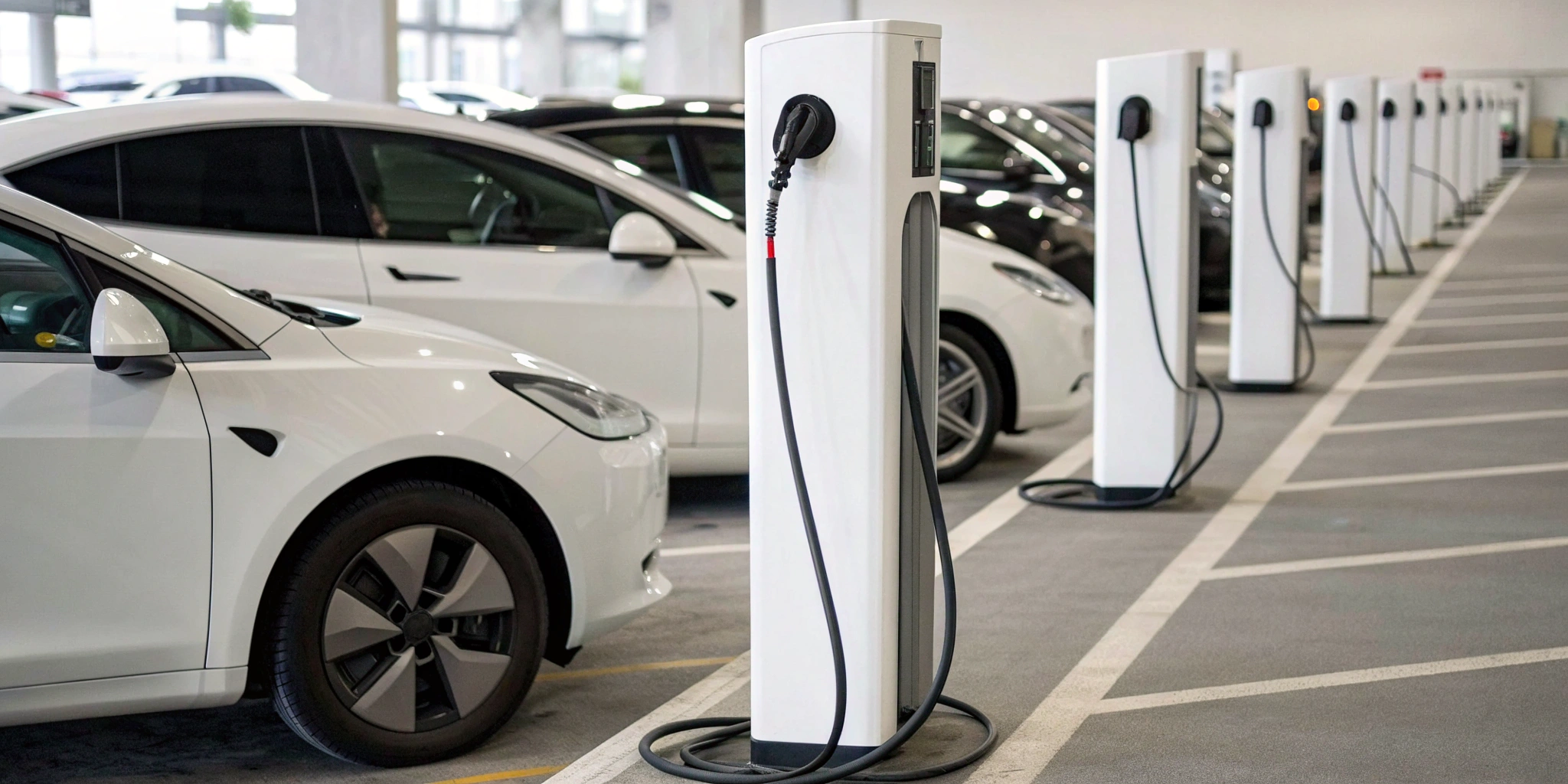
For a much faster and more practical solution, you’ll want a Level 2 charger. These units use a 240-volt outlet, similar to an electric dryer, and can fully charge most EVs in just four to eight hours. This means you can plug in when you get home and wake up to a full battery every morning. A Level 2 charger requires professional installation by a qualified electrician to ensure it’s wired safely and correctly.
Hardwired vs. Plug-In: What’s the Difference?
Once you’ve decided on a Level 2 charger, you have another choice: hardwired or plug-in. A plug-in charger connects to a 240-volt outlet in your garage or on the side of your house. The main advantage here is portability; if you move, you can simply unplug the unit and take it with you. An electrician would just need to install the proper outlet.
A hardwired charger, on the other hand, is wired directly into your home’s electrical system. This often results in a cleaner, more permanent installation and can be a safer option for outdoor setups since there are fewer connection points exposed to the elements. Both options are great, and choosing between them often comes down to personal preference and whether you plan to stay in your home long-term. A company offering residential electric services can handle either type of installation.
Will Your Charger Be Indoors or Outdoors?
Where you put your charger is just as important as which one you choose. The most common spot is inside a garage, where the unit is protected from weather, which can extend its lifespan. An indoor setup also makes it easier for smart chargers to connect to your home’s WiFi network, ensuring you get automatic software updates and can use all the connected features without interruption.
If you don’t have a garage, an outdoor installation is completely fine—you just need to use a charger specifically rated for outdoor use (look for a NEMA 3R or 4X rating). These units are built to withstand rain, snow, and dust. Your installer will make sure the wiring is properly protected and meets all local electrical codes for outdoor equipment, giving you a safe and reliable charging station on your driveway or carport.
Why You Might Want a Smart Charger
A smart charger is a Level 2 charger that connects to your home’s WiFi. This connectivity opens up a world of convenient and money-saving features. With a smart charger, you can use a smartphone app to schedule your charging sessions. This allows you to take advantage of off-peak electricity rates, charging your car overnight when energy is cheapest.
Beyond scheduling, smart chargers let you track your energy consumption, get notifications when your car is fully charged, and even control the charger remotely. Some models can also communicate with your utility company to participate in programs that might offer you additional rebates or bill credits. While they cost a bit more upfront, the long-term savings and added convenience make them a popular choice for many EV owners.
Understanding General Electrician Costs
Whether you’re planning to install an EV charger, upgrade your electrical panel, or invest in a home backup generator, understanding the cost is a crucial part of the process. The final price for any electrical project can vary quite a bit, but knowing how professionals structure their fees can help you budget accurately and choose the right expert for the job. Most electricians use one of two common pricing models, and the total cost is influenced by a handful of key factors related to the complexity and scope of the work. Getting familiar with these basics will empower you to ask the right questions and feel confident that you’re receiving a fair and transparent quote for your project.
Common Pricing Models: Hourly vs. Fixed Fee
When you receive a quote, it will likely be based on either an hourly rate or a fixed fee. An hourly rate is common for troubleshooting and smaller repairs where the full scope of the work isn’t clear from the start. You pay for the time the electrician spends diagnosing and fixing the issue. A fixed-fee, or flat-rate, price is more common for well-defined projects. With this model, you agree on a total cost for the entire job upfront, regardless of how many hours it takes. This provides peace of mind and cost certainty, which is why it’s often preferred for larger projects, from panel upgrades to a full standby generator installation.
Factors That Influence the Final Price
Several key elements will shape the final cost of your electrical work. The complexity of the job is the biggest factor; for example, running a new dedicated circuit for a high-powered appliance is more involved than simply replacing a switch. The cost of materials, from copper wiring and circuit breakers to the specific hardware you’ve chosen, will also be included in the quote. For larger projects, the price will account for any necessary permits and inspections required by your local municipality to ensure everything is up to code. Finally, the accessibility of the work area can play a role. If an electrician needs to work in a tight crawlspace or a hard-to-reach attic, the job may require more time and labor, which can be reflected in the cost of any electrical repairs or installations.
Breaking Down EV Charger Installation Costs
When you’re planning your budget for a home EV charger, it’s helpful to know that the final price involves more than just the charger itself. Several key factors influence the total cost, from the type of equipment you select to the unique layout of your home’s electrical system. Understanding these variables will help you get a clear and accurate quote from a professional installer.
The main components that shape the cost are the charger and any necessary hardware, the complexity of the installation work, local permit and inspection fees required in Chester County, and the professional labor to get the job done right. A qualified electrician will assess your specific situation to account for each of these elements. For example, an older home might need an electrical panel upgrade to safely handle the new load, while a newer home may only require a simple circuit installation. This initial assessment is one of the most important steps, as it prevents surprise costs down the line. It’s not just about getting power to your car; it’s about integrating a high-powered appliance into your home safely and efficiently. Thinking through these factors beforehand will prepare you for a smooth and predictable installation process, ensuring your new charger works perfectly from day one.
Charger and Equipment Costs
The first piece of the puzzle is the charging station you choose. Level 2 chargers, which are the standard for home installation, vary in price based on brand, amperage, and features like Wi-Fi connectivity. Beyond the unit itself, the distance from your electrical panel to your desired charging location plays a big role. A longer distance requires more wiring and conduit, which adds to the material and labor costs. If you’re installing the charger in a specific spot that requires extra mounting hardware or a pedestal, that will also be factored into the final price.
Your Home’s Electrical Setup
Every home is different, and the current state of your electrical system is a major cost driver. Many homes, especially older ones in Chester County, may need a panel upgrade to accommodate the 240-volt circuit a Level 2 charger requires. If your panel lacks the capacity for a new dedicated circuit, a professional will need to install a larger one. This is a crucial step for safety and performance. The complexity of running the new wiring—whether it’s through finished walls, an attic, or underground to a detached garage—also affects the scope of the residential electric work and the overall cost.
Local Permit and Inspection Fees
Installing an EV charger is a significant electrical project that requires professional oversight to ensure it’s done safely and correctly. Municipalities throughout Chester County require electrical permits for this type of work. A reputable installer will handle the entire permitting process for you, from filing the application to scheduling the final inspection. The fees for these permits and inspections are set by the local authorities and are typically included in your total project quote. This process guarantees that your installation meets all current electrical codes, giving you peace of mind.
Labor Costs and Project Timeline
The cost of professional labor covers the expertise, time, and precision required for a safe and reliable installation. A straightforward project in a home with a modern electrical panel might only take a few hours. However, more complex jobs that involve panel upgrades, extensive wiring, or trenching can extend the timeline. Investing in a qualified electrician ensures that every connection is secure and the system is optimized for your vehicle. This professional service is essential for the long-term performance of your charger and the safety of your home’s electrical system.
What Happens After Installation? A Look at Ongoing Support
Getting your EV charger installed is a huge step, but the relationship with your installer shouldn’t end there. Think of it like any other major home appliance—you want to know there’s a plan for keeping it running safely and efficiently for years to come. Great post-installation support is what separates a one-and-done job from a true professional partnership. It’s about having peace of mind knowing that an expert is available to help if something goes wrong or if you just need advice on getting the most out of your new charger.
A reliable installer will offer a clear plan for ongoing support. This should cover everything from routine check-ups to emergency repairs. They should be able to explain their maintenance packages, warranty details, and how to get in touch when you need them. This long-term commitment ensures your investment is protected and that you can always charge your vehicle without worry. Before you sign a contract, make sure you understand exactly what kind of support you’ll receive after the installation crew leaves.
Scheduled Safety Checks
Just like your home’s main electrical system, your EV charger benefits from regular check-ups. Routine safety inspections help catch small issues before they become big problems, ensuring your charger remains safe and reliable. During an inspection, a qualified electrician will check all the connections, examine the wiring for wear and tear, and test the unit’s performance. This proactive approach not only protects your vehicle and your home but also extends the life of your charging station. A good installer will offer a maintenance plan that includes these essential electrician repairs.
Software Updates and Monitoring
Modern smart chargers are more than just plugs—they’re sophisticated pieces of technology with their own software. This software often needs updates to add new features, improve performance, or patch security vulnerabilities. Your installer or a dedicated service provider should be able to manage these updates for you. They can also monitor your charger’s performance remotely to spot irregularities. If there’s a hardware issue, like a faulty cable or internal component, they’ll have the expertise to diagnose and fix it, keeping your charger running at its best and ensuring it operates efficiently for every charge.
Do They Offer On-Call Repairs?
Even with perfect maintenance, things can sometimes go wrong. A cable might get damaged, or an internal component could fail. When that happens, you need access to prompt and reliable repair services. A quality installer will have a dedicated team ready to handle these situations. Ask about their response times and whether they offer an extended warranty to cover unexpected repair costs. Having a trusted residential electrician on call means you won’t have to scramble to find a qualified technician, minimizing downtime and getting you back on the road faster.
Help with Troubleshooting and Optimization
Sometimes, a problem doesn’t require a full-blown repair. Your installer should provide you with basic troubleshooting guidance for common hiccups. They can also help you optimize your charger’s settings to fit your lifestyle. For example, they can show you how to schedule charging sessions during off-peak hours to take advantage of lower electricity rates, saving you money over time. Simple maintenance you can do yourself, like keeping the unit clean and visually inspecting the cables and connectors, also goes a long way in preventing issues and ensuring your charger is always ready to use.
Save Money with EV Charger Rebates in Chester County
Installing a home EV charger is a smart investment, and the good news is you don’t have to cover the entire cost yourself. Various federal, state, and local programs are designed to make the switch to electric driving more affordable. Taking a little time to research these rebates and credits can save you a significant amount of money on your installation project. Let’s walk through some of the key incentives available to you as a Chester County resident.
Federal Tax Credits
Let’s start with the big one: the federal government. You may be eligible for the 30C EV Charger Tax Credit, which can make a real difference. This credit allows you to claim up to $1,000 for the cost of purchasing and installing a qualified charger at your main home. It’s a straightforward way to reduce your tax bill and lower the upfront cost of your EV setup. Just keep in mind that the installation needs to be completed by June 30, 2026, to qualify. This is a great opportunity to pair with any rebates you received on your vehicle purchase.
Pennsylvania State Incentives
On top of the federal credit, Pennsylvania offers its own incentives to encourage drivers to go electric. The state’s Alternative Fuel Vehicle Refueling Property Credit is designed to further reduce the cost of your home charger installation. Think of it as another layer of savings that makes the project even more budget-friendly. Exploring these Pennsylvania EV incentives is a crucial step in maximizing your savings. It’s always worth checking what programs are currently active, as they can change from year to year.
Rebates from Your Local Utility
Don’t forget to check in with your local utility provider. Many electric companies in our area offer their own rebates to customers who install Level 2 charging stations. For example, some co-ops provide a rebate to help cover the upgrade. These programs are designed to support the local grid and reward you for making an energy-conscious choice. It’s a good idea to visit your utility’s website or give them a call to see what Pennsylvania EV rebates they currently have available. A quick search could uncover extra savings you didn’t know about.
Energy-Saving Recommendations from Your Electrician
Beyond handling installations and repairs, a great electrician can also be your partner in making your home more energy-efficient. With electricity costs always on the mind of homeowners, finding ways to reduce your monthly bill without sacrificing comfort is a huge win. Many people don’t realize that their home’s electrical system holds significant potential for savings. Simple upgrades and a professional assessment can uncover opportunities to cut down on waste and lower your energy consumption. It’s not about making drastic changes overnight; it’s about smart, strategic improvements that add up over time, and your local electrician has the expertise to guide you through them.
Scheduling an Energy Savings Analysis
Think of an energy savings analysis as a wellness check-up for your home’s electrical system. During this assessment, a qualified electrician examines how your home consumes power, looking for areas of inefficiency. They’ll inspect everything from your lighting and appliances to your wiring and electrical panel to identify opportunities for improvement. A professional energy assessment can reveal outdated fixtures that are draining power or suggest simple habit changes that can make a difference. By getting this expert overview, you could find ways to save a surprising amount on your monthly bills, sometimes up to 25%, putting that money back in your pocket.
Upgrading to LED Lighting
One of the most effective and straightforward ways to reduce your energy use is by upgrading your home’s lighting. If you’re still using old incandescent bulbs, switching to LED (light-emitting diode) technology is a game-changer. According to Energy.gov, LED bulbs use at least 75% less energy and last up to 25 times longer than their traditional counterparts. This means you’ll spend less on electricity and less on replacement bulbs. You can start small by swapping out bulbs in your most-used fixtures, like in the kitchen and living room. For a bigger impact, a professional can help with projects like installing recessed LED lighting or outdoor security fixtures, enhancing both the efficiency and ambiance of your home.
How to Prepare Your Home for an EV Charger
Bringing home a new electric vehicle is exciting, but before you can enjoy the convenience of charging overnight, there are a few things to sort out. Preparing your home for an EV charger isn’t complicated, but it does require some planning to make sure the installation is safe, efficient, and ready for your needs. A little bit of prep work now ensures a smooth process and saves you from potential headaches later.
Thinking through your home’s electrical setup, the best spot for the charger, your daily driving habits, and your future plans will make all the difference. It helps you and your installer get on the same page from day one. A qualified electrician can walk you through each of these steps, but having a good understanding yourself puts you in control of the project. Taking the time to get these details right ensures your new charger fits perfectly into your home and lifestyle.
Check Your Electrical Panel’s Capacity
Think of your electrical panel as the heart of your home’s power system. It distributes electricity everywhere it needs to go, and adding an EV charger is like asking it to support another major appliance. A Level 2 charger, which most EV owners use, draws a significant amount of power. Your panel needs to have enough capacity to handle this new load without getting overwhelmed. Many older homes, especially in historic parts of Chester County, may have panels that aren’t equipped for this. A professional can perform a load calculation to see if your current panel is up to the task or if you need to upgrade your electrical service.
Where Should Your EV Charger Go?
Where you put your charger matters for both convenience and cost. The ideal location is usually in a garage or carport, close to where you park and protected from the weather. You’ll want to consider the length of your EV’s charging cable to make sure it can comfortably reach the car’s port. The distance from your electrical panel is also a key factor; a shorter distance means a less complex and more affordable installation. An experienced installer can help you survey your property to find the perfect spot that balances accessibility, safety, and your budget. This simple decision is key to making your daily charging experience feel effortless.
Map Out Your Daily Charging Routine
Before you choose a charger, think about how you’ll actually use it. Are you a daily commuter who needs to replenish a lot of range overnight? Or do you mostly make short trips around town and only need to top off the battery every few days? Your driving habits will determine how much charging speed you really need. Understanding your routine helps your electrician recommend the right charger and ensure the circuit is properly set up for your demands. A professional installation includes testing the entire system to confirm it can reliably support your charging schedule, giving you peace of mind that you’ll always have a full battery when you need it.
Planning for a Second EV
It’s becoming more common for households to have more than one electric vehicle. When preparing your home for your first EV charger, it’s smart to think about what you might need in the future. If you’re already upgrading your electrical panel, consider sizing it to handle a second charger down the line. This can save you from having to do another major electrical project in a few years. You could also install wiring that can support a more powerful charger than you currently need. A little bit of forward-thinking can make your home EV-ready for years to come, ensuring you’re prepared as your transportation needs evolve.
Related Articles
- Home Car Charger Installation: A Step-by-Step Guide
- EV Charger Installation Cost: A 2025 Breakdown
- EV Car Home Charger Installation: A Complete Guide
- Commercial EV Charging Installation: A Complete Guide
- How to Install a Home Car Charger: 4 Key Steps
Frequently Asked Questions
My house is pretty old. Can it handle a home EV charger? This is a very common concern, especially in areas like Chester County with beautiful, historic homes. The answer depends entirely on your home’s electrical panel. Many older panels don’t have the capacity for the dedicated circuit a Level 2 charger needs. A qualified electrician can perform a load calculation to assess your system and determine if an upgrade is necessary. It’s a standard part of the process, and a professional will ensure it’s done safely to protect both your home and your new vehicle.
How long does a typical EV charger installation take? For a straightforward installation where your electrical panel has enough capacity and is located near your garage, the work can often be completed in just a few hours. However, if the project requires more complex wiring, trenching for an outdoor setup, or a full panel upgrade, it could take a full day or more. A professional installer will give you a clear timeline after they assess your home’s specific layout.
Do I really need a Level 2 charger, or is the one that came with my car good enough? The cord that comes with your car is a Level 1 charger, which plugs into a standard wall outlet. While it works, it’s very slow, adding only a few miles of range per hour. For most EV owners, a Level 2 charger is a worthwhile upgrade. It charges your car much faster, often overnight, making it far more practical for daily driving. Think of it as the difference between filling a pool with a garden hose versus a fire hose—both get the job done, but one is much more efficient for regular use.
What happens if I move? Can I take my charger with me? You absolutely can. This is where the choice between a plug-in and a hardwired charger comes into play. A plug-in model connects to a 240-volt outlet, much like an electric dryer. If you move, you can simply unplug the unit and take it with you. A hardwired charger is connected directly to your home’s wiring, but it can still be uninstalled by an electrician and moved to your new home.
Besides the installation, what other costs should I expect? The main costs are the charger itself and the professional labor to install it. However, a few other factors can influence the final price. These can include local permit fees, which are required for this type of electrical work, and the cost of any necessary upgrades to your electrical panel if it lacks the capacity for the new circuit. A trustworthy installer will provide a detailed quote that breaks down all these potential costs upfront so there are no surprises.