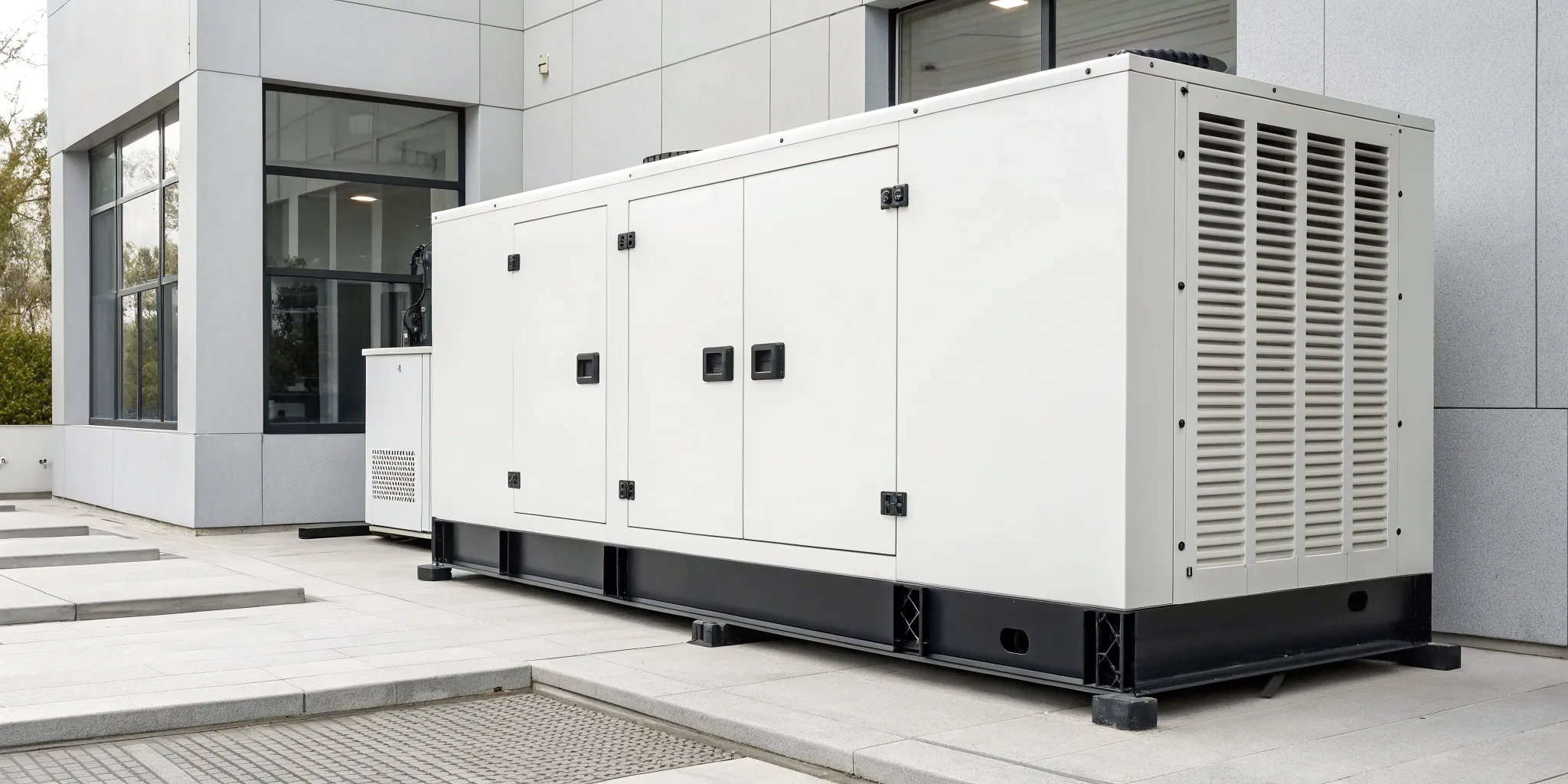
Here in Southeastern Pennsylvania, a power outage is more than an inconvenience—it’s a direct hit to your business. For local companies in Chester or Montgomery County, every minute the lights are out means lost revenue and stalled operations. You need a backup power solution tailored to our region and installed by a team that truly understands local codes. Investing in a commercial standby generator isn’t just about buying equipment; it’s about securing your business’s future. This guide breaks down the key factors to consider, ensuring you choose a reliable system that keeps you running, no matter the weather.
Key Takeaways
- Plan Before You Purchase: The most critical step is a professional assessment of your power needs, fuel availability, and site location. This ensures you select the right size generator from the start, preventing costly issues with an undersized or improperly placed unit.
- Invest in a Partnership, Not Just a Machine: A generator’s reliability is tied to the brand’s reputation and the installer’s expertise. Choosing a trusted brand with a strong local service network guarantees expert installation, ongoing maintenance, and support when you need it.
- Budget for the Entire Project: The final cost includes more than just the generator itself. A successful investment accounts for professional installation, local permits, and a long-term maintenance plan to ensure your system is safe, compliant, and ready to perform for years.
How to Choose the Right Commercial Standby Generator
Selecting the right commercial generator is one of the most important investments you can make in your business’s stability. It’s not just about keeping the lights on; it’s about protecting your operations, data, and revenue. But with so many options, how do you find the perfect fit? It comes down to understanding your specific needs and the key features that separate a good generator from a great one. Thinking through your power requirements, fuel availability, and essential features will help you make a confident and informed decision for your company’s future.
How to Calculate Your Power Needs
One of the most common mistakes businesses make is choosing a generator that’s too small. To avoid this, you need to accurately assess your power needs to ensure the generator can handle your entire load during an outage. Start by making a list of every piece of equipment that must stay running, from your servers and security systems to refrigeration and critical machinery. A professional load calculation is the best way to determine the exact size you need, accounting for both the starting and running wattage of your equipment. A proper commercial generator installation always begins with this critical step to ensure your generator performs reliably when you need it most.
Diesel, Natural Gas, or Propane: Which is Best?
The right fuel type for your generator depends on your location, budget, and what’s most accessible to your business. The three main options are natural gas, diesel, and liquid propane. Natural gas is a popular choice because it connects directly to your utility line, providing a continuous fuel supply without the need for refueling. Diesel generators are known for their power and efficiency but require a large on-site storage tank. Propane is a clean-burning and stable fuel that can be stored on-site for long periods, making it a reliable alternative. Each type of Generac generator offers distinct advantages, so it’s important to weigh the pros and cons for your specific operational needs.
Decoding Cooling Systems and Electrical Phases
It’s important to understand that not all generators are created equal. Commercial-grade generators have specific features designed for heavy-duty use, including advanced cooling systems and different electrical phase capabilities. Smaller generators are often air-cooled, but larger commercial units rely on liquid-cooling systems to manage heat and run efficiently for extended periods. You also need to match the generator to your building’s electrical service. Most commercial properties use three-phase power to run heavy machinery, so your generator must be compatible. Understanding your building’s existing electrical setup is key, and it’s something our expert electricians can help repair and assess.
Essential Features: Transfer Switches and Remote Monitoring
Choosing a backup generator isn’t always straightforward, but certain features can make a huge difference in reliability and convenience. An automatic transfer switch (ATS) is an essential component. It detects a power outage, automatically starts your generator, and seamlessly switches your building to backup power. This means you don’t have to do a thing—it all happens within seconds. Many modern Generac generators also come with remote monitoring capabilities. This technology lets you check your generator’s status from your phone or computer, giving you complete peace of mind whether you’re on-site or away.
Why Invest in a Commercial Standby Generator?
Thinking about a commercial generator might feel like preparing for a worst-case scenario, but it’s one of the most practical investments you can make for your business. Power outages are more than just a minor inconvenience; they can halt your operations, damage your reputation, and cut directly into your revenue. In a world where customers expect constant availability, any amount of downtime can put you at a disadvantage.
A standby generator isn’t just about keeping the lights on. It’s a core component of a solid business continuity plan. It ensures your security systems keep running, your payment processing stays online, and your team can continue serving customers without missing a beat. Investing in reliable backup power from a trusted brand like Generac means you’re not leaving your business’s stability to chance. It’s a proactive step that protects your assets, your employees, and the trust you’ve built with your community. When the power goes out for everyone else, you’ll be ready.
Avoid Costly Downtime and Lost Revenue
Every minute your business is without power, you’re losing money. A power outage can bring your operations to a complete standstill, stopping important work and turning away customers. For a retail store, it means point-of-sale systems go dark. For a restaurant, it means a dark kitchen and lost reservations. For an office, it means a team of employees who can’t access their tools. A commercial generator installation ensures that when an outage hits, your business keeps running smoothly, protecting your revenue stream and your professional reputation.
Protect Your Critical Equipment and Data
Sudden power failures can be brutal on your essential equipment. Sensitive electronics, servers, and specialized machinery aren’t designed for abrupt shutdowns, which can lead to costly damage and data corruption. A standby generator provides seamless, uninterrupted power, acting as a shield for your most critical assets. It kicks in automatically the moment an outage is detected, so your systems can continue operating without a flicker. This protects your hardware from surges and ensures your valuable business and customer data remains safe and intact.
Stay Ahead of Compliance and Regulations
For many businesses, a backup power source isn’t just a good idea—it’s a requirement. Industries like healthcare, assisted living, data management, and food service often have strict regulatory standards that mandate uninterrupted power. Failing to meet these compliance rules can lead to hefty fines, legal trouble, or even the loss of your license to operate. A standby generator ensures you remain compliant and operational, providing the consistent power necessary to meet industry-specific safety and operational standards, no matter what’s happening with the local grid.
Build a Foundation for Business Continuity
Ultimately, a generator is about ensuring your business can weather any storm and continue to operate for years to come. Losing power can be costly, but a reliable generator ensures you can continue operations without interruption. This builds incredible trust with your customers, who will see you as the dependable choice, especially when competitors are forced to close their doors. By investing in business continuity, you’re also investing in your brand’s reputation for reliability. And with a proper generator maintenance plan, you can count on that power for the long haul.
Industries That Depend on Backup Power
For some businesses, a standby generator is more than just a smart investment—it’s an operational necessity. In certain industries, the consequences of a power outage go far beyond simple inconvenience, leading to massive financial losses, regulatory penalties, or even risks to public safety. These sectors rely on a constant, uninterrupted flow of electricity to power critical equipment, protect sensitive data, and serve their communities. From the production lines that drive our economy to the healthcare facilities that keep us safe, reliable backup power is the silent partner that ensures everything runs smoothly, no matter what the weather is doing outside.
Manufacturing and Construction
In manufacturing and construction, every second of uptime counts. Power outages can bring production lines to a grinding halt, causing costly delays, wasted materials, and idle teams. For these industries, a power loss isn’t just an interruption; it’s a direct hit to the bottom line. A reliable commercial generator ensures that heavy machinery, safety systems, and project timelines are protected. By investing in a professional commercial generator installation, you can keep your operations moving forward, meet your deadlines, and maintain your competitive edge, even when the local power grid fails.
Data Centers and Healthcare
Nowhere is uninterrupted power more critical than in data centers and healthcare facilities. For hospitals, clinics, and assisted living centers, a power outage can put lives at risk by disabling life-support systems and essential medical equipment. Similarly, data centers must maintain constant power to protect sensitive information and keep digital services online. These industries operate under strict regulatory standards that mandate backup power solutions. A dependable Generac generator is essential for meeting compliance requirements, ensuring patient safety, and safeguarding critical data infrastructure around the clock.
Retail and Hospitality
For businesses in the retail and hospitality sectors, customer experience is everything. A power outage can shut down point-of-sale systems, security cameras, kitchen equipment, and lighting, forcing you to turn away customers and lose valuable revenue. Every minute your doors are closed is a minute your competitors are open. A standby generator allows you to continue serving your customers seamlessly, processing payments, and providing a safe, comfortable environment. It transforms a potential crisis into an opportunity to be the reliable choice in your community, building customer loyalty and protecting your reputation.
How to Find a Generator Brand You Can Trust
Choosing a commercial generator is a significant investment in your business’s future, so the brand you choose matters. A reputable brand offers more than just a piece of equipment; it provides peace of mind through proven reliability, ongoing innovation, and a solid support system. When you’re comparing options, think about the company’s history, its focus, and its commitment to customers long after the sale. A great brand stands behind its products with a strong warranty and an extensive network of certified professionals who can provide expert service when you need it. This ensures your generator will perform reliably for years to come, protecting your business from the costly consequences of a power outage.
Why Choose a Generac Generator?
When you start looking at generator brands, you’ll quickly see that Generac is a leader in the industry. That’s because they’ve focused exclusively on power generation for over 60 years. This isn’t just one division of a larger company; it’s their entire business. This specialization has allowed them to innovate and perfect their products, offering a wide range of Generac generators that run on various fuels like natural gas, liquid propane, and diesel. Their singular focus means they understand the demands of backup power better than anyone, building machines designed for durability, efficiency, and immediate response when the power goes out. Choosing Generac means you’re investing in decades of specialized expertise.
What Key Features Should You Compare?
Comparing generator models can feel complex, but focusing on a few key features will help you make a clear choice. While power output is important, look for features that add convenience and reliability. An automatic transfer switch (ATS) is non-negotiable for a commercial setup, as it seamlessly shifts your building’s power source to the generator during an outage. Also, consider remote monitoring capabilities. Generac’s Mobile Link™ technology lets you check your generator’s status from anywhere using your phone or computer, giving you confidence that it’s ready to go. Finally, examine the construction of the enclosure—a durable, all-weather aluminum casing protects your investment from the elements and reduces noise.
Environmental and Efficiency Technology
Today’s commercial generators are engineered for impressive efficiency. Modern units are designed to extract the maximum amount of power from every drop of fuel, which translates directly into lower operating costs and a reduced environmental footprint for your business. This isn’t just about being green; it’s about smart, sustainable operations. An efficient generator runs more cost-effectively during an extended outage, saving you money while providing reliable power. When you invest in a newer model, you’re getting technology that works harder and smarter, ensuring your business has the power it needs without unnecessary waste. This focus on efficiency is a core part of what makes a modern Generac generator a sound long-term investment.
Low-Emission and Compliant Models
As environmental regulations become more stringent, choosing a generator that meets local and federal emission standards is more important than ever. Many industries have strict compliance requirements, and a non-compliant generator can lead to significant fines. Modern diesel generators often incorporate advanced technologies like Diesel Particulate Filters (DPF) and Selective Catalytic Reduction (SCR) to drastically cut down on harmful emissions. Opting for a low-emission model ensures your business stays compliant and operates as a responsible community partner. A professional commercial generator installation includes verifying that your chosen unit meets all necessary regulations in your area, giving you one less thing to worry about.
Hybrid Solutions and Load Management
One of the most significant advancements in generator technology is intelligent load management. Instead of running at full capacity all the time, these smart generators can sense your building’s real-time power demands and adjust their output accordingly. This means the engine only produces the power that’s actually needed, which dramatically improves fuel efficiency and reduces wear and tear on the machine. This load-sensing capability is perfect for businesses with fluctuating power needs, ensuring you’re not burning excess fuel during periods of lower demand. It’s a sophisticated feature that supports both sustainability and your bottom line, and proper generator service and repair ensures these systems continue to operate at peak performance.
What Does the Warranty Actually Cover?
A manufacturer’s warranty is a direct reflection of its confidence in the product. Don’t just glance at the number of years; take a moment to understand what’s covered. A comprehensive warranty should cover parts and labor for a significant period, protecting you from unexpected repair costs. When you work with a professional dealer, they can walk you through the specifics of the warranty for the models you’re considering. This is a critical step in ensuring your commercial generator installation is a secure, long-term investment. A strong warranty from a brand like Generac shows they are committed to quality and are prepared to stand behind their equipment.
Why a Strong Service Network is Non-Negotiable
Your generator is only as reliable as the team that supports it. Any business that depends on continuous power needs a brand with a strong service network. This ensures that certified technicians are available for proper installation, routine maintenance, and urgent repairs. Generac has built an extensive, nationwide network of certified dealers and technicians, so expert help is always nearby. Choosing a brand with a robust support system means you’ll have access to professionals who are factory-trained to handle every aspect of Generac maintenance and service, keeping your system in peak condition and ready for any outage.
How Much Does a Commercial Generator Really Cost?
Investing in a commercial generator is a significant step toward protecting your business from power outages. While it’s a major purchase, thinking of it as an investment in continuity, security, and peace of mind can help frame the decision. The final price tag isn’t just about the generator itself; it includes several critical components that ensure your system runs safely and reliably for years to come.
Understanding the full scope of the costs from the beginning helps you budget effectively and avoid surprises down the road. From the initial purchase and professional installation to ongoing maintenance and potential financing, each piece plays a vital role. A clear picture of these expenses allows you to plan properly and secure the right backup power solution for your business’s unique needs. By breaking down the costs, you can see exactly what you’re paying for: a complete system that safeguards your revenue, data, and operations when the grid goes down. It’s not just about buying a machine; it’s about implementing a comprehensive power strategy.
Breaking Down the Initial Purchase Price
The first number you’ll encounter is the cost of the generator unit itself. Prices for commercial generators can vary widely, often starting in the low five figures and increasing based on power output (kilowatts) and features. A small retail shop will have very different needs than a large manufacturing facility or a medical office with sensitive equipment. The key is to match the generator’s capacity to your specific operational requirements. A professional load calculation is the best way to determine the right size, ensuring you don’t overspend on a unit that’s too large or risk failure with one that’s too small.
Understanding Common Power Ranges
As you explore your options, you’ll notice commercial generators are categorized by their power output, measured in kilowatts (kW). The range is vast, from smaller 22 kW units that can power a small office or retail shop, to powerful 150 kW+ systems built for large-scale operations like warehouses or medical facilities. Getting this number right is everything. A generator that’s too small won’t be able to handle your critical equipment, while one that’s too large is an inefficient use of your budget. That’s why a professional load calculation is essential. We look at everything—from your HVAC and security systems to specialized machinery—to determine the exact power you need. This ensures your commercial generator installation is perfectly sized and compatible with your building’s voltage requirements, giving you reliable power without compromise.
Accounting for Installation and Permitting Costs
The price of the generator is just one part of the equation. Professional installation is essential for safety and performance, and it involves more than just placing the unit and plugging it in. The process includes preparing the site, running fuel and electrical lines, and integrating the automatic transfer switch. A qualified team handles the entire commercial generator installation, including securing the necessary local permits and ensuring everything is up to code. Factoring these services into your initial budget is crucial for a smooth, compliant, and successful setup from day one.
Planning for Ongoing Maintenance and Fuel Costs
To keep your generator ready for an emergency, you need to plan for its upkeep. Think of it like a car—it needs regular service to perform reliably. A proactive maintenance plan prevents unexpected failures and extends the life of your investment. Scheduled generator maintenance includes tasks like oil changes, filter replacements, and system diagnostics to ensure every component is in top condition. Building this ongoing service into your operational budget protects your generator and, by extension, your business, ensuring it’s ready to perform the moment you need it.
What Are Your Financing and Leasing Options?
A commercial generator is a valuable asset, but the upfront cost can be a hurdle for some businesses. Fortunately, you don’t always have to handle it with a single lump-sum payment. Many providers offer flexible financing options that allow you to spread the cost over time with manageable monthly payments. Exploring Generac financing can make this critical investment more accessible, helping you protect your business without straining your cash flow. This approach allows you to get the reliable backup power you need now while aligning the expense with your long-term budget.
Renting a Commercial Generator as an Alternative
While purchasing a generator is a fantastic long-term investment in your business’s stability, it isn’t the only option. For some businesses, renting a commercial generator offers a flexible and practical solution for temporary power needs. Renting can be the perfect answer for short-term projects, seasonal demands, or as a bridge to a more permanent solution. It allows you to access reliable backup power without the upfront capital investment and long-term commitment of ownership. This approach is ideal for situations where your power requirements are temporary or when you need a solution in place immediately while you plan for a permanent installation.
When Does Renting Make Sense?
Deciding between renting and buying comes down to your specific circumstances. Renting makes the most sense when your need for backup power is clearly defined and temporary. Think of it as a strategic tool for specific situations rather than a permanent fixture. It’s an excellent choice for planned events where you need to power extra equipment, during scheduled facility maintenance that requires shutting down your main power, or in an emergency when you need power restored instantly. For businesses in these scenarios, renting provides a cost-effective way to avoid downtime without committing to a permanent asset.
Planned Maintenance or Special Events
If your business has a scheduled power-down for system upgrades or maintenance, a rental generator can keep your operations running without a hitch. It’s also the perfect solution for powering outdoor festivals, concerts, or large corporate events where grid access is limited. A rental provides the necessary power to run lighting, sound systems, and vendor stalls, ensuring your event is a success. This allows you to meet a temporary increase in power demand without investing in a permanent unit that might go unused for the rest of the year.
Unexpected Outages or Temporary Needs
Sometimes, the need for backup power is sudden and urgent. A severe storm, an unexpected equipment failure, or a local grid issue can leave you without power when you least expect it. In these emergency situations, a rental generator can be deployed quickly to get your business back online, minimizing financial losses and operational disruptions. It serves as a critical lifeline while you assess the situation or wait for a permanent generator service and repair, ensuring you can continue to serve your customers.
Understanding the Purchase and Delivery Process
Once you’ve decided that owning a commercial generator is the right move for your business, the next step is navigating the purchase and delivery process. This isn’t as simple as ordering something online and waiting for it to arrive. A commercial generator is a heavy, complex piece of industrial equipment, and its journey from the factory to your property involves significant logistical planning. Understanding these steps ahead of time can help you avoid common pitfalls and ensure a smooth process from start to finish. Working with an experienced local dealer simplifies this entire experience, as they manage the coordination, shipping, and final placement, letting you focus on your business.
Shipping and Delivery Logistics
The logistics of getting a commercial generator to your site are more involved than many people realize. These units can weigh thousands of pounds and require specialized freight shipping. You’ll need to consider factors like site accessibility for a large delivery truck, the equipment needed to offload the generator, and how it will be moved from the drop-off point to its final installation pad. Coordinating all these moving parts can be a major challenge, which is why partnering with a full-service provider is so valuable. A dedicated team handles these details, ensuring your new generator arrives safely and is placed correctly for installation.
Factory Direct Shipping vs. Local Pickup
Many online retailers ship generators “drop ship only,” which means the unit is sent directly from the manufacturer’s factory to your location. While this might seem efficient, it often leaves you responsible for everything that happens once the truck arrives. This is a stark contrast to working with a local dealer who manages the entire process. A local partner like M.T. Ruhl handles the ordering, receives the shipment, and coordinates the final delivery and placement as part of a comprehensive commercial generator installation, removing the logistical burden from your shoulders.
Preparing for a Curbside Delivery
If you order a generator online, it will likely arrive via a “curbside delivery.” This means the freight company is only responsible for getting the unit to the edge of your property, often at the curb. Because these generators are extremely heavy, you’ll need to have a plan—and the right equipment, like a forklift—to move it from the truck to the ground and then to the installation site. This is a significant, often overlooked, challenge. When you work with a professional installation team, they handle all the heavy lifting, ensuring the generator is safely and correctly positioned without you having to worry about a thing.
4 Common Mistakes When Buying a Generator (And How to Avoid Them)
Investing in a commercial generator is a big step toward protecting your business, but it’s easy to get tripped up by a few common missteps. Getting it right from the start saves you from headaches, unexpected costs, and the risk of not having power when you need it most. Think of this as your guide to sidestepping the most frequent pitfalls so you can feel confident in your decision.
The right generator is more than just a piece of equipment; it’s a core part of your business continuity plan. From picking the wrong size to overlooking local regulations, a small oversight can have significant consequences. We’ll walk through the four biggest mistakes we see businesses make and show you how to avoid them. A successful commercial generator installation begins with smart planning, and that’s exactly where we’ll start. By understanding these potential issues ahead of time, you can ensure your generator is a reliable asset for years to come.
Mistake #1: Choosing a Generator That’s Too Small
One of the most frequent and costly errors is choosing a generator that’s too small for your needs. It’s tempting to try and save money with a smaller unit, but an undersized generator won’t be able to handle your building’s electrical load during an outage. This can lead to flickering lights, equipment shutting down, or the generator failing completely when you’re counting on it. It also puts unnecessary strain on the unit, which can shorten its lifespan and lead to expensive repairs. You need a generator that can comfortably power your essential systems without being pushed to its absolute limit from day one.
Mistake #2: Ignoring Your Site and Fuel Source
Where you put your generator and how you fuel it are just as important as the unit itself. Different fuels—like natural gas, propane, or diesel—have unique requirements for storage and delivery. You need to consider which fuel source is most reliable and accessible for your location. The site itself also matters. A generator needs proper ventilation, a stable foundation, and must be placed according to local regulations for noise and safety. Simply finding an empty spot in the back of your building isn’t enough; a poor location can impact performance and even violate local codes.
Mistake #3: Skipping the Professional Load Analysis
Guessing your power needs is a recipe for disaster. A professional load assessment is the only way to accurately determine the right size generator for your business. An expert will analyze all your electrical demands, from the HVAC system and lighting to critical servers and specialized machinery. This detailed calculation ensures you account for everything, including the initial power surge when large equipment starts up. Any business that depends on electricity should have a professional assessment. It’s the foundational step that prevents you from undersizing your Generac generator and ensures your investment truly protects your operations.
Mistake #4: Forgetting About Local Codes and Permits
Generator installation is not a DIY project, largely because it’s governed by a web of local codes and permit requirements. These regulations cover everything from electrical wiring and fuel line connections to the generator’s placement and noise levels. Ignoring these rules can lead to failed inspections, hefty fines, or even an order to remove and reinstall the entire system. A qualified installer who understands the specific codes in your service area will handle the permitting process for you. This ensures your installation is safe, compliant, and ready to pass inspection without any costly delays.
Your Step-by-Step Generator Installation Guide
Once you’ve selected the right generator for your business, the next critical step is the installation. A proper installation is far more than just placing the unit and connecting a few wires; it’s a detailed process that ensures your generator operates safely, efficiently, and in compliance with all local regulations. From the initial site walk-through to the final system test, every step is designed to integrate the generator seamlessly with your facility’s existing electrical infrastructure, giving you a reliable source of backup power when you need it most.
Working with a certified team ensures that every detail is handled correctly, from securing the right permits to choosing the optimal location for the unit. A professional commercial generator installation is an investment in reliability. It guarantees that when a power outage strikes, your generator will be ready to perform exactly as it should, protecting your operations, data, and revenue without a hitch. The process is straightforward when you have an experienced partner guiding you through each phase, making sure your business is prepared for anything. This isn’t a DIY project; it’s a specialized trade that requires deep knowledge of electrical systems, fuel lines, and local building codes.
What to Expect from a Professional Site Assessment
The installation process always begins with a professional site assessment. This is a crucial first step where an expert technician visits your facility to map out a precise installation plan. They will evaluate your building’s layout, existing electrical systems, and specific power requirements to determine the best location for the generator. This includes considering factors like ventilation for the exhaust, proximity to fuel lines, and local noise ordinances. The assessment ensures the generator size is perfectly matched to your needs and that the entire system can be installed for optimal performance and accessibility.
Making Sure You’re Up to Code
Installing a commercial generator involves navigating a web of local codes and regulations. A professional installer will handle all the necessary permits and paperwork to ensure your installation is fully compliant with all safety standards. This is a critical part of the process that protects your business from potential fines and liability issues. Because our team works exclusively in Southeastern Pennsylvania, we have a deep understanding of the specific requirements across our service areas, from Chester County to Bucks County. You can have peace of mind knowing your installation will meet every code and pass every inspection.
Selecting the Right Maintenance and Service Plan
Your generator is a major asset, and like any critical equipment, it requires routine care to ensure its longevity and reliability. Routine maintenance is vital for keeping your generator in peak condition. Before the installation is even complete, it’s wise to discuss a service plan. These plans typically include regular inspections, oil and filter changes, and system tests to prevent unexpected failures. A proactive Generac maintenance plan is the best way to protect your investment and ensure your generator is always ready to power on when you need it most.
Final Checks: Testing Your New Generator System
After the generator is installed, the final step is to conduct thorough testing to confirm it operates correctly. This isn’t just a simple on-off switch check. The process includes a full simulation of a power outage to verify the automatic transfer switch engages properly and your business experiences a seamless transition to backup power. We also perform load testing to ensure the generator can handle your facility’s actual electrical demands. Once testing is complete, our team will walk you through the system, answer any questions, and ensure you’re comfortable with your new generator.
Related Articles
- Commercial Generac Generator: The Ultimate Guide
- Generac Generator Prices: A 2025 Buyer’s Guide
- What Size Generac Generator Do I Need? A Simple Guide
- Commercial Standby Generator Installation Essentials
Frequently Asked Questions
How do I know what size generator my business actually needs? The only way to know for sure is with a professional load calculation. This isn’t a quick estimate; it’s a detailed assessment where a technician inventories every piece of essential equipment you need to run during an outage, from your servers to your HVAC system. This process ensures you get a generator that can handle your specific power demands without being overworked, which is the key to reliable performance.
What’s involved in the installation, and how long does it usually take? A professional installation is a multi-step process that includes a site assessment to find the perfect spot, securing all local permits, preparing a concrete pad, and then connecting the fuel and electrical lines. The final step is a full system test. The timeline can vary depending on the complexity of the job and permitting, but an experienced team manages the entire project to make it as smooth and efficient as possible.
Do I need to do anything when the power goes out, or is it automatic? It’s completely automatic. Commercial standby generators are installed with a component called an automatic transfer switch, or ATS. This device constantly monitors the power from the utility grid. The moment it detects an outage, it automatically starts the generator and transfers your building’s power source over to it, all within a matter of seconds. You don’t have to lift a finger.
Why is professional maintenance so important for a new generator? Think of your generator like a company vehicle—it needs regular service to be reliable when you need it most. A maintenance plan ensures that a certified technician is regularly checking the engine, changing the oil and filters, and running diagnostics. This proactive care catches small issues before they become major problems and gives you confidence that your generator will start without fail during the next outage.
What’s the main difference between natural gas and diesel generators for a business? The biggest difference comes down to the fuel source and its logistics. Natural gas generators connect directly to your utility line, providing a continuous and uninterrupted fuel supply. Diesel generators are often more fuel-efficient for very large loads but require a large on-site storage tank that you are responsible for keeping filled. Your choice often depends on what’s most accessible and practical for your specific location and operational needs.