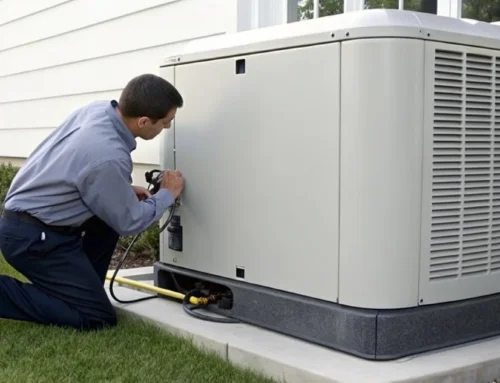

When your Generac generator displays an error code or makes an unusual noise, it’s trying to tell you something. Think of these alerts as a specific language; once you learn to translate them, you can take the guesswork out of troubleshooting. From an overcrank error that points to a starting issue to a low oil pressure warning that protects your engine, each signal has a meaning. This guide acts as your decoder, explaining the most common generac generator problems and the symptoms they create. We will help you understand what your generator is communicating so you can make an informed decision about whether it’s a simple fix or a situation that needs an expert diagnosis from a professional.
Key Takeaways
- Prioritize routine maintenance for reliability: Sticking to a schedule of weekly self-tests and annual professional service is the best way to prevent unexpected failures and keep your generator ready for any outage.
- Troubleshoot simple problems first: Many generator issues have easy solutions, so before calling for service, check for common culprits like a dead battery, low fuel or oil levels, and blocked air vents.
- Recognize when to call an expert: For your safety and to protect your warranty, always contact a certified technician for complex issues such as persistent error codes, strange engine noises, or problems with fuel lines.
What Are the Most Common Generac Generator Problems?
Generac generators are designed for reliability, ready to power your home or business when you need them most. But like any complex piece of machinery, they can sometimes experience issues. Knowing how to spot the most common problems can help you decide if it’s a quick fix or time to call in a professional. From a generator that refuses to start to one that’s running a little too hot, many issues have clear signs and straightforward causes.
Understanding these common hiccups is the first step toward a quick resolution. Below, we’ll walk through some of the typical problems you might encounter with your Generac generator. We’ll cover why your generator won’t start, what to do if it’s overheating, and how to handle a tripping circuit breaker. We will also look at issues like a dead battery, fuel delivery problems, and low oil pressure warnings. While some of these can be addressed with simple troubleshooting, many are signs that it’s time to schedule a Generac service and repair visit to keep your unit in top shape.
Your Generator Won’t Start
It’s the moment you need it, and nothing happens. A generator that won’t start is one of the most common and frustrating issues homeowners face. More often than not, the culprit is the battery. Just like in your car, the generator’s battery can weaken over time and may not have enough power to turn the engine over. Before you panic, check the control panel for any error codes that might point you in the right direction. Other potential causes could be a lack of fuel, a tripped circuit breaker on the unit itself, or an issue with the automatic transfer switch.
It’s Overheating
If your generator feels excessively hot or shuts down unexpectedly during operation, it may be overheating. This is a serious issue that the generator’s safety systems are designed to prevent, as it can cause significant engine damage. The most common cause is restricted airflow. Take a look around your generator and make sure the vents are clear of any obstructions like leaves, snow, or debris. Overheating can also be caused by low oil or coolant levels. If clearing the vents doesn’t solve the problem, it’s best to keep the unit off and call a professional for a thorough inspection.
The Circuit Breaker Keeps Tripping
A circuit breaker is a safety device designed to trip when it detects an electrical overload. If your generator’s breaker keeps tripping, it’s likely trying to power more appliances than it can handle. Try reducing the electrical load by turning off non-essential items and see if that resolves the issue. If the breaker trips even with a minimal load, it could indicate a more serious problem, such as a short circuit in an appliance or a fault within the generator itself. Persistent tripping is a sign you should contact an expert for electrician repairs.
The Battery Is Dead
A dead battery is the leading reason a Generac generator fails to start. Generator batteries typically have a lifespan of two to three years, and their ability to hold a charge diminishes over time. If your generator hasn’t run its weekly self-test cycle, the battery may have drained. You can check the battery terminals for any signs of corrosion, which looks like a white or greenish powder, and make sure the connections are tight. If the battery is old or won’t hold a charge, it will need to be replaced. Regular generator maintenance helps catch a failing battery before it becomes a problem during an outage.
It’s Not Getting Fuel
A generator can’t run without a consistent fuel supply. If your unit is connected to a natural gas or propane line, the issue could be a closed valve or a problem with the utility supply itself. For generators that use diesel or gasoline, the problem might be as simple as an empty tank. However, it could also be due to old or contaminated fuel, which can clog the fuel filter and lines. Stale fuel loses its combustibility and can leave gummy deposits in the fuel system. If you suspect a fuel delivery issue, it’s often best to have a technician diagnose and fix it.
You Have Low Oil Pressure
A low oil pressure warning is a critical alert that will cause your generator to shut down to prevent catastrophic engine damage. Your first step should be to turn the generator off and let it cool down completely. Then, check the oil level using the dipstick. If it’s low, add the manufacturer-recommended oil slowly, being careful not to overfill it. If the oil level is correct but the warning persists after restarting, there may be a more serious internal issue, such as a faulty oil pressure sensor or a problem with the oil pump. This requires immediate attention from a qualified Generac technician.
What Do These Generac Error Codes Mean?
Seeing an error code flash on your Generac generator’s control panel can be unsettling, but it’s actually a good thing. These codes are your generator’s way of telling you exactly what’s wrong, taking much of the guesswork out of troubleshooting. Some codes point to simple issues you can resolve yourself, like a loose cap or low fluid. Others are a clear signal that it’s time to call in a professional to prevent a small problem from becoming a big, expensive one.
Think of these codes as a starting point for a diagnosis. Before you do anything, it’s helpful to understand what the most common alerts mean. Below, we’ll walk through several error codes you might encounter. This will help you identify what’s happening with your unit and decide on the best next step. Remember, when you’re dealing with complex machinery, safety is always the top priority. If you ever feel unsure about a troubleshooting step, the safest move is to contact a certified technician for Generac service and repair. Our team is always ready to help you get your generator back in perfect working order.
Overcrank Error (Code 1100)
This is one of the most common error codes, and it simply means your generator tried to start several times but failed. It’s not a sign of a major failure, but rather an alert that something is preventing the engine from turning over. The first thing you should do is try to reset the generator and clear the alarm. Next, check the most obvious culprit: the fuel supply. Make sure the gas valve is in the “On” position and that there is fuel in the tank or that the line from your utility is open. If you’ve checked the fuel and the error code reappears after another start attempt, it’s time to call a professional.
Low Oil Pressure Error (Code 1300)
Your generator’s engine needs a steady supply of oil to run smoothly and prevent damage. The Low Oil Pressure error (Code 1300) is a critical safety alert that shuts the unit down to protect the engine from friction and overheating. When you see this code, your first step is to check the oil level using the dipstick. If it’s low, add the correct type of oil slowly, checking the level frequently to avoid overfilling. If the oil level is fine but the error persists, it could indicate a faulty sensor or a more serious internal issue. Continuing to run the generator could cause severe engine damage, so your next call should be for professional Generac maintenance.
Overspeed Error (Code 1200/1205)
The Overspeed error code means the generator’s engine is running much faster than its designated RPM (revolutions per minute). This is a serious issue because an engine running too fast can cause significant damage to both the generator and the appliances it’s powering. The generator will automatically shut down to protect itself. This problem is often caused by issues with the fuel governor or ignition coils, which regulate engine speed. An Overspeed error is not something you should try to fix yourself. It requires specialized diagnostic tools and expertise to resolve safely, so please contact a certified technician for assistance.
Undervoltage Error (Code 1900)
When your generator displays an Undervoltage error, it’s telling you that it isn’t producing enough voltage to safely power your home or business. The unit shuts down to protect your sensitive electronics and appliances from damage caused by an unstable power supply. The cause of an undervoltage error can be complex, ranging from a tripped circuit breaker on the generator itself to a faulty voltage regulator or a problem with the internal windings. While you can check the circuit breaker, most causes of this error require professional diagnosis. A technician can safely test the electrical components and perform the necessary electrician repairs.
RPM Sense Loss Error (Code 1501/1505/1511/1515)
This error code indicates that the generator’s controller has lost the ability to read the engine’s speed. Without this crucial information, the generator can’t regulate its performance and will shut down as a safety measure. Sometimes, a simple restart can clear this alarm if it was a temporary glitch. You can also try reducing the electrical load on the generator, as a sudden, heavy demand can sometimes trigger this fault. However, if the error code keeps coming back, it likely points to a failing sensor or an issue with the control board. This requires professional attention to diagnose and fix correctly.
Why Won’t My Generac Generator Start?
It’s a sinking feeling: the power goes out, and the one machine you count on to restore it won’t turn on. When your Generac generator doesn’t start, it’s tempting to panic, but the cause is often a simple issue you can identify yourself. Before you assume the worst, a few quick checks can help you pinpoint the problem. From the battery to the fuel line, several common culprits could be preventing your generator from starting. Walking through these potential issues can often get you back up and running or, at the very least, help you give our technicians a clear idea of what’s going on.
Diagnosing a Dead Battery
More often than not, the reason a generator won’t start is a dead or failing battery. Just like a car battery, your generator’s battery has a finite lifespan, typically around two to three years. If you hear a clicking or chattering sound when it tries to start, the battery is the first place you should look. Check the terminals for any corrosion (a white, powdery substance) and make sure the connections are clean and tight. If the battery is a few years old or has been exposed to extreme temperatures, it may no longer be able to hold a charge. Regular Generac maintenance includes battery checks to prevent this exact problem.
Checking for Fuel Blockages
Your generator needs a steady flow of fuel to run, and any interruption can prevent it from starting. For generators that run on liquid propane or natural gas, this could mean an issue with the supply line or valve. If your generator uses gasoline, old or contaminated fuel can clog the fuel filter, lines, or carburetor. Start with the easiest check: make sure you have enough fuel. If the tank is full, the next step is to inspect the fuel filter for debris. If you suspect a more serious blockage in the fuel line or carburetor, it’s best to call for professional Generac service and repair to avoid causing further damage.
Inspecting the Ignition System
If the battery is good and fuel is flowing, the problem might lie with the ignition system. The spark plugs are a key component here, as they create the spark needed to ignite the fuel. If you hear the engine trying to turn over but it just won’t catch, a faulty spark plug could be to blame. You can perform a visual inspection to see if the plugs are dirty, oily, or worn down. While replacing spark plugs is a manageable task for some, if you’re not comfortable doing it or if new plugs don’t solve the problem, there may be a deeper issue within the ignition system that requires an expert diagnosis.
Verifying Switches and Connections
Sometimes the solution is surprisingly simple. Before you get too deep into troubleshooting, take a moment to double-check all the essential switches and connections. Ensure the generator’s main switch is set to the “On” or “Auto” position. On some older models, you may need to give the switch an extra push to make sure it’s fully engaged. Also, check the circuit breaker on the generator itself to see if it has tripped. A quick look at the automatic transfer switch can also confirm it’s set correctly. Taking a moment to verify these basic settings can save you a lot of time and frustration.
Identifying Poor Fuel Quality
For gasoline-powered generators, the quality of your fuel is just as important as the quantity. Gasoline degrades over time, and using old fuel is a common cause of starting issues. Stale gas can leave gummy deposits that clog the carburetor and fuel system. To prevent this, always use fresh, high-quality fuel and add a fuel stabilizer if you don’t expect to use the generator for an extended period. This simple step is crucial for keeping portable Generac generators ready to go when you need them. If you suspect old fuel is the problem, you may need to drain the tank and carburetor and refill with a fresh supply.
Why Is My Generac Generator Overheating?
An overheating generator is a clear sign that something is wrong. Your Generac unit has built-in safety features that will likely shut it down to prevent serious damage, but it’s important to figure out the root cause. Overheating can happen for several reasons, from a simple obstruction to a more serious internal issue. Before you worry, take a look at a few common culprits you can safely check yourself. These simple checks can often solve the problem and get your generator ready to run when you need it most.
Check for Blocked Vents
Your generator needs to breathe. Just like any engine, it produces a lot of heat and relies on a steady flow of air to stay cool. If the vents are blocked, that heat gets trapped, and the engine temperature will quickly rise. Take a walk around your generator and look for anything that might be obstructing airflow. Common culprits include overgrown bushes, piled-up leaves, or snow drifts in the winter. You should always maintain a few feet of clear space on all sides of the unit. A quick cleanup is often all it takes to solve an overheating issue and keep your Generac generator running safely.
Verify Oil Levels
Engine oil does more than just lubricate moving parts; it also plays a huge role in cooling the engine by drawing heat away from critical components. If the oil level is too low, the engine can’t cool itself effectively, leading to overheating and potentially severe damage. Checking the oil is simple. First, make sure the generator is turned off and has had time to cool down. Then, locate the dipstick, pull it out, wipe it clean, and fully re-insert it. Pull it out again to get an accurate reading. If the level is low, add the manufacturer-recommended oil slowly to avoid overfilling. Regular oil checks are a core part of any good generator maintenance routine.
Clean the Cooling System
Over time, your generator’s engine can get covered in dirt, grass clippings, and grime. This buildup can act like a blanket, trapping heat and preventing the cooling fins on the engine from doing their job. A visual inspection can tell you a lot. If you see a layer of gunk on the engine, it’s time for a gentle cleaning. While you’re inspecting the unit, keep an eye out for any puddles or wet spots underneath. An oil or fuel leak is a serious issue that can cause overheating and create a safety hazard. If you spot a leak, it’s best to call for professional generator service and repair right away.
Consider Your Generator’s Location
Where your generator is installed can make a big difference in how well it manages heat. A unit that sits in direct, intense sunlight all day will naturally run hotter than one in a shaded spot. Similarly, a generator installed in a tight space without enough room for air to circulate can struggle to stay cool. Extreme heat and high humidity can also put extra strain on the system. While you may not be able to move your generator, being aware of its environment can help. If you suspect the location is the primary cause of overheating, it might be time to discuss solutions with an expert who handles residential standby generator installation.
How to Troubleshoot Basic Generac Issues
When the power goes out, you rely on your generator to step up. If it doesn’t start or runs into a problem, it can be stressful. But before you worry, know that many common generator issues have simple solutions you can safely handle on your own. Walking through a few basic checks can often get your system back up and running in minutes. Think of it as first aid for your generator; these steps can help you diagnose the problem and, in many cases, fix it without needing to call for help.
Of course, safety is always the top priority. These troubleshooting tips are for basic issues, but if you ever feel unsure or if the problem seems complex, it’s always best to contact a certified technician. For now, let’s go through a few things you can check yourself. From fuel and battery connections to air filters and oil levels, a quick inspection can often reveal an easy fix. Taking a moment to understand these common culprits will help you feel more confident in managing your Generac generator and keeping your home protected.
Check Fuel Levels and Quality
One of the most common reasons a generator won’t start is a fuel issue. If your generator is connected to a natural gas or propane line, start by making sure the fuel valve is in the “On” position. It’s a simple step that’s surprisingly easy to overlook. If your generator uses a propane tank, check the gauge to ensure it isn’t empty. For portable models, old or contaminated fuel can clog the fuel lines and carburetor. It’s important to use fresh, high-quality fuel. If the gas has been sitting for months, it may need to be replaced.
Inspect Battery Connections and Voltage
Much like a car, your generator relies on a battery to start. In fact, a weak or dead battery is a leading cause of startup failure. Begin by visually inspecting the battery terminals. Are the connections tight and free of corrosion? A fuzzy, whitish-blue buildup can prevent the battery from delivering enough power. If you see any, you can carefully clean it off with a wire brush. If the connections are clean and tight but the generator still won’t start, the battery itself may be old or damaged. Most generator batteries last about two to three years. If yours is getting old, it might be time for a professional Generac service and repair visit.
Examine the Air Filter and Ventilation
An engine needs a steady flow of clean air to run properly. A clogged or dirty air filter can restrict airflow, causing the generator to run poorly or shut down. Locate the air filter housing, open it, and take a look at the filter. If it’s filled with dirt and debris, it’s time for a replacement. While you’re there, check the area around your generator. Make sure that vents are not blocked by leaves, snow, or other debris. Proper ventilation is crucial to prevent the unit from overheating, especially when it’s running for an extended period.
Test Circuit Breakers and Reset the Generator
If your generator is running but your home has no power, the issue might be a tripped circuit breaker. Circuit breakers are safety devices designed to protect your generator and your home’s electrical system from overloads. First, check the circuit breaker located directly on the generator and make sure it’s in the “On” position. If it has tripped, switch it completely off before flipping it back on. Next, check the breakers in your home’s main electrical panel, including the one connected to the generator. If you frequently deal with tripped breakers, it may signal a deeper issue that requires an electrician’s repairs.
Verify Oil Levels and Quality
Oil is essential for protecting your generator’s engine from damage. Most Generac generators have a low-oil sensor that will automatically shut the unit down if the oil level drops too low. This is a critical safety feature, but it can be confusing if you don’t know what’s happening. To check the oil, remove the dipstick, wipe it clean, reinsert it fully, and then pull it out again to get an accurate reading. If the level is low, add the specific type of oil recommended in your owner’s manual. Regular oil checks are a key part of routine Generac maintenance and are especially important before seasons with a high risk of power outages.
Monitor Coolant Levels
For liquid-cooled Generac models, maintaining the right coolant level is just as important as checking the oil. Coolant prevents the engine from overheating during long run times. If the coolant level gets too low, a sensor will stop the generator from starting to prevent serious engine damage. You can check the level by looking at the coolant overflow reservoir; there should be “Full” and “Low” markings on the side. If the level is low, you can top it off, but be sure to use the correct type of coolant specified by the manufacturer. Always wait for the engine to cool down completely before opening the radiator cap.
How Maintenance Prevents Common Generator Problems
The last thing you want during a power outage is to discover your generator has a problem. The best way to ensure your Generac is ready when you need it most is through proactive, routine care. Think of it like the regular check-ups you do for your car; a little bit of attention goes a long way in preventing major headaches down the road. Consistent upkeep not only extends the life of your generator but also helps you catch small issues before they turn into costly repairs. A solid generator maintenance plan is your best defense against being left in the dark. By following a simple schedule, you can keep your unit in peak condition and have confidence that it will perform flawlessly.
Run Your Generator Weekly
One of the easiest and most effective things you can do is to run your generator for about 10 to 15 minutes every week. Most Generac models do this automatically through a self-test exercise, but it’s always good to confirm it’s happening. This short run time keeps the engine parts lubricated, prevents moisture buildup, and ensures the battery stays charged. It’s like a quick warm-up that keeps everything in working order. This simple habit helps prevent the seals from drying out and ensures the electrical components are ready to go, significantly reducing the chance of failure during an actual outage.
Change the Oil and Filters
Just like your car, your generator’s engine needs clean oil to run smoothly. Over time, oil breaks down and collects dirt and debris, which can cause friction and wear on engine components. Following the manufacturer’s recommendations for oil and filter changes is crucial for protecting the engine and ensuring its longevity. A clean oil filter traps harmful contaminants, while a fresh supply of oil keeps everything lubricated and cool. Neglecting this can lead to overheating and serious engine damage, so it’s a step you definitely don’t want to skip in your maintenance routine.
Test and Maintain the Battery
A dead or weak battery is one of the most common reasons a generator fails to start. Generator batteries typically need to be replaced every two to three years, but their health depends on regular attention. The weekly self-test helps keep the battery charged, but you should also visually inspect it. Look for clean, tight connections and check for any signs of corrosion on the terminals. If you see any buildup, you can clean it off carefully. If your generator is struggling to turn on, the battery is the first place to look, and you may need professional generator service and repair to diagnose the issue.
Care for the Fuel System
Fuel-related problems can stop a generator in its tracks. If you have a portable generator, old or contaminated fuel can clog the fuel lines and carburetor. It’s important to use fresh, high-quality fuel and a stabilizer if it will be sitting for a while. For standby generators that run on natural gas or propane, the fuel supply is more stable. However, it’s still important to ensure the fuel lines are clear and unobstructed. During a professional tune-up, a technician will inspect the entire fuel system to make sure everything is flowing as it should.
Clean or Replace the Air Filter
The air filter has a simple but vital job: it keeps dust, dirt, and other debris from getting inside the engine. A clogged air filter restricts airflow, which forces the engine to work harder, burn more fuel, and run less efficiently. Over time, this can lead to engine damage. Checking the air filter regularly and cleaning or replacing it as needed is a quick and easy task. A clean filter ensures your generator gets the clean air it needs for optimal combustion, helping it run more smoothly and last longer.
Inspect and Replace Spark Plugs
The spark plug provides the spark needed to ignite the fuel and start the engine. A dirty, old, or damaged spark plug can cause a range of problems, from difficulty starting to rough running and reduced efficiency. Spark plugs don’t last forever and should be inspected annually for wear and tear. Replacing them according to your Generac’s maintenance schedule is an inexpensive way to ensure reliable starts and efficient engine performance. It’s a small part that plays a huge role in your generator’s overall health.
How Often Should You Service Your Generac Generator?
Think of your generator like a car: it needs regular attention to perform reliably when you need it most. Sticking to a consistent service schedule is the best way to ensure your Generac is ready for any outage. While some tasks are simple enough to do yourself, others are best left to the pros. A good maintenance routine involves a mix of weekly, monthly, seasonal, and annual checks to keep everything running smoothly and extend the life of your investment. Following this schedule gives you peace of mind, knowing your power will stay on.
What to Check Weekly
The easiest and most important habit you can form is letting your generator run its weekly self-test. Most Generac models are programmed to do this automatically. This short, 10-minute cycle is crucial because it keeps the engine parts lubricated, prevents moisture buildup, and ensures the battery stays charged. All you need to do is make sure the test runs as scheduled and listen for any unusual noises. If your generator is set to manual, make a point to run it for about 10 minutes each week. This simple step helps catch potential electrical issues before they become major problems during an actual power outage.
What to Check Monthly
Once a month, take a slightly closer look at your generator. The most important task is to check the oil level, just as you would with your car. Low oil is a primary cause of engine damage, so ensuring it’s topped off is critical, especially before a season known for frequent storms. While you’re there, do a quick visual inspection. Clear away any leaves, grass clippings, or other debris from the enclosure vents to ensure proper airflow. Look for any signs of fuel or oil leaks on or around the unit. This quick monthly checkup can help you spot and address small issues before they escalate.
Schedule Annual Professional Service
While your own checks are helpful, nothing replaces a yearly tune-up from a certified technician. An annual professional service appointment is the most effective way to guarantee your generator is in top condition. During this visit, a technician will perform a comprehensive inspection, change the oil and oil filter, replace the air filter and spark plugs, and test the battery. They can identify and fix minor issues you might not notice. Scheduling regular Generac maintenance not only protects your warranty but also ensures your generator will work flawlessly for years to come.
Prepare for Each Season
As the seasons change, so do the demands on your generator. Before winter arrives, double-check that your oil level is full and the unit is clear of any potential snow drifts. In the spring, prepare for thunderstorm season by clearing away any new plant growth that might block airflow. If you experience a prolonged outage and your generator runs for several days, it’s wise to check the oil level daily and watch for any signs of leaks. If you notice anything concerning during your seasonal prep, it’s best to schedule a Generac service and repair call to get it checked out.
When to Call a Professional Generac Technician
While you can handle many basic troubleshooting steps on your own, some generator problems are best left to the experts. Knowing when to put down the manual and pick up the phone can save you time, prevent further damage, and keep you safe. If you encounter a situation that feels beyond your comfort level or involves complex electrical or mechanical systems, calling a certified technician is always the right move. A professional has the specialized tools and training to diagnose and resolve issues correctly the first time, ensuring your generator is ready when you need it most.
For Complex Error Codes or Electrical Issues
Some error codes point to simple fixes, but others signal deeper, more complex problems within the generator’s system. If an error code persists after you’ve tried a basic reset, it’s time to call for help. More importantly, if you notice any signs of electrical trouble, such as frayed wires, burn marks, or water leaks near electrical components, do not attempt a repair yourself. Working with electricity is dangerous without proper training. Our team of skilled technicians can safely perform electrician repairs and diagnose tricky error codes, protecting both you and your investment from potential harm.
For Internal Engine Trouble
Your generator’s engine is a powerful machine, and strange noises are its way of telling you something is wrong. Loud chattering, popping, or grinding sounds often indicate a serious internal issue. For example, a “metal on metal” sound could mean a component is failing and about to cause significant damage. Ignoring these warnings or trying to disassemble the engine yourself can turn a manageable repair into a complete replacement. A professional technician can accurately identify the source of the noise and perform the necessary Generac service and repair to get your unit running smoothly and quietly again.
For Gas Line or Transfer Switch Issues
Two of the most critical components of your generator system are the fuel line and the automatic transfer switch. Issues like clogged fuel filters or problems with the carburetor can stop your generator from running, and working with natural gas or propane lines is extremely hazardous without certification. Similarly, the transfer switch is the brain that connects the generator to your home’s electrical panel. Any malfunction here can affect your entire home’s power. For your safety, any work on these systems should be handled by a professional who understands the complexities of a proper residential standby generator installation.
To Protect Your Warranty and Safety
Attempting major repairs on your own can have one very costly consequence: voiding your Generac warranty. Most manufacturer warranties require that service and repairs be performed by an authorized dealer. If you try to fix a complex issue yourself and make it worse, the warranty may not cover the subsequent professional repair costs. Beyond the financial risk, your safety is the top priority. Certified technicians are trained to handle these powerful machines. Sticking with professional Generac maintenance and service not only keeps your warranty intact but also gives you peace of mind that the job is done right.
Related Articles
- Generac Service Phone Number: Who to Call First
- Your Guide to Generator Repair in Bala Cynwyd
- Generac Service Technician: What They Do & What It Costs
- Yellow Light on Generac Generator? Here’s What to Do
- Generator Troubleshooting: A Step-by-Step Guide
Frequently Asked Questions
What’s the first thing I should check if my generator won’t start? Before you worry, start with the two most common culprits: the battery and the fuel. A clicking sound often points to a weak or dead battery, so check that the connections are clean and tight. If the battery seems fine, confirm your fuel supply. For natural gas or propane models, make sure the valve is open. For portable units, ensure the tank has fresh gasoline. These simple checks often solve the problem without needing a service call.
How can I tell if a generator issue is a simple fix or if I need to call a professional? A good rule of thumb is to handle the basics but leave the complex systems to an expert. You can safely check fluid levels, look for blocked vents, and reset a tripped circuit breaker. However, if you see a persistent error code, hear loud or unusual engine noises, or suspect an issue with the fuel line or electrical transfer switch, it’s time to call a certified technician. Working on these systems without training can be unsafe and may void your warranty.
Is it really necessary to have my generator professionally serviced every year? Absolutely. Think of it as an insurance policy for your investment. An annual service visit allows a technician to catch small issues before they become major failures during an outage. They will change the oil and filters, replace spark plugs, and test the battery, which are all critical for engine health. This preventative care is the single best way to ensure your generator runs reliably for years to come.
My generator is running, but my house has no power. What should I do? This situation usually points to a tripped circuit breaker. Start by checking the main breaker located on the generator itself. If it has tripped, switch it completely off before flipping it back on. If that doesn’t work, check the breakers in your home’s main electrical panel that are connected to the generator. If the breakers continue to trip, you may have an overload or a more serious electrical issue that requires a professional electrician to diagnose.
What should I do if my generator starts making a strange noise? Unusual noises like grinding, clanking, or loud popping are your generator’s way of telling you something is seriously wrong internally. Do not ignore these sounds. You should safely shut down the unit to prevent further, more expensive damage to the engine. This is not a DIY situation, so your next step should be to call a qualified technician to diagnose and resolve the problem.