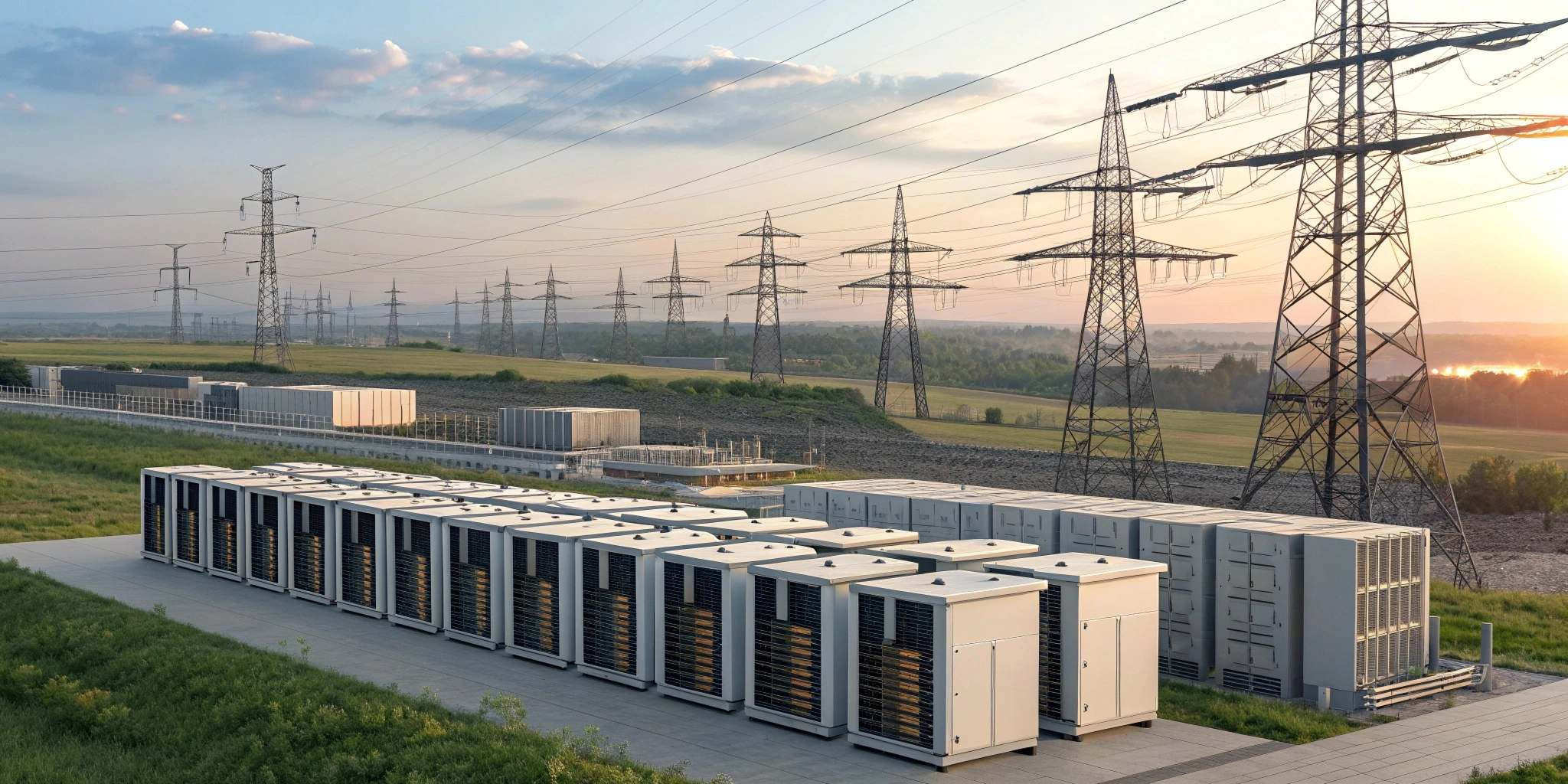
Data centers consumed 183 terawatt-hours of electricity in 2024, more than 4% of the entire country’s electricity consumption. To put that in perspective, that’s enough power to run every household in California, Texas, and Florida combined. And according to the U.S. Department of Energy, this figure is projected to surge by 133% to 426 TWh by 2030.
This isn’t a distant problem. It’s happening right now, and it’s fundamentally reshaping how electricity flows through our communities.
The Invisible Infrastructure Consuming Our Grid
Every time you ask ChatGPT a question, stream a show on Netflix, or back up files to the cloud, you’re tapping into vast warehouses filled with servers that run 24/7, consuming enormous amounts of electricity and generating heat that requires even more power to cool. The International Energy Agency projects that global electricity demand from data centers will more than double by 2030, reaching approximately 945 terawatt-hours, with artificial intelligence being the primary driver.
The growth has been staggering. Data center electricity demand has tripled over the past decade and is projected to double or triple again by 2028. In some regions, the impact is already dramatic. Data centers now consume about 26% of the total electricity supply in Virginia, meaning more than a quarter of the state’s power grid feeds these facilities before it reaches homes and businesses.
The AI boom has accelerated this crisis exponentially. Training a single large language model can consume as much electricity as 100 American homes use in an entire year. As AI capabilities expand and become integrated into everything from smartphones to manufacturing systems, the energy demands multiply at rates that would have seemed impossible just five years ago.
Pennsylvania’s Aging Grid Faces Modern Demands
Here in Southeastern Pennsylvania, we’re experiencing this crisis through a particularly challenging lens: aging infrastructure struggling to meet exponential demand growth.
More than half of the transmission lines and power transformers in our region were installed before 1970. This equipment was designed for a fundamentally different era before personal computers, before the internet, before anyone imagined that invisible data centers would become one of the largest consumers of electricity in the country.
Older equipment faces predictable challenges. It can overload during extreme heat and cold, precisely when power is needed most. It’s more vulnerable to failure during the historic floods and stronger storms that climate change is bringing to our region with increasing frequency. And it simply wasn’t built to handle the baseline load that modern life demands.
PECO, the regional utility provider, recognizes the challenge. The company is planning to invest nearly $10 billion over five years to modernize the electric grid and natural gas infrastructure through its CREATE Plan (Creating a Resilient, Equitable, and Accessible Transformation in Energy). This includes addressing climate change impacts, upgrading flood-prone areas, and strengthening overall grid reliability.
These are significant, necessary investments. But here’s the uncomfortable reality: the gap between rising demand and grid capacity is widening faster than infrastructure can be upgraded.
The Warning Signs Are Already Here
The evidence appears in multiple forms. PJM capacity auction prices, a key indicator of grid stress, were more than 800% higher in 2025-2026 than the previous year, driven in part by growing electricity demand. PECO rates increased by 6% in December 2025, reflecting the mounting costs of maintaining and upgrading infrastructure while meeting surging demand.
These aren’t abstract statistics. They’re warning signs of a system under unprecedented stress. Even as PECO works diligently to modernize the grid, businesses and homeowners are caught in the gap between current vulnerability and future reliability.
The timeline matters. Grid infrastructure projects take years to plan, permit, and complete. Data center demand is growing right now. Weather events are intensifying right now. The aging equipment is operating beyond its designed lifespan right now.
The Real Cost of Grid Failure
When the power goes out, businesses don’t just lose electricity; they hemorrhage money.
Research shows that 93% of enterprises face downtime costs of over $300,000 per hour. For nearly half of them, it’s over $1 million per hour. Do the math: the average across all industries is $9,000 per minute. That’s $540,000 per hour ticking away while your systems sit dark.
Nationally, IT downtime costs businesses $26.5 billion annually in lost revenue. That’s not a projection; that’s documented loss happening right now, today.
Small businesses get hit just as hard, just at a different scale. Downtime costs run $137 to $427 per minute, depending on your industry. For a 20-person company doing $5 million in annual revenue, you’re looking at $3,362 per hour, $27,000 per day.
But calculating the real cost goes deeper than just lost sales during the outage. You’ve got lost productivity across your entire team. Recovery time after power comes back. Potential data loss. Customer service chaos. And the damage to customer relationships compounds over time. A single extended outage can wipe out an entire month’s profit.
The damage doesn’t stop at your bottom line either. Industry surveys show that nearly half of all power disruptions cause productivity losses that stretch well beyond the outage itself. Over 30% result in direct revenue loss. And here’s the one that should keep you up at night: 40% leads to reputation damage that takes months or years to fix.
When your competitor stays online, and you don’t, customers remember. They remember when you couldn’t process their order, couldn’t access their records, couldn’t meet their deadline. The examples are everywhere: healthcare facilities losing patient records, manufacturing lines going cold, retail stores dead at peak hours, and professional services missing critical deadlines.
In every sector, businesses report the same thing: even brief outages create cascading failures throughout their operations. The question isn’t whether you can afford backup power. It’s whether you can afford to go without it.
The Solution Can’t Wait for the Grid
The challenge facing Pennsylvania and the broader Mid-Atlantic region is clear: data centers are consuming electricity at rates that would have seemed impossible a decade ago, while the infrastructure serving our communities dates back over 50 years. Climate-driven weather events are increasing in both frequency and severity. And grid modernization, while underway, operates on a timeline measured in years and decades.
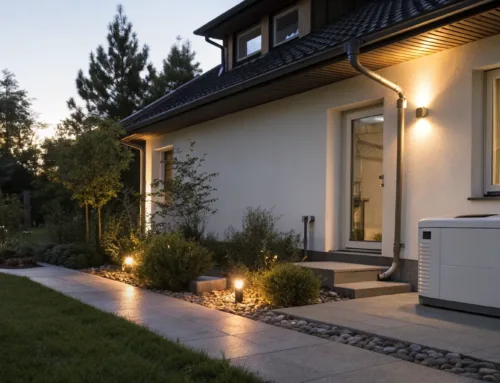
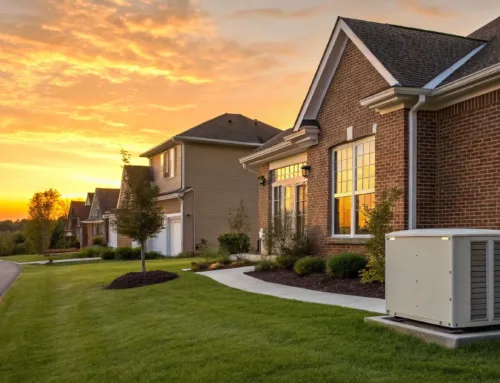
Businesses and homeowners can’t afford to wait. While utilities work on long-term solutions, there’s an immediate need for reliable backup power that activates automatically when the grid fails.
This is where the conversation shifts from problem to protection. Standby generators aren’t luxury items anymore. They’re essential infrastructure for anyone who can’t afford to lose power. They provide immediate protection without waiting for grid upgrades, ensure business continuity by preventing those $9,000-per-minute losses, and offer peace of mind through automatic activation during outages.
The grid faces unprecedented challenges, but individuals and businesses can take control of their own power reliability today through professional generator installation, ongoing maintenance, and reliable service and repair.
About M.T. Ruhl Generators
For nearly 28 years, M.T. Ruhl Generators has served Southeastern Pennsylvania with a simple philosophy: it’s not just about the product. It’s about trust, reliability, and long-term support.
As a Generac Power Pro Elite+ dealer , M.T. Ruhl provides comprehensive power solutions, including installation, maintenance, service, and repair for residential and commercial clients throughout Chester, Montgomery, Bucks, and Delaware Counties.
Founded in 1997, the company has built its reputation on being there when customers need them most, not just for the sale, but for decades of ongoing support. With the grid facing unprecedented challenges from aging infrastructure, exponential data center demand, and increasingly severe weather events, M.T. Ruhl offers complete power security solutions backed by local expertise and a commitment to customer satisfaction.
The company provides flexible financing through Synchrony and approaches every installation as the beginning of a long-term partnership. Because when the lights go out, you need more than equipment. You need a partner you can trust.
For more information about protecting your home or business with backup power solutions, contact us or call 610.539.2920.