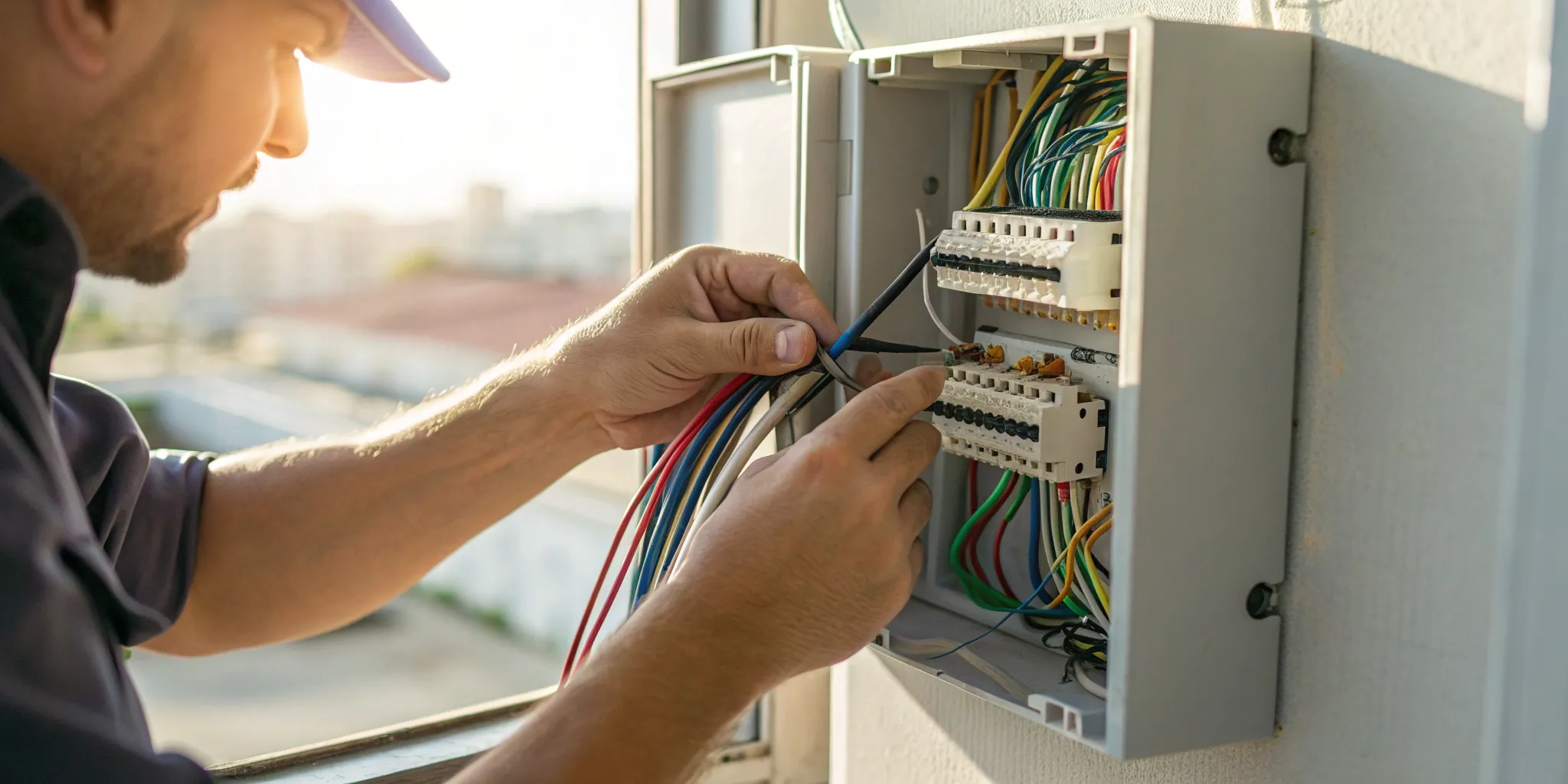
The safety of your home’s electrical system often comes down to the small, unseen parts. A perfect example is the electrical junction box. Its job is to protect the vulnerable points where wires are spliced together, preventing shocks and fire hazards. But a box is only as good as its mounting. A loose box puts stress on the connections, creating a dangerous situation. For hard surfaces like masonry, you need specialized fasteners. Understanding how do lead anchors function electrical conduit boxes is key to a rock-solid attachment. This guide covers everything you need for a safe electrical junction box installation.
Key Takeaways
- Confirm the Power is Off—Twice: Before you touch a single wire, shut off the power at the breaker box. Then, use a non-contact voltage tester directly on the wires to confirm they are not live. This simple, non-negotiable safety check prevents serious injury.
- Use the Correct Box and Make Solid Connections: The safety of your wiring relies on two things: choosing a box that’s large enough to prevent overcrowding and making sure every wire connection is tight. A loose wire or an overstuffed box is a primary cause of electrical fires.
- Know When to Call for Backup: If you feel uncertain at any point—whether it’s identifying wires, ensuring code compliance, or tackling a complex project—it’s time to call a professional. A licensed electrician guarantees the work is safe, correct, and gives you complete peace of mind.
What Is an Electrical Junction Box?
Think of an electrical junction box as a central hub for your home’s wiring. It’s a small enclosure, usually made of metal or plastic, designed to safely house the points where two or more electrical wires connect. You’ve probably seen them in your basement, attic, or behind walls without realizing what they were. Every junction box has a removable cover, which is important because it allows electricians to access the wiring for inspections or repairs. Their main job is to protect these sensitive wire connections—or splices, as they’re called—from physical damage, dust, and moisture. By containing the connections, a junction box helps organize your wiring and, most importantly, prevents accidental contact that could lead to shocks or short circuits. Proper installation is key to keeping your home’s electrical system running safely and efficiently, whether you’re adding a new light fixture or setting up a whole-house Generac generator.
What’s Inside a Junction Box?
Junction boxes are straightforward but have a few key features that make them effective. They are always built from non-combustible materials like plastic or metal to contain any potential sparks or heat from the wire connections. The type of material used often depends on the location. For example, a plastic box is common for indoor residential wiring, while a metal box might be required for certain applications to provide grounding. It’s also critical that the box is rated for its specific environment. A standard box works fine in a dry wall, but an outdoor or damp location like a basement requires a specially designed, weather-resistant box. This ensures the enclosure can properly protect the wiring from the elements and function safely for years.
Why Junction Boxes Are a Safety Must-Have
Using a junction box isn’t just a good idea—it’s a requirement. The National Electrical Code (NEC) is very clear: all wire splices must be contained within an approved electrical box. This rule exists for a critical reason: safety. Exposed wiring connections are a major fire hazard and can easily lead to electrical shocks. By enclosing the splices, a junction box contains any potential sparks and protects the wires from getting bumped or damaged. Following this code is essential for any electrical repair or installation. It ensures your home is safe, passes inspections, and is compliant with legal standards. It’s a fundamental part of any quality electrical work.
Your Pre-Installation Safety Checklist
Before you even think about touching a wire, let’s talk about the most important part of any electrical project: safety. These aren’t just suggestions; they’re the essential steps that protect you from serious injury. Working with electricity requires your full attention and a healthy dose of caution. Taking a few extra minutes to follow these precautions is the smartest thing you can do. It ensures your project goes smoothly and, more importantly, that you stay safe from start to finish.
First Things First: Cut the Power
Your first and most critical step is to completely shut off the power to the circuit you’ll be working on. Head to your home’s main electrical panel or breaker box and flip the correct breaker to the “Off” position. If your breakers aren’t clearly labeled, you might need to do a little testing by turning lights or appliances on and off. Once you’ve switched off the breaker, I always recommend using a non-contact voltage tester on the wires you plan to handle. This simple tool will confirm that the electricity is truly off before you proceed. It’s a quick double-check that provides invaluable peace of mind.
Is the Power Really Off? How to Test
Even after you’ve flipped the breaker, you need to test the wires one more time. Think of it as your final safety net. Using a circuit tester or a multimeter, carefully touch the probes to the wires inside the electrical box to confirm there is no voltage present. This step verifies that you’ve turned off the correct circuit and that there isn’t any residual power. It might feel redundant, but it’s a professional habit that prevents accidental electric shock. If you ever feel unsure about this process, it’s always best to call for electrician repairs from a trusted expert.
Protect Yourself: Essential Safety Gear
Protecting yourself goes beyond just managing the power source. Always wear the right personal protective equipment (PPE). This includes insulated gloves designed for electrical work and a pair of safety glasses to shield your eyes from any debris or sparks. It’s also a good idea to work in a well-lit space and clear away any clutter that could cause you to trip or lose focus. Our team of professionals never starts a job without the proper gear, and neither should you. These simple items are your first line of defense against unexpected issues and help you focus entirely on the task at hand.
Get Your Toolkit Ready
Before you start any electrical project, getting organized is the most important first step. Having all your tools and materials laid out and ready to go not only makes the job faster but also much safer. You don’t want to be scrambling for a tool midway through with wires exposed. Let’s walk through exactly what you’ll need to have on hand for a smooth and successful junction box installation.
The Right Tools for the Job
For a standard junction box installation, you don’t need a truck full of gear, but a few specific tools are non-negotiable for doing the job correctly and safely. You’ll want to have a non-contact voltage tester to be absolutely certain the power is off before you touch any wires. Also, gather a screwdriver, wire strippers, and pliers. Depending on the box and location, a drill-driver can also be a huge help for mounting. If you find yourself missing key items or feeling unsure about the process, it’s always best to pause and call a professional for electrician repairs. Safety is always the top priority.
Understanding Different Junction Box Types
Junction boxes aren’t one-size-fits-all. They come in different materials and sizes, and choosing the right one is crucial for code compliance and safety. The two most common types you’ll see are plastic and metal. Plastic boxes are lightweight and often used with non-metallic (NM) sheathed cable. Metal boxes are more durable and are required when using metal-sheathed cable or conduit. The most important factor is size—a box must be large enough for the number and gauge of wires it will contain. An overstuffed box is a serious fire hazard, so always check the box’s capacity rating.
Junction, Switch, and Outlet Boxes
While they might look similar, not all electrical boxes serve the same purpose. A true junction box is simply a housing for wire splices—a meeting point where wires connect before continuing on to different parts of your home. It doesn’t have a device like a switch or an outlet attached to it. On the other hand, switch and outlet boxes are the ones you interact with daily. They are specifically designed to hold a device, whether it’s a light switch or a receptacle you plug your coffee maker into. All three types of boxes are essential for a safe residential electrical system, as they all protect vulnerable wiring connections from damage and prevent potential fire hazards.
Plastic vs. Metal Boxes: Which to Choose?
Choosing between a plastic and a metal box usually comes down to the type of wiring you’re using. Plastic boxes are the go-to for most modern indoor wiring that uses non-metallic (NM) cable, often called Romex. They’re lightweight, inexpensive, and easy to install. Metal boxes, however, are required when you’re working with metal-sheathed cable or metal conduit. Their durability makes them a better choice for exposed areas like garages or basements where the box could get bumped. A key difference is that metal boxes must be grounded, while plastic boxes don’t require it since they don’t conduct electricity. If you’re ever unsure which box is right for your project, it’s a good idea to consult with a professional to ensure your work is safe and up to code.
The Small Parts That Matter: Connectors and Hardware
With your box chosen and tools ready, the final pieces of the puzzle are the connectors and hardware that bring it all together. You’ll need wire connectors, often called wire nuts, to safely join the wires inside the box. You will also need cable clamps to secure the cables to the box itself, preventing them from being pulled out or damaged. Some boxes have built-in clamps, but for those that don’t, you’ll need to purchase them separately. These small parts play a huge role in creating a secure, lasting connection for all your residential electric needs.
Understanding Electrical Conduit and Wires
Now that we’ve covered the junction box, let’s talk about how the wires get there in the first place. Electrical wires rarely run through your home unprotected. In many areas, especially where they might be exposed to damage, they are housed inside a protective tubing called a conduit. Think of it as armor for your home’s electrical system. Understanding the basics of conduit and the wires that go inside it is helpful for any homeowner, especially when planning bigger projects like finishing a basement or installing a whole-house generator. It’s another key piece of the puzzle for ensuring a safe and reliable electrical setup.
What is Electrical Conduit?
An electrical conduit is simply a tube, usually made of metal or plastic, that electrical wires are run through. Its main job is to protect the wires from impact, moisture, and chemical vapors. You’ll typically find conduit in unfinished spaces like basements and attics, running along exterior walls, or underground. For example, the wiring that connects a residential standby generator to your home’s electrical panel must be thoroughly protected from the elements, making conduit an absolute necessity. It acts as a durable shield, ensuring the integrity of your electrical system in places where simple sheathed cable isn’t enough.
Types of Metal Conduit
Metal conduit is known for its strength and durability. There are several common types, each suited for different situations. Electrical Metallic Tubing (EMT) is a rigid but lightweight steel tubing that is easy to bend and cut, making it popular for indoor use. For areas that need more flexibility, like connecting to an appliance motor, Flexible Metal Conduit (FMC) is a great choice. When you need heavy-duty protection, especially for main service lines, you’ll see Rigid Metal Conduit (RMC) or Intermediate Metal Conduit (IMC). These are much thicker and provide the highest level of protection against damage.
Types of Plastic and Liquid-Tight Conduit
Plastic conduit offers a lightweight, corrosion-resistant alternative to metal. The most common type is PVC, a rigid plastic pipe that can be heated and bent to fit around corners. It’s often used for underground runs because it won’t rust. Another type is Electrical Non-Metallic Tubing (ENT), a flexible, corrugated plastic tube that is easy to run inside walls. For outdoor equipment like air conditioning units or generator connections that need protection from water, Liquid-tight Flexible Metal Conduit (LFMC) is used. It has a plastic outer coating that makes it waterproof, combining the flexibility of metal with the moisture protection of plastic.
Choosing the Right Wires for Conduit
It’s important to remember that conduit is just the protective shell; the actual electrical wires are pulled through it after it’s installed. You can’t just use any wire. The most common types for this purpose are THHN and THWN wires. These are individual, insulated conductors that come in various colors to help identify their function (hot, neutral, or ground). Choosing the correct wire gauge and type for the circuit’s amperage is critical for safety. This is one of those areas where professional expertise is essential to ensure everything is up to code and functions correctly for all your residential electric needs.
How to Choose the Right Electrical Junction Box
Picking the right junction box is more than just grabbing one off the shelf. The box you choose is a critical part of a safe and reliable electrical system, protecting your wire connections from damage and preventing potential fire hazards. A box that’s too small, made of the wrong material, or improperly mounted can create serious problems down the line. To get it right, you need to think about three key things: the size and capacity needed for your wires, the environment where the box will be installed, and the best way to mount it securely. Let’s walk through each of these so you can feel confident in your choice.
Does It Fit? Calculating Box Size
The first step is making sure your junction box is large enough to safely house all the wires without overcrowding them. Box capacity is determined by its volume in cubic inches, and each wire takes up a certain amount of space depending on its gauge. For example, a standard 4×4 inch box that’s 1.5 inches deep can typically hold up to ten 14-gauge wires or nine 12-gauge wires. As a rule of thumb, a box with three to six wires needs at least 18 cubic inches of space, while one with seven or eight wires requires 20 cubic inches or more. Taking the time to calculate this prevents dangerous overheating and makes the connections easier to work with. If you’re unsure about the calculations, professional electrician repairs can ensure everything is sized correctly.
Indoor vs. Outdoor: Match the Box to the Location
Where you install the junction box matters just as much as its size. The material of the box—typically plastic or metal—should be suited for its surroundings. All junction boxes must be made from non-combustible materials, but some have special ratings for specific conditions. For instance, a box installed in a damp location like a basement or an outdoor shed needs to be rated for that environment to prevent moisture from getting in. If you’re using a non-metal box outdoors, it also needs to be resistant to UV light to keep it from degrading over time. Choosing the right material ensures the box will last and continue to protect the wiring for years, which is a key part of any quality residential electric project.
How Will You Mount It? Choosing a Style
A junction box is only effective if it’s securely mounted. It should be firmly attached with screws to a wall stud or another solid support structure so it can’t be jostled or pulled loose. Before you run your wires, you’ll need to pick a convenient location that allows about six inches of extra wire to extend into the box—this slack makes it much easier to strip and connect the wires. If you’re working with a metal box, you’ll also need to remove the small metal discs, called “knockouts,” where the cables will enter. Proper mounting is fundamental for any electrical work, from a simple outlet to a complete Generac generator installation.
How to Install a Junction Box, Step-by-Step
Alright, you’ve done your prep work, and now it’s time for the main event. Installing a junction box is a straightforward process when you take it one step at a time. The key is to be methodical and prioritize safety from start to finish. Remember, these connections are what keep the power flowing safely behind your walls, so taking your time here is well worth the effort. Follow these steps to ensure your installation is secure, safe, and up to code. If you ever feel unsure, it’s always best to pause and call for professional electrician repairs.
Step 1: Mount and Secure the Box
First things first, your junction box needs a solid anchor. It must be firmly attached to a framing member, like a wall stud or a ceiling joist. Simply letting it hang by the wires is a major safety hazard and won’t pass an electrical inspection. Position the box where you need it and use at least two screws to fasten it through the designated holes into the wood. This ensures it won’t move or loosen over time, which could put stress on your wire connections and create a dangerous situation. A securely mounted box is the foundation of a safe installation, providing the stability needed to protect the delicate connections inside for years to come.
Mounting to Exposed Wood Studs
This is the most common scenario you’ll encounter in new construction or unfinished areas like basements and attics. Your junction box needs a solid anchor, so it must be fastened directly to a framing member like a wall stud or ceiling joist. Simply letting it hang by the wires is a major safety hazard. Position the box so the front edge will be flush with the finished wall surface—usually drywall—and drive at least two screws through the provided holes into the wood. This creates a stable, secure base that won’t budge, which is essential for any safe electrical installation, whether you’re adding an outlet or planning a residential standby generator installation.
Installing in Drywall with a Remodel Box
What if you need to add a junction box to an existing wall? That’s where a “remodel box,” also known as an “old work” box, comes in. These are different from standard boxes because they have special tabs or “wings” that let you install them from the front of the drywall. Standard boxes attach to studs behind the wall, which is hard to do once the drywall is up. To install one, you’ll trace the box’s outline on the wall, cut the hole, feed the wires through, and then insert the box. As you tighten the screws, the wings flip out and clamp onto the back of the drywall, holding the box securely in place without needing a stud. It’s a clever solution for many electrician repairs and upgrades.
Fastening to Concrete or Masonry
Mounting a junction box to a concrete or brick wall requires a different approach and specialized hardware. You can’t just use regular wood screws. Instead, you’ll need to use a hammer drill with a masonry bit to create a pilot hole. Then, you can use concrete screws or a plastic anchor system. One common fastener is a type of plastic anchor with a metal pin in the middle. You insert the anchor into the drilled hole, then hammer the pin in, which expands the anchor to create a tight, secure fit inside the concrete. This method ensures the box is firmly attached to the hard surface, a critical step for any residential electric work in basements or garages.
Step 2: Run Your Cables Through the Clamps
With the box mounted, you can now run your electrical cables into it. Gently guide the cables through the knockout holes on the box. To keep the wires from being accidentally pulled out, you’ll need to secure them with cable clamps. Some plastic boxes have built-in clamps, but many metal boxes require you to install separate ones. These clamps grip the cable’s outer sheathing, protecting the delicate connections inside from any strain. Make sure the clamps are snug but not so tight that they damage the cable’s insulation. This step is crucial for ensuring the long-term integrity of your wiring, preventing loose connections that can happen if a cable is jostled or pulled.
Step 3: Connect Conduit to the Box
If you’re using conduit to protect your wires—which is common in basements, garages, or outdoor settings—you’ll need to connect it securely to the junction box. This creates a continuous, protected pathway for your wiring from start to finish. The method you use will depend on the type of box and conduit you have. The goal is always the same: create a strong, stable connection that won’t pull loose and will keep the wires inside safe from damage. Let’s look at the two most common ways to get this done.
Using Knockouts and Connectors
Most metal and some plastic junction boxes have round, partially stamped openings called “knockouts.” To use one, you’ll carefully punch it out with a screwdriver and pliers. Once the hole is open, you can feed your conduit through it. Gently push one end of the conduit into the knockout hole until it’s fully seated inside the box. To lock it in place, you’ll use a specific connector or clamp. From inside the box, tighten the screws on the connector. This action secures the conduit, creating a tight seal that prevents it from wiggling or pulling out. This solid connection is a fundamental part of any safe residential electric system.
Direct Connections with PVC Cement
When working with PVC conduit and a PVC junction box, you can often create a direct, permanent bond. Many PVC boxes come with built-in hubs or sockets designed for this purpose. The process is similar to plumbing work. You’ll start by cutting the conduit to the right length and cleaning both the end of the conduit and the inside of the box’s hub. Then, you apply a special PVC cement to both surfaces and firmly push the conduit into the hub, giving it a slight twist to ensure an even seal. This method creates a strong, often watertight connection, which is essential for protecting the wiring in more demanding environments, like those needed for a residential standby generator installation.
Step 3: Strip and Prep the Wires
Now it’s time to get the wires ready for connection. Using a cable ripper or utility knife, carefully slice the outer plastic sheathing of the cable, peeling back about six to eight inches inside the box. Be careful not to nick the insulation on the individual wires inside. Once the sheathing is removed, use a wire stripper to take off about 3/4 of an inch of insulation from the end of each black, white, and copper wire. A clean strip is essential for a solid, reliable electrical connection. This careful preparation ensures that the maximum amount of conductive surface is available for a secure bond when you join the wires together in the next step.
Step 4: Make the Right Wire Connections
This is the most critical step. You’ll connect the wires by matching their colors: all the black (hot) wires go together, all the white (neutral) wires go together, and all the bare copper or green (ground) wires go together. Hold the ends of the matching wires flush, and twist them together in a clockwise direction with a pair of linesman’s pliers. Then, screw a wire nut over the twisted ends, also in a clockwise direction, until it’s tight. Give each wire a gentle tug to make sure it’s secure inside the nut. A loose connection can cause arcing and create a serious fire hazard, so double-check that every connection is tight and secure.
Step 5: Attach the Cover and Do a Final Check
You’re not finished until the cover is on. A junction box must always be covered with a solid plate to protect the wiring from damage, dust, and moisture, and to contain any potential sparks. Never use a cover with holes or openings (like an outlet cover). Screw the blank cover plate firmly onto the box. Once it’s on, give your work a final look. The box should be secure, the cables clamped, and the cover flush. This final step is what makes the installation complete and safe for any future residential electric work. It officially seals your project and ensures it meets the safety standards required to protect your home and family.
Common Installation Mistakes to Avoid
Even a seemingly simple task like installing a junction box has its pitfalls. Getting it right is about more than just connecting wires; it’s about ensuring the long-term safety and reliability of your home’s electrical system. A small mistake here can lead to big problems down the road, from flickering lights to serious fire hazards. Knowing the most common errors is the first step to avoiding them entirely.
Whether you’re adding a new outlet or setting up the wiring for a major appliance, paying close attention to these details will help you complete the job safely and correctly. Let’s walk through the three most frequent mistakes DIYers make and how you can steer clear of them for a professional-quality result.
Mistake #1: Stuffing Too Many Wires Inside
It can be tempting to squeeze just one more wire into a junction box, but this is one of the most dangerous mistakes you can make. Every junction box has a specific volume capacity, and exceeding it is a direct violation of electrical code. Stuffing too many wires into a small space prevents heat from dissipating properly. This can cause the wires to overheat, melt their insulation, and lead to short circuits or even an electrical fire. Before you start, always calculate the required box size based on the number and gauge of the wires you’ll be connecting. When in doubt, it’s always safer to go with a larger box.
Mistake #2: Using the Wrong Mounting Method
A junction box needs to be rock-solid. Simply letting it hang by the cables or using a single wire staple to hold it in place is not safe or compliant with code. The box must be securely fastened to a framing member like a stud or joist. An unsecured box can shift over time, putting stress on the wire connections inside. This strain can cause wires to loosen or pull apart, creating a serious shock or fire hazard. Proper mounting ensures that your connections remain stable and protected for years to come. If you find an improperly mounted box in your home, it’s a good idea to schedule an electrician repair to have it secured correctly.
Mistake #3: Creating Loose or Faulty Connections
The whole point of a junction box is to house secure wire connections, so getting this part right is critical. Loose connections are a primary cause of electrical failures and fires. When wires aren’t tightly joined, they can create electrical arcs and generate intense heat. After twisting your wires together with a wire nut, give each wire a gentle tug to confirm it’s held firmly in place. A solid connection ensures a safe, uninterrupted flow of electricity. This is especially important for high-power circuits, like those needed for a residential standby generator installation, where a faulty connection could compromise your entire backup power system.
Mistake #4: Creating an Unsafe Grounding Path
The ground wire in your electrical system is a critical safety feature. Its job is to provide a safe path for electricity to travel in the event of a short circuit, preventing shocks and fires. But the ground wire isn’t the only component that plays a role in this system. In certain setups, the materials you use for your conduit and junction boxes become part of this grounding path. This is where a common and dangerous mistake occurs: mixing materials that aren’t compatible. Using the wrong combination, like metal conduit with a plastic box, can break this essential safety path, leaving your system vulnerable and creating a hidden hazard behind your walls.
How Metal Conduit Serves as a Ground
According to the National Electrical Code (NEC), all metal junction boxes must be properly grounded, and for good reason. When you use metal conduit to run your wires, the conduit itself acts as a conductor and becomes part of the grounding path. By connecting the metal conduit securely to a metal junction box, you create a continuous, unbroken path for fault current to travel safely to the ground. This is a fundamental safety principle that protects any electrical circuit, especially high-power systems like a commercial generator installation, where electrical integrity is non-negotiable. This continuous metal path ensures that if a hot wire ever touches the box or conduit, the current will be safely diverted, tripping the breaker immediately.
Why You Can’t Mix Metal Conduit and Plastic Boxes
Here’s where things can go wrong. If you run metal conduit into a plastic junction box, you’ve just created a dead end for your grounding path. Plastic is an insulator, not a conductor, so it cannot carry an electrical current. This means the safety feature provided by the metal conduit is completely negated once it enters the plastic box. This setup violates electrical code and creates a serious risk of electric shock, as the conduit could become energized without a path to trip the breaker. For a safe and compliant installation, the rule is simple: metal conduit must always connect to a metal box. If you suspect your home has this kind of mismatched setup, it’s a good idea to schedule professional electrician repairs to correct it.
How to Know You’ve Done a Quality Job
Once the tools are packed away and the power is back on, how can you be sure the job was done right? A quality electrical installation is about more than just a working outlet or light switch; it’s about long-term safety and reliability. Whether you’ve tackled a DIY project or hired a professional, there are a few key things you can look for to feel confident in the work. These visual cues and safety checks are standard practice for any experienced electrician and can give you valuable peace of mind.
Your Quality Check: Is Everything Clean and Secure?
First, take a look at the physical installation. A properly installed junction box should look neat and feel solid. It must be firmly attached to a stud or joist—wiggling or movement is a major red flag. A box held in place by just a wire staple isn’t secure or up to code. Also, check that the cover fits snugly and completely over the box. If the box was installed too close to a framing member, the cover won’t sit flush, leaving wires potentially exposed. A clean, secure setup is the first sign of a professional job. If anything seems loose or out of place, it’s always best to call for professional electrician repairs.
Did You Follow Every Safety Precaution?
Safety is the most important part of any electrical work. A key rule is that a junction box must always be accessible. It can’t be hidden behind drywall or other building materials where you can’t get to it easily. This ensures that any future maintenance or inspections can be done without tearing into your walls. While you might not have seen the whole process, a quality installation implies that safety was prioritized from the start. This includes turning off the circuit and testing for voltage before any work began. These are non-negotiable steps for creating safe residential electric systems that protect your home and family.
Is Your Installation Up to Code?
Electrical codes exist for one reason: to keep you safe. They are a set of rules that dictate how electrical work must be done. According to the National Electrical Code (NEC), all wire connections have to be made inside an approved enclosure, which is exactly what a junction box is for. The box itself must also be made from appropriate materials, like plastic or metal, that won’t easily burn. A licensed electrician will always use the correct materials and methods to ensure the installation meets all requirements for our local service areas. This compliance is your best guarantee that the work is not only functional but fundamentally safe.
Time to Test: Power On and Troubleshoot
Once you’ve connected the wires and closed up the box, you’re not quite done. The final, and arguably most important, phase is testing your work to make sure everything is safe and functioning correctly. This step helps you catch any potential issues before they become serious problems. A few simple checks can give you peace of mind and confirm that your installation is solid. If you run into any trouble, knowing how to identify and fix common mistakes is key. Remember, when it comes to electrical work, double-checking is never a waste of time. If you feel unsure at any point during the troubleshooting process, it’s always best to stop and call for professional electrician repairs.
How to Safely Test for Voltage
Before you even think about touching a wire, your first step should always be to turn off the power at the main breaker box. But don’t just trust the switch. You need to confirm that the circuit is actually dead. The best way to do this is with a non-contact voltage tester. Simply hold the tip of the tester near each wire inside the box. If the tester lights up or beeps, there’s still electricity flowing, and you need to go back to the breaker to find the right one. This simple check takes only a few seconds and is the most critical safety measure you can take.
What to Do If Something Goes Wrong
If you turn the power back on and notice flickering lights or hear a buzzing sound from the junction box, turn the power off immediately. These are classic signs of a loose connection. You’ll need to open the box back up and tighten all the wire nuts to ensure a secure fit. Another common mistake is overcrowding the box. Stuffing too many wires into a small space can lead to overheating, short circuits, and even fires. Always make sure the box you choose is large enough for the number and gauge of wires you’re connecting. If you’re dealing with persistent issues, it’s a sign you may need professional residential electric services.
What a Successful Installation Looks Like
So, how do you know you’ve done a good job? A successful installation is clean, secure, and safe. All connections will be tight, the wires will be neatly organized inside the box, and the cover will sit flush and secure. Once you’ve put the cover on, you can safely restore power at the breaker. A key indicator of a proper installation is accessibility. According to electrical code, a junction box must always be accessible, meaning you shouldn’t cover it with drywall or other permanent fixtures. You need to be able to get to it easily for any future maintenance or inspections.
When to Call a Professional Electrician
While tackling a DIY project can be incredibly satisfying, electrical work is one area where it pays to be cautious. Knowing when to put down the tools and pick up the phone is a sign of a smart homeowner. Certain jobs carry risks that just aren’t worth taking on yourself. From ensuring your family’s safety to protecting your home’s value, a professional electrician provides peace of mind that your electrical system is sound and secure. Here are a few situations where calling in an expert is the best move.
If You’re Feeling Out of Your Depth
There’s a big difference between changing a light fixture and rewiring a circuit. If you find yourself staring at a tangle of wires and feeling uncertain, that’s your cue to stop. As the experts at This Old House advise, “If you’re not comfortable with electrical work, it’s best to hire an electrician.” Pushing through a project beyond your skill set can lead to improper connections or serious safety hazards. A licensed professional has the training to handle these complexities safely and efficiently. When you need help with electrician repairs, calling a pro is always the right decision.
When Permits and Code Compliance Are Required
Electrical codes are essential safety standards designed to protect your home. The National Electrical Code (NEC) provides the benchmark for safe installation, and following it “helps prevent electrical dangers like fires and electric shocks.” Failing to comply can also lead to fines or legal trouble. A professional electrician stays current with all local and national codes, ensuring your project is done correctly from the start. They also manage the permitting process, which is crucial for home inspections and insurance. Getting professional help with your residential electric projects means the work is safe and properly documented.
For Major Projects Like Generators or Rewiring
Some electrical systems are simply too critical for a DIY approach, especially whole-house systems like standby generators. Installing a generator involves connecting it directly to your home’s main electrical panel—a task requiring precision and expertise. An incorrect installation can damage your generator, your home’s appliances, and create a serious safety risk. If you feel uncomfortable with any part of the process, you should “consult a licensed professional.” A certified technician ensures your residential standby generator installation is performed safely, functions reliably when you need it most, and meets all warranty requirements.
Related Articles
Frequently Asked Questions
Why can’t I just use electrical tape to cover wire connections? While electrical tape is great for insulating individual wires, it’s not a substitute for a proper junction box. A box provides physical protection against bumps and moisture that could damage the connections. More importantly, it’s made of non-combustible material designed to contain any sparks or heat, which is a critical defense against fire. Relying on tape alone is a major safety hazard and a direct violation of electrical code.
What are the real risks of using a junction box that’s too small? Using a box that’s too small for the number of wires inside is a serious fire risk. When wires are packed too tightly, they can’t properly dissipate the heat generated by the electrical current. This heat buildup can cause the wire insulation to melt, leading to short circuits, arcing, and potentially a fire inside your walls. Always calculate the box size you need or choose a larger one to be safe.
Can I cover a junction box with drywall once the installation is finished? No, you should never cover a junction box with drywall, paneling, or any other permanent finish. Electrical code requires that all junction boxes remain accessible. This is so you or an electrician can easily get to the wiring for future inspections, troubleshooting, or repairs without having to cut open the wall. Leaving it accessible is a fundamental rule for a safe electrical system.
How do I figure out which circuit breaker to turn off if my panel isn’t labeled? If your breaker panel is a mystery, you can identify the right circuit with a simple process. First, plug a lamp or a radio into an outlet in the room where you’ll be working and turn it on. Then, go to your panel and begin switching off breakers one at a time until the lamp or radio turns off. Once you’ve found it, always use a non-contact voltage tester on the wires themselves to be absolutely certain the power is off before you proceed.
Is it really a big deal if I forget to put the cover plate on the junction box? Yes, it’s a very big deal. The cover plate is an essential safety feature, not just a cosmetic piece. It protects the wire connections from dust, debris, and accidental contact that could cause a dangerous shock. It also serves to contain any potential sparks or arcs that might occur within the box, preventing them from igniting flammable materials in your walls or ceiling. A finished job always includes a securely fastened cover.