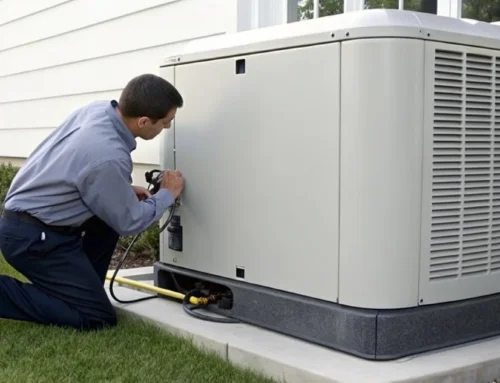
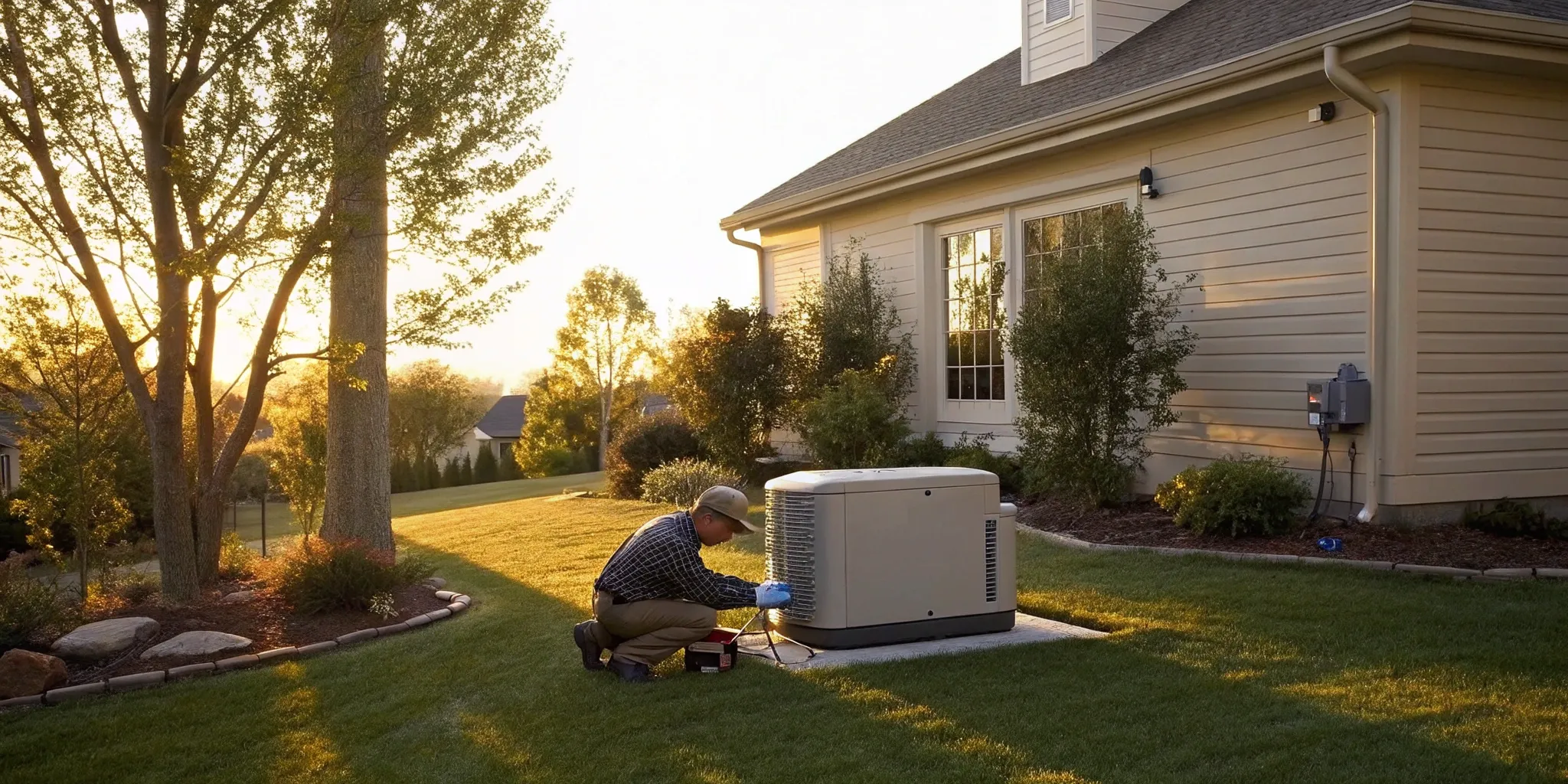
You wouldn’t drive your car for years without changing the oil. You know regular service is what keeps it running safely. Your standby generator is no different. It’s a complex engine that protects your home, and it needs professional care to be reliable when you need it most. This is why generator maintenance plans are so crucial. A quality generator maintenance plan provides the routine inspections and tune-ups to keep your generator in top shape. We’ll break down what a good plan looks like and how a consistent maintenance schedule extends the life of your machine.
Key Takeaways
- Treat Maintenance as an Investment, Not a Cost: Regular, proactive service prevents expensive emergency repairs and ensures your generator is ready when you need it most, protecting both your property and your peace of mind.
- A Thorough Plan Covers the Entire System: A quality maintenance plan isn’t just an oil change. It includes comprehensive checks of the engine, battery, and the automatic transfer switch to guarantee every part works together seamlessly.
- Choose a Certified, Local Expert: Partnering with an authorized dealer ensures your generator is serviced by factory-trained technicians using genuine parts, which is crucial for reliable performance and maintaining your warranty.
Do I Really Need a Generator Maintenance Plan?
Think of a generator maintenance plan as a health and wellness program for your machine. It’s a structured approach to ensure your generator operates reliably and efficiently the moment you need it. This isn’t about waiting for a problem to happen; it’s about preventing one. A plan typically includes regular inspections, servicing, and any necessary tune-ups tailored to your specific generator, whether it’s a residential standby generator protecting your home or a commercial unit keeping your business online. By following a consistent schedule, you can maximize the lifespan and performance of your generator, ensuring your investment is always ready to protect your property.
This scheduled care is what separates a reliable power source from a large piece of equipment that might fail during a critical moment. It involves a technician methodically checking all the key components, from the engine and fuel system to the battery and transfer switch. The goal is to catch small issues before they become major, expensive problems. A good maintenance plan provides peace of mind, knowing that when the power goes out, your generator has been professionally cared for and is ready to perform its job without a hitch.
Proactive Care vs. Emergency Repairs
When it comes to generator care, you have two choices: be proactive or reactive. Proactive maintenance involves regular, scheduled servicing that keeps your generator in peak condition. This approach helps your machine work at its best, last longer, and be ready for any outage. In contrast, reactive maintenance means waiting for a failure to happen before calling for help. This can lead to costly, stressful emergency repairs, often during the worst possible time—like the middle of a storm. A proactive Generac maintenance plan puts you in control, so you’re never caught off guard by an unexpected breakdown.
What a Failed Generator Could Really Cost You
Neglecting generator maintenance might seem like it saves money upfront, but a failed generator can lead to significant financial consequences. Emergency repairs can cost hundreds or even thousands of dollars. For a business, the cost of downtime is even higher, leading to lost revenue, data loss, or spoiled products. At home, a failed generator can mean a flooded basement, a fridge full of spoiled food, or the loss of essential medical equipment. Integrating regular generator service and repair into your planning mitigates these risks, protecting you from much larger costs and headaches down the road.
What’s Covered in a Generator Maintenance Plan?
Think of a generator maintenance plan as a comprehensive health check-up for your home or business’s power backup system. It’s not just about fixing things when they break; it’s about preventing problems before they start. While the specifics can vary, any quality plan is designed to cover all the critical components that ensure your generator is ready to perform the moment you need it. A technician will follow a detailed checklist, moving from the engine to the electrical systems, to keep everything in top condition. This proactive approach is the key to reliability and peace of mind during a power outage. A thorough Generac maintenance plan will typically include a series of essential checks and services that keep your investment protected.
Regular Inspections and Load Testing
The foundation of any good maintenance plan is a detailed, multi-point inspection. A professional technician will visit once or twice a year to perform a complete visual check of your generator. They’ll examine everything from the fuel lines and electrical connections to the exhaust system and enclosure, looking for any signs of wear, leaks, or potential issues. After the inspection, they perform a load test. This test simulates a power outage, forcing the generator to start up and power your property. It’s the single best way to confirm that your unit can handle the demand and will operate flawlessly during a real emergency.
Oil and Filter Changes
Just like your car, your generator’s engine needs clean oil and filters to run smoothly. Over time, engine oil breaks down and collects debris, which can cause damage and reduce efficiency. During a maintenance visit, a technician will drain the old oil, replace the oil filter, and refill the engine with fresh oil that meets Generac’s specifications. They will also inspect and replace the air filter if it’s dirty. This simple but vital service protects the engine, helps it run more efficiently, and significantly extends the life of your generator, ensuring it’s ready for those long power outages.
Battery Checks and Spark Plug Service
A dead battery is one of the most common reasons a generator fails to start. That’s why battery maintenance is a non-negotiable part of any service plan. A technician will test the battery’s charge, clean any corrosion from the terminals, and ensure all connections are tight and secure. They will also replace the spark plugs at regular intervals. Fresh spark plugs provide a strong, consistent spark, which is essential for reliable starting and efficient fuel combustion. These small components play a huge role in your generator’s overall dependability, making their regular service critical for preventing the need for future generator service and repair.
Cooling System Service
Your generator’s engine works hard during an outage and can produce a lot of heat. The cooling system is responsible for keeping the engine from overheating, which could otherwise lead to a shutdown or permanent damage. During a maintenance visit, a technician will check the coolant levels and inspect all hoses and connections for leaks or cracks. They’ll also make sure the radiator is clean and free of any leaves, grass, or debris that could block airflow. This ensures the system can effectively dissipate heat, keeping your generator running safely for as long as you need it.
Transfer Switch Testing
The automatic transfer switch is the brain of your generator system. It constantly monitors the power coming from the utility line. When it detects an outage, it automatically disconnects you from the grid and signals the generator to start, seamlessly switching your home’s power source. A crucial part of any maintenance plan is testing this switch. A technician will simulate a power failure to verify that the switch operates exactly as it should. This test confirms that the transition from grid power to generator power is both safe and immediate, so you’re never left in the dark.
Software Updates and Monitoring
Modern Generac generators are sophisticated machines with onboard computers that control their operation. Manufacturers occasionally release software and firmware updates to improve performance, efficiency, and reliability. During a service visit, a technician will check for and install any available updates, ensuring your unit is running on the latest programming. They will also check the status of remote monitoring systems like Mobile Link. This technology allows you to check your generator’s status from your phone or computer, providing ultimate peace of mind that your system is ready to go at all times.
What’s Typically Not Covered in a Maintenance Plan?
While a comprehensive maintenance plan covers all the essential services to keep your generator in peak condition, it’s also important to understand its limitations. A maintenance agreement is designed for proactive, preventative care, not for covering every possible issue that could arise. Knowing what isn’t included helps you plan accordingly and avoid surprises. Exclusions are standard across the industry and typically involve situations that are outside the scope of routine service, such as major repairs from external damage or issues related to your home’s own infrastructure. Understanding these boundaries ensures you have a clear picture of how to best protect your investment.
Understanding Service Agreements vs. Warranties
It’s easy to confuse a maintenance plan with a manufacturer’s warranty, but they serve very different functions. Think of your maintenance plan as the routine health check-ups and oil changes that prevent problems. A warranty, on the other hand, is your protection against defects in materials or workmanship from the factory. For example, if a part fails prematurely due to a manufacturing flaw, the warranty would likely cover the repair. However, if an issue arises from normal wear and tear or lack of upkeep, that would fall outside the warranty. A maintenance plan helps keep your warranty valid by ensuring the unit is properly cared for, but it doesn’t replace the need for professional repairs when unexpected issues occur.
Common Exclusions Like Pest or Storm Damage
Maintenance plans are built to address the predictable needs of your generator, but they generally don’t cover damage from unforeseen external events. These are often referred to as “acts of God” or force majeure. For instance, if a severe storm causes a tree branch to fall and damage your generator’s enclosure, the repair would not be included in your maintenance plan. Similarly, damage caused by pests, such as rodents chewing through wiring, is also typically excluded. These situations are unpredictable and fall outside the scope of preventative service. While not covered under a maintenance plan, our team of expert technicians can certainly handle these types of generator repairs to get you back up and running.
Remote Monitoring and Wi-Fi Requirements
Many modern Generac generators come with remote monitoring technology like Mobile Link, which allows you to check your generator’s status from anywhere. During a maintenance visit, a technician will verify that the controller is functioning and check for any error codes. However, the maintenance plan does not cover your home’s internet service. If the remote monitoring feature isn’t working due to a weak Wi-Fi signal, a problem with your router, or an internet outage, resolving that issue falls outside the technician’s scope of work. Ensuring you have a stable and reliable internet connection is key to getting the most out of this convenient feature.
How to Find the Right Generator Maintenance Provider
Choosing a maintenance provider is one of the most important decisions you’ll make for your generator. This isn’t just about finding someone to change the oil; it’s about trusting a team to keep your power on during an emergency. The right partner will understand your system inside and out, offer proactive solutions, and be there for you when you need them most. When you start looking at your options, you’ll likely see a mix of local experts, national chains, authorized dealers, and independent contractors. Each has its own approach, and understanding the differences will help you find the best fit for your home or business. Think about what matters most to you—is it specialized knowledge, personalized service, or something else? This will guide you toward a provider who offers real peace of mind, not just a line item on an invoice.
What Makes Our Maintenance Approach Different?
It’s easy to fall into the trap of picking a maintenance provider based on the lowest bid. While it simplifies the decision, focusing only on price can mean overlooking the quality and long-term value you receive. Our approach is built on a foundation of trust and reliability, ensuring your generator is cared for by experts who see the big picture. We believe that proper generator maintenance is about preventing problems, not just fixing them. By investing in comprehensive service, you’re protecting your generator from premature wear and tear, which saves you from costly emergency repairs and the stress of a system that fails when you need it most.
Should You Choose a National Chain or a Local Expert?
When you’re deciding between a large national company and a local expert, it often comes down to the kind of relationship you want. National chains offer brand recognition, but a local provider offers a connection to your community. As your neighbors, we understand the specific challenges our region faces, from icy winters to summer thunderstorms. We pride ourselves on building lasting relationships with our customers, offering a level of personalized service and accountability that’s hard to find elsewhere. When you call us, you’re not just a number in a system; you’re a valued member of the community we serve.
Authorized Dealers vs. Independent Contractors
Choosing an authorized dealer means you’re working with a team that has been factory-trained and certified by the manufacturer. For Generac generators, this is a huge advantage. Our technicians have specialized knowledge of your specific model, access to genuine parts, and the latest diagnostic tools directly from Generac. While an independent contractor might have general experience, an authorized dealer provides an extra layer of assurance that the work is done to the manufacturer’s highest standards. This not only ensures your generator runs efficiently but also helps keep your warranty intact, protecting your investment for years to come.
How to Choose the Right Maintenance Plan for You
Picking a maintenance plan isn’t a one-size-fits-all decision. The best plan for your neighbor’s home might not be the right fit for your business, and vice versa. To find a plan that truly protects your investment and gives you peace of mind, you need to look at a few key factors. Think about your generator’s history, how often you need service, and what kind of support you expect when things go wrong. A great provider will work with you to find a plan that matches your specific needs, ensuring your generator is ready the moment you need it.
Factor in Your Generator’s Age and Use
When you’re looking at maintenance plans, start by considering your generator’s age and how often it runs. An older unit that has seen a lot of action will naturally need more attention than a brand-new generator that only runs during its weekly self-test. A good maintenance plan is tailored to your generator’s specific condition and workload. You want a provider who understands that a heavily used commercial generator has different needs than a residential unit. The goal is to find a generator maintenance schedule that prevents problems before they start, keeping your specific model running efficiently for years to come.
Find a Plan with a Flexible Schedule
How often should a technician visit? For most standby generators, at least two visits per year—one major service and one minor inspection—is a solid baseline. However, if your business relies on constant power for critical operations, you might need quarterly or even monthly check-ins. Look for a provider that offers flexible scheduling. Your power needs can change, and your maintenance plan should be able to adapt. A rigid, cookie-cutter plan might not provide the level of protection you require, so it’s important to discuss service frequency upfront and find a partner who can meet your demands.
Understanding Tiered Plan Structures
Many service providers offer maintenance plans in tiers, such as basic, standard, and premium packages. This structure allows you to choose a level of service that aligns with your budget and how critical uninterrupted power is for you. A basic plan typically covers the essential annual services required to keep your warranty active, like an oil and filter change and a general inspection. As you move up to higher tiers, you’ll find more comprehensive coverage. These premium plans often include bi-annual visits, priority scheduling for repairs, and more in-depth diagnostic tests, offering a greater degree of proactive care for your investment.
The right tier for you depends on your specific needs. A standard plan might be perfect for a newer residential generator, providing a solid balance of preventative care and value. However, a business that can’t afford any downtime or a homeowner with essential medical equipment might opt for a premium plan. These top-tier packages often include benefits like discounted emergency service and more thorough system checks, including the automatic transfer switch. The goal is to find a generator maintenance plan that provides the right level of assurance, so you feel confident your power will be there when you need it most.
Do They Offer Guaranteed Emergency Response?
Imagine a major storm hits, the power goes out, and your generator fails to start. This is when you’ll be glad you asked about emergency response times. A key feature of any quality maintenance plan is a guarantee for priority service when you have an urgent problem. Many providers offer a 4-hour response time for their contract customers. This assurance means you won’t be left waiting for days for a technician to show up. When choosing a plan, make sure it includes prompt and reliable generator service and repair to get you back up and running quickly.
Confirm Technician Training and Certification
The person servicing your generator should be an expert, plain and simple. You wouldn’t want a general handyman working on your car’s engine, and the same logic applies here. Look for a provider whose technicians are highly trained, certified, and specialize in standby power systems. Because we are an authorized Generac dealer, our team has brand-specific training that ensures they know your machine inside and out. This expertise is crucial for accurate diagnostics, proper repairs, and ensuring your warranty remains intact. Don’t hesitate to ask about a provider’s qualifications—it makes all the difference.
Tailor the Plan to Your Property’s Needs
Finally, think about your property as a whole. A maintenance plan for a small home will look very different from one for a large commercial facility or a medical office with life-saving equipment. A reputable provider will assess your property’s unique requirements to recommend the right level of service. Check a company’s licensing, read customer reviews, and ask for references to confirm they have experience with properties like yours. This ensures they understand the specific challenges and power demands you face, providing a maintenance solution that is truly customized for you.
How Often Does Your Generator Need Maintenance?
One of the most common questions we get is about how often a generator needs a check-up. While there isn’t a single magic number that fits everyone, there are clear, professional guidelines that ensure your generator is ready the moment you need it. The right maintenance schedule depends on several factors, including whether you have a residential or commercial unit, how often it runs, its age, and even the local environment here in Pennsylvania.
Think of it like your car—you wouldn’t wait for it to break down on the side of the road before getting an oil change. The same principle applies to your generator. Proactive, scheduled generator maintenance is the key to reliability. It helps catch small issues before they become big, expensive problems, especially before the peak storm seasons in summer and winter. A qualified technician can help you create a schedule that makes sense for your specific generator, giving you confidence that your power will stay on during an outage. This isn’t just about convenience; it’s about protecting your home, your family, or your business operations from disruption.
Recommended Schedule for Commercial Generators
For a business, a power outage isn’t just an inconvenience—it can mean lost revenue, halted production, and compromised security. Because the stakes are so high, commercial generators require more frequent attention. We generally recommend at least two service visits per year for our business clients. This typically includes one major service, where we perform a comprehensive check-up, and one minor inspection to ensure everything is in top shape. For businesses with critical power needs, like medical facilities or data centers, we might even suggest quarterly or monthly inspections. A robust maintenance plan is a core part of any serious commercial generator installation and business continuity strategy.
Recommended Schedule for Home Standby Generators
For homeowners, generator maintenance is all about peace of mind. You invested in a standby generator to protect your family and keep life running smoothly during an outage. To ensure it does its job, an annual major service is the industry standard. This yearly visit is usually sufficient to handle fluid changes, test the battery, and inspect all the key components. However, many homeowners opt for a twice-a-year plan for extra assurance. A spring and fall check-up ensures your generator is prepared for both summer thunderstorms and winter ice storms. This proactive approach is the best way to get the most out of your residential standby generator installation.
What Affects Your Service Schedule?
Your generator’s specific situation plays a big role in determining the ideal maintenance frequency. An older generator, for example, may benefit from more frequent inspections to monitor wear and tear on its components. Similarly, a generator that has seen a lot of action due to frequent power outages will need more attention than one that only runs for its weekly self-test. Even the environment matters—generators in dusty areas or places with fluctuating temperatures may require more care. The best approach is a tailored one. A professional can assess these factors and recommend a plan that goes beyond a simple checklist, addressing any potential issues before they lead to a need for generator service and repair.
A Comprehensive Generator Maintenance Checklist
Proper generator care is a partnership between you and your service provider. While a trained technician handles the complex engine work, there are simple but important tasks you can perform to keep your unit in good shape between professional visits. This checklist breaks down the essential maintenance tasks into what you can do yourself and what should be left to the experts. Following this guide will help you stay proactive, spot potential issues early, and ensure your generator gets the comprehensive care it needs to protect your property reliably year after year.
Owner-Performed Tasks (Weekly and Monthly)
You can play an active role in your generator’s health with a few quick checks. Once a week, let your generator run for a few minutes without a heavy load, just to make sure it starts and runs smoothly. Look for any fluid leaks on or around the unit and confirm the main circuit breaker is closed. On a monthly basis, take a walk around your generator. Clear away any leaves, trash, or debris that has collected around it. Check the oil and coolant levels, and take a peek at the battery to make sure the terminals are clean and free of rust. These simple steps take just a few minutes but go a long way in preventing common issues.
Technician-Performed Tasks (Semi-Annual and Annual)
While your checks are important, they don’t replace the need for professional service. During a semi-annual or annual visit, a certified technician performs a much deeper inspection. This includes a full battery check to test its strength, a thorough examination of the drive belts, coolant heater, and exhaust system, and cleaning or replacing the air filter. Annually, the service becomes even more comprehensive. A technician will change the oil and replace the oil, fuel, and air filters. They will also replace the spark plugs, clean the crankcase breather, and visually inspect the alternator. This level of professional generator maintenance is what keeps your machine running to factory specifications.
Fuel Maintenance and Safety Clearances
Two of the most critical aspects of generator care are fuel and clearance. Your generator needs room to breathe, so it’s essential to maintain at least three feet of clear space on all sides. This means keeping shrubs trimmed back and removing any grass, leaves, or debris that could block airflow to the radiator and cause the engine to overheat. A technician will also inspect the entire fuel system during a service visit, checking all lines and connections for leaks or cracks to ensure fuel is delivered safely and efficiently. Proper clearance and a healthy fuel system are fundamental to both the performance and safety of your generator.
Signs Your Generator Needs Immediate Service
Even the most reliable Generac generator needs attention from time to time. Just like your car, it’s a complex machine that will give you signals when something isn’t right. Paying attention to these signs is the key to catching small problems before they become major headaches, especially when you’re counting on that power during an outage. While a solid maintenance plan is your first line of defense, knowing what to look for between service visits empowers you to act fast.
Your generator runs a self-test weekly to make sure it’s ready to go, which is a great opportunity for you to do a quick check-in. Listen for any unusual sounds and look for anything out of the ordinary. Neglecting maintenance or ignoring warning signs can lead to expensive repairs down the line. If you notice any of the issues below, it’s time to call in a professional.
Common Performance Issues to Watch For
Your generator often gives subtle hints that it needs a check-up. If you notice your unit struggling to start during its weekly exercise cycle, that’s a clear sign something is wrong. Also, take a moment to look for any visible wear, like frayed wiring, corrosion on the battery terminals, or cracks in the housing. Any fluid leaks—whether it’s oil, coolant, or fuel—are a serious issue that requires immediate attention. Don’t ignore strange noises, either. While generators aren’t silent, any new grinding, clanking, or rattling sounds point to a mechanical problem. Many modern units also have warning lights or send alerts, which should never be ignored. Catching these things early can save you from a much bigger generator service and repair bill later.
When to Call for Emergency Service
Some issues go beyond a routine check-up and require an immediate call for help. If your generator fails to start during a power outage, that’s an emergency. Similarly, if you see any smoke or sparks coming from the unit, shut it down if it’s safe to do so and call for service right away. Active fluid leaks are another urgent problem, as they can create safety hazards. Loud, alarming mechanical noises, like screeching or banging, also signal a critical failure that needs professional attention. This is where having a relationship with a trusted provider makes all the difference. A good Generac maintenance plan often includes priority response, ensuring you get the help you need, when you need it most.
How to Check a Provider’s Reputation
Choosing a generator maintenance provider is a big decision. You’re not just hiring someone to perform a task; you’re trusting them with the power and safety of your home or business. Before you sign any agreement, it’s essential to do a little homework to ensure you’re partnering with a reliable, skilled, and trustworthy company. A great provider is more than just a name on a truck—they are a team of professionals who stand by their work and prioritize your peace of mind.
Think of it like finding any other trusted professional, from a doctor to a mechanic. You want someone with a proven history of success, the right qualifications, and a commitment to their customers. Taking the time to check a provider’s reputation upfront can save you from major headaches, unexpected costs, and the stress of a failed generator during a critical power outage. By looking into customer feedback, verifying their credentials, and asking about their history, you can confidently choose a partner who will be there for you when you need them most.
Check Online Reviews and Testimonials
In the past, we relied on word-of-mouth from neighbors. Today, online reviews give us that same insight on a much larger scale. Start your research by reading what past and current customers have to say. Look at Google, industry-specific sites, and the company’s own website for testimonials.
Pay attention to the details. Are customers consistently mentioning the technicians’ professionalism, punctuality, and clear communication? Do they feel the company resolved their issues effectively? While a single negative review isn’t always a red flag, look for patterns. More importantly, see if and how the company responds to criticism. A thoughtful response shows they care about customer satisfaction and are willing to make things right.
Look for Certifications and Local Experience
A generator is a sophisticated machine that requires specialized knowledge. You wouldn’t want a general handyman working on it, so look for a provider whose technicians are highly skilled and certified to work on your specific brand. For example, if you own a Generac, you should seek out authorized dealers whose technicians are factory-trained. This certification ensures they have the most up-to-date knowledge and tools to service your equipment correctly.
Local experience is just as important. A company that understands the common weather-related challenges in Southeastern Pennsylvania will be better prepared to protect your investment. They’ll be familiar with local codes and what it takes to keep a generator running smoothly through our region’s specific seasonal demands.
Ask About Their Service History
Don’t be shy about asking a potential provider direct questions about their experience. A reputable company with a solid history will be happy to share its story. Inquire about how long they’ve been in business and how many generators they service in your area. Ask about their team’s experience and training.
You can also ask for specifics on their generator service and repair process. How do they handle emergency calls? What is their typical response time? Their answers will give you a clear picture of their expertise and operational standards. A company that is confident in its track record will provide transparent, straightforward answers that help you feel secure in your decision.
The Perks of a Generator Maintenance Plan
A generator maintenance plan is about more than just keeping your system running; it’s about investing in reliability and peace of mind. While the primary goal is proactive care to prevent failures, signing up for a plan often comes with extra advantages that provide real value. These perks can save you money on unexpected repairs and ensure you get the fastest possible help when you need it most. Think of it as a VIP membership for your home’s power security, where the benefits extend far beyond a simple oil change and inspection. When you partner with a trusted provider for your generator’s upkeep, you’re not just a customer—you’re a priority.
Save Money on Parts and Labor
One of the most practical benefits of a maintenance plan is the potential for savings. If your generator needs a repair that falls outside of routine service, a good plan will often give you a discount on the necessary parts and labor. This can make a significant difference in the cost of an unexpected fix. Instead of facing the full expense of a new component or a complex repair, your membership reduces the financial burden. Over the life of your generator, these savings can add up, making the plan a smart financial decision that protects both your equipment and your budget from surprise service and repair costs.
Access to Extended Warranties and Other Perks
Beyond discounts, many maintenance plans offer an extra layer of protection for your investment. Some agreements include perks like an extended warranty, which can cover your generator long after the manufacturer’s warranty expires. This is a huge advantage, giving you confidence that your system is protected for years to come. Other benefits might include detailed inspection reports after each visit, so you always know the exact condition of your equipment. These added features are designed to give you complete assurance that your Generac maintenance is comprehensive, leaving no stone unturned in safeguarding your power supply.
Jump to the Front of the Line with Priority Service
When a major storm causes a widespread outage, countless homes and businesses rely on their generators. This is when priority service becomes invaluable. As a maintenance plan member, you are placed at the front of the line for emergency service calls. While others may have to wait for a technician to become available, you receive the immediate attention you need to get your power back on. This single benefit can be the deciding factor between a minor inconvenience and a major disruption. Having reliable Generac generators is the first step; ensuring you have priority support when it matters most is how you guarantee your peace of mind.
Maximizing Your Generator’s Lifespan
A maintenance plan is the single best way to protect your generator for the long haul. Regular, professional service does more than just prepare your unit for the next storm; it actively extends its operational life. Think of it this way: consistent care prevents the engine’s components from premature wear and tear, keeps the electrical systems clean and calibrated, and ensures the fuel system is free of blockages. A well-cared-for generator will not only last longer but will also run more efficiently, saving you from the stress and expense of a major failure. This proactive approach ensures your initial residential standby generator installation remains a valuable asset for many years.
Strategic Scheduling for Seasonal Preparedness
Timing is everything when it comes to generator maintenance. The best schedules are designed to prepare your system for the most demanding times of the year. Here in Pennsylvania, that means getting ahead of summer thunderstorm season and the heavy, wet snows of winter. Proactive, scheduled maintenance is the key to reliability. By having a technician service your generator in the spring and fall, you can address any small issues before they have a chance to become big problems during a critical weather event. This strategic approach ensures your generator is in peak condition right when you are most likely to need it.
Can I Do My Own Generator Maintenance?
It’s a fair question, and the answer is a mix of yes and no. Many homeowners are comfortable with basic upkeep, and there are a few simple tasks you can perform to help keep your generator in good shape between professional visits. These checks, like keeping the unit clear of debris and visually inspecting it, are an important part of responsible ownership. You can even perform some minor maintenance yourself, as long as you feel confident and always use the right fluids and spark plugs that the generator maker recommends. This hands-on approach can help you stay familiar with your system and spot potential issues early.
However, the vast majority of generator maintenance should be left to a certified professional. Your standby generator is a complex system that combines a high-performance engine with sophisticated electrical components, including the automatic transfer switch. A trained technician has the specialized tools and diagnostic equipment to properly service the engine, test the battery under load, and verify that the transfer switch is functioning safely and correctly. They are also trained to spot subtle signs of wear that an untrained eye might miss. For reliable performance and to keep your warranty valid, professional generator service and repair is essential.
Basic DIY Maintenance Tasks
While the heavy lifting should be left to the pros, there are a few things you can do to keep an eye on your investment. Your generator is designed to run a brief self-test each week. This is a perfect opportunity for a quick check-in. Listen to the engine run—does it sound smooth? After it stops, do a quick walk-around. Look for any signs of fluid leaks on or under the unit. Make sure the area around the generator is clear of leaves, snow, or overgrown landscaping that could block airflow. Finally, check the control panel for any warning lights or alerts. These simple weekly checks can help you catch a problem long before it becomes an emergency.
Why Keeping Records is Crucial for Your Warranty
Keeping good records of all maintenance is one of the most important things you can do as a generator owner. Your manufacturer’s warranty is a contract, and it requires you to properly maintain the equipment. If you ever need to make a warranty claim, the manufacturer will likely ask for proof of service. Be sure to keep a folder with all receipts and service reports from your professional maintenance visits. It’s also a good idea to keep a simple log of your own weekly checks. This documentation proves that you’ve been a responsible owner, which is crucial for ensuring any potential warranty claims on your Generac generators are approved without issue.
Special Maintenance Scenarios
While most generators operate under similar conditions, some situations call for a more specialized maintenance approach. A standard, one-size-fits-all plan might not be enough if your generator is in a unique environment or if you’ve just inherited a system from a previous property owner. These scenarios require a closer look to ensure the equipment gets the specific care it needs to perform reliably. Understanding these special cases can help you work with your service provider to create a truly customized plan that addresses your property’s unique challenges.
This is where the value of a local expert really shines. A technician who understands the specific environmental factors in our region can assess your situation and recommend adjustments to a standard maintenance schedule. Whether it’s more frequent filter changes due to dusty conditions or a comprehensive initial inspection for a newly acquired unit, a tailored plan is the key to long-term performance. A quality provider will go beyond a simple checklist to deliver a generator maintenance solution that fits your exact needs, giving you confidence that your power is protected no matter the circumstances.
Caring for Generators in Harsh Environments
Not all backyards are created equal. A generator located on a property with a lot of trees, for example, may need more frequent attention to keep leaves and twigs from clogging the air intakes. Similarly, a commercial generator at a construction site or industrial facility might be exposed to more dust and debris, requiring more frequent air filter changes. Generators in these types of harsher environments need special care to prevent damage and ensure they can cool themselves properly. A technician can assess your specific location within our service areas and recommend a schedule that keeps your machine running clean and cool.
What to Do If You Inherit a Generator
Moving into a home that already has a standby generator is a fantastic perk. However, you’re also inheriting its history—or lack thereof. The first thing you should do is ask the previous owner for their maintenance records. This will give you a clear picture of how well the unit was cared for. If they can’t provide any records, your very next step should be to schedule a complete inspection with a certified technician. A professional will perform a thorough assessment to determine the generator’s current condition, identify any existing issues, and establish a new baseline for all future generator maintenance, ensuring your newfound asset is one you can truly rely on.
Ready to Set Up Your Generator Maintenance Plan?
Putting a maintenance plan in place is simpler than you might think. It’s a straightforward process that moves your generator from an afterthought to a well-cared-for asset. Taking these proactive steps ensures your generator is ready to perform the moment you need it, providing security and peace of mind for your home or business. Here’s how you can get started.
Schedule Your First Inspection
Taking the first step is the easiest part. It all begins with a simple conversation to figure out what your generator needs. A qualified technician will discuss your generator’s model, age, and how you use it to recommend a plan that makes sense for you—no guesswork involved. This initial chat is the perfect time to ask questions and understand the process. The goal is to find a generator maintenance schedule that fits your budget and gives you confidence that your power will stay on during an outage. Think of it less as a sales call and more as a strategy session for your home’s energy security.
What to Expect During a Service Visit
When a technician arrives for a scheduled visit, they follow a detailed checklist to make sure nothing is missed. A typical service includes changing the oil and filters, replacing the spark plugs, and performing a comprehensive multi-point inspection of the entire system. They’ll check the battery, clean the unit, and test its function by running it to simulate a power outage. This ensures every component, from the engine to the transfer switch, is working exactly as it should. This thorough generator service and repair process is designed to catch small issues before they become big problems, keeping your generator reliable for years to come.
Related Articles
- Generac Service Technician: Cost & What to Expect
- Generac Generator Maintenance | M.T. Ruhl in SEPA
- Generac Manual Lookup: A Simple Step-by-Step Guide
- Automatic Standby Generator Cost: The 2025 Guide
- Commercial Standby Generator Installation Essentials
Frequently Asked Questions
My generator runs a self-test every week. Isn’t that enough to know it’s working? The weekly self-test is a great feature that confirms your generator can start, but it’s only a small part of the picture. It’s like turning on your car’s engine in the driveway to make sure the battery isn’t dead. It doesn’t check the oil level, the condition of the belts, or the health of the spark plugs. A professional maintenance visit involves a thorough inspection of all these critical components to ensure your generator can not only start but also run reliably under a full load for an extended period.
Can I perform some of the maintenance myself to save money? While tasks like keeping the generator’s exterior clean are helpful, the core maintenance should be left to a trained professional. A standby generator is a complex system that combines a high-voltage electrical component with an internal combustion engine. Improper service can lead to performance issues, void your warranty, or even create serious safety hazards. Our certified technicians have the specialized tools and training to service your unit correctly and safely.
What’s the biggest benefit of choosing an authorized dealer like M.T. Ruhl over a general electrician? The main advantage is specialized expertise. As an authorized Generac dealer, our technicians receive factory-direct training on your specific generator model. We have access to genuine Generac parts, the latest diagnostic software, and up-to-date service bulletins directly from the manufacturer. This ensures that any service or repair is done to the highest standard, protecting your investment and keeping your warranty intact.
What happens if my generator has a problem between my scheduled maintenance visits? This is where having a relationship with a trusted provider truly matters. If you notice a warning light or an unusual noise, you can call us right away. For customers on our maintenance plans, we offer priority service for emergency calls. This means you become our first priority, ensuring a technician is dispatched quickly to diagnose and resolve the issue, especially during a widespread power outage.
How do I know which maintenance plan is right for my specific generator? The best plan depends on your generator’s age, its usage, and your property’s specific needs. A residential generator that only runs during occasional outages has different requirements than a commercial unit that protects critical business operations. The best way to find the right fit is to have a conversation with us. We can assess your situation and recommend a service schedule that provides the right level of protection and peace of mind.