If you’ve noticed your lights flickering when the air conditioner kicks on or find yourself resetting tripped breakers more often than you’d like, your home might be telling you something important. These are common signs that your electrical panel, the heart of your home’s power system, is struggling to keep up with modern demands. An upgrade is often the safest solution, but it’s a significant project. Naturally, the first question on your mind is likely, “how much is an electrical panel upgrade?” This guide is here to answer that and more. We’ll break down the costs, explain the benefits, and walk you through the entire process so you can make an informed decision for your home’s safety and future.
Key Takeaways
- Recognize the Warning Signs for a Safer Home: Frequent breaker trips and flickering lights are clear indicators that your current panel is struggling. Upgrading is a crucial step to prevent overloads and reduce the risk of electrical fires, ensuring your system can handle modern demands safely.
- Understand the Factors Behind the Final Price: The total cost of an upgrade, typically $1,900 to $4,500 for a 200-amp panel, includes the panel itself, labor, permits, and any necessary wiring repairs. Always get a detailed quote to see a full breakdown of the investment.
- Choose the Right Panel Size for Today and Tomorrow: Work with a licensed electrician to perform a load calculation. This essential step ensures your new panel can support your current lifestyle and accommodate future additions like an EV charger or a major renovation, preventing the need for another upgrade down the road.
What Is an Electrical Panel Upgrade?
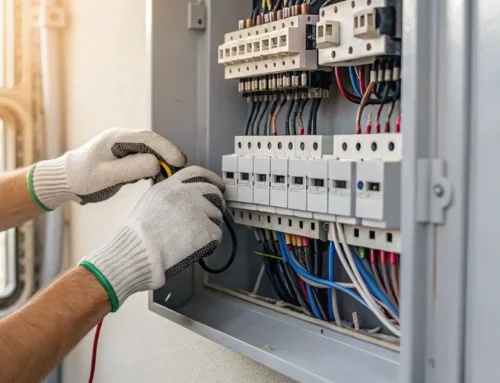
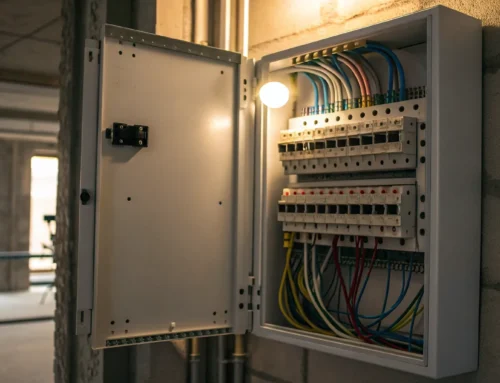
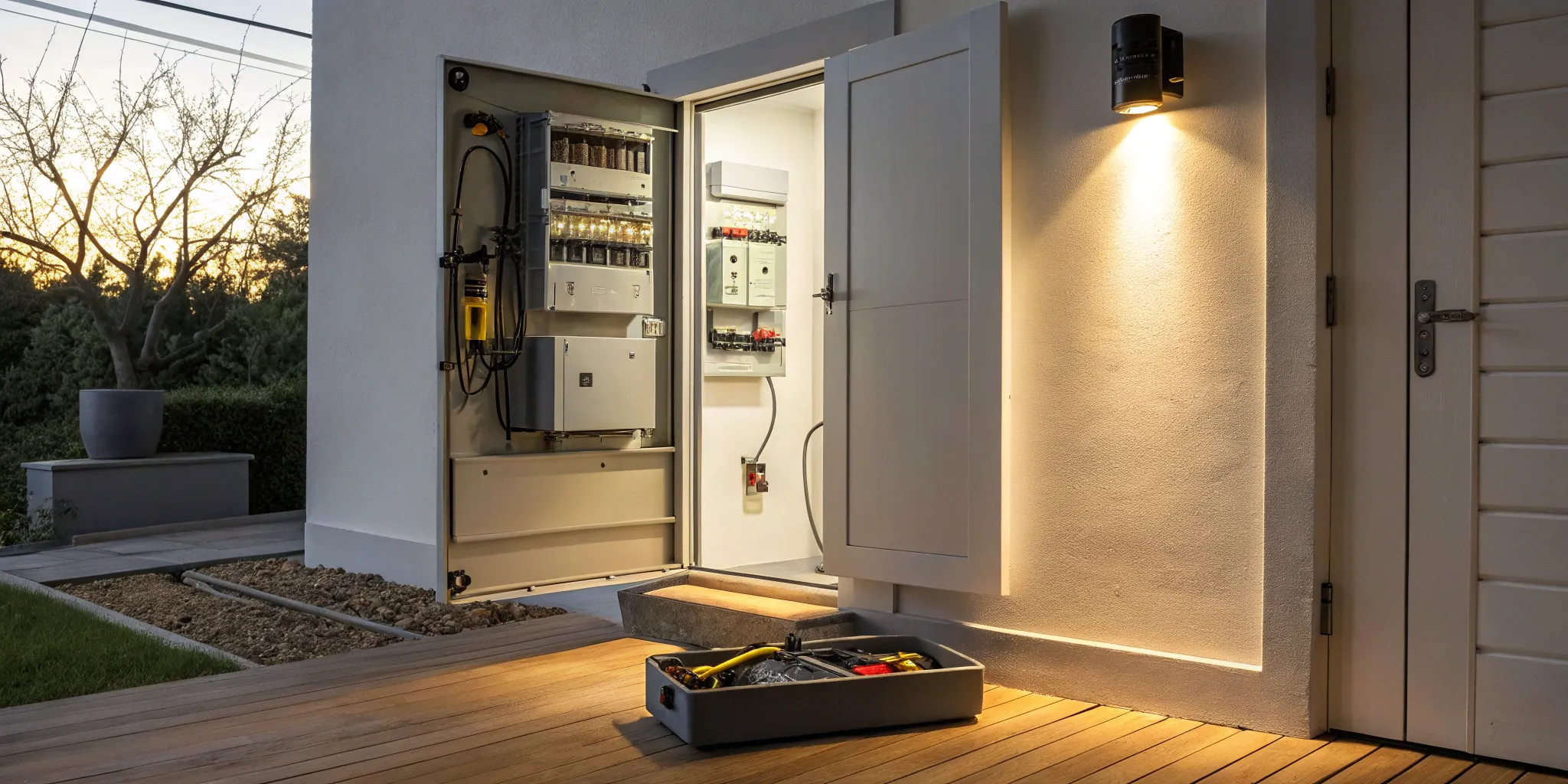
Think of your electrical panel—often called a breaker box—as the heart of your home’s electrical system. It takes the main power line coming into your house and distributes it safely to all the different circuits that power your lights, outlets, and appliances. An electrical panel upgrade is exactly what it sounds like: replacing your old panel with a new one that can handle a higher capacity of electricity, measured in amps.
Many older homes in Southeastern Pennsylvania were built when electrical needs were much simpler. Today, with our high-definition TVs, computers, smart home devices, and powerful kitchen appliances, we’re asking a lot more from our electrical systems. If your panel is outdated or too small for your current power consumption, it can lead to overloads and create a serious fire hazard. Upgrading your panel isn’t just about convenience; it’s a critical step in ensuring your home’s electrical system is safe, reliable, and ready for modern life. It provides the foundation for all the power you use daily.
Signs You Need an Upgrade
Not sure if your panel is keeping up? Your house will often give you clues. If you find yourself constantly heading to the basement to reset a tripped breaker, that’s a major red flag. It means your circuits are overloaded. You should also pay attention to flickering or dimming lights, especially when a large appliance like your air conditioner or microwave kicks on.
Other tell-tale signs include:
- A persistent burning smell or crackling sounds coming from the panel.
- The panel feels warm to the touch.
- You’re relying heavily on extension cords and power strips.
- You still have an old-fashioned fuse box instead of a modern circuit breaker panel.
If you’re planning a major renovation, adding an EV charger, or installing a new hot tub, an upgrade is almost always necessary to handle the new load. Addressing these electrical repairs promptly is key to keeping your home safe.
Key Benefits of a New Panel
The most important benefit of a new electrical panel is safety. By replacing an outdated or overloaded panel, you significantly reduce the risk of electrical fires and protect your family and your home. A modern panel provides more stable and reliable power, which means you can say goodbye to flickering lights and random breaker trips. Your appliances will run more efficiently and be better protected from power surges.
Beyond safety, an upgrade prepares your home for the future. It gives you the capacity to add new circuits for a home office, a workshop, or that new electric vehicle you’ve been eyeing. This not only improves your quality of life but can also increase your home’s resale value. Plus, a new panel ensures your home is compliant with the latest electrical codes, giving you complete peace of mind.
How Much Does an Electrical Panel Upgrade Cost?
Let’s talk numbers. The cost of an electrical panel upgrade is one of the first questions homeowners ask, and for good reason. You want to know what to budget for this important home improvement project. While the final price tag depends on your specific needs, we can break down the typical costs to give you a clear picture. The total expense is mainly influenced by the amperage of the new panel and the complexity of the installation.
Think of it like this: a simple, direct replacement will cost less than a project that requires significant rewiring or moving the panel to a new location. The amperage you choose—whether it’s 100, 200, or more—also plays a huge role. A 200-amp panel is the modern standard for most homes, accommodating everything from new kitchen appliances to electric vehicle chargers. Understanding the baseline costs and the factors that can add to them will help you prepare for a conversation with a qualified electrician and ensure you get a fair and accurate quote for your home’s needs.
Cost for a 100-Amp Panel
Replacing an existing 100-amp panel typically costs between $1,200 and $2,500. This price range usually covers a straightforward replacement where the new panel fits into the same spot without needing major wiring changes. A 100-amp service is often sufficient for smaller homes or older properties that don’t have high-demand appliances like central air conditioning, electric ranges, or hot tubs. If you’re simply replacing an outdated or faulty 100-amp box, like a Federal Pacific or Zinsco panel, this is the budget you should anticipate. However, if your electrical needs have grown, it’s worth considering an upgrade to a larger panel.
Cost for a 200-Amp Panel
Upgrading to a 200-amp electrical panel generally costs between $1,900 and $4,500. This is the most common upgrade for modern homes, providing plenty of power for all your devices and appliances without the risk of overloading your system. The wider price range reflects the job’s complexity. A simple panel swap will be on the lower end, while a project requiring a new service drop from the utility company, a new meter socket, and significant rewiring will be on the higher end. Investing in a 200-amp panel is a smart move if you plan to add an EV charger or major appliances, ensuring your residential electric system is safe and ready for the future.
Other Factors That Affect the Price
Beyond the panel itself, several other factors can influence the final cost. Labor is a major component, with professional electricians typically charging between $150 and $250 per hour. The complexity of the job, such as needing to bring old wiring up to code, will increase labor time. You’ll also need to budget for a municipal permit, which can cost anywhere from $10 to $400. This permit ensures the work is inspected and meets local safety standards. If your project requires extensive electrician repairs, such as replacing frayed wiring or moving the panel, these additional tasks will add to the overall project cost.
What Influences the Final Cost of an Upgrade?
When you get a quote for an electrical panel upgrade, you’ll notice the price reflects more than just the new box itself. Several key factors related to your home’s specific needs and existing setup play a significant role in determining the final cost. Understanding these variables will help you see exactly what you’re paying for and why one home’s upgrade might be more complex than another’s. From the amount of power you need to the condition of your current wiring, each element contributes to the project’s scope and overall investment. Let’s break down the main components that influence the price tag.
Your Home’s Electrical Demands
The single biggest factor in the cost of your upgrade is the amount of power your home requires. Modern households run on more electricity than ever before, thanks to high-draw appliances, home offices, and electric vehicle chargers. The price directly relates to the panel’s amperage. For instance, a standard 200-amp upgrade can range from $2,500 to $4,500, depending on the complexity of the job. If your goal is to power a new hot tub or a suite of kitchen appliances, you’ll need a panel that can handle that load safely. A professional electrician will perform a load calculation to determine the right size for your needs, ensuring your home’s residential electric system is both safe and sufficient for years to come.
The Condition of Your Current Wiring
The state of your existing wiring can turn a straightforward panel swap into a more involved project. If your home has outdated or damaged wiring, it must be addressed during the upgrade to meet safety codes. You might need a new panel if your breakers trip often or if your wiring is old and can’t handle modern electrical loads. For example, if an electrician discovers old knob-and-tube wiring or aluminum wiring that has degraded, those circuits will need to be replaced. These necessary electrician repairs add to the labor and material costs but are crucial for preventing electrical fires and ensuring your system is reliable.
Labor Rates and Local Permits
A significant portion of your upgrade cost—often between $1,000 and $3,000—is dedicated to the skilled labor required for the job. Electricians typically charge between $50 and $150 per hour, and this is not a DIY project. You are paying for the expertise of a licensed professional who can ensure the work is done safely and correctly. Additionally, most municipalities require a permit for an electrical panel upgrade. This involves a fee and ensures that the work is inspected and approved by a local authority, confirming it meets all current electrical codes. This process is a non-negotiable part of the job that protects you and your home.
Your Panel’s Location and Accessibility
Where your electrical panel is located can also affect the price. If the panel is in a tight, hard-to-reach space like a small closet, the work will take longer and require more effort, increasing labor costs. Sometimes, the panel’s current location doesn’t meet modern safety codes—for example, it might be in a bathroom or too close to a water source. In these cases, the panel must be moved. Relocating a panel is a complex task that involves rerouting major electrical circuits and can significantly add to the project’s cost. Costs can also go up if you need a new meter box or if the main electrical service line to your home needs to be moved.
Which Electrical Panel Brands Are Most Reliable?
When you’re ready for an electrical panel upgrade, choosing the right brand is a big decision. While the quality of the installation is just as crucial as the panel itself, starting with a reliable product sets you up for long-term safety and performance. Think of it like choosing a car—you want a brand with a proven track record for durability and safety. In the world of electrical panels, a few names consistently stand out for their quality and innovation.
Most professional electricians have their preferred brands, but three that are widely respected in the industry are Square D, Eaton, and Siemens. These manufacturers have built a reputation for producing dependable panels that meet the demands of modern homes and businesses. A qualified electrician can help you select the best fit based on your home’s specific needs, ensuring your new panel provides safe, efficient power for years to come.
Square D
Square D, a brand under the Schneider Electric umbrella, is a top choice for both electricians and homeowners due to its versatility and reliability. Their panels are known for being user-friendly and built to last, making them a solid investment for any home. Square D offers a range of panels equipped with advanced features that deliver excellent performance and safety. Their long-standing reputation in the industry means you’re getting a product that has been tested and trusted for decades. When you need electrician repairs or a full replacement, starting with a quality brand like Square D is always a smart move.
Eaton
Eaton is another industry leader, highly regarded for its focus on robust safety features. Their electrical panels often come with superior circuit breakers and integrated surge protection, which are critical for safeguarding your home and expensive electronics from electrical hazards like power surges. This commitment to safety makes Eaton a reliable choice for both residential electric systems and more demanding commercial applications. If your top priority is protecting your property and family from electrical issues, an Eaton panel is an excellent option to discuss with your electrician.
Siemens
Siemens is a global powerhouse in technology, and their electrical panels live up to that reputation. Known for their advanced engineering and cutting-edge safety features, Siemens panels are designed to handle the electrical loads of today’s high-tech homes. They offer a great balance of reliability, efficiency, and innovation. Homeowners often choose Siemens for their forward-thinking design and dependable performance, ensuring their electrical system can support everything from smart home devices to electric vehicle chargers. It’s another top-tier brand that provides peace of mind.
Essential Features to Look For
Beyond the brand name, it’s important to know what features make a modern electrical panel a worthwhile upgrade. When you invest in a new panel, you should look for enhanced capacity to handle more circuits and modern appliances. Improved safety features, like Arc Fault Circuit Interrupters (AFCIs), are also essential for preventing electrical fires. Look for panels that promote energy efficiency and require lower maintenance, which can save you money over time. A professional can perform a load calculation to ensure your new panel has all the essential features needed to power your home safely and efficiently, ultimately increasing your property’s value.
How to Choose the Right Electrician
An electrical panel upgrade is a major project, and the person you hire to do the job matters just as much as the panel you choose. Finding a trustworthy professional ensures the work is done safely and correctly, giving you peace of mind for years to come. This isn’t the time to simply go with the cheapest option; it’s about finding a partner who values your home’s safety as much as you do.
When you start your search, you’re looking for a combination of experience, reliability, and transparency. A great electrician will walk you through the process, answer your questions clearly, and provide a detailed breakdown of the costs. They should be able to explain why they recommend a certain panel size or brand for your specific needs. At M.T. Ruhl, our team has been providing residential electrical services in Southeastern Pennsylvania for over 25 years, building a reputation for quality work and customer care. We believe an informed homeowner is an empowered one, so let’s cover the key steps to finding the right expert for your upgrade.
Verify Their License and Insurance
Before you even discuss pricing, your first step should always be to confirm that the electrician is licensed and insured. This is non-negotiable. A license proves they have met the state’s requirements for training and knowledge, ensuring they are qualified to work on your home’s electrical system. Insurance is just as critical—it protects you and your property from liability in the rare event of an accident or damage during the installation. Don’t be shy about asking for proof of both. A reputable professional will have this information ready and will be happy to share it with you.
Compare Quotes and Services
It’s smart to get at least three written estimates from different local electricians. This helps you get a feel for the market rate, but remember, you’re comparing more than just the final price. A quality quote should be a detailed document, not just a number on a business card. It should clearly list the cost of the new panel, circuit breakers, labor, and any necessary permits. Ask about the brands they use and the warranty they offer on their work. A significantly lower bid might mean they’re cutting corners on materials or don’t have the proper insurance, so be sure you’re comparing apples to apples.
Avoid These Common Hiring Mistakes
Homeowners can sometimes make a few missteps when hiring an electrician, so it helps to know what to watch out for. The biggest mistake is attempting to replace an electrical panel yourself. This is a complex and dangerous job that should only be handled by a trained professional. Another common error is accepting a vague, verbal quote. Without a detailed written estimate, you leave yourself open to unexpected costs and disputes later on. Finally, don’t forget to check for a proven track record. Look for a company with deep roots in the community and positive reviews from your neighbors.
Can You Get Financing or Rebates for Your Upgrade?
An electrical panel upgrade is a major home improvement project, and the price tag can feel intimidating. But before you let the cost stop you, it’s worth looking into programs designed to make this essential safety upgrade more affordable. From local rebates to federal tax credits and flexible financing, there are several ways to manage the expense. Taking the time to explore these options can significantly reduce your out-of-pocket cost and make the project much more approachable. It’s all about knowing where to look and what you might qualify for.
Utility Company Rebates
Your local utility company wants you to have a safe and efficient electrical system. A modern panel helps balance the load on the electrical grid, which is a win for everyone. Because of this, many providers offer rebates to homeowners who upgrade their outdated panels. These programs vary widely depending on where you live and who your provider is, so the first step is to visit their website or give them a call. Ask specifically about rebates for electrical service or panel upgrades. They can give you the details on eligibility requirements and how to apply, potentially saving you hundreds of dollars on your project.
Federal and State Tax Credits
Beyond local rebates, you might be able to take advantage of federal and state tax credits. For example, the Inflation Reduction Act includes provisions that can help lower the cost of home energy projects. If your panel upgrade is part of a larger switch to more energy-efficient appliances or systems, like a heat pump or EV charger, you could qualify for a tax credit. These incentives are designed to encourage homeowners to adopt greener technology. It’s a great way the government helps you invest in your home’s electrical infrastructure while also preparing it for the future. Be sure to talk with your electrician and a tax professional to see what credits apply to your situation.
Available Financing Programs
If paying for the entire upgrade at once isn’t ideal, financing is an excellent option. Many electrical contractors partner with lenders to offer programs that let you break down the total cost into manageable monthly payments. This makes the project much more accessible and means you don’t have to put off a critical safety upgrade due to budget concerns. At M.T. Ruhl, we offer straightforward financing options to help you get the work done now and pay over time. When you get a quote for your project, always ask about the available financing plans, interest rates, and payment terms. It’s a simple way to fit this important investment into your budget without the stress.
How Long Does the Upgrade Process Take?
Getting a new electrical panel isn’t an in-and-out job, but it’s a straightforward process when you know what to expect. The entire project, from the first call to the final sign-off, involves more than just the day of installation. It includes getting the right permits, coordinating with your utility company, and passing a final inspection. While the actual hands-on work is relatively quick, these other steps are essential for a safe and compliant upgrade. Let’s break down the timeline so you can plan accordingly.
What to Expect: Timeline and Prep
The full timeline for an electrical panel upgrade typically spans anywhere from a few days to a couple of weeks. The biggest variable is often the local permitting process, which differs by township. After your initial consultation, our team handles submitting the paperwork to your municipality. Once the permit is approved, we’ll coordinate with your utility company to schedule a temporary power shutoff for the installation day. We manage all these moving parts for you, so you don’t have to worry about the logistics. Our goal is to make your residential electric project as smooth as possible from start to finish.
The Day of the Installation
On installation day, you can expect the power to be out for about four to eight hours while our electricians complete the swap. We know going without power is an inconvenience, so we work efficiently to get everything back up and running. Before we arrive, it’s a good idea to charge your phones and laptops and plan for some screen-free time. If you work from home, you might want to make arrangements to work elsewhere for the day. This planned outage is also a great reminder of how much we rely on electricity and why having a backup plan, like a standby generator installation, can provide such great peace of mind.
Costly Mistakes to Avoid During Your Upgrade
An electrical panel upgrade is a major home improvement project, and getting it right the first time is key. While it’s tempting to look for shortcuts to save money, some mistakes can end up costing you far more in the long run, both in dollars and in safety. A little bit of planning and professional guidance can help you sidestep common pitfalls and ensure your new panel serves your home reliably for years to come.
Making an informed decision means understanding what not to do. From underestimating your future power needs to choosing the wrong equipment, these errors can lead to an overloaded system, frustrating repairs, or even the need for another upgrade sooner than you think. Let’s walk through the most critical mistakes to avoid so your investment is a smart one.
Not Planning for Future Electrical Needs
One of the biggest oversights homeowners make is focusing only on their current electrical consumption. Your panel upgrade should not just meet today’s needs but also accommodate your plans for the future. Are you thinking about finishing the basement, adding a hot tub, or installing an EV charger? Maybe you want the peace of mind that comes with a whole-home standby generator. All of these additions will increase your home’s electrical load. Failing to consider these future needs can lead to the hassle and expense of another upgrade down the line. A forward-thinking approach ensures your electrical system can grow with you.
Skipping the Load Calculation
Before any work begins, a qualified electrician should perform a load calculation. This is a detailed assessment of your home’s total power requirements, accounting for all your appliances, lighting, and electronics. It’s a critical step that determines the appropriate size for your new panel. Skipping this calculation is like guessing on a foundation for a new house—it can result in an inadequate system that can’t support your household’s demands. This can lead to constantly tripping breakers and an overstressed system. Insist that any electrician you hire performs a thorough load calculation to ensure your new panel is perfectly matched to your home.
Picking the Wrong Panel Size
Choosing the right panel size flows directly from the load calculation. If you install a panel that’s too small, you’ll run into problems almost immediately. An undersized panel can cause frequent circuit overloads, which is not only inconvenient but also a serious safety hazard that can damage your electronics or even cause a fire. On the other hand, installing a panel that is excessively large might be an unnecessary expense. Your electrician will use the load calculation to recommend the correct amperage—typically 100, 150, or 200 amps for most homes—that provides enough power for today and a safe margin for tomorrow.
Is an Electrical Panel Upgrade a Good Investment?
After looking at the costs, you might be wondering if a new panel is really worth it. The short answer is a resounding yes. An upgrade is more than just a necessary repair; it’s a smart investment in your home’s safety, value, and future-readiness. It provides the peace of mind that your electrical system can safely handle your family’s needs today and prepares your home for the technology of tomorrow. Let’s break down exactly why this is one of the most valuable improvements you can make.
Improve Safety and Meet Code Requirements
First and foremost, an electrical panel upgrade is an investment in your family’s safety. Many older homes in Pennsylvania still have panels that are decades old and simply weren’t designed for modern electrical loads. An outdated or undersized panel can lead to overloaded circuits, flickering lights, and, in the worst cases, electrical fires. Upgrading your home’s electrical panel helps prevent electrical fires and system overloads. By replacing an old panel, you ensure your home meets current safety codes, which is often a requirement for home insurance policies and a critical check during a home sale. If you’re experiencing any electrical issues, it’s always best to schedule professional electrician repairs to assess the situation.
Add Value and Efficiency to Your Home
Beyond the critical safety improvements, a new panel makes your home more functional and valuable. A modern electrical system is a major selling point for potential buyers who want a home that can support everything from a home office to an electric vehicle charger. Upgrading your electrical panel can increase your home’s value and make it more efficient. Modern panels provide enhanced capacity and can handle power more effectively, which means you’ll have reliable access to electricity for all your devices. This upgrade is a foundational step for any future renovations or additions, making it a forward-thinking choice for any homeowner looking to improve their residential electrical system.
Related Articles
- Price for Electrical Panel Upgrade: A 2025 Cost Guide
- How Much to Replace an Electrical Panel in 2025?
Frequently Asked Questions
How do I know if I need a 100-amp or 200-amp panel? A 200-amp panel is the standard for most modern homes because it safely supports high-draw appliances like central air conditioning, electric stoves, and EV chargers. If you live in a smaller home with mostly gas appliances and have no plans for major additions, a 100-amp panel might be sufficient. The best way to know for sure is to have a professional electrician perform a load calculation, which assesses your home’s specific power needs.
Can I replace my electrical panel myself? Absolutely not. Replacing an electrical panel is a complex and dangerous job that should only be performed by a licensed and insured electrician. It involves working directly with the main power line coming into your home, which carries a lethal amount of electricity. For your safety and to ensure the work meets local codes, this is a project you must leave to a professional.
How long will my power be off on the day of the upgrade? You should plan for the power to be out for about four to eight hours on installation day. This allows the electricians to work safely while they disconnect the old panel and install the new one. A good contractor will communicate the timeline with you beforehand so you can prepare by charging your devices or making arrangements to work elsewhere if you work from home.
What’s the real difference between my old fuse box and a new circuit breaker panel? A fuse box uses small, single-use fuses that contain a metal strip designed to melt and break the circuit during a power overload. When a fuse blows, it must be completely replaced. A modern circuit breaker panel uses switches that simply trip, or turn off, when a circuit is overloaded. You can easily restore power by flipping the switch back on, making them far more convenient and safer than their outdated counterparts.
Will a new electrical panel lower my energy bills? While a new panel can help your appliances run more efficiently by providing stable, consistent power, it won’t directly cause a dramatic drop in your monthly energy bills. The primary benefits of an upgrade are significantly improved safety, increased capacity for modern living, and compliance with current electrical codes. Think of it less as a cost-cutting measure and more as a critical investment in your home’s safety and functionality.