
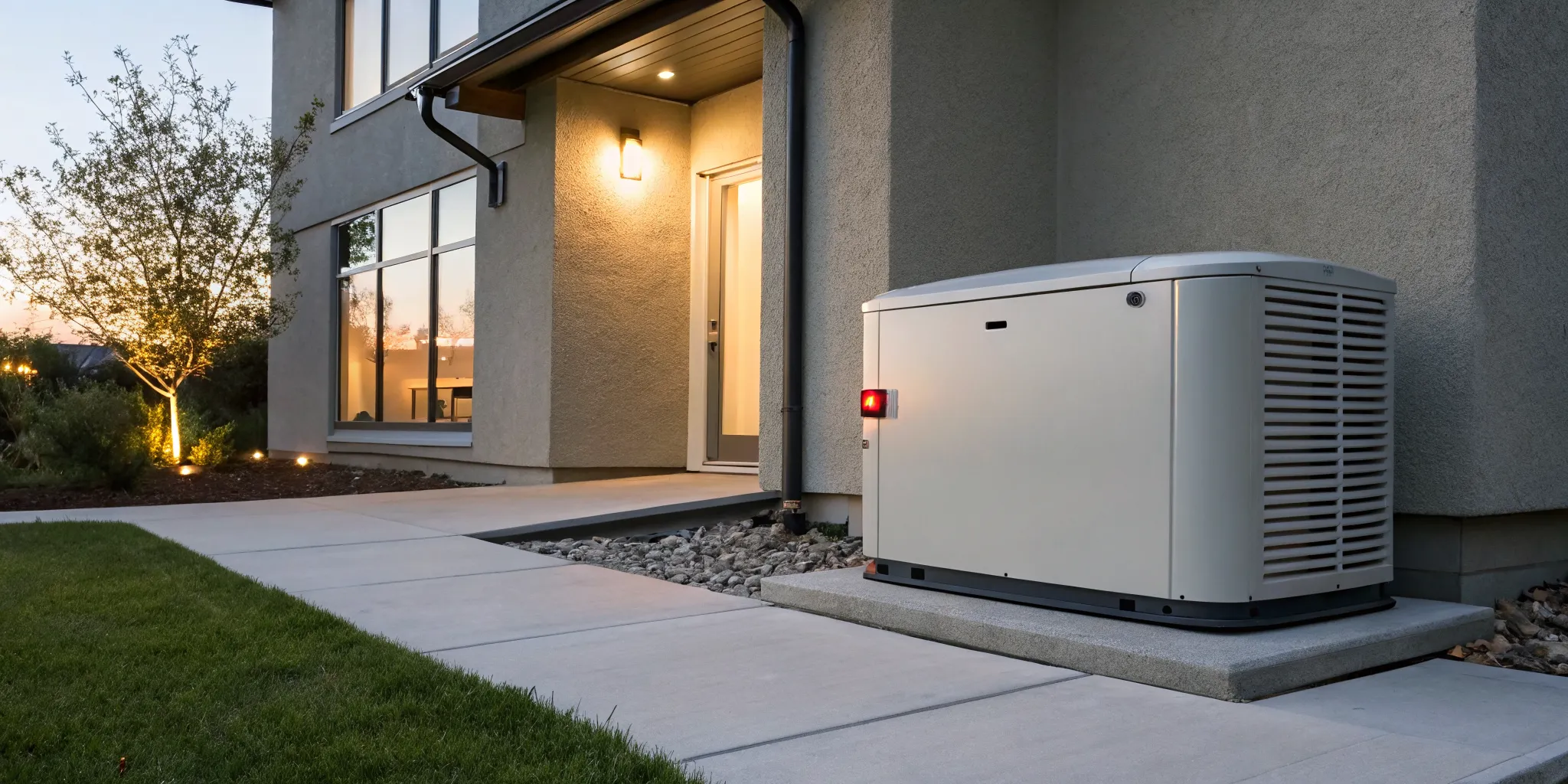
Seeing a Generac red light can be alarming, but don’t panic. It’s not just a simple warning—it’s your generator’s self-preservation mode kicking in. The system found a fault and shut itself down to prevent serious, and often expensive, damage. While this means your generator is offline for now, this feature actually saves you from bigger headaches. Understanding the generac generator red light meaning is the first step. This guide will walk you through what that alarm means, the common causes for the red light on a Generac generator, and how to get it back in ready mode.
Key Takeaways
- Understand the Red Light’s Purpose: A solid red light is a safety shutdown, not just a simple alert. It means your generator has detected a critical fault and will not run during an outage until the underlying issue is fixed.
- Perform Basic Troubleshooting First: Before calling for service, you can check a few common culprits yourself. Make sure the main switch is on, verify the oil level is correct, and try resetting the system by turning it off for one minute and then back to auto.
- Know When to Call for Expert Help: If the light remains on after a reset, or if you notice unusual noises or suspect an electrical problem, it’s time to contact a professional. A certified technician can safely diagnose the specific error code and prevent a minor issue from becoming a major repair.
Why Is My Generac Generator Showing a Red Light?
Seeing a steady red light on the side of your Generac generator can be unsettling. You invested in it for peace of mind, and a warning light is the last thing you want to see. The good news is that this light is doing exactly what it’s supposed to do: alerting you to a problem before it becomes a catastrophe. That solid red light indicates your generator has entered an “Alarm” state. This means its internal computer has detected a critical fault and has shut the unit down as a protective measure.
This isn’t just a minor notification you can ignore until later. It’s a clear, urgent signal that your generator will not automatically turn on during a power outage, leaving your home vulnerable. While it’s important to address the issue promptly, try to see the red light as a safety feature. It’s designed to prevent serious, and often expensive, damage to the engine or electrical components. For example, it might shut down to prevent the engine from running with low oil, which could cause it to seize completely. Understanding what this alarm state means is the first step toward diagnosing the problem and getting your generator back online, ready to protect your home when you need it most.
Understanding All Your Generac Indicator Lights
While a red light is the most urgent signal your generator can send, it’s not the only one. Generac uses a simple, color-coded system on its external control panel to give you a quick status update at a glance. Think of it like a traffic light for your home’s power security. Green means go, yellow means caution, and red means stop. Understanding what each light signifies helps you stay ahead of potential issues and ensures your generator is always prepared. Let’s break down what each color—and the occasional flashing light—is trying to tell you.
The Green Light: Ready and Waiting
A solid green light is the all-clear signal you want to see. It indicates that your generator is in its “Ready” state, meaning it has passed its self-checks and is standing by to automatically power your home during an outage. This light confirms that the utility power is on and the unit is functioning correctly. However, a green light doesn’t mean you can forget about upkeep. Even when your generator is ready to operate, you shouldn’t delay if it’s time for scheduled service. Sticking to a regular maintenance plan is the best way to keep that light green and ensure your generator provides reliable power for years to come.
The Yellow Light: Maintenance Needed
If you see a yellow light, don’t panic. This is simply a maintenance reminder. It’s not an emergency, and your generator will likely still run if needed during an outage. This light typically appears when the unit is due for routine service, like an oil change or filter replacement, based on its run-time hours or a pre-set calendar schedule. While it’s a non-critical alert, it’s important not to ignore it for too long. Think of it as the “check engine” light in your car—a friendly nudge to schedule service soon to prevent a minor issue from turning into a more serious problem down the line.
The Amber Light: Schedule Service Soon
On some Generac models, you might see an amber light instead of a yellow one. While similar, an amber light often serves as a more insistent maintenance reminder. It’s your generator’s way of saying it’s time to schedule a service appointment as soon as possible to keep things running smoothly. This alert signals that while the unit may still be operational, it needs attention to continue performing at its best and to avoid a potential fault. Proactively addressing this reminder ensures your generator remains in peak condition and ready for any power interruption, giving you one less thing to worry about.
What Flashing or Combined Lights Mean
A solid red light is the most critical alert, indicating a problem has caused the generator to shut down. As we’ve established, a red light means a critical problem has stopped the generator from working and needs immediate professional help. This means your unit will not run during an outage. After performing basic checks like ensuring the unit is switched on and has fuel, the next step is clear. If the red light stays on, it’s time to call a certified Generac technician. Flashing lights, whether red or yellow, can indicate specific error codes that are best diagnosed by an expert. Our team of technicians at M.T. Ruhl has the tools and training to interpret these codes accurately and perform the necessary repairs safely.
What an “Alarm State” Means for Your Generator
When your Generac generator displays a solid red light, it’s in an alarm state. This means its onboard diagnostic system has identified a significant problem and has shut the unit down to prevent further damage. The generator is essentially offline and will not run its weekly self-test or activate during an outage until the fault is cleared. Common triggers for an alarm state include issues like low oil pressure, high engine temperature, or a failure to start after several attempts. Think of it as your generator’s most serious warning, indicating a problem that requires immediate attention. For these situations, professional Generac service and repair is often the safest and quickest solution.
How a Red Light Acts as a Safety Lockout
The red light does more than just alert you to a problem; it actively prevents the generator from starting. This is a built-in safety lockout. The system is designed to protect itself from catastrophic failure. For example, if the oil is critically low, running the engine could cause it to seize, leading to a much more expensive repair. By shutting down, the generator preserves its components until the underlying issue can be fixed. Ignoring this warning and attempting to force the generator to run could turn a minor fix into a major overhaul. Until the specific fault code is addressed and the system is properly reset, your Generac generator will remain in this protective, non-operational mode.
4 Common Reasons for a Generac Red Light
Seeing a red light on your Generac generator can be unsettling, but it’s simply the system’s way of telling you it needs attention. This light indicates an “alarm state,” a built-in safety feature that stops the generator from running to prevent damage. Think of it as a check engine light for your home’s power backup. Understanding the common reasons behind this warning can help you identify the next steps to get your generator back in ready mode. From simple maintenance reminders to more complex issues, let’s walk through the most frequent culprits.
Reason 1: Low or Dirty Oil
Just like your car, your generator’s engine needs clean oil at the right level to run properly. One of the most common reasons for a red light is low oil pressure or a low oil level. The generator has sensors that detect when the oil is insufficient, and it will shut down the engine to protect it from serious damage. This is a critical safety feature. Regular oil checks are a key part of routine Generac maintenance, ensuring your unit is always lubricated and ready to perform when you need it most.
Reason 2: Overcrank and Fuel System Problems
An “overcrank” alarm means the generator tried to start several times but couldn’t turn over. This isn’t a sign of a broken engine but usually points to a problem with what the engine needs to run: fuel or a spark. Often, the issue lies with the fuel supply. For example, the propane tank might be low, or the natural gas valve could be closed. It’s a good idea to check your fuel source first. If the fuel supply seems fine, the problem could be related to the starting system itself.
Reason 3: A Weak Battery or Loose Connection
A weak or dead battery is another frequent cause of a red light, especially for the overcrank error. The generator needs a strong, reliable battery to start up. Over time, batteries lose their ability to hold a charge. The connections can also become loose or corroded, preventing power from reaching the starter. It’s always a good idea to check that the battery terminals are clean and tight. If the battery is old or won’t hold a charge, it will need to be replaced. Our team can handle any generator service and repair needs, including battery testing and replacement.
Understanding Battery Lifespan
Just like the battery in your car, the one in your generator has a finite lifespan. Typically, a generator battery lasts about two to three years before it starts to lose its ability to hold a strong charge. This gradual decline is why a seemingly fine battery can fail without warning. When the generator tries to start its weekly test cycle or an actual outage occurs, a weak battery may not have enough power to turn the engine over, leading to an overcrank fault and that frustrating red light. Regular generator maintenance is the best way to stay ahead of this problem. A technician can test the battery’s health, clean any corrosion from the terminals, and ensure the connections are tight, helping you avoid a dead battery when you need your generator the most.
Reason 4: Overheating or System Overload
Your generator is designed to shut down if it gets too hot, which protects the engine from damage. Overheating can happen if the unit’s ventilation is blocked by debris like leaves or snow, or if it’s been running for a very long time in high temperatures. Another cause for a shutdown is system overload. This happens when you’re trying to power more appliances than the generator can handle. The unit will stop itself to prevent damage to both the generator and your home’s electronics. Proper residential standby generator installation ensures your unit is sized correctly for your home’s needs, which helps avoid this issue.
Reason 5: Electrical System Problems
Sometimes, the red light points to a problem within the generator’s complex electrical system. This could be anything from faulty wiring to a malfunctioning circuit board or sensor. When the generator’s internal computer detects an electrical fault, it triggers the red light and shuts down as a critical safety measure to prevent a potential fire hazard or further damage. Unlike checking the oil or fuel, diagnosing and fixing electrical system problems is a job for a trained professional. If you suspect an electrical issue, it’s important not to tamper with the wiring yourself. A certified technician has the tools and expertise to safely identify the source of the fault and perform the necessary repairs.
Reason 6: Main Switch or Activation Issues
Before you panic, check for the simplest solution first. A very common reason for a red light is that the generator’s main switch has been accidentally turned to the “Off” position. This can easily happen during routine maintenance, landscaping, or even by a curious child. Locate the main control switch on your generator and make sure it is set to “Auto.” This setting allows the generator to start automatically when it detects a power outage. If the switch is off, the generator is essentially disabled and will display a red light to let you know it’s not ready. Flipping it back to “Auto” might be all it takes to clear the alarm and get your system back online.
How to Fix a Generac Red Light: A Step-by-Step Guide
Seeing a red light on your Generac generator can be alarming, but it doesn’t always signal a major issue. Often, it’s the system’s way of telling you something needs attention. Before you worry, let’s walk through a few simple troubleshooting steps you can take to identify and possibly resolve the problem yourself. These checks are straightforward and can often get your generator back into its ready state without needing a service call. By following this guide, you can diagnose the most common causes for that persistent red light.
Step 1: Inspect the Main Switch and Oil Level
Your first move should be to check the basics. Sometimes, the simplest explanation is the right one. Head out to your generator and locate the main switch or circuit breaker. It’s possible it was accidentally turned to the ‘off’ position, which would trigger the red light. If it’s off, simply flip it back on.
Next, check the engine oil. A low oil level is a very common reason for a generator to enter an alarm state, as it’s a built-in safety measure to prevent engine damage. If the oil is low, top it off with the manufacturer-recommended type. While you’re there, take a look at the oil’s condition. If it appears dark and dirty, it might be time for an oil change, which is a key part of routine generator maintenance.
Step 2: How to Safely Reset Your Generator
If the switch and oil level are fine, a simple system reset is your next step. This can clear minor faults and get the generator out of its alarm state. The process is quick and easy. First, turn the generator’s control knob or button to the ‘Off’ position. Give it a full minute to completely shut down. This waiting period is important, so don’t rush it.
After waiting at least 60 seconds, turn the control knob back to the ‘Auto’ position. The generator will run through a quick diagnostic check. In many cases, this reset is all that’s needed to clear the red light. If the light turns green, you’re all set. If it stays red, it’s time to move on to the next step.
Alternative Reset Method for Different Models
If the standard “Off” then “Auto” reset didn’t work, there’s another method for some Generac models. Newer units, particularly those with digital Evolution™ or Nexus™ control panels, allow you to clear alarms directly from the display. After you’ve checked the basics like the oil level, you can use the arrow keys on the control panel to find the alarm message. Pressing the “Enter” button will usually clear the code from the system’s memory. It’s important to understand that this only dismisses the alert; it doesn’t fix the actual problem. If you haven’t resolved the underlying issue, the red light will just come back. When the light persists after a reset, it’s a clear sign that a deeper problem needs professional attention from a certified technician who can handle the necessary service and repair.
Step 3: Test the Battery & Reduce the Load
A weak or failing battery is another frequent culprit behind a red light warning. Start by inspecting the battery connections. Make sure they are clean, tight, and free of corrosion. A loose connection can prevent the battery from charging properly or delivering enough power. If the terminals look good, the battery itself might be the issue. If it’s several years old or won’t hold a charge, it likely needs to be replaced. This is a common task during a professional generator service and repair visit.
Also, consider the demand on your system. An overload happens when too many high-power appliances run at once, which can cause a shutdown. Try reducing the electrical load by turning some things off.
Step 4: Clear Error Codes from the Display
If the red light is still on after trying the steps above, it’s time to gather more information. Your Generac generator has a digital display on its controller that provides specific error codes. To see it, you’ll need to open the generator’s lid. Look for a four-digit number on the screen. This code tells you exactly what fault the system has detected, whether it’s an issue with engine speed, voltage, or a sensor.
Jot down this code. You can look it up in your owner’s manual to better understand the problem. Having this code handy is also incredibly helpful if you need to call a professional. When you can provide the specific error code, it helps our technicians diagnose the issue faster and ensure they arrive with the right parts for the job.
Using the Mobile Link App to Confirm Status
Instead of heading outside to check on your generator, you might be able to diagnose the issue right from your couch. If you have it set up, the Generac Mobile Link app is an incredibly convenient tool that lets you monitor your generator’s status from your smartphone. The app gives you a real-time look at whether your system is ready, running, or in an alarm state. When a red light fault happens, the app will send a notification straight to your phone, often including the specific error code that caused the shutdown. This gives you immediate insight into the problem, making it much easier to decide your next steps. Having this code is also extremely helpful if you need to schedule a professional generator service and repair visit, as it helps our team understand the issue before we even arrive.
Still Seeing a Red Light? When to Call a Pro
You’ve tried the basic troubleshooting steps, but that stubborn red light is still glowing. While many generator issues have simple solutions, some problems require a trained eye and specialized tools. Attempting complex repairs on your own can be risky and may lead to more significant damage. Knowing when to step back and call for professional help is key to keeping your generator running safely and reliably for years to come. If you’ve reset the unit and checked the basics without success, it’s time to contact a certified technician.
Warning Signs of a Serious Engine Problem
A persistent red light after a reset often points to a deeper issue within the engine. If you’ve already confirmed the oil level is correct and there are no obvious blockages, the problem could be internal. Don’t ignore warning signs like unusual noises (grinding, knocking, or squealing), smoke, or visible leaks. These symptoms suggest a mechanical problem that won’t be fixed with a simple reset. Continuing to run the generator or attempting to fix it yourself could cause severe engine damage. For these kinds of issues, it’s always safest to call for professional Generac service and repair to diagnose and resolve the problem correctly.
What to Do if You Smell Gas
A gas smell near your generator is a serious safety concern that you should never ignore. If you detect the odor of natural gas or propane, you need to act quickly. The first and most important step is to turn off the generator immediately. If you can safely access the main gas supply valve, shut that off as well. Next, clear the area completely and make sure no one goes near the unit. Do not try to restart the generator or investigate the source of the leak yourself, as this could create a spark and pose a significant fire hazard. Your only next step should be to call a professional. A certified technician has the tools and training to safely find and fix the leak, ensuring your system is secure before it’s used again.
Interpreting Strange Noises
Your generator should produce a steady, consistent hum when it’s running. If you start hearing new or unusual sounds, it’s a clear sign that something is wrong internally. Pay close attention to noises like grinding, loud knocking, or a high-pitched squeal. These sounds often point to mechanical problems, such as worn-out bearings, loose components, or other engine troubles that need immediate attention. Don’t just hope the noise goes away. Continuing to run the generator can turn a small issue into catastrophic engine failure. The safest course of action is to shut the unit down and schedule a professional generator service and repair call to diagnose the source of the sound.
Identifying Fluid Leaks by Color
Finding a puddle under your generator is another warning sign that requires attention. The color of the fluid can give you a clue about what’s wrong. A dark brown or black liquid is typically engine oil, suggesting a leak that could lead to low oil pressure and engine damage. If you see a bright green, pink, or orange fluid, that’s coolant, which means there could be a problem with the radiator or a hose. A clear or yellowish fluid with a distinct smell is likely a fuel leak, which is a serious fire hazard. Regardless of the color, any fluid leak should be addressed right away. A technician can pinpoint the source and fix it before it causes a bigger, more expensive problem.
How to Spot Complex Electrical Failures
The red light can also indicate a problem with the generator’s electrical system. This could involve anything from the wiring and circuit boards to the automatic transfer switch that connects the generator to your home. Electrical work is not a DIY project. Faulty wiring or a malfunctioning circuit board can pose a serious safety risk, including fire or electrical shock. If you suspect an electrical issue, or if you’re simply not comfortable with the troubleshooting steps, it’s best to call a professional. Our team is experienced with all types of electrician repairs and can safely handle these complex situations.
Troubleshooting the Automatic Transfer Switch (ATS)
The Automatic Transfer Switch (ATS) is the critical link between your generator and your home. Think of it as the traffic controller for your power. When it senses a utility outage, it tells your generator to start and then safely switches your home’s electrical panel over to generator power. If this switch malfunctions, your generator may not get the signal to start, resulting in a red light and no backup power. A common sign of an ATS issue is when the generator fails to activate during an actual outage. Because the ATS is directly connected to your home’s high-voltage electrical system, troubleshooting it is a job for a certified technician.
Inspecting the Circuit Board and Sensors
Your generator’s circuit board is its brain, constantly receiving information from sensors that monitor engine temperature, oil pressure, and electrical output. A red light can be triggered if the circuit board itself fails or if one of its sensors sends a faulty signal. While it might be tempting to look for a loose wire, this is where DIY repairs must stop. The internal electrical components are complex and carry a significant risk of shock or fire if handled improperly. If you suspect a problem with the circuit board or sensors, the safest course of action is to call for professional generator service and repair to ensure a correct and safe diagnosis.
What to Expect from a Certified Technician
When you call M.T. Ruhl, you’re getting more than just a quick fix. Our certified technicians have the expertise to accurately diagnose the root cause of the red light, whether it’s a simple sensor issue or a complex engine problem. We use specialized diagnostic tools to read the specific error codes and get your system back online quickly. If you have a new generator, we can also confirm it was registered and activated correctly, a step that is sometimes missed. Our team is committed to providing reliable, long-term solutions, not just temporary patches, ensuring your generator is ready when you need it most.
The Risks of Ignoring a Generac Red Light
That little red light on your generator is easy to overlook, but it’s your system’s most important signal that something is wrong. Addressing it quickly is key to keeping your generator reliable and ready for action. Ignoring it can lead to bigger problems, leaving you without power when you need it most.
Avoiding Costly Engine Damage
Think of the red light as your generator’s check engine light. It’s a direct warning that an issue needs your immediate attention. Common causes like low oil pressure, an overheating engine, or battery problems can lead to significant engine damage if they aren’t addressed. What might start as a simple fix can quickly escalate into a much more expensive problem. Acting on the alert right away is the best way to protect your investment and avoid a major repair bill down the road. When you see that light, scheduling a professional Generac service and repair is the safest and most effective next step.
Ensuring Reliability When You Need It Most
Here’s the most important thing to know: if the light on your generator is red, it will not run during a power outage. The system is in a fault state, which means it won’t automatically turn on to provide backup power. The whole reason you have a standby generator is for that reliable power source when the grid goes down. A red light is your generator’s way of telling you it can’t do its job. By addressing the issue promptly, you ensure your home or business remains protected. Regular generator maintenance is also a great way to prevent these faults from happening in the first place.
Recognizing Potential Safety Hazards
While a generator showing a red light isn’t an immediate fire risk, the real hazard is being left without power. During an outage, this could mean no electricity for essential medical equipment, a sump pump that can’t prevent flooding, or security systems going dark. The red light indicates a critical problem that has taken your first line of defense offline. It’s a clear sign that the system isn’t operating correctly and needs professional attention. Our certified technicians are trained to diagnose these issues safely, restoring your generator to proper working order and ensuring your property stays protected.
Related Articles
Frequently Asked Questions
What’s the difference between a red and a yellow light on a Generac? A red light signifies a critical “Alarm” state, which means your generator has shut down and will not run until the issue is fixed. Think of it as a full stop. A yellow light, on the other hand, is a “Warning” or maintenance reminder. It’s telling you that something needs attention soon, like an upcoming oil change, but the generator will still operate if needed.
If I reset my generator and the red light goes away, am I all set? Not necessarily. Resetting the system can clear a temporary fault, but it doesn’t fix the underlying cause. If the problem that triggered the alarm in the first place still exists (like low oil or a failing sensor), the red light will likely reappear. It’s always best to understand why the light came on, even if a reset makes it go away for a little while.
Will my generator still turn on during an outage if the red light is on? No, it will not. The red light indicates the generator is in a protective lockout mode. This safety feature prevents the unit from starting automatically during an outage to avoid causing serious damage to its engine or electrical components. Until the fault is diagnosed and cleared, your home will not have backup power.
How can I prevent the red light from appearing in the first place? The most effective way to prevent unexpected shutdowns is through consistent, proactive maintenance. Following a regular service schedule helps catch potential issues like low oil, a weakening battery, or dirty filters before they become critical problems. A well-maintained generator is far less likely to enter an alarm state, ensuring it’s ready to go when you need it.
I found the error code on the display. What should I do with it? Finding the error code is a great step. You should write it down immediately. While your owner’s manual might give you a general idea of what the code means, the best course of action is to provide that specific code when you call a professional technician. It gives us a head start on diagnosing the problem and helps ensure we arrive with the right tools and parts to fix it efficiently.