Do your lights flicker when the air conditioner kicks on? Are you constantly resetting a tripped breaker? These aren’t just annoying quirks; they’re clear signs your electrical system is overloaded. That metal box in your utility closet is the heart of your home’s power, and older models simply can’t keep up with modern life. Proactive electrical panel upgrades are about more than convenience—they’re about safety. If you’re ready to upgrade your panel for true peace of mind, this guide will walk you through the telltale signs that it’s time for a change.
Key Takeaways
- Know the Warning Signs: Pay attention to flickering lights and frequently tripped breakers. These are clear signals that your electrical panel can’t keep up with your home’s power needs and may be a safety risk.
- Upgrade for Safety and Future Power: A new panel is more than a repair; it’s a foundational improvement that protects your home from fire hazards and prepares it for future technology like EV chargers and smart appliances.
- Always Hire a Licensed Pro: Electrical panel work is complex and dangerous. For your family’s safety and to ensure the job is done correctly and up to code, always leave this project to a qualified and insured electrician.
Your Electrical Panel: What It Is and Why It Matters
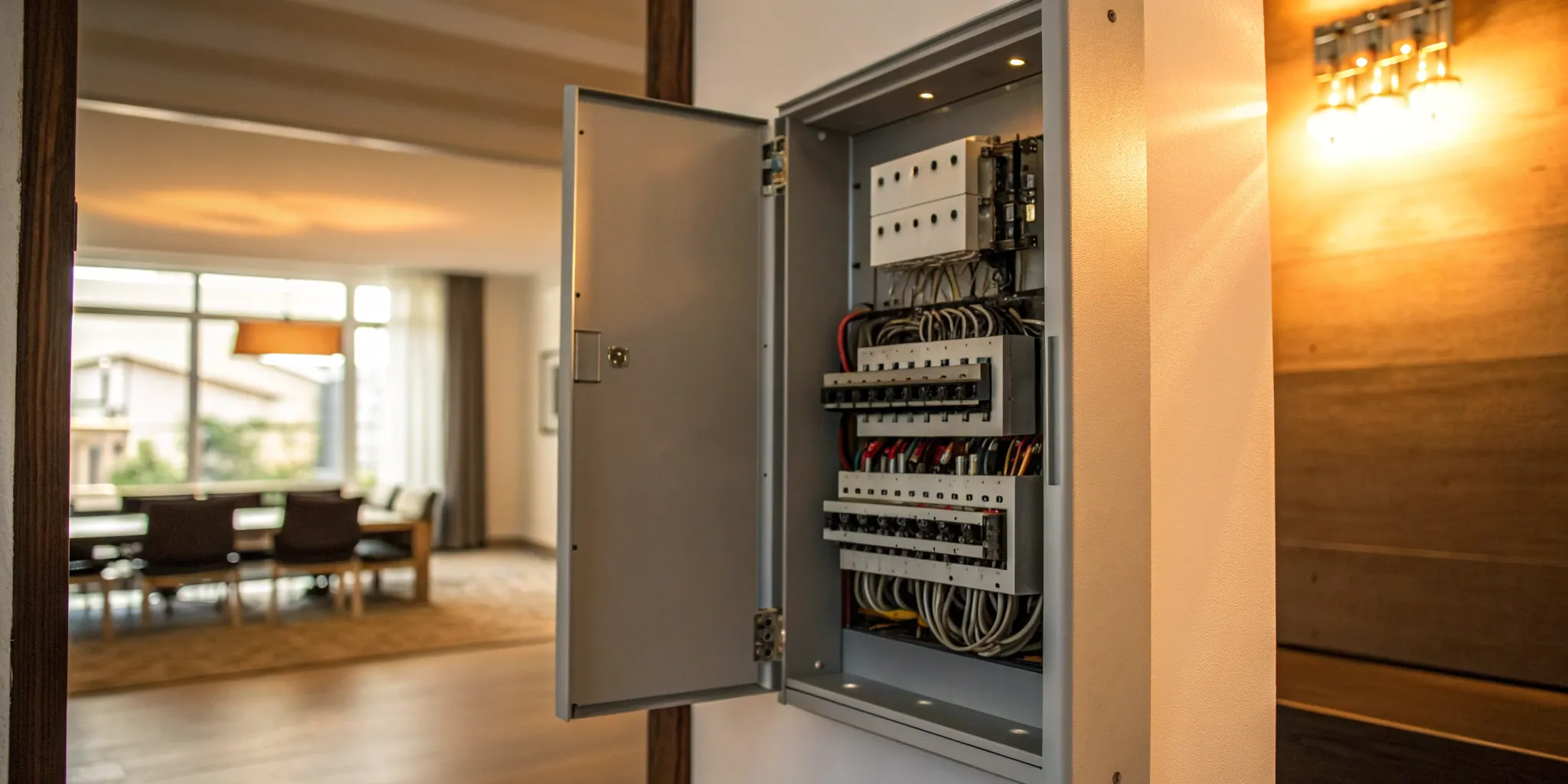
Think of your electrical panel as the command center for your home’s power. It’s that gray metal box, usually tucked away in a basement, garage, or utility closet, that manages all the electricity coming into your house. Every light you switch on, every appliance you run, and every device you charge gets its power routed through this single hub.
So, why should you care about it? Because your panel is the gatekeeper of your home’s electrical safety and capacity. An outdated or undersized panel can’t handle the demands of modern life—from high-efficiency HVAC systems and home offices to electric vehicle chargers. Understanding what your panel does is the first step toward ensuring your home has the safe, reliable power it needs for years to come. It’s about more than just keeping the lights on; it’s about protecting your home, your expensive electronics, and your family.
What Does an Electrical Panel Actually Do?
Your electrical panel is like your home’s energy center. Its primary job is to take the main power line from the utility company and divide it into smaller, manageable circuits that run throughout your house. Each circuit is protected by a circuit breaker, which is a safety switch that automatically trips and cuts off power if it gets overloaded. This crucial function prevents wires from overheating, which can lead to electrical fires. For your home to function smoothly and safely, your panel needs to be ready for all your modern residential electric needs, from the kitchen appliances you use daily to your entertainment setup.
A Peek Inside: The Main Parts of Your Panel
When you open the panel door, you’ll see the main breaker at the top, which can shut off all power to your home in an emergency. Below it are rows of individual circuit breakers, each labeled for the specific area or appliance it controls, like “Kitchen Outlets” or “Master Bedroom.” The panel’s capacity is measured in amps—this determines how much electricity can flow into your home at once. While older homes might have 60- or 100-amp panels, a 200-amp panel is now the standard for most updated homes. If you notice frequent breaker trips or flickering lights when you turn on an appliance, it might be time to call for electrician repairs to assess your panel’s health.
When Should You Upgrade Your Electrical Panel?
Your electrical panel works hard behind the scenes, but it can’t do its job forever. As our homes fill with more gadgets, smart devices, and high-powered appliances, the demand on our electrical systems grows. An older panel that was perfectly fine a few decades ago might now be struggling to keep up. So, how do you know if your panel is just getting old or if it’s actively waving a red flag? Let’s look at some of the most common signs that it’s time for an upgrade.
5 Signs You Need an Electrical Panel Upgrade
Do your lights flicker or dim whenever you turn on the microwave or air conditioner? Are you constantly heading to the basement to reset a tripped breaker? These little annoyances are actually your home’s way of telling you the electrical panel is overloaded. An outdated panel simply can’t handle the electrical load of modern life. If you still have an old-fashioned fuse box, that’s an even clearer sign that an upgrade is overdue. These issues aren’t just inconvenient; they’re indicators of a system under strain. Addressing these common electrical problems with a panel upgrade ensures your home has the power it needs, right when you need it.
How Old Is Too Old for an Electrical Panel?
Most electrical panels have a lifespan of 25 to 40 years. If you live in an older home and you’re not sure when the panel was last replaced, it’s worth a look. Beyond age, capacity is a huge factor. Many older homes were built with 60-amp panels, which was plenty for the time. Today, the standard is typically 100 amps at a minimum, with many homes needing 200 amps to safely power everything from electric vehicle chargers to modern kitchen appliances. If your panel is rated for less than 100 amps, it’s likely struggling to meet your needs. An upgrade ensures your home’s electrical system is robust enough for your lifestyle now and in the future.
Safety Red Flags That Demand an Immediate Upgrade
Some signs go beyond inconvenience and point to serious safety hazards. If you notice any of these red flags, it’s time to call a professional right away. Pay close attention to a persistent burning smell or visible smoke coming from the panel—these are emergencies. Other urgent signs include buzzing or crackling sounds from the panel, scorch marks around outlets or breakers, or breakers that feel warm to the touch. These symptoms can indicate faulty wiring or connections that pose a significant risk of an electrical fire. Don’t wait to get these issues checked out; your family’s safety is the top priority. A qualified electrician can perform the necessary electrical repairs to secure your home.
When an Upgrade Might Not Be Necessary
While it’s easy to assume that flickering lights automatically mean you need a brand-new electrical panel, that’s not always the case. An upgrade is a significant investment, and sometimes, a more targeted solution can solve your power problems without the need for a full replacement. Before you commit to a major overhaul, it’s worth exploring whether your current system has more life left in it than you think. With a bit of planning and some expert advice, you might find that your existing panel is perfectly capable of meeting your home’s needs, or that a smaller adjustment is all that’s required to restore balance and safety to your electrical system.
Assessing Your Current Panel’s Capacity
The capacity of your panel, measured in amps, is a key factor. Many homeowners believe a 100-amp panel is automatically outdated, but that’s not necessarily true. According to research from Rewiring America, if your panel is rated for 100-150 amps, you can often power a modern home with some strategic planning around your appliance usage. If your panel is already rated for more than 150 amps, you likely have enough capacity to handle everything without much worry. The best first step is to have a professional assess your current setup and actual energy consumption. A qualified electrician can give you a clear picture of your panel’s capabilities and help you understand your true residential electric needs.
Exploring Alternatives to a Full Upgrade
If your panel is feeling the strain but isn’t critically outdated, there are several alternatives to a full replacement. You can often reduce the load by choosing more energy-efficient appliances or installing devices that allow circuits to share power intelligently. Sometimes, simpler solutions within the panel itself can make a big difference. An experienced electrician might suggest options like tandem breakers to create more space or load regulators to manage power distribution more effectively. The key is to get a professional opinion before making a decision. A thorough inspection can determine if one of these less invasive electrician repairs could solve your problem and save you from an unnecessary upgrade.
The Installation Process: How a Main Electrical Panel is Hooked Up
While a panel upgrade is a complex task requiring professional execution, understanding the technical “hook up” steps helps homeowners know what to expect during the service.
1. Main Service Disconnect: The process begins with a coordinated power shut-off. We work with the utility provider to disconnect the service from the meter, ensuring the work environment is entirely safe and de-energized.
2. Removing the Old Enclosure: The existing panel is carefully dismantled. This includes labeling every circuit wire, removing the old breakers, and detaching the enclosure from the wall studs. This is the stage where we inspect the existing wiring for any signs of heat damage or corrosion.
3. Mounting and Grounding the New Panel: The new service panel is mounted and leveled. A critical technical step here is the Grounding and Bonding we ensure the system is properly connected to a grounding electrode (usually a copper rod driven into the earth) and that the neutral and ground buses are correctly bonded according to the latest NEC (National Electrical Code) standards.
4. Wiring the Main Lugs and Branch Circuits: The main service entrance cables are pulled into the panel and secured to the main lugs. Following this, each branch circuit is landed on its respective breaker. We prioritize:
-
Proper Torque: Ensuring all connections are tightened to manufacturer specifications to prevent future arcing.
-
Wire Management: Cleaning up “spaghetti wiring” for easier future troubleshooting.
-
AFCI/GFCI Integration: Installing modern safety breakers required by current codes.
5. Labeling and Testing: Once the hook-up is complete, we re-energize the system and perform a “load balance” test. Every single circuit is then clearly labeled on the panel door directory so you never have to guess which breaker controls which room.
What Are the Real Perks of a Panel Upgrade?
Thinking about an electrical panel upgrade can feel like a big, technical project. But it’s much more than just a box of wires and circuits. A panel upgrade is a foundational investment in your home’s safety, capability, and long-term value. It’s about making sure your home can comfortably and safely handle everything you plug into it, from your morning coffee maker to a new electric vehicle.
When your home’s electrical system was first installed, it was designed for the demands of that era. Today, we have countless devices, high-efficiency appliances, and smart home technology that older panels were never built to support. An upgrade isn’t just about fixing flickering lights or a constantly tripping breaker; it’s about proactively equipping your home for modern life. It gives you the power you need, the safety you deserve, and the peace of mind that comes with a reliable electrical system. Let’s look at the real, tangible benefits you’ll see from this essential home improvement.
Improve Your Home’s Electrical Safety
Your electrical panel is the heart of your home’s electrical system, and its health is directly tied to your family’s safety. An outdated or overloaded panel can pose a serious risk of electrical fires and shocks. Over time, connections can loosen and breakers can wear out, failing to trip when they should. Upgrading to a modern panel ensures your system is equipped with the latest safety features and can properly manage your home’s electrical load. This simple change significantly reduces risks, bringing your home up to current electrical codes. If you’ve noticed any warning signs, it’s always best to have a professional perform electrician repairs and assess your panel’s condition.
Uncovering and Fixing Hidden Wiring Issues
Sometimes, the biggest safety benefits of a panel upgrade are the ones you can’t see. When a licensed electrician opens up your system to install a new panel, they get a rare look at the wiring that’s normally hidden behind your walls. This process can uncover dangerous, pre-existing problems like frayed insulation, loose connections, or signs of arcing that could otherwise go unnoticed until it’s too late. Think of it as a full health check-up for your home’s electrical backbone. By identifying and addressing these hidden hazards during the upgrade, you’re not just getting more power—you’re getting a safer home. A professional can perform the necessary electrician repairs on the spot, ensuring your entire system is secure and up to code.
Power All Your Modern Gadgets and Appliances
Do your lights dim when the air conditioner kicks on? Do you have to plan which appliances you can run at the same time? These are signs that your current panel is struggling to keep up. Our lives are filled with more electronics than ever before—from home office equipment and entertainment systems to powerful kitchen appliances. An electrical panel upgrade provides the capacity you need to run everything at once without issue. It’s also the first step for bigger projects, like finishing your basement, adding a hot tub, or installing an EV charger. With an updated panel, you’ll have reliable power for all your residential electric needs, now and in the future.
Preparing for a Whole-Home Generator
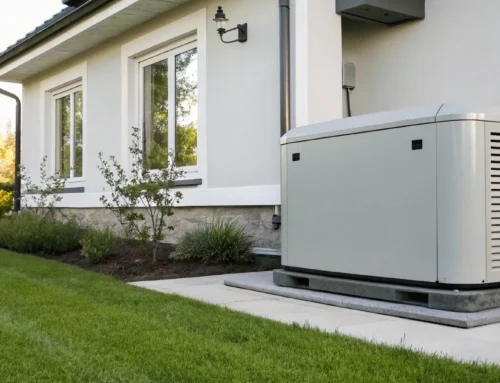
If you’re thinking about the peace of mind a whole-home generator can bring, your electrical panel is the first place to look. A Generac generator is a powerful piece of equipment that integrates directly with your home’s electrical system to take over during an outage. But if your panel is already showing signs of strain—like those flickering lights or frequently tripped breakers we talked about—it simply won’t be able to handle the job. An undersized or outdated panel can’t safely manage the transfer of your home’s entire electrical load, which puts both your new generator and your home’s appliances at risk. That’s why a professional assessment is a crucial first step before any residential standby generator installation. Upgrading your panel isn’t just a preliminary task; it’s the essential groundwork for ensuring your generator operates safely and reliably when you need it most.
Can a New Panel Lower Your Energy Bills?
While a panel upgrade itself doesn’t directly lower your electricity bill, it’s a critical step toward a more energy-efficient home. Modern panels are designed to distribute power more effectively, which supports the performance of today’s high-efficiency appliances. An older panel can struggle to provide consistent power, causing appliances to work harder and less efficiently. Furthermore, if you’re considering major energy-saving installations like a heat pump, solar panels, or a whole-home generator, an upgraded panel is often a prerequisite. It creates a stable and robust electrical foundation, allowing you to confidently add new, energy-conscious technology to your home.
Add Value and Future-Proof Your Home
An electrical panel upgrade is a smart investment that pays off. For potential homebuyers, an updated electrical system is a huge selling point. It signals that a home is well-maintained, safe, and ready for modern living. Home inspectors often flag old or recalled panels, which can complicate a sale or lower your home’s value. By upgrading, you’re not just improving your daily life—you’re adding tangible value to your property. You’re also future-proofing your home, ensuring it’s ready for any new technology or renovation you might want down the road, like a residential standby generator installation. This foresight can save you time, money, and hassle later on.
The Cost of an Electrical Panel Upgrade: What to Expect
Understanding the investment required for a panel upgrade is essential for budgeting. On average, homeowners in our service area can expect to pay between $2,500 and $4,500 for a standard upgrade, though several factors influence the final price:
-
Amperage Increase: Upgrading from 100-amp to 200-amp service is standard for most modern homes, while 400-amp upgrades for homes with high electrical loads (like EV chargers and heat pumps) will sit at the higher end of the price scale.
-
Code Requirements: Modern codes require AFCI (Arc Fault Circuit Interrupter) breakers, which cost significantly more than standard breakers but are vital for fire prevention.
-
Meter Socket & Service Entrance: If the cables running from the utility pole to your house are outdated, they must be replaced along with the panel, adding to the total project cost.
-
Permits and Inspections: We handle all township permitting and coordination with the utility company (PECO/PPL). These fees vary by municipality.
How Much Does an Electrical Panel Upgrade Cost?
Okay, let’s get right to the question on every homeowner’s mind: what is this going to cost? An electrical panel upgrade is a significant investment in your home’s safety and functionality, so it’s smart to understand the budget before you begin. The final price tag can vary quite a bit, but knowing the key factors will help you get a clearer picture of what to expect.
Think of it less as a simple expense and more as a long-term improvement. You’re not just buying a new metal box; you’re investing in peace of mind, protecting your expensive electronics, and preparing your home for the future. Let’s break down the numbers so you can plan your project with confidence.
Understanding the Average Cost to Upgrade
When you start looking up prices, you’ll see a pretty wide range. On average, a professional electrical panel upgrade can cost anywhere from $850 to $4,000. For a standard home, most projects tend to fall somewhere between $1,000 and $2,500. The main reason for this variation is the size of the panel you need (measured in amps) and the specific details of your home’s current electrical setup. A straightforward swap is much different from a complex overhaul. The best way to get a precise number is to have a qualified electrician assess your home and provide a detailed quote for any electrical repairs or upgrades.
Breaking Down Costs by Panel Size
The size of the electrical panel, measured in amps, is one of the biggest factors determining the final cost. A 100-amp panel, often the minimum for smaller or older homes, typically costs between $850 and $1,450 to install. However, the modern standard for most homes is a 200-amp panel, which can handle more appliances and technology. This upgrade usually falls in the $1,500 to $2,500 range. For larger homes or those with significant power needs—like an electric vehicle charger or a whole-home generator—you might need a 300-amp or 400-amp service. These more robust systems can range from $2,000 to over $4,000, reflecting the increased complexity and materials required for the job.
What Factors Influence the Final Price?
Several things can influence the final cost of your panel upgrade. A major factor is whether your utility company needs to get involved. If the service wires running to your house need to be replaced, especially if they are underground, the cost can increase substantially. Other elements that affect the price include the amperage you’re upgrading to—moving from a 100-amp panel to a 200-amp panel is a common and necessary step for modern homes. The location of the panel, local permit fees, and whether any additional rewiring is needed to meet current safety codes will also play a role in the total investment for your residential electrical system.
Understanding Labor Costs
A significant portion of the upgrade cost comes from the skilled labor required to do the job safely and correctly. This isn’t a DIY project; it involves handling your home’s entire electrical supply. The cost of labor depends on the complexity of the installation, the time it takes, and the expertise of the licensed electrician. A simple panel swap in an easily accessible location will take less time than a project that requires rerouting circuits or working in a cramped space. When you hire a professional, you’re paying for their experience, insurance, and the guarantee that the work will meet all local safety codes. This expertise is essential for any electrical repairs and is non-negotiable when it comes to your home’s main power source.
Potential for Utility Company Involvement
Sometimes, an electrical panel upgrade requires coordination with your local utility provider, which can affect the project’s timeline and cost. A major factor is whether your utility company needs to get involved. If the service wires running from the pole to your house need to be replaced or upgraded to handle the increased amperage, they will need to schedule a visit to disconnect and later reconnect your power. This is especially true if the service lines are buried underground. A professional electrician will manage this entire process for you, coordinating with the utility company to ensure everything goes smoothly and your residential electrical service is restored as quickly as possible.
How to Pay for Your Panel Upgrade
The good news is that you might not have to cover the entire cost out of pocket. Because a panel upgrade can improve your home’s energy efficiency, there are programs designed to help. For instance, the Energy Efficient Home Improvement Tax Credit could help you save a significant amount on qualified upgrades. You may be able to get a tax credit for up to 30% of the project cost, capped at $600 for the year. It’s always worth checking for the latest federal and local incentives. Additionally, many electrical service providers offer financing options to help you manage the cost of important home safety projects like this one.
Understanding Federal Tax Credits
Making your home more energy-efficient can come with some nice financial perks from the government. The Energy Efficient Home Improvement Credit is a federal program designed to help homeowners with the cost of certain upgrades, and an electrical panel replacement can often qualify. While the panel itself isn’t an appliance, it’s considered a necessary foundation for installing other high-efficiency systems like heat pumps or preparing for a future EV charger. This tax credit can cover up to 30% of the project cost, with a cap of $600 for electrical panel upgrades. It’s a great way to offset some of the investment. Just remember that tax laws can change, so it’s always a good idea to check the latest guidelines and consult with a tax professional.
Checking for Local Utility Rebates
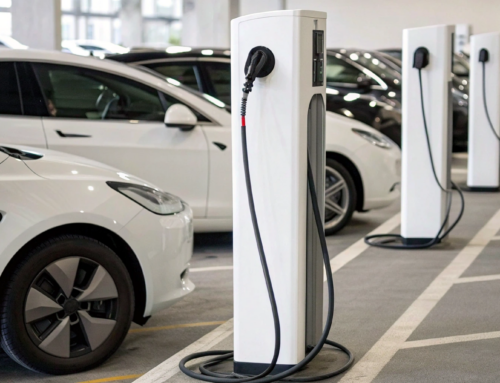
Beyond federal incentives, don’t forget to look closer to home. Your local utility company may offer its own rebates for electrical system improvements. For example, some programs are designed to help homeowners upgrade their panels to support the installation of a Level 2 electric vehicle charger. These rebates can be substantial, sometimes covering thousands of dollars, especially for households that meet certain income or community criteria. The best approach is to visit your utility provider’s website and search for “rebates” or “energy efficiency programs.” These local incentives can make a significant dent in the overall cost, making it easier to get your home ready for modern power demands, whether that’s for an EV or a whole-home generator.
Panel Upgrade Mistakes You’ll Want to Avoid
An electrical panel upgrade is a significant investment in your home’s safety and functionality, so you want to make sure it’s done right. Making an informed decision means steering clear of common pitfalls, from believing outdated myths to underestimating the complexity of the job. Let’s walk through some of the biggest mistakes homeowners make so you can feel confident in your project from start to finish. The goal is to get a safe, reliable electrical system that serves your family for years to come, and avoiding these errors is the first step.
Common Electrical Panel Myths, Busted
It’s easy to put off a panel upgrade, especially when you’re not seeing obvious problems. Many people believe you only need to worry if your lights are flickering or breakers are constantly tripping. In reality, waiting for these warning signs can mean you’re already putting stress on an outdated system. Another common myth is that new homes are exempt from needing upgrades. While they meet the code they were built to, today’s power demands from EVs, smart home tech, and high-efficiency appliances can quickly outpace the capacity of a standard new-build panel. A proactive approach is always safer for your home’s residential electric system.
Why a DIY Panel Upgrade Is a Bad Idea
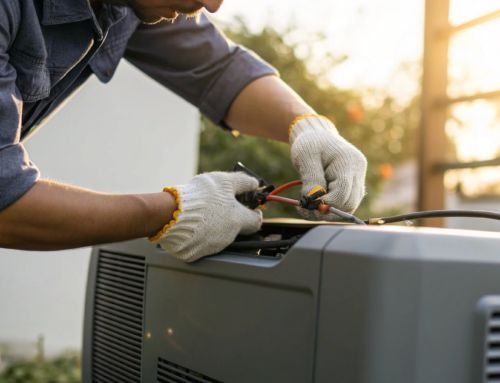
While tackling home improvement projects yourself can be rewarding, upgrading an electrical panel is one job you should always leave to a professional. The risks are just too high. A single mistake can lead to electrical shock, fire, or damage to your appliances. Licensed electricians understand the intricate requirements of the National Electrical Code (NEC) and local regulations, ensuring your installation is safe and compliant. They have the right tools and training to handle high voltages safely. Trusting a professional for electrician repairs and upgrades isn’t just about convenience; it’s about protecting your home and your family from serious danger.
DIY vs. Hiring a Pro: Making the Right Call
Once you’ve decided against the DIY route, the next step is finding the right expert. Don’t just go with the first name you find. Look for a licensed and insured electrical contractor with a proven track record in your community. A reputable company will handle the entire process, from assessing your needs to pulling the necessary permits and arranging inspections. They can explain your options clearly and provide a detailed estimate. Choosing an established, local team like our team at M.T. Ruhl ensures you have reliable support long after the installation is complete. This peace of mind is invaluable when it comes to your home’s electrical heart.
Getting Ready for Your Panel Upgrade
An electrical panel upgrade is a big job, but it doesn’t have to be a headache. A little preparation goes a long way toward ensuring the process is seamless and safe. Knowing what to expect helps you work effectively with your electrician from start to finish. From finding the right pro to clearing the workspace on installation day, here’s how you can prepare.
How to Find an Electrician You Can Trust
This is a job for a professional, not a weekend DIY project. For your family’s safety, always work with a licensed and insured electrician for any changes to your electrical panel. A qualified pro will perform the installation correctly and ensure everything is up to code. When searching for an expert, look for a company with a solid reputation in your community. Check online reviews, ask for proof of licensing, and don’t hesitate to ask about their experience. Finding a team like our electricians is the most important first step.
Permits and Inspections: What to Expect
A panel upgrade is a major electrical project, so it almost always requires a permit from your local municipality. This isn’t just red tape; it’s a critical safety measure to ensure the work is done according to the National Electrical Code and local regulations. Your electrician will typically handle the entire permitting process, from filing the application to scheduling the final inspection. After the new panel is installed, a local inspector will review the work to verify that it’s safe and compliant before giving final approval. This provides peace of mind that the job was done right.
Understanding Potential Project Delays
Even with the best planning, some parts of a panel upgrade can take longer than you might expect. One of the biggest variables is coordinating with your local utility company. If the main power line coming into your house needs to be upgraded, that work has to be scheduled on their timeline, which can cause delays. The permitting process, while a crucial safety step, also adds time for applications and inspections. Sometimes, surprises pop up after the work starts—like finding out the main service wires need to be replaced or that extra wiring is needed to bring your entire home’s electrical system up to current code. A great electrician will anticipate these possibilities and keep you in the loop, so you always know what to expect.
Finding the Right Professional for Your Panel Upgrade
Upgrading a main electrical panel is not a DIY job—it requires a licensed professional to ensure safety and code compliance. When looking for an electrician for a panel upgrade, you aren’t just paying for labor; you are paying for the peace of mind that your home won’t face fire hazards or insurance denials later.
What to Look for in a Panel Upgrade Specialist:
-
Licensed & Insured: Ensure they hold a current state electrical license and carry liability insurance to protect your property.
-
Permit Management: A reputable electrician will handle the local township permits and coordinate the power disconnect/reconnect with the utility company (e.g., PECO or PPL).
-
Load Calculation Expertise: They should perform a full load calculation to ensure your new 200-amp or 400-amp service actually meets your home’s demand.
-
Warranty on Workmanship: Look for specialists who offer a multi-year warranty on the installation, not just the manufacturer’s warranty on the panel itself.
Expert Tip: Ask your electrician if they use “Whole Home Surge Protection” during the upgrade. It’s significantly cheaper to install this while the panel is already open and being wired.
Your Pre-Upgrade Preparation Checklist
Once you’ve hired an electrician, a little prep work makes installation day much easier. Before the team arrives, run through this checklist:
- Discuss your needs. Talk with your electrician about your current and future power demands, like adding an EV charger or new appliances, to confirm you’re getting the right size panel.
- Review the quote. Understand what work the electrician plans to do for the quoted price. A detailed quote for any electrical work prevents surprises.
- Clear the workspace. The area around your electrical panel needs to be completely clear. Remove any boxes or furniture to give the technicians a safe space.
- Plan for the outage. Your power will be off for several hours. Charge your devices and make any necessary arrangements for your day.
### Technical Details to Discuss With Your Electrician
Having a clear conversation with your electrician before the work begins is the best way to ensure your new panel meets all your needs. This isn’t just about getting a quote; it’s about planning for your home’s future. You’ll want to cover a few key technical points to make sure the upgrade is robust, safe, and ready for any new technology you might add down the line. Thinking through these details now saves you from potential headaches and the expense of another upgrade later. It’s your chance to ask questions and make sure the project aligns perfectly with your lifestyle and long-term plans for your home.
Choosing the Right Number of Panel Slots
When discussing your new panel, don’t just focus on the amperage; talk about the number of circuit slots. It’s easy to think you only need enough slots for your current circuits, but that’s a shortsighted approach. Opting for a panel with more slots than you currently need, like a 40-slot panel, is a smart move for future-proofing. This gives you the flexibility to easily add new circuits later for things like a home office, a workshop in the garage, or even a dedicated circuit for a new hot tub. It also ensures you have space for a whole-home generator, which requires its own set of breakers to operate safely and effectively.
A Note on Panel Brands
You might wonder if one brand of electrical panel is better than another. The truth is, most modern panels from reputable manufacturers like Square D, Eaton, or Siemens are reliable and safe, as long as they are properly installed by a professional. Most experienced electricians have a preferred brand they trust based on years of experience with installation and performance. Rather than getting hung up on a specific name, focus on ensuring the electrician is installing a quality, UL-listed panel. The skill and expertise of the installer are far more important for your home’s safety than the brand name on the panel door.
Bundling Other Electrical Work to Save Time and Money
Since your electrician will already be on-site with the power turned off, a panel upgrade is the perfect opportunity to tackle other electrical projects. Bundling jobs can save you time and money on labor costs. Think about any other electrical needs you have. Do you want to install a dedicated circuit for a new appliance to prevent trips? Or maybe you’ve been meaning to add an outlet in a more convenient spot. This is also the ideal time to install a whole-house surge protector or have the necessary wiring put in place for a future Generac generator, which simplifies that installation later on.
What to Do After the Installation is Complete
Once your new electrical panel is installed and the power is back on, the project is mostly finished—but there are a couple of final steps for you. Taking a few minutes to familiarize yourself with your new system is a smart move. It helps you understand how everything is organized and confirms that the job was completed successfully. This is also your chance to ask the electrician any final questions while they are still there. A little post-installation diligence provides peace of mind and ensures you know exactly how to manage your home’s new electrical command center.
Testing Breakers and Balancing the Load
Before your electrician leaves, take a moment to walk through the new panel with them. They should have clearly labeled every breaker, so you know exactly what each one controls. It’s a good practice to test a few key breakers to see them in action and confirm everything is working correctly. Your electrician has also strategically “balanced the load,” meaning they’ve distributed your home’s power demands evenly across the circuits to prevent overloads. Understanding the new layout will make it much easier if you ever need to reset a breaker or call for future electrician repairs down the road.
So, Is an Electrical Panel Upgrade Worth It?
Deciding to upgrade your electrical panel is a big step, and it’s smart to weigh the pros and cons. While it’s a significant home improvement project, the benefits often extend far beyond just keeping the lights on. It’s about safety, efficiency, and making sure your home is ready for the future. Let’s break down what you’re really getting for your investment.
The True Value: Cost vs. Peace of Mind
Let’s be honest: an electrical panel upgrade is a real investment. Costs can range from around $850 to $4,000, depending on your home’s needs. But it’s helpful to think of it less as an expense and more like replacing any other major appliance. You wouldn’t hesitate to replace a failing furnace, and your electrical panel is just as critical to your home’s function and safety. The real return on this investment is the confidence you get from knowing your electrical system is secure and can handle your family’s daily demands. If you’ve noticed any warning signs, it’s a clear signal that it’s time to have a professional perform some electrician repairs and give you a clear picture of what you need.
The Long-Term Payoff of a New Panel
Beyond immediate safety, a new panel has long-term advantages that add real value to your home. The upgrade process itself can bring hidden issues to light, like old, damaged wiring that could pose a fire risk. Think of it as a comprehensive health check for your home’s electrical system. A modern panel is also the first step toward making your home more energy-efficient. It sets the stage for future projects like installing solar panels or other clean energy equipment. By updating this core component, you’re not just fixing a problem; you’re investing in a more resilient and efficient home for years to come. This kind of forward-thinking residential electric work is what keeps your property safe and up-to-date.
Preparing Your Home for an All-Electric Future
Our homes are using more electricity than ever before. From smart devices and home offices to electric vehicles, the demand on our electrical systems keeps growing. A panel upgrade ensures your home is ready for this all-electric future. While some homes can switch to electric appliances with careful planning, an upgraded panel gives you the freedom to add powerful technology without worry. It means you can run the dishwasher and charge your car at the same time or install a faster EV charger without tripping a breaker. It’s about having the capacity you need, not just for today, but for all the innovations you’ll want to bring into your home tomorrow.
Broader Considerations and Community Impact
Upgrading your electrical panel does more than just benefit your own home; it contributes to the health and safety of your entire neighborhood. When homes in a community have modern, reliable electrical systems, it reduces the overall risk of electrical fires and can even lead to higher property values for everyone. Think of it as future-proofing on a larger scale. As more households adopt technologies like electric vehicles or install essential systems like a whole-home generator, the demand on the local grid increases. By ensuring your home’s electrical foundation is solid, you’re doing your part to support a more resilient and technologically prepared community, making your neighborhood a safer and more attractive place to live for years to come.
Related Articles
- The #1 Electrician in Downingtown, PA | M.T. Ruhl
- The #1 Electrician in Newtown Square, PA | M.T. Ruhl
- Full-Service Electrician in Chester Springs | M.T. Ruhl
- The #1 Electrician in Villanova, PA | M.T. Ruhl
- The #1 Electrician in Blue Bell, PA | M.T. Ruhl
Frequently Asked Questions
How long will my power be out during the upgrade? You should plan for your home to be without power for most of the day. A standard panel upgrade typically takes between 4 to 8 hours to complete safely and correctly. Your electrician will be able to give you a more specific time frame before they begin, but it’s a good idea to have your essential devices charged and make arrangements for any work-from-home needs.
What’s the real difference between a fuse box and a modern circuit breaker panel? Think of a fuse as a single-use safety device. When a circuit overloads, the metal strip inside the fuse melts to cut the power, and you have to replace it with a new one. A circuit breaker, on the other hand, is like a reusable switch. When it detects an overload, it simply “trips” to an off position, and you can easily reset it once you’ve addressed the issue. Modern breaker panels are far safer, more convenient, and better equipped to handle the electrical loads of today’s homes.
Is a 200-amp panel the right size for every home? While 200 amps has become the modern standard, it isn’t a one-size-fits-all solution. The right panel size for your home depends on several factors, including its square footage, the type of heating and cooling system you have, and your major appliances. If you plan on adding high-power items like an electric vehicle charger, a hot tub, or a workshop, you’ll definitely want to discuss your capacity needs with a professional to ensure your new panel is the perfect fit.
Can’t I just add a new circuit for my EV charger to my existing panel? Even if there’s a physical slot open in your panel, it doesn’t mean the panel has enough capacity to handle the extra load. An EV charger draws a significant amount of continuous power, and adding one to an older or undersized panel can cause dangerous overloads. Upgrading the entire panel ensures your home’s electrical system can safely support the new demand, rather than just patching a new circuit onto a system that’s already strained.
How often should I have my electrical panel inspected? It’s a good practice to have a licensed electrician inspect your panel every three to five years, especially if you live in an older home. A professional can check for loose connections, signs of overheating, and other potential issues before they become serious problems. This simple, proactive checkup is one of the best things you can do to maintain your home’s electrical safety.