You’re ready for the peace of mind a whole-home generator brings. No more power outage worries. But there’s a crucial partner in this system that often gets overlooked: your electrical panel. If your panel is old, outdated, or already full, it simply can’t support a new generator. This can compromise the very reliability you’re trying to achieve. In fact, this is one of the biggest reasons homeowners discover they need an upgrade. Understanding when to upgrade electrical panel is the most important first step in any residential standby generator installation.
Key Takeaways
- Treat warning signs as urgent: Frequent breaker trips, flickering lights, or a panel that’s warm to the touch are clear signals that your electrical system is dangerously overloaded. These issues are direct safety risks that require immediate attention to prevent electrical fires.
- Align your panel with your home’s future: An electrical panel upgrade is a foundational step for most major home improvements. Before installing a Generac generator, an EV charger, or starting a kitchen remodel, ensure your panel has the capacity to safely handle the increased power demand.
- A professional assessment is non-negotiable: Don’t guess when it comes to your home’s electrical safety. A qualified electrician can perform a load calculation to determine your exact power needs, ensuring any upgrade is done correctly, safely, and in compliance with local codes.
5 Signs It’s Time to Upgrade Your Electrical Panel
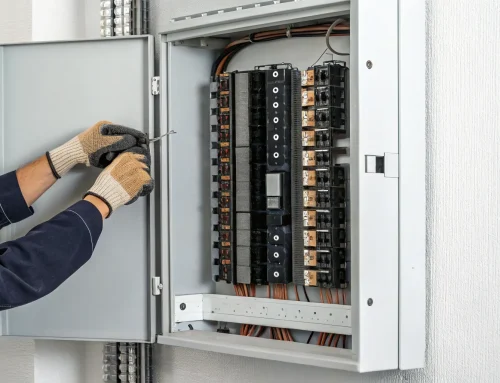
Think of your electrical panel as the heart of your home’s electrical system, directing power exactly where it’s needed. But just like any hard-working component, it can wear out or become outdated. An old or failing panel isn’t just an inconvenience; it can be a serious safety hazard. Knowing the warning signs can help you address problems before they become dangerous. If you notice any of these five key indicators, it’s likely time to consider an upgrade to keep your home and family safe.
Does Your Circuit Breaker Trip Constantly?
We’ve all been there—you’re running the microwave and the vacuum at the same time, and suddenly, everything goes dark. While an occasional trip is normal, a circuit breaker that trips constantly is your electrical system’s way of waving a red flag. It’s a clear sign that your panel is overloaded and can’t keep up with your home’s electrical demands. This isn’t just an inconvenience; it’s a safety issue. An overworked panel can lead to overheating and poses a fire risk. If you find yourself constantly heading to the basement to flip a switch, it’s time to call for a professional assessment from a trusted electrician for repairs.
Are Your Lights Flickering or Dimming?
Do your lights dim for a moment when the air conditioner kicks on or the refrigerator starts humming? This isn’t just a quirky feature of your house. Flickering or dimming lights are often a symptom of an electrical panel that’s struggling to manage the power load. When a large appliance demands a surge of electricity, it pulls that power from the circuit, causing a temporary dip for everything else connected to it. While a single flickering bulb might just need replacing, consistent dimming across multiple rooms points to a larger issue within your system. It’s a sign that your panel may not have the capacity to power your home safely and effectively.
Burning Smells or Scorch Marks Are a Red Flag
This is one sign you should never ignore. If you detect a burning smell coming from your electrical panel or notice any scorch marks on or around the box, it’s a serious emergency. This indicates that wires are overheating to the point of melting their plastic insulation, which creates a significant and immediate fire hazard. Don’t try to diagnose this yourself. A burning smell means something is actively wrong and requires immediate attention. Shut off the main breaker if you can do so safely and call a qualified electrician right away. Your home’s safety depends on swift action when it comes to these critical residential electrical systems.
Sizzling or Crackling Sounds
Hearing a faint sizzle or crackle from your electrical panel is one of those things that instantly feels wrong—and for good reason. These are not normal operational noises. They are urgent signals of a dangerous electrical fault, such as a loose connection or an arc fault where electricity is jumping between wires. This arcing generates intense heat that can quickly melt wire insulation and create a significant fire hazard. Make no mistake: buzzing, crackling, or sizzling sounds are serious warning signs that your system is in distress. This isn’t a wait-and-see situation. If you hear these noises, it’s critical to contact a qualified electrician to investigate the problem immediately and ensure your home is safe.
Is Your Electrical Panel Warm to the Touch?
Your electrical panel should always feel cool or neutral to the touch. If you place your hand on the cover and it feels warm or hot, it’s a definite warning sign. Heat is a byproduct of electrical resistance, and excess heat in the panel can mean a few things: a faulty circuit breaker, loose wiring, or a system that is dangerously overloaded. None of these are issues that will resolve themselves. Ignoring a warm panel can lead to component failure, arcing, and even a fire. It’s a clear signal that the system is under stress and needs a professional inspection to identify and fix the underlying problem before it gets worse.
Still Using an Old Fuse Box?
If your home was built before the 1960s, you might have a fuse box instead of a modern circuit breaker panel. While they served their purpose decades ago, fuse boxes are simply not equipped to handle the electrical demands of today’s homes. They lack the safety features of modern panels and can pose a serious fire risk, especially when homeowners use incorrect fuse sizes to prevent them from blowing. Upgrading to a circuit breaker panel is one of the most important safety improvements you can make. A modern panel not only protects your home but is also a prerequisite for major upgrades like installing a whole-home Generac generator.
Are You Overusing Power Strips?
Look around your home office or behind your TV. If you see a tangled web of power strips and extension cords, it’s a major clue that your electrical system can’t keep up with your needs. While convenient, relying on power strips is often a workaround for not having enough outlets, a common issue in older homes. Each strip allows you to draw more power from a single circuit than it was likely designed to handle, creating a serious overload risk. This can lead to tripped breakers, overheating wires, and even a fire hazard. Instead of adding another power strip, consider it a sign to address the root cause. A professional can help determine if adding new circuits or upgrading your panel is the right long-term solution for your home’s residential electrical system.
Is Your Electrical Panel Too Old?
It’s easy to forget about your electrical panel. Tucked away in a basement, garage, or utility closet, it does its job quietly without asking for much attention. But just like your roof or HVAC system, your electrical panel has a limited lifespan. An aging panel isn’t just an inconvenience; it can struggle to keep up with the demands of modern life and even pose significant safety risks. If you live in an older home and have never given your panel a second thought, now is the perfect time to take a closer look. Knowing its age is the first step in determining if it’s time for an upgrade to keep your home powered safely.
How Long Does an Electrical Panel Last?
Most electrical panels are built to last for about 25 to 40 years. If your home is in that age range and you’re not sure if the panel has ever been replaced, it’s a good idea to have it inspected. Even if it appears to be working correctly, internal components can wear out over time, becoming less reliable and potentially unsafe. Think about all the electronics and appliances we use today that didn’t even exist a few decades ago. Your panel is the heart of your home’s electrical system, and making sure it’s in good shape is essential for powering your life safely and efficiently.
Hazardous Panel Brands to Watch For
While age is a good general indicator, some electrical panels are problematic regardless of how old they are. Over the years, certain brands have been identified as having significant design flaws or manufacturing defects that make them unsafe. These panels were installed in millions of homes, and many are still in service today, posing a hidden fire risk. Knowing how to identify these brands is one of the most important things you can do for your home’s safety. If you discover your home has one of these panels, the question isn’t *if* you should upgrade, but *how soon* you can get it replaced by a professional.
Federal Pacific
Federal Pacific Electric (FPE) panels, particularly those with Stab-Lok breakers, are one of the most notorious names in the electrical world. Installed in homes from the 1950s to the 1980s, these panels have a well-documented history of failure. The core problem is that their circuit breakers often fail to trip during an overcurrent or short circuit. This means that instead of shutting off power to prevent danger, the circuit remains live, allowing wires to overheat and potentially start a fire. Experts have found that a significant percentage of FPE breakers are defective. If you see “Federal Pacific” or “Stab-Lok” on your panel’s cover, it’s critical to contact a qualified electrician for an immediate inspection and replacement plan.
Zinsco
Another brand that electricians flag for immediate replacement is Zinsco. Much like FPE panels, Zinsco panels have a critical design flaw that makes them a serious safety hazard. The circuit breakers in these panels can become fused to the main bus bar, which is the metal strip that distributes power. When this happens, the breaker can no longer trip, even if it looks like it’s in the “off” position. This creates a dangerous situation where the circuit is still energized, presenting a major fire and shock risk. Identifying a Zinsco panel can sometimes be tricky, but they often feature brightly colored breaker switches. If you suspect you have a Zinsco panel, it’s not a situation to ignore; it needs to be replaced for your safety.
Pushmatic and Wadsworth
Pushmatic and Wadsworth panels fall into the category of being obsolete and potentially unsafe due to their age and design. Pushmatic panels don’t have the familiar toggle switches of modern breakers; instead, they use a push-button system that can be difficult to operate and may not have a clear “on” or “off” indicator. Over time, their internal mechanisms can weaken and fail. Wadsworth panels are similarly outdated, and finding replacement parts is nearly impossible, making proper repairs a non-starter. While they may not have the same infamous reputation as FPE or Zinsco, these old electric panels are not up to modern safety standards and should be upgraded, especially before adding a major load like a Generac generator.
Why Modern Safety Standards Matter
A lot has changed in the world of electrical safety over the past few decades. A panel installed 30 years ago was built to meet the codes of its time, but those standards are now outdated. Modern electrical panels are designed with advanced safety features that older panels simply don’t have. Upgrading isn’t just about getting more power; it’s about bringing your home up to current safety standards and giving you peace of mind. If you have concerns about your current system, our team of electricians can perform any necessary electrician repairs to ensure everything is working correctly.
Can Your Old Panel Handle Modern Demands?
Older electrical panels simply weren’t designed to handle the electrical load of a modern home. They often have a lower amperage capacity, while the current standard for most homes is 200 amps. If you’re running a microwave, a computer, and a high-definition TV all at once, an older panel can easily become overloaded. This can lead to frequently tripped breakers or, if you have a very old system, blown fuses. Pushing an old panel to its limits day after day creates a serious risk of overheating and electrical fires, making an upgrade a critical investment in your home’s safety and functionality.
Understanding Modern Electrical Loads
Let’s take a quick trip back in time. A few decades ago, a home’s main electrical draws might have been a refrigerator, a television, and maybe a window AC unit. Fast forward to today, and our homes are packed with power-hungry devices: multiple computers, smart TVs, gaming consoles, high-tech kitchen appliances, and smart home gadgets all running simultaneously. Older electrical panels, often with a capacity of just 60 or 100 amps, were never designed to support this constant demand. The current standard for most new homes is 200 amps for a reason. When you try to power a modern lifestyle with an outdated panel, you’re constantly pushing it to its limit. This overload is what causes frequent breaker trips and creates a serious risk of overheating, which can lead to electrical fires. Ensuring your panel can handle your home’s load is a crucial step before considering major additions like a residential standby generator installation.
When Home Renovations Require a Panel Upgrade
Making exciting upgrades to your home often means you’re also increasing its demand for electricity. Your electrical panel is the heart of your home’s electrical system, and if it can’t keep up, you’ll run into problems. Many popular home improvement projects simply can’t run safely or efficiently on an older panel. Before you start knocking down walls or installing new gadgets, it’s smart to consider if your electrical panel is ready for the job. Thinking about this ahead of time can save you from frustrating power issues and keep your home safe.
Remodeling Your Kitchen
A modern kitchen is packed with powerful appliances. If your renovation plans include a new induction cooktop, a double-wall oven, or a high-tech refrigerator, your current electrical panel might not be able to handle the load. These appliances draw a significant amount of power, often requiring their own dedicated circuits. An outdated panel can lead to frequently tripped breakers or, worse, an overloaded system. Upgrading your panel as part of your renovation ensures your dream kitchen has the safe, reliable power it needs to function. It’s a foundational step for any major residential electrical project.
Building a Home Addition
Expanding your home’s footprint by finishing a basement, converting an attic, or building an addition is a fantastic way to add value and space. However, it also adds a substantial new load to your electrical system. This new living area will need its own lighting, outlets, and potentially dedicated circuits for entertainment systems or home office equipment. An older panel, especially one that’s already full, simply won’t have the capacity to support a whole new section of your house. A panel upgrade is essential to properly and safely power your new space without putting a strain on the rest of your home’s system.
Adding High-Power Appliances
It’s not just kitchen remodels that call for more power. Installing a central air conditioning system, a hot tub, a sauna, or even a high-powered tool setup in your garage can push an older electrical panel past its limits. These high-demand items require a lot of electricity to run correctly. Connecting them to a system that isn’t equipped to handle the draw can lead to performance issues and serious safety hazards. Before you invest in these kinds of upgrades, it’s a good idea to have a professional assess your panel’s capacity to see if an upgrade is needed.
Installing an EV Charger
The shift to electric vehicles is exciting, but charging one at home requires a lot of power. A Level 2 EV charger, which most EV owners want for faster charging, is a major electrical appliance. It needs its own dedicated 240-volt circuit, and adding one to an older or maxed-out panel is often impossible without an upgrade. Forcing it onto an inadequate system is a significant fire risk. If you’re planning to bring an EV home, you should also plan for a potential electrical panel upgrade to ensure you can charge it safely and efficiently every day.
Installing a Whole-House Generator
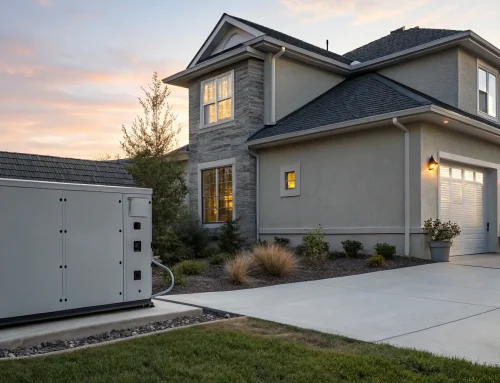
A whole-house generator provides peace of mind, keeping your lights on and your home running during a power outage. For a generator to work correctly, it needs to connect to your home’s electrical system through an automatic transfer switch, which requires a modern, capable electrical panel. An old, outdated, or undersized panel can complicate or even prevent a proper residential standby generator installation. Upgrading your panel is often a key first step to ensuring your generator can integrate seamlessly and provide reliable backup power when you need it most.
Why a Generac Generator May Require an Upgrade
Installing a whole-house generator is a significant electrical project, not just a simple appliance hookup. For your generator to function correctly and safely, it must integrate directly with your home’s electrical system, and an older panel often becomes the weak link in this process. It may lack the physical space for the new breakers required by the generator, or more critically, it may not have the capacity to safely handle the power being supplied during an outage. Think of it this way: you wouldn’t connect a firehose to a garden spigot. Similarly, you can’t expect an outdated panel to manage the robust power from a Generac generator, making an upgrade a foundational step for reliable backup power.
Integrating an Automatic Transfer Switch
The magic of a standby generator is the automatic transfer switch (ATS). This device is the brain of the operation, detecting a power outage and seamlessly switching your home’s power source from the grid to your generator. The ATS connects directly to your electrical panel, and this connection is non-negotiable. An old, outdated, or maxed-out panel can prevent a seamless connection and compromise the reliability of your backup power system. If your panel can’t support the ATS, the “automatic” part of the system is at risk, and you could even face hazards like tripped breakers or overheating. Ensuring your panel is ready for an ATS is crucial for the safe and effective generator service and repair you expect.
Why You Shouldn’t Wait to Upgrade Your Panel
It’s easy to overlook your electrical panel. Tucked away in a basement or closet, it doesn’t demand much attention—until it does. Procrastinating on an electrical panel upgrade isn’t just an inconvenience; it poses real risks to your home, your expensive electronics, and your family’s safety. An outdated panel struggles to keep up with the demands of modern life, from charging our devices to running energy-intensive appliances. This strain can lead to serious problems that are far more costly and stressful than a planned upgrade.
Think of your panel as the heart of your home’s electrical system. If it’s weak or outdated, it can’t safely pump power where it’s needed. This is especially true if you’re considering major additions like an EV charger or a whole-home Generac generator. A generator needs a modern, capable panel to integrate with your home’s circuits and provide seamless backup power during an outage. Ignoring the signs of a failing panel means you’re not just risking flickering lights; you’re gambling with the safety and functionality of your entire home. Let’s walk through the specific dangers of putting this essential upgrade on the back burner.
Understanding the Fire and Safety Risks
The most critical reason to upgrade an old electrical panel is safety. An overloaded or malfunctioning panel is one of the leading causes of electrical fires in homes. When circuits are constantly pushed beyond their limits, wires can overheat, melting their protective insulation and creating a serious fire hazard. You might notice a burning smell near the panel or see scorch marks, which are urgent red flags. Beyond fire, an old panel increases the risk of electric shock, especially if components are worn out or connections are loose. Our team of electricians can perform professional electrician repairs to ensure your system is safe and up to code.
The Hidden Risk of Electric Shock
While the threat of a fire often gets the most attention, the risk of electric shock from an outdated panel is just as serious. Over time, the internal components of your panel can degrade, and wire connections can become loose, creating a hazardous situation where electricity isn’t properly contained. In a faulty panel, simply touching the metal casing or even a connected appliance could result in a dangerous shock. This is a silent risk that puts everyone in your home in jeopardy. A professional inspection is the only way to identify these hidden dangers and ensure the overall safety of your home’s residential electrical system, keeping your family safe from harm.
How an Old Panel Can Damage Your Electronics
Your home is filled with sensitive, expensive electronics—from your smart TV and computer to your refrigerator and washing machine. An outdated electrical panel can’t provide the stable, consistent flow of power these devices need to operate correctly. When a panel is overloaded, it can cause power fluctuations and sudden surges that can damage or destroy your appliances. If you’ve noticed your lights dimming when the AC kicks on or your microwave seems underpowered, your panel is likely struggling to keep up. Upgrading ensures your valuable electronics get the clean power they need to function properly and last longer.
Will Your Old Panel Fail a Home Inspection?
An old electrical panel can create major headaches beyond just performance issues. Many panels that are 25 years or older no longer meet current electrical safety standards. This can become a significant problem when you try to sell your home, as outdated panels are often flagged during a home inspection. Furthermore, some homeowner’s insurance companies may refuse to renew your policy or could deny a claim if they discover your home has an obsolete panel, like an old fuse box. Investing in your home’s residential electric system by upgrading your panel protects your property and ensures you won’t face unexpected compliance issues down the road.
Why Upgrading Your Electrical Panel Is a Smart Move
Upgrading your electrical panel is more than a simple repair—it’s a powerful investment in your home. A modern panel enhances your property’s safety, value, and functionality, ensuring your electrical system is ready for today’s demands.
Create a Safer Home for Your Family
An outdated electrical panel is a significant safety risk. It wasn’t built for today’s power demands, which can lead to overloaded circuits and a serious fire hazard. A modern panel upgrade is crucial for protecting your family and property. It includes advanced safety features that stop problems before they start, ensuring your system operates reliably. This single improvement provides lasting peace of mind and reduces the need for frequent electrician repairs.
Increase Your Home’s Value
A new electrical panel is a smart investment that increases your home’s market value. For potential buyers, an updated electrical system is a major selling point, signaling that your home is safe, modern, and well-maintained. It helps you avoid issues during a home inspection, where old panels are often flagged as a problem. This upgrade makes your home a more attractive and valuable asset when you decide to sell.
Power Today’s Technology with Ease
From smart home devices to electric vehicles, our modern lifestyles demand more power than ever. An old panel struggles to keep up, leading to tripped breakers and inconvenience. Upgrading gives you the electrical capacity to run all your technology at once without a second thought. It also prepares your home for future additions, like a kitchen remodel or a residential standby generator installation.
Future-Proof Your Home with a Smart Panel
If a standard panel upgrade brings your home into the present, a smart panel prepares it for the future. This advanced technology gives you unprecedented control over your home’s electricity, allowing you to monitor energy consumption circuit by circuit, right from your smartphone. You can see exactly where your power is going and even turn individual circuits on or off remotely. This level of control is incredibly valuable as we add more high-demand technology to our homes. When paired with a whole-home generator, a smart panel allows you to intelligently manage your power during an outage, prioritizing essential circuits to conserve fuel and maximize efficiency. It’s the ultimate solution for anyone looking to build a truly resilient and forward-thinking home, fully prepared for any future Generac generator integration.
Save Money with Better Energy Efficiency
An old electrical panel can be a hidden source of energy waste. Worn connections and outdated components force your system to work harder, which can increase your utility bills. A new panel distributes electricity more effectively, ensuring a clean and stable flow of power to your appliances. This allows them to run at peak efficiency without drawing unnecessary energy. This upgrade is a smart way to contribute to long-term savings.
How to Decide If It’s Time for an Upgrade
Making the call to upgrade your electrical panel can feel like a big decision, and honestly, it is. It’s the heart of your home’s electrical system, and getting it right is crucial for safety and function. While some warning signs are impossible to ignore—like a burning smell or a panel that’s warm to the touch—other situations are less clear. Maybe you’re just tired of the breaker tripping every time you run the microwave and the toaster oven at the same time. Or perhaps you’re planning for the future and thinking about bigger projects.
Deciding to upgrade isn’t just about fixing current problems; it’s about preparing your home for what’s next. Are you dreaming of a kitchen remodel, adding an EV charger, or ensuring your family’s comfort during a power outage with a Generac generator? These additions place new demands on your electrical system, and your current panel might not be up to the task. Instead of guessing, it’s best to take a structured approach. By evaluating your home’s power consumption, understanding your panel’s capacity, and getting an expert opinion, you can make a confident and informed decision that keeps your home safe and ready for the future.
Calculate Your Home’s Electrical Load
Before you can know if your panel is sufficient, you need to understand how much electricity your home actually uses. This is called an electrical load calculation. It’s a detailed assessment of all the power-drawing devices in your home, from the refrigerator and HVAC system to your lights and phone chargers. While it might sound like something you can tally up on a notepad, it’s a job best left to a professional.
A qualified electrician will perform a thorough inspection to determine your home’s total electrical load. They’ll not only account for what you’re using now but also discuss your future plans. Thinking about finishing the basement or installing a hot tub? Adding those future items to the calculation ensures your electrical system can handle the growth. This professional assessment is a key part of our residential electric services and gives you a clear picture of your power needs.
Do You Have Enough Amps?
Amperage, measured in amps, refers to the total volume of electricity that can flow into your home from the grid. Think of it like a water pipe—a wider pipe allows more water to flow through at once. Older homes built before the 1960s might have panels with as little as 60 amps, which is simply not enough for the demands of modern electronics and appliances.
Today, 100 amps is the standard minimum for most homes. However, if you have a larger house, use electric heat, or plan on installing high-power items, you’ll likely need more. For example, a residential standby generator installation often requires a 200-amp service to manage the home’s entire electrical load seamlessly during an outage. An electrician can help you determine the right amperage to power your home safely and efficiently.
Consult a Professional Electrician
While knowing the signs of an outdated panel is a great first step, the only way to be certain about your home’s needs is with a professional assessment. Guessing about your electrical system isn’t an option when safety is on the line. A qualified electrician can perform a detailed load calculation to see exactly how much power your home uses now and what it will need for any future upgrades you have in mind. This is about more than just counting amps; it’s a comprehensive check-up to ensure your system is safe, up to code, and ready for anything—from a new EV charger to a whole-home generator. If you’re in Southeastern Pennsylvania, our team at M.T. Ruhl provides thorough residential electric assessments to give you a clear, honest recommendation tailored to your home and family.
Common Myths About Electrical Panel Upgrades
There’s a common belief that any major home renovation or new appliance automatically means you need a new electrical panel. While it’s a frequent requirement, it’s not always the case. With careful planning and management, some homes can accommodate new electrical demands without a full panel replacement. Sometimes, solutions like a subpanel can be added to create more space for new circuits.
However, it’s important to separate myth from reality. While you might not always need an upgrade, trying to work around an outdated or maxed-out panel can be a serious safety risk. Relying on power strips for new appliances or ignoring frequently tripping breakers are signs that you’re pushing your system beyond its limits. The only way to know for sure is to have your system evaluated by a professional who can separate fact from fiction.
When an Upgrade Might Not Be Necessary
It’s a common misconception that adding any major appliance automatically means you need a brand-new panel. If your home already has a panel with 150 amps or more, it might have enough capacity to handle your needs, including a new generator, with some careful planning. If you aren’t experiencing any issues like flickering lights or tripping breakers and don’t have immediate plans to add multiple high-power appliances, your current setup could be perfectly adequate. The key is to avoid guessing. Some contractors might suggest an upgrade as a default, but a trustworthy electrician will always start with a professional load calculation. This assessment is the only way to get a clear, honest answer about your home’s residential electric system and ensure you’re not paying for work you don’t truly need.
When to Call a Professional Electrician
When it comes to your home’s electrical system, there’s no room for guesswork. If you’ve noticed any of the warning signs—flickering lights, tripping breakers, or an old fuse box—the most important step you can take is to call a licensed electrician. A professional assessment is the definitive way to determine if your panel needs an upgrade. An expert can perform a safety inspection, calculate your electrical load, and explain your options in plain language.
Our team has provided trusted electrical services in Southeastern Pennsylvania for over 25 years. We can give you a clear, honest evaluation of your panel’s condition and capacity. Whether it’s a simple fix or a full replacement, getting a professional opinion ensures the work is done safely and up to code, giving you peace of mind.
What to Expect from a Professional Panel Upgrade
Deciding to upgrade your electrical panel is a big step toward a safer, more capable home. But what does the process actually look like? It’s more straightforward than you might think, especially when you have a trusted team on your side. From the initial assessment to the final inspection, a professional upgrade is a well-orchestrated process designed to cause minimal disruption to your life while delivering maximum peace of mind. Knowing what’s coming can help you feel confident and prepared. Here’s a breakdown of what you can expect when you work with a professional electrician for your panel upgrade.
How to Choose a Qualified Electrician
Choosing the right person for the job is the most important decision you’ll make. Look for a licensed and insured qualified electrician with a strong reputation in your community. A true professional won’t just give you a quote over the phone. They will perform a thorough inspection of your current panel, calculate your home’s total electrical load, and talk with you about your future plans, like adding an EV charger or a whole-house generator. This ensures the new panel can handle your needs for years to come. Don’t hesitate to ask for references or check online reviews to see what other homeowners have to say about their experience.
Why Getting Multiple Quotes Matters
Getting a few different quotes isn’t just about finding the lowest price; it’s about making sure you’re getting the right solution for your home. Each electrician will conduct their own professional assessment, giving you a more complete picture of your system’s health and needs. One might recommend a full 200-amp upgrade to prepare for a future residential standby generator installation, while another might suggest a different approach. Comparing these evaluations helps you separate fact from fiction and understand what’s truly necessary versus what’s just a recommendation. This process empowers you to make a confident, informed decision based on expert advice, ensuring you invest wisely in your home’s safety and future.
How Much Does a Panel Upgrade Cost?
While it’s a critical investment in your home’s safety and functionality, it’s natural to wonder about the cost. The final price of a panel upgrade depends on several factors, including the amperage of the new panel, the current condition of your home’s wiring, and whether your main service line from the utility company needs to be replaced. A professional electrician will provide a detailed, transparent quote after a complete assessment, so there are no surprises. Many homeowners find it helpful to explore financing options to manage the cost of this important home improvement, especially when bundling it with a new generator installation.
Exploring Tax Credits and Rebates
Upgrading your electrical panel isn’t just a smart move for safety; it can also be easier on your wallet than you might think. Thanks to initiatives like the Inflation Reduction Act, homeowners can take advantage of financial incentives. The Energy Efficient Home Improvement Credit, also known as 25C, is a great example. This federal tax credit can help offset the cost of a new panel, covering up to 30% of the project costs with a cap of $600. It’s important to know that this credit is typically available when the panel upgrade enables the installation of other qualified energy-efficient equipment, like a heat pump.
Beyond the federal level, don’t forget to check for local incentives. Many utility companies here in Pennsylvania offer their own rebates for electrical modernization projects that support efficiency. These programs are designed to help homeowners prepare their electrical systems for a more electrified future. Taking the time to research these credits and rebates can significantly reduce the overall investment, making it a more manageable part of preparing your home for major additions like a new Generac generator or an EV charger.
The Installation Process, Step-by-Step
Once you’ve chosen your electrician, the process is typically smooth and efficient. It starts with an initial consultation where the team assesses your needs and plans the project. Before any work begins, your electrician will secure the necessary permits from your local municipality. On installation day, the team will need to shut off your home’s power for several hours. They’ll carefully remove the old panel, install the new one, and connect each circuit, labeling everything clearly. After the work is complete, a final inspection is scheduled with your local building inspector to ensure everything is up to code and perfectly safe.
Potential Delays and How to Plan for Them
While a professional panel upgrade is designed to be as efficient as possible, sometimes older homes can reveal a few surprises. The most common delays come from discovering issues that weren’t visible during the initial inspection, like outdated wiring that needs to be brought up to code. Another potential hold-up involves coordinating with your local utility company if the main electrical service line running to your house also needs to be replaced. The best way to prepare for these possibilities is to work with an experienced electrician who knows what to look for. A thorough initial assessment can often identify these potential hurdles early, allowing for a more accurate timeline and preventing frustrating delays, especially when the panel upgrade is a critical step before your residential standby generator installation.
Understanding Local Code and Permit Requirements
In Pennsylvania, electrical work is serious business, and for good reason. Local municipalities enforce strict building codes to protect you and your family from electrical hazards. That’s why a permit is required for an electrical panel upgrade. This permit ensures that the installation is performed correctly and complies with all current safety regulations. A reputable, local electrician will be an expert on the specific codes in your area and will manage the entire permitting and inspection process for you. This is your assurance that the job was done right and your home is safe, which is why working with a team familiar with your local service area is so important.
Important NEC Rules to Know
The National Electrical Code (NEC) is the safety rulebook that all qualified electricians follow, and it’s the reason permits and inspections are so important. These rules aren’t just suggestions; they are strict requirements designed to keep your home safe. For example, the NEC mandates that a clear, accessible space must be maintained in front of your electrical panel—it can’t be hidden in a cluttered closet. It also requires specific safety features, like Arc-Fault Circuit Interrupters (AFCIs), which are designed to prevent fires by detecting dangerous electrical arcs. These modern standards ensure that any new residential electrical work, especially a panel upgrade, is performed correctly to protect your family and your property from preventable hazards.
Related Articles
- 7 Signs You Need to Upgrade Your Electrical Panel
- Price for Electrical Panel Upgrade: A 2025 Cost Guide
- Electrician for Panel Upgrade: A Homeowner’s Guide
- How Much Is an Electrical Panel Upgrade? 2025 Costs
Frequently Asked Questions
How long will my power be out during the installation? This is the most common question we get, and it’s a great one. For a standard panel upgrade, you can expect the power to be off for several hours—typically between 4 to 8. A professional team works efficiently to minimize this downtime. We know it’s an interruption, so we’ll schedule the work with you to find a time that disrupts your day as little as possible.
Is it really necessary to replace my old fuse box if it seems to work fine? Yes, it absolutely is. While a fuse box might seem to be doing its job, it lacks the modern safety features of a circuit breaker panel and simply wasn’t designed for the electrical loads of today’s homes. Fuse boxes can pose a significant fire risk, especially if the wrong size fuses have been used over the years. Upgrading to a modern panel is one of the most important safety improvements you can make for your home.
Will a new electrical panel lower my electricity bill? While a new panel’s primary benefits are safety and capacity, it can contribute to better energy efficiency. An old, overloaded panel with worn-out connections can cause appliances to work harder and waste energy. A new panel ensures a clean, stable, and efficient distribution of power throughout your home, which helps your entire system run more effectively and can lead to modest savings over time.
My panel isn’t old, but all the breaker slots are full. Do I need a whole new panel? Not always, but it’s a situation that requires a professional assessment. Sometimes, a smaller subpanel can be added to create space for new circuits, like for a hot tub or home office. However, if your main panel is already at its maximum amperage capacity, adding a subpanel won’t solve the core issue of being underpowered. An electrician can calculate your home’s total electrical load to determine the safest and most effective solution.
I want to install a Generac generator. Does that automatically mean I need a new panel? It’s a strong possibility. A whole-house generator connects to your home’s electrical system via an automatic transfer switch, which needs to integrate with a modern, capable panel. If your current panel is outdated, undersized, or full, an upgrade is often a necessary first step to ensure the generator can be installed correctly and function safely to power your entire home during an outage.