A power outage does more than just turn off the lights; it disrupts your family’s comfort and sense of security. Suddenly, you’re dealing with a home that’s too hot or too cold, worrying about spoiled food, and losing access to the devices that keep you connected. A standby generator is about more than just convenience; it’s about creating a safe haven for your family. It ensures your heat or air conditioning keeps running, your sump pump protects your basement, and any essential medical equipment stays on without interruption. This guide explores how a permanent system for standby power Collegeville homes can eliminate the stress of outages and keep your life running smoothly.
Key Takeaways
- Invest in seamless, automatic power: A standby generator is a permanent solution that connects directly to your home and turns on automatically during an outage, so your lights, heat, and essential appliances keep running without interruption.
- Choose a generator tailored to your home: The right generator depends on your specific needs, so consider what you want to power, your available fuel source like natural gas or propane, and the safest location for the unit.
- Partner with certified experts for long-term reliability: Proper installation by licensed professionals is essential for safety and code compliance, and routine maintenance from a qualified technician ensures your generator is always ready to perform.
Why Does Your Collegeville Home Need Standby Power?
Living in Collegeville means enjoying beautiful seasons, but it also means dealing with unpredictable weather. A summer thunderstorm or a winter ice storm can knock out power for hours, or even days. While we often take electricity for granted, an outage quickly reminds us how much we rely on it. A power outage can disrupt everything from your family’s comfort to your ability to work from home.
This is where a standby power system comes in. It’s more than just a convenience; it’s a reliable way to protect your home, family, and peace of mind. Instead of scrambling for flashlights and worrying about the food in your fridge, you can continue your day without interruption. A standby generator ensures your lights stay on, your heat or air conditioning keeps running, and your essential appliances remain powered. It’s a permanent solution that works automatically, so you’re protected whether you’re at home or away.
What is a Standby Power System?
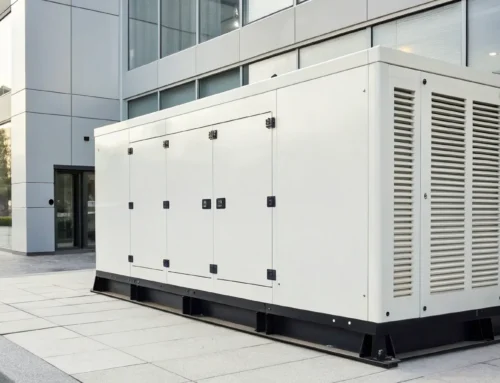
Think of a standby generator as your home’s best friend during a power outage. Unlike a portable generator that you have to wheel out and start manually, a standby system is permanently installed outside your home, much like an air conditioning unit. These systems are connected directly to your home’s electrical panel and are typically fueled by natural gas or propane, making them a reliable and efficient power source.
The magic happens with a component called an automatic transfer switch. This switch constantly monitors the power coming from the utility grid. The moment it detects an outage, it automatically disconnects your home from the grid and signals the Generac generator to start. Within seconds, your home’s power is restored, and you don’t have to lift a finger.
Common Causes of Local Power Outages
Power outages can happen for many reasons, and they often strike without warning. Severe weather is a primary cause in our area, with high winds, heavy snow, and ice storms capable of downing power lines. Summer thunderstorms can bring lightning strikes that damage transformers and other critical equipment. Sometimes, the issue isn’t weather-related at all. It could be an equipment failure on the utility grid or even an accident involving a utility pole.
Whatever the cause, the result is the same: a home that can quickly become unsafe and uncomfortable. Without power, you lose your heating and cooling systems, your refrigerator and freezer stop working, and your sump pump can’t protect your basement from flooding. A residential standby generator installation is the most effective way to prepare for these events.
How a Generator Protects Your Home and Business
A standby generator does more than just keep the lights on; it provides a seamless shield for your property. These systems automatically detect power loss and restore electricity within seconds, keeping your home or business operational without any manual effort. For homeowners, this means your family stays safe and comfortable. Critical systems like your HVAC, sump pump, and refrigerator continue to run, and any essential medical equipment remains powered.
For business owners, the protection is just as vital. Even a short power outage can lead to significant problems, including lost revenue, spoiled inventory, and disabled security systems. A commercial generator installation ensures your operations continue smoothly, protecting your assets and maintaining a professional environment for customers and employees. It’s a smart investment in business continuity and security.
What Are Your Standby Generator Options?
Choosing a standby generator is a significant step toward protecting your home or business, but it can feel overwhelming with so many choices available. The right generator for you depends on several factors, including the size of your property, your power needs, and your fuel availability. Think of it less as a one-size-fits-all purchase and more like finding a custom solution for your peace of mind.
To make a confident decision, it helps to break down the options. You’ll want to consider the reputation of the brand, the specific features that matter most for your situation, the type of fuel it will use, and the power capacity required. Whether you’re looking to keep the lights on and the refrigerator running at home or need to ensure your business operations continue without interruption, there’s a generator designed for the job. Let’s walk through the key considerations to help you find the perfect standby power system for your Collegeville property.
The Benefits of a Generac Standby Generator
When you think of standby power, Generac is often the first name that comes to mind, and for good reason. These generators are known for their reliability and seamless, automatic operation. The moment an outage is detected, your Generac unit kicks in, often within seconds, restoring power to your home or business without you having to lift a finger. This provides incredible peace of mind, especially during severe weather.
As a certified dealer, we specialize in providing turnkey Generac generators, which means we handle every detail of the installation from start to finish. You get a powerful, dependable system that protects your property, prevents costly disruptions, and keeps your family comfortable and safe through any power outage.
Key Features to Look for in a Quality Generator
Beyond the brand, a few key features will determine how well a generator meets your needs. First, consider the power output. Do you want to power just the essentials, like your refrigerator, furnace, and a few lights, or do you need a whole-house solution that keeps everything running as usual? Next, think about the noise level. Modern standby generators are designed to be much quieter than portable models, but it’s still an important factor for your comfort and your neighbors.
Finally, you’ll want to consider the automatic transfer switch (ATS). This is the component that makes a standby generator so convenient. The ATS senses a power outage, automatically transfers the electrical load to the generator, and switches back to utility power once it’s restored.
Compare Power Outputs and Fuel Types
Standby generators are most commonly fueled by natural gas or liquid propane. If your home is already connected to a natural gas line, it’s an incredibly convenient option since the generator has a continuous fuel supply. There’s no need to worry about refueling. For properties without access to natural gas, liquid propane (LP) is an excellent alternative. The fuel is stored in a tank on your property, providing a reliable and efficient power source.
The power output you need is directly related to what you want to run during an outage. A smaller unit might cover essential circuits, while a larger model is necessary for a complete residential standby generator installation that powers your entire home, including central air conditioning.
Residential vs. Commercial: What’s the Difference?
While both residential and commercial generators provide backup power during outages, they are designed for very different demands. Residential generators are built to keep your home life running smoothly, protecting your family from the inconvenience and potential dangers of a blackout. They can power everything from medical equipment and refrigerators to home offices and entertainment systems.
A commercial generator installation is a more robust solution built to handle the heavy electrical loads of a business. For a commercial property, a power outage can mean lost revenue, spoiled inventory, and security system failures. Commercial units provide the higher power capacity needed to keep lights on, security systems active, and critical equipment running, ensuring your business is protected.
How to Choose the Right Standby Generator
Selecting the right standby generator is about finding the perfect fit for your property and your needs. It’s not a one-size-fits-all decision, but breaking it down into a few key steps makes the process straightforward. By thinking through your power requirements, fuel source, and installation logistics ahead of time, you can confidently choose a system that will keep your lights on and your home running smoothly when the grid goes down. Let’s walk through the most important factors to consider.
Calculate Your Property’s Power Needs
First, you need to figure out how much power you actually need. Think about which appliances and systems are essential during an outage. For some, it’s just the basics: the refrigerator, sump pump, and a few lights. For others, it might include the HVAC system, home office equipment, or medical devices. Make a list of your must-haves. A business owner will need to choose a generator with enough capacity to run critical operations without interruption. A professional can perform a load calculation to determine the exact size you need, ensuring your commercial generator installation is perfectly matched to your demands.
Decide Between Natural Gas and Propane Fuel
Standby generators are typically fueled by natural gas or liquid propane, both of which are reliable and efficient. If your home is already connected to a natural gas line, that’s often the most convenient option, providing a continuous fuel supply without needing refills. If you don’t have access to natural gas, liquid propane is an excellent alternative. It requires a storage tank on your property that will need to be refilled periodically by a supplier. Both are great choices, so your decision will likely come down to what’s available and practical for your home.
Understand Installation and Permit Requirements
Installing a standby generator is a complex job that involves electrical and fuel line connections, so it’s definitely not a DIY project. Most townships in our service areas require permits for electrical, fuel, and zoning to ensure the installation is safe and meets all local codes. A qualified and licensed contractor will handle the entire permitting process for you, from application to final inspection. This ensures your generator is installed correctly and protects you from potential issues or fines down the road. It’s a critical step for a safe and compliant setup.
Find the Safest Location for Your Generator
Where you place your generator is just as important as which one you choose. Safety and local regulations dictate the proper location. A generator must be installed outdoors on a stable, level surface, and it needs to be a safe distance from doors, windows, and vents to prevent carbon monoxide from entering your home. It also needs to be accessible for future upkeep. A professional installer will identify the ideal spot on your property that complies with all manufacturer specifications and local codes, ensuring both seamless operation and safety for your family. This proper placement is key for long-term generator maintenance.
What to Expect During Your Generator Installation
Getting a standby generator is an exciting step toward securing your home’s comfort and safety. Once you’ve chosen the right model, the installation process begins. This is a major project, but with a professional team, it can be a smooth and straightforward experience. Understanding the key stages helps you know what’s happening at every step, from the initial site prep to the final system test. A quality installation ensures your generator works perfectly when you need it most, giving you true peace of mind.
Why Professional Installation Matters
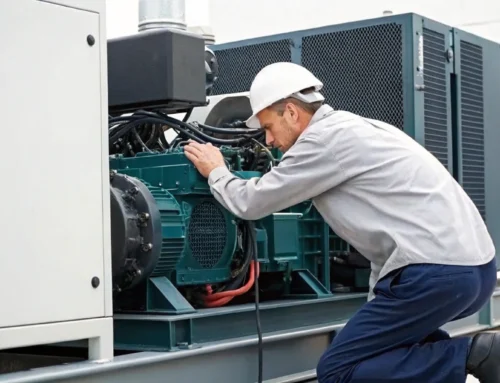
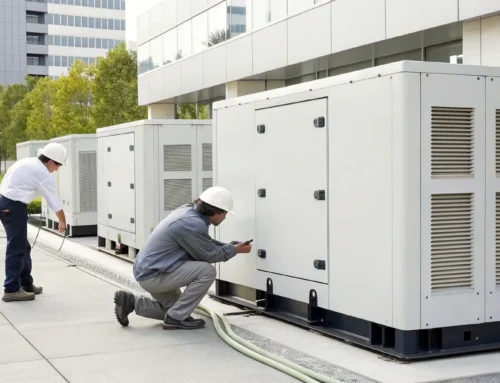
Installing a standby generator is not a DIY project. It’s a complex job that requires licensed electricians and plumbers to work together safely. Your generator needs to be connected to your home’s electrical system and its fuel source, whether that’s natural gas or propane. A professional installation ensures every connection is secure, meets local codes, and operates correctly. Experienced technicians know how to handle outdoor gas lines and install the transfer switch, which is the device that automatically shifts your home’s power source to the generator during an outage. Relying on a qualified team like ours guarantees the job is done right, protecting your investment and your family.
The Permit and Inspection Process, Simplified
Before any work begins, your installation team will handle the necessary permits. Most townships in our area require electrical, fuel, and zoning permits to make sure the installation is safe and compliant with all regulations. This might sound like a lot of paperwork, but a seasoned contractor manages this entire process for you. They know exactly what your local municipality requires and will coordinate any necessary inspections. This step is crucial for safety and compliance, and having an expert take care of it means you can relax, knowing everything is being handled correctly from the start.
Factors That Shape Your Installation Project
Several key factors influence your specific installation. First, the generator must be the right size for your home’s power needs to ensure it can handle the load without issues. Next, its location is important for both safety and performance; it needs to be a specific distance from windows, doors, and vents. Your team will also coordinate the work to connect the generator to your home’s electrical panel and fuel line. Each of these elements, from the size of your Generac generator to the layout of your property, helps define the scope of the project and the timeline for completion.
Explore Your Financing Options
A standby generator is a valuable addition to your home, and we understand it’s also a significant investment. To make it more accessible, many homeowners choose to finance their purchase. This allows you to get the protection you need now while paying for it over time with manageable monthly payments. We offer flexible Generac financing options to fit different budgets, so you don’t have to wait to secure your home’s power. Be sure to ask about the available plans when you get your quote, so you can find a solution that works for you.
Keep Your Generator Ready: A Maintenance Guide
Your standby generator is a powerful piece of equipment that protects your home and family during an outage. Just like your car, it needs regular attention to perform reliably when you need it most. A little proactive care goes a long way in ensuring your generator starts up without a hitch, providing seamless power the moment the grid goes down. Following a simple maintenance routine gives you peace of mind and protects your investment for years to come.
This guide walks you through the essential steps for keeping your generator in top shape, from simple monthly check-ins you can do yourself to knowing when to call in the pros. Think of it as your roadmap to worry-free power, ensuring your system is always ready to handle whatever comes its way. With the right care, your generator will be a dependable partner, keeping your lights on and your home running smoothly.
Perform Simple Monthly Inspections
You don’t have to be a generator expert to play a role in its upkeep. A few simple checks each month can help you spot potential issues early. While most Generac generators run a weekly self-test, it’s still a good idea to do a quick visual inspection. Make sure the area around the unit is clear of leaves, snow, and debris that could block airflow. Check the oil and coolant levels, just as you would with a car, and look for any warning lights on the control panel. These small steps help ensure your generator is ready for a real emergency.
Schedule Professional Maintenance
While your monthly checks are important, they don’t replace the need for professional service. An annual tune-up from a certified technician is the best way to keep your generator running efficiently and safely. During a professional visit, a technician will perform a comprehensive check, including changing the oil and filters, inspecting the battery, and testing the transfer switch. Scheduling regular Generac maintenance not only extends the life of your unit but also helps maintain its warranty. It’s the most effective way to ensure your generator is in optimal condition before storm season arrives.
Troubleshoot Common Generator Issues
Even with perfect maintenance, you might occasionally run into a problem. Knowing what to look for can help you decide if it’s a quick fix or time to call for help. Pay attention to how your generator runs during its weekly exercise cycle. Does it start up smoothly? Do you hear any unusual noises like knocking or sputtering? Check the control panel for any error codes or alerts. If your generator fails to start or runs rough, it’s a clear sign that it needs attention. For these situations, it’s best to contact an expert for generator service and repair to diagnose and fix the problem correctly.
Follow Generator Safety Best Practices
Safety is the most important aspect of owning a generator. A key reason professional installation is so critical is to prevent backfeeding, a dangerous situation where electricity from your generator flows back into utility lines, endangering line workers. On an ongoing basis, always keep the area around your standby unit clear of flammable materials and overgrown plants to ensure proper ventilation. This simple habit prevents overheating and reduces fire risk. Following these safety rules protects your family, your property, and the utility workers who are working to restore your power.
How to Find a Trusted Generator Expert in Collegeville
Choosing the right person to install your generator is just as important as choosing the generator itself. A standby generator is a significant addition to your home, involving complex electrical and plumbing systems, so you need an expert you can trust for the life of your system. Finding a qualified, reliable contractor in the Collegeville area ensures your generator will work correctly when you need it most. The right partner will guide you through the entire process, from selection to ongoing support.
What to Look for in an Installation Contractor
A generator installation requires a team with specific skills. Your contractor should employ licensed electricians experienced with standby generators and automatic transfer switches. If connecting to a gas line, they’ll also need qualified plumbers. Ask about their team’s qualifications and look for a company that specializes in residential standby generator installation. A true expert handles the entire project safely and ensures every connection is up to code, giving you confidence in their work.
Find a Partner for Long-Term Service
Your relationship with your installer shouldn’t end after the installation. A generator is a complex machine that needs regular care to perform reliably. Look for a company that offers a long-term partnership through comprehensive Generac maintenance plans and is available for service calls. A local expert who knows your system inside and out ensures your generator stays ready for any outage. This ongoing support is key to lasting peace of mind.
Understand Your Warranty and Support Options
A Generac generator includes a manufacturer’s warranty, but your installer is your first line of support. A certified dealer is authorized to perform warranty work, which saves you a major headache. Before you commit, ask how they handle warranty claims and what their support process looks like. A trustworthy expert will not only install your generator correctly but will also be your advocate for any generator service and repair, ensuring issues are resolved quickly.
Ask These Questions Before You Hire
Having a few key questions ready helps you gauge a contractor’s expertise. Be sure to ask:
- Are you a certified Generac dealer?
- Can you explain the installation process, from permitting to the final walkthrough?
- How do you determine the right size generator for my home?
- Do you provide a concrete mounting pad?
- What maintenance plans do you offer after installation?
Their answers will reveal a lot about their experience. A great company has a knowledgeable team ready to answer your questions with confidence.
Related Articles
- Electrician & Generac Generator Installer | Collegeville
- Residential Standby Generator Installation in SEPA | Generac
- PA Generator Installation & Service | Trusted Generac Dealer
- What Are the Best Standby Generators? | M.T. Ruhl
- Best Standby Generators for Homeowners | M.T. Ruhl Electrical
Frequently Asked Questions
What’s the real difference between a standby generator and a portable one? Think of a standby generator as a permanent home appliance, like your HVAC system. It’s installed outside, connected directly to your home’s electrical panel and fuel source, and turns on automatically within seconds of an outage. A portable generator, on the other hand, requires manual work. You have to wheel it out, start it up, and run extension cords to individual appliances, and it runs on gasoline that you must store and refill.
How long does a typical generator installation take from start to finish? The entire process, from the initial consultation to the final inspection, can take a few weeks. The on-site installation itself is usually completed in a couple of days, but the full timeline depends on factors like township permit approvals and utility coordination. A professional installer manages all these moving parts for you and will provide a clear timeline for your specific project.
Can a standby generator really power my entire house? Yes, it absolutely can. The key is selecting a generator with the right power capacity for your home. A whole-house generator is designed to handle all your electrical needs simultaneously, from your central air to your oven, so life continues without interruption. If you prefer, you can also choose a smaller model that powers only essential circuits, like your refrigerator, furnace, and a few lights.
Are standby generators noisy? I’m worried about bothering my neighbors. This is a very common concern, but you might be surprised at how quiet modern standby generators are. While they aren’t silent, their sound level is often compared to that of a central air conditioning unit. They are significantly quieter than portable generators. A professional installer will also help choose a location on your property that minimizes the sound for both you and your neighbors.
What happens if I skip the annual professional maintenance? Skipping professional maintenance is a gamble. Your generator might seem fine during its weekly self-test, but you risk it failing during an actual, extended outage. Over time, oil degrades, filters get clogged, and batteries can weaken. An annual service visit from a certified technician ensures all components are in top condition, which prevents unexpected failures, extends the life of your generator, and keeps your warranty valid.