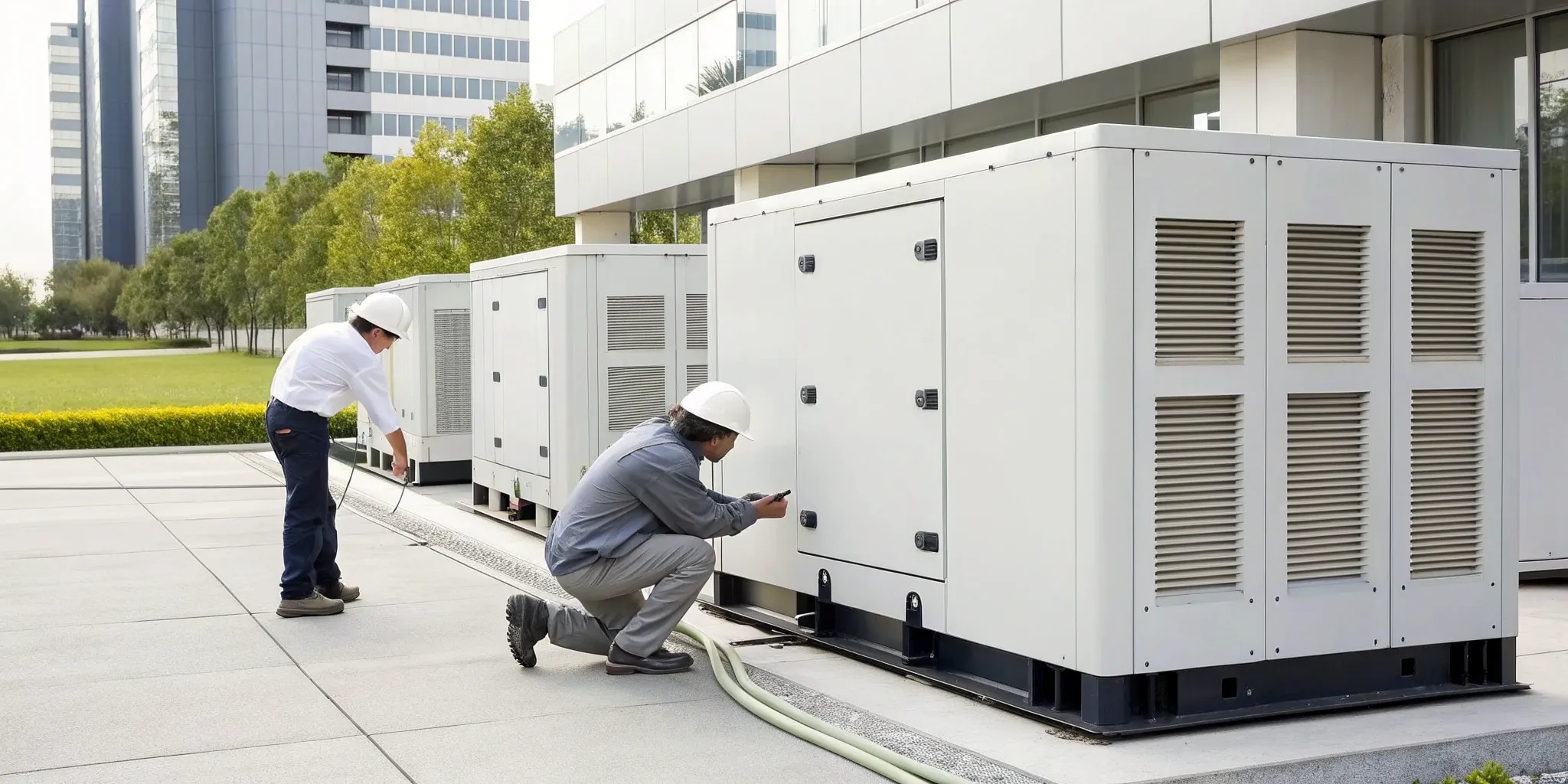
Think of your commercial generator as a high-performance engine. To get the power and reliability you paid for, it needs a precision installation. A sloppy setup is like putting that engine in with loose bolts and crossed wires—it’s guaranteed to fail when you need it most. The same is true for your backup power system. The quality of the installation directly impacts performance, safety, and your warranty. To protect your investment, you need a team with proven expertise. This guide covers the essential criteria for finding the best Generator Installers Chester County businesses trust.
Key Takeaways
- Confirm your installer is certified and insured: A qualified installer should be licensed, insured, and factory-trained by Generac. This ensures your installation is safe, up to code, and keeps your warranty intact.
- Choose a partner, not just a contractor: The lowest bid rarely accounts for long-term value. Select an installer who offers comprehensive maintenance plans and 24/7 emergency service to protect your investment for years to come.
- Get a professional load calculation first: The most common mistake is choosing an undersized generator. A proper site assessment and load calculation is non-negotiable to guarantee your new system can handle your business’s power demands during an outage.
Understanding Your Generator Options
When you start looking into backup power, you’ll quickly see there are two main paths you can take. It’s a bit like choosing between a fully automated smart home system and a collection of individual smart plugs. Both can get a job done, but they offer vastly different levels of convenience, power, and reliability. The two primary types of generators are standby and portable. Understanding the fundamental differences between them is the first step in making a smart investment that protects your home or business from unexpected outages. Let’s break down what each type offers so you can decide which one is the right fit for your needs.
Standby vs. Portable Generators
A standby generator is the ultimate set-it-and-forget-it solution. These units are permanently installed outside your property, much like a central air conditioning unit, and connect directly to your electrical system. When the power goes out, an automatic transfer switch detects the interruption and signals the generator to start, restoring power to your home or business within seconds. You don’t have to do a thing. This seamless transition means your lights, heat, and critical appliances keep running, providing true peace of mind during unpredictable Pennsylvania storms. A home standby generator is a smart investment in your family’s comfort and safety.
Portable generators, in contrast, require manual effort. During an outage, you have to wheel the unit outside, start it, and run extension cords to the specific appliances you want to power. While they can be a temporary fix for a few essentials like a refrigerator, they have their drawbacks. They need frequent refueling, produce a limited amount of power, and require you to be present to operate them—often in poor weather conditions. They serve a purpose for short-term, limited needs, but they don’t offer the comprehensive, automatic protection that a permanently installed system provides for your entire property.
How to Choose the Right Commercial Generator Installer
Choosing the right generator for your business is a big decision, but finding the right team to install it is just as critical. The quality of the installation directly impacts your generator’s performance, reliability, and lifespan. A great installer does more than just set up the equipment; they become a long-term partner in protecting your business from power outages. They ensure every component is correctly sized, placed, and connected according to manufacturer specifications and local codes, which is essential for a system you can depend on.
When you invest in a standby generator, you’re investing in continuity for your operations, safety for your employees, and peace of mind for yourself. The right installer makes sure that investment pays off when you need it most. Look for a team that not only has the technical skills but also demonstrates a commitment to quality and customer support. This means finding professionals who can guide you through the entire process, from the initial assessment to ongoing maintenance. They should be able to answer your questions clearly and provide transparent communication every step of the way. A sloppy installation can lead to frequent breakdowns, voided warranties, and even safety hazards, so taking the time to find a qualified professional is one of the most important things you can do.
Are They Licensed and Insured?
Before you hire anyone, make sure they have the proper credentials. This is non-negotiable. You’ll want to find installers who are fully licensed and insured. This protects your business from any liability during the installation process and ensures the work complies with all state and local regulations. Certified technicians have proven their knowledge and skills, which is essential for a complex commercial generator installation. Proper credentials are your assurance that the team understands the technical requirements for safely and effectively connecting a powerful generator to your building’s electrical system. It’s the first and most important step in vetting a potential partner.
Do They Have Commercial Experience?
Installing a commercial generator is a different ballgame than a residential project. The equipment is larger, the power requirements are greater, and the regulations are often stricter. That’s why it’s so important to pick a company that has done this work before. An experienced team will understand the unique challenges of commercial installations, like coordinating with other contractors, navigating permitting processes, and minimizing disruption to your business operations. Ask potential installers about their experience with businesses similar to yours. A company with a proven track record in the commercial sector will have the expertise to ensure your project goes smoothly from start to finish.
Are They Certified by the Manufacturer?
If you’re investing in a top-tier brand like Generac, you need an installer who knows the equipment inside and out. Look for a team that is factory-trained and certified by the manufacturer. This certification means the technicians have received specialized training directly from Generac on how to install and service their products correctly. This is crucial for a few reasons. First, it ensures the installation meets the manufacturer’s exact specifications, which is often required to keep your warranty valid. Second, factory-trained technicians are up-to-date on the latest models and technology, so they can provide the best possible service and support.
Look for Strong Guarantees and On-Site Services
A great installer’s commitment to you shouldn’t end when the installation is complete. Look for a company that stands firmly behind their work with strong guarantees on both labor and equipment. This is their promise that the job was done correctly and that your generator will perform reliably when you need it. Beyond guarantees, a full-service provider will manage the entire project on-site, from the initial assessment and securing permits to coordinating fuel hookups and running final system tests. They should also offer comprehensive support long after the installation, including preventative generator maintenance plans and responsive emergency service and repair. This ongoing relationship ensures your investment is protected and your power stays on for years to come.
Why Chester County Businesses Choose Generac Generators
When it comes to backup power, businesses across Chester County and beyond put their trust in Generac, and for good reason. The brand has built a solid reputation for creating durable, high-performance generators that businesses can count on when the grid goes down. For any company, downtime means lost revenue, productivity, and customer trust. A sudden outage can disrupt everything from point-of-sale systems to critical manufacturing equipment. Generac understands these stakes, which is why their commercial generators are engineered to provide reliable, automatic power without interruption.
Choosing a Generac generator means investing in a system known for its robust performance and longevity. From small retail shops in West Chester to large industrial facilities in Coatesville, Generac provides solutions that are not only powerful but also backed by a network of certified professionals who ensure everything runs smoothly. This combination of dependable hardware and expert support is what makes Generac a leader in commercial power solutions. It’s about more than just having a generator; it’s about having a complete power security plan that protects your investment and your reputation. That’s why so many local businesses see Generac as the standard for commercial backup power.
Dependable Power to Keep Business Running
In business, every second counts. A power outage can halt operations, compromise security systems, and lead to significant financial losses. That’s why having a reliable backup power source is no longer a luxury; it’s a necessity. As experts note, generators provide a level of redundancy that is becoming increasingly important for any facility. Generac commercial generators are designed to automatically detect a power loss and restore power within seconds. This seamless transition ensures your lights stay on, your data remains secure, and your customers continue to be served without a hitch. This level of dependability is crucial for maintaining business continuity during unexpected outages.
Protect Your Property from Power Outage Damage
Power outages are more than just an inconvenience; they can cause real, costly damage to your business. Unpredictable events like severe storms or grid failures can leave your property vulnerable. Without power, security systems can fail, climate control shuts down, and sensitive electronic equipment is at risk of damage from surges when the power returns. For businesses with perishable goods, like restaurants or grocery stores, an outage can mean thousands of dollars in lost inventory. A commercial standby generator is a smart investment that acts as a powerful line of defense, protecting your property, assets, and bottom line from the unexpected. It’s about ensuring your business is secure and operational, no matter what’s happening outside.
Engineered for Reliability and Performance
Generac has earned its reputation by engineering generators that deliver reliable performance when it matters most. The key is their automatic operation. When the power goes out, a Generac generator senses the interruption and automatically turns on, restoring power to your business in seconds. You don’t have to do a thing. This seamless transition means your operations can continue without missing a beat, even if an outage occurs overnight or on a weekend. This isn’t just about convenience; it’s about providing uninterrupted power you can count on. Generac understands what’s at stake for your business, which is why their systems are built to provide dependable, automatic power that keeps you running.
Power Solutions That Grow with Your Business
No two businesses have the same power requirements. A local restaurant has different needs than a large manufacturing plant, and choosing the right size generator is critical. One of the most common mistakes businesses make is selecting a unit that’s too small for their operational load, leaving them vulnerable during an outage. Generac offers a wide range of commercial generator installation options, making it easy to find a model that perfectly matches your needs. A professional installer will conduct a thorough load assessment to calculate your exact power requirements, ensuring your generator can handle everything from your essential equipment to your entire facility.
Get Smart Features and Ongoing Support
Generac stays ahead of the curve with advanced features like remote monitoring, which allows you to check your generator’s status from your phone or computer, giving you peace of mind from anywhere. But great technology is only half the equation. The support behind it is just as important. Certified providers are more than just experienced; they are specifically trained to meet manufacturer standards and local safety codes. When you work with a certified Generac dealer, you get a team that understands the equipment inside and out. This ensures your system is installed correctly and that you have access to expert generator service and repair for years to come.
What Features Does Your Commercial Generator Need?
Selecting the right generator involves more than just picking a brand. The specific features of the unit will determine how well it protects your business during an outage. Focusing on these key components ensures you get a reliable system tailored to your operational needs, giving you confidence that your investment will perform when it matters most.
How Much Power Do You Really Need?
One of the most common mistakes businesses make is choosing a generator that is too small for their needs. An undersized unit can overload and fail, leaving you in the dark when you need power most. A professional load assessment is the first step in any commercial generator installation. This analysis calculates the total power required to run your essential equipment, from lights and computers to specialized machinery, ensuring your generator has the capacity to handle the demand without interruption.
Understanding Generator Power and Efficiency
To make sure your generator can handle the load, it helps to understand a few key terms you’ll see on the spec sheets. The concepts of real power, apparent power, and power factor are central to sizing a generator correctly. While they might sound overly technical, they’re actually straightforward ideas that explain how efficiently your equipment uses electricity. Think of it like understanding the difference between horsepower and torque in a car; both are important, but they tell you different things about performance. Getting a handle on these terms will give you a clearer picture of what your business truly needs and help you have a more productive conversation with your installer about finding the perfect fit for your facility.
Real Power (kW) vs. Apparent Power (kVA)
When you look at generator specifications, you’ll almost always see two ratings: kW and kVA. It’s easy to get them mixed up, but they measure two different, important aspects of power. Think of kVA (kilo-volt-amps) as the *total* or “apparent” power being drawn by your equipment. In contrast, kW (kilowatts) represents the “real power”—the portion of that total power that actually gets work done, like keeping your servers online, your lights on, and your machinery running. In a perfect world with 100% efficiency, these two numbers would be identical. However, no electrical system is perfect. This difference is why you can’t just look at one number; understanding both is the first step to ensuring you install a generator that truly meets your business’s demands during an outage.
What is Generator Power Factor?
So, if kVA is the total power and kW is the useful power, what’s the relationship between them? That’s where the “power factor” comes into play. The power factor is simply a measurement of how efficiently your electrical system converts apparent power into real, working power. It’s expressed as a ratio, with a perfect score being 1.0 (or 100% efficiency). Most commercial buildings have a power factor around 0.8, which means only 80% of the total power being supplied is actually doing useful work. The remaining 20% is known as reactive power, which doesn’t perform work but is still required by certain equipment like motors and transformers. This is precisely why a professional load calculation is so critical; it accounts for your unique power factor to ensure the Generac generator we recommend can deliver the real power your business needs to thrive.
Diesel, Natural Gas, or Propane?
Your generator’s fuel source is another critical decision. Most commercial generators run on natural gas, propane, or diesel. Natural gas is convenient if your property already has a utility line, offering a continuous supply. Propane is stored on-site in a tank and has a long shelf life, making it a reliable option. Diesel provides significant power output but requires a large storage tank and more frequent maintenance. The best choice depends on your location, local fuel availability, and specific business requirements.
Get Uninterrupted Power with an Automatic Transfer Switch
For a business, a power outage needs to be a non-event. An automatic transfer switch (ATS) is the component that makes this possible. The ATS constantly monitors the power coming from the utility. The moment it detects an interruption, it automatically disconnects your business from the grid and signals the generator to start, seamlessly transferring power. This hands-free operation protects your sensitive electronics, prevents data loss, and keeps your business running without missing a beat.
Monitor Your Generator from Anywhere
Modern Generac generators often include remote monitoring technology, which is a game-changer for busy business owners. This feature allows you to check your generator’s status from a smartphone, tablet, or computer, no matter where you are. You can receive real-time alerts about its operational status or if it needs attention. This gives you complete peace of mind and allows for proactive generator maintenance, ensuring your system is always ready for the next outage.
How to Find the Best Generator Installers in Chester County
Choosing the right commercial generator is a big step, but finding the right team to install it is just as important. The quality of the installation directly impacts your generator’s performance and longevity. You need a partner who understands the specific needs of businesses in Chester County and can provide reliable support for years to come. When you start your search, focus on finding a local expert who can guide you through the process, from selecting the right unit to handling the final inspection.
Start with a Certified Generac Dealer
When you’re investing in a Generac generator, it makes sense to work with an installer who knows the product inside and out. That’s where certification comes in. A certified Generac dealer has completed specific factory training, ensuring they have deep knowledge of Generac generators and follow best practices for installation and service. This certification isn’t just a piece of paper; it’s your assurance that the team is equipped with the right skills and expertise to handle your equipment correctly. Choosing a certified dealer means you’re getting a higher standard of quality and a partner who is recognized by the brand itself.
Read Reviews and Ask for Referrals
A local installer brings more to the table than just convenience. They understand the specific building codes and permit requirements in Chester County, which helps your installation go smoothly and without delays. A company with a strong local presence has a reputation to uphold in the community. You can get a clear picture of their reliability by checking customer reviews and asking about their past projects. A team that is proud of its local roots is more likely to provide the personalized attention and dependable service your business deserves. You can often learn more about a company’s local commitment by exploring their service areas.
Understand Their Warranty and Service Options
Your relationship with an installer shouldn’t end once the generator is up and running. A great partner will offer comprehensive support to protect your investment long-term. Before making a final decision, ask about their service packages and warranty options. Authorized dealers typically provide robust generator maintenance plans that keep your unit in top condition and prevent unexpected failures. A solid warranty backed by professional support gives you peace of mind, knowing that if anything goes wrong, you have a trusted team ready to help. This ongoing support is key to ensuring your generator is always ready when you need it most.
Key Questions to Ask Your Generator Installer
Once you have a shortlist of potential installers, it’s time to dig a little deeper. Asking the right questions can help you find a true partner for your business, not just a contractor. A professional installer will welcome your questions and provide clear, confident answers. Think of this as an interview where you’re hiring a critical member of your operational team. Their expertise will ensure your generator is installed correctly and ready to perform when you need it most. Use these questions to guide your conversation and find the best fit for your business.
How Do You Assess Our Power Needs?
This is one of the most important questions you can ask. A common mistake businesses make is installing a generator that’s too small for their needs, leaving critical systems unprotected during an outage. A reputable installer won’t just give you a quote over the phone. They will insist on performing a professional load assessment to understand your specific power requirements. This involves a detailed review of all the equipment you need to keep running, from lights and servers to specialized machinery and refrigeration. A thorough assessment ensures your commercial generator installation is perfectly sized to support your operations without interruption.
What is the Installation Timeline?
Knowing the installation timeline helps you plan accordingly and minimize any disruption to your business. A trustworthy installer should be able to provide a clear and realistic schedule after completing a site assessment. Skipping this step can lead to unexpected delays and extra costs. The timeline should account for everything from permit applications and site preparation to the final connection and testing. Ask for a step-by-step breakdown of the process. An installer who can confidently outline the project from start to finish is one who has the experience to manage the job efficiently and professionally, keeping your project on track.
What Do Your Maintenance Plans Include?
Your relationship with an installer shouldn’t end once the generator is running. A standby generator is a major investment in your business continuity, and regular maintenance is essential to protect it. Ignoring routine service is a surefire way to risk failure when you can least afford it. Ask potential installers about their Generac maintenance plans. A comprehensive plan should include scheduled inspections, fluid and filter changes, and system tests to confirm everything is in working order. This proactive approach ensures your generator remains reliable for its entire lifespan, giving you peace of mind.
Do You Handle Permits and Inspections?
Navigating local building codes and permit requirements can be a complex and time-consuming process. A full-service installer should handle all of this for you. Ask if they manage the entire permitting process, from submitting the initial application to coordinating with local inspectors for the final sign-off. An experienced installer will be knowledgeable about the specific regulations in your area, ensuring your installation is fully compliant and safe. This is especially important for businesses in Chester County and the surrounding areas, where local expertise makes a significant difference. This service takes a major administrative burden off your shoulders and prevents compliance-related headaches down the road.
The Generator Installation Process: Step-by-Step
Once you’ve chosen your installer, the next step is the installation itself. A professional team will make this process feel seamless, but it’s always helpful to know what’s coming. Understanding the key stages of a commercial generator installation ensures there are no surprises and helps you feel confident that the job is being done right from start to finish. The entire process is designed to be thorough, ensuring your generator is ready to perform reliably when you need it most. From the initial planning to the final handshake, a transparent process is the sign of a great installer.
Step 1: The Site Assessment
Before any equipment arrives, your installer will perform a detailed site assessment. This is one of the most critical steps. A technician will visit your property to determine the perfect location for the generator, considering factors like local codes, ventilation requirements, and accessibility for future maintenance. They will also conduct a professional load assessment to confirm the generator you’ve chosen is the right size for your business needs. Choosing a unit that’s too small is a common mistake, so this calculation ensures your essential systems will have the power they need during an outage. This initial visit is all about creating a solid plan for a successful commercial generator installation.
Step 2: Installation and Connection
On installation day, the certified technicians will get to work. The first task is preparing the site, which often involves pouring a concrete pad to create a stable, level surface for the generator. Once the pad is ready, the team will carefully place the unit. Next comes the technical part: the electrical work. The electricians will connect the generator to your building’s main electrical panel and install the automatic transfer switch (ATS). This is the device that senses a power outage and automatically signals the generator to start. Finally, they’ll connect the fuel line, whether it’s natural gas or propane, and get the system ready for its first test.
Step 3: Final Testing and Walkthrough
With everything connected, it’s time for final testing. A common oversight is failing to properly test the generator after installation, but a reputable installer will never skip this step. The team will simulate a power outage to verify that the automatic transfer switch works correctly and the generator seamlessly takes over the electrical load. Once they confirm everything is operating perfectly, they’ll walk you through the entire system. They will show you how to check the generator’s status, explain what the different indicators mean, and review the recommended maintenance schedule. This is your opportunity to ask questions and get comfortable with your new backup power system.
4 Mistakes to Avoid When Choosing an Installer
Choosing the right installer is just as critical as selecting the right generator. The best equipment can fail if it’s not installed correctly, leaving your business vulnerable when you can least afford it. To help you make a confident decision for your Chester County business, here are some common missteps to steer clear of during the selection process.
Mistake #1: Skipping the Site Assessment
Rushing into an installation without a thorough site assessment is a recipe for problems. One of the most frequent errors is choosing a generator that’s too small for your needs. A professional installer will conduct a detailed load calculation to understand exactly how much power your critical systems require. This ensures the generator you choose can handle the demand without strain. An undersized unit won’t provide adequate power, while an oversized one wastes fuel and money. A proper commercial generator installation always starts with this essential first step to guarantee your power needs are met precisely.
Mistake #2: Choosing Based on Price Alone
While budget is always a factor, making your decision based on the lowest price alone can be a costly mistake. A suspiciously low bid often signals cut corners, subpar equipment, or an inexperienced team. Instead of focusing on the initial price tag, consider the overall value. A reputable installer provides quality workmanship, reliable equipment, and robust post-installation support. This long-term reliability is far more valuable than any upfront savings. If you’re concerned about the investment, ask about options like Generac financing that can make a high-quality installation more accessible without compromising on safety or performance.
Mistake #3: Forgetting About Maintenance
Your generator is a major investment in your business’s continuity, and it needs regular care to perform when you need it most. Forgetting to plan for long-term maintenance is a critical oversight. Before you sign a contract, ask potential installers about their service plans. Do they offer scheduled inspections and tune-ups? A proactive Generac maintenance plan is the best way to catch small issues before they become major failures during a power outage. A great installer won’t just set up your generator; they’ll partner with you to keep it running reliably for years to come.
Mistake #4: Not Verifying Their Credentials
Not all installers are created equal. Before hiring anyone, take the time to verify their credentials. Are they licensed and insured? Are they certified to install and service the brand of generator you’re considering, like Generac? An experienced, factory-trained technician will ensure your generator is installed safely and according to all local codes and manufacturer specifications. Reputable companies are proud of their qualifications and will happily provide proof of their expertise. You can often find this information on their website, which speaks volumes about their transparency and commitment to quality work.
What Should a Generator Maintenance Plan Include?
Choosing an installer is about more than just the initial setup; it’s about finding a long-term partner for your business. A commercial generator is a significant investment in your operational continuity, and the right maintenance plan protects that investment. The best installers don’t just disappear after the generator is running. They offer comprehensive support to ensure your system is ready the moment you need it.
When you’re vetting potential installers, their service offerings should be a major part of the conversation. A company that prioritizes ongoing care demonstrates a commitment to your business’s success and security. Look for a team that provides a clear, structured approach to maintenance, emergency support, and warranty services. This level of post-installation support is what separates a simple vendor from a true power solutions partner.
Proactive Inspections and Tune-Ups
Your generator needs regular attention to perform reliably. Think of it like a car; you can’t just drive it for years without an oil change and expect it to work perfectly. A great installer will offer scheduled generator maintenance plans to keep your unit in top condition. As our team often says, “Regular maintenance is important to keep your generator working well and lasting a long time.”
These tune-ups should include checking fluid levels, testing the battery, inspecting electrical connections, and running a diagnostic test to catch potential issues early. This proactive approach ensures your generator is always prepared for an outage, preventing a small, fixable problem from becoming a major failure when you can least afford it.
24/7 Emergency Service and Support
Power outages don’t stick to a 9-to-5 schedule, and neither should your generator support team. If your generator fails to start during a storm in the middle of the night, you need to know that help is just a phone call away. Having access to 24/7 emergency service is non-negotiable for any business that relies on continuous power.
Before signing a contract, confirm that the installer provides round-the-clock support with qualified technicians. This ensures that if an unexpected issue arises, you can get a prompt response and a quick resolution. This level of availability is a key indicator of a company’s dedication to its clients and their operational needs, offering peace of mind that your generator service and repair needs are covered anytime.
Hassle-Free Warranty and Parts Service
Working with a certified dealer offers a distinct advantage when it comes to service and parts. Certified providers are not just experienced; they are also trained to meet manufacturer standards, local codes, and safety requirements. This expertise is crucial for protecting your investment and ensuring all work is done correctly.
A certified installer has direct access to genuine manufacturer parts, which means repairs are completed faster and with the right components. They also understand the warranty process thoroughly, ensuring any covered repairs are handled smoothly without causing you headaches. Choosing a certified team for your Generac generator means you’re getting service that upholds the quality and integrity of your equipment for years to come.
How to Prepare Your Business for Installation
Once you’ve selected your installer, a little preparation can make the entire process run smoothly. A successful installation is a partnership between your business and the technicians. By taking a few key steps beforehand, you can ensure your team is ready, the site is prepared, and your new generator is set up for success from day one. This proactive approach helps prevent delays and gets your business protected against power outages as quickly as possible.
Designate and Clear the Installation Site
Your installer will handle the technical site assessment, but you play a role in getting the space ready. The first step is ensuring the chosen location is clear, accessible, and stable enough to support the generator. This means removing any equipment, vehicles, or debris from the area before the installation team arrives. A professional site assessment is critical for a proper commercial generator installation because it confirms the unit is correctly sized for your power needs and complies with all local regulations. Your installer will map out the specifics, but having a clean and accessible site allows them to work efficiently and safely.
Keep Your Team in the Loop
Clear communication with your staff is essential for a seamless installation. Let your team know the schedule, which areas might be temporarily inaccessible, and what to expect during the process. Designate a single point of contact from your staff to communicate with the installation crew. This person can answer questions, provide access to different parts of the building, and make decisions if needed. This simple step prevents confusion and minimizes disruptions to your daily operations. A well-informed team can adapt easily, ensuring that business continues as usual while your new power system is put in place.
Arrange for Your Fuel Supply
Your generator needs a reliable fuel source to keep your business running during an outage. Your installer will help you determine the best fuel type for your needs, whether it’s natural gas, propane, or diesel. Your responsibility is to plan for the long-term logistics. If you’re using propane or diesel, you’ll need to arrange for a storage tank that meets all safety codes and regulations. You should also establish a plan for regular fuel deliveries and checks. Thinking through your fuel strategy ahead of time ensures your generator is always ready to go, which is a key part of any effective generator maintenance plan.
Related Articles
- Commercial Standby Generator Installation Essentials
- Commercial Generac Generator: The Ultimate Guide
- What Size Generac Generator Do I Need? A Simple Guide
Frequently Asked Questions
How do I figure out the right size generator for my business? Determining the right size isn’t a guessing game. A professional installer will perform a detailed load assessment at your business. This involves calculating the total power required to run all your essential equipment, from your lights and computers to specialized machinery. This step is critical because it ensures the generator can handle your specific operational needs without overloading, which is a common cause of failure.
Why is it so important to hire a certified Generac dealer? Hiring a certified Generac dealer means you’re getting a team that has been factory-trained to install and service the equipment. This is important because it ensures the installation is done according to the manufacturer’s exact standards, which protects your warranty. These technicians have specialized knowledge of Generac systems, so they can handle the job correctly and efficiently, giving you confidence in your investment.
What is an automatic transfer switch and is it really necessary? An automatic transfer switch, or ATS, is the component that makes your backup power system truly automatic. It constantly monitors the electrical feed from the utility. The moment it detects an outage, it safely disconnects you from the grid and signals the generator to start, restoring power in seconds. For a business, this seamless, hands-free operation is essential for preventing downtime and protecting sensitive electronics.
How much involvement is needed from me during the installation process? Your main role is to prepare the site and your team. This usually involves clearing the designated installation area of any obstacles so the technicians have safe and easy access. It’s also helpful to inform your staff about the installation schedule to minimize disruptions. A professional installer will handle the technical work, including permits and inspections, but your cooperation ensures the process goes smoothly.
Is a maintenance plan really worth it after the generator is installed? Absolutely. A generator is a complex piece of machinery that needs regular care to function reliably, much like a company vehicle. A maintenance plan includes scheduled inspections, fluid checks, and system tests to ensure everything is in perfect working order. This proactive approach is the best way to protect your investment and guarantee your generator will be ready to perform during the next power outage.