
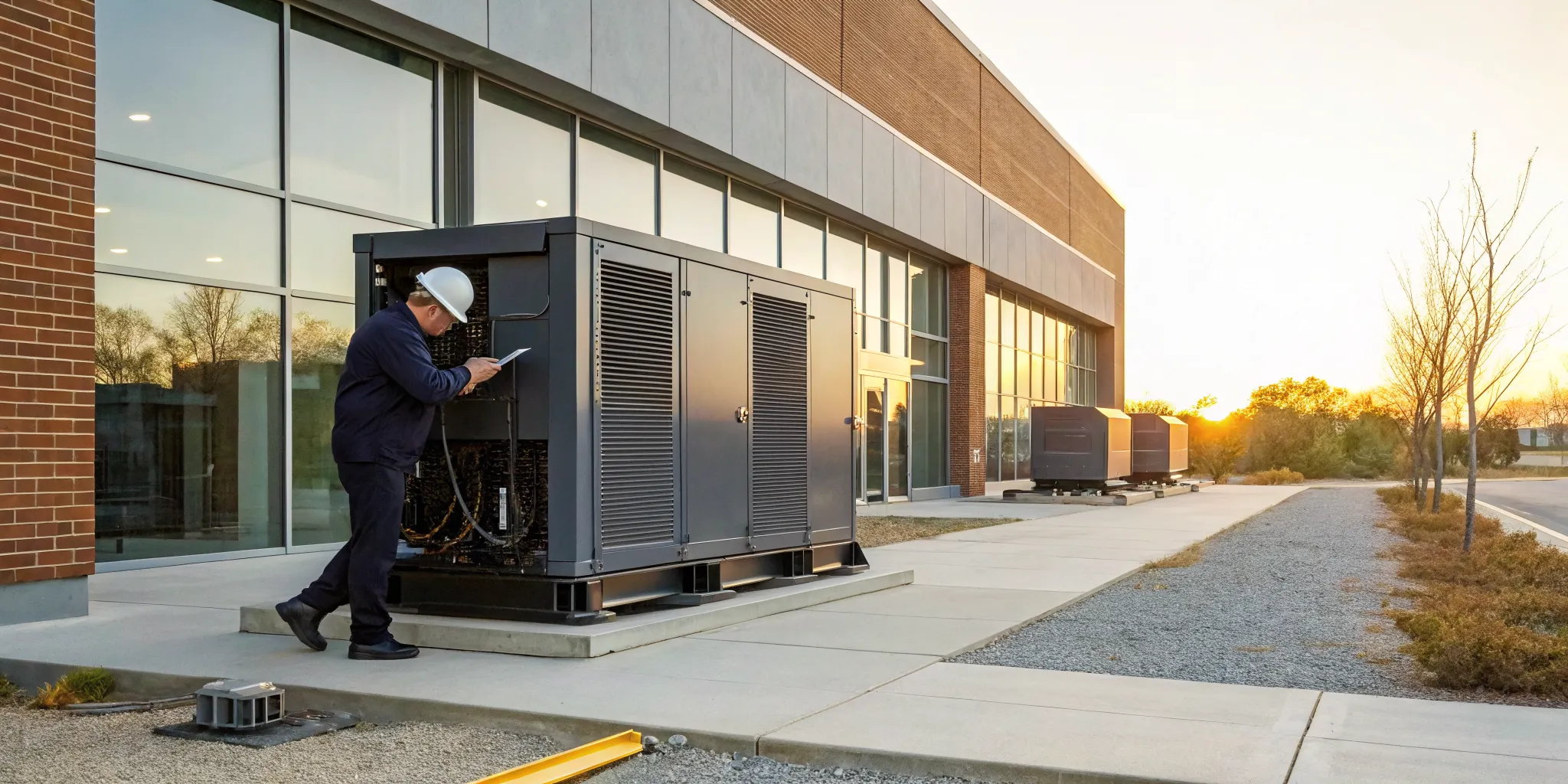
Long before your generator fails, it gives you little hints that something is off. A slight hesitation during its weekly self-test, an unusual noise, or a small fluid leak are all signs that it needs attention. Learning to recognize these warning signs is crucial for preventing a minor issue from becoming a major failure during a power outage. Ignoring these signals is a gamble you don’t want to take. That’s where professional diagnostics come in. For reliable generator maintenance in Royersford, having an expert who can interpret these signs and perform the right fix is essential to keeping the lights on.
Key Takeaways
- Prioritize a regular maintenance schedule: Keep your generator reliable with annual professional service appointments and by monitoring its weekly self-tests to catch potential problems early.
- Know what a thorough inspection includes: A quality maintenance visit involves a detailed checklist covering the oil, battery, and fuel system, and always ends with a performance load test to confirm your unit is ready for an outage.
- Recognize important warning signs: Pay attention to issues like trouble starting, signs of overheating, or visible corrosion, as these are clear signals that your generator needs professional service to prevent failure.
The Benefits of Owning a Home Generator
When a storm rolls through and the lights flicker out, the immediate feeling is often one of stress. But for homeowners with a standby generator, that moment of panic is replaced by a quiet hum and a sense of relief. Owning a generator is about more than just keeping the lights on; it’s about maintaining normalcy, security, and peace of mind. It transforms a potentially disruptive event into a minor inconvenience, allowing your family to continue with daily life, safe and comfortable inside your home. This reliable backup power source protects your property, your investments, and your family’s well-being when the grid can’t. It’s a practical solution that offers invaluable comfort during uncertain times.
Prevent Food Spoilage
A power outage lasting more than a few hours can quickly turn into a costly problem, starting with your kitchen. A standby generator provides reliable backup power that keeps your refrigerator and freezer running, protecting hundreds of dollars worth of groceries from spoiling. You won’t have to worry about throwing out food or the hassle and expense of a massive grocery run after the power is restored. This immediate financial saving is one of the most tangible benefits of having a generator. It ensures your food supply remains safe and preserved, giving you one less thing to worry about while you wait for the utility company to make repairs.
Protect Your Appliances from Power Surges
One of the hidden dangers of a power outage occurs when the electricity comes back on. The sudden rush of energy can create a power surge, which can damage or destroy sensitive electronics. A standby generator protects your home by providing a stable, consistent flow of electricity, which “stops appliances from breaking due to power surges after an outage.” This shields everything from your HVAC system and computer to your smart TV and kitchen appliances. Investing in a residential standby generator installation is also an investment in the longevity of all the other expensive electronics in your home, preventing costly repairs or replacements down the line.
Increase Your Home’s Value
A whole-home generator is a significant upgrade that can make your property more attractive to potential buyers. In areas prone to severe weather and power outages, a generator is a highly sought-after feature that signals security and preparedness. According to industry experts, installing a standby generator “makes your home more valuable,” often providing a solid return on investment. It sets your home apart from others on the market, offering a premium amenity that provides practical benefits year-round. This makes it not just a purchase for your own peace of mind, but a smart addition that adds tangible value to your property.
Choosing the Right Generator for Your Home
Once you’ve decided on the benefits of a generator, the next step is figuring out which one is right for you. This isn’t a one-size-fits-all decision; the best choice depends on your specific power needs, your home’s layout, and your budget. From permanently installed standby units that power your entire house to smaller, portable models for essential items, the options can seem overwhelming. Understanding the key differences in types, fuel sources, and features will help you make an informed choice. Taking the time to assess your requirements ensures you select a generator that will serve you reliably when you need it most, providing just the right amount of power for your family’s comfort and safety.
Types of Generators: Standby, Portable, and Inverter
Generators generally fall into three categories. Standby generators are permanently installed outside your home and turn on automatically the moment an outage is detected, providing seamless power. Portable generators are smaller, can be moved, and must be started manually, making them a good fit for powering just a few essential items. Inverter generators are typically the quietest and produce “clean” power, which is ideal for sensitive electronics, but they often have a lower power output. For homeowners in Southeastern Pennsylvania seeking a comprehensive and hassle-free solution, a Generac standby generator is the superior choice, ensuring your entire home remains powered without any manual effort.
How to Determine Your Power Needs
Before you can choose a generator, you need to know how much power you actually need. The best approach is to “think about what appliances and equipment you absolutely need to work during a power outage.” Make a list of your essentials, such as the refrigerator, sump pump, well pump, and any critical medical equipment. Then, add the items you’d like to have for comfort, like your HVAC system, lights, and television. This exercise will help you and your technician determine the right size generator for your home, ensuring you have enough power to cover your needs without overpaying for capacity you won’t use.
Understanding Fuel Options: Natural Gas, Propane, and More
Standby generators typically run on either natural gas or liquid propane. These fuels are a major advantage because they “burn cleaner, [produce] less pollution, [and] can connect directly to your home’s gas line.” If you have natural gas service, the generator can be hooked up to it for a continuous, uninterrupted fuel supply. If not, a large propane tank can be installed to provide weeks of runtime. This eliminates the need to store gasoline and the dangerous task of refueling a hot generator in the middle of a storm, making standby units both safer and more convenient than their gasoline-powered counterparts.
Key Features to Look For
When comparing generator models, a few key features stand out. Beyond the basic function of providing power, you’ll want to consider factors like wattage, noise level, and built-in safety mechanisms. These details can make a big difference in your experience during a power outage. A unit that’s appropriately sized for your home, operates quietly, and includes modern safety features will provide the most reliable and comfortable backup power solution. Paying attention to these specifications ensures you get a high-quality machine that meets all your expectations for performance and safety.
Power Output and Wattage
A generator’s power output, measured in watts, is its most important specification. You need to “make sure it’s strong enough for what you need to power.” Sizing is critical; a generator that’s too small will struggle to run your essential appliances and could even be damaged, while one that’s too large is an unnecessary expense. A professional consultation can help you calculate the total wattage of the circuits you want to power, ensuring the generator you install is perfectly matched to your home’s electrical load for efficient and reliable operation.
Noise Levels
No one wants a generator that sounds like a jet engine in their backyard. Noise level is an important consideration, both for your family and your neighbors. While all generators make some noise, technology has improved significantly. Many modern standby units are designed for quiet operation, often comparable to a standard central air conditioning unit. As a general rule, “inverter generators are usually quieter,” but many high-quality standby models also feature sound-dampening enclosures and low-tone mufflers to minimize disturbances while they are running.
Built-In Safety Features
Safety should always be a top priority. While portable generators carry a serious risk of carbon monoxide poisoning if used improperly, professionally installed standby generators are designed with safety as a core principle. They are placed a safe distance from your home and are hardwired into your electrical system through an automatic transfer switch. This switch safely disconnects your home from the grid when the generator is on, protecting utility workers from back-feeding. These integrated features remove the potential for user error and provide a much safer backup power solution.
Essential Generator Safety Rules
A generator is a powerful piece of equipment that demands respect. While it provides immense comfort and security, operating it safely is non-negotiable. Understanding and following key safety rules is crucial to protect your family and your property. From proper placement to avoid carbon monoxide exposure to correct usage to prevent electrical hazards, these guidelines are not optional. Whether you have a portable unit or a standby model, familiarizing yourself with essential safety protocols ensures your backup power source remains a helpful tool rather than a potential danger. Professional installation and regular maintenance are the best ways to guarantee safe, reliable operation for years to come.
Carbon Monoxide: A Critical Warning
The single most important rule for generator safety involves carbon monoxide (CO). This odorless, colorless gas is produced by any engine that burns fuel, and it can be deadly. That is why you must “NEVER run a portable generator indoors,” including in a garage or basement. This is a primary reason why standby generators are a safer alternative. They are professionally installed outdoors, far away from windows and doors, to ensure that exhaust fumes are properly ventilated away from your home and family, eliminating the risk of CO poisoning.
Safe Generator Placement
Proper placement is critical for safe generator operation. A generator must be located where exhaust fumes cannot enter your home. According to safety regulations, “it can’t be within 5 feet of any windows or doors that open,” and it should also be clear of any vents or soffits. Our professional installers are experts in both manufacturer specifications and local codes, ensuring your standby generator is placed in a location that is both safe and compliant. This removes any guesswork and guarantees your unit will operate safely without posing a risk to your household.
The 80% Rule for Longevity
To ensure your generator lasts a long time and runs efficiently, it’s wise to follow the 80% rule. This guideline suggests you “should use only up to 80% of a generator’s rated capacity to ensure safe and efficient operation.” Continuously running a generator at its absolute maximum output puts a heavy strain on the engine and can lead to premature wear and overheating. By choosing a generator that is sized so your typical power needs fall at or below this 80% threshold, you ensure the machine runs smoothly without being overworked, which extends its lifespan and improves its reliability.
Additional Safety Tips
Beyond placement and load management, ongoing care is a key part of generator safety. Just like a car, a generator has a complex engine that requires professional attention to stay in top condition. “Regular maintenance is crucial to ensure your generator operates safely and efficiently.” During a maintenance visit, a certified technician will inspect fuel lines for leaks, check electrical connections for tightness, and test all safety features. This proactive approach not only prevents breakdowns but also catches potential safety hazards before they can become serious problems, giving you confidence that your generator is ready and safe for the next outage.
What to Look for in a Generator Maintenance Service
When you invest in a generator, you’re really investing in peace of mind. But that peace of mind depends on your unit working perfectly when you need it most. That’s where regular maintenance comes in, and finding the right service provider is just as important as choosing the right generator. A great maintenance service isn’t just about a quick check-up; it’s about a long-term partnership with a team that understands your system inside and out.
So, what separates an average service from an exceptional one? It comes down to a few key factors: the expertise of the technicians, the thoroughness of their inspection, and their connection to your local community. A top-tier provider will have certified professionals who follow a detailed checklist to keep your generator in peak condition. They’ll catch small issues before they become big, expensive problems, ensuring your generator is ready for any outage. Choosing the right team means you can trust that your power will stay on, no matter what the weather brings.
Why You Need a Certified Technician
You wouldn’t let an unlicensed mechanic work on your car, and the same logic applies to your generator. Certified technicians have completed specialized training directly from manufacturers like Generac, so they have a deep understanding of your specific model. This expertise is critical for ensuring your generator operates safely and efficiently. They know exactly what to look for, how to diagnose complex issues, and how to perform generator service and repair according to the manufacturer’s standards. This not only keeps your warranty intact but also protects your home and family from the risks of improper maintenance. When you work with certified pros, you’re getting knowledgeable care that’s tailored to your system.
What Should a Full-Service Check-Up Cover?
A thorough maintenance visit is more than just a quick look under the hood. A professional service should follow a comprehensive checklist to inspect every critical component of your generator. This includes changing the oil and filters, checking the battery’s health, and inspecting all electrical connections for wear or corrosion. The technician should also examine the fuel and coolant systems to prevent leaks or blockages. A complete generator maintenance plan also involves running a performance test under a simulated load. This test confirms that your generator can actually handle the demand of powering your home during an outage, giving you confidence that it will perform when it counts.
Why Hiring a Local Pro Makes a Difference
Choosing a local service provider offers some serious perks. A local team understands the specific challenges of our area, from the types of storms we get to common power grid issues. This familiarity means they can offer more relevant advice and quicker response times, especially during an emergency. Building a relationship with a local company also means you know who you’re calling. You’re not just a number in a national database. A provider with deep roots in the community, like one that has established service areas in Southeastern Pennsylvania, is invested in maintaining a strong reputation for reliability and excellent customer support. They’re your neighbors, and they’re dedicated to keeping your lights on.
How Often Does Your Generator Need Maintenance?
Think of your generator like your car. You wouldn’t drive it for years without an oil change, and your generator needs the same consistent care to perform reliably. A standby generator is a major home system, and a proactive maintenance plan is the best way to protect your investment and ensure it’s ready for any outage. Establishing a rhythm of regular checks, from weekly self-tests to annual professional service, keeps all the moving parts in top condition. This schedule prevents small issues from turning into major headaches during a storm.
Mark Your Calendar: A Regular Maintenance Schedule
For most residential standby generators, a professional service appointment once a year is the gold standard. A certified technician will perform a comprehensive inspection, change the oil and filters, and run diagnostics to catch potential issues. This annual check-up is crucial for maintaining your warranty and extending the life of your unit. If your generator runs for an extended period during a long outage, it’s a good idea to schedule a service call sooner. Consistent, professional generator maintenance is the single most effective way to ensure your generator starts up without fail.
Seasonal Prep: Getting Your Generator Ready
Here in Pennsylvania, we see it all: summer thunderstorms, hurricane remnants, and winter ice storms. Each season presents unique challenges for your generator, making seasonal preparedness essential. Before winter, you want to be sure your battery is strong enough for a cold-weather start. Heading into summer, it’s vital to check that coolant levels are correct to prevent overheating. Regular maintenance identifies these potential weak spots early, allowing for timely repairs. This ensures your generator is always prepared for what the weather has in store, keeping your home safe and comfortable.
The Quick Weekly Test You Shouldn’t Skip
Modern Generac generators are designed to perform a weekly self-test automatically. This short, 10-minute exercise is incredibly important for the health of your unit. During this test, the generator starts up, circulates its oil to keep components lubricated, and confirms the battery is charged and ready. It’s a simple function that verifies the generator is mechanically sound and prepared to take over when the power goes out. If you notice your generator misses its weekly test or displays an error code, it’s a clear signal to call for generator service and repair.
Understanding Maintenance Costs
Investing in a generator is a big step, and it’s smart to think about the ongoing costs of keeping it in top shape. While there is a cost associated with annual maintenance, it’s best to view it as a predictable expense that protects your larger investment. Regular upkeep is far more affordable than facing an emergency repair bill when your generator fails during a critical outage. The cost of a generator maintenance plan can depend on factors like the size and type of your unit, but the long-term savings are clear. A well-maintained generator operates more efficiently, lasts longer, and gives you the reliability you paid for, ultimately saving you money and stress when you need it most.
What’s on a Professional Generator Maintenance Checklist?
When you schedule professional generator maintenance, you’re getting more than just a quick look-over. A certified technician follows a detailed checklist to make sure every component of your Generac generator is in top condition. This systematic approach is designed to catch small issues before they become big problems, ensuring your generator is ready to perform the moment you need it. Think of it as a comprehensive health check-up for your home’s most important backup system. Each step is critical for safety, efficiency, and longevity. Here’s a closer look at what our technicians inspect during a full-service appointment.
Inspecting Oil Levels and Filters
Just like your car, your generator’s engine needs clean oil and filters to run smoothly. During a maintenance visit, a technician will check the oil level and quality. Old, dirty oil can’t lubricate the engine’s moving parts effectively, leading to friction and overheating. They will also inspect the oil and air filters, replacing them if they’re clogged with debris. This simple but essential step prevents engine wear and tear. Regular maintenance helps identify these issues early and allows for timely replacements, keeping your generator functional and extending its lifespan.
Battery and Electrical System Inspection
A dead battery is one of the most common reasons a generator fails to start. A technician will inspect the battery for any signs of corrosion, clean the terminals, and check the charge level to ensure it has enough power to kick on during an outage. They’ll also examine all the electrical connections, wires, and circuit breakers for tightness and wear. Loose connections can create a fire hazard or cause the unit to malfunction. If any problems are found, our team is equipped to handle any necessary generator service and repair to keep your system safe and reliable.
Keeping the Fuel System Clean
Your generator can’t run without a clean, stable fuel supply. Over time, fuel can degrade or become contaminated with water and sediment, which can clog fuel lines and filters. A technician will inspect the entire fuel system, from the tank to the engine, to ensure there are no blockages or leaks. To prevent fuel-related issues, it’s important to regularly test your fuel to make sure it remains in optimal condition. This part of the check-up guarantees that your generator will have the clean fuel it needs to operate efficiently when a power outage occurs.
Control Panel and Functionality Test
The control panel is the brain of your generator. It monitors the system’s performance, runs self-tests, and displays any alerts or error codes. During a maintenance visit, a technician will test the control panel’s functions to confirm it’s communicating correctly with the engine and transfer switch. They will also check and replace ignition components like spark plugs if needed. This ensures that the automatic startup sequence will work flawlessly during an outage. A properly functioning control panel gives you peace of mind that your generator is ready to take over automatically.
Coolant System Maintenance
For liquid-cooled generators, the coolant system is vital for preventing the engine from overheating during long run times. A technician will check the coolant levels and look for any leaks in the hoses or radiator. Inadequate coolant levels or a malfunctioning cooling fan are frequent causes of cooling system issues. The technician will top off the coolant as needed and ensure the entire system is working correctly to dissipate heat effectively. This step is crucial for protecting your generator’s engine from serious damage, especially during extended power outages in the summer.
Simulating an Outage: The Performance Load Test
The final step is a performance test under load. This involves simulating a power outage to make your generator turn on and power your home or business. This test confirms that the automatic transfer switch is working correctly and that the generator can handle the electrical load without any issues. It’s the best way to verify that all the individual components are working together as a system. Running a load test ensures your Generac generator is truly ready for action, so you won’t have any surprises when the lights go out for real.
Is Your Generator Trying to Tell You Something? Key Warning Signs
Even the most reliable generator can run into trouble now and then. The good news is that your unit will often give you little hints that something is off before it becomes a major problem. Learning to spot these warning signs is the key to preventing a small issue from turning into a costly repair or, even worse, a failure during a power outage. Think of it as learning your generator’s language. If you notice any of these signals, it’s time to call in a professional.
Slow or Failed Start-Ups
One of the most obvious signs of trouble is when your generator struggles to start or fails to start at all. If you hear it trying to turn over but it just won’t catch, don’t ignore it. This could be due to a few different things. A weak or dead battery is a very common cause, especially after a long period of inactivity. Other culprits could be a failing spark plug or issues with the fuel line. Because the failure to start can be caused by several different factors, it’s best to have a professional diagnose the root cause. A quick generator service and repair call can pinpoint the exact issue and get it fixed.
Is Your Generator Overheating?
Your generator works hard, and it needs to stay cool to operate safely. If you notice it shutting down unexpectedly during its run cycle, it might be overheating. Other signs include visible steam or a burning smell coming from the unit. Overheating is a serious problem that can cause lasting damage to the engine. It’s often the result of low coolant levels or a broken cooling fan, both of which are checked during routine generator maintenance. If you suspect your generator is running too hot, shut it down immediately and call for service. Don’t try to troubleshoot a hot engine on your own.
Fuel Leaks or Low Supply
Just like your car, your generator needs clean, quality fuel to run properly. Old or contaminated fuel can create a sticky residue that clogs up the fuel lines and carburetor, leading to sputtering, stalling, or a complete failure to start. This is a common issue for generators that sit for long periods without running. To prevent these problems, it’s important that the fuel system is checked regularly. If your generator is running rough or seems to be struggling for power, a fuel system issue could be the cause. A professional can flush the system and ensure everything is clean and clear.
Visible Rust or Damaged Wires
Take a moment to visually inspect your generator from time to time. Do you see any rust, corrosion on the battery terminals, or damaged wires? These are clear indicators that your generator needs attention. Worn-out electrical components or frayed wiring are not just performance issues; they are serious safety hazards. These problems are often preventable with regular inspections. If you spot any visible signs of wear and tear, especially around the electrical connections, it’s time to schedule a professional repair. Handling electrical faults is a job best left to a certified technician who can safely resolve the issue.
Flickering Lights During Operation
If you notice your lights flickering or dimming while the generator is running, that’s a definite red flag. This isn’t just a minor annoyance; it’s a sign that your generator is struggling to provide a steady, consistent flow of electricity to your home. The issue could stem from an overloaded circuit, where you’re trying to power too many things at once, or it could point to a more serious internal problem with the generator’s electrical components. Ignoring this can put your sensitive electronics and appliances at risk of damage from unstable power. Because this involves your home’s electrical system, it’s a problem that requires a professional eye from a team that understands both generators and residential electrical systems.
Common Causes of Generator Failure
Most generator failures don’t happen out of the blue. They’re often the result of preventable issues that build up over time. A dead battery is the number one culprit, but other common causes include old or dirty fuel that clogs the system, a clogged air filter that starves the engine of oxygen, or a bad spark plug that can’t create a spark. Sometimes, the issue is as simple as low oil, while other times it could be loose wiring or a faulty electrical part. The good news is that nearly all of these common problems can be caught and corrected during a routine generator maintenance appointment, which is why sticking to a schedule is so important.
Protecting Your Investment: Warranty and DIY Care
A standby generator is one of the most valuable additions you can make to your home, providing security and comfort during power outages. Protecting that investment goes beyond just scheduling professional service; it also involves understanding your manufacturer’s warranty and performing a few simple check-ins yourself. Your warranty is your safety net, covering the cost of certain repairs and parts, but it comes with conditions. Failing to meet those conditions, like skipping required maintenance, can void your coverage when you need it most. Think of it as a partnership: the manufacturer provides the warranty, your certified technician provides the expert service, and you provide the day-to-day oversight.
While complex tasks should always be left to the pros, there are a few easy things you can do to keep your generator in great shape between service visits. These simple DIY tasks don’t require any special tools or technical knowledge, but they can make a big difference in your generator’s long-term health and reliability. By staying engaged with your system and knowing what to look for, you can catch potential issues early and ensure your warranty remains active. This proactive approach ensures your Generac generator is always ready to perform, giving you true peace of mind.
How to Check if Your Warranty is Active
Not sure about your warranty status? Finding out is usually pretty straightforward. The first place to look is the paperwork that came with your generator, like the owner’s manual or a specific warranty card. If you can’t find the documents, the next step is to check the manufacturer’s website; most have a portal where you can register your product and view warranty information. You’ll need your generator’s model and serial number, which are typically found on a sticker on the unit itself. When in doubt, you can always call the manufacturer directly or contact your certified dealer for assistance. Knowing your coverage details is the first step in protecting your investment.
Steps to Keep Your Warranty Valid
Keeping your generator’s warranty in good standing is simple as long as you follow the manufacturer’s guidelines. The most important step is to adhere to the recommended maintenance schedule and have the service performed by an authorized provider. Using an uncertified technician for repairs can void your warranty instantly. It’s also crucial to keep detailed records of all maintenance and repairs, including dates and receipts. This documentation serves as proof that you’ve properly cared for your unit. Finally, make sure you register your generator with the manufacturer as soon as it’s installed. Following these steps ensures that if a covered issue arises, your warranty will be there to protect you.
Simple DIY Maintenance Tasks
Between professional service visits, there are a few simple things you can do to help keep your generator healthy. First, keep the area around the unit clear of leaves, snow, and debris to ensure proper airflow. Once a month, do a quick visual inspection. Look for any damaged wires, leaks, or signs of pests. Most importantly, pay attention to the weekly self-test. Listen to make sure it runs smoothly and check the control panel for any warning lights or error codes afterward. If you notice anything unusual, it’s a signal to call for professional generator service and repair. These small habits don’t replace a full service, but they help you stay ahead of potential problems.
How to Choose the Right Generator Pro in Royersford
Choosing a professional to install or service your generator is a big decision. This isn’t just another appliance; it’s a key piece of equipment that keeps your home safe and comfortable during a power outage. You need a reliable partner who knows their stuff and will be there when you need them most. Finding the right pro means looking for a combination of specific expertise, a solid reputation, and a commitment to local service. Here’s what to focus on to make a confident choice for your Royersford home.
Prioritize Generac-Certified Technicians
When you invest in a Generac generator, you want a technician who knows the brand inside and out. Look for a company that is a certified dealer and specializes in Generac generators. A general electrician might have basic knowledge, but a certified pro has factory training on the specific mechanics, software, and maintenance protocols for your unit. This specialized expertise ensures that installations are done correctly, troubleshooting is accurate, and repairs use the right parts. A team that focuses on Generac is better equipped to handle everything from a simple oil change to a complex diagnostic issue, giving you peace of mind that your generator is in capable hands.
Read Online Reviews and Ask for References
Before you pick up the phone, see what your neighbors are saying. A company’s reputation is built on real customer experiences. Spend some time reading online reviews on Google and checking for testimonials on their website. Look for consistent feedback about professionalism, timeliness, and clear communication. A few glowing reviews are great, but a long history of positive feedback shows a sustained commitment to quality service. You’re looking for a partner for the long haul, and the experiences of other homeowners can tell you a lot about the character and reliability of the team you’re considering.
Confirm They Offer 24/7 Emergency Service
During a storm, the last thing you want is to find out your generator technician is hours away. It’s essential to choose a local pro who explicitly lists Royersford in their service areas. A local company can respond much faster, especially in an emergency. Speaking of emergencies, power outages don’t follow a 9-to-5 schedule. Make sure the company you choose offers 24/7 emergency generator service and repair. This ensures that if your generator has an issue in the middle of the night or on a holiday weekend, you have a reliable expert ready to help.
Ask About Warranty-Compliant Service
Your Generac generator comes with a manufacturer’s warranty, but there are often stipulations to keep it valid. One of the most common requirements is that installation and service must be performed by a certified technician. Before hiring anyone, ask if they are licensed, insured, and factory-certified. Working with an authorized dealer ensures that your generator installation meets Generac’s strict standards and that your warranty remains intact. This protects your investment and guarantees that any service performed will uphold the quality and integrity of your generator for years to come.
What to Expect When Your Technician Arrives
Knowing what happens during a service call can make the process feel smooth and straightforward. When you schedule a visit with a professional, you’re not just getting a quick look-over; you’re getting a comprehensive health check for your generator. A certified technician will walk through a systematic process to ensure every component is working correctly, from the engine to the electrical connections. This methodical approach is designed to catch small issues before they become big problems, giving you confidence that your generator will be ready when you need it most.
Our goal is to be transparent and keep you informed every step of the way. From the moment our technician arrives to the final report, you’ll know exactly what’s happening with your equipment. Here’s a breakdown of what a typical Generac maintenance visit looks like.
How Long Does a Standby Generator Installation Take?
It’s a common question, and the answer has two parts: the on-site work and the overall timeline. The physical installation of your generator is usually completed in a single day, often taking between 8 to 10 hours for a typical home. However, the entire process from your first call to the final system test can take several weeks. This is because a proper residential standby generator installation involves several crucial steps before our team even arrives. This preparation phase includes a detailed site assessment, securing necessary local permits, and coordinating with your utility provider. As Generac explains, these preliminary steps are essential to ensure your generator is installed safely and meets all local codes, guaranteeing it will work perfectly when you need it.
The Walk-Around and Initial Inspection
When your technician arrives, the first thing they’ll do is a complete visual inspection of your generator. This isn’t just a casual glance; it’s a detailed check of the entire unit and its surroundings. They’ll look for any signs of wear and tear, leaks, corrosion, or damage to the enclosure and concrete pad. This initial step is critical because it helps identify potential issues right away. Catching a frayed wire or a small fluid leak early allows for a timely fix, ensuring your generator remains in top condition and ready to perform during the next power outage.
Running Key Safety and Performance Tests
After the visual check, your technician will move on to performance and safety testing. This is where they run the generator to simulate an outage and make sure everything functions as it should. A common issue they test for is a failure to start, which can be caused by anything from a weak battery to a fuel system problem. They will also check the electrical output, test the transfer switch, and verify that all safety features are working correctly. This hands-on testing confirms that your generator can not only run but can also safely handle your home’s electrical load, which is where professional generator service and repair expertise is essential.
Reviewing Your Detailed Service Report
Once the inspection and testing are complete, you won’t be left wondering what happened. Your technician will provide you with a detailed service report. This document clearly outlines everything they checked, the results of the performance tests, and any findings or concerns. If any issues were discovered, the report will include specific recommendations for repairs or part replacements. Think of it as a report card for your generator. It gives you a clear picture of your system’s health and provides an actionable plan to keep it running reliably for years to come.
Scheduling Your Next Appointment
Finally, your technician will walk you through the service report, answer any questions you have, and discuss the next steps. If repairs are needed, they’ll explain the process and what to expect. They will also help you get your next routine maintenance visit on the calendar. Sticking to a regular schedule is the best way to protect your investment. Consistent, preventive care reduces the need for unexpected repairs and maximizes the lifespan of your Generac generator, ensuring your family has reliable backup power for any situation.
Related Articles
- Generac Generator Maintenance Schedule & Checklist | M.T. Ruhl Electrical
- The Ultimate Generac Generator Maintenance Schedule
- How Often Should I Service My Generac Generator?
- Generator Schedule 101: A Complete Guide
- How Often to Service a Generac Generator: The Full Guide
Frequently Asked Questions
Can I perform some of the generator maintenance myself? While you can certainly handle basic tasks like keeping the generator’s exterior clean and ensuring the area around it is clear of debris, most maintenance should be left to a certified professional. Tasks like changing the oil, inspecting electrical connections, and testing the transfer switch require specialized knowledge and tools. Using a certified technician also ensures your manufacturer’s warranty remains valid, which is crucial for protecting your investment.
What should I do if my generator fails its weekly self-test? If your generator misses its scheduled self-test or displays an error light, it’s a clear signal to call for service. The self-test is your generator’s way of telling you it’s ready for an outage, so a failure indicates a problem that needs attention. Note any error codes on the control panel and call a professional. It’s much better to address a small issue now than to discover it during a real power outage.
How long does a typical maintenance appointment take? A standard maintenance visit usually takes about one to two hours. During this time, a technician will work through a detailed checklist that includes changing the oil and filters, testing the battery, inspecting all the electrical and fuel systems, and running a performance test. The exact time can vary depending on your specific generator model and if any potential issues are found during the inspection.
Is an annual service plan necessary if my generator hasn’t run much? Yes, absolutely. Think of it this way: even a car that sits in the garage needs regular care. Time affects your generator’s components just as much as usage does. Oil can degrade, batteries can lose their charge, and moisture can affect the fuel system. An annual service appointment ensures all these parts are in top condition, so your generator is ready to perform reliably the moment you need it, regardless of how much it ran the previous year.
What is the difference between generator maintenance and generator repair? Maintenance is proactive care designed to prevent problems. It’s a scheduled, comprehensive check-up to keep your generator in peak condition, much like a routine physical. Repair, on the other hand, is reactive. It involves diagnosing and fixing a specific problem after your generator has already shown signs of a malfunction, like failing to start or running rough. Consistent maintenance is the best way to reduce the need for unexpected and often more costly repairs.