
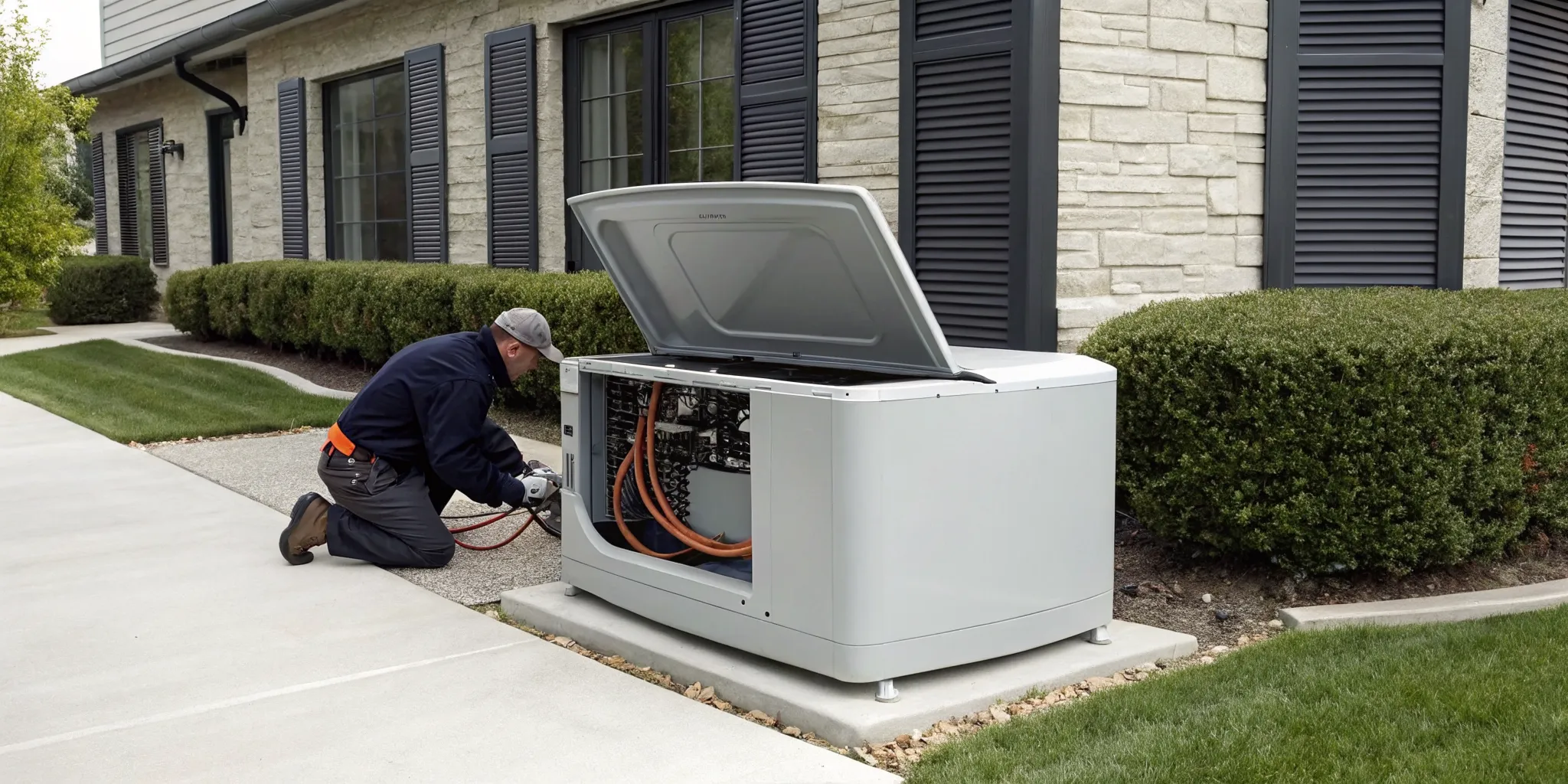
A generator that won’t start during a storm is more than an inconvenience—it’s a failure of the very system you count on for security. Most of the time, the culprit is a small, preventable issue like a dead battery, a clogged filter, or old fuel. The good news? You can avoid this frustration. Following a proper generator service schedule is the key to addressing these problems before they leave you in the dark. It all comes down to the official Generac generator maintenance schedule and knowing exactly how often your unit needs professional care.
Key Takeaways
- Schedule Annual Service for Reliable Performance: Plan for a professional tune-up once a year, ideally before storm season arrives. This simple step is the most effective way to ensure your generator is ready to work correctly during an outage.
- Prevent Costly Failures with Regular Upkeep: Skipping maintenance can lead to your generator not starting, expensive emergency repairs, and a shorter lifespan. Consistent care helps catch small issues before they become major problems, protecting your investment.
- Trust Certified Technicians for Complex Tasks: While you can perform simple visual checks, a professional is needed for critical engine and electrical system diagnostics. A technician has the proper tools and training to ensure every component functions safely and correctly.
Your Generac Maintenance Schedule: How Often Is Enough?
Think of your Generac generator like the family car. It’s a complex machine that you rely on for safety and convenience, but you might not use it every day. Just like your car needs regular oil changes and tune-ups to run smoothly, your generator needs consistent care to ensure it’s ready the moment a power outage hits. While it’s designed to be low-maintenance, skipping service can lead to problems when you can least afford them.
The ideal service schedule for your generator depends on a few key factors, including how often it runs and the conditions it operates in. Following a regular schedule is the best way to protect your investment and keep your home or business powered through any storm. A professional Generac maintenance plan takes the guesswork out of the equation, giving you confidence that your system is always prepared.
The Once-a-Year Rule for Most Homeowners
For most homeowners, the rule of thumb is simple: service your Generac generator once a year. An annual professional tune-up is the single most effective thing you can do to ensure its reliability. During this service, a technician can spot and address small issues before they turn into major, costly repairs.
Think of it as a yearly wellness check. Technicians will change the oil, replace the air filter, check the spark plugs, and test the battery. This preventative care keeps the engine in top condition, ensuring it starts without a hitch during an emergency. Sticking to an annual schedule helps your generator perform efficiently for years to come.
Does Heavy Use Mean More Frequent Service?
While an annual check-up is a great baseline, your generator’s usage also plays a role in its maintenance needs. If your area has experienced frequent or extended power outages, your generator has been working hard and may need attention sooner. After a long run time, it’s a good idea to have the oil and filters checked.
Even if your generator hasn’t run much, the oil should still be changed once a year. Oil can degrade and collect moisture over time, which can harm the engine. The air filter should also be inspected annually and replaced if it’s dirty, as a clogged filter can make the engine work harder than it needs to. If you notice anything unusual after a long outage, scheduling a Generac service and repair visit is a smart move.
Hour-Based Service Intervals
So, how do you know if a stormy season qualifies as “heavy use”? Your generator actually tells you. Beyond just marking a date on the calendar, the most accurate way to gauge your maintenance needs is by looking at the generator’s run-time hours. It’s just like tracking mileage in your car. As a rule, the oil and filter should be changed every 50 to 60 hours of operation to keep the engine running smoothly. A more thorough service, which includes inspecting the air filter and spark plugs, is recommended every 100 to 200 hours. After a few extended outages, you can hit these numbers faster than you’d think. Staying on top of these hour-based intervals is the best way to prevent unnecessary wear and ensure your generator is ready for the next outage. A professional Generac maintenance plan makes this effortless, as our technicians track these milestones for you.
Pre-Storm Season: A Critical Time for Maintenance
The worst time to find out your generator has a problem is right in the middle of a storm. That’s why proactive maintenance ahead of peak storm seasons is so important. Here in Pennsylvania, that means preparing for the summer hurricane season as well as the heavy snow and ice storms of winter. Scheduling your annual service before the weather turns ensures your generator is ready for whatever comes its way.
Being prepared provides incredible peace of mind. When the forecast looks grim and your neighbors are rushing for supplies, you can relax knowing your backup power is in perfect working order. A well-maintained generator is a key part of any emergency plan, keeping your lights on, your family safe, and your daily life uninterrupted.
Ideal Times for Seasonal Service
To stay ahead of the weather, aim to schedule your annual service during the calmer months. Late spring is a perfect time to prepare for the summer storm and hurricane season, while a check-up in late fall gets your generator ready for winter’s snow and ice. Most manufacturers recommend service once a year or after every 100 to 200 hours of operation. By booking your appointment during these off-peak times, you ensure a technician is available and your system is primed for action long before the first storm clouds gather. This proactive approach is the cornerstone of a reliable Generac maintenance plan.
The Critical First Service: The Break-In Period
If you’ve recently had a new generator installed, its very first service is one you can’t afford to miss. This initial “break-in” service, typically performed after the first 20 to 50 hours of operation, is vital for the long-term health of the engine. Much like a new car, a generator’s engine needs to settle in. During this period, microscopic metal particles from the manufacturing process can enter the oil. The break-in service involves changing the oil and filter to remove these particles, preventing premature wear and tear. Taking care of this first step ensures your investment is protected from the very beginning, setting the stage for years of dependable performance after your residential standby generator installation.
What About Portable Generators?
While standby generators have a more fixed schedule, portable generators have their own set of rules. Because they are often used less consistently and stored for long periods, their maintenance needs are slightly different. A good guideline is to service them every 50 to 100 hours of use or at least every three to six months, even if they haven’t been run. It’s also a great practice to start your portable generator for about 30 minutes every week. This keeps the battery charged, prevents the fuel from going stale, and ensures all the internal parts stay lubricated and ready to go. Regular care is just as important for these smaller units to ensure they start up when you need them most.
What’s Included in a Professional Generac Tune-Up?
So, what exactly happens during a professional tune-up? It’s a comprehensive process where a certified technician meticulously inspects, tests, and services your generator to ensure it’s ready for any outage. This isn’t just a quick look-over; it’s a detailed check-up covering everything from the engine to the electrical systems. Here’s a breakdown of the key steps involved in a thorough Generac maintenance visit.
Inspecting the Essentials: Fluids, Filters & Plugs
Just like your car, your generator’s engine needs clean fluids and filters to run smoothly. During a tune-up, a technician will change the oil and replace the oil filter, a task that should be done at least once a year. This keeps the engine lubricated and prevents wear and tear. They will also inspect the air filter to ensure proper airflow. The spark plugs are another critical component. A technician will check them for wear, clean them, and adjust the gap if needed. They’ll only replace them if they show signs of damage, ensuring your generator’s engine is efficient and reliable.
Checking Coolant Levels the Right Way
For liquid-cooled Generac models, the coolant system is the heart of engine protection, preventing overheating during long run times. A low coolant level is a common reason for a generator to shut down automatically, as it’s a built-in safety measure to prevent serious engine damage. You can easily perform a visual check yourself. When the generator is cool, locate the coolant overflow reservoir and look at the level. It should sit between the “minimum” and “maximum” fill lines. Also, take note of the coolant’s color. If it looks cloudy, discolored, or has sediment floating in it, it could be contaminated. If the level is low or the fluid looks dirty, it’s a sign that your system needs professional attention during a Generac maintenance appointment.
Verifying the Battery and Electrical Connections
A dead battery is one of the most common reasons a generator fails to start during an outage. That’s why a thorough battery check is a core part of any professional tune-up. A technician will test the battery’s voltage, clean the terminals, and check the connections to make sure everything is secure. They will also inspect the wiring and other electrical components for any signs of wear or corrosion. If any issues are found, our team is equipped to handle any Generac service and repair. This proactive step ensures your system has the power it needs to kick on instantly.
A Close Look at Fuel and Coolant Lines
Your generator can’t run without a steady supply of fuel and proper cooling. During a maintenance visit, a technician will carefully inspect all fuel and coolant lines. They’ll look for any signs of cracks, leaks, or blockages that could disrupt performance or create a safety hazard. For natural gas or propane units, this includes checking the connections to ensure they are secure and leak-free. For liquid-cooled models, they’ll check the coolant levels and condition. This inspection is vital for preventing fuel delivery problems, which are a frequent cause of generator failures. It’s a simple but crucial step for reliable operation.
Preventative Hose and Belt Replacement
Over time, the rubber hoses and belts inside your generator degrade from constant exposure to engine heat and the elements. Even if they look fine during a quick visual check, they can become brittle and develop tiny, hidden cracks. This is why a hands-on inspection during a professional tune-up is so important. A trained technician will assess their condition, but it’s also wise to replace them preventatively. Following a replacement schedule, often every couple of years, is a proactive strategy to avoid sudden failure. This simple step is a core part of a complete Generac maintenance plan, helping to prevent a snapped belt or a leaky fuel hose from disabling your generator during a critical power outage.
Performing a Full System Test Run
The final step is to make sure everything works together as a complete system. A technician will run a full diagnostic test, which often involves simulating a power outage. This allows them to verify that the automatic transfer switch functions correctly, seamlessly shifting your home’s power source to the generator. Many modern Generac generators have onboard diagnostics that produce error codes if something is wrong. The technician can interpret these codes to pinpoint any underlying issues. This comprehensive test provides peace of mind, confirming your generator will automatically turn on and power your home the moment an outage occurs.
Deeper Engine and System Checks
A professional tune-up goes far beyond the basics of fluids and filters. It involves a detailed inspection of the engine’s internal components to ensure long-term health and reliability. These are the kinds of tasks that require specialized tools and a deep understanding of how the generator works, which is why they are best left to a certified technician. This part of the service focuses on fine-tuning the engine and verifying the integrity of critical systems that you can’t easily see. It’s this level of detailed Generac maintenance that ensures every part of your generator works in perfect harmony for years to come.
Valve Adjustments and Crankcase Breather Cleaning
Over time, your generator’s engine valves can fall out of alignment, which affects fuel efficiency and overall performance. During a professional service, a technician will check and adjust the valves to factory specifications, ensuring the engine “breathes” properly and runs smoothly. They will also clean the crankcase breather, a small but vital component that relieves internal engine pressure. A clogged breather can lead to oil leaks and other performance issues. These precise adjustments are a key part of preventative care, helping to extend the life of your generator’s engine and address any issues that might require Generac service and repair.
Alternator and Full Exhaust System Inspection
The alternator is the heart of your generator’s power production, converting mechanical energy into the electricity that runs your home. A technician will inspect it to confirm it’s producing a stable and correct voltage, ensuring it can safely power your sensitive electronics. Equally important is a thorough inspection of the entire exhaust system. The technician will carefully look for any cracks, leaks, or blockages that could not only hinder performance but also pose a serious safety risk by releasing carbon monoxide. This careful check of your Generac generator’s core components ensures it operates both effectively and safely when you need it most.
Verifying Performance with Load Bank Testing
After all the individual components are inspected and serviced, the final step is to prove the generator can handle the job. This is done through load bank testing, which is essentially a real-world stress test. A technician simulates the electrical demand your home would place on the generator during an actual outage, forcing it to run under a significant load. This test verifies that the generator can not only turn on but also sustain the required power output without faltering. It’s the ultimate confirmation that your system is ready to perform under pressure, giving you complete confidence in your residential standby generator installation.
What Happens When You Skip Generator Maintenance?
Think of your generator like your car. You wouldn’t drive it for years without changing the oil or checking the tires, right? Your generator is a complex piece of machinery that needs the same kind of regular attention to perform reliably. Skipping routine maintenance might seem like a way to save a little time and money in the short term, but it often leads to much bigger headaches when you can least afford them. From a frustrating failure during a power outage to expensive emergency repairs, the consequences of neglect can be serious. Consistent care is the key to ensuring your generator is ready to go the moment you need it.
It Might Not Start When You Need It Most
The most immediate risk of skipping maintenance is that your generator simply won’t start when you need it. Imagine a major storm rolls through, the lights flicker and go out, and you head outside with confidence, only to find your generator is unresponsive. This is often due to preventable issues like a dead battery, clogged fuel lines, or old, sludgy oil. To keep your Generac generator running smoothly, addressing these potential problems through regular check-ups is crucial. A professional can spot a weakening battery or a dirty filter long before it becomes a critical failure, giving you peace of mind that your power will be there when you need it most.
Sacrificing Reliability When It Counts
Your generator is an investment in peace of mind, a promise that your life won’t be disrupted when the power grid fails. Skipping maintenance directly undermines that promise. It’s not just about the lights staying off; it’s about the sump pump that can’t prevent a flood, the food in the fridge that spoils, or the medical equipment that loses power. These are the moments when reliability counts most, and unfortunately, they are the exact moments when a neglected generator is most likely to fail. The small savings from skipping a service call can quickly be overshadowed by expensive emergency repairs or damage to your home. Consistent, professional Generac maintenance is the key to ensuring your system is always ready, protecting your investment and providing the security you count on when it matters.
Facing Unexpected and Expensive Repairs
Preventative care is almost always more affordable than a crisis fix. When small issues are left unaddressed, they can easily cascade into major system failures. A simple worn-out part can put extra strain on the entire engine, leading to a significant breakdown that requires an urgent and expensive visit from a technician. Understanding the most common causes of generator issues, such as problems with fuel, batteries, and electrical components, can help you avoid these costly situations. A scheduled Generac maintenance plan is the best way to catch these problems early and keep your generator in top condition, saving you from the stress and expense of an emergency call.
You Could Shorten Your Generator’s Lifespan
A standby generator is a major investment in your home’s safety and comfort, and you want it to last for many years. Neglecting maintenance directly impacts its longevity. Just like any engine, a generator experiences wear and tear over time. Regular service, including oil changes, filter replacements, and system checks, ensures all parts are clean, lubricated, and working together efficiently. This reduces strain on the engine and other critical components. Regularly checking these parts helps prevent electrical issues and keeps your generator running as it should, ultimately extending its operational life so you can rely on it for years to come.
The Lifespan of a Well-Maintained Generator
A standby generator is a significant investment, and with proper care, it can provide reliable power for 20 to 30 years, or even longer. The key to reaching that impressive lifespan is consistent, professional maintenance. Think of it this way: every scheduled service visit is a step toward protecting your investment. When a certified technician performs regular oil changes, replaces filters, and inspects the system, they are reducing strain on the engine and preventing small issues from becoming major, life-shortening problems. This proactive approach ensures your generator not only works during an outage but also continues to operate efficiently for decades. By committing to a regular Generac maintenance schedule, you’re ensuring you get the maximum value and longevity from your system.
Risking Your Manufacturer’s Warranty
Here’s something many homeowners don’t realize: skipping scheduled service could void your generator’s warranty. Most manufacturer warranties, including Generac’s, require proof of regular maintenance performed according to their specifications. If a major component fails and you can’t show that the unit has been properly cared for, the manufacturer may deny your claim, leaving you to cover the full cost of the repair. Before attempting any major DIY work or skipping a service appointment, it’s a good idea to review your warranty. Sticking to a professional generator service and repair schedule ensures you stay compliant and your investment remains protected.
Best Practices for Operating Your Generator
Beyond sticking to a maintenance schedule, how you operate your generator plays a huge role in its performance and lifespan. Think of it this way: maintenance is what keeps the machine ready, but proper operation is what ensures it runs smoothly and efficiently during an actual outage. Following a few key best practices will help you get the most out of your investment, reduce strain on the engine, and ensure your generator provides reliable power for years to come. These simple habits can make a big difference in how your system weathers a storm and keeps your home or business running without a hitch.
The “80% Rule” for Continuous Use
During a long power outage, it’s tempting to run every appliance you can. However, it’s important not to overload your generator. A key guideline to follow is the “80% rule,” which states that for continuous operation, you should only load your generator up to 80% of its maximum rated capacity. Running it at full throttle for extended periods can cause it to overheat, leading to increased wear and tear on the engine and other components. Adhering to this rule ensures more reliable performance and helps prevent premature failure. This is also why professional sizing during a residential standby generator installation is so important—it ensures your unit is powerful enough for your needs without being pushed to its absolute limit.
The Importance of “Exercising” Your Generator
One of the best features of a modern Generac generator is its ability to perform a weekly self-test, often called “exercising.” During this cycle, the generator starts up and runs for a short period, typically without transferring the electrical load. This is incredibly important because it helps keep the engine parts lubricated, removes any moisture that may have built up, and prevents the fuel from degrading. It also charges the starting battery, ensuring it’s ready to go when an outage occurs. This automated process is your generator’s way of staying in shape, confirming that all systems are ready for action at a moment’s notice.
Why Using Genuine Generac Parts Matters
When it comes to service, using the right parts is non-negotiable. Using genuine manufacturer parts and the recommended fluids is crucial for maintaining your generator’s performance and reliability. Think of it like your car—you wouldn’t put the wrong type of oil in the engine. Aftermarket parts might seem like a bargain, but they often don’t fit perfectly or meet the same quality standards. This can lead to reduced efficiency, potential damage, and even void your warranty. That’s why our certified technicians exclusively use genuine parts for every Generac service and repair, ensuring every component works together exactly as the manufacturer intended.
DIY vs. Professional Generator Maintenance: What Should You Do?
Deciding how to care for your generator can feel like a big responsibility. While there are a few simple things you can do yourself, the complex mechanics of a Generac generator require a trained eye. Let’s walk through what you can handle and when it’s time to call in a professional to keep your generator ready for anything.
Easy DIY Checks You Can Do Yourself
You can play an active role in your generator’s upkeep with a few easy monthly checks. Start by making sure the unit is set to “auto” and check the status indicator light on the side; a green light means everything is good to go. It’s also smart to keep the area around your generator clear of snow, leaves, and overgrown shrubs to ensure proper airflow. These simple visual inspections are a great habit, but they don’t replace the need for a full service. Skipping a professional tune-up can leave your generator unprepared for an outage, which defeats the whole purpose of having one. Think of these checks as a supplement to a comprehensive Generac maintenance plan.
Your Weekly Checklist
Most modern Generac generators are designed to run a brief self-test each week, which is a great built-in feature. You’ll hear it kick on for a few minutes—this is the perfect time to do a quick check. Listen for any strange noises and do a quick walk-around. Look for any fluid leaks on the unit or the pad beneath it. A quick glance at the control panel will confirm there are no alarms or warning lights. Finally, double-check that the main circuit breaker is secure and that the generator is still in “Auto” mode. This simple, two-minute routine ensures your generator is ready for its primary job: providing automatic power. It’s a small habit that supports the more thorough annual Generac maintenance performed by a professional.
Your Monthly Checklist
Once a month, it’s a good idea to perform a slightly more detailed inspection. Start by checking the engine oil level. Make sure the generator has been off for at least a few minutes so the oil can settle, then use the dipstick to check the level, just like you would with your car. If you have a liquid-cooled model, check the coolant level in the overflow tank. Next, take a close look at the battery. Check the terminals for any signs of corrosion (a white, powdery substance) and make sure the cables are tight and secure. A weak or disconnected battery is a top reason for startup failure, so if you spot any issues here, it’s best to schedule a generator service and repair visit.
When to Call a Pro (and Why It Matters)
A professional tune-up goes far beyond what you can see. Our technicians have the tools and training to inspect the engine and electrical components that keep your generator running safely and efficiently. We do more than just change the oil and filter. A professional service includes checking fuses, performing transfer switch tests, measuring gas pressure, and looking for signs of rodent damage. We also test the output voltage, frequency, and amperage draw to confirm the generator can handle your home’s electrical load. These detailed diagnostics are essential for the longevity and reliability of your investment. For these critical tasks, you’ll want to rely on an expert for generator service and repair.
Generator Maintenance Myths to Avoid
One common myth is that Generac generators require constant, fussy maintenance. The truth is, they are designed for reliability and have some of the longest intervals between required services in the industry. However, this doesn’t mean you can just set it and forget it. The biggest mistake a generator owner can make is assuming it will work perfectly without any attention. A generator is a complex piece of equipment with an engine, fuel lines, and sophisticated electrical parts. Regular, scheduled service ensures all those components are in top condition. Proper care is what makes Generac generators a dependable source of backup power for your home.
Why a Service Plan Offers True Peace of Mind
Ultimately, the greatest benefit of professional maintenance is peace of mind. With a service plan, you don’t have to remember when to schedule an appointment or worry about what needs to be checked. A trained technician will handle everything, ensuring your generator is ready to perform the moment a power outage hits. We can identify and fix small issues before they turn into major problems, saving you from the stress and expense of an emergency repair. A professional Generac maintenance plan is the easiest way to feel confident that your family and home will be protected, no matter the weather.
The Importance of Keeping a Maintenance Log
Think of a maintenance log as a health record for your generator. Keeping a detailed log of all service appointments, inspections, and repairs is an incredibly valuable practice. This document helps you, and any technician who works on your unit, track its history and overall condition. It provides a clear timeline of what has been done, from oil changes to part replacements. This information is crucial for diagnosing any future issues quickly and accurately. If you ever sell your home, having a complete maintenance record is a fantastic selling point that demonstrates how well you’ve cared for this important asset.
Environmental Factors and Special Considerations
A generator’s maintenance schedule isn’t always a one-size-fits-all plan. Since your generator lives outside, it’s constantly exposed to the elements, and its environment plays a huge role in how often it needs attention. Your home’s specific location can place unique stresses on the system, potentially requiring more frequent checks to ensure it remains reliable through any storm. Factors like dust from a nearby construction site, corrosive salt in the air, and extreme temperature swings can all impact your generator’s performance and longevity. A unit in a dusty, rural area deals with different challenges than one in a more developed neighborhood.
Here in Southeastern Pennsylvania, our generators face a wide range of conditions. The hot, humid summers can put a strain on the cooling system, while frigid winters with ice and snow test the battery and engine oil. Corrosive salt from winter road treatments can get kicked up into the air and coat your unit, accelerating rust on the enclosure and electrical connections. Understanding these environmental influences is key to creating a maintenance plan that truly protects your investment and guarantees power when you need it most, which is why a professional assessment is so important.
How Environment Affects Your Maintenance Schedule
If your generator operates in a particularly harsh environment, your service schedule may need to be adjusted. For instance, homes in dusty areas, or even near new construction, may require more frequent air filter checks and changes to prevent the engine from being starved of clean air. In our service areas across Chester, Montgomery, Bucks, and Delaware Counties, winter road salt is a major concern. It can cause corrosion on the generator’s metal enclosure and critical electrical connections. Extreme heat and cold also put extra strain on the battery and can affect the viscosity of the engine oil, making annual checks even more critical to prevent a failure to start.
Proper Generator Placement Guidelines
Proper placement is about more than just aesthetics; it’s essential for safety, performance, and ease of maintenance. Your generator must be installed in a location with plenty of ventilation to prevent the dangerous buildup of carbon monoxide and to keep the unit from overheating. It should also be protected from the elements, like heavy snow drifts, flooding, and falling debris, which could block airflow or damage the unit. Finally, it needs to be easily accessible for our technicians to perform routine service. A professional residential standby generator installation will account for all these factors, ensuring your unit is positioned for optimal, safe, and long-lasting operation.
Inheriting a Used Generator: What to Check
If you’ve recently moved into a home with an existing generator, you’ve inherited an important piece of equipment, but you may not know its history. The first thing you should do is try to find its maintenance log. Ask the previous homeowners if they have any records or can tell you which company performed the service. If that information isn’t available, your next step should be to schedule a comprehensive inspection. A certified technician can give the generator a thorough check-up, identify any underlying issues, and establish a new baseline for its condition. This prevents you from inheriting someone else’s deferred maintenance problems and is the best first step in ensuring your “new” generator is ready for a power outage. It’s a perfect time to schedule a generator service and repair visit to get that peace of mind.
Related Articles
- Generac Generator Maintenance Schedule & Checklist | M.T. Ruhl Electrical
- The Ultimate Generac Generator Maintenance Schedule
- Generac Service Technician: What They Do & What It Costs
- The Ultimate Guide to Generac Guardian Series Installation
- Generator Schedule 101: A Complete Guide
Frequently Asked Questions
Is an annual service really necessary if my generator hasn’t run much this year? Yes, it absolutely is. Think of it this way: even if your generator hasn’t needed to power your home, its engine oil can still degrade and collect moisture over time. The battery also needs to be tested to ensure it holds a charge, as it’s one of the most common points of failure. An annual check-up is less about how much the generator has run and more about making sure every component is ready to work perfectly the moment you need it.
What are the most common reasons a generator fails to start during an outage? The most frequent culprit is a dead or weak battery. Without a strong battery, the generator’s engine can’t turn over. Other common issues include clogged fuel lines, which prevent gas or propane from reaching the engine, or old, sludgy oil that can’t properly lubricate the parts. The good news is that these are all things a professional technician checks and resolves during a routine maintenance visit.
Can I perform some of the maintenance myself to save money? While you can certainly handle a few simple tasks, like keeping the area around the generator clear of leaves and snow, the core maintenance should be left to a professional. A tune-up involves more than just a visual check; it requires testing electrical components, checking fuel pressure, and inspecting internal parts. A trained technician has the specific tools and expertise to do this safely and correctly, ensuring your generator runs reliably and your warranty remains intact.
How do I know if my generator needs a repair outside of its regular maintenance schedule? Your generator will often give you signs that something is amiss. Pay attention to its weekly self-test cycle. If you hear any unusual noises, like sputtering or grinding, that’s a clear signal to call for service. You should also look out for any warning lights or error codes on the control panel. A quick visual inspection for any fluid leaks around the unit is also a good habit.
Will regular maintenance really make my generator last longer? Definitely. A generator is a significant investment, and consistent maintenance is the best way to protect it. Regular service reduces wear and tear on the engine and all its moving parts. By catching and fixing small issues before they become major problems, you prevent unnecessary strain on the system. This not only ensures reliability during a storm but also significantly extends the operational life of your generator.