Bringing an EV charger home is a major upgrade. Waking up to a fully charged car every morning is a total game-changer. But before you get there, you need a clear budget. The total car charger installation cost involves more than just the hardware—professional labor is key. While the charger has a set price, the installation fee can vary wildly based on your home’s needs. A huge factor is placement. We’ll help you compare costs of indoor vs. outdoor EV charger installs so you can make a smart decision for this powerful and convenient home upgrade.
Key Takeaways
- Budget for Both the Charger and Installation: The total cost is a combination of the charger unit itself (typically $500-$700) and the professional installation, which varies based on the complexity of the electrical work required.
- Your Home’s Electrical System is the Biggest Price Factor: The final installation price depends heavily on your current setup, including your panel’s capacity and the distance to the charger location. A professional quote is the only way to get an exact number.
- Check for Rebates and Credits Before You Start: You can significantly reduce your total cost by researching federal tax credits and local utility incentives, like those offered by PECO, before you commit to the project.
The Financial Benefits of Charging Your EV at Home
Beyond the sheer convenience of waking up to a full battery, installing a home EV charger is one of the smartest financial decisions you can make as an EV owner. The initial investment quickly pays for itself through significant daily and long-term savings. When you take control of your charging, you stop paying premium prices at public stations and start reaping the benefits of lower electricity rates, reduced maintenance costs, and even an increase in your home’s value. It’s a powerful upgrade that benefits both your lifestyle and your wallet.
Cost Comparison: Home vs. Public Charging
The most immediate financial win you’ll notice is the dramatic difference in cost per charge. Public charging stations operate like gas stations—they mark up the price for profit and convenience. Charging at home, however, allows you to pay the same low residential rate you pay for the rest of your home’s electricity. This simple switch from public to private charging can cut your “fueling” costs by a significant margin every time you plug in, making your daily commute or weekend errands that much more affordable.
Breaking Down the Cost Per Charge
Let’s look at the numbers. On average, home charging costs around $0.18 per kilowatt-hour (kWh), meaning a full charge for a standard 72 kWh battery runs about $12.96. In contrast, a Level 2 public charger often costs about $0.25 per kWh, bringing that same charge up to $18. While a few dollars might not seem like much, this difference adds up quickly over weeks and months of daily charging. By making your garage your primary charging station, you are consistently choosing the most cost-effective option available.
Long-Term Savings on Fuel and Maintenance
The long-term savings are where a home charger truly shines. EV owners who primarily charge at home can save an estimated $950 per year on fuel costs alone, which can accumulate to between $6,000 and $10,000 over the vehicle’s lifespan. The savings extend to maintenance, too. Because EVs have far fewer moving parts than gasoline cars, they require less upkeep. Over five years, EV maintenance costs average around $4,600, while a gas-powered car can cost nearly $7,800 to maintain. A dedicated home charger ensures you maximize these built-in advantages.
How a Home Charger Can Increase Your Property Value
Installing a home EV charger is not just an expense; it’s an investment in your property. As electric vehicles become more common, a built-in charger is a highly attractive feature for potential homebuyers. It signals that a home is modern, energy-conscious, and ready for the future. A safe, professional installation from a trusted residential electrical expert turns the charger into a permanent home upgrade that adds tangible value and broadens its appeal on the real estate market, ensuring you see a return on your investment down the road.
What’s the Real Cost of a Home EV Charger Installation?
Figuring out the cost of a home EV charger installation can feel a bit like solving a puzzle. The final price isn’t a single number—it’s a combination of the charger you choose and the specific electrical work your home needs. Think of it in two parts: the cost of the physical charging unit and the cost of professional installation. While you can buy a charger from many different retailers, the installation is where the details really matter.
The price for the installation itself can vary quite a bit from home to home. Factors like the age of your house, the location of your electrical panel, and where you want to put the charger all play a role. A straightforward installation in a newer home with an accessible panel will cost less than a more complex project that requires running new wiring across your property. To get a clear picture, it’s best to break down each component of the cost, starting with the type of charger that’s right for you.
Breaking Down Charger Costs: Level 1 vs. Level 2
First, let’s talk about the hardware. Most electric vehicles come with a Level 1 charger. This is the simplest option—it plugs directly into a standard 120-volt wall outlet. The upside is that it requires no special installation. The downside? It’s very slow, taking 40 hours or more to fully charge your car.
For most EV owners, a Level 2 charger is the way to go. These units are much faster, charging a vehicle in about 4 to 10 hours. They require a 240-volt circuit, similar to what an electric stove or clothes dryer uses. The charger itself typically costs between $500 and $700, depending on the brand and features.
What About Professional Installation Costs?
A Level 2 charger requires professional installation by a licensed electrician. This is not a DIY project, as it involves working directly with your home’s electrical system to install a new, dedicated circuit. The cost for this service generally ranges from $800 to $2,500.
The final price depends on the complexity of the job. If your electrical panel is in your garage near where you want the charger, the cost will be on the lower end. If the electrician needs to run wiring a long distance, or if your home needs other electrical repairs to support the new load, the price will be higher.
Putting It All Together: Your Total Estimated Cost
So, what’s the grand total? When you combine the price of a Level 2 charger with the installation fees, you can expect the total cost to be anywhere from $1,300 to over $3,200. For a typical project, most homeowners land somewhere in the middle of that range.
Remember, this is a general estimate. The only way to know the exact cost for your home is to get a personalized quote from a qualified electrician. They can assess your current electrical setup, discuss the best location for your charger, and provide a detailed breakdown of all the costs involved.
What Factors Influence Your Installation Cost?
While it’s helpful to have a ballpark figure in mind, the final cost of your EV charger installation is unique to your home. Several key factors can significantly influence the price, from the state of your current electrical system to where you want the charger located. Understanding these variables will help you get a more accurate quote and plan your budget accordingly. Think of it as a custom project—the final price tag depends on the specific work needed to get the job done safely and correctly.
Does Your Electrical Panel Need an Upgrade?
Your home’s electrical panel is the heart of its power system, and it’s one of the biggest factors in your installation cost. An EV charger is a high-power device, and your panel needs to have enough capacity to handle the extra load. Many older homes have smaller panels (around 60-100 amps) that are already maxed out. If this is the case, you’ll likely need a panel upgrade, which is a separate and more involved project. Newer homes often have 200-amp panels with more room, making the installation much more straightforward. A licensed electrician can assess your current setup and determine if your panel is ready for an EV charger.
Indoor vs. Outdoor Charger Placement
The distance between your electrical panel and your desired charger location directly impacts the cost. The farther away it is, the more wiring and labor are required. An installation in a garage right next to the panel will be the most affordable option. If you need the charger installed on an exterior wall or a detached garage far from the panel, the project becomes more complex. This might involve running conduit along walls, through ceilings, or even trenching underground, all of which adds to the final cost. Outdoor installations also require special weatherproof equipment, which is another consideration for your budget.
How Permits and Complexity Affect the Price
Installing a Level 2 charger isn’t a simple DIY project; it’s a significant electrical upgrade that requires a permit in most areas. This ensures the work is done safely and meets all local codes. The cost of the permit itself can vary, but it’s a necessary step for a compliant installation. A professional electrician will handle the entire permitting process for you, from application to final inspection. This is one of the key benefits of hiring a pro—they know the local requirements and make sure your project is completed by the book, giving you total peace of mind.
Is Your Home’s Wiring Ready for an EV Charger?
The age of your home can also introduce a few variables. Older homes sometimes have outdated wiring, like certain types of aluminum wiring, that may need to be addressed before a high-power charger can be safely installed. While modern solutions often prevent the need for a full rewiring, it’s a factor that must be evaluated by a professional. An experienced electrician will perform a thorough assessment of your home’s residential electric system to identify any potential issues upfront. This initial check ensures there are no surprises and that the installation will be safe and reliable for years to come.
A Guide to EV Charger Types and Prices
Once you decide to install a home charger, the next step is picking the right one for your car and your lifestyle. The type of charger you choose is one of the biggest factors in your total cost, so it helps to understand the options. There are two main types of residential chargers: Level 1 and Level 2. Each has its own price point, charging speed, and installation requirements. Think about how often you drive and how quickly you need to “refuel” to figure out which one makes the most sense for you. For most daily drivers, the convenience of a faster charge is well worth the investment.
Level 1 Chargers: Simple and Affordable
A Level 1 charger is the most basic setup you can get. In fact, one probably came with your electric vehicle. These chargers plug directly into a standard 120-volt wall outlet—the same kind you use for your phone or lamp. The biggest advantage is the cost; since it comes with the car and uses existing outlets, there are often no upfront expenses. The major drawback, however, is speed. A Level 1 charger is incredibly slow, taking anywhere from 40 to 50 hours to fully charge your vehicle. This might work if you have a plug-in hybrid or barely drive, but for most EV owners, it’s not a practical long-term solution.
Level 2 Chargers: Faster Charging, Higher Cost
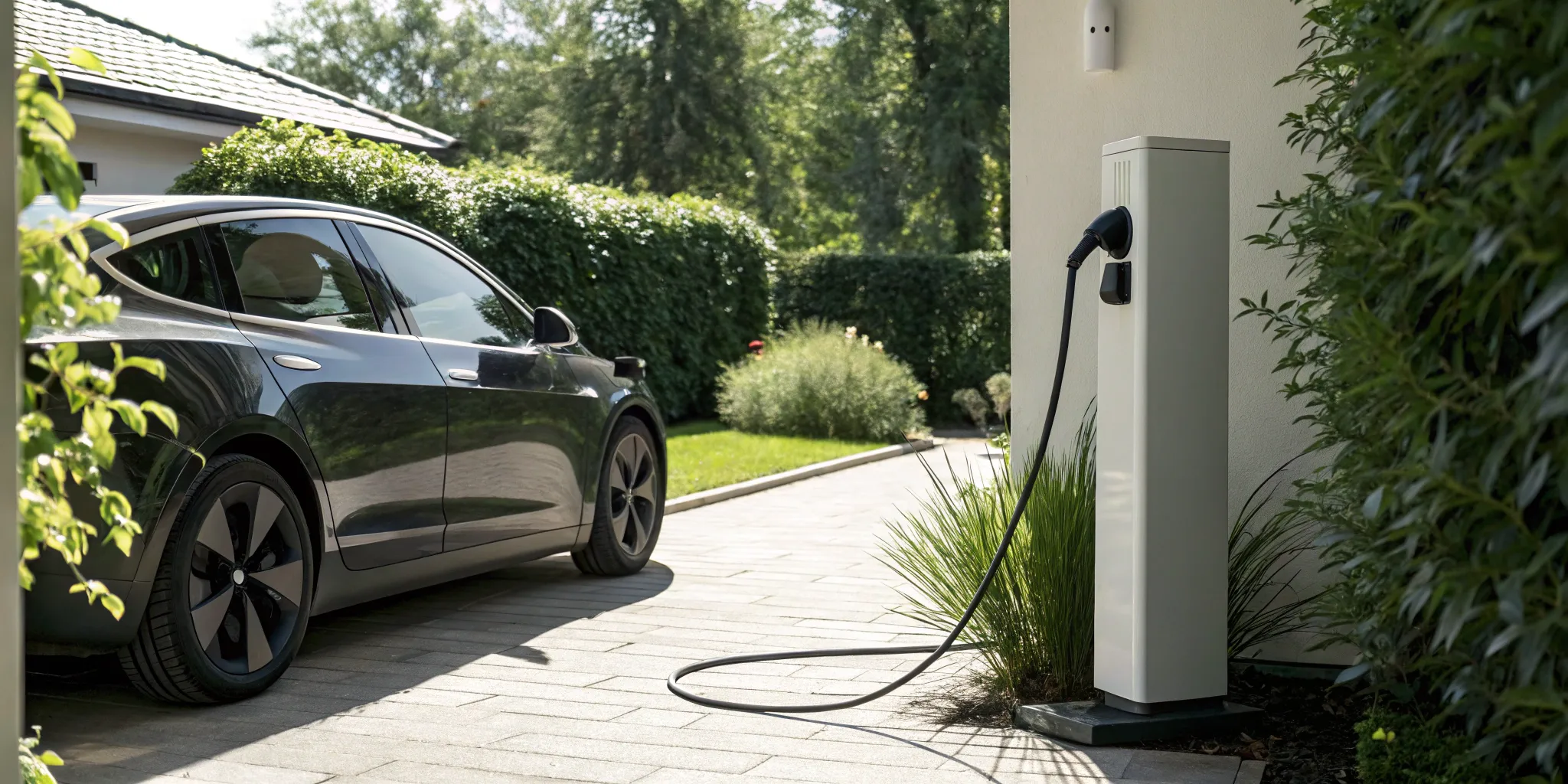
For a faster and more reliable charge, a Level 2 charger is the way to go. This is the most common type of home charger for a reason. It runs on a 240-volt circuit, similar to what powers an electric stove or clothes dryer, and can charge your EV in just 4 to 10 hours. This means you can easily get a full charge overnight. The charger unit itself typically costs between $500 and $700. Because it requires a dedicated 240-volt circuit, you’ll need professional residential electric services for the installation, but the convenience of waking up to a fully charged car every morning is a game-changer.
Hardwired vs. Plug-In: What’s the Difference?
When you choose a Level 2 charger, you’ll also need to decide between a plug-in or a hardwired model. A plug-in version connects to a 240-volt outlet, which an electrician can install in your garage. This gives you a bit of flexibility if you ever want to move the charger. A hardwired charger, on the other hand, is connected directly to your home’s electrical system. This is often the recommended approach because it provides a more stable and weatherproof connection, making it a great option for outdoor installations. Our team of licensed electricians can handle either type of installation, ensuring it’s done safely and correctly.
Planning for Other Potential Installation Costs
When you’re budgeting for your new EV charger, it’s easy to focus on the price of the unit and the standard installation fee. But a few other factors can pop up, and it’s always better to be prepared. Think of these as potential variables that depend entirely on your home’s current setup. A qualified electrician can spot these needs during an initial consultation, giving you a clear, all-in price without any last-minute surprises.
The Cost of an Electrical Panel Upgrade
Your home’s electrical panel is like the heart of its electrical system, distributing power everywhere it’s needed. Adding a Level 2 EV charger is a significant new demand on that system. If you have an older home or your panel is already close to capacity, you might need an upgrade to handle the extra load safely. This is one of the most common additional costs. A panel upgrade ensures your system can support your charger without overloading circuits, keeping your home and vehicle safe. This is a complex job that requires professional residential electrical services.
Extra Costs for an Outdoor Charger Installation
Where do you plan to park your EV? The distance between your electrical panel and your new charger plays a big role in the final cost. If your panel is in the basement and your charger needs to be installed in a detached garage or on an exterior wall, an electrician will need to run a significant amount of wiring. This can involve drilling through walls or even digging a trench to bury the conduit. The longer the run, the more you can expect to pay for both materials and the labor involved in the electrical work.
Factoring in Safety and Weatherproofing
If your charger is going to live outside, it needs to be tough enough to handle the elements. Outdoor-rated chargers are built to be weatherproof, which can make them a bit more expensive upfront than their indoor-only counterparts. You’ll also need a weatherproof outlet and housing. Even if you already have a 240-volt outlet, it’s crucial to have an electrician inspect it. An EV charger draws a continuous, heavy load for hours, and your existing outlet and wiring must be rated to handle that safely, as explained in this guide to home EV charger costs.
Understanding Permit and Inspection Fees
Most electrical projects, including installing a new dedicated circuit for an EV charger, require a permit from your local municipality. This ensures the work is done to code, which is essential for your safety and your home’s insurance. The cost of permits can vary quite a bit depending on where you live in Chester, Montgomery, Bucks, or Delaware County. A professional electrician will handle the entire permitting process for you, from filing the paperwork to scheduling the final inspection. These permit and inspection fees are a standard part of any legitimate installation project.
Practical Guidance for Your Installation
Once you’ve worked through the budget and chosen your charger, it’s time to think about the practical details of the installation. Making a few smart decisions now will make your daily charging routine much smoother for years to come. Where you place the charger, the length of the cable you choose, and even the type of charger can all impact your experience. A little bit of planning goes a long way in creating a setup that’s not just functional, but perfectly suited to your home and habits. Let’s walk through a few key considerations to discuss with your electrician before the work begins.
Choosing the Right Mounting Height and Location
The location of your charger is more important than you might think. For daily use, convenience is key. If you can, it’s always best to mount your EV charger in a covered spot, like a garage, even if the unit is rated for outdoor use. This protects it from the harsh Pennsylvania weather and adds a layer of security. Inside the garage, think about the flow of your space. Mounting it on either side of the garage door is a popular choice, or if you have multiple bays, placing it on a pillar between them can serve both spots. The ideal height is typically between 3 and 4 feet off the ground, which keeps the cable off the floor and makes it easy to handle without too much bending or reaching.
Selecting the Correct Cable Length
Don’t overlook the charging cable length. Most chargers come with a cable that is 18, 23, or 25 feet long. Before you buy, take a moment to measure. Think about all the ways you might park your car in the garage or driveway and measure the distance from your planned charger location to your car’s charging port in each scenario. It’s always better to have a little extra length than to come up short. A longer cable gives you more flexibility, especially if you have multiple EVs or if guests with different cars might need to charge. A cable that’s too short can be a constant source of frustration, so this is one detail worth getting right from the start.
Why an Adjustable Charger Might Be a Smart Choice
An EV charger that lets you adjust its power level, sometimes called a “smart charger,” can be a fantastic investment. These units allow you to dial the amperage up or down. This feature can sometimes help you save money on the installation by allowing your electrician to set the charger to a level that your current electrical panel can handle, potentially avoiding a costly panel upgrade. It also prepares your home for the future. If you upgrade your panel later or get a second EV, you can increase the power output without needing a new charger. This flexibility makes an adjustable charger a practical choice for many homeowners.
Best Practices for Home EV Charging
Your new home charger is installed and ready to go. Now, how can you make the most of it? Developing a few simple habits will not only help you save money on your electricity bills but can also extend the life of your vehicle’s battery. Home charging is fundamentally different from using a public station; it’s slower, gentler, and much more integrated into your daily life. By understanding these differences, you can optimize your charging routine to be as efficient and cost-effective as possible, ensuring your EV is always ready for the road ahead without putting unnecessary strain on your wallet or your car.
Using Time-of-Use Rates to Lower Costs
Many utility companies, including PECO, offer “time-of-use” plans that charge different rates for electricity depending on the time of day. Power is most expensive during “peak” hours when demand is highest (usually late afternoon and early evening) and cheapest during “off-peak” hours overnight. You can significantly reduce your charging costs by plugging in your EV when you go to bed and letting it charge during these cheaper, off-peak hours. Many smart chargers and electric vehicles can be programmed to start charging automatically at a specific time, making it easy to take advantage of these savings without even thinking about it.
Protecting Your EV’s Battery Health
One of the biggest long-term benefits of charging at home is that it’s much better for your car’s battery. The Level 2 AC charging you get at home is a slow and steady process, which is gentle on the battery system. In contrast, relying heavily on public DC fast-charging stations can cause the battery to degrade more quickly over time. While fast charging is great for road trips, making it a daily habit can lead to premature wear. By doing the vast majority of your charging at home, you help preserve your battery’s capacity and extend its overall lifespan, which can save you from expensive repairs down the road.
Maintenance for Your Home Charger
The good news is that home EV chargers require very little maintenance. They are built to be durable and reliable. For the most part, you just need to perform a few simple checks. Regularly inspect the charging cable for any signs of wear, cracks, or damage. It’s also a good idea to keep the unit and the cable clean, wiping them down with a damp cloth if they get dirty. While these units are largely self-sufficient, it’s wise to have a professional electrician give your entire residential electric system a check-up every few years to ensure everything, including your charger’s connection, remains safe and secure.
How to Save Money on Your Installation
Installing a home EV charger is a fantastic upgrade, but the initial cost can feel like a hurdle. The good news is you don’t have to shoulder the full expense alone. There are several programs designed to make switching to electric driving more affordable. Taking a little time to research these incentives can save you hundreds, or even thousands, of dollars on your project. Think of it as your first win as an EV owner! Before you even get a quote for your residential electrical work, it’s worth exploring these cost-saving avenues.
These programs exist because governments and utility companies want to encourage the switch to cleaner transportation. They understand that the upfront cost of infrastructure, like a home charger, can be a barrier for many people. By offering financial incentives, they help bridge that gap, making the long-term benefits of EV ownership—like lower fuel and maintenance costs—accessible to more households. From federal tax credits that reduce what you owe on your taxes to direct rebates from your local power company, these opportunities can significantly lower your out-of-pocket cost and make your transition to home charging smoother and more budget-friendly. Let’s walk through the main ways you can save.
Claiming Federal Tax Credits
First up, let’s talk taxes. The federal government offers a tax credit to help offset the cost of your charger and the installation. This isn’t just a deduction; it’s a credit, which is even better because it directly reduces the amount of tax you owe, dollar for dollar. The Alternative Fuel Vehicle Refueling Property Credit can cover a percentage of your total cost up to a certain limit. This includes both the price of the charger and the professional installation fees. Be sure to keep all your receipts and talk with a tax professional to make sure you claim it correctly when you file. It’s a straightforward way to get a significant portion of your investment back.
Finding State and Local Rebates
Beyond federal incentives, your state and local governments might offer their own programs. These can vary quite a bit depending on where you live, so it pays to do some local research. Here in Pennsylvania, programs are often available to help residents make the switch to electric vehicles and related equipment. You can often find information on your state’s Department of Environmental Protection or Department of Transportation websites. These rebates might come as a check in the mail after your installation is complete or as an instant discount. The Alternative Fuels Data Center is a great resource for searching for Pennsylvania-specific laws and incentives that could apply to your project.
Ask Your Utility Company About Incentives
Don’t forget to check with the company that sends you your electricity bill. Many local utility providers offer their own incentives to encourage customers to install home chargers. They might offer a rebate on the purchase of a specific charger model or provide a credit on your bill to help cover installation costs. For example, PECO offers rebates for qualifying residential customers who install a Level 2 charger. These programs help the utility manage energy demand by encouraging off-peak charging, which is a win-win. A quick visit to your provider’s website is all it takes to see what programs you might be eligible for.
How to Hire the Right Electrician for Your Install
Once you’ve picked out your charger, the next big step is finding the right person to install it. This isn’t a time to cut corners. The quality of the installation is just as important as the quality of the charger for ensuring safety, reliability, and performance. Choosing a qualified professional gives you peace of mind that the job is done correctly and your home’s electrical system is in good hands. Let’s walk through how to find a great electrician for your EV charger installation.
Why a Licensed Pro is Non-Negotiable
When you’re dealing with your home’s electrical system, this is one area where DIY is a definite no. Installing an EV charger involves high-voltage wiring that needs to be handled by a trained and licensed professional. A certified electrician will ensure your installation meets all local electrical codes and safety standards. They can properly assess your current setup and confirm it’s safe for the continuous power draw an EV requires. This isn’t just about following rules; it’s about protecting your home, your vehicle, and your family. For any project involving your home’s wiring, you need trusted electrician repairs from a team that knows the ins and outs of residential systems.
How to Get and Compare Installation Quotes
Installation costs can vary, so it’s always a good idea to get a few estimates before you commit. Reaching out to multiple electricians helps you get a feel for the market rate and find a competitive price. But remember, the cheapest quote isn’t always the best one. A quality estimate should be detailed, breaking down the costs for labor, materials, and any necessary permits. This transparency is a sign of a professional contractor who is confident in their work. Use the quoting process as an opportunity to gauge an electrician’s responsiveness, knowledge, and professionalism.
Questions to Ask a Potential Installer
Before you hire someone, it’s smart to have a few questions ready. This helps you vet their experience and ensure they’re the right fit for your project. A professional can evaluate your home’s current electrical capacity and tell you if you need any upgrades to safely handle a Level 2 charger.
Here are a few key questions to ask:
- Are you licensed and insured in Pennsylvania?
- Do you have specific experience installing EV chargers?
- Will you handle the entire permitting and inspection process?
- Can you confirm the charger I’ve chosen is compatible with my car?
- What kind of warranty do you offer on your work?
Asking these questions upfront helps you hire with confidence, knowing you have a qualified expert on the job.
Frequently Asked Questions
Can I just use the Level 1 charger that came with my car? You absolutely can, but it’s important to understand its limitations. A Level 1 charger plugs into a standard wall outlet and is incredibly slow, often taking more than 40 hours to provide a full charge. It’s a decent backup option, but for daily driving, most people find it impractical. Upgrading to a professionally installed Level 2 charger means you can get a full charge overnight, making your EV experience much more convenient and reliable.
Why is professional installation so important for a Level 2 charger? A Level 2 charger is a high-power appliance that draws a large amount of electricity continuously for hours at a time. This is very different from a typical home appliance. A licensed electrician will install a dedicated circuit with the correct wiring and breaker to handle this sustained load safely. Improper installation can create a serious fire hazard, damage your vehicle’s battery, and void your warranties. It’s a project where expertise is essential for protecting your home and your investment.
How long does a typical EV charger installation take? The timeline really depends on the complexity of the job. A straightforward installation, where your electrical panel is in the garage and has plenty of capacity, can often be completed in just a few hours. If the project requires more extensive work, like upgrading your panel or running wiring a long distance to a detached garage, it could take a full day. Your electrician will give you a clear time estimate along with your quote.
What happens if my electrical panel doesn’t have enough space or power? This is a common scenario, especially in older homes. If an electrician determines your panel can’t safely support the new charger, the most common solution is to upgrade the panel to a higher amperage, like 200 amps. This not only makes room for the charger but also modernizes your home’s entire electrical system. It’s a separate project from the charger installation itself, but it’s a crucial step for safety and performance.
Will a home charger work with any electric vehicle? Yes, for the most part. Nearly all non-Tesla electric vehicles in North America use a universal connector type called the J1772 for Level 2 charging. Tesla vehicles use their own proprietary connector, but they come with an adapter that allows them to use any J1772 charger. This means the Level 2 charger you install today will be compatible with almost any EV you might buy in the future.