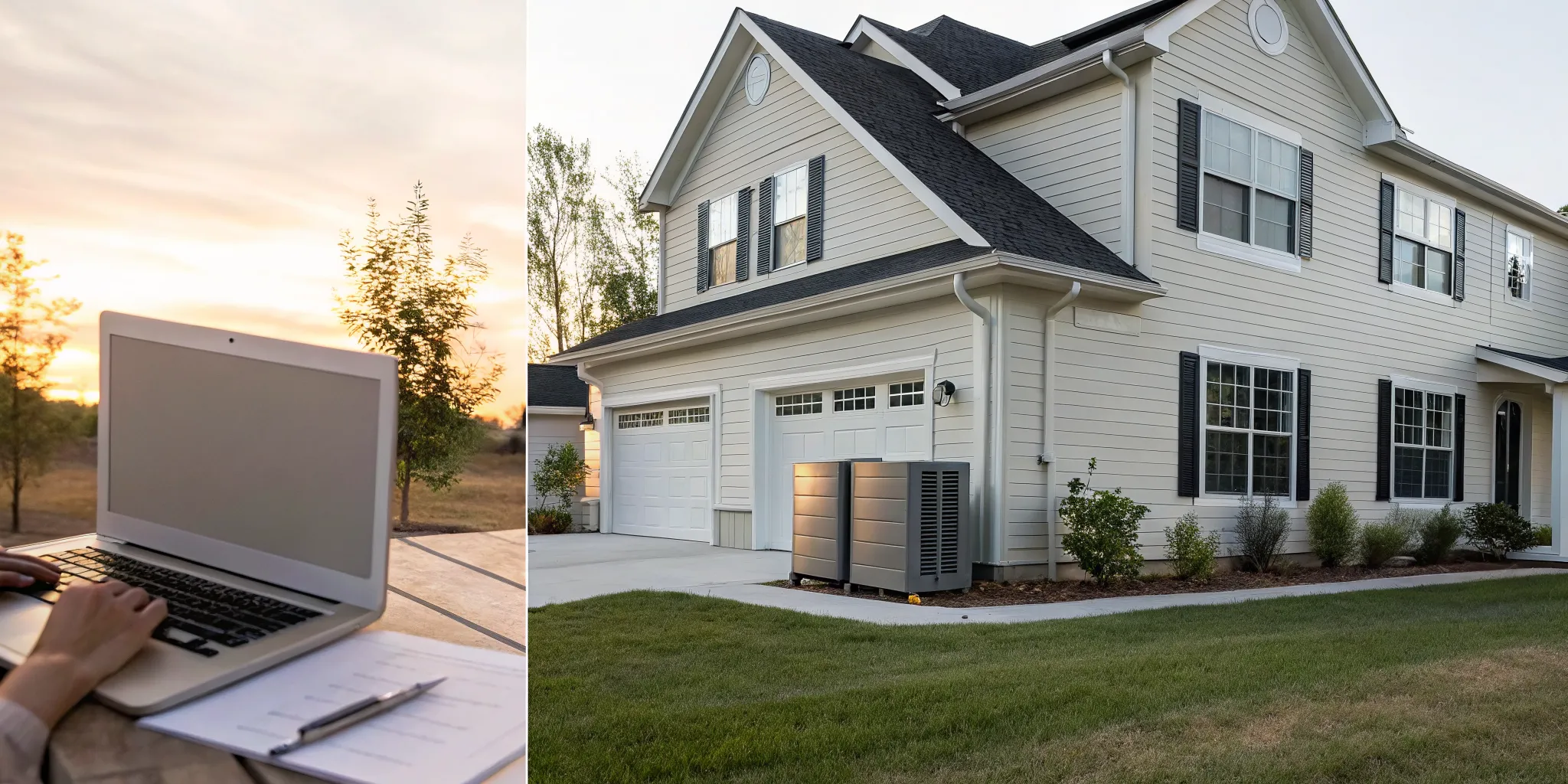
Figuring out how to pay for a major home project can get confusing, fast. All the talk of APRs, loan terms, and credit lines is enough to make anyone’s head spin. If you’re ready for a generator but stuck on the financial part, you’re in the right place. This guide cuts through the noise. We’ll break down the different types of home generator loans and financing options into clear, actionable steps. From getting prequalified to understanding special promotions, we’ll give you the clarity you need to make a smart, stress-free decision for your home.
Key Takeaways
- Compare all your financing options: Don’t limit yourself to a single type of loan. Look into personal loans, home equity lines of credit, and manufacturer programs like Generac’s to find the interest rates and terms that work best for you.
- Focus on the total cost, not just the monthly payment: A low monthly payment might seem appealing, but it could mean paying more in interest over time. Always check the loan’s interest rate (APR) and term to understand the true cost of your investment.
- Plan for more than just the generator: Your total investment includes the generator unit, professional installation, and ongoing maintenance. Factoring these essential costs into your financing from the start prevents future financial surprises.
What Are Your Home Generator Financing Options?
A home generator is a significant investment in your family’s safety and comfort, but the upfront cost doesn’t have to be a barrier. Thankfully, there are several straightforward ways to pay for your new generator and its installation over time. From traditional loans to manufacturer-specific programs, you can find a plan that fits your budget and gives you peace of mind without delay. Let’s walk through some of the most common financing routes so you can feel confident in your decision.
Understanding the Total Project Cost
When you’re planning for a home generator, it’s easy to focus on the price of the unit itself, but that’s only one piece of the puzzle. A successful and reliable installation involves several key components that make up the total project cost. Your total investment includes the generator unit, professional installation, and ongoing maintenance. Factoring these essential costs into your financing from the start prevents future financial surprises and ensures you have a complete, working system when you need it most. This comprehensive approach covers everything from the initial setup by certified technicians to the long-term generator maintenance that keeps your unit ready for any outage, giving you a clear financial picture from day one.
Average Generator Installation Costs
The cost of a whole-house generator system can vary quite a bit, as each home has unique needs. As a general guideline, a generator that can power a 2,000-square-foot house typically needs a capacity of at least 20 to 24 kW. The average cost for a residential standby generator installation of this size can range from $7,000 to $15,000. This range accounts for several factors, including the specific generator model, the complexity of the electrical work required, the distance to your fuel source, and local permit fees. The best way to get a precise figure for your home is to schedule a professional consultation to assess your property and power requirements accurately.
Sizing Your Generator for Your Home
Choosing the right size generator is critical for both performance and your budget. “Sizing” simply means matching the generator’s power output to your home’s electrical needs. Do you want to power just the essentials, like your refrigerator, furnace, and well pump, or do you need to run your entire home without interruption? A professional can help you calculate this load, but a key principle to remember is the 80% rule. For continuous use, you should ideally only load a generator to 80% of its maximum capacity. This prevents overworking the engine and ensures your Generac generator has a long, reliable life. Getting the size right means you won’t overspend on a unit that’s too large or be disappointed by one that’s too small to handle your needs during an outage.
Using a Personal Loan for Your Generator
A personal loan from a bank or credit union is a popular way to cover the cost of a home generator. These are typically unsecured loans, meaning you don’t need to use your home as collateral. You’ll receive a lump sum to pay for the generator and installation, then make fixed monthly payments over a set term. When considering this option, remember to think beyond the initial purchase price. It’s wise to factor in the long-term cost of ownership, including a generator maintenance plan, to ensure your investment is protected for years to come.
Typical Personal Loan Terms
When you’re looking at personal loans, the “terms” are simply the rules of the loan you agree to. A huge advantage is that these loans often come with low, fixed interest rates. This means your monthly payment won’t change over the life of the loan, which makes budgeting much easier because there are no surprises. You’ll know exactly what to expect each month. Loan terms can also be quite flexible, sometimes extending up to 20 years. A longer term can result in a more manageable monthly payment, making it easier to fit this important home upgrade into your financial plan without straining your budget.
How You Receive the Funds
One of the best parts of using a personal loan is how quickly and easily you get access to the money. After your loan is approved, the funds are typically sent directly to your bank account, often within a couple of days. This direct deposit gives you complete control. You’re not tied to a specific vendor or payment plan. You can use the money to purchase your Generac unit and pay for the professional generator installation on your own schedule. This puts you in the driver’s seat, allowing you to manage the project’s finances exactly how you see fit.
Paying with Credit Cards and Lines of Credit
Using a credit card is another way to finance your generator, especially if you have a card with a low promotional interest rate. This can be a quick and easy solution if you already have a sufficient credit limit. Some homeowners also use a home equity line of credit (HELOC), which functions like a credit card backed by your home’s equity. Many financing providers allow you to see if you prequalify for an offer without it affecting your credit score, which is a great way to explore your options without any commitment.
Looking into Manufacturer Financing Programs
As a certified Generac dealer, we can connect you with financing programs offered directly by the manufacturer. Generac often partners with financial institutions like Synchrony to provide special financing options for their products. These programs can include promotional periods with low or no interest, making the purchase more manageable. This route is designed specifically for home improvement projects, so the application process is often streamlined for generator installations. It’s a convenient way to get a reliable Generac generator with a payment plan built for homeowners.
Examples of Generac Financing Plans
To give you a clearer picture, let’s look at some of the specific financing plans Generac typically offers. These programs are designed to be flexible, helping you find a payment structure that fits your budget. While promotions can change, these examples show how accessible a generator can be.
- Promotional 0% APR Plans: Through a partnership with Synchrony, Generac often provides special financing with 0% APR if the balance is paid in full within a promotional period, like 18 months. This is a fantastic way to avoid interest charges, but it’s important to pay off the entire balance before the term ends. If not, interest is usually applied retroactively from the purchase date.
- Long-Term Fixed Payments: If you prefer smaller, predictable payments over a longer period, Generac has options for that, too. You can find plans with fixed monthly payments for up to 11 years at a consistent interest rate. This makes it easy to budget for a top-tier Generac generator without straining your monthly finances.
- $0 Down Options: A huge plus for many families is that these financing options often require no money down. This removes a major barrier, making it possible to secure your home’s power right away. You can explore your options and see what you prequalify for without any commitment.
Using a Home Equity Loan or HELOC
If you have equity in your home, a home equity loan or a Home Equity Line of Credit (HELOC) can be an excellent financing tool. A home equity loan provides a one-time lump sum with a fixed interest rate, which is great for a large, planned purchase like a generator. A HELOC, on the other hand, is a revolving line of credit you can draw from as needed. Because these loans are secured by your home, they often come with lower interest rates than unsecured personal loans, potentially leading to more affordable monthly payments.
Should You Consider a Lease-to-Own Plan?
Lease-to-own programs are another alternative to consider. With this model, you make regular rental payments for the generator over a specified period. At the end of the lease term, you typically have the option to purchase the generator. This can be a good choice if you want to try out a system or if you need a generator immediately but aren’t ready for the full commitment of a purchase. These plans can offer flexibility and provide a clear path to ownership while spreading the cost out over time.
What a Typical Lease Includes
A typical lease bundles the generator, installation, and sometimes even routine service into one predictable monthly payment. Instead of a large upfront purchase, you simply make these payments over a set term. This structure makes budgeting much easier since you know exactly what to expect each month. At the end of the lease, you aren’t left empty-handed; most agreements give you the option to buy the generator. This allows you to get reliable backup power right away while working toward ownership, all while ensuring the system receives proper generator maintenance throughout the lease.
Flexibility of Leasing Programs
What makes a leasing program so appealing is its flexibility. It gives you a clear path to owning a high-quality generator without the immediate financial strain of buying it outright. For many homeowners, this means getting the security of a residential standby generator installed much sooner. The low upfront cost and fixed monthly payments make it easier to fit into your household budget. This approach is perfect if you need backup power now but prefer to spread the investment over time, giving you financial breathing room while protecting your home and family from outages.
How to Choose the Best Home Generator Loan
Once you know your financing options, the next step is figuring out which one is the best fit for you. This isn’t about finding a single “best” option, but rather the one that aligns with your budget and financial goals. Making a smart choice comes down to looking at a few key details: the interest rates and terms, what you can comfortably pay each month, the total cost over time, and how your credit score plays a role. Thinking through these points will help you select a financing plan that makes you feel confident and prepared, not stressed. Let’s walk through what to look for in each area.
Comparing Interest Rates and Loan Terms
The interest rate and loan term are the two most important parts of any financing agreement. The interest rate is what the lender charges you for borrowing the money, while the term is the length of time you have to pay it back. It’s a good idea to compare offers from a few different sources, like your personal bank and a dedicated program like Generac’s financing options. A lower interest rate can save you a lot of money over the life of the loan. Also, it’s wise to check your credit report for any errors before you apply, as a clean report can help you secure a better rate.
Figuring Out Your Monthly Payment
While it’s tempting to get your generator installed right away, you need to make sure the monthly payment fits comfortably into your budget. A payment plan should reduce financial stress, not add to it. Before you commit, take a realistic look at your monthly income and expenses to determine what you can afford. A longer loan term will usually result in a lower monthly payment, but you may pay more in total interest. The goal is to find a sweet spot where the payment is manageable and you’re not paying more than necessary over the long run.
Calculating the Total Cost of the Loan
The sticker price of the generator is only one piece of the puzzle. To understand the true cost, you need to think bigger. The total cost of ownership includes the unit itself, professional installation, and a plan for regular generator maintenance to keep it running smoothly. When you finance, you also need to add the total interest you’ll pay over the loan’s term. Calculating this full amount gives you a clear picture of your investment and helps you compare different financing offers on an equal footing, so there are no surprises later on.
How Your Credit Score Impacts Your Options
Your credit score is a key factor that lenders use to determine your eligibility and interest rate. Generally, a higher score will help you qualify for more favorable terms and a lower interest rate. Before you start applying for financing, it’s a great idea to check your credit score. Knowing where you stand gives you a better sense of what to expect. Even if your score isn’t perfect, don’t get discouraged. Many financing programs are designed to work with a wide range of credit histories, ensuring that reliable power is accessible to more homeowners.
How to Qualify for Generator Financing
When you apply for financing, lenders are essentially looking for assurance that you can comfortably manage the payments. They review a few key areas of your financial health to make their decision. Think of it as a standard check-up: they’ll look at your credit history, your income, and your existing debts. Understanding what they’re looking for ahead of time can make the entire process smoother and less stressful.
Preparing for your application isn’t just about gathering paperwork; it’s about presenting a clear picture of your financial stability. Each piece of information helps the lender see that you’re a reliable borrower. Whether you have a perfect credit history or are still building it, knowing where you stand is the first step toward securing the financing you need for a Generac generator. This preparation helps you apply with confidence and find a plan that truly fits your budget.
Understanding Credit Score Requirements
Your credit score is one of the first things a lender will look at. It’s a number that summarizes your credit history and helps them predict how likely you are to repay your loan on time. A higher score generally signals lower risk, which can lead to better interest rates and more favorable terms. Before you apply, it’s a great idea to check your credit report. Many businesses use their personal banks for financing, and it’s wise to correct any errors in your credit report before you start the application process. This simple step ensures lenders see the most accurate version of your financial history.
Preparing for Income and Employment Checks
Lenders need to see that you have a steady and reliable source of income to cover your monthly payments. To verify this, they will typically ask for specific documents. It’s helpful to have these ready to go. You’ll likely need recent pay stubs, W-2 forms from the last year or two, and possibly your most recent tax returns. If you’re self-employed, be prepared to provide bank statements or other proof of income. This step shows the lender that you have the financial capacity to not only take on the loan but also manage the ongoing costs of generator maintenance.
What Lenders Look for in Your DTI Ratio
Your debt-to-income (DTI) ratio is another important factor for lenders. It’s a simple percentage that shows how much of your monthly gross income goes toward paying your existing debts, like a mortgage, car loan, or credit card payments. Lenders use this to gauge your ability to handle another monthly payment. A lower DTI ratio suggests you have a good balance between your debt and income, making you a less risky borrower. Calculating your DTI before you apply can give you a better sense of what financing options you might qualify for and helps you make an informed decision.
Finding No-Credit-Check Financing
If you’re concerned about your credit score, don’t worry, you still have options. Some financing plans are designed for people with less-than-perfect credit. Many of these are advertised as “no credit check,” which means they may not perform a hard inquiry that affects your score. However, it’s good to know that some might do a “soft credit check” just to verify your identity and basic financial standing. These generator financing alternatives can be a great way to get the power you need now, but always make sure to read the terms and conditions carefully to understand the interest rates and payment structure.
The Application Process: What to Expect
Applying for financing can feel like a big step, but it’s often more straightforward than you might think. The key is knowing what’s coming and having everything you need ready to go. Most financing partners, including those offered through Generac, have streamlined their processes to be as simple as possible. You can often complete the entire application online in just a few minutes.
The goal is to get you a clear answer quickly so you can move forward with your generator installation. By preparing a few documents and understanding the timeline, you can make the experience smooth and stress-free. Think of it not as a hurdle, but as the first simple step toward securing reliable power for your home or business. Let’s walk through what the process typically looks like.
Getting Your Paperwork in Order
To make your application fly through the system, it helps to have your documents in order beforehand. While every lender has slightly different requirements, you can generally expect to need some basic personal and financial information. This usually includes your full name, address, Social Security number, and proof of income (like recent pay stubs or tax returns). Having these items on hand makes the process much faster. As Generac notes, the application is designed to be quick and easy, and being prepared helps you get a fast decision so you can move on to the next step.
How Long Does Approval Take?
Waiting for a decision can be nerve-wracking, but thankfully, you often don’t have to wait long. Many financing applications provide an instant or near-instant decision, especially when you apply online. Once you submit your information, the lender’s system will review it and let you know if you’re approved, denied, or if they need more information. This efficiency means you can quickly find out your budget and start planning your residential standby generator installation. If you’re working with our team, we can help guide you through the timeline and keep you updated every step of the way.
Checking Your Rates Without a Hard Credit Pull
One of the best features of modern financing is the ability to see what you qualify for without any negative impact on your credit score. Many lenders offer a prequalification process that uses a “soft” credit check. This allows them to review your credit history and offer you potential loan amounts and terms. Because it’s not a formal application, it doesn’t show up as a hard inquiry on your credit report. This is a fantastic, risk-free way to explore your financing options and understand what you can afford before committing to anything.
Finding Special Financing Deals and Promotions
Beyond standard loans and credit lines, you can often find special promotions that make financing a generator even more manageable. These deals are designed to make the purchase more attractive and can save you a significant amount of money over the life of your loan. It’s always a good idea to ask about current offers when you’re getting a quote, as they can change throughout the year.
These promotions often come directly from the manufacturer or through partnerships with financial institutions. They might include limited-time interest rate reductions, bundled service packages, or other incentives. Taking the time to explore these options can help you secure the best possible terms. Think of it as another way to get the most value from your investment in home security and comfort. By staying informed about available deals, you can find a financing solution that not only fits your budget but also provides extra benefits.
Searching for 0% Interest Offers
One of the most attractive promotions you can find is a 0% interest offer. For a promotional period, this type of financing allows you to pay for your generator over time without accumulating any interest charges. Essentially, you’re only paying for the cost of the equipment and installation, not a penny more in interest. These deals often come with the added benefit of requiring little to no money down, which makes the initial purchase much more accessible. With a 0% APR offer, you can spread the cost into predictable, low monthly payments, making it easier to manage your household budget while still getting the peace of mind a Generac generator provides.
Checking for Manufacturer Rebates and Deals
Manufacturers like Generac frequently offer their own financing programs to help customers purchase their products. They often partner with financial companies, like Synchrony, to provide special credit options specifically for home improvement projects. This can be a fantastic route because the terms are tailored for the product you’re buying. These programs might give you access to a dedicated line of credit you can use for your generator purchase and installation. Because these incentives come directly from the manufacturer, they are often competitive and designed to make their products as accessible as possible. Be sure to ask us about current Generac financing promotions when you get your quote.
Bundling Installation and Maintenance Costs
Some of the best financing deals go beyond the generator itself and bundle everything into one convenient package. These all-inclusive offers often combine the cost of the generator, the automatic transfer switch, and professional installation into a single loan with one monthly payment. Even better, some packages also include a long-term generator maintenance plan. This approach gives you total cost clarity from day one. You won’t have to worry about separate bills for installation or budgeting for future service calls. It’s a straightforward way to cover all your bases and ensure your generator is properly cared for without any surprise expenses down the road.
Protecting Your Investment After Installation
Securing financing and completing your generator installation are huge milestones, but the journey to true energy independence doesn’t stop there. Now, the focus shifts to protecting that significant investment to ensure it runs reliably for years to come. A standby generator is a sophisticated piece of machinery, and just like a new car, it requires proper care and operation to perform at its best when you need it most. This isn’t about becoming a technical expert overnight; it’s about understanding the simple, proactive steps you can take to maximize its lifespan and efficiency. From key operational guidelines that prevent unnecessary strain to practical tips for managing your system during an outage, a little knowledge goes a long way. This is also where a long-term partnership with your installer becomes invaluable. Having a trusted team to turn to for maintenance and advice ensures you’re supported long after the installation crew leaves. By embracing the role of a prepared homeowner, you can move forward with the confidence that your investment is not only protected but is always ready to keep your family safe and comfortable, no matter what the weather throws your way.
Key Operational Rules for Longevity
You don’t need to be a mechanic to keep your generator in peak condition. In fact, some of the most effective ways to extend its life and ensure its reliability come down to a few simple operational habits. Think of these not as restrictive rules, but as an owner’s manual for getting the most out of your machine. These guidelines are all about finding the right operational balance—avoiding the strain of pushing the generator too hard while also preventing the issues that can arise from underusing it. By understanding these core principles, you empower yourself to run your generator efficiently, manage fuel consumption effectively, and prevent the common problems that can lead to premature wear and tear. It’s a small effort that pays huge dividends in performance and peace of mind.
The 80% Rule for Continuous Use
A great rule of thumb for generator health is the “80% rule.” This means it’s best to run your generator at around 80% of its total capacity during an outage. Pushing it to 100% for long periods can cause strain and overheating, much like constantly redlining a car’s engine. Running it at that 80% sweet spot ensures stable, efficient operation and better fuel economy. It prevents overloading the system, which can lead to damage and costly fixes. If you find your generator is consistently running at its maximum capacity, it might be a sign that it’s undersized for your needs, which can lead to a need for generator service and repair.
Avoiding Low Loads and Wet Stacking
Just as you want to avoid overloading your generator, you also want to avoid running it with too little demand. Operating a generator, especially a diesel model, at a very low load (less than 30% of its capacity) can lead to a problem called “wet stacking.” This happens when the engine isn’t hot enough to burn all its fuel, causing unburnt fuel and carbon to build up in the exhaust system. Over time, this buildup can reduce efficiency and damage the engine. It’s important to ensure your generator is properly sized for your home so it can run efficiently without being underutilized during a power outage.
Practical Considerations for Homeowners
Beyond the technical rules of operation, there are a few practical considerations that will make owning a generator a seamless and stress-free experience. This is where you move from simply having backup power to feeling truly prepared and in control. Knowing how to anticipate your fuel needs during a multi-day outage or using modern technology to check on your system from afar can remove a lot of the guesswork and anxiety. These tips are designed to help you manage your generator with confidence. By understanding these day-to-day aspects of ownership, you can ensure that when the power goes out, your transition to backup power is smooth, efficient, and worry-free, allowing you to focus on what matters most: your family’s comfort and safety.
How Long Will My Propane Last?
During a long power outage, one of the first questions you’ll have is, “How long will my fuel last?” The answer depends on two main things: the size of your generator and how much power you’re using. For example, a generator sized to power a typical 2,000-square-foot home will use a certain amount of propane per hour based on its load. During your residential standby generator installation, we help you select the right size unit for your home’s needs, which is key to balancing power output and fuel efficiency. Knowing your generator’s average consumption rate helps you plan accordingly for extended outages and manage your power usage wisely.
Understanding Remote Monitoring Services
Modern technology has made generator ownership easier than ever. Many Generac generators come with remote monitoring services like MobileLink, which lets you check on your generator’s status right from your smartphone or computer. You can see if it’s ready to run, get alerts about maintenance needs, and check its operating history from anywhere in the world. This feature provides incredible peace of mind, as you’ll always know your home is protected. Some financing offers even include a free trial of these services, giving you a convenient way to stay connected to your investment and ensure it’s always ready for action.
Common Generator Financing Mistakes (and How to Avoid Them)
Financing makes getting a reliable home generator more accessible, but it’s important to approach it with a clear plan. A few common missteps can lead to paying more than you need to or ending up with a financing plan that doesn’t quite fit your budget. Thinking through your decision from all angles will help you secure a great deal and feel confident about your investment in home security.
The biggest mistakes often come from a simple lack of information. For example, it’s easy to focus only on the monthly payment and lose sight of the total cost. Many people also forget to account for essential expenses beyond the generator itself, like installation and future maintenance. Skipping a professional consultation can also lead to buying the wrong size unit for your home, which is a costly error. By being aware of these potential pitfalls, you can make a smarter, more informed choice that protects both your home and your finances for years to come. Let’s walk through what to watch out for.
Looking Past the Low Monthly Payment
It’s tempting to look for the lowest possible monthly payment and call it a day. While an affordable payment is important, it doesn’t tell the whole story. A very low payment could be attached to a very long loan term, meaning you’ll end up paying significantly more in interest over the life of the loan. Instead of focusing on just one number, look at the total cost of financing. Consider the interest rate (APR), the length of the loan, and any associated fees. This bigger picture will give you a much clearer idea of what you’re actually paying and help you choose a plan that is truly the most cost-effective for your situation.
Forgetting to Budget for Installation and Upkeep
The price of the generator is just the starting point. To ensure your generator runs safely and effectively, you need professional residential standby generator installation. This is a critical step that should be factored into your overall budget from the very beginning. Beyond that, think about the long-term health of your investment. Regular generator maintenance is essential for keeping your unit in top condition so it’s ready the moment you need it. When you’re planning your financing, make sure you account for these initial and ongoing costs. Including them in your budget upfront prevents financial surprises and ensures your generator remains a reliable source of power.
Skipping the Professional Consultation
One of the most common mistakes homeowners make is buying a generator without first talking to an expert. A professional consultation is a crucial first step that saves you time, money, and frustration. An experienced technician can perform a power assessment to determine the exact size and type of Generac generator your home needs. This prevents you from overspending on a unit that’s too powerful or, worse, getting a generator that can’t handle your essential appliances during an outage. A consultation also clarifies installation logistics and provides an accurate cost estimate, giving you all the information you need before you even start looking at financing.
Failing to Compare Your Loan Options
When you’re ready to finance, don’t feel pressured to accept the very first offer you receive. Take some time to compare different financing options to find the best fit for your budget. Look at programs offered directly through manufacturers, like Generac financing, as well as options from banks or credit unions. Compare their interest rates, loan terms, and any special promotions they might have. A little bit of research can make a big difference in how much you pay over time. By weighing your choices, you can move forward with a financing plan that you feel completely comfortable and confident with.
Picking the Right Financing Strategy for You
Choosing the right financing strategy for your home generator comes down to your personal financial situation and your reasons for buying one now. There isn’t a single “best” option for everyone. The ideal path for you depends on how you balance monthly payments, interest rates, and the total cost over time. It also depends heavily on your timeline. Are you planning this purchase well in advance, or do you need a generator installed quickly after a power outage?
To find the financing that fits your life, you’ll want to think about a few key factors. Consider the urgency of your need, what you can comfortably afford each month, and your preference for predictable payments versus potentially lower introductory rates. By weighing these elements, you can confidently select a plan that provides both peace of mind and financial stability. Let’s look at how these different scenarios can guide your decision.
Planning Ahead vs. an Emergency Purchase
The urgency of your need plays a big role in your financing choice. If you’re making a planned purchase, you have the luxury of time. You can research different lenders, compare interest rates, and wait for special promotions to get the best deal. This proactive approach is driven by the desire for consistent, predictable power, especially if you live in an area prone to severe weather. However, if your existing generator fails unexpectedly, you’re in an emergency situation. In this case, your priority shifts to speed and simplicity. You’ll likely look for financing with a fast application process and quick approval so you can get your new Generac generator installed without delay.
Matching a Loan to Your Budget
A whole-home generator is a significant investment, but financing makes it accessible for many different budgets. You don’t have to pay for the entire system upfront. Instead, you can find payment plans that spread the cost over time, making it much more manageable. Many programs offer flexible options, from simple monthly payments to lease-to-own arrangements. The key is to find a structure that fits comfortably within your monthly expenses without causing financial strain. Exploring the available financing programs can help you secure reliable backup power for your home sooner than you might think.
Fixed vs. Variable Rates: Which Is Better?
When you look at financing offers, you’ll see options for both fixed and variable interest rates. A fixed-rate loan is straightforward: your interest rate stays the same for the entire loan term. This means your monthly payment is predictable and won’t change, which is great for long-term budgeting. On the other hand, some plans offer promotional periods with 0% interest or a low variable rate. These can be excellent deals if you plan to pay off the balance before the promotional period ends. If you don’t, the interest could be added from the purchase date, so it’s important to read the terms carefully before deciding on your standby generator installation.
Related Articles
- Get Generac Financing Today | Synchrony & M.T. Ruhl
- Are Generators Worth It? A Cost vs. Benefit Guide
- Standby Generator Cost: Your Complete 2026 Guide
- What to Look For in a Generator Dealer in Dresher
- Find the Best Generac Dealer in Montgomery County
Frequently Asked Questions
What’s the very first step I should take if I’m considering financing a generator? Before you even think about financing, your first step should be a professional consultation. An expert can assess your home’s power needs to determine the right size generator for you. This gives you an accurate, all-in cost for the project, which is the most important number you’ll need when you start comparing loan offers.
Can I finance more than just the generator unit itself? Yes, you absolutely can. Most financing plans are designed to cover the entire project cost, not just the machine. This means you can often bundle the price of the generator, professional installation, and even a long-term maintenance plan into a single loan with one straightforward monthly payment.
Will exploring my financing options negatively affect my credit score? Not if you start with prequalification. Many lenders, including those that partner with Generac, use a “soft” credit check to show you potential offers. This process does not impact your credit score, so it’s a completely risk-free way to see what you’re eligible for and understand your budget before you commit to a formal application.
What if my credit score isn’t perfect? Are there still options for me? Of course. While a higher credit score typically helps you secure lower interest rates, many financing programs are built to accommodate a wide range of credit histories. Don’t assume you won’t qualify. It’s always worth exploring the available options to find a plan that can help you get the reliable power you need.
Is it better to use a program like Generac’s financing or get a loan from my own bank? There isn’t a single best choice for everyone; it really depends on the specific terms you’re offered. Manufacturer financing is often tailored for the product and may include special promotions, like 0% interest periods. Your bank, on the other hand, might offer a great rate because of your existing relationship. The smartest move is to compare the offers from both to see which plan is the most cost-effective for you.