Are you tired of flickering lights every time the air conditioner kicks on? Do you find yourself resetting a tripped breaker after using the microwave? These aren’t just minor annoyances; they’re signs that your home’s electrical panel is overloaded and struggling to keep up. A 200-amp service upgrade is the definitive solution to power your modern life safely and reliably. But what does the project actually entail? A common question we hear is, how long does it take to upgrade to 200 amp service? We’ll outline the full timeline, explain the factors that can affect it, and show you what to expect on installation day.
Key Takeaways
- Future-Proof Your Home’s Power: A 200-amp upgrade is the foundation for modern living, providing the necessary capacity for high-draw additions like an EV charger, central air, or a whole-home Generac generator while improving overall electrical safety.
- Plan for a Multi-Week Process, Not a Single Day: While the actual power outage lasts only 4-8 hours, the full project timeline is typically 4-6 weeks due to essential behind-the-scenes coordination for permits and utility scheduling.
- Your Preparation Makes a Difference: You can directly contribute to a smoother, faster installation by taking simple steps like clearing the work area around your panel and planning ahead for the scheduled power outage.
What Is a 200-Amp Service Upgrade?
Think of your home’s electrical system like a highway. An older, 100-amp service is a two-lane road that was fine decades ago. But today, with our laptops, smart home devices, high-efficiency appliances, and maybe even an electric vehicle, we’re creating a major traffic jam. A 200-amp service upgrade essentially widens that highway, allowing more electrical current to flow into your home safely and efficiently. This project involves replacing your main electrical panel—that metal box with all the circuit breakers—with a new one that has a higher capacity. It often includes upgrading the meter base and the thick service entrance cables that connect your home to the utility’s grid.
This is more than just a minor tweak; it’s a foundational improvement for any modern home. An upgrade ensures you have the power you need for your current lifestyle and for future additions, like a new hot tub or a whole-home Generac generator. It’s one of the most important residential electric projects you can undertake for your home’s safety, functionality, and value. Overloading an old, undersized panel isn’t just inconvenient—it’s a serious fire hazard. A 200-amp service brings your home up to modern standards, giving you peace of mind and a reliable power supply for years to come.
What Is Electrical Service Capacity?
So, what does “200-amp service” actually mean? Your home’s electrical service capacity is the maximum amount of electrical current that can safely flow into your house at any given moment. Think of it as the total electrical budget you have to work with. Amperage, or “amps,” measures the flow of electricity. A 200-amp service means your system is built to handle up to 200 amps of current. This has become the standard for most new homes because our collective power needs have grown so much. Many older homes in Pennsylvania were built with 100-amp or even 60-amp service, which simply isn’t enough to power modern life without running into problems.
Signs It’s Time for a 200-Amp Upgrade
You don’t have to be an expert to spot the signs that your home is struggling with its power supply. If your lights flicker when the air conditioner kicks on, or your circuit breakers trip every time you use the microwave and a hair dryer at the same time, your electrical panel is telling you it’s overloaded. Another major red flag is an old-fashioned fuse box—if you’re still swapping out fuses, an upgrade is long overdue. Planning a big change? Adding an EV charger, a hot tub, central air, or a major home addition will almost certainly require more power than an older panel can provide. These are common reasons homeowners call us for electrician repairs and system assessments.
Why Upgrade to a 200-Amp Service?
Upgrading your home’s electrical service might sound like a major project, but it’s one of the most practical investments you can make for a modern home. Think of it as expanding the electrical highway that leads to your house. A 200-amp service allows more power to flow in safely, which is essential as our homes become smarter and more electrified. Many older homes in our area were built with 60 or 100-amp panels, which simply can’t keep up with today’s demands. An upgrade ensures your home is safer, more efficient, and ready for whatever the future holds, from a new home office to the latest smart appliances. It’s a foundational improvement that supports your lifestyle and protects your home’s value for years to come.
Powering Your EV Charger or Hot Tub
If you’re dreaming of adding a hot tub to your backyard or an electric vehicle charger in your garage, a 200-amp service is often a necessity, not just a nice-to-have. These high-power items draw a significant amount of electricity, and an older, smaller panel can’t handle the load safely. An upgrade provides the capacity needed to run these additions without tripping breakers or overloading your system. It’s about making sure your home’s electrical system can safely support your lifestyle and all the modern conveniences you want to enjoy. By planning for these additions with a service upgrade, you ensure you have the power you need, right when you need it.
Supporting Modern Appliances and Central Air
Take a quick inventory of your home’s electronics: a high-efficiency central air conditioner, a smart refrigerator, multiple computers, large-screen TVs, and maybe a new induction stove. Each of these devices adds to your home’s total electrical load. While one or two might not be an issue, their combined power draw can easily overwhelm a 100-amp panel, leading to flickering lights or frequently tripped breakers. Upgrading to a 200-amp service gives your entire system more breathing room. It allows you to run multiple large appliances simultaneously without worrying about whether your panel can keep up, ensuring consistent and reliable power throughout your home.
Preparing for a Home Addition or Renovation
Planning a major home renovation or adding a new living space, like an in-law suite or a finished basement? A 200-amp service upgrade is often a key part of the project. Building codes frequently require an electrical service upgrade to support the increased square footage and new outlets, lighting, and appliances. Getting this done during your renovation is the most efficient approach. It ensures your new space will have ample power and that the entire home’s electrical system is balanced and up to code. It’s a proactive step that integrates seamlessly into your construction timeline and sets your home up for long-term success.
Improving Safety and Meeting Electrical Codes
One of the most important reasons to upgrade your electrical service is safety. An overloaded electrical panel is a serious fire hazard. When your home consistently demands more power than the system can provide, wires can overheat and breakers can fail. Upgrading to a 200-amp service is a crucial step in preventing overloaded circuits and protecting your home and family. It also brings your home up to modern electrical standards, which is important for both safety and property value. A certified electrician will ensure the entire installation meets current codes, giving you peace of mind that your electrical system is safe, reliable, and secure.
How Long Does a 200-Amp Service Upgrade Really Take?
When you decide to upgrade your home’s electrical service, one of the first questions you’ll have is, “How long will this take?” It’s a great question, and the answer has two parts: the time an electrician is physically working at your home and the total project timeline from start to finish. Many homeowners are pleasantly surprised to learn that the actual power outage is usually just a matter of hours. However, the full process, from signing the contract to flipping the switch on your new panel, involves careful coordination with your utility company and local officials. Understanding this complete timeline helps you plan accordingly, especially when you’re preparing your home for big additions like an EV charger, a new HVAC system, or a residential standby generator installation. A 200-amp service is often a prerequisite for these larger systems, ensuring your home can safely handle the increased electrical load without tripping breakers or creating hazards. So, while the on-site work is relatively quick, the behind-the-scenes logistics are what shape the overall project schedule. We’ll walk through the hands-on work, the full timeline, and the reasons for any waiting periods so you know exactly what to expect.
The Hands-On Work: 1-4 Days
The part of the upgrade that most homeowners focus on is the hands-on installation. The good news is that the actual power outage for the panel swap is typically just four to eight hours. A professional team works efficiently to minimize this downtime. The entire on-site portion of the job, however, might take anywhere from one to four days. This timeframe depends on the complexity of your current system and whether any additional rewiring is needed to bring everything up to code. During this period, our electricians handle the core tasks of the upgrade, ensuring all your residential electric systems are safe, sound, and ready to handle more power.
The Full Timeline: 4-6 Weeks
From the day you give the green light to the moment your new service is fully operational, the entire upgrade process typically takes about four to six weeks. It’s a surprise to many homeowners that most of this time isn’t spent on the installation itself. Instead, the longer timeline accounts for the essential administrative and logistical steps that happen behind the scenes. This includes creating a plan, submitting applications for permits, and coordinating schedules with your local utility provider. This multi-week timeframe is standard for any major electrical project that requires external approvals and collaboration, so it’s important to factor it into your planning.
Why Is There a Waiting Period?
The main reason for the four-to-six-week timeline is the coordination required with outside parties. First, we have to obtain the necessary permits from your local municipality, a process that involves paperwork, review, and approval. Second, and often the most time-consuming step, is scheduling with the utility company. They must send a crew to disconnect the power from the street before we can begin work and then return to reconnect it once the new panel is installed. Utility companies operate on their own schedules, and getting on their calendar can take several weeks. A seasoned contractor handles all this coordination for you, but these external dependencies are the primary reason for the waiting period.
What Factors Affect Your Upgrade Timeline?
While the actual, hands-on installation of your new 200-amp service might only take a day or two, the entire process from signing the contract to flipping the switch can take several weeks. This waiting period isn’t dead time; it’s filled with crucial coordination between your electrical contractor, your local municipality, and the utility company. Understanding these moving parts can help set clear expectations for your project’s timeline. Several key factors can influence how long your upgrade will take.
Permit Approvals and Processing
Before any work begins, your electrician needs to secure a permit from your local municipal office. This is a non-negotiable step that ensures the work is done safely and up to current electrical codes. The time it takes to get a permit approved can vary widely depending on your township or borough. Some offices process applications in a week, while others can take several weeks. An experienced local contractor who regularly works in your area will be familiar with the specific requirements and processes, which helps streamline this step. We manage the entire submission and approval process for you, but the timeline is ultimately in the hands of the permit office.
Utility Company Scheduling
Your 200-amp upgrade requires close coordination with your electric utility provider, like PECO. For the safety of the electricians, the main power line running to your home must be disconnected before the old equipment can be removed. After the new panel and meter base are installed, the utility company has to return to reconnect the service and turn your power back on. Scheduling this disconnect and reconnect can take time, as utility crews have their own packed schedules. We coordinate directly with them to find a date that works, but this often adds a few weeks to the overall project timeline.
The Complexity of Your Current System
Not all electrical systems are created equal. A home with a relatively modern and accessible electrical panel will be a more straightforward project. However, older homes can present unique challenges. We might discover outdated wiring that needs to be brought up to code, or the panel might be in a location that requires significant work to access and replace. While a simple panel swap might take about 4 to 8 hours of hands-on work, complex rewiring or conduit adjustments can easily extend the job. Our initial assessment helps identify these potential issues, allowing us to plan for the specific needs of your home’s electrical repairs.
Weather and Other Scheduling Delays
Since a significant portion of a service upgrade happens on the exterior of your home, the weather can be a major factor. For safety reasons, electricians cannot work on live, high-voltage equipment in the rain, snow, or high winds. A bad weather forecast can postpone installation day, creating a ripple effect in the schedule. Other minor delays, like waiting for the utility crew to arrive, can sometimes push the work later into the day. A professional team always builds in buffers for these possibilities, but it’s a good reminder that some factors are simply out of anyone’s control. It’s also why having a reliable Generac generator can provide peace of mind during any power outage, planned or unplanned.
The 200-Amp Upgrade Process, Step-by-Step
Upgrading your home’s electrical service might sound like a massive undertaking, but it’s a straightforward process when broken down into clear steps. While the actual hands-on work is completed in just a few days, the full timeline involves careful planning, coordination, and inspections to ensure everything is done safely and correctly. Knowing what to expect at each stage can make the entire experience feel much more manageable. Here’s a look at the five key phases of a 200-amp service upgrade.
Step 1: Initial Assessment and Plan
The first step is a thorough evaluation of your current electrical system. A licensed electrician will visit your home to perform an initial assessment, looking at your existing electrical panel, the main power cable coming into your house, and your home’s wiring. This isn’t just a quick glance; it’s a detailed review to determine exactly what needs to be replaced or upgraded to safely handle 200 amps. This is also when we create a detailed plan for the project, ensuring we have the right materials and approach for your specific home. This initial consultation is crucial for a smooth and efficient installation.
Step 2: Permits and Utility Coordination
Before any work can begin, we need to secure the proper permits from your local municipality. This is a non-negotiable step that ensures the upgrade meets all local safety codes and regulations. Our team handles this entire process for you, from filling out the paperwork to submitting it for approval. At the same time, we coordinate with your utility company. We’ll schedule a time for them to disconnect the power on installation day and reconnect it once the work passes inspection. This coordination is key, as waiting for the utility company can sometimes add to the overall project timeline.
Step 3: Power Shutdown and Panel Swap
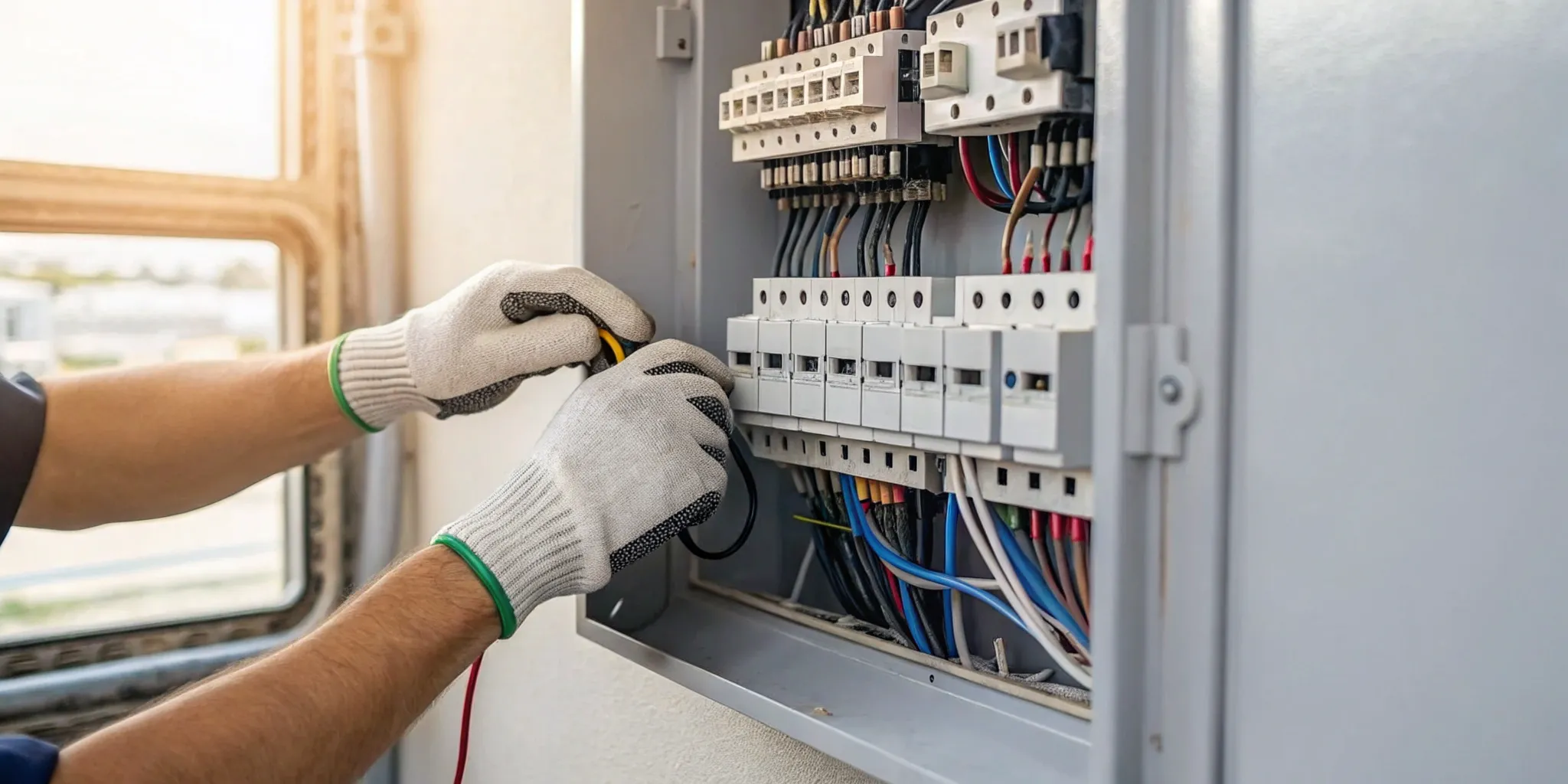
This is the main event: installation day. For everyone’s safety, the first thing we do is have the utility company shut off all electricity to your home. Once the power is off, our electricians will get to work removing your old electrical panel, often called the breaker box. We then install the new, higher-capacity 200-amp panel. This is the new hub of your home’s electrical system, ready to manage the demands of modern appliances, EV chargers, or even a Generac home standby generator. We work efficiently to minimize the time you’re without power.
Step 4: Upgrading Meters and Cables
Along with the new panel, other key components usually need an upgrade. The meter socket, which is the box on the outside of your house that holds the electric meter, will likely be replaced to accommodate the higher electrical load. We also replace the main power cable, known as the service entrance cable, that runs from the utility line to the meter and into your new panel. These new components are thicker and more robust, specifically designed to handle the increased flow of electricity safely and reliably, preventing overloads and ensuring your system is up to code.
Step 5: Final Inspection and Power On
After our installation work is complete, we schedule a final inspection with a representative from your local municipality. The inspector will carefully review the new panel, wiring, and connections to verify that everything meets strict safety standards. This is a critical step to ensure the work was done correctly and your home is safe. Once we get the green light from the inspector, we coordinate with the utility company to have your power restored. You can then enjoy the peace of mind that comes with a modern, capable, and professionally installed residential electrical system.
Common Roadblocks That Can Delay Your Upgrade
Even the most carefully planned project can hit a snag. When it comes to a 200-amp service upgrade, most of the timeline is straightforward, but a few common issues can cause delays. Knowing what these potential roadblocks are ahead of time can help you understand why your project might take a little longer than expected. From surprises behind your walls to simple scheduling conflicts, these are the hurdles that can pop up during the process. An experienced team knows how to handle these challenges, but it’s always good to be aware of what could extend your project timeline.
Discovering Hidden Electrical Issues
You never truly know what’s behind a wall until you open it up. During an upgrade, electricians sometimes uncover pre-existing problems, like faulty wiring from a past DIY project or circuits that aren’t up to current safety codes. Even a job that looks simple on the surface can reveal unexpected issues once the work begins. These problems have to be fixed before the upgrade can continue, both for your family’s safety and to pass the final inspection. This is where having a professional you trust makes all the difference. An experienced electrician can diagnose these hidden issues and perform the necessary electrician repairs to get your project back on track safely and efficiently.
Working with Outdated or Complex Wiring
Older homes have a certain charm, but they can also come with complex or outdated electrical systems. If your home has old, brittle wiring, a messy panel with tangled connections, or wires that are too short to reach the new panel, the upgrade process will take longer. These situations require more than a simple panel swap; they demand careful, methodical work to safely integrate the new service with your existing system. Untangling the “spaghetti” of a poorly organized panel or carefully extending circuits adds time and labor, but it’s essential for a safe and reliable outcome. It’s a challenge we’re well-equipped to handle, ensuring your entire system is sound.
Material and Supply Chain Delays
Sometimes, delays have nothing to do with the work itself and everything to do with getting the right parts. While we order all the necessary components like your new panel and breakers well in advance, the construction industry can face supply chain disruptions. A specific part might be on backorder, or a delivery could be delayed. This can unfortunately push back the start date of the hands-on work. We do everything we can to source materials ahead of time and keep you informed, but it’s a factor that can be outside of anyone’s direct control. We always maintain open communication so you know exactly where things stand.
Waiting on the Final Inspection
The final step of your upgrade is getting the official sign-off from a local inspector. Your electrician’s work might be finished, but the project isn’t officially complete until the inspector verifies that everything is safe and up to code. This inspection is mandatory before the utility company will restore your power. The timing is entirely dependent on the inspector’s schedule. While we coordinate this as efficiently as possible, we may have to wait a few hours or even a day for them to arrive. This waiting period is a normal part of the process, but it can feel like a delay when you’re eager to get your power back on.
How to Prepare for a Smoother, Faster Upgrade
A 200-amp service upgrade is a significant project, but it doesn’t have to be a stressful one. While your electrical contractor handles the technical work, a little preparation on your end can make a huge difference in keeping the project on schedule. Taking a few simple steps beforehand helps our team work safely and efficiently, getting your power back on and your home ready for that new EV charger or residential standby generator installation as quickly as possible. Think of it as clearing the runway for a smooth takeoff. By handling these small but important details, you play a key role in streamlining the entire process from start to finish.
Start the Permit Process Early
One of the biggest hurdles in any major electrical project is waiting for local permits. The paperwork and approval process can sometimes take weeks, and no work can begin until the permit is officially issued. The best way to get ahead is to start this step as soon as you decide to move forward with the upgrade. When you partner with a professional contractor, they will manage the entire permitting process for you. Your role is to make the decision and provide any necessary information promptly so they can file the application without delay. Getting the permit in hand early is the single most effective way to prevent your project from getting stuck in administrative limbo.
Clear the Work Area for Your Electrician
On installation day, our electricians need clear, safe access to your electrical panel and the surrounding area. Before the team arrives, please take a few minutes to clear a path to the panel and ensure there is at least a three-foot radius of open space around it. This means moving any storage boxes, furniture, or other items that might be in the way. A clear workspace isn’t just about convenience; it’s a critical safety measure that allows our technicians to perform their job correctly and without obstruction. This simple act of tidying up helps us get straight to work, ensuring a more efficient and timely completion of your electrician repairs and upgrade.
Plan Ahead for the Power Outage
Your home will be without power for a significant portion of the installation day, typically between four and eight hours. Knowing this ahead of time allows you to plan accordingly and minimize disruption. Charge all your essential devices—like phones and laptops—the night before. If you work from home, you might arrange to work from a different location for the day. It’s also a good idea to plan meals that don’t require cooking and have activities ready for kids that don’t rely on Wi-Fi or electricity. A little bit of planning ensures the temporary outage is a minor inconvenience rather than a major headache for your family.
Communicate with Your Contractor
Clear and consistent communication with your contractor is the foundation of a successful project. From the beginning, you should feel comfortable asking questions about the timeline, the process for coordinating with the utility company, and what to expect on installation day. A trustworthy contractor will be transparent and keep you informed every step of the way. At M.T. Ruhl, we believe in building that trust from the first conversation. We want you to know exactly who is working in your home and feel confident in their expertise. Getting to know our team and establishing an open line of communication ensures everyone is on the same page.
What to Expect on Installation Day
The day your 200-amp service upgrade is scheduled is when all the planning comes together. It’s an exciting step toward modernizing your home, but it’s natural to feel a bit of apprehension about a project of this scale. Knowing exactly what the day will look like can make the entire process feel much more manageable. When you work with a professional team, the installation is a carefully orchestrated event designed to be as efficient and non-disruptive as possible. From the moment we arrive, our focus is on completing the job with precision, care, and clear communication.
This upgrade is a foundational improvement for your home’s electrical system, preparing it for everything the future holds. Whether you’re adding an EV charger, a hot tub, or ensuring you have enough power to support a whole-house Generac generator, this is the project that makes it all possible. We want you to feel confident and informed throughout the day, so we’ll walk you through each phase of the installation. Here’s a clear, step-by-step breakdown of what you can expect from start to finish.
Safety First: Pre-Work Prep
Before a single wire is touched, our first priority is confirming a safe and clear plan. Our licensed electricians begin the day by performing a final walkthrough of the work area. This involves taking another look at your current electrical panel, the main power cable, and your home’s wiring to ensure our plan perfectly matches the on-site conditions. We’ll also make sure the space around the panel is clear and secure for our team to work efficiently. This pre-work check is a critical step that prevents surprises and sets the stage for a smooth installation. It’s a standard part of any professional residential electric project and reflects our commitment to getting the job done right.
The Planned Power Outage
In order to safely replace your main electrical panel, we will need to shut off the power to your home. This is a necessary and carefully planned part of the process. You can typically expect the power to be out for about four to eight hours. We understand that being without electricity is an inconvenience, which is why we coordinate with you well in advance to find a day that minimizes disruption to your routine. We recommend charging your phones, laptops, and portable power banks the night before. It’s also a good idea to plan some activities that don’t require electricity. Think of it as a short-term pause for a major long-term gain in safety and reliability.
Key Installation Milestones
Once the power is safely disconnected, our team gets to work on the core of the upgrade. This is where you’ll see the most significant changes happen. The process involves carefully removing your old, outdated electrical panel and installing the new, higher-capacity 200-amp panel. Depending on your home’s specific setup, this phase may also include replacing the outdoor meter pan and the main service entrance cable that connects your home to the utility grid. Every component is installed with expert precision, ensuring your new system is robust, organized, and built to last for decades. It’s a complex task that our team of experienced electricians handles with practiced skill.
Final Tests and Connections
After the new panel is securely in place, the final and most detailed phase begins. Our electricians will meticulously connect each of your home’s circuits to the new breakers, ensuring every connection is tight and secure. Once everything is wired, we conduct a series of thorough tests to verify that the system is functioning correctly and safely. We check voltages, test breakers, and confirm that the electrical load is properly balanced. The very last step is the final inspection with the local utility or municipal inspector, who provides a third-party verification that all work meets or exceeds current electrical codes. This final approval gives you complete peace of mind before we restore power to your newly upgraded home.
How M.T. Ruhl Ensures a Smooth Upgrade
An electrical service upgrade is a significant project, but it doesn’t have to be a stressful one. At M.T. Ruhl, we’ve refined our process over 25 years to make your upgrade as seamless as possible. We believe in clear communication and expert management from the first call to the final inspection. Our goal is to handle the complexities so you can enjoy the benefits of a more powerful and reliable home electrical system, whether you’re adding an EV charger or a whole-house Generac generator. We manage every detail with the care and professionalism your home deserves.
Expert Project Planning from the Start
We know that your time is valuable and you can’t have your life put on hold. That’s why we begin every 200-amp upgrade with meticulous planning. While the entire process can take a few weeks, the actual power outage for the installation is typically just four to eight hours. We coordinate every step to minimize disruption to your daily routine. Our team maps out the project timeline, anticipates potential challenges, and ensures all materials are ready to go, creating an efficient workflow that gets your power back on as quickly as possible.
We Handle the Permits and Scheduling
Navigating the paperwork and phone calls for an electrical upgrade can be a major headache. Local permits and utility company coordination often add weeks to a project timeline. At M.T. Ruhl, we take all of that off your plate. Our team manages the entire permitting process with your local municipality and schedules the necessary power disconnection and reconnection with the utility company. Because we regularly work across Chester, Montgomery, Bucks, and Delaware Counties, we are familiar with the specific requirements in your service area and can keep your project moving forward without unnecessary delays.
An Experienced Team for a Flawless Installation
The quality of your upgrade depends entirely on the skill of the electricians doing the work. Our team consists of highly trained and experienced professionals who specialize in residential electric services. A standard panel upgrade takes our experts between four and eight hours to complete, and we come prepared to handle any complexities your home’s system might present. We work diligently and safely, ensuring every connection is secure and every component is installed to meet or exceed national and local electrical codes. You can have peace of mind knowing the job is done right the first time.
Related Articles
- Your Guide to Electrical Service Entrance Materials
- Electrician for Panel Upgrade: A Homeowner’s Guide
- How Much Is an Electrical Panel Upgrade? 2025 Costs
- Price for Electrical Panel Upgrade: A 2025 Cost Guide
Frequently Asked Questions
Why does the full upgrade take 4-6 weeks if the actual work is only a day or two? The majority of that time is dedicated to behind-the-scenes coordination. Before we can start the hands-on work, we have to secure permits from your local municipality and schedule a specific date with your utility company to disconnect and later reconnect your power. These administrative steps depend on the schedules of outside agencies, and that waiting period makes up the bulk of the timeline.
Will I need a 200-amp service to install a Generac generator? It’s a very common requirement, especially for a whole-home standby generator. A generator is a powerful piece of equipment, and a 200-amp service ensures your home’s electrical system has the capacity to safely manage both the power from the generator and your household’s demands during an outage. We always assess your current system to determine if an upgrade is necessary for a safe and reliable generator installation.
What happens if you find other electrical problems during the upgrade? Discovering hidden issues like old or faulty wiring is fairly common, especially in older homes. If we find anything that needs attention, we stop and communicate with you immediately. We’ll clearly explain the problem, why it needs to be fixed for your safety, and what the solution involves. Our priority is to ensure your entire system is safe and up to code before we complete the project.
Is a 200-amp upgrade a good investment for my home’s value? Absolutely. Think of it as a foundational improvement that makes your home safer, more functional, and ready for the future. For potential buyers, a modern 200-amp panel is a huge plus because it means they won’t have to worry about adding an EV charger or other high-power appliances. It’s a practical update that signals a well-maintained and capable home.
Will I be without power for the entire 4-6 week timeline? Not at all! You will only be without power for a few hours on the day of the actual installation. The rest of the multi-week timeline is for planning, permitting, and scheduling, during which your electricity will function completely as normal. We work efficiently on installation day to keep the outage as short as possible, typically between four and eight hours.