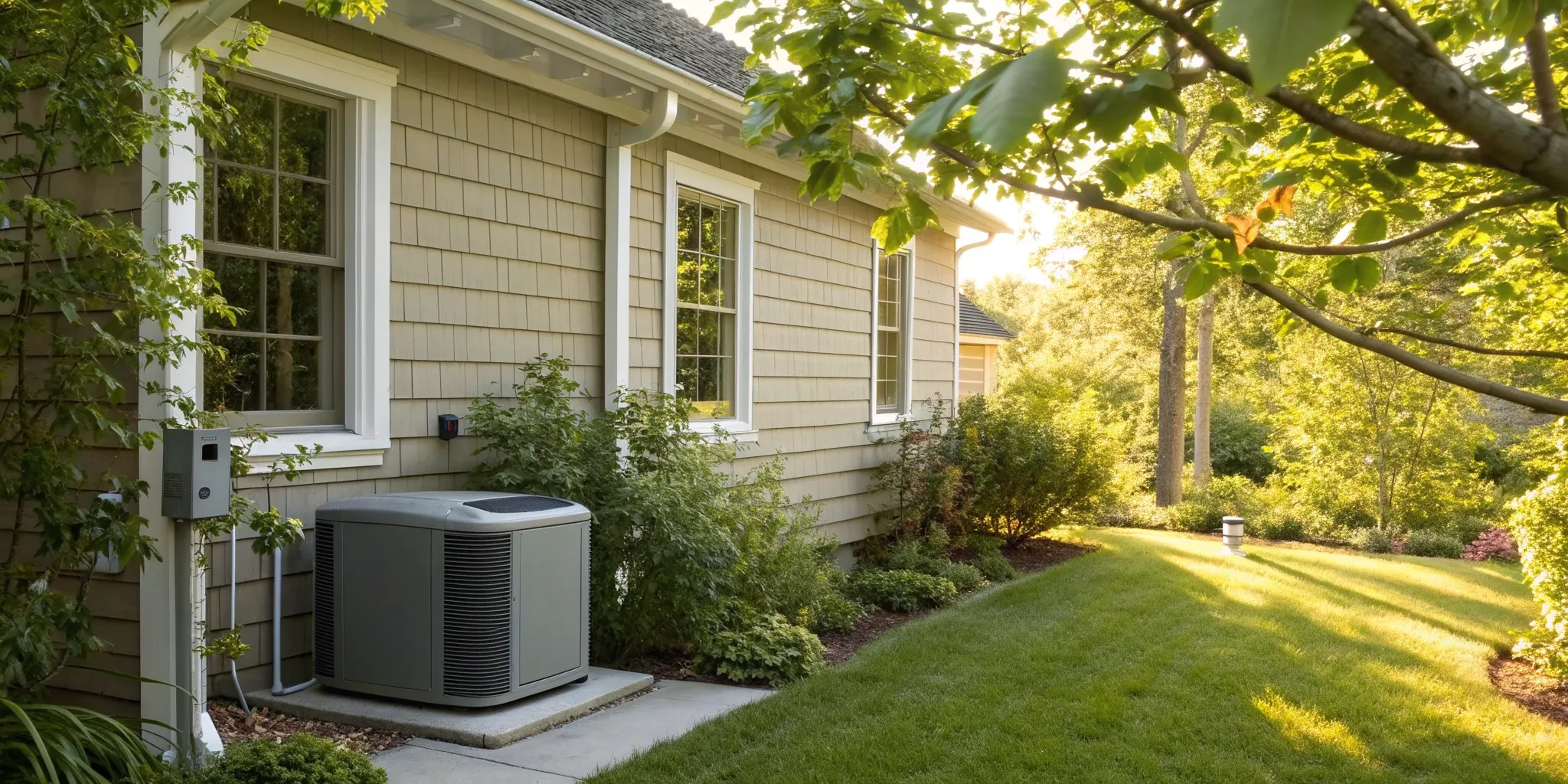
You can think of a whole-home generator as a major property upgrade, much like a new roof or a finished basement. It’s a feature that not only protects your home and family but also adds tangible value and appeal to potential buyers. In a region prone to outages, a house with its own power source stands out. This shifts the conversation from a simple purchase to a long-term asset for your property. When you consider the potential return, is a home generator worth it as a strategic home improvement? Let’s examine the investment from all angles.
Key Takeaways
- Think Beyond Keeping the Lights On: A generator is your home’s defense against expensive damage like flooded basements and burst pipes, while also providing critical, uninterrupted power for medical devices, security systems, and home offices.
- Generator Installation Isn’t a DIY Project: Safely connecting a generator to your home’s electrical and fuel systems requires certified expertise. Professional installation is crucial for ensuring your generator works correctly during an outage and protects both your home and your warranty.
- Determine Your Must-Haves Before You Shop: Decide exactly what you need to power during an outage—whether it’s just the refrigerator and sump pump or the entire house. Knowing your essentials helps you select the right-sized generator for your needs and budget.
How Does a Home Generator Work?
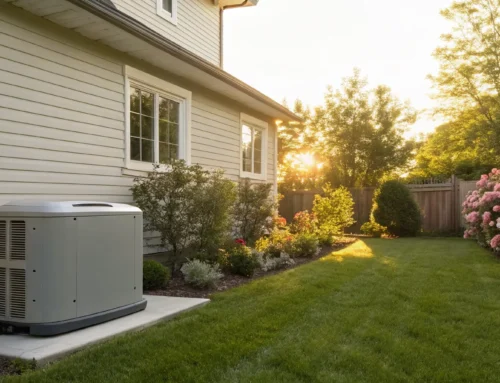
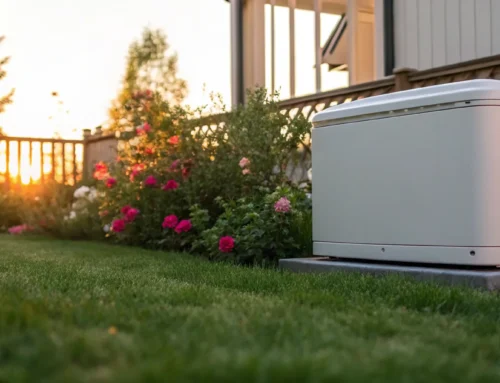
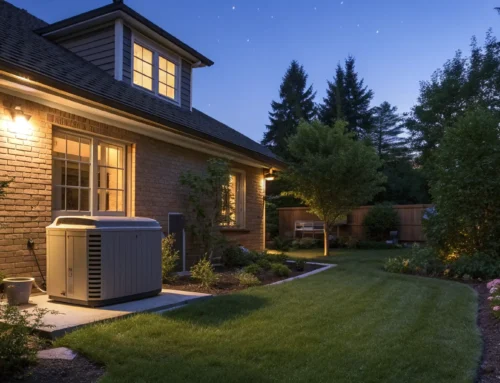
Think of a home generator as your personal power station, always on guard. When a power outage hits, you don’t have to do a thing. A standby generator is permanently installed outside your home, much like an air conditioning unit. It’s connected directly to your home’s electrical panel and its fuel source, which is typically natural gas or propane.
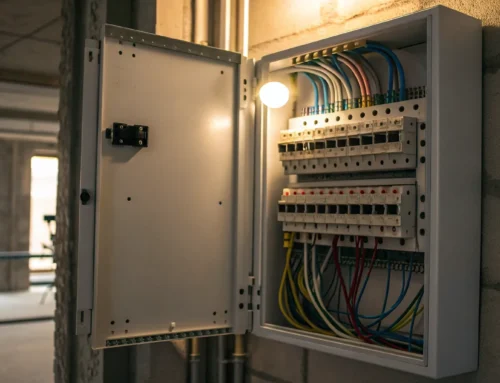
The magic happens with a component called an automatic transfer switch (ATS). This device constantly monitors the power coming from the utility grid. The moment it detects an interruption, it signals the generator to start up. Within seconds, the ATS safely disconnects your home from the grid and connects it to the generator’s power. Your lights, refrigerator, heating system, and other essential appliances will turn back on automatically.
You won’t need to run outside in a storm to flip a switch or refuel a tank. The entire process is seamless. Once the utility power is restored, the ATS senses it, reconnects your home to the grid, and shuts the generator down. It then puts itself back into standby mode, ready for the next time you need it. It’s a hands-off solution that provides true peace of mind.
Standby vs. Portable: What’s the Difference?
When people talk about home generators, they’re usually referring to one of two types: standby or portable. A standby generator is a permanent fixture. A professional performs a residential standby generator installation, connecting it directly to your home’s power and fuel line. It turns on automatically during an outage and can power your entire house.
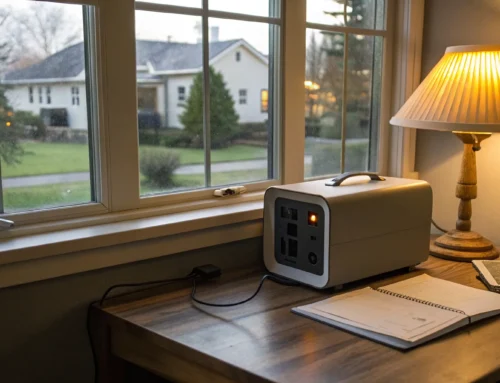
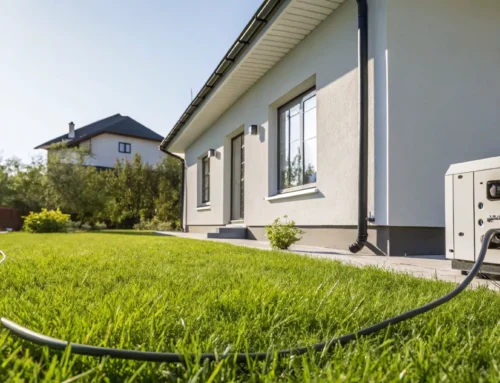
A portable generator, on the other hand, is a smaller unit you can move around. You have to set it up, start it manually, and run extension cords to the specific appliances you want to power. They’re less expensive upfront but require more hands-on work, including storing and adding fuel. They’re also louder and can’t power as many things as a standby model.
Keeping the Lights On When the Power Goes Out
A generator does much more than just keep the lights on. It protects your home and maintains your family’s comfort and safety during an outage. With a reliable backup power source, your essential systems keep running without interruption. Your refrigerator and freezer stay cold, preventing hundreds of dollars worth of food from spoiling.
In the winter, your furnace continues to run, keeping your family warm and preventing pipes from freezing and bursting. During a summer heatwave, the air conditioning stays on. If you have a sump pump, it will keep working to prevent your basement from flooding. For anyone relying on powered medical equipment, a Generac generator isn’t just a convenience—it’s a necessity.
Top Benefits of Owning a Home Generator
When you think about a home generator, you probably picture keeping the lights on during a storm. And while that’s a huge plus, the real benefits go much deeper. A standby generator is an investment in your home’s safety, your family’s comfort, and your overall peace of mind. Unlike a portable unit you have to wheel out and hook up in the dark, a standby generator works automatically to protect what matters most, whether you’re home or away. Within seconds of an outage, it senses the disruption and restores power to your home. From preventing costly damage to simply maintaining a sense of normalcy when the neighborhood goes dark, the advantages are worth considering for any homeowner.
Protect Your Home and Family
During a power outage, a generator is your first line of defense for what truly matters. It ensures that critical medical equipment, like oxygen concentrators or refrigerated medications, continues to run without a single interruption. Beyond that, it powers your security system to keep your home monitored, keeps the lights on to prevent accidents, and allows you to keep your phones and devices charged to stay connected with loved ones and emergency services. A Generac generator seamlessly takes over, so you can focus on your family’s well-being instead of scrambling for flashlights and worrying about the power.
Keep Essential Systems Running Smoothly
Power outages can cause more than just inconvenience—they can lead to expensive, messy damage. A standby generator keeps your essential appliances running, preventing a refrigerator and freezer full of food from spoiling, which can save you hundreds of dollars. More importantly, it powers your sump pump to stop your basement from flooding during a heavy storm and keeps your furnace running in the winter to prevent pipes from freezing and bursting. For homes with a well, it keeps the water flowing. By maintaining these crucial systems, a generator protects your home from thousands of dollars in potential repairs and losses.
Maintain Comfort and Security
Losing power completely disrupts your routine and sense of security. A generator helps you maintain normalcy and comfort when the unexpected happens. You can still enjoy hot water for showers, cook warm meals for your family, and keep the kids entertained with their favorite shows. The air conditioning will keep running during a sweltering summer heatwave, and the heat will stay on during a winter blizzard. This ability to continue with your daily life—working from home, finishing homework, or just relaxing—reduces stress and keeps your home the comfortable, secure sanctuary it’s meant to be.
Add Value to Your Property
A whole-home generator isn’t just a purchase; it’s a smart upgrade that can increase your property’s value. For potential buyers, a home equipped with a reliable power backup system is a major selling point, especially in areas that experience frequent outages due to storms. A professionally installed standby generator signals that a home is secure and well-cared-for, potentially increasing its market value by 3-5%. Investing in a residential standby generator installation not only protects your family now but can also provide a tangible return when it’s time to sell your home.
Breaking Down the Cost of a Generator
Thinking about a home generator often brings one big question to mind: what’s the real cost? It’s helpful to view a generator not as a simple purchase, but as an investment in your home’s safety and your family’s comfort. The total cost is more than just the price tag on the unit; it includes the initial setup, ongoing care, and the fuel to run it when you need it most. Understanding these different pieces helps you see the full picture and decide what makes sense for your budget and your home. Let’s break down what goes into the cost of owning a generator so you can feel confident in your decision.
The Upfront Purchase and Installation
The initial investment for a generator has two main parts: the unit itself and the professional installation. The price of the generator depends on its size and capacity—whether you need to power a few essential appliances or your entire home. The second part is the residential standby generator installation, which is crucial for ensuring your system works safely and correctly. This process involves preparing the site, making the proper electrical connections to your home’s panel, and handling any necessary permits. A professional team ensures everything is up to code and ready to perform reliably the moment the power goes out.
Long-Term Maintenance and Fuel
Once your generator is installed, there are a few ongoing costs to keep in mind. The first is fuel. Your generator will consume natural gas or propane during an outage, and the amount depends on how long the power is out and how many appliances you’re running. The second, and just as important, is routine upkeep. Just like your car, your generator needs regular check-ups to stay in top condition. A Generac maintenance plan typically includes oil changes, filter replacements, and system diagnostics to catch any potential issues early. This proactive care ensures your generator will be ready to work flawlessly whenever you need it.
Common Cost Myths, Debunked
It’s easy to get sticker shock, but let’s clear up a few myths. First, a generator isn’t meant to save you money on your monthly utility bill; it’s an investment in protection. It safeguards you from the costs of spoiled food, flood damage from a failed sump pump, or even a burst pipe in winter. Another common myth is that you need a massive unit to power your entire house. Many homeowners find that a smaller generator that covers just the essentials—like the refrigerator, furnace, and a few lights—is a perfect and more affordable fit. Thinking about the investment is easier when you explore Generac financing options that can make securing your home’s power more manageable.
When is a Generator a Must-Have?
While a home generator is a fantastic convenience for anyone who dislikes being left in the dark, for some households, it’s less of a luxury and more of a necessity. Certain situations can turn a simple power outage from an inconvenience into a genuine crisis. If you find yourself nodding along to any of the scenarios below, a generator might be a critical investment for your home’s safety and your family’s well-being.
Think about your home’s specific vulnerabilities. Do you live in an area where storms frequently knock out the power? Does a family member rely on electricity for their health? Are you worried about expensive damage to your home during a prolonged outage? These are the moments when a reliable Generac generator moves from the “nice-to-have” column to the “must-have” list, providing essential protection when you need it most.
If You Live in a Storm-Prone Area
Southeastern Pennsylvania sees its fair share of wild weather, from summer thunderstorms and hurricane remnants to winter ice and snow. These events often bring power outages with them. As CNET notes, “Home generators protect you during power outages, which are happening more often, especially due to bad weather.” Instead of worrying every time the forecast looks grim, a standby generator offers peace of mind. It automatically kicks in the moment the power goes out, keeping your lights, heat, and appliances running seamlessly. This means you can ride out the storm in comfort and safety, without disrupting your daily life.
For Homes with Medical Equipment
For many people, an uninterrupted power supply is a critical health requirement. As one expert puts it, “It’s especially important if someone needs medical equipment.” Devices like oxygen concentrators, CPAP machines, home dialysis equipment, or refrigerators storing vital medications like insulin depend on constant electricity. In these cases, a power outage can quickly become a life-threatening emergency. A residential standby generator installation ensures that this essential medical equipment continues to function without interruption, providing a crucial lifeline and security for your loved ones no matter what the weather is doing outside.
To Prevent Costly Damage Like Frozen Pipes
A power outage can do more than just turn off the lights; it can cause serious and expensive damage to your home. Without power in the winter, your heating system shuts down, putting your pipes at risk of freezing and bursting. In warmer, wetter months, a powerless sump pump can lead to a flooded basement. As Strada Services points out, generators “stop problems like frozen pipes, flooded basements, warped wood floors, and spoiled food or medicine. This can save you thousands of dollars.” By keeping your essential systems running, a generator acts as a powerful defense against catastrophic repairs, protecting your home and your wallet.
Potential Drawbacks to Consider
A home generator is a fantastic investment in your family’s comfort and safety, but like any major home upgrade, it’s important to go in with your eyes wide open. Thinking through the practical side of ownership ensures you’ll be completely happy with your decision for years to come. Let’s walk through a few key considerations so you can get a full picture of what to expect.
Understanding Maintenance and Noise Levels
To ensure your generator is ready the moment you need it, it requires a little TLC. Think of it like your car—it runs best with regular check-ups. Standby generators need routine service, including oil changes and filter replacements, to keep the engine in top shape. This proactive approach is the best way to protect your investment and guarantee reliability during an outage. Scheduling a professional generator maintenance plan is the easiest way to handle this, so you don’t even have to think about it.
As for noise, it’s a common question. While no generator is completely silent, modern standby units are much quieter than the portable models you might be used to hearing. Most homeowners compare the sound to their central air conditioning unit running. It’s a noticeable but manageable hum that you’ll likely find is a small price to pay for keeping your lights on and your home running.
Factoring in Fuel and Placement
A standby generator is permanently installed, so you’ll need to plan for its location and fuel source. These units typically run on your home’s existing natural gas or propane supply, which means you don’t have to worry about refueling during a storm. This fuel is an ongoing operational cost, but it’s what allows the generator to kick on automatically and run for as long as necessary.
You’ll also need a dedicated spot for the generator outside your home. It needs to be on a stable, level surface and must be placed a safe distance from windows, doors, and vents. Our team handles all the details during the residential standby generator installation process to ensure everything is up to code and perfectly positioned for safety and performance. We’ll work with you to find the ideal spot that fits your property’s layout.
The Initial Investment
There’s no getting around it—a whole-home generator is a significant purchase. The cost includes not only the unit itself but also the professional installation, which involves electrical work, fuel line connections, and securing permits. It’s a comprehensive process designed to integrate the generator seamlessly and safely with your home’s existing systems.
While the upfront cost can feel substantial, it’s helpful to view it as a long-term investment in your property and your family’s security. It protects your home from costly damage like burst pipes and flooded basements and adds considerable value. To make this investment more manageable, there are often flexible Generac financing options available that allow you to get the protection you need without the financial strain.
What to Decide Before You Buy
Once you’ve weighed the pros and cons, the next step is to think through the specifics of what a generator would look like for your home. Getting clear on your needs, your space, and your installation plan will make the entire process much smoother. It helps you move from the idea of getting a generator to a concrete plan for making it happen.
Choosing the Right Size and Fuel Type
You might be picturing a generator that can power your entire house, but that’s not always necessary. The first step is to decide what you truly need to keep running during an outage. Make a list of your essentials—it might be the refrigerator and freezer, the sump pump, specific medical equipment, or your home office setup. This will help determine the right size for your Generac generator. You can choose a smaller unit to cover just the basics or a larger one for whole-home comfort. You’ll also want to consider the fuel type, which usually comes down to natural gas or liquid propane, depending on what’s available and convenient for your property.
Planning for Installation and Space
A standby generator is a permanent addition to your home, so it needs a dedicated spot. Generally, you’ll need a clear, level area that’s at least five feet away from any windows, doors, or vents to ensure proper ventilation and safety. Think of it as finding a home for a new central air conditioning unit. The timeline for a residential standby generator installation can also vary. Between coordinating with local utilities, securing permits, and preparing the site, it’s a good idea to plan ahead rather than waiting until the storm season is right around the corner.
Why Professional Installation Matters
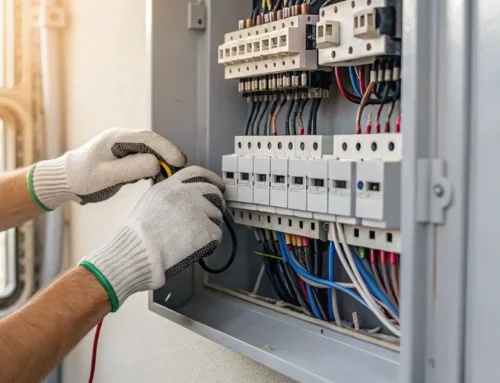
While it might be tempting to look for ways to cut costs, installing a standby generator is not a DIY project. This is a complex piece of equipment that connects directly to your home’s electrical system and fuel lines. A professional installation ensures everything is done safely and according to local codes, protecting your home and family from risks like carbon monoxide poisoning or electrical fires. Working with certified technicians guarantees that your generator will function correctly when you need it most. It also ensures your warranty remains valid, giving you reliable support for future Generac service and repair.
Is a Home Generator Right for You?
Deciding on a major home upgrade like a generator involves looking at your specific situation. It’s not just about convenience; it’s about security, safety, and peace of mind. To figure out if it’s the right move for you, let’s walk through what you need to consider, from your home’s vulnerabilities to the practical pros and cons for your family’s daily life.
Assess Your Home’s Unique Needs
The first step is to look at your home’s specific vulnerabilities. Do you live in an area where power outages are common after a strong thunderstorm or winter storm? For many in Southeastern Pennsylvania, the answer is yes. If you or a family member relies on electricity for life-sustaining medical equipment, a generator shifts from a convenience to a necessity. And with more people working from home, a power outage can mean lost work and income. A residential standby generator ensures your lights, internet, and essential systems stay on, no matter the weather.
Weighing the Pros and Cons for Your Family
Like any big decision, it helps to weigh the benefits against the considerations. The biggest pro is uninterrupted power, allowing your life to continue almost normally during an outage. This means your refrigerator keeps food from spoiling, your HVAC system maintains a comfortable temperature, and your security system stays active. On the other hand, a generator is a significant investment that requires space and ongoing care. You’ll need to plan for the initial installation and regular generator maintenance to keep it running reliably. It’s about balancing the upfront commitment with the long-term security it provides your family.
Related Articles
- 20 Whole House Generator FAQs: Everything You Need to Know | M.T. Ruhl
- Automatic Standby Generator Cost: The 2025 Guide
- Standby Generac Generator FAQs | M.T. Ruhl
- Generac Generator Prices: A 2025 Buyer’s Guide
Frequently Asked Questions
How loud is a standby generator, really? This is one of the most common questions we get, and it’s a fair one. Most people are used to the roar of a portable generator. A modern standby unit is much quieter. The best comparison is to your home’s central air conditioning unit when it kicks on. You’ll hear a steady, low hum, but it’s designed to be as unobtrusive as possible. We also strategically plan the placement during installation to minimize the sound you hear inside your home.
Do I need to be home for the generator to turn on during an outage? Not at all, and that’s the real beauty of a standby generator. The system works automatically whether you’re home, at work, or on vacation. The automatic transfer switch is always monitoring the power from the grid. The moment it senses an outage, it starts the generator and switches your home over to backup power within seconds. You don’t have to lift a finger.
Can I choose to only power certain things instead of my whole house? Absolutely. You don’t have to power every single outlet and light fixture. Many homeowners choose to connect the generator only to their essential circuits. This could include the refrigerator, furnace or AC, sump pump, well pump, and a few key rooms. This approach allows you to get the protection you need with a smaller, more budget-friendly generator.
What kind of maintenance does a generator require? Think of your generator’s engine like the one in your car—it needs regular care to run reliably. Routine maintenance typically involves tasks like changing the oil and air filter, checking the battery, and running a full diagnostic test. Most owners opt for an annual maintenance plan, which is the easiest way to ensure your generator is always ready for an outage without you having to remember to schedule service.
How long will a generator run during a power outage? A permanently installed standby generator is connected to your home’s natural gas line or a large propane tank. As long as it has a continuous fuel supply, it can run for as long as the outage lasts, whether that’s a few hours or several days. This is a major advantage over portable generators, which require you to store and manually add gasoline every few hours.