
A home is the biggest investment most of us will ever make, and protecting it is a top priority. Power outages pose a real threat to that investment. A winter outage can lead to frozen pipes and catastrophic water damage, while a summer storm can knock out your sump pump, risking a flooded basement. A standby generator does more than just keep the lights on; it protects your home’s critical systems. It’s a powerful upgrade that safeguards your property, prevents costly repairs, and even adds to your home’s resale value. For homeowners looking for a smart, long-term investment in their property, installing a standby generator in Bucks County is a decision that pays for itself in security and protection.
Key Takeaways
- Choose a Hands-Free Solution for Power Outages: A standby generator automatically detects an outage and restores power to your home in seconds, ensuring your essential systems continue running without any manual effort from you.
- Rely on a Professional for a Safe and Compliant Installation: The performance and safety of your generator hinge on a correct installation. A certified expert handles everything from proper sizing and placement to securing local permits, ensuring your system is reliable and up to code.
- Protect Your Investment with Regular Maintenance: Your generator needs routine service to be ready for an emergency. Establishing a maintenance plan with a trusted provider ensures your system will perform reliably when you need it most, protecting both your home and your investment.
Why Your Bucks County Home Needs a Standby Generator
Living in Bucks County means preparing for unpredictable weather. When a storm rolls in and the lights go out, having a plan is about more than convenience—it’s about keeping your family safe and your life on track. A standby generator is one of the most reliable ways to ensure you’re never left in the dark, providing peace of mind when you need it most.
The Reality of Power Outages in Bucks County
Bucks County’s climate brings everything from summer thunderstorms to heavy winter snow, and power outages often follow. These interruptions can last for hours or even days, disrupting daily life. During a winter outage, the stakes are even higher, with the risk of frozen pipes causing significant damage to your home. A residential standby generator installation ensures your heat, lights, and essential appliances keep running. It’s a proactive step to protect your home and maintain a sense of normalcy, no matter what the weather brings.
How a Standby Generator Works
So, what happens when the power goes out? With a standby generator, the process is completely automatic. These units are permanently connected to your home’s electrical system. The moment an outage is detected, an automatic transfer switch safely disconnects your home from the grid and signals the generator to start. Within seconds, it delivers power directly to your home—you don’t have to lift a finger. This seamless transition means your refrigerator stays cold and your lights stay on. It’s a reliable, hands-off solution, and professional Generac maintenance keeps it ready for any season.
Standby vs. Portable: What’s the Right Choice for You?
While portable generators offer temporary power, they can’t match the convenience of a standby unit. A portable model requires you to manually haul it outside, connect it with extension cords, and constantly refuel it—often in bad weather. Standby Generac generators, on the other hand, are a permanent solution. They turn on automatically, power your home’s circuits directly, and run on a continuous fuel source like natural gas or propane. For homeowners looking for a truly dependable and effortless backup power solution, a standby generator is the clear choice for safety and peace of mind.
Choosing the Right Generator: Why We Trust Generac
When you decide to invest in a standby generator, you’re not just buying a piece of equipment; you’re buying peace of mind. That’s why choosing a brand known for its quality and dependability is so important. After more than 25 years in the business, we’ve seen it all, and we confidently recommend Generac generators to our friends, neighbors, and customers throughout Bucks County. Why Generac? Because their entire focus is on backup power solutions. Unlike other brands that might dabble in generators as a side project, Generac lives and breathes this technology.
This singular focus means they’ve perfected the engineering that goes into every unit. They’ve built a reputation on creating powerful, reliable, and user-friendly systems designed specifically for home use. This dedication shows in the thoughtful design, robust performance, and innovative features that make their generators stand out. From automatic operation that kicks in within seconds of an outage to durable construction that withstands harsh Pennsylvania weather, every detail is engineered to ensure your home stays powered and protected when you need it most. When we install a Generac, we know we’re providing a solution that will serve your family well for years to come. Let’s look at a few of the specific reasons why we put our trust in Generac.
The Benefits of a Generac Standby Generator
A Generac whole house generator provides an immediate and automatic power supply during outages, ensuring your essential systems keep running without interruption. Think about what that means during a summer heatwave or a winter ice storm. Your heating, cooling, and refrigeration systems continue to operate, keeping your family comfortable and your food safe. A residential standby generator installation also enhances your home’s safety by keeping critical systems like sump pumps, security alarms, and medical equipment operational. It’s a seamless transition that protects your property and gives you one less thing to worry about when the power goes out.
Key Generac Features for Homeowners
One of the standout features of a Generac generator is its automatic standby power. This isn’t a machine you have to wheel out of the garage and manually start in the middle of a storm. Thanks to an automatic transfer switch, the generator constantly monitors your utility power. The moment it detects an outage, it automatically starts up and switches your home’s electrical panel over to generator power. This happens within seconds, often so quickly you might not even notice the lights flickered. Your home remains powered without you having to lift a finger, providing true convenience and security.
Reliability and Performance You Can Count On
When the power goes out, you need a solution that works every time. Generac generators are designed for serious, reliable performance. Models like the popular 22kW unit are built to handle the demands of a modern home, providing enough power for everything from your HVAC system to your home office. This isn’t just about convenience; it’s about dependable emergency power that starts automatically when an outage begins and runs until utility power is safely restored. This level of reliability is why we not only install these systems but also provide expert Generac service and repair to keep them in top condition for years to come.
Key Features to Consider in a Standby Generator
Once you’ve decided a standby generator is right for you, the next step is to figure out which model fits your home perfectly. It’s not a one-size-fits-all situation. The best generator for your neighbor might not be the best one for you. Key factors like the size of your home, the fuel source you have available, and how much of your home you want to power all play a role. Thinking through these features will help you make a confident choice that keeps your family safe and comfortable during any outage. Let’s walk through the most important considerations to help you find the right Generac generator for your Bucks County home.
Sizing Your Generator to Your Home’s Needs
The most critical decision you’ll make is choosing the right size generator. “Sizing” refers to the generator’s power output, measured in kilowatts (kW). An undersized unit won’t be able to handle your home’s electrical load, while an oversized one is inefficient. The goal is to find that sweet spot. Do you want to power just the essentials—like your refrigerator, furnace, and a few lights? Or do you want a whole-house generator that keeps everything running, from the air conditioning to the TV, without a single interruption? A professional can perform a load calculation to determine your exact needs, ensuring your generator can handle everything you need it to during an outage.
Choosing a Fuel Source: Natural Gas vs. Propane
Generac standby generators are designed for convenience, and that includes their fuel source. Most models run on either natural gas or liquid propane, giving you flexibility based on what’s available at your home. If you already have a natural gas line, it’s an excellent choice because it provides a continuous, unlimited fuel supply. You’ll never have to worry about refueling. If natural gas isn’t an option, liquid propane is a reliable alternative. It requires a storage tank on your property, which will need to be refilled periodically, but it ensures you have a dedicated fuel source ready to go when the power goes out.
The Importance of an Automatic Transfer Switch
The magic of a standby generator lies in its ability to work automatically, and that’s all thanks to the automatic transfer switch (ATS). Think of the ATS as the brain of your generator system. It constantly monitors the power coming from the utility company. The moment it detects an outage, it signals the generator to start up and then seamlessly transfers your home’s electrical load to the generator. When utility power is restored, the ATS switches you back and shuts the generator down. This hands-free operation means you stay safe and comfortable inside, without ever having to lift a finger, even if you’re away from home.
Understanding Noise Levels and Placement
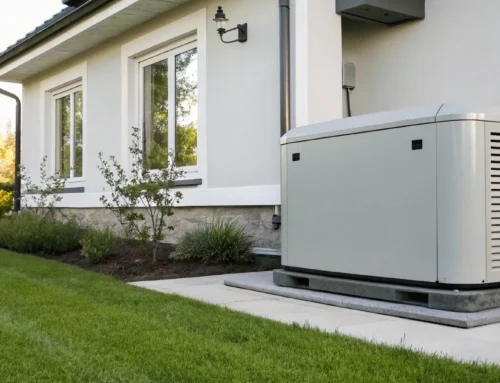
A common question we hear is, “Are standby generators loud?” You might be picturing a noisy, rumbling machine, but modern Generac generators are designed to be surprisingly quiet. Thanks to advanced engineering and sound-dampening enclosures, they typically operate at a volume similar to a central air conditioning unit. Proper placement is also key to minimizing noise. During a professional residential standby generator installation, we’ll help you choose a location that complies with local codes for distance from windows and property lines, ensuring it’s both safe and unobtrusive. This way, you get reliable power without the disruptive noise.
What to Expect During Your Generator Installation
Getting a standby generator installed is an exciting step toward securing your home’s comfort and safety. While it’s a significant project, a professional team makes the process straightforward and predictable. The installation journey involves more than just placing a box in your yard; it’s a carefully coordinated effort that includes site preparation, electrical work, fuel line connection, and final testing to ensure everything works perfectly when you need it most.
From the initial consultation to the final walkthrough, the goal is to integrate the generator seamlessly with your home’s existing systems. This involves selecting the best location for the unit, laying a concrete pad for stability, and connecting it to both your home’s electrical panel via an automatic transfer switch and its fuel source. A certified technician will handle all the technical aspects, ensuring every connection is safe and up to code. They will also walk you through the system’s operation, show you how the automatic transfer switch works, and explain the self-test cycles. Understanding these steps ahead of time helps you know what’s happening at each stage and feel confident in your investment.
Preparing Your Property for Installation
Before the installation team arrives, a little prep work goes a long way. The first step is choosing a suitable location, which our team will help you determine during your consultation. The spot needs to be level and have proper clearance from doors, windows, and vents for safety. You’ll want to clear the designated area of any debris, landscaping, or obstructions. Given our region’s weather, ensuring the generator sits on a stable, properly prepared base is key to its long-term performance. A clear path for our technicians and equipment from the street to the installation site also helps the process run smoothly. A professional residential standby generator installation ensures all these details are handled correctly.
Timelines, Permits, and Professional Handling
A common misconception is that a generator can be installed in just a few hours. In reality, a proper installation is a multi-step process that requires careful planning and adherence to local regulations. Obtaining the necessary permits is a critical first step that a professional installer handles for you. This ensures your installation is fully compliant with Bucks County codes, preventing potential legal or safety issues down the road. The timeline can vary based on permit approvals and inspection schedules, but a professional team will manage the entire project. This includes the precise installation of the automatic transfer switch, which is the brain of the system, guaranteeing a safe and immediate switch to backup power during an outage.
Debunking Common Installation Myths
Many homeowners hesitate to get a generator because of outdated ideas about how they operate. One myth is that standby generators are excessively loud and will disturb the peace. However, modern Generac generators are designed with quiet-test modes and sound-dampening enclosures, making them much quieter than portable models. Another concern is that the installation will be a massive, disruptive project. With an experienced team, the process is streamlined and efficient, minimizing any impact on your landscaping and daily routine. Finally, people worry about complex maintenance, but today’s units perform weekly self-tests and only require professional service annually to keep them in top condition for years to come.
Understanding the Value of a Professional Installation
Getting a standby generator is a significant step toward securing your home’s comfort and safety. But the generator itself is only half the equation; the quality of the installation is what truly determines its reliability. A professional installation ensures your generator operates safely, complies with local regulations, and performs exactly as it should during an outage. It’s not just about connecting wires—it’s about integrating a complex piece of equipment into your home’s electrical and fuel systems, a job that requires certified expertise.
Factors That Influence Your Installation Project
No two generator installations are exactly alike because no two homes are the same. Here in Bucks County, we see everything from historic farmhouses to modern constructions, each with its own set of requirements. The region’s climate, with its heavy snowstorms and severe summer thunderstorms, also plays a role in determining the best placement and setup. A professional will assess your property’s specific needs, including your existing electrical panel and fuel lines. For instance, some homes may require upgrades to their gas pipes to support the generator, a critical detail that ensures your system runs efficiently when you need it. A proper site assessment is the first step in a successful residential standby generator installation.
Navigating Local Permits and Inspections
A common misconception is that installing a standby generator is a simple project that doesn’t require permits. In reality, you will almost always need a permit for a whole-house generator and its automatic transfer switch. These regulations aren’t there to create headaches; they exist to ensure the installation is safe for your family and your property. Failing to secure the right permits can lead to fines and safety hazards. A trusted installer handles the entire permitting and inspection process for you. They know the local codes in Bucks County and will make sure every aspect of the job is fully compliant, giving you complete peace of mind.
Planning for Long-Term Reliability and Maintenance
A professional installation is also your first step toward long-term reliability. When a generator is installed correctly, it’s set up for easy and effective maintenance down the road. Just like your car, your generator needs regular service to stay in peak condition. Following the manufacturer’s recommended schedule for oil changes, filter replacements, and system checks is essential. Investing in a generator maintenance plan from a certified provider makes this process simple. With routine professional care, you can be confident that your generator will be ready to power your home the moment an outage occurs.
Finding a Trusted Generator Installer in Bucks County
Choosing the right installer is just as important as choosing the right generator. A proper installation ensures your system runs safely and reliably for years to come. When you’re ready to invest in a standby generator, you need a local partner you can count on, not just for the installation, but for the entire life of your system. This means finding a team with proven expertise, a deep understanding of local codes, and a commitment to customer support. For homeowners in our service areas, including Bucks County, finding that trusted expert is the first step toward true peace of mind.
Why Choose M.T. Ruhl for Your Generator Needs
When the power goes out during a storm, you need to know your generator will kick on without a hitch. That reliability starts with a team you can trust. For over 25 years, we’ve been helping families and businesses in Southeastern Pennsylvania stay powered on. As a dedicated Generac dealer, we don’t just sell generators; we provide complete, long-term power solutions. Our team handles everything from the initial consultation and residential standby generator installation to ongoing service. We live and work in this community, and our reputation is built on ensuring your home’s essential systems—like heating, cooling, and refrigeration—keep running no matter the weather.
What to Look for in a Generator Contractor
When you start your search, it’s helpful to have a checklist. First, confirm that any contractor you consider is licensed and insured. This protects you and guarantees a certain standard of quality and safety. A reliable contractor should also offer comprehensive services. You want a partner who can handle the initial installation, perform routine maintenance, and be there for emergency repairs if needed. Ask about their experience with Generac generators specifically and their familiarity with local regulations in Bucks County. A true professional will be happy to answer your questions and provide clear, upfront information about the entire process.
The Importance of Certified Installation and Maintenance
A standby generator is a significant addition to your home, and its installation involves electrical and plumbing work that requires permits. A certified installer will manage the entire permitting process for you, ensuring everything is up to code and saving you from potential headaches. This professional handling is crucial for safety and performance. Beyond the installation, routine upkeep is what keeps your generator ready for an emergency. A contractor who offers comprehensive Generac maintenance plans makes this process simple and straightforward. This ongoing support ensures your investment is protected and ready to perform the moment you need it most.
Essential Safety Guidelines for Home Generators
A standby generator is a fantastic investment in your home’s comfort and security, but it’s also a powerful piece of equipment that demands respect. Proper installation and operation are absolutely critical to keeping your family and property safe. When we talk about safety, we’re not just checking boxes; we’re ensuring your generator runs efficiently and reliably without creating hazards. From securing the right permits to preventing dangerous fumes, following established guidelines is non-negotiable. Let’s walk through the most important safety considerations you need to be aware of.
Critical Installation Safety Requirements
Installing a standby generator involves much more than just placing a unit outside your house. It requires integrating it safely into your home’s electrical and fuel systems, which is a job for a certified professional. One of the first steps is handling the necessary paperwork. A permanent, whole-house generator almost always requires a permit from your local municipality to ensure the installation meets all safety codes. This process confirms that the electrical work is done correctly and the placement is safe. A trusted installer handles the entire permitting process for you, so you can have peace of mind knowing your residential standby generator installation is fully compliant and inspected.
Proper Ventilation and Clearance for Safe Operation
Think of your generator’s engine like the one in your car—it produces heat and exhaust, and it needs space to breathe. One of the most common installation mistakes is failing to provide adequate clearance around the unit. Manufacturers and local codes have specific requirements for how far a generator must be from windows, doors, air vents, and any flammable materials. This isn’t just a suggestion; it’s a critical safety measure. Proper clearance ensures there’s enough airflow to prevent the unit from overheating, which could lead to a shutdown or even a fire. An expert installer will know the exact specifications for your Generac generator to guarantee safe, efficient operation.
Preventing Carbon Monoxide Risks
This is the most serious safety guideline of all. Generators produce carbon monoxide (CO), a colorless, odorless gas that can be deadly. Because you can’t see or smell it, preventing it from entering your home is paramount. This is precisely why the placement and ventilation rules we just discussed are so important. A generator must be installed far enough away from any opening to your home—including windows, doors, and vents—to ensure exhaust fumes can’t seep inside. This is the number one reason you should never attempt a DIY installation. A professional understands the risks and knows how to position the unit for maximum safety. Regular maintenance also ensures the exhaust system is working correctly, which is a key part of long-term generator service and repair.
Keeping Your Generator Ready: A Maintenance Guide
Your standby generator is an investment in your home’s safety and comfort, and like any important piece of equipment, it needs regular care to perform when you need it most. A little proactive attention ensures your generator is ready the moment the power goes out. Think of it like your car—you wouldn’t skip an oil change and expect it to run reliably. The same principle applies here. Proper maintenance protects your investment and gives you true peace of mind, no matter what the weather brings to Bucks County.
Creating a Regular Maintenance Schedule
A standby generator isn’t a “set it and forget it” appliance. To keep it in top condition, it’s best to follow the manufacturer’s recommended schedule for tasks like oil changes, filter replacements, and battery checks. Most Generac generators run a quiet weekly self-test, but that’s not a substitute for a full check-up. Consistent, professional generator maintenance is what ensures all components can handle the load during a real outage. Sticking to a regular service schedule helps catch small issues before they become major problems.
Preparing Your Generator for Storm Season
Severe weather can strike any time of year, from summer thunderstorms to winter nor’easters. Preparing your generator before storm season is one of the smartest things you can do. During a winter outage, a working generator can be the one thing that prevents your pipes from freezing and bursting—a costly and stressful disaster. Before the forecast takes a turn, have your unit inspected. A pre-season check-up gives you confidence that your Generac generator will be a reliable source of power when your family needs it most.
Professional Maintenance vs. DIY Checks
While there are a few simple things you can do, most generator maintenance should be left to a certified technician. As a homeowner, you can perform basic visual checks: keep the area around the generator clear of debris and confirm the indicator light is green. However, anything more involved requires professional expertise. Technicians have the specialized tools and training to safely handle the electrical and mechanical systems. Given the serious safety risks like carbon monoxide poisoning, professional generator service and repair is essential for keeping your system running safely and reliably.
Exploring Financing Options for Your Generator
A standby generator is one of the best investments you can make for your home’s safety and comfort, but the upfront cost can feel like a big hurdle. The good news is you don’t have to pay for it all at once. There are several financing paths you can take to make this essential upgrade fit comfortably within your budget. From programs offered directly by manufacturers like Generac to local incentives and flexible plans from your installer, you have options.
Thinking about how to pay for your generator is just as important as picking the right model. By exploring these different avenues, you can find a solution that lets you get the peace of mind you need now, without straining your finances. We can walk you through the process to find a payment plan that makes sense for you and your family, ensuring your home is protected when the next outage hits.
Understanding Manufacturer Financing Programs
Leading manufacturers know that a generator is a major purchase, which is why they often provide their own financing programs. For example, Generac offers flexible financing options designed to make their generators more accessible. Through partnerships with financial institutions, they provide plans with fixed monthly payments spread out over several years. This allows you to break down the total cost into predictable, manageable amounts. It’s a straightforward way to get a top-tier generator installed without having to dip into your savings, letting you protect your home immediately while paying over time.
Finding Local Rebates and Incentives
Beyond financing, don’t forget to look for local rebates and incentives that could lower your total cost. Sometimes, utility companies or local organizations offer programs to encourage homeowners to invest in reliable power solutions. These can come in the form of tax credits or direct rebates that put money back in your pocket. It’s always worth asking about these opportunities when you get a quote, as they can make your investment even more affordable and provide a nice financial perk. A knowledgeable installer can often point you in the right direction.
Making Your Investment More Accessible
One of the simplest ways to manage the cost of a new generator is to work directly with your installer. Many trusted local contractors, including us here at M.T. Ruhl, offer financing to streamline the entire process. This means you can handle the consultation, installation, and payment plan all in one place. We provide clear, straightforward Generac financing to make your investment more accessible. By bundling everything together, you can avoid the hassle of seeking a separate loan and move forward with your project confidently, knowing both the technical and financial details are taken care of.
Related Articles
- 8 Reasons to Get a Standby Generac Generator | M.T. Ruhl
- What Are the Best Standby Generators? | M.T. Ruhl
- Residential Standby Generator Installation in SEPA | Generac
- Generac Generator Service Areas in Southeastern PA
Frequently Asked Questions
How do I figure out what size generator my home needs? Choosing the right size is the most important step, and it really comes down to what you want to keep running during an outage. If you only need to power the essentials—like your refrigerator, furnace, and a few lights—a smaller unit might be perfect. If you want life to continue as normal with everything from the air conditioning to the home office running, you’ll need a larger whole-house generator. The best way to get a precise answer is with a professional load calculation, where we assess your home’s specific electrical needs to find the perfect fit.
Will a standby generator be loud enough to bother my neighbors? This is a very common and considerate question. You can put your mind at ease, as modern Generac standby generators are designed to be much quieter than the portable models you might be used to hearing. They are housed in a sound-dampening enclosure and typically produce a noise level similar to a standard central air conditioning unit. Proper placement, which we determine during installation, also helps ensure the sound is directed away from living areas and neighboring homes.
Do I have to be home for the generator to work during an outage? Not at all, and that’s one of the biggest benefits of a standby system. The automatic transfer switch is the brain of the operation, constantly monitoring your utility power. The moment it senses an interruption, it automatically starts the generator and transfers power to your home, all within a matter of seconds. This means your home is protected whether you’re at work, on vacation, or sleeping soundly upstairs.
What kind of maintenance is required after the generator is installed? Maintaining your generator is straightforward and key to its long-term reliability. Most of the work is best left to a professional. We recommend an annual service appointment where a certified technician will change the oil, replace filters, check the battery, and run a full diagnostic test. As a homeowner, your main job is to simply keep the area around the unit clear of leaves, snow, and debris and make sure the green indicator light on the side is on, which tells you everything is ready to go.
Is a professional installation really that important? Absolutely. A standby generator isn’t a simple appliance; it’s a complex piece of equipment that integrates directly with your home’s electrical panel and fuel lines. A professional installation ensures that all electrical and gas connections are made safely and correctly, adhering to strict local codes and manufacturer specifications. It also involves securing the proper permits and inspections, which protects you and ensures your system will perform reliably and safely when you need it most.