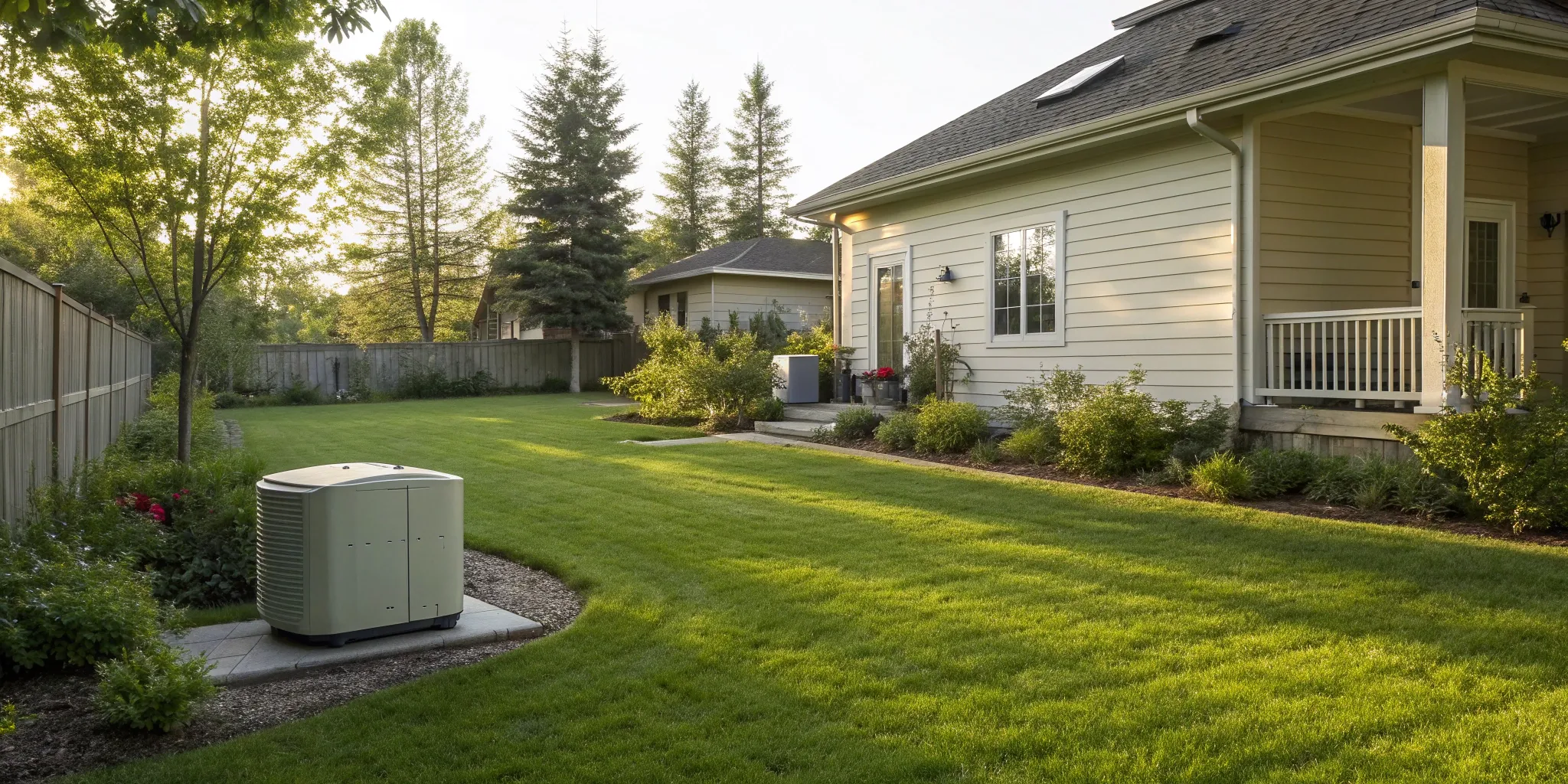
The journey to selecting the right generator doesn’t start in a showroom or on a website. It starts with a simple walk through your own home. The answer to the question, what size Generac generator do I need, is found in your daily routines and the items your family relies on most. From the coffee maker in the morning to the sump pump during a storm, each appliance plays a role in your power needs. This guide begins with that practical first step: identifying your non-negotiables. This simple checklist becomes the foundation for a clear and accurate calculation, ensuring your final choice is perfectly tailored to your lifestyle.
Key Takeaways
- Start with a ‘Must-Have’ Power List: Before you think about kilowatts, decide what you can’t live without during an outage. This simple list—whether it’s just the refrigerator and sump pump or includes your central air—is the foundation for finding the right generator size.
- Account for Both Running and Starting Watts: Your generator needs to handle the continuous power of your appliances (running watts) and the initial surge to start motors (starting watts). Add the single highest starting watt requirement to your total running watts to find your baseline and avoid frustrating overloads.
- Get a Professional Load Calculation for Accuracy: Online calculators provide a good estimate, but a professional assessment is the only way to guarantee you’ve chosen the right size. An expert will confirm your power needs, account for your home’s specific electrical system, and prevent the costly mistake of buying a generator that’s too big or too small.
What Size Generac Generator Do I Need?
Choosing the right size Generac generator is the most important step in making sure your home stays comfortable and functional during a power outage. It’s not about picking the biggest model available; it’s about finding the perfect fit for your specific needs. A generator that’s too small will struggle to power your essentials, leading to frustrating overloads and tripped breakers. On the flip side, a unit that’s too large means you’ve spent more than necessary on both the generator and the fuel to run it.
So, how do you find that “just right” size? It all starts with a simple question: What do you absolutely need to keep running when the power goes out? Think about everything from your refrigerator and sump pump to your home office equipment and medical devices. The goal is to calculate the total wattage of these appliances. You’ll need to consider two types of power draws: the continuous energy an appliance uses (running watts) and the extra surge of power it needs just to start up (starting watts).
This might sound a bit technical, but it’s a straightforward process that ensures your generator can handle the load without skipping a beat. Getting this calculation right is the foundation of a reliable backup power system. Whether you’re looking to power a few key circuits or your entire home, understanding your wattage requirements is key to a successful residential standby generator installation. In the next few sections, we’ll walk through exactly how to figure out your home’s power needs and match them to the perfect Generac model.
First, Decide What to Power During an Outage
Before you can think about kilowatts or calculations, the first step is to walk through your home and decide what you absolutely need to keep running during a power outage. This simple thought exercise is the foundation for choosing the right generator. Do you want to power just the essentials to keep your family safe and your food from spoiling, or are you looking for a seamless transition where your entire home operates as if nothing happened?
There’s no right or wrong answer—it’s all about your family’s needs and priorities. Making a clear list now will make the entire process smoother and ensure you invest in a system that truly serves you when the lights go out. Think about what a typical day looks like and which appliances and systems are non-negotiable for your comfort and safety. This list will become your roadmap for selecting the perfect Generac generator for your home.
Essentials vs. Non-Essentials
Let’s start with the basics. For many homeowners, the “essentials” include the refrigerator and freezer to prevent food spoilage, a few lights for safety, the sump pump to avoid a flooded basement, and maybe a well pump if you’re not on city water. This approach covers your fundamental needs without powering every single outlet. If your goal is simply to have a safety net, focusing on these core items is a great starting point. This ensures you can weather the storm safely and comfortably until power is restored, without the capacity needed to run everything at once.
Keeping Your Home Comfortable: HVAC and Hot Water
If the thought of losing your air conditioning on a hot summer day or your heat during a winter storm is a dealbreaker, you’ll need to plan for more power. Central air conditioners, electric furnaces, and electric water heaters are some of the biggest energy consumers in your home. Including them in your backup plan means you’ll likely need a larger generator, often 22kW or more. Deciding to power these systems is a choice for uninterrupted comfort. A proper residential standby generator installation can ensure these high-demand appliances have the power they need to start up and run smoothly.
Powering the Kitchen and Medical Equipment
Beyond the refrigerator, think about other kitchen appliances you might need, like a microwave or an electric stove. More importantly, if anyone in your home relies on powered medical equipment, such as a CPAP machine or an oxygen concentrator, keeping these devices running is a top priority. These items are non-negotiable and must be included in your power plan. It’s also crucial to account for their start-up power requirements, which can be much higher than their running power. Ensuring your generator can handle these initial surges is key to reliable performance and peace of mind.
Don’t Forget These Commonly Overlooked Items
It’s easy to remember the big things, but small items are often missed. Do you have a sump pump in the basement? A power outage during a rainstorm could lead to flooding without it. What about your well pump for water, your home security system, or the garage door opener? In our connected world, keeping your internet modem and router powered might be essential for work or staying informed. Taking a complete inventory of your home’s residential electric systems helps ensure you don’t overlook a critical device that you’ll only miss once it’s off.
How to Calculate Your Home’s Power Needs
Figuring out your home’s power needs is the most important step in choosing the right generator. Think of it as creating a blueprint for your backup power plan. This calculation helps you understand exactly how much electricity your essential appliances and systems use, ensuring you select a Generac generator that can handle the load without struggling. Getting this right means you won’t overspend on a unit that’s too large or, worse, end up with a generator that can’t power what you need during an outage. The goal is to find that sweet spot: a generator that provides reliable, sufficient power for your home’s unique requirements. It might sound technical, but it’s really just about making a smart list and doing some simple addition. By taking a few minutes to map out your electricity usage, you can confidently choose a generator that will keep your life running smoothly when the grid goes down. We can break this down into a few simple steps to make the process straightforward and take the guesswork out of the equation.
Where to Find Wattage Information on Appliances
Before you can add anything up, you need to know how much power each appliance uses. Luckily, this information is usually easy to find. Most appliances have a data plate or sticker—often on the back, bottom, or inside the door—that lists their electrical specifications. You’re looking for two key numbers: “running watts” (the continuous power an appliance needs to operate) and “starting watts” (the extra surge of power needed to start up motors, like in a refrigerator or air conditioner). If you can’t find the label, a quick search for the appliance’s model number online should give you the information you need.
Create Your Power Consumption Checklist
Now it’s time to make a list. Walk through your home, room by room, and write down every single item you want to keep running during a power outage. Be thorough! Start with the absolute essentials, like your refrigerator, freezer, well pump, and any critical medical equipment. Then, add the systems that keep your home comfortable and functional, such as your furnace or central air conditioning, hot water heater, and key lighting. Don’t forget your home office equipment, like your computer and internet router, or the small things that make life easier, like the coffee maker and microwave. Organizing your list by room can help ensure you don’t miss anything.
Add Up Running Watts and Starting Watts
With your checklist complete, you can do the math. It’s simpler than it sounds. First, add up the running watts for all the appliances and systems on your list. This gives you the total continuous power your home will need. Next, look at the starting watts for all your items and find the single highest number. You only need to account for the largest surge, since it’s unlikely all your motor-driven appliances will start at the exact same time. Add that one highest starting wattage number to your total running watts. The final sum is the minimum power capacity you’ll need from your generator.
Avoid These Common Calculation Mistakes
A small miscalculation can lead to choosing the wrong generator size, so it’s important to get it right. The most common mistake is underestimating or completely ignoring starting watts. Forgetting that extra surge for your air conditioner or well pump can cause your generator to overload and shut down when you need it most. Another frequent error is not planning for the future. If you’re thinking about finishing your basement or adding a new appliance in the next few years, factor that into your calculations now. Finally, be careful not to overlook smaller devices. While a phone charger doesn’t use much power, several forgotten items can add up. A thorough checklist is your best defense against these mistakes, but a professional residential standby generator installation ensures every detail is covered.
What Are Running Watts vs. Starting Watts?
When you start looking at generators, you’ll see two different wattage numbers listed: running watts and starting watts. It’s important to know the difference because both are key to choosing the right size for your home. Think of it this way: running watts, sometimes called rated watts, are the continuous power a generator supplies to keep your appliances running smoothly. This is the steady stream of electricity your lights, television, and computer need to stay on without interruption.
On the other hand, starting watts (or surge watts) are the extra burst of power needed for just a few seconds to start up appliances with motors. Your refrigerator, air conditioner, sump pump, and well pump all require a significant jolt of energy to get their motors turning. This initial demand for power is much higher than what they need to simply keep running. You have to account for both types of wattage. If you only plan for the running watts, your generator might not have enough power to handle the initial surge, which could cause it to overload or fail to start your essential equipment. A proper residential standby generator installation always begins with getting this calculation right.
Why Starting Watts Are Critical for Sizing
The main reason starting watts are so critical is that they can be two to three times higher than an appliance’s running watts. Forgetting to account for this initial power demand is one of the most common generator sizing mistakes. If your generator can’t meet that peak demand, it won’t be able to start your large appliances. Imagine a power outage on a hot day—you need to be sure your generator can handle the surge from your air conditioner kicking on. An undersized generator can leave you without power for your most important systems right when you need them most.
How Power Surges Affect Your Choice
Those initial power surges from your appliances directly influence which generator you should choose. To make sure your generator can handle everything you throw at it, it’s a good practice to add a safety buffer. A good rule of thumb is to select a generator with a capacity that’s about 10% to 20% higher than your total calculated wattage requirement. This extra capacity ensures your generator isn’t constantly running at its maximum load, which can extend its life and provide more reliable performance. This buffer gives you peace of mind that your Generac generator can handle the load without any issues.
How to Choose the Right Generator Size
Once you have your total wattage calculated, you’re ready for the most important step: choosing the right size generator for your home. This isn’t just about matching a number; it’s about selecting a unit that will reliably power your essentials without strain, ensuring it serves you well for years to come. Think of your wattage calculation as the minimum power you need, but the ideal generator size will also include a buffer for safety and account for your future plans.
Choosing the right size is critical. A generator that’s too small will struggle to keep up, potentially tripping breakers or failing to start large appliances like your air conditioner. On the other hand, a unit that’s excessively large can be less fuel-efficient. The goal is to find that sweet spot where your power needs are comfortably met with room to spare. We’ll walk through how to turn your calculation into a concrete generator size, why adding a safety margin is non-negotiable, and how to plan ahead so you don’t outgrow your investment. This process ensures your Generac generator is a perfect fit for your home, both now and in the future.
Turn Your Wattage Calculation into a Generator Size
With your list of appliances and their power needs in hand, you can find your baseline generator size. Here’s the simple formula: take the total running watts of all the items you plan to power simultaneously, and add the single highest starting wattage from your list. For example, if your running watts total 8,000W and your central air conditioner has the highest starting requirement at 5,000W, your minimum need is 13,000W, or 13 kilowatts (kW). This final number represents the absolute minimum output your generator must be able to produce to handle the initial surge and then keep everything running smoothly.
Add a Safety Buffer for Reliable Performance
You never want your generator to run at 100% capacity for long periods. Just like a car engine, constantly redlining it leads to unnecessary wear and tear and can shorten its lifespan. That’s why it’s a smart practice to add a safety buffer of 20-25% to your total calculated wattage. If your minimum need is 13kW, adding a 20% buffer brings you to 15.6kW. This cushion ensures your generator operates comfortably, handles unexpected power draws, and performs reliably when you need it most. This simple step is key to long-term performance and effective generator maintenance.
Plan for Your Future Power Needs
Your power needs today might not be the same five years from now. Are you planning to finish your basement, add a hot tub, or buy an electric vehicle? These additions will increase your home’s electrical load. It’s far more practical and cost-effective to install a slightly larger generator now than to replace an undersized one later. Consider adding another 10-20% to your calculation to account for future growth. A quality residential standby generator installation is a long-term investment in your home’s comfort and security, so give yourself room to grow.
Explore Generac Generator Options
Once you have a handle on your home’s power needs, you can start looking at specific Generac generators. Generac offers a range of models designed for different scenarios, from powering just the essentials to keeping your entire property running smoothly. The main difference between them comes down to their power output, measured in kilowatts (kW), and their cooling systems. Understanding these options will help you narrow down the perfect fit for your home and your peace of mind.
Air-Cooled Home Standby Generators (7.5kW to 24kW)
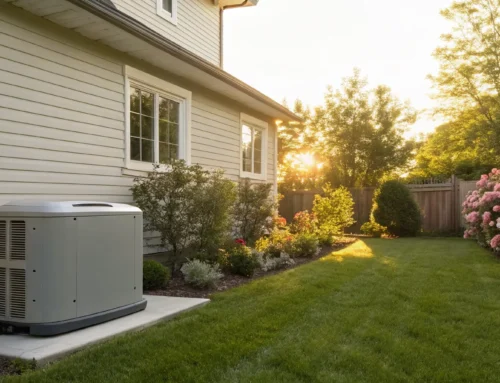
Air-cooled generators are the most common choice for residential homes, and for good reason. They are compact, efficient, and provide more than enough power for most families. A smaller home might only need a 7.5kW to 10kW unit to cover essentials like the refrigerator, lights, and a few outlets. If you have a medium-sized home and want to power more, like your central air conditioning, models in the 16kW to 24kW range are excellent options. These units are the workhorses of home backup power, making them a fantastic starting point for your residential standby generator installation.
Liquid-Cooled Generators for Larger Homes (22kW to 150kW)
If you have a larger home, a home-based business, or power-hungry systems like a pool pump, well pump, or electric vehicle charger, a liquid-cooled generator is likely what you need. These units are more powerful and are built to handle heavier electrical loads for extended periods. Ranging from 22kW all the way up to 150kW, liquid-cooled models can power sprawling estates and even small commercial properties. They offer the ultimate in backup power, ensuring that every circuit in your home stays on. This makes them a top choice for both large residential and commercial generator installation.
Match Your Needs to the Right Model
Choosing the right model comes down to matching your calculated wattage needs with the generator’s capacity. After you’ve added up the running and starting watts for all your essential appliances, you’ll have a target number. It’s always a smart move to add a 20% buffer to that total. This extra capacity ensures your generator isn’t overworked and can easily handle the initial power surge from large appliances starting up. This isn’t about getting the biggest generator available; it’s about finding the one that fits your home’s specific requirements, providing reliable power without waste.
What to Consider Besides Generator Size
Figuring out the right wattage for your home is a huge step, but it’s not the only piece of the puzzle. A few other key factors play a major role in ensuring your generator is the perfect fit for your home, budget, and lifestyle. Thinking through these elements now will save you headaches later and guarantee your backup power system is reliable and convenient when you need it most.
From the fuel that powers your unit to the technology that keeps it running smoothly, these considerations are just as important as the size. Let’s walk through what else you need to think about before making a final decision.
Choosing a Fuel Type
Your generator needs fuel to run, and you have a couple of great options: natural gas or liquid propane (LP). If your home already has a natural gas line, that’s often the most convenient choice. It provides a continuous, unending fuel supply, so you never have to worry about refueling. On the other hand, liquid propane is an excellent alternative, especially if you don’t have access to natural gas. LP is stored in a tank on your property, which a supplier can refill as needed. Both are clean-burning and reliable fuel sources for Generac generators, so the best choice really comes down to what’s available and practical for your home.
The Importance of an Automatic Transfer Switch
An automatic transfer switch, or ATS, is the unsung hero of your backup power system. This smart device is the brain of the operation. It constantly monitors the power coming from the utility line. The moment it detects an outage, it automatically disconnects your home from the grid and signals your generator to start up, seamlessly transferring power. This process is not only incredibly convenient—no fumbling in the dark—but it’s also a critical safety feature. A proper standby generator installation with an ATS ensures your home, your generator, and utility workers are all protected. It’s an essential component for safe, code-compliant, and hands-free operation.
Smart Monitoring for Peace of Mind
Modern generators come with some impressive tech that gives you complete confidence in your system. With smart monitoring features like Generac’s Mobile Link™, you can check on your generator’s status from anywhere using your smartphone or tablet. You’ll get real-time updates and notifications about its operational status and any maintenance needs. This means you always know your generator is ready for the next outage, whether you’re at home or on vacation. This remote insight is a simple way to keep an eye on your generator’s health and ensure it’s always prepared to protect your home with routine generator maintenance.
Should You Get a Professional Assessment?
While you can get a great starting point on your own, calculating your home’s power needs is only one piece of the puzzle. Sizing and installing a generator involves your home’s entire electrical system, fuel lines, and local regulations. A professional assessment is the best way to ensure you get a safe, reliable system that’s perfectly matched to your home and budget. Think of it as getting an expert opinion before making a major home improvement investment.
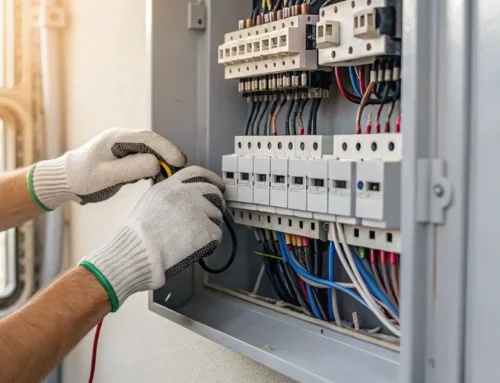
An experienced technician can spot things you might miss. They’ll look at your electrical panel’s capacity, determine the best and safest location for the unit, and map out the requirements for fuel lines. They also handle the complexities of permits and local codes, which can be a headache to manage on your own. Getting a professional evaluation from a certified Generac dealer moves you from a rough estimate to a concrete, actionable plan. It’s the final, most important step in choosing the right generator and guaranteeing a smooth installation process from start to finish.
The Benefits of Working with a Certified Generac Dealer
Working with a certified dealer means you’re getting more than just a generator; you’re getting a complete, tailored solution. A professional will provide a detailed assessment that covers everything needed for a successful installation. This includes items you might not have considered, like a concrete pad for the unit to sit on, an automatic transfer switch, or even a necessary upgrade to your electrical panel or propane tank. They will evaluate your home, confirm your power needs, and give you a clear, all-inclusive estimate that covers labor, materials, and permits. This transparency ensures there are no surprises down the road.
What to Expect During a Professional Evaluation
During an on-site evaluation, a licensed electrician will walk through your property with you to create a customized plan. They will perform a detailed load calculation to confirm the exact generator size you need. They’ll also inspect your current electrical system, identify the ideal location for the generator that complies with all safety codes, and discuss your fuel source options. This is your opportunity to ask questions and understand the entire process. The goal is to ensure your generator installation is safe, efficient, and perfectly suited to your home’s unique layout and your family’s needs.
When a DIY Calculation Isn’t Enough
Online calculators and checklists are fantastic for getting a ballpark idea of your needs, but they can’t replace a professional load calculation. Your home is unique, and an accurate assessment depends on your specific appliances and how you plan to use them during an outage. A professional ensures you don’t make the costly mistake of choosing the wrong size. An undersized generator won’t be able to power everything you need, while an oversized one wastes fuel and money. Our team has the experience to guarantee accuracy, giving you confidence that your generator will perform exactly as expected when you need it most.
How Installation Factors Influence Your Decision
Choosing the right size generator is a huge step, but it’s not the only piece of the puzzle. Your home’s existing infrastructure and local regulations play a major role in what kind of generator you can install. Thinking about these factors ahead of time ensures a smooth, safe, and successful installation process. Before you make a final decision, let’s walk through a few key installation considerations that can influence which Generac model is the perfect fit for your home.
Your Electrical Panel’s Capacity
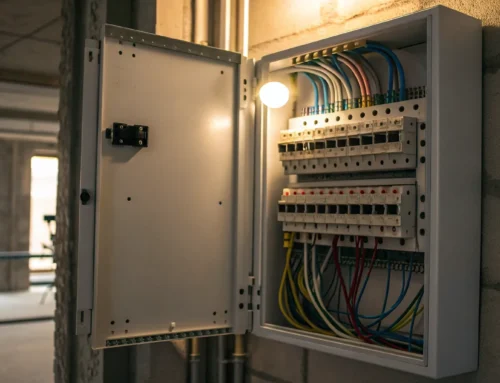
Your home’s electrical panel is the central hub for all its circuits. Its capacity, measured in amps, determines how much power can flow into your home at once. This is a critical factor when sizing a generator. For instance, a home with a 200-amp electrical service can handle more power and will likely need a larger generator to run everything during an outage compared to a home with a 100-amp panel. A professional electrician can assess your panel to ensure it can support the generator you need, preventing overloads and ensuring your essential systems operate safely.
Fuel Line Requirements
Standby generators need a constant fuel source, typically natural gas or liquid propane. Your choice here directly impacts the installation process. If your home already uses natural gas, connecting the generator can be a straightforward process. If you opt for propane, you’ll need a dedicated tank installed on your property, which involves considering placement and local safety codes. Understanding the requirements for each fuel type helps you plan for the full scope of the Generac generator installation and ensures your unit has a reliable fuel supply when you need it most.
Local Codes and Permits
Generator installation is governed by specific local codes and permit requirements to ensure safety and proper function. These regulations can dictate everything from the generator’s placement on your property—like how far it must be from windows, doors, and property lines—to the specific electrical and fuel line connections. Navigating these rules can be complex, which is why working with a certified team is so important. A professional handles the permitting process and guarantees your residential standby generator installation is fully compliant, giving you complete peace of mind.
Related Articles
- Generac Generator Prices: A 2025 Buyer’s Guide
- Automatic Standby Generator Cost: The 2025 Guide
- Commercial Standby Generator Installation Essentials
- Commercial Generac Generator: The Ultimate Guide
Frequently Asked Questions
What happens if I choose a generator that’s too small? An undersized generator will struggle to meet your home’s power demands, especially when a large appliance like your air conditioner tries to start. This can cause the generator to overload and trip its breaker, shutting everything down and leaving you back in the dark. This puts unnecessary strain on both the generator and your appliances, which is why getting the size right from the start is so important for reliable power.
Do I really need a professional to help me choose a size? While online calculators are a great starting point, they can’t see the unique details of your home’s electrical system. A professional assessment is the only way to get a truly accurate load calculation. An expert will evaluate your electrical panel, consider your future power needs, and ensure the final plan is safe and compliant with local codes, giving you confidence that your investment is the right one.
Should I get a generator big enough to power my whole house? This really comes down to your personal preference and priorities. Many homeowners are perfectly comfortable powering just the essentials, like the refrigerator, sump pump, and a few lights. Others prefer the seamless comfort of a whole-home system that keeps everything, including the air conditioning and all outlets, running as usual. We can help you weigh the options to find the solution that best fits your family’s needs.
How does my choice of fuel affect the generator I get? The fuel type—natural gas or liquid propane—doesn’t typically limit which size generator you can get, but it is a key part of the installation plan. If you have a natural gas line, it provides a convenient and continuous fuel source. If not, a liquid propane tank can be installed on your property. The main consideration is fuel availability at your home, which will be a key part of your professional on-site evaluation.
What is an automatic transfer switch and is it necessary? An automatic transfer switch (ATS) is the brain of your standby generator system. It’s a smart device that detects a power outage, safely disconnects your home from the utility grid, and tells your generator to turn on. It is absolutely necessary for a safe and hands-free operation. Without it, you would have to manually manage your home’s power, and it also protects utility workers from dangerous electrical feedback while they work to restore power.