When the power goes out, the last thing you want is a generator that sounds like a freight train in your backyard. That constant roar isn’t just annoying for you; it can strain relationships with your neighbors and even violate HOA noise rules. Choosing a quiet generator is about keeping the peace. But with so many options, what is the quietest whole house generator on the market? This guide cuts through the noise. We’ll show you the features that matter and compare the top models, helping you find the quietest home standby generator for reliable, peaceful power.
Key Takeaways
- Modern Generators Are Designed for Quiet Living: Today’s standby generators use advanced technology, including sound-dampening enclosures and variable-speed engines, to operate at a level comparable to a central air conditioner.
- Proper Installation Is Essential for Quiet Operation: Where and how your generator is installed significantly impacts its noise level. A professional ensures correct placement and a solid foundation to reduce sound and vibration for you and your neighbors.
- Routine Maintenance Protects Your Peace and Quiet: Keeping the area around your generator clear and scheduling annual service are the best ways to ensure it runs efficiently and quietly, preventing small issues from becoming loud problems.
What Makes a Home Generator So Quiet?
If you picture a generator as a loud, disruptive machine, it’s time to meet the modern home standby generator. Thanks to incredible advancements in technology, today’s systems are much quieter and more efficient than their predecessors. The old myth of the noisy backyard generator simply doesn’t hold up anymore when you look at the thoughtful engineering behind today’s models.
Several key factors work together to keep the noise down, from the way sound is measured to the specific materials used in construction. Modern Generac generators are designed from the ground up for quiet operation, making them a seamless addition to your home. Understanding what makes them so quiet can help you appreciate the design that goes into providing reliable, peaceful power when you need it most.
Understanding Generator Decibel Levels
When you see a noise rating for a generator, it’s measured in decibels (dBA). For context, a normal conversation is about 60 dBA, while some competing brands can run as loud as a vacuum cleaner at 75-80 dBA. That’s a significant difference in sound level.
Modern standby generators, especially those from Generac, are designed to be much quieter, often operating at levels similar to a standard central air conditioning unit. This means you can stand nearby and have a conversation without shouting. Manufacturers test these levels at a set distance, so you can accurately compare different models and find one that fits your home and neighborhood’s needs.
How Enclosures Keep Your Generator Quiet
One of the most important features of a quiet generator is its enclosure. This isn’t just a simple metal box to protect the engine from the elements. High-quality enclosures are specifically engineered with sound-dampening materials that absorb and redirect noise. This multi-layered construction traps the sound produced by the engine, preventing it from traveling across your yard.
This advanced design is a major reason why a permanent standby unit is so much quieter than a portable generator. The versatility of modern designs means you get a powerful machine that doesn’t disrupt your peace and quiet, making a residential standby generator installation a great choice for any neighborhood.
The Tech Inside: How Modern Engines Stay Quiet
The innovation continues inside the enclosure. Today’s residential systems are truly engineered for quiet operation, starting with the engine itself. Unlike the loud, rattling engines of the past, modern generator engines are built for smooth, efficient performance. This reduces vibrations and mechanical noise right at the source.
Many Generac models also feature a quiet self-test mode, which runs the generator at a lower speed for its weekly check-up, making it barely noticeable. This thoughtful engineering ensures your generator is ready when you need it without creating unnecessary noise. Keeping up with generator maintenance also plays a role, as a well-cared-for engine will always run more quietly and efficiently.
How Engine Speed Affects Noise
The speed at which a generator’s engine runs plays a huge role in how much noise it makes. Think of it like your car’s engine—it’s much louder when you’re accelerating on the highway than when you’re idling at a stoplight. Many generators operate at a constant, high speed of 3600 RPM (revolutions per minute). However, more advanced models are designed to run at a lower 1800 RPM, which significantly cuts down on mechanical noise. This slower, more controlled operation not only makes the generator quieter but also contributes to better fuel efficiency and a longer engine life. It’s a key design feature that makes modern standby units so much more neighbor-friendly.
The Impact of Fuel Type on Sound Levels
The type of fuel your generator uses also influences its sound level. Portable generators, which are often much louder, typically run on gasoline. Home standby generators, on the other hand, are permanently connected to your home’s natural gas or liquid propane supply. These fuels burn cleaner and allow the engine to run more smoothly, resulting in a quieter and less disruptive operation. This is another reason why a professionally installed standby unit is a superior choice for residential settings. Choosing the right fuel source is a foundational step in ensuring your backup power system is as quiet as it is reliable.
Understanding Power Load and Noise Fluctuation
A generator’s noise level isn’t static; it changes based on how hard it’s working. During its weekly self-test, a Generac generator runs at a lower speed, making it very quiet. When a power outage hits and it needs to power your entire home, the engine will work harder and the sound will increase, though it often remains comparable to a central air conditioner. The placement of the unit also matters. A generator installed on a solid concrete pad will produce less vibration and noise than one placed on uneven ground. If you ever notice your unit getting unusually loud, it could be a sign it needs attention, making regular service and repair essential for quiet, efficient operation.
Why a Quiet Generator is a Smart Choice
When you think of a generator, you might picture a loud, rumbling machine that disrupts the entire neighborhood. That image is rooted in older, portable models, but modern home standby generators are a completely different story. Today’s units are engineered for quiet operation, ensuring that when the power goes out, your life continues with minimal disruption—for you and for everyone around you.
Choosing a quiet generator isn’t just about personal comfort; it’s about being a considerate neighbor and adhering to local rules. During a widespread outage, a noisy generator can add stress to an already tense situation. A quieter model, on the other hand, provides the power you need without becoming a nuisance. It allows you to keep the lights on, the refrigerator running, and your home comfortable while maintaining the peace and quiet of your community. This thoughtful choice ensures your backup power solution is a seamless and respectful addition to your home.
Keep Your Neighbors (and HOA) Happy
No one wants to be that neighbor—the one whose generator sounds like a construction site is running next door. A quiet home standby generator is one of the best ways to maintain good relationships with those living around you, especially during a power outage. Many homeowners’ associations (HOAs) have specific rules about noise levels, and a loud generator could lead to complaints or fines. By choosing a model designed for quiet performance, you can rest easy knowing your backup power won’t disturb the peace. It’s a simple step that shows consideration and helps keep your neighborhood a pleasant place to live, even when the grid is down.
Stay on the Right Side of Noise Laws
Beyond HOA rules, many townships and municipalities have their own noise ordinances that you need to follow. These regulations limit the decibel levels that are acceptable at different times of the day, and a generator that’s too loud can put you in violation. This is particularly true in the residential communities across Chester, Montgomery, and Delaware Counties. A quiet generator helps you stay compliant and avoid any potential issues with local authorities. When you work with a professional for your residential standby generator installation, they can help you select a unit that meets local requirements and place it in a location that further minimizes sound.
Enjoy Uninterrupted Peace and Quiet
The whole point of a standby generator is to restore a sense of normalcy and security when the power fails. A loud, disruptive machine can easily undermine that feeling of comfort. Modern Generac generators are built with advanced sound-dampening technology, allowing them to run without creating a constant, irritating drone. This means you can go about your day—working from home, watching a movie, or just relaxing—without being reminded of the storm outside. Investing in a quiet generator ensures that your home remains a peaceful sanctuary, giving you true peace of mind when you need it most.
Top Picks for the Quietest Home Generators
When you’re looking for a home standby generator, power and reliability are top priorities. But what about noise? Thankfully, modern generators are engineered to be much quieter than their predecessors. Several leading brands have developed models specifically designed to keep noise levels low, so you can keep the lights on without disturbing the peace and quiet of your neighborhood.
Understanding decibel (dBA) ratings can help you compare models. For reference, a normal conversation is about 60 dBA, while a refrigerator hums around 40 dBA. The quietest generators operate in a range that’s not much louder than a standard central air conditioning unit, ensuring minimal disruption. As a certified Generac Generators dealer, we have extensive experience with the quietest and most reliable units on the market. Let’s take a look at some of the top contenders that deliver power without the racket.
Generac Guardian Series: A Popular Choice
The Generac Guardian series is a homeowner favorite for a reason, and its impressively low noise level is a big part of its appeal. Operating at just 58 dBA, it’s one of the quietest air-cooled home standby generators you can find. This means you can go about your day without the constant, disruptive roar that many people associate with generators. Generac designed this series with residential areas in mind, incorporating its Quiet-Test™ self-test mode, which runs at a lower RPM for even quieter weekly check-ups. It’s a smart, considerate design that delivers peace of mind and power when you need it most.
Generac Quietsource Series: Engineered for Low Noise
For homeowners who prioritize quiet performance above all else, the Generac Quietsource Series is the premier choice. These liquid-cooled models are specifically engineered for low-noise operation, using advanced technology to keep sound levels to an absolute minimum. The Quietsource runs at a decibel level similar to a central air conditioner, making it an incredibly considerate option for homes in tight-knit neighborhoods or on smaller properties. It’s the perfect solution when you need powerful backup without the disruptive noise.
A major reason for its quiet operation is the innovative, sound-dampening enclosure. This multi-layered shield doesn’t just protect the engine from the elements; it’s designed to absorb and redirect noise, keeping your yard peaceful. The Quietsource series also features a low-speed exercise mode for its self-tests, which is significantly quieter than the full-speed tests of other models. This thoughtful engineering ensures your generator is always ready for an outage without creating a weekly disturbance. Proper generator service and repair also ensures these components continue to function correctly, keeping noise levels down for the long haul.
Kohler Residential Generators: Known for Quality
Kohler is another well-known name in the generator world, and their residential models are designed to offer a good balance between power and quiet operation. Most of their whole-home units operate at around 63 dBA, which is still quiet enough to not be a major disturbance for you or your neighbors. Kohler generators are built with sound-dampening enclosures that help absorb engine noise, ensuring your home remains a peaceful sanctuary even during an extended power outage. They provide a reliable power solution while being mindful of residential noise levels, making them a solid choice for many homeowners.
Cummins Quiet Connect Series: Engineered for Silence
With over a century of experience in power solutions, Cummins has engineered its Quiet Connect series specifically for residential use. While dBA ratings can vary by model, the entire line is designed for minimal noise output. These generators are built with advanced sound insulation and optimized airflow to keep operational noise low, so you won’t have to worry about bothering your neighbors. The focus of the Quiet Connect series is to provide dependable backup power that integrates smoothly and quietly into your home environment. Their reputation for durability makes them a trusted option for homeowners looking for a long-term solution.
Briggs & Stratton: Dependable and Quiet
Briggs & Stratton offers a line of home standby generators that also prioritize quiet performance. Their units typically operate at around 66 dBA when measured from a distance of about 23 feet. While slightly louder than some competitors, this is still a very reasonable sound level for a machine powerful enough to run your entire home. The brand focuses on creating a product that is both powerful and neighborhood-friendly. For homeowners in areas where noise ordinances are a consideration, a Briggs & Stratton generator can be a practical and effective choice for reliable backup power.
Generac vs. Kohler: A Head-to-Head Comparison
When you start looking for a standby generator, two names consistently come to the top of the list: Generac and Kohler. Both are industry leaders known for building reliable and powerful machines, but they have key differences that can influence your decision. Choosing between them often comes down to the details—like noise levels, technology, and long-term serviceability. Understanding these distinctions will help you select the right generator to protect your home and family, ensuring you get the features that matter most to you for the years to come.
Noise Levels and Sound-Dampening Features
For many homeowners, the biggest concern is noise. The Generac Guardian series excels here, operating at an impressively low 58 dBA, making it one of the quietest air-cooled standby generators available. It’s designed specifically for residential settings and includes a Quiet-Test™ self-test mode. This feature runs the weekly diagnostic check at a lower, quieter speed, so it’s barely noticeable. Kohler’s residential models are also quiet, typically running around 63 dBA. While this is still a very respectable level, Generac’s lower decibel rating and thoughtful self-test mode often make it the preferred choice for those living in close proximity to their neighbors.
Technology and Remote Monitoring
In an increasingly connected world, being able to monitor your home’s systems remotely is a huge plus. Generac’s Mobile Link™ technology allows you to check your generator’s status from anywhere using your smartphone, tablet, or computer. You can see if it’s ready to run, review its performance history, and receive alerts for maintenance. This level of control provides incredible peace of mind, especially when you’re away from home. Kohler offers a similar system with its OnCue® Plus technology. Both are excellent, but Generac’s user-friendly interface and widespread adoption make it a standout feature for homeowners who value convenience and modern tech.
Durability, Maintenance, and Serviceability
A generator is a long-term investment, so you want a machine that’s built to last and easy to service. Both Generac and Kohler have strong reputations for durability. However, serviceability is where the right local partner makes all the difference. As a certified dealer, we know that parts for Generac generators are widely available, which can make repairs faster and more efficient. Our technicians are factory-trained to handle everything from routine upkeep to complex issues, ensuring your unit runs perfectly. Choosing a brand with a strong local support network simplifies long-term ownership and guarantees you have expert help when you need it for generator service and repair.
Other Quiet Generator Technologies to Know
While whole-home standby generators are the ultimate solution for seamless backup power, it’s helpful to know about other quiet technologies on the market. The innovation in power generation isn’t limited to just one type of unit. Different technologies are designed for different needs, from portable power for a few essential items to smaller-scale backup solutions. Understanding these options can give you a fuller picture of what’s possible, even if a permanent standby unit is your end goal. One of the most popular advancements in quiet power is the inverter generator, which operates on a completely different principle to reduce noise.
The Benefits of Inverter Generators
Inverter generators are a popular portable option known for being exceptionally quiet. Unlike traditional generators that run at a constant speed, an inverter generator’s engine speed adjusts to match the electrical load. If you’re only powering a few lights and a phone charger, the engine runs much slower and quieter. This not only reduces noise but also makes them more fuel-efficient. While they don’t have the power to run an entire house and aren’t a direct substitute for a standby unit, they are a fantastic choice for camping or powering a few critical appliances during an outage. Their quiet performance highlights the importance of engine technology in minimizing sound.
What to Look For in a Quiet Home Generator
When you’re looking for a quiet generator, the decibel rating is just the starting point. The quietest models are packed with smart features that make the experience of owning one seamless and worry-free. It’s not just about what you don’t hear; it’s about the technology working behind the scenes to deliver reliable power without disrupting your life. A truly great quiet generator integrates into your home’s ecosystem, providing power automatically when you need it and operating efficiently in the background. From automatic operation to advanced safety measures and smart fuel consumption, these are the features that truly define a top-tier quiet generator and give you genuine peace of mind during an outage.
Seamless Power with an Automatic Transfer Switch
A power outage is stressful enough without having to run outside in the middle of a storm to start a generator. This is where an automatic transfer switch (ATS) comes in. This device is the brain of your standby system. It constantly monitors the power from your utility company, and the moment it detects an interruption, it automatically disconnects you from the grid and signals your Generac generator to start. Within seconds, your home’s essential circuits are powered up again. A Generac standby generator activates automatically and powers your entire home, ensuring uninterrupted functionality during extended outages. You don’t have to lift a finger.
The Importance of Proper Generator Bonding
Think of proper generator bonding as a critical safety feature for your home’s electrical system. In simple terms, bonding creates a dedicated, safe path for electricity to travel if something goes wrong, preventing the generator’s metal frame from becoming energized and causing a dangerous shock. This is a crucial step in any professional residential standby generator installation. It acts as your first line of defense against electrical faults by ensuring that stray current is safely directed away from people and equipment. Beyond preventing shocks, proper bonding also helps maintain stable voltage levels, which protects your sensitive electronics from power surges. It’s a non-negotiable part of a safe setup that ensures your generator operates not just effectively, but securely.
Look for a Tough, Weather-Resistant Enclosure
A generator’s enclosure does more than just protect the engine from rain and snow—it’s the first line of defense against noise. Modern standby generators feature sophisticated, sound-dampening enclosures often made from corrosion-resistant aluminum to withstand Pennsylvania’s changing seasons. These cabinets are engineered with special insulation and baffles that absorb sound and vibration, keeping noise levels to a minimum. Plus, the compact design and sleek aesthetics allow the generator to blend into any yard, so it won’t be an eyesore. A well-designed enclosure ensures your generator is heard only when it needs to be.
Don’t Skip These Safety Features
Peace and quiet also means peace of mind. Modern standby generators are equipped with essential safety features that protect your home and family. One of the most critical is a built-in carbon monoxide (CO) detector. These systems are designed to automatically shut off the generator if dangerous levels of CO are detected, preventing a serious health hazard. Other safety features include sensors that monitor oil pressure and engine temperature to prevent damage. When you invest in a quality generator, you’re also investing in a system that runs safely on its own, which is why regular generator service and repair is so important for keeping these systems in check.
How Variable Speed Saves Fuel and Reduces Noise
Older generators often run at a single, high speed, which is not only loud but also inefficient. Many of today’s quietest models feature variable speed technology. This allows the generator to produce clean power and adjust its engine speed to match your home’s electrical load. When you’re only using a few lights and the refrigerator, the engine runs at a lower, quieter speed. When you turn on the air conditioning, it ramps up to meet the demand. This smart technology drastically reduces noise and fuel consumption compared to conventional generators, saving you money while keeping things peaceful.
How Do Generator Size and Power Affect Noise Levels?
It’s a common question: does a more powerful generator mean more noise? While there is a relationship between a generator’s power output and its sound level, it’s not as simple as you might think. Many people think home generators sound like a construction site, but the truth is, today’s standby generators are engineered for quiet operation. Modern technology has come a long way, and manufacturers like Generac prioritize creating powerful units that won’t disrupt your daily life or your neighborhood’s peace and quiet.
The key is understanding that factors like engine design, enclosure materials, and even proper installation play a huge role in how much sound a generator produces. Let’s break down what you can expect from different sizes.
The Right Size for a Smaller Home (10-15kW)
If you have a smaller home or only need to power essential circuits, a generator in the 10kW to 15kW range is often a perfect fit. These units are designed to be incredibly efficient and, as a result, are some of the quietest models available. They provide reliable backup for things like your refrigerator, lights, and sump pump without creating a disturbance. Because they have smaller engines, they naturally produce less noise. This makes them an excellent choice for homes on smaller lots or in neighborhoods with strict noise ordinances, ensuring you get the power you need without any of the racket.
Sizing for an Average Home (20-24kW)
For the average-sized home in our area, a 20kW to 24kW generator is typically the sweet spot for whole-house power. A properly sized and professionally installed standby generator can absolutely power your entire home. From HVAC systems and refrigerators to internet, lighting, and medical equipment, Generac generators are designed to deliver reliable, whole-home power. You might assume that a unit this powerful would be significantly louder, but that’s not the case. Models in this range are designed with advanced sound-dampening technology to operate at a comfortable sound level, often comparable to a central air conditioning unit.
Does More Power Mean More Noise?
The idea that all whole-house generators are noisy and disruptive is a lingering misconception that stems from older, outdated models. Noise concerns are often rooted in these outdated perceptions, but today’s residential systems are engineered to be much quieter. Modern residential standby generator installation focuses on quiet performance, utilizing features like sound-attenuated enclosures and low-speed engines that run only as fast as needed to meet the power demand. This means you get the security of backup power without sacrificing the peace and quiet of your home.
Is a Quiet Generator a Good Investment?
When you’re thinking about adding a standby generator to your home, the noise level is probably high on your list of concerns. After all, no one wants to trade the silence of a power outage for the roar of a loud engine. So, is a quiet generator a good investment? The short answer is a resounding yes. Investing in a quiet generator isn’t just about being a good neighbor; it’s about choosing a high-quality piece of equipment that brings reliability and security to your home. Today’s standby generators are engineered for quiet operation, so you can enjoy the benefits of backup power without the disruptive noise often associated with older, portable models.
This means you get to keep your lights on, your refrigerator running, and your home comfortable during an outage, all without a constant, loud hum in the background. A quiet generator seamlessly integrates into your life, providing essential power when you need it and staying discreetly in the background when you don’t. It’s a smart investment in your home’s functionality and, most importantly, your family’s peace of mind when the power goes out.
Features That Add Value, Not Just Noise
Investing in a quiet generator means you’re getting more than just a low decibel level. These models are typically built with superior engineering and materials, which translates to better performance and a longer lifespan. They are designed to handle the demands of powering your home efficiently and reliably. Of course, even the best equipment needs a little care to keep it in top shape. Consistent generator maintenance is the key to protecting your investment. It helps you avoid unexpected breakdowns and costly repairs down the road, ensuring your generator is always ready to go when a storm hits.
Why It Pays Off in the Long Run
A quiet home generator is more than just a convenience; it’s a long-term asset for your property. Think of it as an insurance policy against power outages. Knowing your home is protected provides a sense of security that’s hard to put a price on. You won’t have to worry about your sump pump failing during a downpour or your family being left in the dark and cold. When you choose a professional Residential Standby Generator Installation, you’re ensuring your system is perfectly sized for your home’s needs, giving you dependable power and lasting value for years to come.
Why Pro Installation Matters for a Quiet Generator
You can choose the quietest generator on the market, but if it’s installed incorrectly, you’ll still end up with unwanted noise. A professional installation does more than just get your generator up and running; it optimizes your system for quiet, efficient, and safe performance from day one. Think of it as the foundation for years of reliable power. An expert technician considers factors you might not, like the best location to dampen sound, the right surface to reduce vibration, and the precise connections needed to ensure everything works together seamlessly.
When you work with a certified team, you’re not just getting a generator placed in your yard. You’re getting a comprehensive assessment of your property and power needs. This ensures your generator is installed according to strict manufacturer guidelines and local codes, which is essential for both safety and warranty compliance. A proper residential standby generator installation is the single most important step you can take to guarantee your investment provides quiet, dependable power when you need it most. It’s the difference between a generator that’s a noisy nuisance and one you barely notice is there.
Location, Location, Location: Where to Place Your Generator
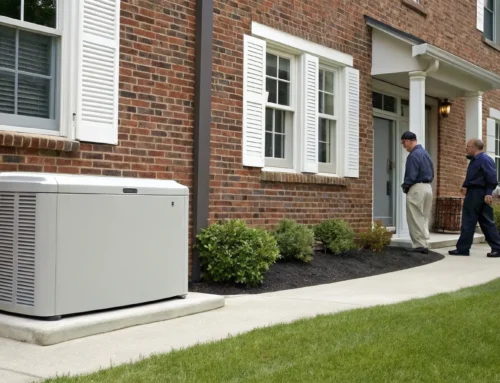
Where you place your generator has a huge impact on its noise level. It’s not just about tucking it behind some bushes; strategic placement is a science. Our technicians evaluate your property to find the ideal spot that minimizes sound for both you and your neighbors. We consider the distance from windows, bedrooms, and outdoor living areas to reduce how much sound travels into your home.
We also follow all local ordinances and manufacturer requirements for clearance from structures, vents, and property lines. A professional installer ensures the generator sits on a solid, level pad, which is crucial for reducing vibrations that can create extra noise. This careful planning helps your generator operate as quietly as its design allows.
Strategic Placement to Minimize Sound
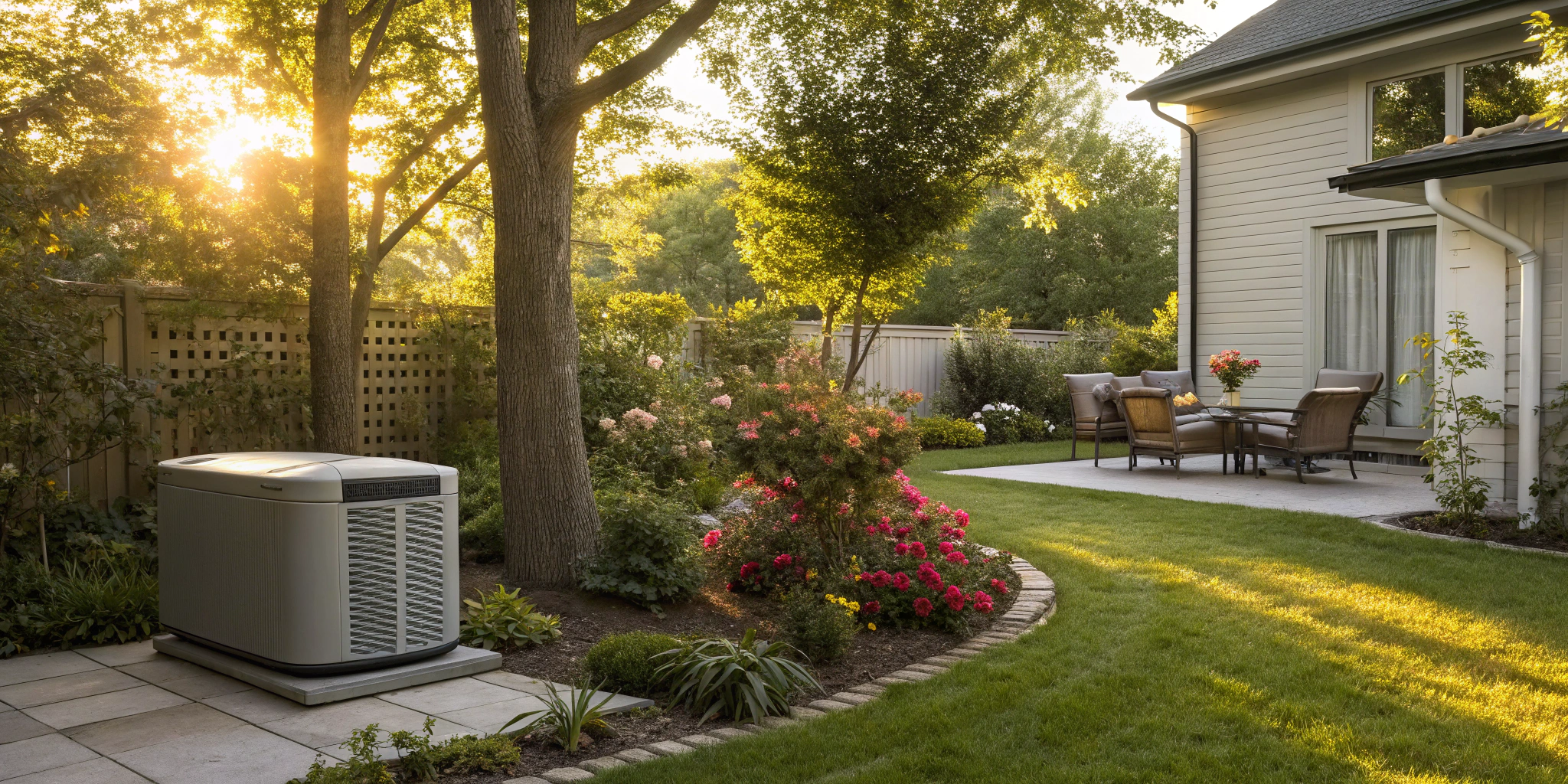
Choosing the right spot for your generator is one of the most critical steps in ensuring it runs quietly. It’s about more than just finding an out-of-the-way corner; it’s a strategic decision that a professional installer carefully considers. We look at your property layout to find a location that minimizes sound for everyone—you, your family, and your neighbors. This means placing it away from windows, bedrooms, and outdoor patios. A key part of a professional residential standby generator installation also involves preparing a solid, level pad for the unit to sit on. This foundation is essential for reducing vibrations, which are a major source of operational noise, ensuring your generator performs as quietly as it was designed to.
Getting the Electrical and Gas Connections Right
A standby generator is a powerful piece of equipment that integrates directly with your home’s electrical and fuel systems. This is not a DIY project. Making sure the electrical and gas connections are handled correctly is absolutely critical for safe operation. Improper wiring can damage your home’s electrical system and your appliances, while a faulty gas line connection creates a serious safety hazard.
Our licensed technicians are trained to handle these complex connections with precision. We ensure every wire is correctly routed through the automatic transfer switch and that all fuel lines are secure and leak-free. This professional oversight guarantees your generator will function safely and reliably, ready to take over the moment the power goes out without putting your home or family at risk.
What to Expect During a Professional Installation
Our installation process is designed to give you complete peace of mind. From the initial site assessment to the final system test, our team handles every detail. We don’t just set the generator down and leave; we perform a full startup procedure to confirm that every component is working perfectly. This includes testing the automatic transfer switch to ensure a seamless transition from utility power to generator power and back again.
We also walk you through the system, showing you how it works and what to expect during its weekly self-test cycle. A professional installation sets you up for long-term success, and we make it easy to schedule routine Generac maintenance to keep your unit running quietly and efficiently for years to come.
Keep Your Generator Running Quietly with Proper Maintenance
Choosing a quiet generator model is a great first step, but keeping it that way requires a little TLC. Think of it like a car—it needs regular check-ups to run smoothly and efficiently. Consistent, proper maintenance is the single best way to ensure your generator operates at its quietest and most reliable for years to come. When you invest in a home standby generator, you’re really investing in peace of mind. A solid maintenance routine protects that investment, preventing small issues from becoming loud, expensive problems down the road.
Regular upkeep does more than just manage noise levels. It ensures your generator is ready to perform the moment you need it, improves its overall performance, and can significantly extend its operating life. By following a simple maintenance schedule, you can make sure your unit remains a dependable source of power without creating a disturbance. At M.T. Ruhl, we offer comprehensive Generac maintenance plans designed to keep your system in top condition, so you never have to worry when the lights go out.
A Simple Tip: Keep the Area Clear of Debris
One of the easiest ways to keep your generator running quietly is to keep the area around it clean. Your generator needs to breathe! Leaves, grass clippings, snow, and other debris can block air vents, causing the engine to work harder and run hotter, which often leads to more noise. It’s a good habit to do a quick visual inspection every week or so. Make sure there’s at least a few feet of clear space on all sides of the unit. This simple step ensures proper airflow, prevents rattling from loose debris, and helps your generator operate as smoothly as it was designed to.
Stick to a Regular Maintenance Schedule
Beyond keeping the area clear, a consistent maintenance schedule is critical for quiet, reliable operation. Most Generac generators run a weekly self-test, which is a great opportunity to listen for any unusual sounds. You can also perform quick visual checks for leaks and verify that the control panel looks normal. However, for the more technical aspects, professional maintenance is key. We recommend having a certified technician service your unit at least once a year to handle tasks like changing the oil and air filters, checking spark plugs, and inspecting all the electrical components to ensure everything is working perfectly.
Know When to Call a Professional
While visual inspections are helpful, some jobs are best left to the experts. Active, professional maintenance is what truly protects your generator and keeps it running quietly. A certified technician has the tools and training to spot potential issues you might miss, from worn-out parts to subtle changes in engine performance. If you notice your generator is running louder than usual, showing alerts on its control panel, or failing its weekly exercise cycle, it’s time to call for help. Our team specializes in Generac service and repair, and we can quickly diagnose and fix any issue to restore your peace and quiet.
Practical Tips for Extended Power Outages
Having a standby generator brings incredible peace of mind, but an extended outage requires a bit of strategic thinking to make sure everything runs smoothly. While your generator is designed to handle your home’s needs, being mindful of your energy and fuel consumption can help you ride out a longer-term situation with less stress. It’s about creating a plan that keeps your family comfortable and safe, no matter how long the grid is down. From managing your meals to keeping your appliances running efficiently, a few simple adjustments can make a big difference. These practical tips will help you make the most of your backup power and stay prepared for anything.
Conserving Fuel with Alternative Cooking Methods
When an outage stretches on, conserving generator fuel becomes a priority. Even though your kitchen has power, using alternative cooking methods for a few meals can make a big difference. This frees up your generator to focus on critical appliances like the refrigerator or HVAC system. Your outdoor gas grill is a perfect go-to; just be sure to keep an extra propane tank ready for these situations. If you have a fireplace, you can get creative by wrapping foods in foil or cooking on skewers. There are many other safe cooking methods to explore, like using fondue pots or chafing dishes. And don’t forget the simplest option: no-cook meals. Having non-perishables like canned tuna or salmon on hand gives you an easy protein source without using any fuel.
Related Articles
- What Are the Best Standby Generators? | M.T. Ruhl
- Is a Home Generator Worth It? 5 Factors to Decide
- How Does a Standby Generator Work? A Simple Guide
- Automatic Standby Generator Cost: The 2025 Guide
Frequently Asked Questions
Will a standby generator be loud enough to bother my neighbors? This is a common concern, but modern standby generators are designed specifically for residential neighborhoods. Most high-quality units, like those from Generac, operate at a sound level similar to a standard central air conditioning unit. Thanks to sound-dampening enclosures and advanced engine design, you can stand nearby and have a normal conversation without shouting. They are a world away from the loud, disruptive portable generators you might be picturing.
How often will I hear the generator run if the power is on? The only time your generator will run when the power is on is during its weekly self-test. This is a short, automatic check-up to ensure everything is ready for an outage. Generac models feature a Quiet-Test™ mode, which runs the engine at a lower, quieter speed during this cycle. It’s so subtle that many homeowners don’t even notice it’s happening.
Does the location of the generator affect how loud it sounds? Absolutely. The placement of your generator is a critical part of keeping noise to a minimum, which is why professional installation is so important. An expert will help you choose a spot that is away from windows, bedrooms, and outdoor living spaces. They also ensure it’s placed on a solid, level pad to reduce vibrations, which can be a major source of extra noise.
Is a more powerful generator automatically a lot louder? Not necessarily. While there is a connection between power and sound, modern engineering plays a much bigger role in determining the final noise level. A well-designed whole-home generator can be surprisingly quiet due to its advanced enclosure and variable speed technology, which allows the engine to run only as fast as needed. The quality of the design is often more important than the raw power output.
What can I do to make sure my generator stays quiet over time? Consistent maintenance is the key to long-term quiet operation. On your own, you can help by keeping the area around the unit clear of leaves, snow, and other debris to ensure proper airflow. The most important step, however, is scheduling an annual service appointment with a certified technician. They will take care of oil changes, filter replacements, and other tune-ups that keep the engine running smoothly and quietly.