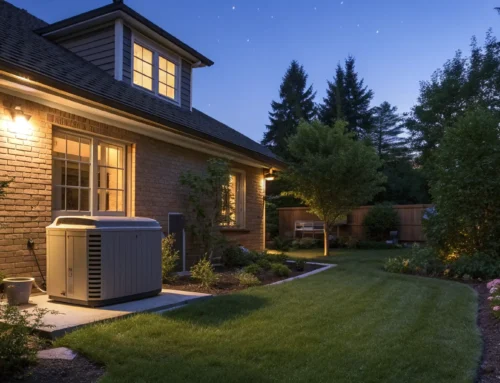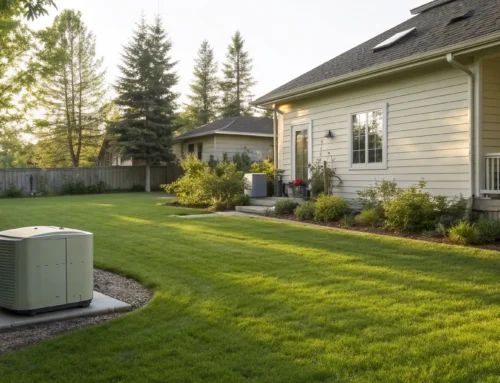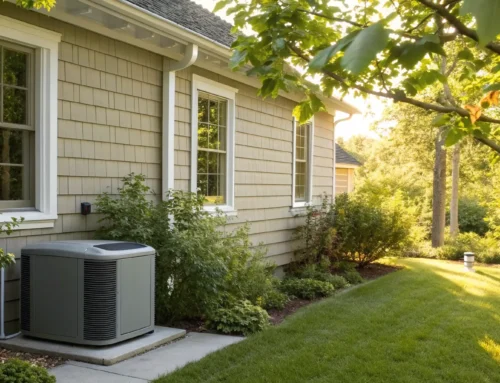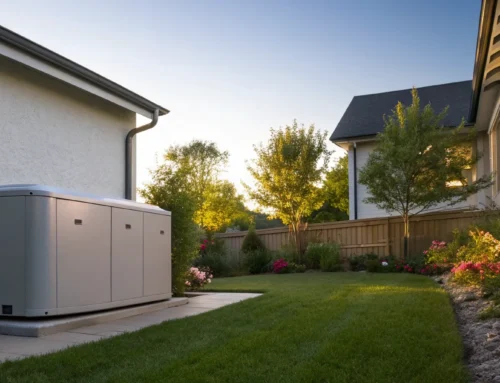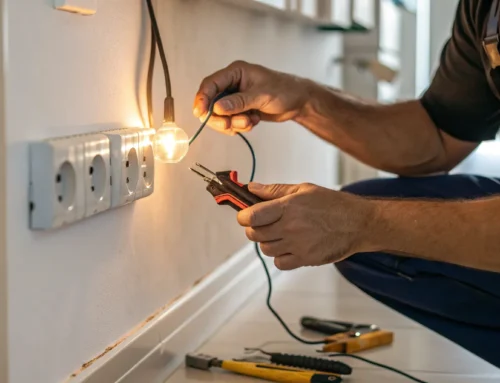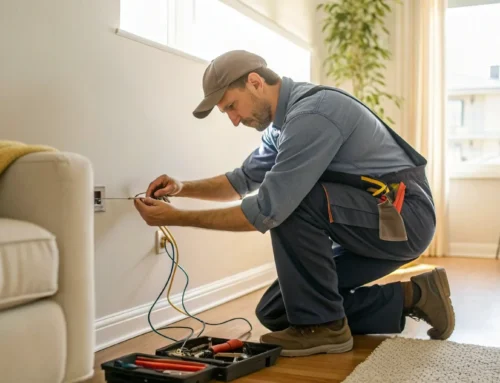
Investing in a whole-home Generac generator is a smart move for keeping your family comfortable and secure during a power outage. But that generator is only as reliable as its connection to your home. This connection happens at the main electrical panel, where an automatic transfer switch must be perfectly integrated. The job to hook up main electrical panel wiring for a generator is a precise and critical task. If it’s not done correctly, you risk damaging the generator, your home’s electrical system, or even creating a dangerous back-feeding situation for utility workers. A professional installation ensures your generator works seamlessly and safely the moment you need it most.
Key Takeaways
- Electrical Panels Are Not a DIY Project: Working inside your main electrical panel is extremely dangerous without proper training. A licensed electrician uses a strict safety process, including a full power shutdown and voltage testing, to eliminate the risk of shock and prevent electrical fires.
- The Right Equipment Is Non-Negotiable: A safe electrical system depends on more than just correct wiring. Professionals ensure your panel is properly sized for your home’s power demands and use the correct wire gauges and tools to prevent overloads and fire hazards.
- Recognize the Signs of an Outdated Panel: Frequent breaker trips, flickering lights, or planning major additions like a home generator are clear indicators that your panel may be overloaded. Upgrading your panel is essential for safely supporting your modern lifestyle and future power needs.
What Is a Main Electrical Panel?
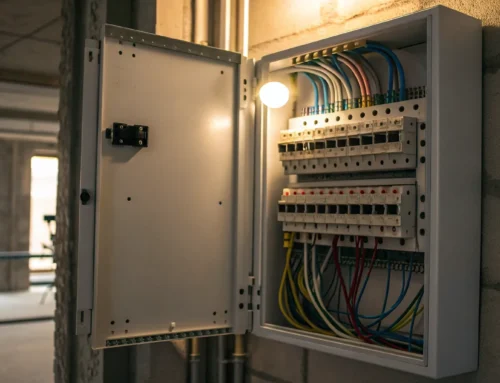
Think of your main electrical panel—often called a breaker box—as the heart of your home’s electrical system. It’s a metal box, usually tucked away in a utility room, basement, or garage, that takes the main power line coming into your house and divides it into smaller electrical circuits. Each of these circuits powers a different part of your home, from the kitchen outlets to the bedroom lights.
The panel’s most important job is safety. It houses all the circuit breakers, which are switches designed to automatically trip and shut off power if a circuit becomes overloaded. This single function prevents overheating, which can lead to electrical fires. The main breaker, the largest switch in the box, can shut off power to your entire home at once. Understanding its role is the first step in managing your home’s residential electrical system safely.
The Command Center of Your Home’s Electrical System
Your electrical panel is the central hub for all things power-related in your home. Electricity flows from the utility company’s lines, through your electric meter, and directly into this panel. From there, the main breaker directs that power to a series of smaller circuit breakers. Each of these smaller breakers is wired to a specific circuit, controlling the flow of electricity to designated areas and appliances. This organized system ensures that everything from your refrigerator to your phone charger gets the consistent power it needs to operate correctly and safely. It’s the command center that keeps your home running smoothly.
How Your Panel Distributes Power
Once power enters the panel and passes through the main breaker, it’s distributed through two hot bus bars. The individual circuit breakers connect to these bars and send power out to the rest of the house via wiring. A single breaker might control the outlets in your living room, while another handles your dishwasher. If you plug in too many devices or a short circuit occurs, the breaker for that specific circuit trips, cutting off the power flow to prevent damage. Because proper wiring is critical for safety, any work on the panel, from adding a circuit to fixing a problem, requires professional electrician repairs to ensure it’s done correctly and up to code.
What’s in a Professional’s Toolkit for Panel Installation?
When a licensed electrician arrives to install or upgrade your main electrical panel, they come with more than just a toolbox. They bring a specific set of professional-grade tools, safety equipment, and high-quality components designed for a safe and compliant installation. This isn’t a job for a standard home toolkit. The precision and safety required demand specialized gear that ensures every connection is secure and every circuit is protected. Let’s look at what separates a professional setup from a DIY attempt.
Essential Tools for the Job
A professional’s van is stocked with everything needed to handle the job correctly from start to finish. This includes the main components like the new breaker panel, the appropriate circuit breakers (including AFCI/GFCI breakers for required areas), and the correct gauge of wire. But the real difference is in the tools. You’ll see specialized wire strippers for clean cuts, a variety of screwdrivers for different terminals, and a headlamp for clear visibility. One of the most critical tools is a torque wrench. It’s used to tighten wire connections to the manufacturer’s exact specifications, preventing loose wires that can overheat and become a serious fire hazard. These are the details that define professional electrician repairs.
Key Components and Safety Gear
Beyond the tools for installation, an electrician’s most important gear is focused on safety. Before any work begins, they use a voltage tester to confirm that the main power is completely shut off—a step that should never be skipped. They also use personal protective equipment (PPE), such as insulated gloves and safety glasses, to protect against accidental shock or debris. The components themselves are also key to safety. Using the right circuit breakers and ensuring the panel is properly grounded are non-negotiable steps for creating a safe and reliable residential electric system. It’s this combination of the right parts and rigorous safety protocols that ensures your home is powered safely for years to come.
Safety First: Critical Precautions for Electrical Panel Work
When it comes to your home’s electrical system, nothing is more important than safety. Working inside a main electrical panel is not a weekend DIY project; it’s a task that carries serious risks of electrical shock and fire if not handled with expert care. A licensed electrician follows a strict set of safety protocols designed to protect themselves, you, and your property. These precautions are second nature to a professional but are often overlooked by homeowners, which is why certain jobs absolutely require a trained hand.
Before a single wire is touched, a professional’s focus is entirely on creating a safe work environment. This process is methodical and has no room for shortcuts. It involves three critical steps: completely shutting down the power, wearing the right personal protective equipment (PPE), and meticulously testing to confirm the panel is de-energized. Understanding these steps highlights why professional electrician repairs are essential for any work involving your home’s electrical command center. It’s about having the training and discipline to follow safety procedures every single time, without exception.
Shutting Down Power Correctly
The first and most crucial step any electrician takes is to completely de-energize the electrical panel. This goes beyond simply flipping the main breaker inside the panel. A professional will always turn off the main power switch first. To prevent anyone from accidentally restoring power while work is in progress, they use special locks and tags on the breaker—a procedure known as lockout/tagout. This simple step acts as a clear visual warning and a physical barrier, ensuring the system stays off. It’s a non-negotiable rule in the industry that guarantees the safety of the person working on the panel and anyone else in the home.
Using Personal Protective Equipment (PPE)
Even with the power shut off, a professional electrician never takes chances. They arrive equipped with personal protective equipment (PPE) as a critical second layer of defense. This includes insulated gloves rated for electrical work, safety glasses to protect from sparks or debris, and sometimes even arc-flash-rated clothing for high-voltage situations. This gear is designed to protect against accidental contact with a live wire or an unexpected electrical discharge. Think of it as a firefighter’s uniform—you hope you don’t need it, but you would never enter a dangerous situation without it. This commitment to preparation is a hallmark of a true professional.
Testing for Live Wires
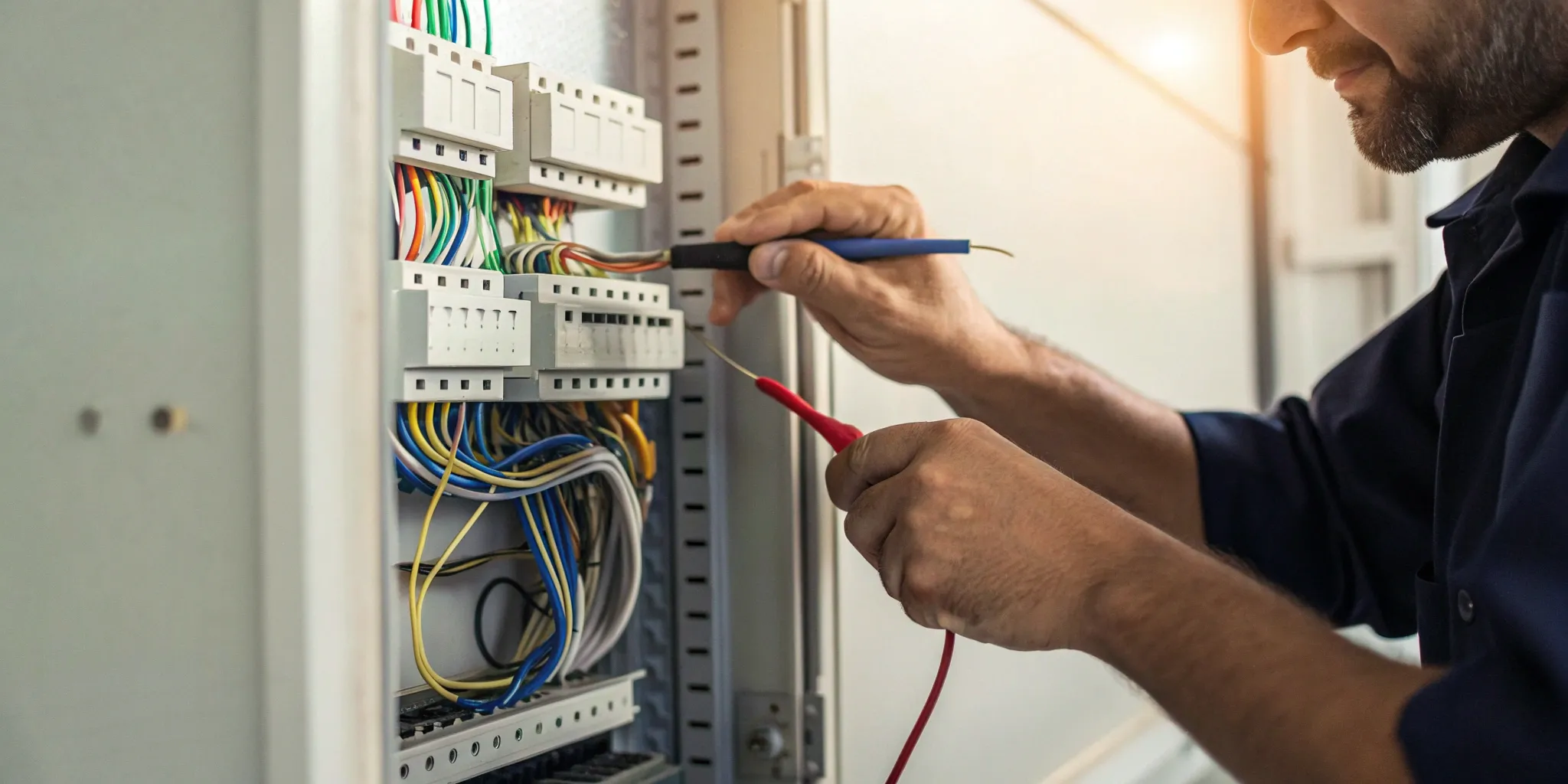
After shutting down the power and putting on PPE, the final confirmation of safety comes from testing. An electrician lives by the rule: “test before you touch.” Using a calibrated voltage tester or a multimeter, they will carefully check for any electrical current at the main lugs where power enters the panel. They don’t stop there; they also test individual circuit breakers to ensure no part of the panel is still live. This step is the ultimate verification that the power is off and the panel is safe to work on. It removes all guesswork and is a mandatory part of any professional residential electric service.
How a Professional Connects Your Main Power
Connecting your home to the main power grid is a job that demands precision, expertise, and an unwavering focus on safety. This isn’t just about flipping a switch; it’s about establishing the very heart of your home’s electrical system. A licensed electrician follows a meticulous process to ensure every connection is secure, compliant with local codes, and capable of handling your family’s power needs safely. This is the foundation that supports everything from your lights and appliances to the seamless operation of a whole-home generator during an outage.
Securing the Service Entrance Cables
The first physical step a professional takes is mounting the breaker box and bringing in the main power lines, known as service entrance cables. The electrician carefully positions the panel on the wall, ensures it’s perfectly level, and fastens it securely. This isn’t just for looks; a stable panel prevents wires from coming loose over time, which could create serious hazards. They then guide the thick service cables into the panel through protective clamps, preparing them for connection. This foundational work ensures the entire system has a secure and stable base for all future residential electric work.
Installing the Main Breaker
With the panel in place, the next crucial step is installing the main breaker. Think of this as the master control switch for all the electricity entering your home. A professional connects the two primary “hot” wires from the service entrance cable directly to this large breaker. This component is what allows you to shut off all power to the house at once. It’s also the central point where an automatic transfer switch for a Generac generator is integrated, enabling your home to switch from grid power to backup power automatically and safely when an outage occurs.
Establishing Ground and Neutral Connections
Finally, an electrician makes the most critical safety connections: the ground and neutral wires. The bare copper or green-sheathed “ground” wire is connected to the ground bar, and the white “neutral” wire connects to the neutral bar. These connections are essential for protecting your family from electric shock and your electronics from power surges. They provide a safe path for excess electricity to travel away from your home. Improperly wired ground and neutral connections are a common source of electrical problems, which is why professional electrician repairs are so important for maintaining a safe system.
Common (and Dangerous) DIY Installation Mistakes
While the satisfaction of a DIY project is undeniable, working on your home’s main electrical panel is one area where it’s best to leave the tools on the shelf. This isn’t like painting a room or assembling furniture; a single misstep can have serious consequences for your home and your family’s safety. Even if things seem to work initially, underlying issues can create hazards down the road.
Connecting a new appliance, upgrading service, or installing a standby generator all involve the main panel, and getting it wrong can lead to system failures or, worse, electrical fires. Let’s walk through some of the most common—and dangerous—mistakes that can happen when this complex job is attempted without professional expertise. Understanding the risks makes it clear why calling a licensed electrician is always the right choice.
The Risks of Improper Wiring
One of the most critical aspects of any electrical job is ensuring every wire is securely connected. Inside an electrical panel, a loose connection can cause a phenomenon called arcing, where electricity jumps across a small gap. This creates intense heat that can melt wire insulation and ignite surrounding materials, leading to a fire. It’s a silent hazard that you might not notice until it’s too late. Proper wiring ensures a steady, safe flow of electricity throughout your home, which is essential for everything from your lights to the reliable operation of your backup power system.
Choosing the Wrong Panel Size or Wire Gauge
Think of your electrical panel as the heart of your home’s power system. If it’s too small for your home’s needs, it will be constantly overworked. This leads to frequently tripped breakers and potential overloads that can damage your appliances and create a fire risk. Similarly, using a wire that’s too thin (the wrong gauge) for the circuit’s amperage is like trying to send a river of water through a tiny pipe—it will overheat and can become a serious hazard. A professional performs a detailed calculation to ensure your residential electric system, including the panel and wiring, is perfectly sized for your current and future power demands.
Overlooking Local Codes and Permits
Every township has specific electrical codes and permit requirements for a reason: to ensure all electrical work is performed safely. These regulations are not just bureaucratic red tape; they are safety standards based on decades of experience. Attempting a panel installation without the right permits can lead to major headaches, including fines, trouble selling your home, or even being required to tear out the unpermitted work. A licensed electrician is familiar with the local codes in your specific service area and handles the entire permitting and inspection process, giving you total peace of mind that the job is done right.
Should You Upgrade Your Panel?
Think of your electrical panel as the heart of your home’s electrical system. It takes the main power from the utility line and distributes it safely to all the different circuits in your house. But just like any other part of your home, it can become outdated or undersized for your current needs. An upgrade isn’t just about adding more circuits; it’s about ensuring your home can safely handle everything you plug into it, from your coffee maker to a new electric vehicle charger.
Many homeowners consider an upgrade when they’re planning a major renovation or adding a significant new appliance. For instance, installing a whole-home Generac generator often requires a modern panel that can accommodate an automatic transfer switch. A properly sized panel ensures a smooth, safe flow of electricity and gives you the capacity for future additions. If your panel is struggling to keep up, it’s not just an inconvenience—it’s a safety issue that needs your attention. A professional assessment can determine if your current panel is up to the task or if it’s time for a replacement.
Signs It’s Time for a Replacement
Your home often gives you clues when your electrical panel is overloaded. Do your circuit breakers trip frequently? Do your lights flicker or dim when a large appliance like the air conditioner kicks on? These are classic signs that your panel is straining to meet your home’s power demands. You might also notice a faint crackling sound from the panel or find that some outlets feel warm to the touch. These aren’t minor quirks; they are warnings. Ignoring them can increase the risk of electrical fires. If you’re experiencing any of these issues, it’s a good idea to schedule professional electrician repairs to get your system inspected.
When Your Home’s Power Demands Have Grown
Sometimes, the need for an upgrade is less about obvious problems and more about planning for the future. Life changes, and so do our power needs. Maybe you’ve added a home office with multiple computers, installed a hot tub, or are considering an EV charger. Major additions like these require more power than older panels were designed to handle. The National Electrical Code now often recommends a 200-amp service for modern homes to support energy-intensive systems. Upgrading your panel not only improves safety but also prepares your home for the future, potentially increasing its value. It’s a key step in any major residential electric project.
What to Know About Electrical Codes and Permits
Working with your home’s electrical system isn’t just a technical job—it’s a legal one, too. Electrical codes and permits are in place for one simple reason: to keep you and your property safe. Think of them as a rulebook and a permission slip that ensure all electrical work is done to the highest safety standards. A professional electrician doesn’t just know how to do the work; they know how to do it in a way that meets every local requirement, from pulling the right permits before starting to passing the final inspection. This process is a non-negotiable part of any major electrical project, including a panel hookup or a standby generator installation.
Meeting Local Compliance Standards
Electrical codes are a set of guidelines for electrical installations. The National Electrical Code (NEC) is the benchmark across the country, but your local town or county often has its own specific rules. As experts note, wiring a panel correctly is crucial for safety, as mistakes can lead to electric shocks, fires, or code violations. That’s why it’s so important to check with your local building department for any specific requirements in your area. A licensed electrician is always current on the codes for the communities they serve, whether you’re in Chester, Bucks, or another part of Southeastern PA. They handle the entire permitting process, submitting plans and paperwork to get the official go-ahead. This ensures your project is compliant from day one, avoiding potential fines or issues with your homeowner’s insurance.
The Inspection Process and Timeline
Once the electrical panel is installed, the work isn’t quite finished. A final, crucial step is the electrical inspection. An independent inspector from your local municipality will visit to review the installation and ensure every connection, wire, and component meets code. Professionals make this process smoother by documenting their work, often taking pictures at each step to provide a clear record for inspectors. Before the inspector arrives, your electrician will perform their own thorough checks, using tools like voltage testers to confirm everything is secure and safe. After the inspector gives their approval, the permit is officially “closed,” and you have a permanent record that the work was completed correctly. This final sign-off is your ultimate peace of mind, confirming your home’s electrical heart is safe, reliable, and fully compliant.
Why You Should Hire a Licensed Electrician
While the DIY spirit is great for many home projects, electrical work—especially involving your main panel or a generator—is in a league of its own. This isn’t just about getting the job done; it’s about ensuring the safety of your home and family. Hiring a licensed electrician provides peace of mind that the work is not only correct but also compliant with all safety codes. A professional has the training, tools, and experience to handle the complexities of your home’s electrical system, preventing dangerous mistakes that could lead to electrical shocks, fires, or damage to your expensive electronics and appliances. When you’re investing in something as important as a standby generator, you want the installation to be flawless from start to finish.
Qualifications That Matter
What’s the difference between a handyman who knows some wiring and a licensed electrician? The answer is proven expertise and accountability. A licensed professional has completed extensive training and passed rigorous exams to demonstrate their knowledge of the National Electrical Code and local regulations. Many, like our team, also pursue additional certifications to specialize in areas like Generac generator installation. Furthermore, licensed electricians are required to carry insurance. This is a critical safety net that protects you, the homeowner, from any liability in the rare event that something goes wrong during the installation or repair. It’s a layer of protection that ensures your investment is secure and the work is backed by a true professional.
Complex Scenarios That Demand an Expert
Connecting a generator to your main electrical panel is a perfect example of a job that requires an expert. This task involves much more than just connecting a few wires; it requires a deep understanding of electrical loads, circuit breakers, and transfer switches. A single mistake in wiring the panel can create a hazardous situation, risking back-feeding electricity to the grid or causing an electrical fire. A licensed electrician ensures that your Generac generator is integrated safely and correctly, so it works exactly as it should during a power outage. They handle all the complexities, from securing the right permits to ensuring the final installation passes inspection, guaranteeing a safe and reliable power source for years to come.
How Professionals Guarantee a Safe Panel Installation
When you’re investing in a major home system like a standby generator, the last thing you want is for your electrical panel to be the weak link. A professional installation isn’t just about getting the power on; it’s about a meticulous process that guarantees safety and reliability for years to come. Licensed electricians don’t cut corners. They follow a strict protocol that involves comprehensive testing before, during, and after the installation, ensuring every connection is solid and every circuit is safe. This methodical approach is what separates a professional job from a risky DIY attempt, where a single mistake can have serious consequences.
Beyond the immediate checks, a professional focuses on long-term performance and compliance. This means adhering to all local electrical codes, pulling the necessary permits, and using high-quality materials designed for the job. It’s this commitment to detail that protects your home from potential hazards like electrical fires and ensures your system can handle your power needs, especially when your Generac generator kicks on during an outage. By trusting an expert for your residential electrical needs, you’re not just getting a new panel; you’re getting the confidence that comes with a job done right, safeguarding your family and your investment for the long haul.
Advanced Testing and Verification
Before a single wire is touched, a professional electrician’s first priority is safety. They will shut off the main power from the utility company and then use a voltage tester to confirm there is no live current. This simple but critical step eliminates the risk of electric shock during the installation. Once the new panel is wired, the verification process continues. Every wire is checked to ensure it’s secure in its terminal, and special attention is paid to the neutral and ground connections. This thorough testing ensures that when the power is restored, it flows correctly and safely through your home’s new electrical heart.
Ensuring Long-Term Reliability and Compliance
A safe installation is one that stands the test of time. Professionals ensure long-term reliability by strictly following the National Electrical Code and all local regulations. Mistakes in wiring can lead to serious dangers down the road, including short circuits and electrical fires. A licensed electrician has the training to prevent these issues, ensuring every connection is sound and every circuit is protected. This adherence to code isn’t just about passing an inspection; it’s about providing a safe, dependable electrical system for your home. When you need electrician repairs or installations, choosing a qualified pro guarantees your system is built for lasting safety and performance.
Related Articles
- How Much to Replace an Electrical Panel in 2025?
- Electrician for Panel Upgrade: A Homeowner’s Guide
- What Is an Electric Panel? A Homeowner’s Guide
- How to Hire an Electrician for Electrical Panel Replacement
- How Much Is an Electrical Panel Upgrade? 2025 Costs
Frequently Asked Questions
What are some clear signs that my electrical panel needs to be upgraded? Your home will often give you hints when your panel is struggling. Frequent circuit breaker trips are a major red flag, as are lights that flicker or dim when a large appliance like your AC turns on. You should also consider an upgrade if you’re planning a major renovation or adding a high-power item like a hot tub or an EV charger. An older panel simply wasn’t designed for the demands of a modern home, and an upgrade ensures your system can handle the load safely.
Is it really that dangerous to work on my own electrical panel? Yes, it is one of the most hazardous DIY projects you could attempt. Even if you shut off the main breaker, the main lugs where power enters the panel from the utility line remain live and can deliver a fatal shock. Beyond the immediate danger, small mistakes like a loose wire connection can create a serious fire hazard inside your walls days or even weeks later. For the safety of your home and family, this is a job that should always be left to a licensed professional.
Why might I need a panel upgrade if I’m getting a whole-home generator? A whole-home generator works with an automatic transfer switch, which is the device that safely shifts your home’s power source from the grid to the generator during an outage. This switch needs to be integrated directly into your electrical system, and older or undersized panels often lack the physical space or capacity to accommodate it correctly. A panel upgrade ensures your entire system works together seamlessly and safely, so your generator can do its job reliably when you need it most.
What happens if I do electrical work without a permit? Skipping the permit process can lead to significant problems. First and foremost, it bypasses the official inspection that verifies the work was done safely and to code, putting your property at risk. If an issue arises, your homeowner’s insurance may deny a claim related to unpermitted work. Finally, it can create major complications when you try to sell your home, as unpermitted electrical work will be flagged during the buyer’s inspection.
What’s the first thing an electrician does to ensure safety before working on a panel? Before any work begins, a professional electrician’s top priority is to completely de-energize the panel. This involves more than just flipping the main breaker. They will shut off the power at the source and often use a special lock and tag on the switch to prevent it from being turned back on accidentally. After that, they use a voltage tester to confirm that no part of the panel is live. This methodical “test before you touch” approach removes all guesswork and is a critical step in every professional job.