Power outages are more than just an inconvenience; they disrupt your routine, threaten your home’s essential systems, and create a sense of vulnerability. A whole-home generator eliminates that stress entirely. It’s about knowing your family will stay warm, your food will stay fresh, and your life will continue uninterrupted, no matter what the weather brings. This peace of mind is the true value of a reliable backup power system. We’ll explore why Generac is the trusted name in home power and what you should consider when planning for an installation. Let’s get you prepared with the right standby generator in Skippack.
Key Takeaways
- Match the Generator to Your Home: Determine your specific power needs to select the right size generator, choose a fuel source like natural gas or propane, and ensure your system includes an automatic transfer switch for seamless, hands-off operation during an outage.
- A Quality Installation is Crucial: The performance and safety of your generator depend entirely on the installer. Partner with a certified, local expert who understands Skippack’s codes and provides reliable, long-term support and maintenance.
- Understand the Full Investment: A realistic budget includes the generator unit, professional installation, local permits, and future maintenance. Ask about financing options to make this important home upgrade more manageable.
Why Choose a Generac Generator in Skippack?
When you’re considering a standby generator, you want a solution that’s dependable, backed by experts, and built to handle our local weather. For homeowners in Skippack, a Generac generator checks all those boxes. It’s about more than just keeping the lights on; it’s about maintaining your comfort, security, and daily routine, no matter what’s happening outside. Choosing the right brand is the first step, and understanding why Generac is a leader in the industry can give you confidence in your investment. Paired with a trusted local installer, you get a complete power protection plan for your home.
The Generac Advantage
There’s a reason Generac is the leading name in home backup power. Their generators are designed for seamless, automatic operation. The moment an outage is detected, your Generac generator springs to life, typically within seconds, restoring power to your home without you having to lift a finger. This means your refrigerator stays cold, your HVAC system keeps running, and your essential electronics remain powered on. This level of reliability provides incredible peace of mind, knowing your home is protected whether you’re there or away. It’s a smart, hands-off solution that works when you need it most.
Expert Local Support from M.T. Ruhl
A great generator needs an expert installation and service team. As a certified Generac dealer, M.T. Ruhl provides the specialized knowledge needed for a perfect setup. We don’t just sell generators; we provide professional residential standby generator installation tailored to your home’s specific requirements. Our team understands the local codes and requirements in Skippack and Montgomery County, ensuring your installation is done right the first time. Having a local partner means you have accessible support for ongoing maintenance and any questions that come up, giving you a direct line to people who know your system inside and out.
Proven Reliability in Our Local Climate
Pennsylvania weather can be unpredictable, from summer thunderstorms that knock out power lines to winter ice storms that cause widespread outages. A Generac generator is built to withstand these harsh conditions and perform reliably when it matters most. For Skippack residents, this means no more worrying about spoiled food, frozen pipes, or being left in the dark during an extended outage. It’s a practical way to safeguard your family and property. With a dependable power source, you can ride out any storm comfortably and safely, knowing your home’s essential systems are fully operational.
Key Features to Look for in a Standby Generator
Once you’ve decided a standby generator is right for you, the next step is to figure out which model fits your needs. It’s about more than just picking a brand; it’s about matching the generator’s capabilities to your home and lifestyle. Thinking through a few key features will help you find the perfect system to keep your lights on and your family comfortable during an outage. From power capacity to fuel type, these details make all the difference in creating a reliable backup power plan.
Choosing the Right Size for Your Home
Sizing your generator correctly is the most important step in the process. Choosing a generator with enough power output to meet your home’s needs is crucial, especially if you run multiple appliances simultaneously. A unit that’s too small will struggle to power your essentials, while one that’s too large is an unnecessary expense. Do you want to power just the basics like your refrigerator, sump pump, and a few lights? Or do you need to run your entire home, including the air conditioner and other high-demand appliances? A professional assessment for a residential standby generator installation is the best way to calculate your specific power requirements and ensure you get exactly what you need.
Natural Gas vs. Propane: Which is Best?
Standby generators can run on natural gas or propane, and the choice between the two often depends on availability and personal preference. If your home is already connected to a natural gas line, that’s usually the most convenient and cost-effective option. You’ll have a continuous fuel supply without needing a storage tank. If you don’t have access to natural gas, liquid propane is an excellent alternative. It requires a large, refillable tank on your property, but it’s a reliable fuel source that can be installed almost anywhere. We can help you weigh the pros and cons of each to decide which fuel source works best for your Skippack home.
What is an Automatic Transfer Switch?
The secret to a seamless backup power experience is the automatic transfer switch (ATS). This smart device is the brain of your standby generator system. An automatic transfer switch detects a power outage and seamlessly switches to generator power, ensuring that your home remains powered without any manual intervention. When utility power returns, the ATS automatically switches back and shuts down the generator. This means you don’t have to be home to flip a switch or run extension cords in the dark. It’s the key feature that provides true peace of mind, knowing your home is protected 24/7.
Noise Levels and Weather-Proofing
Many people think home generators sound like a construction site, but modern units are much quieter than you’d expect. Generac models are designed with sound-dampening enclosures to keep noise levels low, often comparable to a central air conditioning unit. These enclosures also provide critical weather-proofing. Built to withstand Pennsylvania’s harsh winters and humid summers, they protect the internal components from rain, snow, and debris. Proper Generac maintenance ensures this protective casing remains in top condition, so your generator is always ready to perform when you need it most.
Budgeting for Your Generator Installation
Thinking about the cost of a standby generator is a lot like planning for any other major home improvement. It’s not just about the price tag on the unit itself; there are a few key components that make up the total investment. Creating a clear budget from the start is the best way to make the process feel manageable and ensure there are no surprises down the road. This isn’t just a purchase, it’s an investment in your family’s comfort and security, guaranteeing that life goes on uninterrupted, even when the power grid doesn’t cooperate. When the lights go out in the neighborhood, yours will stay on, keeping your food fresh, your home office running, and your family safe.
To build a realistic budget, you need to look at the full picture. This includes the generator unit that fits your home’s needs, the professional installation that connects it safely to your electrical system, any local permits required to meet safety codes, and the ongoing maintenance that will keep it running reliably for years. Each piece plays a critical role in the final outcome. By understanding these different costs ahead of time, you can plan effectively and move forward with confidence. Let’s walk through what you should account for when planning for your home’s energy independence.
The Cost of the Generator Unit
The first and most obvious part of your budget is the generator itself. The size of the generator you need is the biggest factor here, as its capacity determines what it can power during an outage. A smaller unit that covers just a few essential circuits, like your refrigerator and some lights, will have a different price point than a larger one designed to run your entire home. When you start planning for a residential standby generator installation, we’ll help you determine the right size for your specific needs. This initial investment is the foundation for keeping your home running smoothly, no matter the weather.
Factoring in Installation and Electrical Work
Beyond the generator, the installation process is a major part of the overall cost. This includes the professional labor to place the unit, connect the fuel lines, and integrate it with your home’s electrical system using an automatic transfer switch. Every home is different, so the complexity of the job can vary. Factors like the location of the generator and whether your home needs any electrical repairs or panel upgrades to handle the new system will influence the final cost. A thorough, on-site evaluation is the best way to get an accurate picture of the full scope of work required for a safe and effective installation.
Local Permits and Regulations
Another important consideration is the cost of local permits. Most townships and municipalities in our area require permits for generator installations to ensure everything is up to code and meets strict safety standards. This is a crucial step that protects you, your home, and your community. While it might seem like just another piece of paperwork, it’s a non-negotiable part of a professional installation. Working with a local installer who is familiar with the specific requirements in our service areas can make this process much smoother. We handle the filings to make sure your installation is fully compliant from the start, saving you potential headaches down the road.
Planning for Long-Term Maintenance
Finally, it’s smart to think about the long-term care of your generator. Just like your car, a generator needs regular check-ups to perform reliably when you need it most. These machines are designed to monitor your home’s power and turn on automatically within seconds of an outage, so you want to be sure they’re always ready to go. Planning for a Generac maintenance plan is a proactive way to protect your investment. Regular service extends the life of your generator and gives you complete confidence that it will be ready to perform flawlessly during the next storm or unexpected outage.
Finding the Right Installer in Skippack
Choosing the right standby generator is only half the battle; finding a skilled and trustworthy installer is just as important. The quality of the installation directly impacts your generator’s performance, safety, and longevity. You need a local expert who understands Skippack’s specific requirements and can provide reliable support long after the installation is complete. This is a significant investment in your home’s security, so let’s walk through how to find a partner you can count on.
Why M.T. Ruhl is the Trusted Choice
When you’re looking for an installer, you want a team with a proven track record. As a leading dealer for Generac generators, we have spent over 25 years building a reputation for trust and reliability right here in Montgomery County. Our expertise isn’t just in sales. We provide the full spectrum of services, from initial consultation and installation to ongoing maintenance and repairs. Our team is deeply familiar with local codes and what it takes to ensure your backup power system is set up for success. We’re not just a vendor; we’re your neighbors, committed to providing expert care for your home’s power needs.
What Makes a Great Service Provider?
A great service provider acts as your guide, not just a technician. They understand that a standby generator is a critical piece of equipment for keeping your family safe and comfortable during an outage. The best installers take the time to help you select the right unit by walking you through key factors like power output, fuel type, and placement. They should provide clear, upfront information and answer all your questions, ensuring you make an informed decision that fits your home’s specific needs. A proper residential standby generator installation is a detailed process, and a great partner makes it feel seamless and straightforward.
Questions to Ask Your Installer
Before you commit to an installer, it’s smart to come prepared with a few questions. This helps you gauge their expertise and understand the level of service you can expect. Start by asking about their experience with Generac installations in the Skippack area. You can also ask about the warranties they offer on both the equipment and their workmanship. A confident, experienced installer will have no problem providing clear answers. Feel free to ask about our team and our qualifications; transparency is a key sign of a company that stands behind its work and is dedicated to quality service.
Evaluating Service Response and Support
Your relationship with your installer shouldn’t end once the generator is running. What happens if you have an issue during a storm or need routine service? A reliable partner offers robust, long-term support. Look for a company that provides comprehensive Generac service and repair and a proactive maintenance plan to keep your unit in top condition. The availability of responsive support is what provides true peace of mind. Knowing you have a dedicated team ready to help ensures your generator will be ready to perform exactly when you need it most, protecting your home for years to come.
Financing and Installing Your Generator
A standby generator is a significant investment in your home’s safety and comfort, and it’s natural to have questions about how to budget for it and what the installation involves. The good news is that the process is more straightforward than you might think. With flexible payment options and a clear installation plan, you can get the peace of mind you deserve without the financial strain or logistical headaches. We’ll walk you through everything you need to know, from exploring financing to understanding what happens on installation day.
Exploring Generac Financing Options
You don’t have to pay for your generator all at once. To make this essential home upgrade more accessible, we offer flexible Generac financing options. Think of it like financing any other major home improvement, such as a new roof or HVAC system. These plans allow you to break down the total cost into manageable monthly payments that fit your budget. This way, you can protect your home and family from power outages immediately without having to wait until you’ve saved up the full amount. It’s a practical way to get security now and pay over time.
Payment Plans with Your Local Dealer
Working with a local dealer like M.T. Ruhl means you get a personalized experience from start to finish. We don’t just sell you a generator; we sit down with you to understand your needs and financial situation. Our team can walk you through the available payment plans and help you find one that makes sense for you. We believe in transparency, so we’ll explain the total cost, including the generator unit, installation, and any necessary electrical repairs or upgrades. It’s a partnership built on trust, ensuring you feel confident and informed every step of the way.
What to Expect During the Installation Process
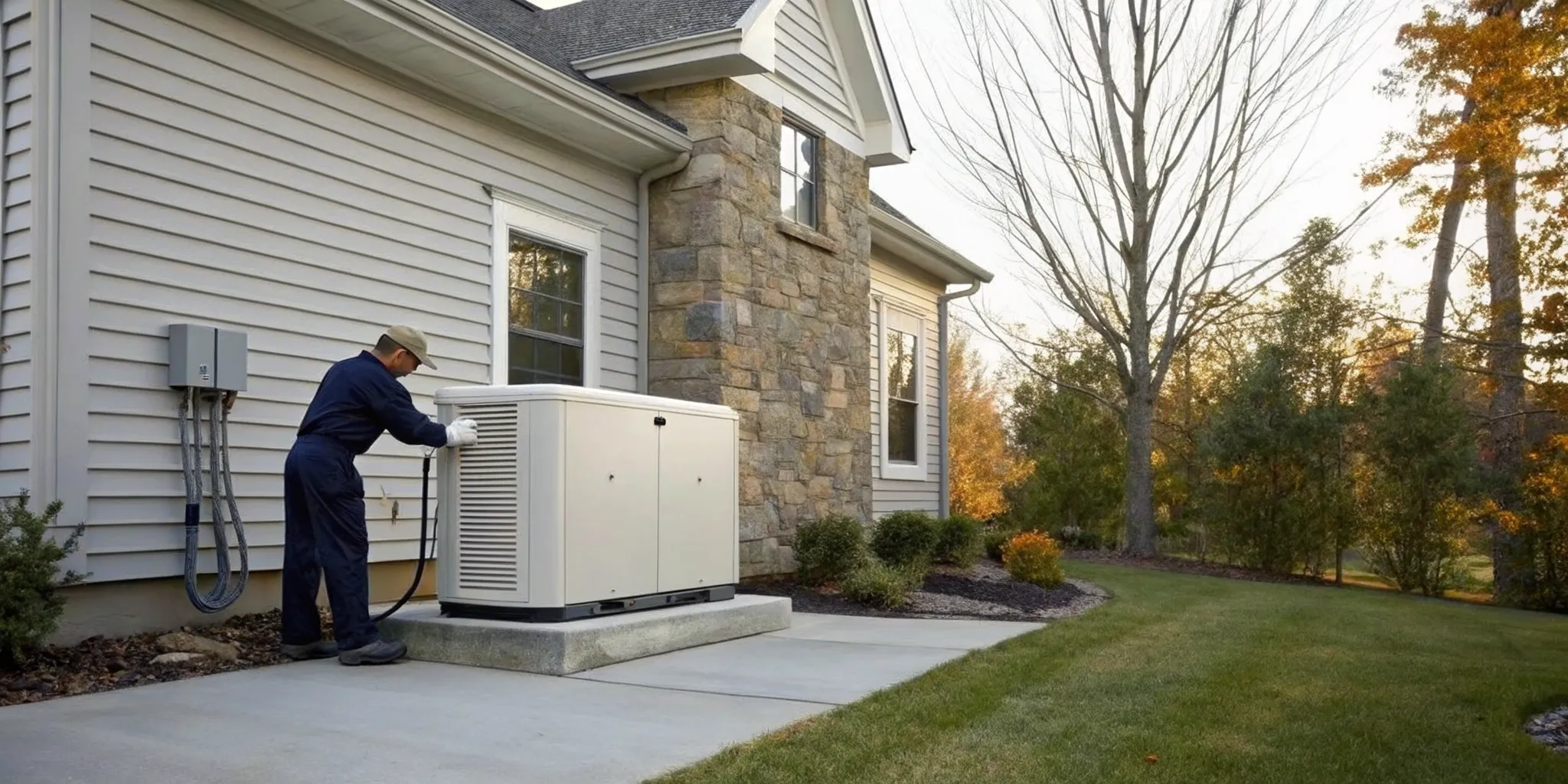
Our professional installation process is designed to be efficient and minimally disruptive. First, we’ll conduct a site assessment to find the perfect spot for your generator. Next, we prepare the area and set the generator on a solid base. The most important part is when our certified electricians connect the generator to your home’s electrical panel and fuel source, which includes installing the automatic transfer switch. This device is the brains of the operation, safely disconnecting you from the grid during an outage and switching to generator power. Finally, we test the entire system to ensure it’s ready for the real thing.
Does the Season Affect Installation?
This is a question we get all the time, and the simple answer is that we can perform a residential standby generator installation any time of year. Our crews are prepared to work in all seasons, whether it’s a hot summer day or a chilly winter morning. While extreme weather like a major snowstorm might cause a short delay for safety, things like cold temperatures or frozen ground typically don’t stop us. The most important thing is to not wait for the storm season to arrive. The best time to get a generator is before you actually need it, ensuring your home is protected no matter what the forecast holds.
Related Articles
- Top 5 24kW Generac Generator Benefits for 2026
- Whole House Generator Cost 2026: A Complete Guide
- Getting a Whole House Generator in SEPA: 8 Key Benefits | M.T. Ruhl
- Find the Best Generac Dealer in Montgomery County
- Generator Installation Chester County: A Complete Guide
Frequently Asked Questions
How long does a typical generator installation take? Most residential installations are completed within a single day. Our team handles everything from preparing the site and setting the generator to making the final electrical and fuel connections. If your project requires more extensive electrical work, like a panel upgrade, it might take a bit longer, but we will give you a clear timeline after our initial site assessment.
What exactly happens when the power goes out? The moment utility power is interrupted, your automatic transfer switch detects the problem. It immediately signals the generator to start up and, within seconds, safely switches your home’s electrical system over to generator power. The entire process is seamless and automatic, so your lights, appliances, and HVAC system will be back on before you even have to think about it.
Can a standby generator power my entire home? Yes, it absolutely can. We can install a generator large enough to power your whole house, including central air conditioning and other high-demand appliances. However, some homeowners prefer to only back up essential circuits like the refrigerator, sump pump, and key living areas. We’ll help you calculate your specific power needs to find the right size for your home and budget.
How often does my generator need maintenance? To keep your generator in top condition, we recommend professional service once a year. Much like a car engine, your generator’s engine needs regular attention, including an oil and filter change, to ensure it runs reliably. This annual check-up allows us to inspect all the components and make sure your system is ready for any outage.
Do I need to do anything to start the generator during an outage? No, you don’t have to do a thing. The system is designed to be completely hands-off. The automatic transfer switch manages the entire process for you, whether you are at home, at work, or on vacation. This provides true peace of mind, knowing your home is protected 24/7 without you needing to lift a finger.