If you’re considering a generator for your home, you know the goal is seamless, automatic power the moment an outage hits. That seamless experience is made possible by an automatic transfer switch. It’s the brain of your backup power system, and getting it installed correctly is essential. Many homeowners want to understand the full financial picture before committing, and a major part of that is the transfer switch installation cost. This isn’t a one-size-fits-all price. It’s a tailored cost based on your home’s specific needs, from the size of your electrical panel to the type of switch that’s right for you. Let’s explore what goes into the final number.
Key Takeaways
- A Transfer Switch is Your System’s Most Important Safety Feature: It’s a non-negotiable component that isolates your home from the grid during an outage. This prevents dangerous back-feeding and protects your electronics from power surges.
- Decide Between Automatic Convenience and Manual Control: An automatic switch provides seamless, “set-it-and-forget-it” power, which is ideal if you travel or need constant power for medical devices. A manual switch offers a reliable, budget-friendly option if you’re comfortable with a hands-on process.
- Plan for More Than Just the Switch Itself: Your total investment will include the switch, professional labor, and potentially a panel upgrade or permit fees. Getting a comprehensive quote from a qualified installer is the only way to understand the full scope and cost of your project.
What Is a Transfer Switch and Why Is It Essential for Your Generator?
Think of a transfer switch as the brain of your home’s backup power system. It’s a device that safely connects your generator to your home’s electrical panel, acting as a crucial bridge between the utility grid and your Generac generator. Its most important job is to ensure that your home is only drawing power from one source at a time—either the grid or your generator, but never both simultaneously. This function is what makes using a generator both safe and practical during an outage.
Without a transfer switch, you’d be relying on dangerous extension cords running through your house, powering only a few items at a time. A transfer switch integrates the generator directly into your home’s wiring. This might sound simple, but it’s a critical safety feature. Without it, electricity from your generator could travel back through the utility lines, a dangerous situation known as “back-feeding.” This can create a serious hazard for utility workers making repairs down the line and can also damage your home’s appliances and the generator itself. A professionally installed transfer switch completely eliminates this risk, making it an essential component for any generator setup. It’s not just an accessory; it’s the key to using your generator safely and effectively.
Keeping Your Home Safe and Up to Code
Beyond being a smart safety measure, installing a transfer switch is often a legal requirement. The National Electric Code (NEC) and local regulations mandate their use to ensure every installation is safe for both the homeowner and the community. This code exists to prevent the dangerous back-feeding we just talked about, protecting utility workers who are working to restore your power.
A transfer switch also protects your valuable electronics and appliances. When the power from the grid finally comes back on, a transfer switch ensures a smooth and safe transition, preventing a sudden surge that could fry your computers, TVs, and kitchen appliances. Investing in a proper residential standby generator installation with a transfer switch is an investment in the safety of your home and the longevity of everything in it.
How a Transfer Switch Seamlessly Powers Your Home
Transfer switches come in two main types: automatic and manual, and the one you choose determines how you’ll interact with your generator during an outage. An automatic transfer switch (ATS) offers a completely hands-off experience. It constantly monitors the power from the utility. The moment it detects an outage, it automatically disconnects your home from the grid, starts your generator, and switches your home’s power over. When the grid power is restored, it reverses the process seamlessly.
A manual transfer switch, on the other hand, requires you to do the work. When the power goes out, you’ll need to go to the switch and manually flip it from “Line” to “Generator” power. While it’s a more hands-on approach, it provides direct control. Both types ensure your home is powered safely, but an automatic switch provides the ultimate convenience and peace of mind.
Automatic vs. Manual: Choosing Your Transfer Switch
When you invest in a generator, the transfer switch is the unsung hero of the system. It’s the component that safely connects the generator to your home’s electrical panel, allowing you to power essential circuits during an outage. Think of it as the bridge that directs the flow of electricity, ensuring power from your generator never back-feeds into the utility lines—a critical safety measure that protects utility workers.
One of the most important decisions you’ll make during your generator installation is choosing between an automatic and a manual transfer switch. Each type has its own set of benefits, and the right one for you depends entirely on your budget, lifestyle, and how you want to manage your home during a power outage. Let’s break down the key differences to help you decide which path is the best fit for your home and family.
The Hands-Off Convenience of an Automatic Switch
An automatic transfer switch (ATS) is the ultimate set-it-and-forget-it solution. When the power from the utility grid goes out, the ATS senses the interruption, automatically starts your generator, and seamlessly transfers your home’s electrical load to generator power. You don’t have to lift a finger. This is a huge advantage if you travel frequently, have young children, or rely on electricity for medical equipment. The transition is so smooth, you might not even notice the power was out. This peace of mind and convenience is why an ATS is the standard for most whole-home standby generator systems.
The Hands-On Control of a Manual Switch
A manual transfer switch offers a more hands-on, budget-friendly approach. When the power goes out, you are in control. You’ll need to start your generator, go to the transfer switch, and physically flip a series of switches to move your home from utility to generator power. While it requires a few extra steps, it’s a safe and reliable way to power your home’s essential circuits. This option is a great fit for homeowners who are usually home during outages and are comfortable with the manual process in exchange for a lower upfront installation cost.
Which Type Is Right for Your Home?
So, how do you choose? Start by thinking about your priorities. Is seamless, automatic operation a must-have, or are you comfortable with a manual process to save on initial costs? Consider your lifestyle: Are you often away from home? An automatic switch ensures your home stays protected. Do you have medical devices that need uninterrupted power? An ATS provides the fastest transition. The best choice ultimately comes down to balancing convenience with your budget. A professional can assess your home’s electrical setup and help you weigh the pros and cons for your specific situation.
What Factors Influence the Installation Price?
When you’re planning for a generator transfer switch, it’s helpful to know that the installation isn’t a one-price-fits-all situation. Think of it like a custom project for your home—the final cost depends on your specific needs and your property’s unique setup. Several key elements come together to determine the total investment.
Understanding these factors will help you see the full picture and make informed decisions. From the type of switch you choose to the current state of your home’s electrical system, each piece plays a role. We’ll walk through the main variables so you know exactly what to expect and can feel confident as you move forward with your project.
The Complexity of the Job
Not all installations are created equal. The biggest factor in the complexity of the job is the type of transfer switch you choose—manual or automatic. A manual switch requires less intricate wiring, as you’ll be the one physically flipping the switch during an outage. An automatic switch, on the other hand, involves more complex connections to your home’s electrical system so it can sense a power loss and switch over on its own. This added convenience means a more involved installation process, which can influence the final price.
Your Home’s Current Electrical Setup
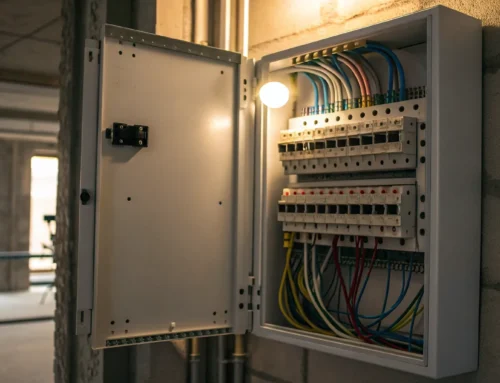
Your home’s existing electrical system is a major piece of the puzzle. During an initial assessment, a qualified electrician will look at your main electrical panel to see if it can handle the new load. If your panel is outdated, too small, or already full, it may need to be upgraded to safely support the generator. This is a crucial step for ensuring your entire residential electric system is safe and up to code. Any necessary upgrades to your panel or wiring will be factored into the overall project scope and cost.
Local Permits and Inspections
To ensure everything is installed safely and correctly, most townships in Southeastern Pennsylvania require permits for this type of electrical work. Obtaining a permit involves submitting plans for approval and scheduling inspections once the work is complete. While this is a standard part of the process, permit fees add to the total cost. This step is non-negotiable, as it guarantees that your residential standby generator installation meets all local safety regulations, protecting your home and family. A professional installer will handle the entire permitting process for you.
The Power Needs of Your Home
What do you want to keep running when the power goes out? The answer to this question directly impacts the type and size of the transfer switch you’ll need. If you only want to power essential circuits—like your refrigerator, a few lights, and the furnace—you’ll need a smaller switch. If you’re aiming to power your entire home for seamless comfort, you’ll need a larger, whole-house transfer switch. Determining your specific power needs is a key first step, as it dictates the equipment required for the job.
Breaking Down the Investment in a Transfer Switch
When you’re planning for a generator, the transfer switch is a critical piece of the puzzle, and its cost is a significant part of the overall budget. The final price tag isn’t just about the switch itself; it’s a combination of the equipment, the complexity of the installation, and your home’s specific electrical needs. Think of it like this: the switch is the main ingredient, but the labor, additional materials, and any necessary electrical adjustments are the other key components that make up the final recipe.
Understanding these different cost factors helps you see the full picture. The type of switch you select—automatic or manual—is the first major decision that will influence the price. From there, the specifics of your home’s electrical panel and the amount of wiring required will also play a role. We’ll walk through each of these elements so you can get a clearer idea of what goes into the cost of a professional, safe, and code-compliant transfer switch installation. This way, you can feel confident and prepared as you move forward with your home power plan.
How Your Switch Choice Affects the Final Price
The single biggest factor influencing your installation cost is whether you choose a manual or an automatic transfer switch. A manual switch requires you to physically flip a lever to change your home’s power source from the grid to your generator. Because it’s a simpler device with less complex wiring, the installation is typically more straightforward and less expensive.
On the other hand, an automatic transfer switch does all the work for you, sensing a power outage and switching to generator power within seconds. This convenience comes from more sophisticated technology and a more involved installation process, which is reflected in the higher price. The choice really comes down to balancing your budget with the level of convenience you want during an outage.
Factoring in Equipment and Materials
Beyond the labor, the cost of the physical equipment and materials is a key part of your total investment. The transfer switch itself can vary in price depending on its brand, amperage, and whether it’s manual or automatic. A higher-amperage switch needed for a larger home with more power demands will naturally cost more than a smaller one.
Additionally, a professional installation includes all the necessary components to connect the switch safely to your electrical panel and generator. This includes heavy-gauge wiring, conduit to protect the wiring, and new circuit breakers. When you receive a quote from a qualified electrician, it should account for all these materials, ensuring there are no surprises along the way.
What to Expect in Southeastern Pennsylvania
Here in Southeastern Pennsylvania, installation costs can have a wide range. The final price depends heavily on the specifics of your home and its existing electrical system. For example, an older home in Chester County might require more extensive wiring updates than a newer build in Bucks County, which would affect the total cost.
The layout of your home, the location of your electrical panel, and the distance to your generator all play a role. Because every home is unique, the best way to get an accurate figure is to have a licensed electrician assess your property. This ensures the quote is tailored to your exact needs and covers all the requirements for a safe installation in our local service areas.
Beyond the Switch: Other Potential Costs to Consider
When you’re planning for a generator, the transfer switch is a major part of the conversation, but it’s not the only piece of the puzzle. The total investment for a safe and reliable installation often includes a few other elements related to your home’s existing electrical system. Think of it like this: your generator is the new engine, the transfer switch is the transmission, and your home’s electrical panel is the highway they both need to run on. If that highway has potholes or isn’t wide enough, it needs some work before you can start driving.
This is why a simple quote for a switch doesn’t always tell the whole story. Your home’s unique electrical DNA plays a huge role in the final project scope. Understanding these potential additional costs upfront helps you create a realistic budget and ensures there are no surprises on installation day. A thorough home assessment from a qualified electrician is the best way to know exactly what your specific project will require. We’ll walk you through the most common additional services that might be needed to get your home ready for seamless backup power, from minor wiring adjustments to major panel upgrades. This way, you can feel confident about every aspect of your investment in home power reliability.
Necessary Electrical Upgrades
Sometimes, installing a transfer switch brings to light the need for other electrical updates. This is especially common in older homes where the electrical system wasn’t designed for the demands of modern technology, let alone a whole-home generator. For the system to work safely and efficiently, your home’s wiring must be up to code and capable of handling the new equipment.
These necessary electrician repairs could include installing a new subpanel to create more space for circuits or replacing an old circuit breaker. These aren’t just add-on costs; they are essential upgrades that protect your home, your new generator, and your family. A professional installer will identify these needs during your initial consultation.
Permit and Inspection Fees
A whole-home generator installation is a significant electrical project, and just like any major home improvement, it typically requires permits from your local municipality. This ensures the work is done correctly and meets all safety codes. The cost for these permits can vary depending on where you live in Southeastern Pennsylvania, but they are a standard part of the process.
These fees are paid directly to your local government to cover the cost of reviewing the plans and performing a final inspection once the work is complete. While it might seem like just another line item, this step is your assurance that the installation is safe, compliant, and properly documented—an important factor for both your peace of mind and your home’s resale value.
The Possibility of a Panel Upgrade
Your home’s main electrical panel is the heart of its electrical system, directing power to every outlet and appliance. If your panel is already full or too old to safely support the new circuits for a generator, a panel upgrade will be necessary. This is one of the more significant potential costs, but it’s also a major investment in your home’s overall electrical health.
A modern panel not only provides the capacity needed for your Generac generator installation but also improves the safety and reliability of your entire electrical system. It can even prepare your home for future additions like an EV charger or a hot tub. Our team will assess your panel’s condition and capacity to determine if an upgrade is needed for your project.
What to Expect on Installation Day
Knowing what happens on installation day can make the entire process feel much smoother. When you work with a professional team, you can expect a well-organized and efficient experience from start to finish. Our goal is to get your new generator and transfer switch set up with minimal disruption to your day, ensuring everything is safe, secure, and ready for the next power outage.
The process typically involves three main stages: a pre-installation assessment to confirm all the details, the installation itself, and a final round of testing to make sure everything works exactly as it should. Our certified technicians handle every step, from preparing the site and running the necessary electrical lines to connecting the transfer switch to your home’s main panel. We’ll also make sure the area is clean and tidy before we leave. You can sit back and relax, knowing that your home’s power is in capable hands.
The Initial Home Assessment
Before we begin the installation, our team conducts a thorough home assessment. This isn’t just a quick look-around; it’s a crucial step to ensure your residential standby generator installation is perfectly tailored to your home. We verify the placement of the generator, plan the route for the electrical and fuel lines, and confirm that the entire setup will meet all local codes and safety standards. This initial check helps us anticipate any challenges and ensures the rest of the installation goes off without a hitch. It’s all about setting the stage for a safe and reliable system.
How Long Does Installation Take?
Most standard transfer switch and generator installations can be completed in a single day, often within just a few hours. The exact timeline depends on the complexity of your home’s electrical system and the specifics of the installation. For example, a straightforward setup will naturally be quicker than one requiring more intricate wiring or adjustments to your electrical panel. Our technicians work efficiently and respectfully, aiming to complete the job with as little interruption to your routine as possible. We’ll give you a clear time estimate beforehand so you know exactly what to expect.
Final Testing and Future Maintenance
Once the installation is complete, we don’t just pack up and leave. The final and most important step is to test the entire system. We simulate a power outage to ensure the generator kicks on and the transfer switch works seamlessly to power your selected circuits. We’ll also walk you through the system, showing you how it operates and answering any questions you have. To keep your generator ready for action year after year, we always recommend a Generac maintenance plan. Regular check-ups ensure your investment remains reliable for years to come.
Exploring Transfer Switch Brands and Features
When you’re investing in a generator system, the transfer switch is a critical component, not an afterthought. The brand and features you choose will directly impact how reliably and efficiently your home transitions to backup power during an outage. Think of it as the brain of your backup power system, making sure everything happens automatically and safely. Different switches offer various levels of automation, power management, and smart technology, so understanding these differences is key to selecting a system that not only works but works perfectly for your specific needs.
As a certified Generac dealer, we’ve seen firsthand how quality engineering makes a difference in performance and peace of mind. A well-designed transfer switch does more than just flip a switch; it intelligently manages your home’s power, protects your sensitive electronics, and ensures a seamless experience when the lights go out. It’s the piece that connects your generator to your home’s electrical panel, and getting it right is non-negotiable for a safe, code-compliant setup. Let’s look at why we consistently recommend Generac generators and their transfer switches, and what features you should be looking for.
Why We Trust Generac Transfer Switches
Generac has earned its reputation as a leader in the backup power market for a reason: reliability. Their automatic transfer switches (ATS) are engineered to be the vigilant gatekeeper of your home’s power supply. The moment a power outage is detected, a Generac ATS springs into action, signaling the generator to start and transferring the electrical load in a matter of seconds. This rapid response ensures your essential appliances—like your refrigerator, HVAC system, and medical equipment—remain operational without interruption. This level of dependability is why so many homeowners and businesses in our community trust Generac for their residential standby generator installation.
Key Features That Impact Performance
Modern transfer switches are more than just on/off devices; they’re smart. Generac transfer switches come equipped with advanced features that actively manage your home’s power. A standout capability is load-shedding, which allows the switch to prioritize power distribution during an outage. It intelligently directs power to essential circuits first, preventing the generator from becoming overloaded. This adaptability is crucial for maintaining the function of your most critical systems without needing a larger, more expensive generator. This smart management ensures a smooth, seamless transition between utility and generator power, protecting your home and your equipment.
Matching the Switch to Your Generator’s Capacity
Choosing the right transfer switch isn’t a one-size-fits-all decision. It’s essential to match the switch to your generator’s power capacity to ensure safety and optimal performance. Generac offers a wide range of transfer switches designed to handle various electrical loads, with options available to manage different amperage requirements. This flexibility allows us to select a switch that perfectly aligns with your home’s specific power needs. Many models also come pre-wired, which helps streamline the installation process. Proper pairing of your switch and generator is fundamental to a reliable system and helps prevent the need for future generator service and repair.
Smart Ways to Manage Your Installation Budget
Investing in a generator and transfer switch is a big decision for your home’s security, but it doesn’t have to be a stressful one for your wallet. With a bit of thoughtful planning, you can make choices that align with both your family’s needs and your financial comfort zone. The key is to understand all the components that make up the final cost and know where you have flexibility. It’s not just about the price tag on the switch itself; it’s about the complete installation picture. From choosing the right equipment to exploring different payment options, thinking through your budget ahead of time ensures you get the reliable backup power you need without any surprises down the road. It’s all about making informed decisions that give you peace of mind, both during a power outage and when you get the final bill.
The Importance of a Professional Quote
Getting a detailed, professional quote is the most important first step you can take. This isn’t just about getting a number; it’s about getting a comprehensive plan from an expert. A qualified generator installer will assess your home’s specific electrical system, listen to your power needs, and identify any potential challenges upfront. This professional evaluation ensures your installation will be safe, efficient, and compliant with all local codes, preventing dangerous electrical issues down the road. An accurate quote provides a clear roadmap for the entire project, so you know exactly what to expect and can budget accordingly from the very beginning without worrying about hidden costs.
Weighing Your Switch Options
One of the most significant decisions that will influence your budget is the type of transfer switch you choose. As we’ve covered, automatic transfer switches offer incredible convenience, while manual switches provide hands-on control at a lower price point. Understanding the installation cost difference between these two options is crucial for managing your budget. If you prioritize seamless, automatic power restoration, the investment in an automatic switch is well worth it. However, if you’re comfortable with a more hands-on approach and are looking for a more budget-friendly solution, a manual switch is an excellent and reliable choice. This is a key area where you can tailor the project to fit your finances.
Exploring Financing and Rebate Opportunities
Beyond the switch itself, other costs like permits or potential electrical panel upgrades can factor into the total investment. A thorough quote will identify these needs, but it’s smart to plan for them. To make the project more manageable, look into available financing options, which can help spread the cost over time into predictable monthly payments. It’s also worth checking for any local or manufacturer rebates that might be available for energy-efficient home upgrades. Being proactive about these possibilities can significantly ease the financial side of the installation, making it easier to get the reliable backup power system your home deserves.
Finding the Right Partner for Your Installation
Choosing the right transfer switch is only half the battle; finding the right team to install it is just as critical. The quality of the installation directly impacts the safety and reliability of your entire generator system. This isn’t a weekend DIY project—it’s a complex electrical job that requires a skilled professional to ensure everything works perfectly when you need it most. A great partner will not only install your equipment correctly but also give you peace of mind knowing your home and family are protected.
What Makes an Installer Qualified?
When you’re looking for an installer, you need a licensed and experienced professional. This means hiring a certified electrician or a specialized Generac generator installer who understands the specific demands of these systems. A qualified expert ensures your installation is safe and meets all local electrical codes. They have the training to prevent serious hazards like backfeeding, which happens when a generator sends power back to the utility lines, endangering utility workers. Their expertise protects your home’s electrical system, your appliances, and everyone involved.
Key Questions to Ask Your Electrician
Before you commit, it’s smart to have a conversation with a potential installer to gauge their experience and professionalism. Think of it as a mini-interview to make sure you’re comfortable with who will be working in your home. Here are a few essential questions to ask:
- Are you licensed and insured? This is non-negotiable. It protects you from liability and ensures the technician meets state and local standards.
- How many transfer switch installations have you completed? Experience matters. You want a team that has done this many times before.
- Can you provide a few references? Hearing from past customers is a great way to verify the quality of their work and customer service.
- Will you handle the necessary permits and inspections? A professional installer should manage the entire permitting process, making your life easier.
Ensuring a Safe, Code-Compliant Installation
A safe installation is one that strictly follows local and national electrical codes. A licensed electrician is your best bet for getting this done right. They are familiar with the specific regulations in Southeastern Pennsylvania and will secure the required permits for the job. This step is vital for ensuring your system is not only safe but also fully compliant, which can be important for homeowner’s insurance. Attempting to install a transfer switch yourself is incredibly dangerous due to the high-voltage electricity involved. Trusting a professional with your electrical repairs and installations is always the safest choice.
Related Articles
- Electrical Panel Board Layout: A Pro’s Guide
- Home Electrical Reticulation: A Complete Guide
- Step-by-Step Electrical Junction Box Installation Video
- Extending Electrical Wiring: A Step-by-Step Guide
Frequently Asked Questions
Do I really need a transfer switch? Can’t I just use heavy-duty extension cords? While running extension cords might seem like a simple fix, it’s an unsafe and impractical way to power your home. A transfer switch is the only method that safely and directly connects the generator to your home’s electrical panel. This completely prevents dangerous “back-feeding,” which can harm utility workers and damage your appliances. It’s not just an accessory; it’s a required safety component that protects your home, your generator, and your family.
How do I choose between an automatic and a manual transfer switch? The best choice really comes down to your lifestyle and priorities. An automatic switch offers complete peace of mind; it senses an outage and switches your home to generator power for you, which is ideal if you travel often or have medical equipment that needs constant power. A manual switch gives you direct control and is a more budget-friendly option, making it a great fit if you’re typically home during outages and are comfortable with the hands-on process.
Can a transfer switch power my entire home during an outage? Yes, it absolutely can. To power everything in your home without interruption, you would need a whole-house transfer switch paired with a generator that has enough capacity to handle the entire electrical load. The alternative is to install a smaller switch that directs power only to essential circuits you’ve pre-selected, like your refrigerator, furnace, and a few lights. A professional can help you determine which approach best fits your needs.
What if my home’s electrical panel is old or already full? This is a very common situation, especially in some of the beautiful older homes in our area. During an initial consultation, a qualified electrician will assess your panel. If it’s outdated or lacks the space for new circuits, an upgrade may be necessary. Think of this as an important investment in your home’s overall electrical safety, ensuring it can handle both the generator and your modern power needs.
How long will the installation take, and will my power be out the whole time? A standard installation is surprisingly efficient and is typically completed in a single day. Your home’s main power will only need to be turned off for a portion of that time while the technician makes the final, safe connection to your electrical panel. A professional installer will communicate the timeline clearly so you know exactly what to expect and can plan your day with minimal disruption.