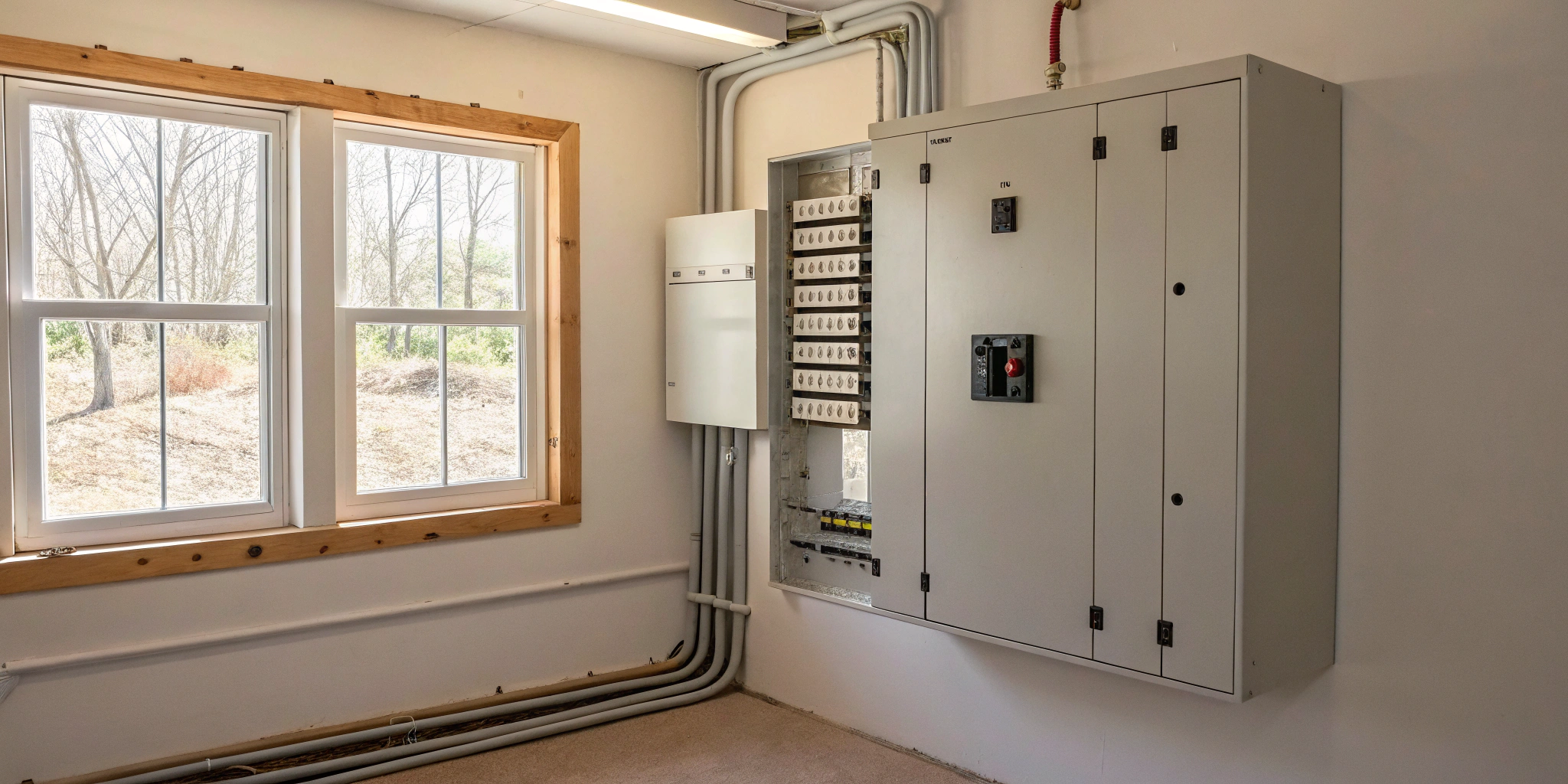
Your electrical panel is the heart of your home’s power, but it can also be a huge hazard. The biggest danger isn’t just a shock—it’s an event called an arc flash, a violent electrical explosion. Thankfully, one of the simplest safety measures is following the official electrical panel clearance requirements. This rule creates a mandatory safety zone, giving a technician room to work and, more importantly, a path to retreat in an emergency. Storing boxes or shelves in this space creates a dangerous obstacle course, turning a routine service call into a life-threatening situation.
Key Takeaways
- Respect the Workspace: Your electrical panel requires a dedicated “keep clear” zone measuring at least 3 feet deep, 30 inches wide, and 6.5 feet high. This space is non-negotiable and must be free of all storage and obstructions.
- Clear Access Prevents Crises: An obstructed panel is a serious hazard that can delay emergency response, increase the risk of fire or arc flash, and lead to code violations or denied insurance claims. Keeping it clear is a critical safety measure.
- Make Clearance a Habit: Designate the required space with floor markings and make regular checks part of your routine. For generator panels and new installations, always rely on a professional to ensure placement meets all safety codes from the start.
What Does Electrical Panel Clearance Mean?
Think of your electrical panel as the heart of your home or business’s electrical system. It’s the central hub where all the circuits meet. Just like you wouldn’t block access to a main doorway, you shouldn’t block the area around this critical piece of equipment. Electrical panel clearance is simply the required amount of open space that must be maintained around your panel. This isn’t about keeping your basement tidy; it’s a fundamental safety rule.
This dedicated area, often called the “working space,” ensures that a qualified electrician can safely access, inspect, and perform electrician repairs without being cramped or put in a dangerous position. Whether they’re troubleshooting a tripped breaker, performing routine maintenance, or connecting a new appliance, they need room to work without obstruction. This is especially crucial during the installation of major equipment like a Generac generator, which integrates directly with your main panel. Having clear, immediate access is non-negotiable for safety and efficiency. The rules are there to protect both the technician and your property from potential electrical hazards.
What Do NEC and OSHA Say?
When it comes to electrical safety, two major players set the rules: the National Electrical Code (NEC) and the Occupational Safety and Health Administration (OSHA). The NEC provides the foundational standards for safe electrical installation that electricians across the country follow. For example, the NEC is what specifies that there must be at least 36 inches of clear space in front of an electrical panel.
OSHA, on the other hand, focuses on workplace safety. Its guidelines ensure that employees have a safe environment, which includes proper clearance around electrical equipment to prevent accidents. While OSHA’s rules are mandatory for businesses, the principles behind them are just as important for homeowners. Following these established standards is the best way to ensure your system is safe for everyone.
What Counts as “Working Space”?
The “working space” isn’t just the floor area; it’s a three-dimensional zone. According to NEC standards, this space must be at least 30 inches wide (or the width of the panel, if it’s wider) and extend 36 inches deep, straight out from the front of the panel. This clearance must also extend from the floor to the ceiling, creating a clear rectangular box that cannot be used for storage.
Why so specific? This space gives an electrician enough room to maneuver and, in a worst-case scenario, to fall back and away from the panel if an arc flash or shock occurs. It’s a life-saving buffer zone. That means no shelves, storage bins, water heaters, or other equipment can be placed within this designated area.
Why Does Electrical Panel Clearance Matter?
It’s easy to let that space in front of your electrical panel become a default storage spot for boxes, shelves, or cleaning supplies. Out of sight, out of mind, right? But keeping that area clear is one of the most important things you can do for the safety and functionality of your home or business’s electrical system. This designated “working space” isn’t just a suggestion—it’s a requirement that has serious implications for safety and compliance. Proper clearance isn’t just about following a rule; it’s about preventing accidents, staying compliant with legal codes, and guaranteeing that help can arrive quickly when you need it most. Think about it: during a power outage, the last thing you want is an obstacle course between you and your generator’s transfer switch or main breaker. Whether you’re dealing with a simple tripped circuit or need a technician to perform routine Generac maintenance, unobstructed access to your panel is non-negotiable. This simple practice protects your property, your family or employees, and the technicians who service your equipment. Let’s break down exactly why this space is so critical for every property owner.
Keeping Your Space Safe from Arc Flash
The most important reason to maintain clearance is safety. When an electrical panel is blocked, it creates a hazardous environment for anyone who needs to access it. Technicians require adequate room to work without being cramped, which reduces the risk of accidental contact with live wires. More seriously, a lack of space can increase the danger of an arc flash—a dangerous explosion of electrical energy that can cause severe injury or even death. Storing flammable or combustible items near the panel also creates a significant fire risk. Keeping the area clear is a simple step that protects your property and, more importantly, the people inside it.
Meeting Code and Avoiding Fines
Beyond the immediate safety concerns, there are strict codes that dictate the amount of space required around electrical panels. Organizations like the National Fire Protection Association (NFPA) and the Occupational Safety and Health Administration (OSHA) have established these rules to create a universal standard for safety. For homeowners, following these codes is essential for passing inspections and ensuring your home is safe. For business owners, non-compliance can lead to fines and legal trouble. Adhering to these regulations ensures that your electrical system, including your commercial generator installation, is set up correctly and safely from day one.
The Financial Impact of Electrical Downtime
For a business, an unexpected power outage isn’t just an inconvenience—it’s a direct hit to the bottom line. An industrial facility can lose thousands of dollars for every hour of a shutdown. Now, imagine that outage is prolonged simply because a technician can’t safely access your electrical panel. A blocked panel can turn a quick fix into a lengthy and expensive delay, as every minute spent clearing a path is another minute of lost productivity. While homeowners might not measure losses in the thousands per hour, the costs are still real—from spoiled groceries to the inability to work from home. An obstructed panel can also delay critical generator service and repair, leaving your backup power system useless when you need it most. Ultimately, ignoring clearance rules doesn’t just risk safety; it invites unnecessary financial strain through prolonged downtime and potential compliance penalties.
Clear a Path for Maintenance and Emergencies
Imagine the power goes out during a storm and you can’t get to your panel to reset a breaker because it’s blocked by a heavy cabinet. Or worse, a technician arrives for an emergency electrician repair and has to waste precious time clearing the area before they can even start working. Quick and easy access is crucial for both routine maintenance and urgent situations. When our team comes to service your Generac generator, we need clear access to the panel to do our job safely and efficiently. A clear path ensures we can diagnose issues, perform repairs, and get your power back on without unnecessary delays.
Protecting Technicians During Hands-On Work
When a professional comes to your property to work on your electrical system, their safety is the top priority. That required clearance around your panel is designed specifically to protect them. The National Electrical Code (NEC) mandates a “working space” that is at least 36 inches deep, 30 inches wide, and extends from the floor to the ceiling. This isn’t just about giving them elbow room; it’s a critical safety buffer. This three-dimensional zone ensures that when a technician is performing routine Generac maintenance or troubleshooting an issue, they have the space to work carefully and deliberately, without being forced into an awkward or dangerous position by nearby storage.
This designated space dramatically reduces the risk of accidental contact with live components, but more importantly, it provides a vital escape route. In the rare but catastrophic event of an arc flash—a violent explosion of electrical energy—that open area allows a technician to retreat quickly and safely. If the space is cluttered with boxes, shelves, or other equipment, they are effectively trapped, turning a dangerous situation into a potentially fatal one. By simply keeping this area clear, you are providing a safe work environment for the professionals who help keep your home and business powered, whether they’re there for a simple electrician repair or a major installation.
What Are the Minimum Clearance Requirements?
When it comes to your electrical panel, space is not just a matter of convenience—it’s a critical safety requirement. Think of it as a non-negotiable “keep clear” zone. These rules, outlined in the National Electrical Code (NEC), ensure that you or a technician can safely access the panel for routine maintenance, emergency repairs, or to operate your generator’s transfer switch.
Understanding these minimums is the first step to keeping your home or business safe and compliant. Let’s break down exactly what that space looks like and why it’s so important, especially when you have a generator system in place.
The 3-Foot Rule: Your Go-To Guideline
The most fundamental guideline is what’s often called the “3-foot rule.” This means you must have a clear space extending at least 36 inches out from the front of your electrical panel. This area also needs to be at least 30 inches wide (or the width of the panel, if it’s wider). This isn’t just floor space; this clear zone must extend from the floor up to a height of 6.5 feet. Nothing can be stored in this space—no shelves, no cabinets, no boxes. It’s a dedicated working area that ensures a technician has enough room to perform electrical repairs safely without being cramped or blocked.
How Opposing Surfaces Change Clearance Depth
While the 3-foot rule is a great starting point, it’s actually the minimum requirement under ideal conditions. The necessary clearance depth can increase depending on what’s directly opposite your electrical panel. The NEC sets these different standards because the material of the opposing surface can drastically change the level of risk for a technician. Think of it this way: the goal is to create a safe escape route. If an electrician experiences a shock or arc flash, they need enough room to be thrown backward without hitting another hazardous surface. A concrete wall or another live electrical panel presents a much greater danger than a simple drywall surface, which is why the code demands more space in those situations. This is a critical detail our team always assesses during a residential standby generator installation to ensure your new equipment is placed safely.
Does Voltage Change Clearance Rules?
While three feet is the standard, it’s actually the minimum for systems up to 150 volts. The required clearance can increase depending on your system’s voltage and what’s on the opposite side of the working space. For example, systems between 151-600 volts can require up to four feet of clearance. This is particularly relevant for homes with powerful appliances or businesses with heavy-duty equipment. A professional electrician will determine the exact safe clearances needed for your specific setup, ensuring your system, whether it’s standard wiring or connected to a powerful commercial generator, is fully up to code.
Special Requirements for High-Voltage Systems
While the three-foot rule is a great starting point for most homes, it’s important to know that clearance requirements get more demanding as voltage increases. This is especially true in commercial and industrial settings where powerful equipment and machinery are the norm. For businesses that rely on a robust commercial generator, the electrical system often operates at a higher voltage to handle the load. These high-voltage systems come with their own set of stringent safety rules designed to manage the increased risk. It’s not just about having more space; it’s about creating a controlled environment to prevent serious accidents.
For systems operating above 600 volts, the National Electrical Code (NEC) can require a working space anywhere from three to twelve feet deep, depending on the specific voltage and conditions. This expanded zone is crucial because the potential for a dangerous arc flash is much greater. On top of the NEC’s guidelines, OSHA also enforces strict regulations that often require these high-voltage installations to be housed in a locked room, vault, or a fenced-off area. Access is restricted to qualified personnel only, which prevents untrained individuals from accidentally wandering into a high-danger zone. These layers of protection are essential for ensuring that powerful electrical systems are managed safely and responsibly.
What About Generator Panels?
These clearance rules are especially crucial for panels connected to a generator, like an automatic transfer switch. During a power outage, you need immediate, unobstructed access to this equipment. Blocking a generator panel can delay your ability to restore power or create a serious hazard in an emergency. An arc flash or fire is a real risk when panels are blocked. That’s why a professional residential standby generator installation always includes placing the panel in a location that meets these strict clearance requirements, keeping your family and property safe when you need your backup power most.
Are You Making These Panel Clearance Mistakes?
It’s easy to overlook the space around your electrical panel. For most of us, it’s just a gray box on the wall in the basement, garage, or utility closet. But assuming “out of sight, out of mind” is a safe approach can lead to some risky situations. Let’s clear up a few common misunderstandings and bad habits when it comes to panel clearance. Getting this right is simple, and it makes a huge difference in keeping your home or business safe, especially when you need quick access for electrician repairs. Knowing the facts helps ensure that when you or a professional needs to access the panel, the job can be done safely and efficiently.
It’s Not Just About the Panel’s Width
One of the most frequent mistakes is thinking the clearance zone is only about the depth—that 3-foot space directly in front of the panel. But the width is just as important. The National Electrical Code (NEC) requires a working space that is at least 30 inches wide or the width of the panel, whichever is greater. This space doesn’t have to be centered on the panel, but it must be wide enough for a technician to work without being squeezed. Electrical panels are often installed in narrow hallways or cramped utility rooms, making it easy to forget this side-to-side requirement when placing storage shelves or large equipment nearby.
Forgetting About Vertical Clearance
Many people remember the 3-foot rule for depth but completely forget about the vertical space. The required clearance isn’t just a square on the floor; it’s a three-dimensional box. This “keep clear” zone must extend from the floor all the way up to a height of 6.5 feet, or sometimes to the ceiling, depending on the installation. This means you can’t install shelves, run plumbing pipes, or hang storage racks directly in front of the panel, even if they are high off the ground. This entire rectangular area must remain completely empty. It ensures a technician has a safe, unobstructed working space to perform repairs or service your generator’s transfer switch without hitting their head or creating an additional hazard.
The Biggest Mistake: Blocking the Panel
Using the area in front of an electrical panel for storage is a classic mistake. While it might seem like a convenient spot for boxes, shelving units, or filing cabinets, blocking the panel is a serious safety hazard. An obstructed panel can delay emergency response, making it difficult for firefighters or electricians to shut off power quickly. More critically, it creates a dangerous environment for anyone working on the panel. An arc flash can occur without warning, and having obstacles in the immediate vicinity increases the risk of injury. This is especially important for panels connected to Generac generators, which require clear access for maintenance and service.
Maintaining a Clear Path to the Panel
The best way to avoid this common mistake is to make the clearance zone a non-negotiable, permanent fixture in your space. A great way to do this is by using floor tape or paint to mark the required 36-inch by 30-inch rectangle in front of your panel. This visual reminder helps everyone in your home or business remember that this area is off-limits for storage. Making this a house rule ensures that when you need to reset a breaker or a technician arrives for routine Generac maintenance, there are no delays. A clear path means immediate access, which is crucial for safety and getting any necessary work done efficiently.
A Strict No-Go: Flammable Materials
This might sound obvious, but it happens all the time. The space around your electrical panel should never become a storage area for flammable or combustible materials. This includes things like paint cans, gasoline, cleaning solvents, propane tanks, cardboard, and piles of paper. Electrical panels can generate sparks, and if a spark meets a flammable substance, it can lead to a fire. Maintaining proper clearance significantly reduces this risk. Making sure your home’s residential electric systems are safe starts with simple habits, and keeping combustibles away from your panel is one of the easiest and most effective.
Placing Panels in Prohibited Areas
Location, location, location—it’s not just for real estate. Where your electrical panel is installed is just as important as keeping the space around it clear. The National Electrical Code has strict rules about this to prevent accidents before they happen. Certain rooms in your home are completely off-limits for panel installation due to inherent risks like moisture or fire hazards. Understanding these prohibited zones is key to ensuring your home’s electrical system is built on a foundation of safety from the very beginning.
Why Bathrooms and Closets Are Off-Limits
Two of the most definite no-go zones for an electrical panel are bathrooms and clothes closets. The reason for bathrooms is simple: water and electricity are a deadly combination. The high humidity and potential for splashing water can cause corrosion and create a serious shock hazard. Clothes closets are prohibited for a different reason: fire risk. These spaces are typically filled with flammable materials like clothing, linens, and cardboard boxes. A single spark from the panel could ignite these items, leading to a rapidly spreading fire. These placement restrictions are why professional installation is so critical, ensuring your system is safe and compliant from day one.
The Need for a Permanent Light Source
Working on an electrical panel in the dark is a recipe for disaster. That’s why the NEC requires a permanent light source to illuminate the area. This isn’t a suggestion; a flashlight or the light from your phone doesn’t count. A technician needs both hands free to safely perform generator service and repair or troubleshoot a circuit issue. A dedicated, fixed light fixture ensures they can clearly see all the components, labels, and wiring inside the panel, which is crucial for preventing accidental contact with live parts. This simple requirement makes a world of difference for safety and allows for efficient work, especially during a stressful power outage or emergency.
What Happens If You Don’t Comply?
Ignoring electrical panel clearance rules might seem harmless, like leaving a box in front of a closet you don’t use often. But the consequences are far more serious than just being inconvenient. When you don’t maintain the required working space around your main panel or your generator’s transfer switch, you create significant risks for your property, your finances, and anyone who needs to access that equipment. It’s not just about following a guideline; it’s about ensuring safety and preventing costly problems down the road.
The Real Dangers: Fire and Serious Injury
The most critical reason for keeping the area around your electrical panel clear is safety. A blocked panel can turn a routine check-up or a minor emergency into a dangerous situation. Electricians need adequate space to work without the risk of an arc flash, a type of electrical explosion that can cause severe injury or even death. If there’s a fire or someone is shocked, first responders need immediate access to shut off the power. Having to move storage boxes, shelves, or equipment wastes precious seconds. This applies to all panels, including the transfer switch for your Generac generator, which needs the same clear space for safe operation and maintenance.
The Cost of Non-Compliance: Fines and Penalties
For business owners, failing to meet OSHA and NEC clearance requirements can lead to serious legal and financial penalties. These codes are not suggestions—they are enforceable regulations. If an inspector visits your property and finds violations, you could be hit with substantial fines. This is especially true in commercial or industrial settings where employee safety is paramount. Non-compliance shows a disregard for established safety standards, which can put your business in a difficult position with regulatory authorities. Adhering to the rules is the most straightforward way to protect your business and your team from unnecessary legal headaches and expenses.
How Does It Affect Your Insurance and Liability?
Your insurance provider also pays close attention to electrical safety. In the event of a fire or accident, an investigation will almost certainly check for compliance with safety codes. If they find that a blocked panel contributed to the incident or delayed emergency response, your claim could be denied, leaving you to cover the full cost of damages. Even without an incident, some insurers may view non-compliance as an increased risk, which can lead to higher premiums. For businesses, this extends to liability. If an employee or visitor is injured due to an inaccessible panel, your company could be found negligent. Ensuring your system is up to code with professional electrical service and repairs is a key step in protecting your investment.
How Good Safety Practices Can Lower Insurance Premiums
Insurance companies operate on risk assessment. When they evaluate your property, they’re looking for potential hazards that could lead to a claim. A well-maintained and code-compliant electrical system signals a lower risk of fire, accidents, and expensive damages. Following established safety standards, like keeping the required clearance around your electrical panel, is a clear indicator to your insurer that you are a responsible property owner. While it may not always result in a direct discount, this proactive approach can help you avoid premium increases that often follow the discovery of safety violations. Think of it as protecting your investment; a professional generator installation that adheres to all NEC guidelines from the start is a powerful demonstration of your commitment to safety, which is exactly what insurers want to see.
How to Maintain Proper Electrical Panel Clearance
Keeping the area around your electrical panel clear isn’t just about being tidy—it’s a critical safety measure. Whether it’s your main breaker box or the panel connected to your Generac generator, ensuring there’s enough space for access is non-negotiable. Blocked panels can turn a routine check-up into a hazard and a real emergency into a disaster. Fortunately, maintaining proper clearance is straightforward once you know the rules. It’s about creating a safe, accessible space that protects your property and anyone who needs to work on your electrical system. By following a few simple guidelines and being mindful of the space, you can prevent accidents, stay compliant with safety codes, and ensure your power systems function safely and reliably.
A Simple Checklist for Your Home or Business
Think of the space in front of your electrical panel as a permanent “no-parking” zone. The most important rule to remember is the 3-foot rule. You need to maintain a clear space that is at least three feet deep from the front of the panel. This area also needs to be at least 30 inches wide (or the width of the panel, whichever is greater) and have 6.5 feet (78 inches) of vertical clearance from the floor. This applies to your main panel and your Generac generator’s transfer switch. Essentially, you need to keep a space the size of a large refrigerator clear at all times. This means no storage shelves, cabinets, or even temporary piles of boxes can live in that zone.
Verify All Circuits Are Clearly Labeled
Take a look inside your panel door. You should see a chart where every breaker switch is clearly labeled with the area it controls, like “Kitchen Outlets” or “Master Bedroom.” This isn’t just for organization; it’s a critical safety feature. In an emergency, like a sparking appliance or a water leak near an outlet, you need to shut off the power to that specific circuit immediately. Fumbling with unlabeled breakers wastes precious time. If your labels are faded, incorrect, or missing entirely, it’s a good idea to have a professional trace and update them. A correctly labeled panel helps ensure that any electrician repairs can be done safely and efficiently, getting you back to normal faster.
Ensure the Panel Cover is Secure
The cover on your electrical panel isn’t just for looks; it’s a vital safety shield. Its job is to prevent accidental contact with the live, energized wires inside, which can cause a severe electrical shock. A secure cover also protects the internal components from dust, moisture, and pests, which can lead to corrosion and malfunctions over time. If your panel cover is missing, cracked, or doesn’t latch securely, it leaves a dangerous opening. This is not a DIY fix. A qualified electrician should assess the situation and replace the cover to ensure your panel is properly sealed and safe for everyone in your home or business.
Guard All Live Electrical Parts
Behind your panel’s cover are live electrical parts carrying 50 volts or more. According to OSHA standards, these components must be guarded against accidental contact. The panel door is the first line of defense, but this rule underscores a more important point: you should never attempt to work inside your electrical panel yourself. Only qualified and trained technicians have the expertise and protective gear to handle these components safely. Whether it’s for routine maintenance on your Generac generator or troubleshooting a circuit issue, always leave the internal work to a professional who understands the risks and knows how to manage them safely.
Restrict Access in Commercial Buildings
For business owners, controlling who can access electrical panels is a key part of workplace safety. In a commercial setting, panel boxes should be locked or otherwise secured to prevent unauthorized access. This ensures that only trained and qualified personnel can open the panel to perform work. Restricting access protects your employees, customers, and the general public from potential electrical hazards. This is especially important for high-voltage systems or panels connected to a commercial generator. By limiting who can interact with your electrical system, you maintain a safer environment and reduce the risk of accidents and liability.
Setting Up a Simple Inspection Routine
For homeowners, maintaining clearance can be as simple as adding a recurring reminder to your calendar to check the area around your panel every few months. Make it part of your seasonal home maintenance checklist. For business owners, the stakes are higher, and a more formal approach is needed. You should conduct regular safety inspections to ensure the working space is always clear. It’s also a great idea to provide basic electrical safety training for your employees, so everyone understands why that space must remain empty. Clearly marking the floor with tape or paint can be a simple, effective way to designate the clearance zone and prevent accidental obstructions.
Ensuring Full Access and Reachability
Beyond the three-dimensional working space, true accessibility means you can physically interact with the panel without any hindrances. This isn’t just about having a clear path to walk up to it; it’s about being able to open the door completely and reach every single breaker inside. These details are crucial for both safety and functionality. Imagine trying to work on your car’s engine with the hood only propped open a few inches—it’s not just frustrating, it’s dangerous. The same principle applies here. Whether you need to quickly shut off a circuit in an emergency or a technician is performing routine Generac maintenance, full and easy access is a must-have, not a nice-to-have.
Making Sure the Panel Door Can Open Fully
It’s a simple but often overlooked detail: the electrical panel door needs to swing open at least 90 degrees, forming a right angle with the wall. This ensures that the door itself doesn’t become an obstruction. If the panel is installed too close to a corner, a large pipe, or another piece of equipment, the door might only open partially. This creates a cramped and hazardous situation for anyone who needs to work inside the panel. A technician needs to be able to see everything clearly and maneuver their tools without being blocked. A fully open door provides the necessary space to work safely and efficiently, preventing accidents and ensuring any electrician repairs can be done right.
Checking the Maximum Circuit Breaker Height
Safety codes also specify how high a panel can be installed. The handle of the highest circuit breaker inside the panel must be no more than 6 feet 7 inches from the floor. Why this specific height? It ensures that a person of average height can reach and operate every breaker without needing a ladder or step stool. In an emergency, you shouldn’t have to go searching for a stool to shut off the power. This rule guarantees that every critical component is within safe reach. When we handle a residential standby generator installation, we ensure the new panel or transfer switch is placed in a location that meets all NEC requirements, including this crucial height restriction, for your safety and convenience.
Why Professional Installation Matters (Especially for Generators)
Proper clearance starts with proper installation. When you’re installing a major piece of equipment like a whole-home generator, where the components are placed is crucial. A professional installer understands the National Electrical Code (NEC) and local requirements inside and out. They will ensure your generator’s transfer switch and associated panels are installed in a location that not only works for your home’s layout but also guarantees the required clearance from day one. This prevents serious hazards like arc flash and ensures that in an emergency, a technician can get to your panel without delay. Investing in a professional generator installation is an investment in long-term safety and compliance.
Related Articles
- A Guide to Working Space Around an Electrical Panel
- Best Location for an Electrical Panel: A Pro’s Guide
Frequently Asked Questions
Is the “3-foot rule” a strict requirement or just a general guideline? It’s a strict and essential safety requirement, not just a suggestion. The National Electrical Code (NEC) mandates a clear working space of at least 36 inches deep in front of your panel. This space gives an electrician enough room to work safely and, more importantly, provides an escape path in case of an arc flash or other electrical emergency. Think of it as a non-negotiable safety zone.
Why is clearance so important for my Generac generator’s panel? During a power outage, you or a technician need immediate, unobstructed access to your generator’s transfer switch and related panels. Any delay caused by moving boxes or equipment can be critical in an emergency. Clear access is also necessary for performing routine maintenance and service safely and efficiently, ensuring your generator is always ready to work when you need it most.
What if my panel is already blocked by something permanent, like shelves or a water heater? If your panel’s working space is obstructed by a permanent fixture, it’s best to call a qualified electrician. This isn’t a situation to handle on your own. A professional can assess the setup, determine the level of risk, and recommend the safest course of action. This might involve moving the obstruction or, in some cases, relocating the electrical panel to a compliant location.
I understand the 3-foot depth, but how much space do I need side-to-side? The required working space must be at least 30 inches wide, or the width of the panel itself if it’s wider than 30 inches. This is a common point of confusion. People often keep the area directly in front clear but place shelving or equipment right next to the panel. The rule ensures a technician has enough elbow room to work without being squeezed, which is crucial for preventing accidents.
Can I store non-flammable items like plastic bins or tools in front of the panel? No, the entire working space must be kept completely clear of all obstructions, regardless of what they are. Even items that aren’t flammable create a physical barrier that can trip a technician or prevent them from getting away from the panel quickly in an emergency. The goal is to have a totally empty, accessible zone at all times.