When the lights flicker and die, the neighborhood goes dark. For many, it’s the start of a stressful scramble for flashlights and candles. But for homeowners with a standby generator, it’s just a brief moment before life returns to normal. This sense of security doesn’t come from just buying a box; it comes from knowing your system was installed correctly and will work when you need it most. This guide is designed to walk you through the essential considerations, from choosing the right size unit to understanding the local codes. We’ll cover everything you need to know about a professional generator installation Penn Valley homeowners can rely on for uninterrupted comfort and safety.
Key Takeaways
- Match the generator to your lifestyle: Before anything else, decide what you need to power during an outage. Calculating your home’s electrical load and choosing between backing up essential circuits or the entire house will guide you to the perfect system.
- Choose a certified installer for a safe setup: A generator installation involves complex electrical and fuel connections that require specialized expertise. Working with a certified Generac dealer ensures the job is done correctly, meets all local codes, and protects your warranty.
- Protect your investment with ongoing care: A generator needs regular maintenance to run reliably, just like your car. A professional service plan is the best way to ensure your system is always ready to perform, protecting your home and family when the power goes out.
Why Choose a Generac Generator for Your Penn Valley Home?
When the power goes out, life doesn’t have to stop. For homeowners in Penn Valley, choosing a Generac generator means investing in peace of mind and uninterrupted comfort. These systems are more than just machines; they are a reliable safeguard for your family and home, packed with smart technology that works for you. Instead of worrying about the next storm, you can feel confident knowing your home is protected by a system designed for dependability.
Reliability You Can Count On
The biggest benefit of a standby generator is knowing it will be there when you need it. Generac generators are designed to automatically detect a power outage and switch on within seconds. You won’t have to lift a finger. This means your refrigerator stays cold, your lights stay on, and your home’s essential systems keep running smoothly. It’s a hands-off solution that provides consistent, dependable power, protecting your home from the disruption and potential damage that power failures can cause. You can go about your day, confident that your home is protected.
Explore Generac’s Smart Features
Generac systems are engineered with intelligent technology to make your life easier. The core of this is the automatic transfer switch, which constantly monitors the flow of electricity to your home. The moment it detects an interruption from the utility, it signals the generator to start and seamlessly transfers your home’s power source. Many models also include Mobile Link™ Remote Monitoring, an app that lets you check your generator’s status from your phone or tablet, no matter where you are. This gives you an extra layer of control and assurance that your system is ready to go.
Seamless Power, Automatically
A whole-home generator provides uninterrupted comfort and protection. The transition from utility power to generator power is so quick and smooth, you might not even realize an outage has occurred. This is crucial for families who rely on medical equipment or work from home. To ensure your system is always ready, routine Generac maintenance is key. When handled by a skilled technician, these check-ups are minimal and guarantee your generator will perform perfectly when you need it most, keeping your home safe and comfortable through any storm.
What Size Generator Does Your Home Need?
Picking the right size generator is one of the most important decisions you’ll make. A generator that’s too small won’t be able to power everything you need during an outage, while one that’s too large can be inefficient. The perfect size for your home depends on a few key factors: how much power you actually use, whether you want to back up your entire house or just the essentials, and what fuel source is available to you. Thinking through these points will help you find a generator that keeps your home running smoothly when the power goes out. Let’s walk through how to determine the right fit for your Penn Valley home.
Calculate Your Home’s Power Needs
A great first step is to make a list of all the appliances and systems you can’t live without during an outage. Think about your refrigerator, freezer, heating and cooling systems, sump pump, well pump, and any essential medical equipment. You’ll also want to include lights, outlets for charging devices, and maybe your internet router. Each of these items requires a certain amount of electricity (measured in watts) to start up and run. While you can find wattage estimates online, the most accurate way to determine your needs is with a professional load calculation. An expert can assess your home’s specific electrical demands to recommend a Generac generator that can handle the load without issue.
Essentials-Only or Whole-Home Power?
Next, decide what level of coverage you want. You have two main options. The first is an essential-circuit setup, where the generator powers only your most critical items. This is a practical choice that ensures your food stays cold, your basement stays dry, and your heat stays on. The second option is whole-home power, which connects the generator to your entire electrical panel. This allows you to live life as usual during an outage, running everything from your air conditioning to your washing machine. While portable generators have their place for temporary needs, they aren’t designed for the seamless, comprehensive protection that a residential standby generator installation provides for your entire home.
Choosing Your Fuel Source
The fuel source is another key piece of the puzzle. Most standby generators run on either natural gas or liquid propane (LP). If your home already has a natural gas line, that’s often the most convenient and cost-effective choice. The generator connects directly to your utility supply, so you have a virtually endless source of fuel. If you don’t have access to natural gas, liquid propane is an excellent alternative. This requires a dedicated storage tank on your property that will need to be refilled periodically by a supplier. When considering a generator, it’s important to choose the right fuel type to ensure you get reliable performance when you need it most.
How Does Generac Compare to Other Brands?
When you start looking into standby generators, you’ll quickly see a few key players in the market. While brands like Kohler and Briggs & Stratton make solid products, Generac consistently stands out, especially for homeowners in our area. It’s not just about brand recognition; it’s about a thoughtful combination of features, reliability, and support that makes a real difference when the power goes out. Generac has built its reputation by focusing specifically on what homeowners need: flexibility, peace of mind, and modern convenience. They’ve been a leader in residential power for decades, and that experience shows in their product design and customer support.
Choosing a generator is a significant investment in your home’s safety and comfort, so it’s worth comparing your options carefully. We often get asked how Generac measures up, and the answer lies in the details. From the type of fuel it can use to the warranty that backs it up and the smart technology that puts control in your hands, Generac designs its systems with the user in mind. Let’s break down a few key areas where Generac really shines and how it stacks up against the competition. Understanding these differences will help you feel confident that you’re making the best choice for your home and family’s security.
Flexible Fuel Options
One of the first practical questions to answer is what fuel your generator will run on. Generac makes this easy by offering a wide range of models that can operate on different fuel types, including natural gas and liquid propane. This versatility is a huge plus, as it allows you to choose a generator that works with the fuel source you already have available at your home. While other generator brands also provide multiple fuel options, Generac’s extensive lineup often gives you more choices tailored to your specific needs, ensuring you find the perfect fit without having to make major changes to your property’s existing utility lines.
Warranty and Support You Can Trust
A generator is a long-term investment, and you want to know it’s protected. Generac stands out with its comprehensive warranty offerings that cover parts, labor, and even travel costs. This level of support provides incredible peace of mind, knowing that if something goes wrong, you won’t be facing unexpected bills. It shows that the company truly stands behind its products. While a Generac vs Kohler comparison shows both offer solid warranties, Generac’s structure is often highlighted as a significant advantage for homeowners who want to feel completely secure in their purchase. As a certified dealer, we handle all the warranty work for you, making the process seamless.
Connect with Your Smart Home
In a connected world, it only makes sense that your generator should be smart, too. Generac generators are designed with modern technology that allows for remote management right from your smartphone. With the Mobile Link™ app, you can check your generator’s status, review its running history, and get maintenance alerts, whether you’re at home or on vacation. This convenience ensures you’re always aware of your home’s power situation. While some competitors offer smart features, a Generac vs Briggs & Stratton review often shows Generac leading with a broader range of options for remote connectivity, making it a top choice for tech-savvy homeowners.
What Factors into Installation Cost?
When you invest in a standby generator, the price of the unit itself is just one part of the equation. The total cost includes the equipment, professional labor, and several site-specific factors that ensure your generator is installed safely and correctly. Understanding these variables will help you see the full picture of your investment in reliable home power.
The main components that influence the final cost are the preparation of your property and electrical system, the necessary local permits and inspections, and any upgrades or additional equipment you choose. Each home in Penn Valley is unique, so the requirements for one installation might be different from your neighbor’s. A professional installer will walk you through these details during a site assessment, but let’s break down what you can expect. This approach ensures there are no surprises and that your Generac generator is perfectly suited to your home’s needs from day one.
Prepping Your Site and Electrical System
Before your generator can be set up, your property needs to be ready. This starts with creating a stable, level spot for the unit, which usually means pouring a concrete pad. The location is key; it needs to be a safe distance from doors, windows, and vents, while also being accessible for fuel lines and future maintenance.
The most technical part of the prep work involves your home’s electrical system. Installing a standby generator requires intricate connections to your electrical panel and the installation of an automatic transfer switch. This switch is what allows your generator to kick on automatically when the power goes out. Our licensed electricians handle all the complex wiring to ensure everything integrates seamlessly and safely with your existing residential electrical setup.
Local Permit and Inspection Fees
Yes, you will need a permit to install a whole-home generator in Penn Valley. Because these units are powerful electrical appliances that connect directly to your home and utility lines, local municipalities require permits to ensure every installation meets strict safety standards. This process protects you, your home, and the community.
Permit requirements and fees can vary depending on your specific township in our service areas. The good news is that you don’t have to figure this out on your own. As part of our installation service, we manage the entire permitting process for you. We handle the paperwork, coordinate with local inspectors, and make sure every aspect of the job is fully compliant with local codes, giving you complete peace of mind.
Optional Upgrades and Equipment
The generator model you choose is the biggest factor, but other equipment choices also play a role. The automatic transfer switch (ATS), for example, is essential. You can choose an ATS that powers your entire home or one that only covers essential circuits like your refrigerator, furnace, and lights. Your choice here will affect the overall project cost.
Other popular upgrades include remote monitoring systems, which let you check your generator’s status from your phone or computer, no matter where you are. The complexity of the fuel line installation can also be a factor. Running a natural gas or propane line over a longer distance or through tricky terrain requires more labor and materials. We’ll discuss all these options during your initial consultation for your residential standby generator installation to customize a system that fits your needs and budget.
What Penn Valley Regulations Should You Know?
Getting a generator installed involves more than just picking a spot in your yard. Like any major home improvement project, it requires following local rules to ensure everything is safe and up to code. While it might sound complicated, working with an experienced team makes the process straightforward. In Penn Valley and the surrounding townships, there are a few key areas to consider: local building codes, placement and noise rules, and, if you have one, your Homeowners Association (HOA) guidelines.
Navigating these requirements is a standard part of our process. A certified installer understands the specific rules for your area, from pulling the right permits to making sure the final setup passes inspection. This ensures your Generac generator is installed safely and correctly, giving you peace of mind long before the first power outage. Let’s walk through what you can expect.
Understanding Local Building Codes
Because a standby generator connects directly to your home’s electrical system and a fuel source, it’s considered a significant electrical appliance. For this reason, a permit is required for both new installations and major repair work. This isn’t just red tape; it’s a critical safety measure that protects your home and family. The permit process ensures that the work is reviewed and approved by local authorities.
A professional installer handles all the paperwork for you, from submitting the application to scheduling the final inspection. They know exactly what local codes require for electrical wiring, fuel line connections, and transfer switch placement. By working with a trusted installer, you can be confident your residential standby generator installation meets all safety standards without you having to decipher complex regulations.
Placement and Noise Rules
Local ordinances also dictate where a generator can be placed on your property. There are specific “setback” rules that require the unit to be a certain distance from windows, doors, vents, and property lines. This is to prevent exhaust fumes from entering your home and to ensure proper airflow for the generator to run efficiently.
Noise is another common consideration. While modern Generac generators are designed to operate quietly, many townships have rules about acceptable decibel levels. A knowledgeable installer will help you choose a location that complies with these local noise ordinances and minimizes the impact on you and your neighbors. They’ll find the perfect spot that is both compliant and practical for your home’s layout.
Getting HOA Approval
If you live in a community with a Homeowners Association, you’ll likely need to get approval before installing a generator. It’s a good idea to review your HOA’s governing documents first, though you may find they don’t specifically address standby generators. In that case, you’ll need to submit an application to the architectural review committee or board.
Your installation partner can provide all the necessary documentation for your application, including the generator’s specifications, a site plan showing the proposed location, and details about the installation process. Presenting a clear, professional plan makes the approval process much smoother. It shows the HOA that the project will be handled correctly by a qualified team, ensuring the safety and maintaining the aesthetic of the community.
Why Professional Installation is Non-Negotiable
You’ve chosen a powerful and reliable Generac generator, which is a fantastic first step toward securing your home’s comfort and safety. The next, and most critical, step is the installation. While it might be tempting to find a general handyman or even attempt a DIY project to save a few dollars, installing a standby generator is a complex job that requires specialized expertise. Professional installation isn’t just a recommendation; it’s essential for safety, performance, and your peace of mind.
Meeting Safety and Code Standards
Installing a standby generator involves intricate connections to your home’s electrical panel and the proper setup of an automatic transfer switch. It’s not as simple as plugging in an appliance. Local building codes, which can vary significantly between municipalities in Montgomery and Chester Counties, dictate exactly how these systems must be integrated. A certified technician ensures your residential standby generator installation meets every local requirement, from wiring gauges to placement, preventing safety hazards and ensuring you pass inspection without any issues.
Ensuring Safe Electrical and Gas Hookups
A standby generator connects to both your home’s electrical system and a fuel source, like natural gas or propane. This dual connection is where things get particularly complex. Professional generator technicians have specific training on power supply systems, fuel line connections, and crucial safety protocols that a general electrician might not know. An improper hookup can lead to dangerous situations, including gas leaks, electrical fires, or carbon monoxide backflow. Trusting a certified expert ensures every connection is secure, safe, and correctly configured for your specific model of Generac generator.
Protecting Your Home and Warranty
Did you know that an improper installation can void your generator’s warranty? Generac provides an excellent warranty, but it depends on the unit being installed according to their precise specifications. Using a certified installer protects your investment. Furthermore, most townships require permits for generator installation because it’s a significant electrical addition to your home. A professional team handles the entire permitting process for you. This not only keeps you compliant but also protects your home’s value and ensures your system is eligible for generator service and repair down the road.
Your Generac Installation, Step-by-Step
Seeing a generator installed at your home might seem like a huge undertaking, but it’s a straightforward process when handled by professionals. We break it down into a few key phases, from initial planning to the final walkthrough, so you know exactly what to expect. Our goal is to make the entire experience smooth and simple, ensuring your generator is ready to protect your home from the moment we’re finished.
Step 1: Site Assessment and Plan
The first step is a thorough site assessment. One of our experts will visit your home to determine the perfect location for your new generator, considering local codes, noise regulations, and proximity to your electrical panel and fuel source. We handle all the details, including the plan for running the necessary wiring and fuel lines. Because generators are considered significant electrical appliances that can impact your home’s safety, permits are required for the installation. We manage this part of the process to ensure everything is filed correctly before any work begins, giving you a solid foundation for a successful residential standby generator installation.
Step 2: The Installation Day
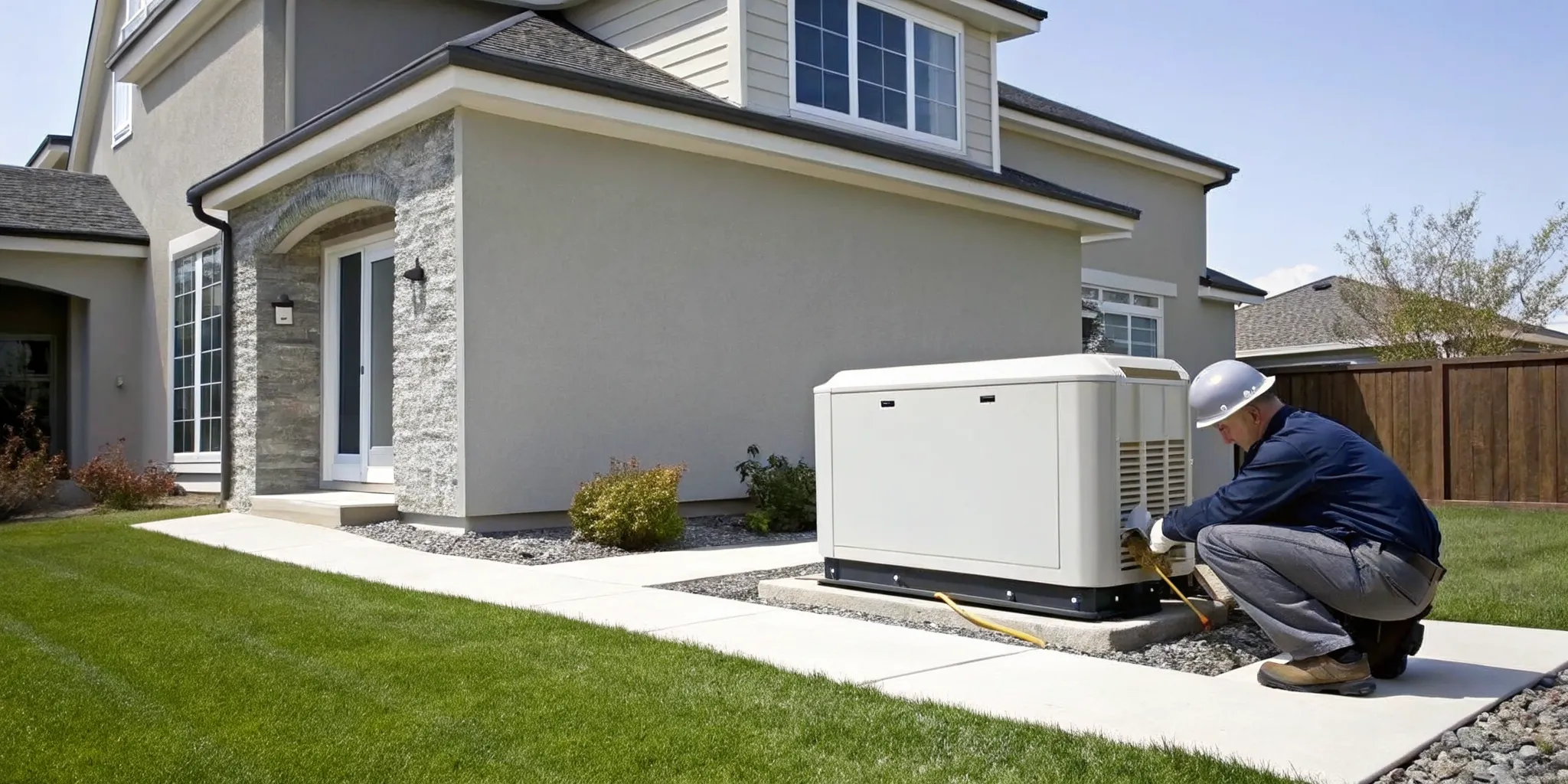
On installation day, our team gets to work bringing the plan to life. We start by preparing the site and placing a concrete pad to create a stable, level surface for the generator. Once the unit is securely in place, we connect it to the fuel line and your home’s electrical system. Our certified technicians ensure your system is installed safely, efficiently, and in full compliance with all local building codes. We treat your property with respect, keeping the work area clean and organized from start to finish. You can trust that the work is being done right by our team of experienced professionals.
Step 3: Final Testing and Walkthrough
Before we consider the job complete, we conduct a full system test. This includes simulating a power outage to watch your Generac spring into action. Your generator comes with a transfer switch that automatically monitors the flow of electricity in your home, and we make sure it seamlessly transfers power when needed. Once we’ve confirmed everything is working perfectly, we’ll walk you through the entire system. We’ll show you how it operates, explain the control panel, and answer any questions you have. We want you to feel completely confident and prepared for any outage, and we can also discuss a Generac maintenance plan to keep it running smoothly for years.
Common Generator Installation Myths, Busted
When you’re thinking about a big home investment like a generator, it’s easy to get tangled up in conflicting advice. Let’s clear the air and tackle some of the most common myths about generator installation. Getting the facts straight will help you make a confident choice for your home’s security and comfort.
Myth: Any Electrician Can Do It
This is one of the most frequent and riskiest assumptions. While it’s true that installing a generator involves electrical work, it’s a highly specialized field. A standby generator isn’t just another appliance; it integrates directly with your home’s electrical panel and fuel lines. A proper residential standby generator installation requires a certified technician who understands the specific mechanics of the unit, the automatic transfer switch, and local building codes. These professionals have the training to handle the complexities of power systems and safety protocols that a general electrician might not encounter regularly, ensuring your system works safely and reliably when you need it most.
Myth: A Portable Generator is Just as Good
Portable generators have their place, but they can’t compare to the convenience and power of a standby unit. A portable model requires you to manually set it up during a storm, run extension cords through your home, and constantly refuel it. In contrast, a Generac generator is a permanent solution that kicks in automatically within seconds of an outage. You don’t have to lift a finger. It powers your home’s circuits directly, so you can keep your lights, refrigerator, HVAC system, and other essentials running seamlessly. For true peace of mind during extended outages, a standby generator is in a class of its own.
Myth: Generators Can Run Forever
A standby generator is a powerful machine, but it’s not a personal power plant that can run endlessly without a break. Think of it like the engine in your car. It’s built for performance, but it still needs routine care to function correctly. Running a generator for days on end during a major outage requires it to be in top condition. This is why following a regular Generac maintenance schedule is so important. Professional service ensures that your generator is ready to handle the demand of a long-term outage without risking damage to the engine or your home’s electrical system.
How to Choose the Right Installation Company
Selecting the right company to install your generator is just as important as choosing the generator itself. This is a major addition to your home’s safety and electrical system, and the quality of the installation directly impacts its performance, safety, and longevity. A great installer ensures your generator works flawlessly from day one and provides the support you need for years to come. A poor installation can lead to performance issues, void your warranty, or even create safety hazards.
When you start looking for a partner for your residential standby generator installation, you’re looking for more than just a team with the right tools. You need a company with proven expertise, a deep understanding of local requirements, and a commitment to your long-term satisfaction. Think of it as choosing a specialist for a critical home system. To find the best fit for your Penn Valley home, focus on three key areas: manufacturer certification, local experience, and their plans for ongoing support. These factors separate a good installer from a great one and give you confidence that your investment is in capable hands.
Look for a Certified Generac Dealer
When you’re investing in a Generac generator, it makes sense to work with a team that has been trained and certified by Generac itself. A Certified Generac Dealer isn’t just a title; it’s a guarantee that the technicians have completed extensive training on installing and servicing these specific systems. They know the equipment inside and out, from the electrical connections to the fuel lines. This expertise ensures your installation meets the manufacturer’s strict standards, which is crucial for both safety and protecting your warranty. Choosing a certified dealer means you’re getting a specialist, not a generalist.
Verify Their Local Experience
A company with a long history of serving Penn Valley and the surrounding communities brings invaluable local knowledge to your project. They understand the specific building codes, permit requirements, and inspection processes in our area, which helps your installation go smoothly and without delays. A local company also has a reputation to maintain. You can check their reviews, ask for references in your neighborhood, and feel confident that they’ll be there if you need them in the future. Their familiarity with our region’s weather and power grid challenges means they can provide practical, proven solutions for your home.
Ask About Maintenance and Support Plans
Your relationship with your installation company shouldn’t end once the generator is running. A generator is a complex piece of machinery that, like your car, needs regular upkeep to perform reliably when you need it most. Before you commit, ask about their Generac maintenance and support plans. A great company will offer comprehensive programs that include routine inspections, oil and filter changes, and system tests. This proactive approach ensures your generator is always ready for an outage, giving you true peace of mind through every season.
Caring for Your New Generator
Your new generator is a powerful addition to your home, ready to protect your family and comfort during an outage. Like your car, it needs a little attention to perform its best when you need it most. Proper care ensures your generator runs efficiently for years, giving you reliable power and peace of mind. Modern Generac generators are low-maintenance, and with a solid care plan, you can feel confident it’s always prepared. Let’s walk through the simple steps to keep your generator in top shape.
Why Regular Maintenance Matters
Just like you wouldn’t skip an oil change for your car, you shouldn’t neglect your generator. Regular maintenance is the key to ensuring your system is reliable and has a long lifespan. During a visit, a certified technician will check fluid levels, inspect batteries, test transfer switches, and run diagnostics to catch small issues before they become big problems. This proactive approach keeps your generator in optimal condition, so you can trust it will start up automatically when you need it. A consistent generator maintenance schedule is the best way to protect your investment.
Using Remote Monitoring and Alerts
One of the best features of modern Generac generators is the ability to monitor them from anywhere. Using Wi-Fi, systems like Mobile Link let you check your generator’s status from your smartphone or computer. You can see if it’s ready to run, review its performance history, and get alerts for maintenance needs. This technology gives you incredible peace of mind, knowing your generator is being watched over 24/7. It also allows our technicians to be more proactive, often identifying a service need before you even know there’s an issue.
Flexible Financing for Your Investment
We understand a whole-home generator is a significant investment in your home’s safety. To make this critical upgrade more accessible, we offer flexible financing options. These plans allow you to get the protection you need now while managing the cost with predictable monthly payments that fit your budget. Investing in a generator shouldn’t be a financial strain. Exploring Generac financing can help you move forward with confidence, knowing your home is protected without having to wait. It’s a practical way to secure peace of mind for your family.
Related Articles
- Generac Installation Gwynedd Valley: A Complete Guide
- Generac Standby Generator Installation in SEPA | M.T. Ruhl Electrical
- PA Generator Installation & Service | Trusted Generac Dealer
Frequently Asked Questions
Do I need to be home for my generator to turn on? No, you don’t. The system is designed to be completely automatic. It includes a transfer switch that constantly monitors the power coming from the utility company. The moment it detects an outage, it signals the generator to start and transfers your home’s power source, all within a matter of seconds. You can be at work or on vacation and have full confidence that your home is protected.
How often does my new generator need to be serviced? To keep your generator in top condition, we recommend professional maintenance once a year. Think of it like an annual check-up for your car; it’s essential for reliability. During a service visit, a technician will perform key tasks like changing the oil and filter, checking the battery, and running a full diagnostic test. This regular care ensures your generator will be ready to perform perfectly whenever you need it.
How long does the installation process typically take? A standard residential installation is usually completed in a single day. Our team handles everything from preparing the site and setting the generator to making all the necessary electrical and fuel connections. The exact timeline can vary slightly depending on the complexity of your property, but we work efficiently to get your system up and running with minimal disruption to your routine.
Will my power be out for the entire installation? Not at all. Your home’s power will only need to be turned off for a short period while we safely connect the automatic transfer switch to your main electrical panel. This part of the process usually takes just a few hours, not the entire day. We will always coordinate with you to schedule this for a time that is most convenient for you and your family.
What’s the real difference between powering my whole home versus just the essentials? Powering just the essentials means the generator is connected to specific circuits you choose ahead of time, like your refrigerator, furnace, sump pump, and a few lights. It’s a practical way to cover the absolute basics. A whole-home system connects to your entire electrical panel, so you can live life as usual during an outage. You can run your air conditioning, watch TV, and do laundry without having to think about what’s on. The right choice simply depends on your family’s needs and budget.