
Here in Southeastern Pennsylvania, we know that power outages aren’t a matter of if, but when. From summer thunderstorms to winter ice storms, losing power for days is a real possibility. This makes the battery backup vs standby generator decision especially critical for local homeowners. You need a solution that can handle our region’s unpredictable weather. While a battery might get you through a few hours, a standby generator offers the long-haul reliability needed to keep your heat on and your home safe during a multi-day outage. Let’s explore which option is built for the challenges we face.
Key Takeaways
- Choose between short-term essentials and long-term comfort: A battery backup offers silent, instant power for a few key items for a limited time. A standby generator creates its own power, running your entire home—including the AC—for as long as you need.
- Assess your true power needs, especially for large appliances: While batteries are great for lights and electronics, they often can’t handle high-demand items like central air or well pumps. A standby generator is designed to manage these heavy loads, ensuring your entire home functions normally.
- Plan for the length of a typical outage in our area: A battery’s limited runtime is fine for a brief interruption, but it won’t last through a multi-day outage from a major storm. A standby generator’s ability to run for days is built for the unpredictable weather we see in Southeastern PA.
Battery Backup vs. Standby Generator: Which is Right for You?
When the power goes out, having a backup plan is a huge relief. But choosing the right one can feel overwhelming. The two main players are battery backup systems and standby generators, and while they both keep your lights on, they work in completely different ways. Think of it as the difference between storing power and creating it on the spot. A battery system saves up electricity to use later, like a giant power bank for your house. A standby generator, on the other hand, is a power plant in miniature, ready to fire up and generate new electricity whenever you need it.
Understanding how each one operates is the first step to figuring out which solution is the best fit for your home, your family’s needs, and your peace of mind. Your decision will depend on factors like how long outages typically last in your area, what appliances you absolutely need to keep running, and your budget. Are you looking for silent, instant power for a few key appliances, or do you need robust, long-term energy to run your entire house—including the AC—through a multi-day outage? The answer will guide you toward the right technology. Let’s break down the mechanics of each system so you can make a confident choice for your home in Southeastern Pennsylvania.
How Do Battery Backups Work?
Think of a battery backup as a large, sophisticated, rechargeable battery integrated with your home’s electrical system. It stores energy, either by drawing it from the power grid during off-peak hours or by capturing it from solar panels. When an outage occurs, your home automatically switches over to draw power from the battery. Because they don’t burn fossil fuels, they operate silently and don’t produce any emissions or harmful gases like carbon monoxide. This makes them a clean and quiet option for providing instant power to essential devices. The installation is a key part of ensuring it works seamlessly with your existing residential electric setup.
How Do Standby Generators Work?
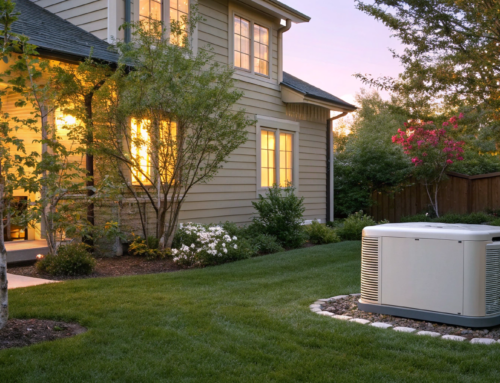
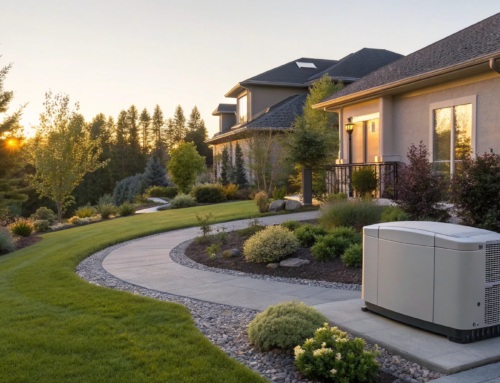
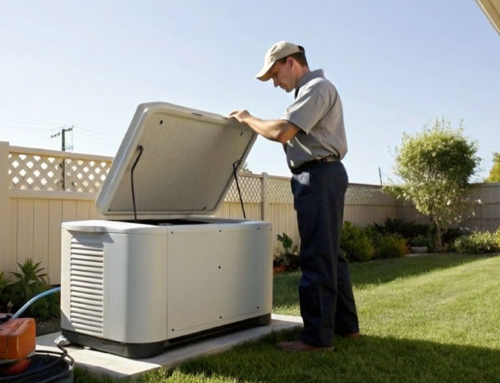
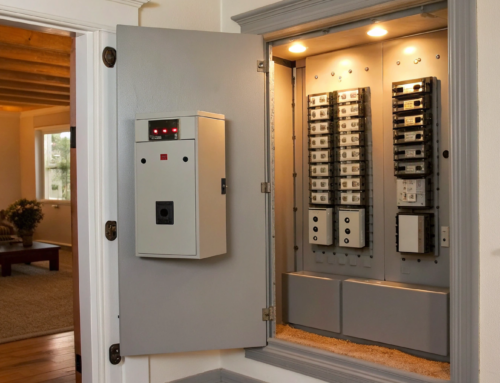
A standby generator is a permanent power solution installed outside your home, much like an air conditioning unit. It’s connected directly to your home’s electrical panel and a fuel source, typically natural gas or propane. Unlike a battery that stores power, a Generac generator actually creates electricity. When it detects a power outage, an automatic transfer switch safely disconnects your home from the grid and starts the generator. Within seconds, it’s producing enough electricity to power your entire home, from the lights and refrigerator to the air conditioning and well pump. As long as it has fuel, it can run for days or even weeks, ensuring life goes on as normal.
The Pros of Battery Backup Systems
Battery backup systems are gaining popularity as a quiet, clean alternative for keeping the lights on during an outage. Unlike traditional generators that create power by burning fuel, these systems store electricity from the grid or solar panels for later use. They integrate directly with your home’s electrical system, offering a seamless and modern approach to backup power. If you value silent operation and a smaller environmental footprint, a battery backup has some compelling advantages.
Quiet, Instant Power
One of the biggest draws of a battery backup system is its silent operation. Because there are no moving parts or combustion engines, batteries run without the noise and vibration of a generator. This is a huge plus for homes in neighborhoods with noise restrictions or for anyone who simply prefers peace and quiet. The power is also instantaneous. The moment the grid goes down, the battery kicks in so quickly you might not even notice the flicker. Plus, since they don’t burn fuel, they don’t produce any exhaust or fumes, making them a clean and low-maintenance option for indoor or outdoor installation.
Eco-Friendly and Solar-Ready
For homeowners looking to reduce their carbon footprint, battery backups are a great choice. They don’t burn fossil fuels, which means no harmful emissions like carbon monoxide are released around your home. This makes them a cleaner, greener way to ensure your power stays on. Many battery systems are also designed to pair with solar panels, allowing you to store the sun’s energy to use during an outage or even at night. This creates a self-sufficient and renewable power source, giving you more control over your home’s energy and your residential electric system.
Smart Tech for Energy Management
Modern battery backup systems come with smart technology that gives you more insight into your energy habits. Using a simple app on your phone, you can monitor how much power your home is using and how much is left in the battery. This technology can also help you save money. If your utility company charges different rates throughout the day, you can program your system to use battery power when electricity is most expensive and recharge from the grid when it’s cheaper. It’s a smart way to manage your energy consumption and potentially lower your monthly bills, all while having a reliable backup plan.
The Cons of Battery Backup Systems
While the idea of a silent, eco-friendly power source is appealing, battery backup systems come with some practical limitations you’ll want to consider. For many homeowners, especially here in Southeastern Pennsylvania where storms can cause multi-day outages, these drawbacks can be significant. It’s not about dismissing the technology, but about being realistic about what a battery can handle when you need it most. Understanding these challenges will help you decide if a battery truly fits your family’s needs or if a different solution might offer better peace of mind.
Limited Power and Runtime
The biggest hurdle for battery systems is their finite energy storage. A battery only holds a certain amount of power, and once it’s gone, you’re back in the dark until the grid is restored. This is especially true if you want to run major appliances. For example, a single popular battery model holds about 14 kilowatt-hours (kWh) of energy. On a hot summer day, your central air conditioner alone can use more than double that amount. During a prolonged outage, you’d need several batteries linked together just to stay cool, which isn’t always practical. A battery is great for a few hours, but it can’t match the long-haul endurance of a Generac generator.
Higher Initial Cost
When you compare the cost of powering your entire home, battery systems often come with a much higher price tag upfront than standby generators. To get enough battery capacity to run essential appliances like your AC, well pump, and refrigerator for several days, the investment can quickly add up. While you can start with a single battery, you might find it doesn’t provide the coverage you expected, leading to expensive upgrades later. We believe in transparent solutions, which is why we offer clear options and even Generac financing to make reliable backup power more accessible for your budget.
Can’t Handle High-Demand Appliances
Battery systems can struggle with the initial power surge required to start large appliances. Things like central air conditioners, electric heat pumps, and well pumps draw a massive amount of electricity when they first kick on. A standard battery setup may not have the output to handle these loads, forcing you to choose between running your AC or keeping your freezer cold. This means you might have to compromise on comfort and convenience during an outage. A whole-home generator, on the other hand, is designed specifically to manage these high-demand items, ensuring your entire home operates smoothly, just as it would with grid power.
The Pros of Standby Generators
When you think about true, uninterrupted power, standby generators are often the first solution that comes to mind. Unlike portable options or smaller battery backups, a standby generator is a permanent fixture, fully integrated with your home’s electrical system. This setup provides a robust and reliable source of power that can handle just about anything a power outage throws your way. For homeowners in Southeastern PA who experience everything from summer thunderstorms to winter ice storms, this level of preparedness offers incredible peace of mind.
The real advantage of Generac generators is their ability to completely take over when the grid goes down. They don’t just keep a few lights on; they run your entire home, maintaining your comfort and safety until utility power is restored. This means your daily life continues with minimal disruption. The kids can still watch TV, you can still work from your home office, and your food stays fresh in the refrigerator. It’s a comprehensive solution for anyone who wants to ensure their home remains a safe haven, no matter the weather outside.
Long-Lasting Power for Days (or Weeks)
One of the most significant benefits of a standby generator is its impressive runtime. While a battery backup has a limited charge that will eventually run out, a standby generator can run for days—or even weeks—as long as it’s connected to a fuel source like natural gas or propane. This is a game-changer during extended outages caused by severe weather events. You won’t have to worry about rationing power or deciding between running the refrigerator and charging your phone.
This long-lasting power provides a deep sense of security. Knowing that your home will have electricity for the duration of an outage means your family stays safe, warm, and comfortable. Your well pump will continue to supply water, your sump pump will prevent flooding, and your essential medical devices will remain operational. With a proper residential standby generator installation, you can ride out the storm without the stress and uncertainty that comes with a prolonged loss of power.
Powers Your Entire Home—AC Included
A common limitation of other backup power solutions is that they can only handle a few essential appliances. A standby generator, on the other hand, has the muscle to power your entire home. This includes the heavy-duty appliances that consume a lot of energy, like your central air conditioner, electric furnace, water heater, and oven. During a sweltering August heatwave, being able to run your AC isn’t a luxury—it’s a matter of safety and comfort.
Imagine a power outage on the hottest day of the year. With a standby generator, your home remains a cool oasis. You can cook meals, do laundry, and go about your day as if nothing happened. This whole-home capability ensures you don’t have to make compromises. It protects your home and your lifestyle, ensuring that a power outage is merely an inconvenience, not a crisis. This is why so many homeowners find the investment in a generator to be invaluable.
Reliable Power in Any Weather
Standby generators are designed for automatic, hands-off operation. When a power outage occurs, an automatic transfer switch senses the disruption and signals the generator to start—all within a matter of seconds. You don’t have to go outside in the middle of a storm to flip a switch or pull a cord. The transition to backup power is so seamless you might not even notice the grid went down.
This reliability is crucial for protecting your home and family. It ensures that critical systems like security alarms, sump pumps, and medical equipment never lose power. This automatic function provides constant readiness, 24/7. Of course, to ensure your generator is always ready to perform, routine check-ups are essential. A scheduled Generac maintenance plan keeps your system in peak condition, so you can trust it will be there for you when you need it most.
The Cons of Standby Generators
Standby generators are incredible machines, but like any major home appliance, they come with a few considerations you’ll want to think about. Being aware of these aspects from the start helps you make a fully informed decision and ensures you’re completely happy with your choice. Think of these less as “cons” and more as important factors to plan for. A professional installation and maintenance plan can easily address each of these points, making them simple items on your checklist rather than significant hurdles.
The key is knowing what to expect. From the sound it makes during its weekly self-test to the routine care it needs to perform flawlessly during an outage, understanding the full picture is part of responsible ownership. Let’s walk through what you should keep in mind.
Noise and Emissions
Because a standby generator is powered by an engine, it produces noise and exhaust, much like a central air conditioning unit or a car. While modern Generac models are designed with quiet operation in mind, they aren’t silent. As one industry resource notes, “generators are very loud” compared to a silent battery system. This is a key consideration for placement; you’ll want to install it where it won’t disturb you or your neighbors. Additionally, since they run on natural gas or propane, they produce emissions. Proper, professional installation ensures the unit is safely located with adequate ventilation, far from windows and doors.
Requires Fuel and Regular Maintenance
Just like your car, a generator needs fuel to run and routine check-ups to stay in peak condition. It connects directly to your home’s natural gas or propane supply, so you won’t have to worry about refueling during an outage. However, it does require periodic service to keep it ready for action. As users in online forums often discuss, “generators need regular maintenance,” like oil changes and filter replacements. This proactive care is crucial for reliability. Partnering with a certified dealer for a Generac maintenance plan is the easiest way to handle this, ensuring your investment is always prepared to protect your home.
Complex Installation and Permitting
Installing a standby generator is not a weekend DIY project. It’s a complex job that involves electrical wiring, fuel line connections, and local permitting. As CNET explains, a proper setup often requires a concrete base and specialized wiring to connect safely to your home’s electrical panel. Because both generator and battery systems “need professional installation,” it’s essential to work with a qualified team. An experienced installer handles everything from site preparation and permit applications to the final electrical and fuel connections, making the process seamless for you. This ensures your residential standby generator installation is safe, compliant with all local codes, and ready to perform when you need it most.
Comparing the Costs: Battery vs. Generator
Let’s talk about the bottom line. Deciding on a backup power system is a significant investment in your home’s safety and comfort, so understanding the full financial picture is key. The price tag isn’t just about the initial purchase; it also includes what you’ll spend over the years to keep it running. When you break it down, the costs for a battery system and a standby generator look quite different, both on day one and ten years down the road. We’ll walk through the upfront costs, long-term expenses, and any available financial perks to help you see which option aligns best with your budget and priorities.
Upfront Purchase and Installation Costs
Generally, a whole-home standby generator has a lower initial cost than a comparable battery backup system. Industry estimates often place a professionally installed standby generator system in a lower price bracket than a home battery system, which can be significantly more expensive upfront. The final cost for either system depends on the size you need and the complexity of the installation. A residential standby generator installation involves preparing a concrete pad, running fuel lines, and connecting the system to your home’s electrical panel, all of which our certified team handles seamlessly.
Long-Term Running and Maintenance Costs
This is where the financial comparison flips. Battery backup systems have very few ongoing costs since they don’t use fuel and require minimal upkeep. Standby generators, on the other hand, run on natural gas or propane and need routine service to stay in peak condition. While you’ll need to budget for fuel and professional check-ups, this proactive Generac maintenance is what ensures your generator will start instantly and run reliably for days when you need it most. These predictable costs are a small price to pay for long-term peace of mind during an extended outage.
Available Incentives and Financing
Financial incentives can play a big role in your decision. Home battery systems, especially when paired with solar panels, may be eligible for significant federal tax credits, which can lower their effective cost. It’s always a good idea to check for the latest federal and state incentives. While generators typically don’t qualify for these green energy credits, many homeowners find the investment more accessible through flexible payment options. We offer straightforward Generac financing to help you get the security of a standby generator without the upfront financial strain, making it easier to fit this essential home upgrade into your budget.
How to Choose the Right Backup Power for Your Home
Deciding between a battery backup and a standby generator isn’t just about technology; it’s about finding the right fit for your home, your family, and your peace of mind. The best choice depends entirely on your specific situation. Think about what you truly need to power during an outage, how often you lose power, and what your neighborhood is like. Is your main goal to keep the fridge cold and the lights on for a few hours, or do you need to run your entire house—air conditioning and all—for several days?
Answering these questions will help you weigh the pros and cons of each system. A family with medical equipment that requires constant power will have different priorities than someone who just wants to keep their Wi-Fi running. To make a confident decision, you’ll want to look at three key areas: your home’s energy consumption, the reliability of the power grid in your area, and any local rules that might influence your choice. Let’s walk through each of these factors so you can figure out which solution will be there for you when you need it most.
Calculate Your Power Needs
The first step is to get a clear picture of how much power your home actually uses. It’s easy to underestimate this. For example, running a central air conditioner on a hot summer day can consume a massive amount of energy. While a battery system can be expanded, you’d need a very large and expensive setup to handle high-demand appliances for more than a few hours.
Think about what’s essential during an outage. Do you just need to power the basics like your refrigerator, a few lights, and your sump pump? Or do you want a seamless transition where you can still use your oven, laundry, and AC? A professional load calculation is the best way to get an accurate answer. We can help you determine the right size generator for a residential standby generator installation that meets your exact needs.
Consider Your Local Outage History
How often does the power go out in your neighborhood, and for how long? Here in Southeastern Pennsylvania, we see it all—from summer thunderstorms that knock out power for a few hours to winter ice storms that can leave you in the dark for days. As power grid failures rise due to aging infrastructure and severe weather, having a reliable backup plan is more important than ever.
If you only experience brief, infrequent outages, a smaller solution might suffice. But for the multi-day blackouts that can happen in our region, the extended runtime of a standby generator is unmatched. It can run for as long as it has a fuel supply, giving you the confidence that your home will remain safe and comfortable no matter what’s happening outside.
Factor in Environmental and Neighborhood Rules
Finally, consider your property and your neighborhood. Standby generators run on natural gas or propane and do produce noise and emissions. While modern Generac models are designed to be as quiet and efficient as possible, they are still machines. It’s important to be aware of this, especially if you live close to your neighbors or have a strict homeowners’ association (HOA).
Many communities have rules about noise levels or where a generator can be installed. The good news is that a professional installer will handle all of this for you. We are experts on the local codes and permit requirements across our service areas and will ensure your generator is installed safely and correctly, so you have nothing to worry about.
Why Southeastern PA Homeowners Trust Generac
When it comes to choosing a backup power solution, homeowners across our region consistently turn to Generac. It’s not just about having a generator; it’s about having a reliable system that you can count on when the lights go out. Generac has built a reputation for performance and durability that stands up to the unpredictable weather we see in Southeastern Pennsylvania, from summer thunderstorms to winter ice storms.
The real value of a Generac generator lies in its thoughtful design, which is centered around homeowner convenience and peace of mind. These systems are engineered to work without you having to lift a finger, providing a seamless transition to backup power. Paired with professional installation and robust local support, it’s a complete solution that keeps your home safe, comfortable, and fully functional during an outage. For families in our community, that level of reliability is everything.
Seamless, Automatic Power
One of the biggest advantages of a Generac standby generator is its automatic operation. Unlike portable generators that require you to haul them out, fuel them up, and run extension cords, a standby unit is permanently connected to your home’s electrical system. The moment it detects a power outage, its automatic transfer switch kicks in and starts the generator, typically within seconds. You don’t have to do a thing.
This means your essential systems—like the refrigerator, HVAC, well pump, and medical equipment—keep running without interruption. It’s a hands-off solution that provides true peace of mind, especially if you’re away from home or in the middle of a severe storm. You can trust that your home is protected and powered, no matter what.
Expert Installation and Solid Warranties
A powerful generator is only as reliable as its installation. That’s why choosing a certified dealer is so important. Proper residential standby generator installation involves careful placement, correct electrical wiring, and secure fuel line connections to ensure your system operates safely and efficiently for years to come. Our team handles every detail, from the initial assessment to the final startup test.
Beyond the installation, Generac stands behind its products with strong warranties, giving you an extra layer of confidence in your investment. When you work with an experienced team like ours, you know your generator is installed to meet manufacturer specifications, which is key to maintaining your warranty. It’s a partnership that ensures your system is ready when you need it most.
Proven Reliability Across Chester, Montgomery, Bucks, and Delaware Counties
Generac’s reputation for reliability is well-earned, especially here in Southeastern PA. These generators are built to withstand harsh weather conditions and provide consistent power through extended outages. With a wide range of models available, there’s a Generac generator to fit the specific power needs of any home, from a smaller house in Phoenixville to a larger property in Doylestown.
For homeowners across our service areas, having a dependable backup power source is crucial for maintaining comfort and safety. It means your heat stays on during a winter storm and your air conditioning keeps running through a summer heatwave. It’s this proven performance and local trust that make Generac the go-to choice for protecting what matters most.
Related Articles
- Standby Generator Glenside: A Homeowner’s Guide
- Are Generators Worth It? A Cost vs. Benefit Guide
- Automatic Standby Generator Cost: The 2025 Guide
- Standby Generac Generator FAQs | M.T. Ruhl
Frequently Asked Questions
Can a battery backup really power my whole house, including my air conditioner? While a battery can power essential items, running your entire home—especially high-demand appliances like a central air conditioner—is a major challenge for most battery systems. You would need a very large and costly multi-battery setup to handle that kind of load for more than a very short time. For true whole-home power that keeps everything running smoothly, including the AC during a summer heatwave, a standby generator is the more practical and powerful solution.
How long can a standby generator run continuously? A standby generator can run for days or even weeks without interruption, as long as it has a continuous fuel supply. Since it’s connected directly to your home’s natural gas line or a large propane tank, you don’t have to worry about refueling it. This makes it an incredibly reliable option for the extended power outages that can happen after a severe storm.
What kind of maintenance does a standby generator need? Think of it like your car’s routine service. A standby generator needs periodic check-ups, including oil and filter changes, to ensure it’s ready to perform at a moment’s notice. Most models run a quiet self-test each week to make sure everything is in working order. Signing up for a professional maintenance plan is the easiest way to handle this, as it guarantees your generator is always in peak condition without you having to think about it.
Do I have to be home to turn on the generator during an outage? Not at all. A standby generator works automatically, which is one of its best features. It constantly monitors the power from the utility grid. The instant an outage is detected, the system’s automatic transfer switch safely disconnects from the grid and signals the generator to start. Power is typically restored to your home within seconds, whether you’re home or away.
Which system is better if I only lose power for a few hours at a time? If your outages are typically brief and you only need to power a few essential items like your refrigerator and Wi-Fi, a battery backup can be a great fit. It provides silent, instant power for those shorter interruptions. However, if you want the security of knowing your entire home will have power for an unpredictable length of time—whether it’s two hours or two days—a standby generator offers more comprehensive and long-lasting protection.