
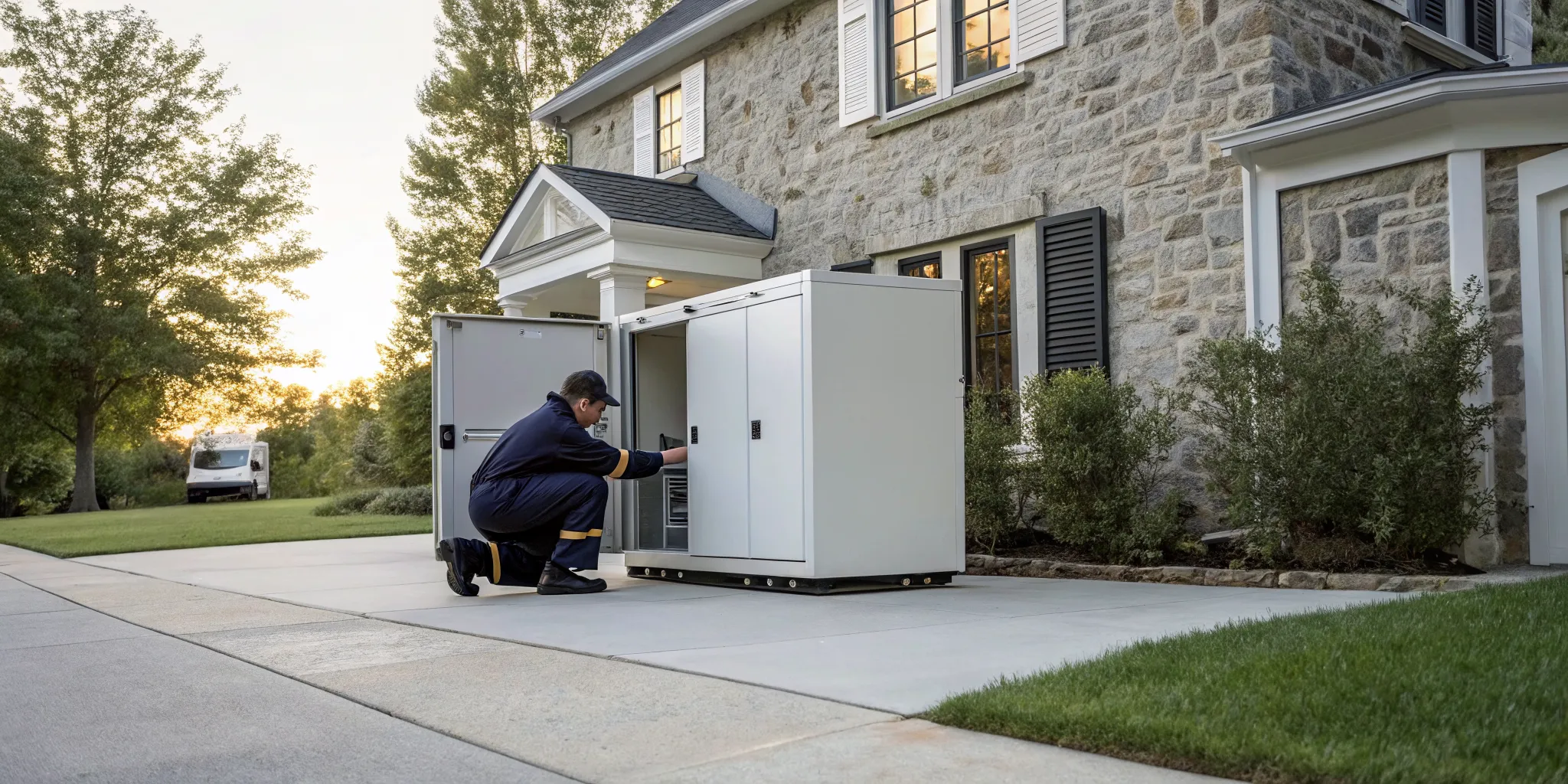
You invested in a generator because you value preparedness and peace of mind. That same proactive mindset is key to keeping it running reliably for years to come. While routine professional maintenance is essential, your own observations between service visits play a huge role. Spotting a potential issue early on is the most effective way to prevent a costly and stressful failure during a storm. This article is designed to be your guide, teaching you how to listen to and look at your generator to identify the tell-tale signs of trouble. Knowing when to call for expert generator repair in Merion Station ensures your investment continues to protect your home and family effectively.
Key Takeaways
- Know the Signs of a Failing Generator: Pay attention to how your generator runs. Difficulty starting, unusual noises, fluid leaks, or dashboard alerts are all clear indicators that you should call for a professional inspection before a small issue becomes a major failure.
- Trust Certified Experts for Repairs: For your safety and to protect your warranty, always hire a certified technician. Look for a company with proven expertise, positive local reviews, and the ability to respond to emergencies when you need them most.
- Prioritize Proactive Maintenance: A combination of simple homeowner checks and professional service is the best way to ensure reliability. Monitor the weekly self-test, keep the battery terminals clean, and stick to a schedule for professional maintenance like oil and filter changes.
How to Tell if Your Generator Needs Repair
Your generator is your home’s safety net during a power outage, so keeping it in top condition is essential. But how do you know when it needs a little professional attention? While some signs are obvious, others can be subtle. Catching these issues early can save you from a much bigger headache (and a more expensive repair) down the road. Think of it like a car; you wouldn’t ignore a strange noise or a warning light on your dashboard, and the same principle applies to your generator.
Paying attention to how your generator looks, sounds, and performs is the best way to stay ahead of potential problems. Regular self-checks, especially after it runs during an outage, can help you spot trouble before it escalates. If something seems off, it probably is. Trust your instincts and don’t hesitate to call for a professional inspection. A small issue today could become a major failure during the next storm when you need your generator the most. Knowing what to look for is the first step in ensuring your home stays powered and protected.
Trouble Starting or Running Smoothly
One of the most straightforward signs of a problem is when your generator struggles to start or stay running. If you notice it takes multiple attempts to turn over during its weekly self-test, or if it sputters and shuts down unexpectedly, something is wrong. This could be caused by several issues, from a weakening battery or old fuel to a clogged filter or a more complex internal problem. An engine that doesn’t run smoothly won’t provide consistent, reliable power to your home, which defeats its purpose. If starting your generator has become a challenge, it’s time to schedule a professional generator service and repair visit.
Fluid Leaks and Visible Damage
A quick visual inspection of your generator can tell you a lot about its health. Be on the lookout for any puddles or drips underneath or around the unit. Leaks of oil, coolant, or fuel are clear indicators that something isn’t right. Even a small leak can point to a cracked hose, a failing seal, or a more serious internal issue that needs immediate attention. While you’re looking, check the generator’s enclosure and wiring for any visible damage like cracks, dents, or frayed wires. Damage to the exterior could mean there are hidden problems inside, so it’s always best to have a technician take a closer look.
Alarms, Warning Lights, and Error Codes
Modern Generac generators are smart machines equipped with self-diagnostic systems. They are designed to tell you when something is wrong through warning lights, alarms, or specific error codes on the control panel. These alerts are your generator’s way of asking for help, so never ignore them. Even if the unit seems to be running normally, a warning light indicates an underlying issue that could worsen over time. Make a note of the specific code or light that is displayed and call a professional right away. This information helps technicians diagnose the problem faster and get your generator back in perfect working order.
Strange Noises or Vibrations
You’re probably familiar with the normal hum of your generator when it’s running. If you suddenly hear new or unusual sounds like grinding, clanking, squealing, or knocking, it’s a major red flag. These noises often signal a mechanical problem, such as a worn-out bearing or a loose component inside the engine. Similarly, if the generator is vibrating more than usual, it could mean parts are out of alignment. Ignoring these sounds can lead to catastrophic failure. Regular generator maintenance helps catch these issues early, but if you hear something strange, shut the unit down and call for an inspection immediately.
What Does a Generator Repair Service Involve?
When your generator stops working, calling a professional is about more than just getting a quick fix. A comprehensive repair service is a systematic process designed to identify the root cause of the problem, restore your generator to perfect working order, and help prevent future issues. A certified technician will handle every step, from the initial inspection to final testing, ensuring the work is done safely and correctly. This process gives you peace of mind, knowing your backup power system is reliable and ready for the next outage. A typical service call involves several key stages, from diagnosis and repair to preventive checks and emergency response.
Diagnosing the Core Problem
The first step in any professional repair is a detailed diagnosis. If your generator isn’t working, it’s best to avoid opening panels or touching wires yourself for safety reasons. Instead, take note of any error codes on the display, listen for unusual noises, or look for visible damage. When the technician arrives, they will use this information along with specialized diagnostic equipment to accurately pinpoint the problem. This expert assessment ensures they address the actual source of the failure, whether it’s a mechanical issue, a fuel system blockage, or a complex electrical fault. This careful approach saves time and prevents unnecessary repairs.
Replacing Parts and Making Repairs
Once the problem is identified, the technician will explain the required fix and get to work. Professional Generac service and repair addresses all common issues, from a generator that won’t start to problems with the battery or transfer switch. A key part of a quality repair is using genuine manufacturer parts. This guarantees that any new component is fully compatible with your system and will perform as expected. Technicians are trained to handle everything from simple part swaps to more complex wiring adjustments, ensuring every repair is completed to the highest standard.
Performing Preventive Maintenance
Sometimes, a generator fails simply because it hasn’t been properly maintained. During a repair visit, a technician may identify issues caused by old oil, clogged filters, or a weak battery. As part of a complete service, they can perform these routine tasks on the spot to get your generator running smoothly again. Regular Generac maintenance is the best way to prevent unexpected breakdowns. By addressing these smaller items during a repair, you can extend the life of your generator and ensure it’s ready to perform reliably when you need it.
Providing Emergency Repair Services
Power outages don’t happen on a schedule, which is why emergency repair services are so important. When a storm hits and your generator fails, you need fast, dependable help. An emergency service team is prepared to respond quickly with the necessary tools and expertise to solve the problem. Having a trusted local company on call means you won’t be left in the dark. Trained technicians can efficiently handle urgent repairs, restoring your home’s power and security during a critical time. This immediate support is crucial for protecting your family and keeping essential systems like sump pumps or medical equipment running.
Understanding Generator Repair Costs
When your generator stops working, one of the first questions that comes to mind is, “How much will this cost to fix?” It’s a fair question, and while there isn’t a single price tag for every repair, you can get a good idea of what to expect by understanding the factors involved. The final cost depends on the specific issue, the type of generator you own, and its overall condition. Knowing what goes into a repair estimate can help you feel more confident and prepared when you call for service.
Factors That Influence the Final Price
The price of a generator repair isn’t pulled out of a hat. Several key things determine the final bill. The size and type of your generator play a big role; a small portable unit will have different repair costs than a large whole-home standby system. The specific problem is another major factor. A simple part replacement will cost less than a complex electrical issue that requires extensive troubleshooting. Finally, the age and maintenance history of your unit matter. A well-cared-for generator often has simpler issues, while a neglected one might have multiple problems that add up. A professional technician can provide an accurate quote after a thorough inspection and Generac service and repair diagnosis.
Typical Costs for Common Repairs
While every situation is unique, it helps to know the general cost range for common generator problems. This can help you budget and spot a fair estimate. For instance, fixing a coolant system leak or replacing a faulty starter are frequent repairs with predictable costs. Swapping out an old battery is another common task. More complex issues, like repairing electrical components such as wiring or circuit boards, tend to be on the higher end of the price spectrum. Regular generator maintenance is the best way to catch small issues before they become expensive problems.
When to Repair vs. Replace Your Generator
Sometimes, the big question isn’t about the cost of a single repair but whether it’s time to invest in a new generator altogether. A well-maintained generator can last a long time, typically between 10,000 and 30,000 hours of operation. If your generator is well within this lifespan and needs a reasonable repair, fixing it is usually the right call. However, if your unit has already put in over 30,000 hours and is facing a major, costly repair, it might be more economical in the long run to consider a new residential standby generator installation. Think of it as a long-term investment in your home’s security and comfort.
How to Choose the Right Generator Repair Company
When your generator needs attention, you want to call someone you can trust to get the job done right. The last thing you need is a quick fix that fails during the next power outage. Finding a reliable repair company isn’t just about fixing a machine; it’s about ensuring your home and family are protected when you need it most. So, how do you sort through the options and find a team that’s truly qualified?
It comes down to a few key things: verifying their expertise, checking their track record in your community, and making sure they’ll be there for you when an emergency strikes. Taking a little time to vet your options now will save you a lot of stress later. Think of it as an investment in your peace of mind. A great repair partner will not only solve the immediate problem but also help you keep your generator in top shape for years to come.
Look for Essential Certifications
A great first step is to look for essential certifications. You wouldn’t want an unlicensed electrician working on your home’s wiring, and the same standard applies to your generator. Certifications from the manufacturer, like those for Generac generators, show that technicians have been specifically trained to work on your equipment. This factory training ensures they understand the system’s specific needs, have access to the right parts, and follow the correct procedures. It’s a clear sign that the company invests in its team’s expertise and is committed to providing high-quality service. Don’t hesitate to ask a company about the qualifications of our team before you schedule a visit.
Check Their Local Reputation and Service Area
You want a repair company that is not only skilled but also established and trusted in your community. Start by looking up local reviews online to see what your neighbors are saying. A company with a strong local presence and positive feedback is likely reliable and committed to customer satisfaction. It’s also important to confirm they serve your specific location. A company that clearly defines its service areas, including places like Merion Station, is more likely to provide prompt and dependable service. Choosing a local expert means they understand regional weather challenges and can get to you quickly when you need them.
Confirm Their Emergency Availability
Generator problems rarely happen at a convenient time. More often than not, you discover an issue right before a big storm or in the middle of an unexpected outage. That’s why a company’s availability for urgent calls is so important. Look for a provider that offers dedicated generator service and repair and has a clear process for handling emergencies. A reliable company will be able to respond quickly to get your backup power running again. When you’re evaluating your options, ask about their response times for emergency calls. Knowing you have a team ready to help provides invaluable security when the power goes out.
What to Expect During a Generator Repair Visit
When your generator needs professional attention, it helps to know what the process looks like from start to finish. A service call isn’t just about fixing a problem; it’s about getting clear answers, understanding the timeline, and feeling confident in the work being done. A professional technician will guide you through each step, ensuring your backup power system is restored correctly and safely. From the moment they arrive to the final handshake, the focus is on clear communication and expert service.
The repair process generally follows three main stages: a thorough diagnosis to find the root cause, a clear explanation of the repair plan and timeline, and a final review of any warranty coverage on the parts and labor. This structured approach ensures nothing is missed and you’re kept in the loop the entire time.
The Initial Assessment and Diagnosis
The first thing a technician will do is listen. You know your generator best, so sharing what you’ve observed is incredibly helpful. Did you see any warning lights or error codes on the control panel? Did you hear strange noises or notice any leaks? This information gives the technician a great starting point. For your safety, never try to open panels or touch internal components yourself. Instead, let the trained professional handle the hands-on inspection. They will perform a comprehensive diagnostic check to pinpoint the exact issue, whether it’s a faulty battery, a clogged fuel line, or a complex electrical problem.
The Repair Timeline and How You’ll Be Kept Informed
Once the problem is identified, the technician will explain what’s wrong in simple terms and outline the plan for the Generac service and repair. They’ll let you know which parts, if any, need to be replaced and give you an estimated timeline for completing the job. For many common repairs, our technicians carry the necessary parts with them to get your generator running again in a single visit. If a specific component needs to be ordered, they will communicate the expected arrival and schedule a follow-up appointment that works for you. Our goal is to restore your power and your peace of mind without long delays.
Understanding Warranty Coverage on Parts and Labor
A professional repair should always come with a guarantee. Before any work begins, the technician will explain the warranty coverage for both the new parts and the labor. This ensures you can feel confident that the fix is built to last. Reputable companies stand behind their work, giving you assurance that if anything goes wrong with the repair, you’re covered. This is also a good time to discuss how a regular Generac maintenance plan can help prevent future issues. Consistent upkeep is the best way to protect your investment and ensure your generator is ready when you need it most.
Professional vs. DIY Generator Repair: Why Call an Expert
When your generator acts up, it’s tempting to search for a quick fix online and try to tackle the problem yourself. While the DIY spirit is great for many home projects, generator repair isn’t one of them. These are complex machines that combine high-voltage electricity with combustible fuel, a combination best left to trained professionals. Before you open the toolbox, consider why calling an expert is the safest and smartest decision for you and your home. A professional generator service and repair call ensures the job is done right, protecting your investment and your peace of mind.
The Safety Risks of Working on Generators
Your generator is a powerful piece of equipment, and working on it without the right training can be incredibly dangerous. If your unit stops working, you should never try to open panels or handle wires on your own. You risk electric shock, serious injury, or even creating a fire hazard. Professional technicians understand the intricate electrical and mechanical systems inside your generator. They follow strict safety protocols to diagnose and fix the issue without putting themselves, your family, or your property at risk. Your safety is the top priority, and it’s the most important reason to leave generator repairs to the experts.
The Need for Specialized Tools and Knowledge
Fixing a modern generator requires more than just a standard set of wrenches. Technicians use specialized diagnostic tools to accurately identify the root cause of a problem, whether it’s a faulty sensor or a complex engine issue. Our team has extensive training and hands-on experience with Generac generators, allowing them to work efficiently and effectively. Guessing at the problem can lead to more damage and more expensive repairs down the line. An expert can pinpoint the exact issue and use the correct parts and techniques to get your generator running reliably again, saving you time and frustration.
Protecting Your Warranty and Your Home
Did you know that attempting a DIY repair could void your generator’s warranty? Most manufacturers require that all service and repairs be performed by a certified technician to keep the warranty valid. By hiring a professional, you protect your investment and ensure any covered repairs are handled correctly. More importantly, a properly functioning generator is your home’s first line of defense during a power outage. Regular, professional generator maintenance not only prevents unexpected breakdowns but also ensures your system is ready to perform safely when you need it most, keeping your lights on and your home secure.
How to Prevent Future Generator Problems
The best way to handle a generator repair is to avoid needing one in the first place. A little proactive care goes a long way in keeping your generator ready for action, saving you from the stress of a sudden failure during a power outage. Think of it like the regular check-ups you do for your car or your health; consistent attention helps catch small issues before they become major headaches. By staying on top of a few key tasks, you can significantly extend the life of your generator and ensure it runs reliably when you need it most.
Most of this comes down to a simple routine. You don’t have to be a generator expert to play a role in its upkeep. Simple steps like running regular tests, keeping an eye on fluid levels, and checking the battery can make a huge difference. These habits, combined with scheduled professional generator maintenance, form a powerful strategy for reliability. Taking these preventative measures ensures your investment is protected and your home stays powered, no matter what the weather brings.
Run Monthly Self-Tests
One of the best features of modern Generac generators is their ability to perform a weekly self-test. This is a short, pre-scheduled cycle where the generator starts up and runs for a few minutes to circulate oil and diagnose its own systems. Your job is simple: pay attention. Make a note of when your generator typically runs its test. Listen for any strange noises and look for any warning lights on the control panel afterward. This brief, automated check-up is your first line of defense, as it can alert you to a potential problem long before you’re left in the dark. If you notice anything unusual, it’s the perfect time to call for a professional inspection.
Keep Up with Oil and Filter Changes
Just like your car’s engine, your generator’s engine needs clean oil and filters to run efficiently. Over time, oil breaks down and filters get clogged with debris, which can lead to poor performance and even serious engine damage. Following the manufacturer’s recommended schedule for oil and filter changes is crucial for the health and longevity of your unit. While some homeowners might feel comfortable with this task, it’s a standard part of any professional Generac service and repair plan. A technician will use the correct type of oil and filters for your specific model, ensuring everything is done right to keep your generator in peak condition.
Perform Regular Battery Maintenance
A weak or dead battery is one of the most common reasons a generator fails to start during an outage. The battery provides the initial power needed to crank the engine, and if it’s not ready, your generator is useless. A few times a year, take a moment to visually inspect the battery. Look for any corrosion (a white or bluish powdery substance) around the terminals and make sure the connections are tight. Keeping the terminals clean and secure helps ensure a reliable start every time. If your generator is having trouble starting, the battery is one of the first things a professional will check.
Related Articles
- Emergency Generator Repair Service: A Complete Guide
- Your Guide to Generator Repair in Bala Cynwyd
- Expert Generator Repair in Delaware County: A Guide
- Generac Service Technician: Cost & What to Expect
Frequently Asked Questions
How often should my generator be professionally serviced? Think of professional service like an annual check-up for your generator. We recommend having a certified technician perform a full maintenance visit at least once a year. This routine service helps catch small issues before they become big problems, ensures your generator runs efficiently, and keeps it ready for any unexpected power outage. Consistent professional care is the best way to protect your investment and maintain its reliability for years to come.
Is it okay to ignore a warning light if my generator seems to be working? You should never ignore a warning light, even if the generator appears to be running normally. That light is your system’s way of telling you something is wrong under the hood. It could be a minor sensor issue or an early sign of a more serious problem that could cause a complete failure during the next storm. The safest thing to do is to make a note of the light or error code and call a professional for an inspection.
What should I do if my generator fails during an actual power outage? First, don’t try to fix it yourself, especially during a storm or in the dark. Your safety is the top priority. The best course of action is to call a trusted company that offers emergency repair services. A trained technician has the right tools and expertise to safely diagnose the problem and work to get your power restored as quickly as possible.
Can I perform some maintenance tasks myself? Absolutely. As a homeowner, you play an important role in your generator’s upkeep. You can perform simple visual inspections, like checking for fluid leaks or visible damage, and making sure the area around the unit is clear of debris. It’s also helpful to listen during the weekly self-test for any unusual sounds. However, technical tasks like changing the oil, replacing filters, and servicing the battery should always be left to a certified professional to ensure the work is done correctly and safely.
How do I know if it’s more cost-effective to repair or replace my generator? This decision usually comes down to three things: the generator’s age, the cost of the repair, and its overall performance history. If your generator is relatively young and needs a straightforward repair, fixing it is almost always the right choice. However, if the unit is older, has required frequent repairs, and is now facing a very expensive fix, it may be more practical to invest in a new installation. A professional technician can give you an honest assessment to help you make the best decision.